
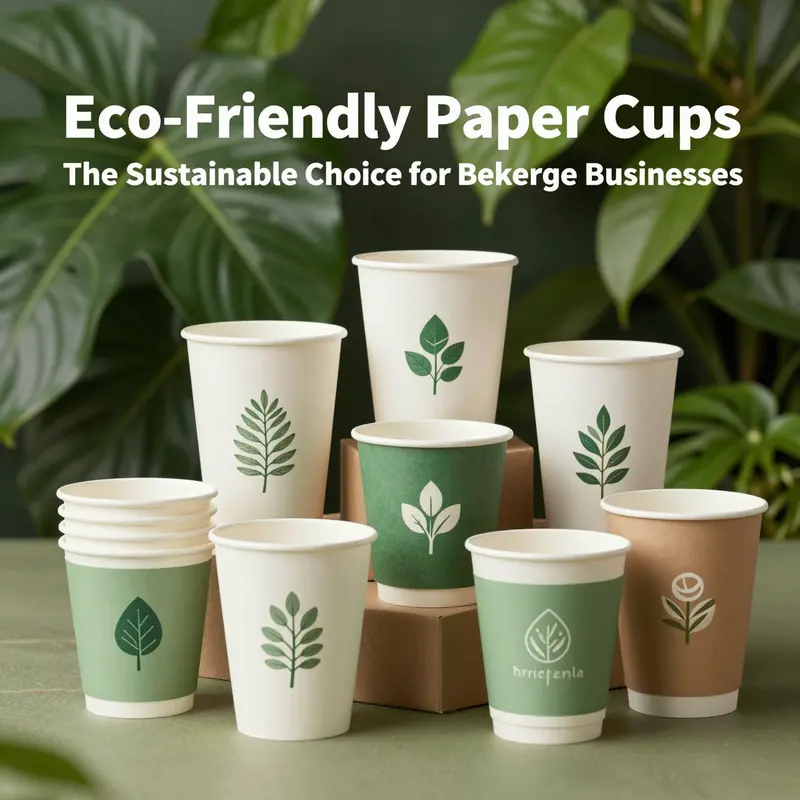
As the global demand for sustainable solutions continues to rise, the beverage industry, particularly bubble tea shops, restaurants, and catering services, is swiftly adapting to eco-friendly practices. Eco-friendly paper cups have emerged as a standard in packaging for beverages, providing a responsible alternative to traditional plastics. This article delves into the production features, market demand, cost analysis, environmental impacts, and effective sourcing strategies for eco-friendly paper cups, catering specifically to businesses in the beverage sector. Each chapter assists in understanding the holistic advantages of making the switch to sustainable cup options.
From Fiber to Brand: The Lifecycle and Promise of Wholesale Eco-Friendly Paper Cups
Global momentum toward sustainable packaging has reshaped the everyday container, especially in the foodservice sector. In wholesale markets, eco-friendly paper cups have emerged as a focal point for brands seeking to balance performance with responsibility. The chapter that follows threads a single, coherent narrative from the raw materials stage to the final branding message that cups carry for customers and partners. It treats wholesale eco-friendly cups not just as containers for beverages, but as instruments of environmental stewardship and practical reliability, whose design and production decisions ripple through supply chains, store shelves, and consumer perception alike.
At the core of the production story lie the raw materials. Eco-conscious manufacturers prioritize materials that meet international food-grade standards, ensuring safe contact with hot and cold drinks. Fibers are often sourced from forests managed with strict sustainability criteria, or they are derived from recycled content that reduces the demand for virgin wood. The choice of substrate affects not only safety and performance but also the environmental footprint of the final cup. The material’s journey from forest or mill to cup is a chain of checks and balances designed to minimize emissions, waste, and resource consumption while maintaining the stiffness, rigidity, and barrier properties needed to hold liquids across a spectrum of temperatures.
Coating methods are the second pivotal decision point. Traditional moisture resistance has relied on polyethylene (PE) linings, celebrated for their reliability and cost-effectiveness. Yet growing demand for compostable and recyclable options has driven interest in biobased alternatives such as polylactic acid (PLA), which is derived from renewable resources like corn starch. PLA offers the potential for higher fidelity to environmental goals, but it requires appropriate disposal infrastructure to realize its benefits. The coatings chosen influence end-of-life outcomes, including whether a cup is suitable for curbside recycling or industrial composting. In a world where consumer behavior and municipal capabilities vary widely, manufacturers often balance these factors to offer products that perform robustly while remaining aligned with forward-looking waste streams.
Manufacturing technologies further shape the final product, with flexographic printing playing a central role in achieving vibrant, durable branding on a range of cup sizes. Food-grade inks ensure safe transfers of color and imagery without introducing unwanted contaminants. The ability to render logos, patterns, or promotional messages directly on the cups makes packaging a mobile advertising channel, elevating the value proposition for cafes, retailers, and event organizers. The production line may be highly integrated, handling coating, printing, and cup forming within a single facility. This vertical integration supports consistent quality and pricing discipline, minimizes handoffs, and sustains reliable lead times—a critical consideration for wholesale buyers who rely on predictable inventory and rapid replenishment.
The architectural logic of these operations often mirrors the needs of large buyers: scale, consistency, and customization. For many wholesalers, the production line is not just about making cups; it is about enabling brands to present a cohesive image across thousands of outlets. In practice, this means tiered options—ranging from single-wall cups for basic applications to double-wall designs that offer insulation and a more premium user experience for hot beverages. The double-wall configuration reduces heat transfer to the exterior, improving user safety and comfort. It also broadens the cup’s applicability, letting vendors extend service to environments where guests may expect an elevated, low-muss experience. When a bulk order spans multiple sizes, finishings, and lid compatibilities, the capacity to harmonize these elements within a single supplier’s ecosystem becomes a decisive advantage.
From a sustainability perspective, the industry’s trajectory is guided by recognized certifications that help buyers gauge what they are purchasing and what impact the purchase may have downstream. ISO 9001 quality management systems underpin manufacturing discipline, ensuring consistent processes and traceability. Environmental standards such as EN 13432 and ASTM D6400 offer criteria for industrial compostability, informing buyers about end-of-life possibilities. The emphasis here is not only on the cup’s immediate performance but also on its compatibility with end-of-life infrastructure and consumer disposal behavior. The result is a market where buyers can select products aligned with their own sustainability promises, supply chain commitments, and regional waste management capabilities.
Disposal and recycling present a nuanced landscape. PE-lined cups are widely recyclable in many industrial contexts, yet the broad reality is that recycling streams vary by region and by the materials with which a given cup is combined. PLA-lined cups, by contrast, are designed to be compostable under specialized industrial conditions, offering a pathway to turning packaging into a resource rather than waste—provided the proper facilities exist to process them. This nuance matters for wholesale buyers whose customers may operate in diverse urban and rural settings. Education around disposal, clear labeling, and collaboration with waste handlers become as important as the cup’s technical performance. The lifecycle perspective invites buyers to think beyond the product’s shelf life and to engage in a broader dialogue about circularity, waste reduction, and systemic change.
The market for wholesale eco-friendly cups is as much about customization and service as it is about material and manufacture. Modern buyers seek a partner who can translate brand identity into tangible packaging assets. The most successful suppliers offer end-to-end services—from design support and color matching to print readiness and compliant packaging options. Customization can extend to corporate logos, brand motifs, or seasonal artwork, turning cups into micro-billboard spaces that reinforce a brand’s values with every sip. For buyers managing a portfolio of cafes or a nationwide delivery network, the ability to coordinate artwork across thousands of outlets without sacrificing quality is a decisive competitive edge. A practical example of this capability is the availability of double-layer cups with integrated branding options, which can be requested with full-service support that moves from concept to mass production with minimal friction. For readers seeking a tangible example of how such products are positioned in the wholesale market, a detailed listing on a wholesale packaging platform highlights these capabilities, offering a window into the scale and scope of customization available to large operators. See the double-layer paper cups for home and office for a concrete demonstration of design-to-delivery potential. double-layer paper cups for home and office
Cost considerations for bulk purchases are, of course, central to wholesale decisions. Bulk pricing tends to reflect economies of scale, with unit costs decreasing as order quantities rise. Wall design, coating type, printing complexity, and the choice of lid compatibility all contribute to the final price per cup. Some buyers negotiate long-term contracts that stabilize pricing and ensure a steady supply, which is particularly valuable for chains, event organizers, and school cafeterias that operate on fixed budgets. At a strategic level, the economics of eco-friendly cups are inseparable from the broader sustainability commitments of an organization. When a brand signals a preference for recyclable or compostable packaging, it often catalyzes improvements across the supply chain, including more responsible sourcing, better waste management practices, and increased transparency in reporting. In this sense, cups become a touchpoint for a company’s environmental narrative, reinforcing commitments to reduce single-use plastic, minimize waste, and promote a circular economy mindset among customers and employees alike.
In parallel with these production and market dynamics, the regulatory environment continues to shape product development and marketing. Standards bodies, governmental guidelines, and industry coalitions push for clearer labeling, accurate life-cycle information, and alignment with waste management capabilities. The effect is to reduce greenwashing and to encourage products whose environmental claims are verifiable and traceable. For buyers, this means a growing demand for documentation, from material composition declarations to end-of-life pathways. The result is a market that rewards not only performance and price but also traceability, accountability, and collaboration across actors in the value chain.
The narrative of eco-friendly paper cups in wholesale markets is thus a synthesis of fiber science, coating chemistry, printing technology, and strategic sourcing. It is a story about turning a simple beverage container into a platform for brand expression, consumer communication, and environmental responsibility. Wholesale buyers—whether operating a chain of cafes, a centralized foodservice operation, or a nationwide delivery platform—gain resilience when they partner with producers who can deliver consistent quality, flexible customization, and transparent sustainability credentials. The cups perform in heat and cold alike, support branding opportunities, and travel through complicated waste streams with clarity about disposal options. They are not just tools for serving drinks; they are vehicles for a progressive agenda—one that recognizes the finite nature of resources while striving to maximize value from the materials we use.
In this evolving landscape, the story keeps expanding. Innovations in barrier coatings, biodegradable inks, and smarter packaging design continue to push the envelope of what is possible in wholesale eco-friendly cups. Each advance tightens the link between performance, aesthetics, and environmental outcomes. Buyers who stay engaged with these developments—who ask questions about lifecycle impacts, who test new materials under real-world conditions, and who align purchases with robust waste management practices—will find themselves well positioned to meet evolving consumer expectations while maintaining profitability. The lifecycle view reminds us that a cup is more than a vessel; it is a tangible interface between a business, its customers, and the planet they share.
External resource for broader context and ongoing developments in this field can be found here: https://www.alibaba.com/product-detail/Eco-Friendly-Wholesale-Custom-Logo-Coffee-Tea1600587578733.html?spm=a2700.galleryofferlist.pproductDetail.1.6d8a5c35jRkOZu. This external reference provides additional market insights, supplier capabilities, and certification information that can help buyers navigate the wholesale landscape with greater confidence.
Sustainable Sips at Scale: Demand, Design, and Standards in Eco-Friendly Paper Cup Wholesale
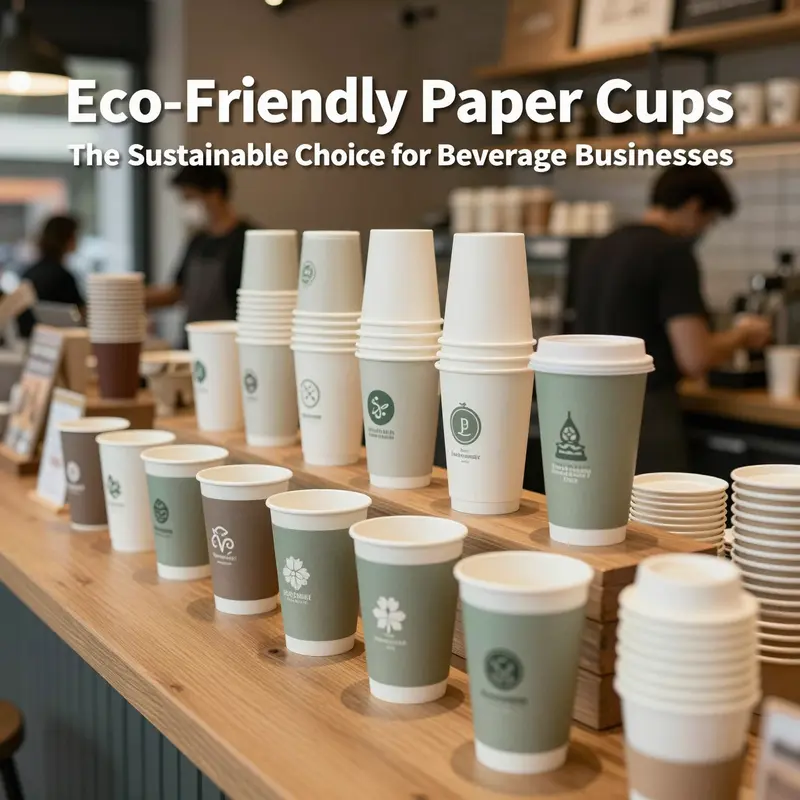
Across the globe, the shift away from single-use plastics toward eco-friendly packaging is reshaping everyday choices in the foodservice landscape. In the wholesale arena, eco-friendly paper cups have emerged not merely as a consumable, but as a strategic component of a brand’s sustainability story. In markets where environmental awareness intersects with tightening regulations on waste, buyers—from independent cafes to large retail chains—are seeking products that align with their broader commitments to reduce plastic footprint, improve end-of-life outcomes, and deliver reliable performance at scale. The demand is not a fleeting trend; it is anchored in a confluence of factors that together translate into a robust wholesale market. Governments in major regions have introduced bans and taxes on certain single-use plastics, nudging operators toward compostable or recyclable paper cups. Consumers, increasingly conscious of packaging waste, favor options that can be recycled or industrially composted, and brands recognize that sustainable materials can reinforce trust and loyalty. In this context, eco-friendly paper cups move beyond a green credential to become a practical necessity for any business aiming to maintain service levels while meeting evolving regulatory and consumer expectations. The wholesale market responds in kind with products designed for diverse beverage needs, large-volume orders, and the ability to customize without compromising environmental commitments. In short, the market is evolving toward a model where sustainability and scalability reinforce each other, rather than compete for attention in a crowded product lineup.
Within this evolving ecosystem, several key dynamics shape how buyers evaluate and select eco-friendly paper cups at wholesale scale. First, there is a clear preference for designs that deliver both performance and responsibility. Double-wall insulated cups, long favored for hot beverages, have gained prominence because they deliver effective heat retention while keeping the cup exterior comfortable to hold. This dual benefit appeals to operators who want to deliver a satisfying customer experience without sacrificing efficiency or sustainability. The insulated design also broadens the cups’ appeal across scenarios—from morning coffees to afternoon teas and even specialty drinks—where temperature control matters. Second is the growing premium placed on customization as a differentiator. In a competitive market, brands seek to imprint logos, colors, and messaging directly on the cup or lid, transforming a simple vessel into a portable marketing asset. The customization trend is not merely aesthetic; it supports brand stewardship by reinforcing a sustainable narrative wherever the beverage is enjoyed. For wholesale buyers, the ability to customize at scale—without increasing lead times or compromising safety—becomes a decisive factor. A notable feature of wholesale offerings is the breadth of sizes available. From compact 7–8 ounce cups to larger 32-ounce options, suppliers can meet the needs of coffee shops, tea houses, fast-casual restaurants, and value-driven retail programs. This size range is essential for bundle deals, promotional activities, and loyalty programs that seek to tailor experiences to different customer segments.
Material innovations play a central role in the ongoing modernization of eco-friendly cups. Plastics-based coatings have given way to plant-based alternatives that provide both barrier properties and a more favorable end-of-life profile. Polylactic acid (PLA) and other certified compostable coatings are widely used to ensure food-grade safety while supporting compostability goals. The emphasis on plant-based materials reflects a broader sustainability objective: reduce reliance on fossil-fuel-derived components and align with global standards for safe contact with food. Importantly, these materials are selected to meet international food-grade safety criteria, which helps reassure buyers who must maintain high standards for product safety across diverse markets. As the market matures, manufacturers are also adopting certifications and transparent production practices to verify claims. Quality management systems, such as ISO 9001, are increasingly common among producers, signaling a commitment to consistent quality, traceability, and continuous improvement. Beyond quality, several standards specify end-of-life expectations for compostable packaging. While the specifics can vary by region, the core idea is to ensure that cups and coatings behave predictably under composting conditions, whether in industrial facilities or otherwise. Buyers who prioritize sustainability look for these certifications not as marketing fluff but as evidence of responsible manufacturing and credible environmental impact.
A crucial dimension of wholesale sourcing is the ability to scale without sacrificing performance or integrity. The menu of available options includes a broad spectrum of sizes—from petite 8-ounce cups for single-serve beverages to larger vessels suitable for retail ready-to-drink formats or catering events. The capacity to produce tens of thousands, even hundreds of thousands, of units per order is a practical requirement for chains and large venues. This scalability, combined with robust quality controls, enables operators to standardize their beverage service while meeting sustainability goals. In practical terms, buyers are looking for suppliers who can provide a complete production chain, including coating, printing, and forming capabilities, as well as sustainable packaging solutions for the finished goods. The combination of a full production pipeline and credible environmental credentials creates a reliable, end-to-end partner for wholesale programs. Price is, of course, a consideration in wholesale decisions. Observed patterns in the market suggest that bulk orders can be driven down to a few cents per cup for standard double-wall designs when order quantities exceed tens of thousands. While pricing is sensitive to materials, printing complexity, and delivery lead times, the overarching message is clear: wholesale buyers can access competitively priced, responsibly produced cups that scale with their needs.
The procurement path for wholesalers often emphasizes a few non-negotiables. Verifiable credentials, a proven track record of on-time delivery, and a demonstrated ability to meet customization requirements are high on the list. For buyers who are building long-term relationships with suppliers, the value proposition extends beyond the product itself. Green packaging options, transparent supply chain practices, and the presence of independent certifications contribute to buyer confidence. In this sense, the eco-friendly paper cup becomes a focal point of a broader sustainability program, rather than a standalone purchase. This perspective aligns with a shift toward strategic sourcing, where packaging decisions are integrated with broader goals—reintroducing packaging as a value driver rather than a cost center.
To illustrate the product landscape within wholesale channels, consider the range of cup designs that commonly appear in market literature. Double-wall cups are a mainstay for hot beverages because the dual layers create a barrier that protects hands from heat while reducing external condensation. The insulation can permit customers to savor beverages longer without the cup warming uncomfortably or losing heat rapidly. For cold drinks, single-wall variants and specialized cold-drink formats exist, ensuring that buyers can tailor their lineup to the beverage portfolio. Across these designs, customization remains a differentiator. Operators often select printing methods that support full-color branding and can withstand repeated handling and washing in high-volume settings. The end result is a disposable cup that serves as a marketing canvas, a functional vessel, and a visible commitment to sustainability all at once. The market also rewards suppliers who can offer a coherent packaging story, from the coating chemistry to the finished product and its post-use journey. In practice, this means that buyers are not just evaluating a cup’s price or appearance; they are assessing the entire lifecycle—from raw materials to end-of-life options.
One practical example of how this market operates at scale can be gleaned from wholesale product assortments that highlight the double-wall segment and related variants. For instance, a 12-ounce double-wall cup with a compatible lid is often presented as part of a bundled solution that includes design-ready templates and a rapid sampling option. The ability to evaluate a sample quickly helps buyers verify print fidelity, lid fit, and heat resistance before committing to a large order. The broader takeaway is that wholesale buyers are seeking turnkey offerings that minimize risk while maximizing the ability to deliver consistent customer experiences across locations. In this sense, the value proposition of eco-friendly cups extends beyond the cup itself to the reliability of suppliers and the clarity of environmental claims.
For readers who want a concrete example of how a supplier might present the product spectrum, consider the engaging combination of performance and sustainability that a well-curated double-layer cup lineup can offer. The page demonstrates not only the insulation and structural integrity of the cups but also the versatility of customization options and the feasibility of large-volume production. It serves as a practical reference point for buyers comparing alternatives and formulating procurement plans. Access to such a detailed product page helps buyers visualize how a single product category can support multiple channels—from independent shops to national franchises—without compromising environmental commitments. Double-layer paper cups product page.
The market outlook for eco-friendly paper cup wholesale remains positive as sustainability becomes embedded in everyday commerce. Buyers who prioritize verified production practices, credible materials, and scalable customization will be well-positioned to capitalize on growing demand. The driving forces—regulatory pressure, consumer preference for responsible packaging, and ongoing material innovations—create a reinforcing cycle: demand encourages investment in better materials and more flexible production, which in turn expands the range of options available to wholesale buyers. In this environment, suppliers that can deliver not only a high-performance cup but also a transparent, certified pathway to end-of-life recovery will stand out. While price remains a consideration, it increasingly acts in concert with environmental credibility and logistical reliability. The result is a wholesale market where eco-friendly paper cups are not merely an alternative to plastic; they are a practical, scalable solution that helps brands communicate responsibility while maintaining the efficiency and quality demanded by modern foodservice and retail operations.
External resource for standards and safety: For guidance on how compostable and recyclable packaging is evaluated in practice, see the D6400 standard and related materials guidance. https://www.astm.org/Standards/D6400.htm
null
null
From Source to Seal: Environmental Realities and Certification in Wholesale Eco-Friendly Paper Cups
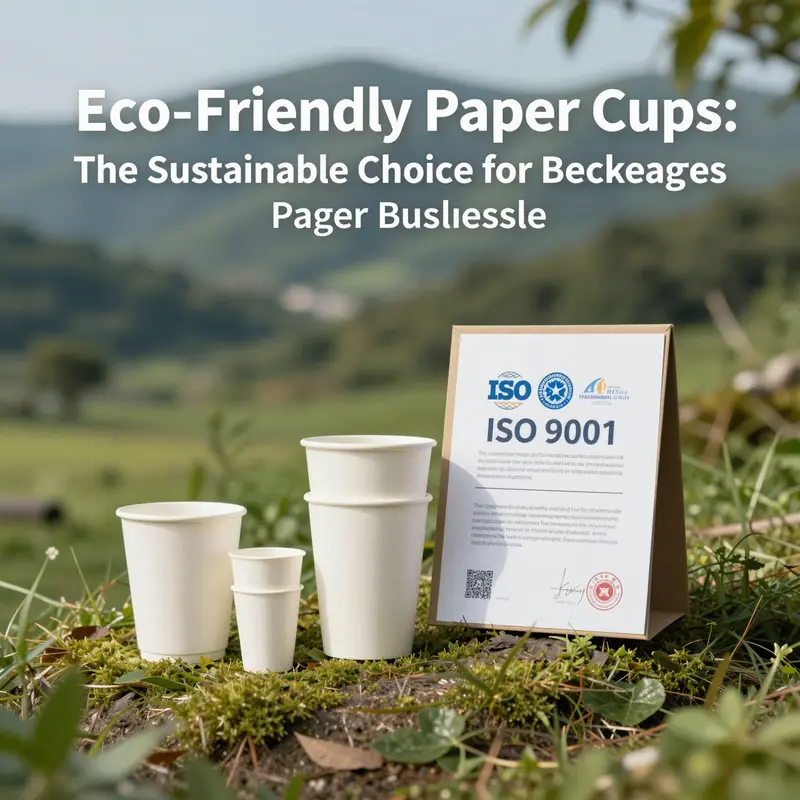
The wholesale market for eco-friendly paper cups sits at a critical crossroads where consumer demand, corporate responsibility, and regulatory scrutiny converge. Buyers increasingly seek packaging that aligns with environmental and social goals, yet the path from raw materials to finished cup is not a simple tale of green claims. It is a lifecycle story, where each stage—from forest to finish—carries environmental implications that can either amplify or erode the benefits promised by “eco-friendly” labels. In this chapter, we explore what truly shapes the environmental footprint of wholesale eco-friendly cups, why third-party certifications matter, and how brands can navigate a landscape blurring the line between genuine sustainability and greenwashing. This is not about a single product or a single certification; it is about the integrity of the entire supply chain and the real-world conditions under which these cups perform, dispose of themselves, and ultimately return to the ecosystem.
The heart of the environmental argument for eco-friendly cups lies in their materials. Traditional plastic-coated cups have long been a sticking point for sustainability discussions because the plastic layer complicates recycling streams and increases end-of-life waste. In contrast, many eco-friendly cups employ a base of virgin or recycled paper combined with a bio-based coating—often polylactic acid (PLA)—that can reduce fossil resource use when disposal happens under the right conditions. PLA, derived from renewable resources such as corn starch, signals a shift away from fossil-based plastics. Yet the environmental advantage is not automatic. The real benefits hinge on how the cups are designed for disposal and what facilities exist to process them. If industrial composting infrastructure is not available or is underutilized, PLA-lined cups may not degrade as intended or could contaminate recycling streams. In other words, the theoretical sustainability of PLA depends on the local waste management ecosystem as much as on the cup itself.
Beyond the chemistry of the cup lies the architecture of its life cycle. Double-wall designs, common in hot beverage cups, deliver insulation that supports user comfort and can reduce heat loss in a busy cafe or event setting. Such designs can influence the product’s overall environmental profile by extending usable service life and reducing the need for secondary cooling or warming interventions. Yet insulation performance is not a panacea for sustainability. The energy inputs associated with forming, coating, and curing each cup contribute to its carbon footprint. Even when a cup is designed for industrial composting, the energy mix of the production facility, the agricultural inputs for feedstocks, and the transportation footprint across the supply chain all accumulate to determine the true environmental cost per cup. The takeaway for wholesale buyers is nuanced: greener materials must be paired with efficient production practices and robust end-of-life infrastructure to deliver meaningful environmental gains.
Certifications play a pivotal role in translating technical claims into verifiable, independent assurances. In a market crowded with certificates, buyers should look for third-party validations that specifically address both compostability and responsible forest management. For compostability, programs such as TÜV OK Compost INDUSTRIAL and ASTM D6400 operate as benchmarks that confirm a product can meet defined industrial composting criteria. These certifications imply that a cup’s packaging will break down within a specified timeframe under controlled composting conditions, with end products that meet regulatory limits for residue and ecotoxicity. For forest stewardship, FSC (Forest Stewardship Council) and SFI (Sustainable Forestry Initiative) certifications matter because they verify that the pulp used to make the paper originates from responsibly managed forests. When both compostability and responsible sourcing appear together in product documentation, buyers gain a more credible picture of overall environmental performance rather than isolated gains tied to a single attribute.
However, certification is not a cure-all. The packaging ecosystem is diverse, with regional waste architectures that can drastically alter outcomes. An industrial compostability claim carries weight only if local facilities accept compostable packaging and can process it efficiently. In areas lacking such infrastructure, the same cups may end up in mixed waste streams, where compostable materials can contaminate recycling or end up in landfills. This reality underscores a broader message: the environmental effect of wholesale eco-friendly cups depends on both the product and the waste system into which it fits. In practice, responsible buyers should request certification documentation, test reports, and supply-chain traceability that can be audited by a trusted third party. They should also consider end-of-life guidance and label clarity for restaurants, retailers, and distributors who must communicate disposal instructions to end users.
The larger regulatory and policy landscape further informs purchasing decisions. In the United States, for example, the Environmental Protection Agency’s Sustainable Materials Management (SMM) framework offers guidance on evaluating compostable packaging and verifying certification claims. This resource emphasizes lifecycle thinking and encourages buyers to examine not only material composition but also the downstream disposal and recovery options available to customers. The SMM guidance helps buyers calibrate expectations about what “eco-friendly” really means in practice and how to compare competing products on a like-for-like basis. While the SMM site is a United States reference, its emphasis on lifecycle assessment, credible certification, and realistic end-of-life planning resonates with buyers and suppliers worldwide who aim to maintain integrity in their green claims.
In wholesale markets, the practical takeaway is to balance three pillars: material choice, certification integrity, and end-of-life realities. Material choice involves understanding whether a cup is uncoated paper, PLA-coated, or uses other bio-based polymers, and evaluating the trade-offs between compostability, recyclability, and overall environmental burden. Certification integrity requires verification through independent bodies and a careful reading of the scope—some certifications apply to specific geographic or facility conditions, while others are broader in scope. End-of-life realities demand a clear plan for how customers will dispose of cups, including guidance on industrial composting availability, regional acceptance, and the potential for contamination if mismanaged recycling streams exist. Together, these pillars shape the true environmental performance of wholesale eco-friendly cups and determine whether a supplier’s green claims translate into measurable environmental benefits for brands and their customers.
For buyers who want to see a concrete example of how these considerations play out in the market, consider exploring a catalog of products that emphasize both insulation and compostability, as well as detailed documentation that accompanies each batch. A practical point of reference is the double-layer cup category, which often represents a convergence of design priorities and sustainability claims. Accessing such a catalog can illuminate how suppliers present material specifications, coating types, certification statuses, and disposal recommendations in a unified package. You can explore a representative range of options here: double-layer paper cups for home, office, and events. This link provides a concrete example of how wholesale offerings calibrate insulation needs with environmental disclosures, engraining transparency into the procurement process while offering a glimpse into how brands align packaging with their sustainability narratives.
The social dimension of forest-based papermaking also deserves attention. Certifications like FSC and SFI extend beyond environmental metrics to address responsible forestry, fair labor practices, and community impacts within supply regions. These factors matter because a cup’s lifecycle cannot be disentangled from the people who grow, harvest, process, and transform the raw materials. In wholesale contexts, where large orders sustain manufacturing plants and forest management practices over extended periods, a credible certification program can signal a stable pathway for responsible growth. Suppliers who invest in certified forestry practices and transparent supply chains are better positioned to support long-term partnerships with brands that pursue verifiable sustainability benchmarks.
In sum, the environmental case for wholesale eco-friendly cups rests on a nuanced balance of material science, lifecycle thinking, and verifiable independence. PLA and other bio-based coatings can reduce fossil resource dependence, but their real-world benefits depend on proper disposal infrastructure. Certification programs provide essential guardrails against greenwashing, yet their value is contingent on the alignment of product claims with local end-of-life capabilities. For purchasers, the prudent course is to demand robust documentation, to map the product’s lifecycle against regional waste management realities, and to favor suppliers who demonstrate consistent stewardship through third-party verification across both material sourcing and end-of-life outcomes. The goal is not a single metric but a coherent, lifecycle-informed approach that translates environmental intent into actual environmental relief in the venues where these cups circulate—the cafes, food-service operations, and events where people drink and interact.
External reference for broader context on end-of-life considerations and certification validation can be found through the Environmental Protection Agency’s Sustainable Materials Management program: https://www.epa.gov/smm/composting-and-organics-recycling. This resource provides up-to-date guidance on evaluating compostable packaging, confirming certification claims, and assessing lifecycle impacts as part of a comprehensive sustainability strategy for wholesale packaging decisions.
Strategic Pathways for Wholesale Eco-Friendly Paper Cups: Sourcing, Standards, and Sustainable Partnerships
The shift toward eco-friendly packaging has moved beyond a trend and into a core expectation for foodservice operators and consumer brands. Sourcing wholesale eco-friendly paper cups demands more than a quick price comparison; it requires a strategic lens that balances cost, quality, compliance, and long-term sustainability performance. In markets where manufacturing clusters are deeply developed and supply chains are finely tuned, the opportunity to secure reliable supply at scale while delivering a compelling environmental story becomes tangible. This chapter traces a cohesive path through the major considerations that shape successful wholesale procurement of eco-friendly paper cups, weaving together supplier evaluation, geographic advantages, certification standards, and the practicalities of customization and collaboration so that brands can align packaging choices with broader commitments to responsibility and resilience.
A first-principle question for any procurement effort is how to evaluate suppliers beyond the unit price. The instinct to chase the lowest price per cup can produce hidden costs that undermine long-term value. Quality inconsistencies, variable coating performance, or misaligned sustainability claims can lead to customer disappointment, returns, or reputational risk. A robust evaluation framework looks at three core dimensions: technical capability, operational responsiveness, and long-term reliability. Technical capability means the supplier’s process control, material science, and finishing options match the demand for safe, visually appealing cups. It includes their ability to work with renewable materials such as polylactic acid (PLA) coatings or molded fiber substrates derived from bagasse or other agricultural residues. Operational responsiveness covers lead times, capacity to absorb demand spikes, and the agility to implement changes without compromising quality. Long-term reliability weighs consistency of supply, resilience to geopolitical shifts, and the vendor’s willingness to share documentation and audit results that demonstrate transparency.
In practice, this means requesting samples and data packages that reveal certifications, test results, and material origins. The best suppliers present a clear trail from raw material sourcing to finished product, including documentation of compliance with food-contact standards and environmental claims. Certifications such as FDA for food contact, ISO 9001 for quality management, and appropriate compostability labels—EN 13432 or ASTM D6400—signal that a cup will perform as advertised in the intended end-of-life scenario. Importantly, a growing portion of the market favors cups produced with plant-based coatings and biodegradable resins that meet industrial composting standards, alongside water-based inks and adhesives that avoid petrochemical components. These details matter not only for regulatory compliance but also for aligning with consumer expectations that brands increasingly articulate through sustainability reports and impact metrics.
Beyond certification, supplier audits, on-site visits, and third-party verifications offer deeper assurance. A credible partner should be open to sharing material origin data and to undergoing audits of sourcing practices, particularly for materials like cornstarch-based PLA or bagasse fiber. Trust-based procurement is built on transparency; it is easier when the supplier can demonstrate a complete, traceable chain of custody for the inputs that go into a cup’s coating, core, and print. When evaluating potential partners, it helps to prioritize those with established experiences in producing compostable or biodegradable cups and with a track record of maintaining consistent performance across batches and years. This quality baseline reduces the risk of costly disruptions and deferrals in store rollouts or restaurant chains that demand predictable, scalable packaging solutions.
Geographic clustering in major manufacturing regions of China offers a practical framework for achieving efficiency and responsiveness. Places with mature pulp, coating, and printing ecosystems provide vertical integration—from raw sheet to finished cup—that shortens lead times and simplifies quality control. Suppliers in these hubs frequently manage multiple steps under one roof, including pulping, sheet formation, coating, printing, and forming. This vertical integration translates into faster customization, higher tolerances, and tighter scheduling, which are essential when a brand wants to align packaging with seasonal campaigns or limited-edition collaborations. Proximity to major ports also streamlines logistics, reducing transit times and the risk of damage or misrouting in transit. In addition, these clusters tend to be supported by robust infrastructure for receiving, testing, and returning feedback, so that product iterations can be implemented quickly and with documented traceability.
From a materials perspective, the strategic advantage of clusters is not merely cost; it is access to a portfolio of renewable options that align with evolving regulatory and consumer demands. PLA coatings, molded-fiber cups, and even hybrid constructions that integrate barrier layers with compostable substrates allow brands to tailor performance for hot beverages, cold pours, and long-service life in outdoor or high-traffic environments. The ability to print in full color or to offer Pantone-matched branding within the same supply chain reduces the risk of color inconsistency and misinterpretation of the brand message at the point of sale. For brands with a mission-driven narrative, the option to collaborate with suppliers who can execute sustainable packaging designs—from seal integrity and leak resistance to full-color, ecologically responsible printing—becomes a differentiator that supports marketing campaigns and corporate reporting.
Custom packaging is not merely a decorative flourish; it is a strategic lever for brand differentiation and consumer trust. Modern suppliers in established clusters can deliver advanced customization without sacrificing throughput. Double-wall insulation remains a widely adopted feature for hot drinks, but the evolution of lid technologies, leakage prevention, and user-friendly opening mechanisms continues to drive innovation. Plant-based inks and water-based coatings reduce reliance on fossil-fuel-derived products and minimize the environmental footprint of both manufacturing and disposal. When a brand requests customization, it is valuable to see a portfolio that demonstrates capabilities in full-color CMYK printing, Pantone matching, foil stamping, and even embossing. These finishing techniques make a cup more than a single-use item; they become a portable extension of the brand experience in a crowded marketplace.
The practicalities of customization and scalability often intersect with the realities of supply chain risk. A reliable course of action blends supplier collaboration with clear governance structures. Formalizing expectations through written agreements that cover lead times, minimum orders, quality standards, and remediation plans helps manage risk. It also smooths the path for the introduction of new materials or processes as regulatory or market conditions shift. Long-term partnerships, grounded in mutual transparency and regular performance reviews, outperform transactional relationships. A trusted supplier will be transparent about sourcing origins, share audit findings, and be open to continuous improvement conversations that drive both environmental performance and product quality over time. With a stable supplier relationship, a brand can move beyond chasing annual price reductions to negotiating value-based outcomes—such as guaranteed shelf-life, improved insulation, and consistent color fidelity—while maintaining a competitive cost structure.
To illustrate how these considerations translate into real-world practice, consider the scenario of a brand seeking steady supply for a national rollout. The brand would begin by outlining the sustainability criteria central to its packaging strategy: compostability in industrial facilities, non-toxic coatings, traceable material origins, and a clearly defined end-of-life pathway. It would then identify a handful of suppliers with demonstrated capabilities in renewable materials and robust quality systems. A staged validation plan would include a sampling phase, followed by a pilot production run to assess scale-up performance, compatibility with current logistics networks, and consistency in printing and coating. The aim is not to eliminate cost variability entirely, but to embed a predictable cost trajectory that accommodates fluctuations in raw material prices without eroding value. In regions where port access, logistics infrastructure, and supplier ecosystems are well developed—especially in the major manufacturing hubs—this plan can be executed with greater confidence and speed. The result is a reliable, scalable supply that supports brand promises to customers without compromising environmental commitments.
For readers who want a concrete sense of product options in this space, a catalog-style reference can be helpful. The collection of double-layer options available in the market demonstrates how insulation performance, lid compatibility, and branding options converge in a single product family. For a practical example, see the portfolio piece titled Double-Layer Paper Cups for Home, Office, Party. This internal resource showcases how a single supplier can offer a range of sizes and branding capabilities while maintaining a consistent environmental profile across formats. Double-Layer Paper Cups for Home, Office, Party
Beyond the technical and logistical dimensions, effective sourcing requires alignment with broader corporate priorities, including supplier diversity, risk mitigation, and lifecycle thinking. A procurement strategy should consider how paper cup choices affect upstream and downstream activities. The raw materials used—whether PLA coatings or molded-fiber substrates—have implications for farming practices, waste streams, and industrial composting capacity. Brands that can articulate a credible narrative about their packaging choices—how materials are sourced, how products are tested for safety, and how end-of-life is managed—are better positioned to engage regulators, investors, and customers who increasingly demand accountability. The relational dimension matters as well: a supplier who communicates openly about challenges, shares actionable data, and invites collaborative problem solving becomes a partner in sustainability rather than a vendor in a transaction. This partnership mindset can accelerate the adoption of new materials or more efficient processes, enabling a brand to stay ahead of regulatory shifts and shifting consumer expectations around zero-waste packaging.
The sourcing journey is ongoing. As markets evolve, the emphasis on compliance, responsibility, and resilience will intensify. Brands that invest in rigorous evaluation, leverage geographic clustering for efficiency, pursue meaningful customization, and cultivate trusted partnerships will not only secure a reliable supply of eco-friendly cups but also strengthen their overall sustainability story. They will be able to demonstrate that packaging choices are part of a cohesive business strategy that rewards quality, reduces risk, and supports a healthier planet. In this way, wholesale eco-friendly paper cups become more than a packaging option; they become a strategic asset that reinforces brand purpose in every hot cup, cold drink, or beverage moment that travels from supplier to consumer.
External perspective: for a broader view on strategic sourcing of eco-friendly paper and pulp and reliable B2B suppliers in China, see this external resource as a complementary lens on regional capabilities and supply chain dynamics. https://www.supplychaininsider.com/articles/strategic-sourcing-of-eco-friendly-paper-pulp-reliable-b2b-suppliers-in-china/
}
Final thoughts
Switching to eco-friendly paper cups is not just a trend but a necessary step towards sustainable business practices. With features designed for functionality, increasing market demand, reasonable costs, verified certifications, and effective sourcing strategies, these cups offer numerous benefits. Businesses from bubble tea shops to large catering services should embrace eco-friendly options for a better planet and a positive brand image. The industry is evolving, and customers appreciate companies that take proactive steps towards environmental responsibility.