
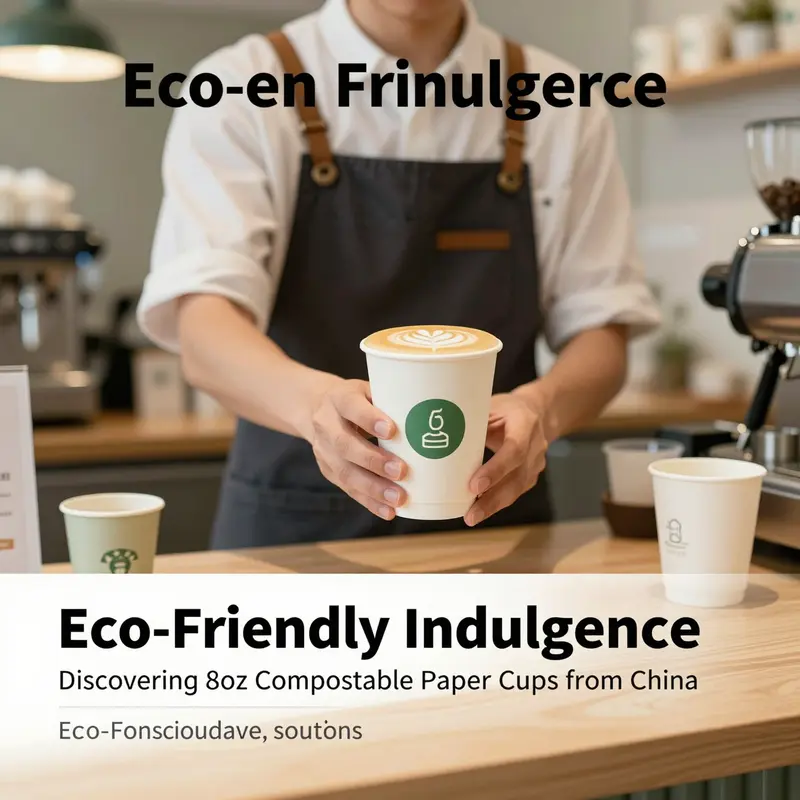
In a world increasingly focused on sustainability, businesses in the beverage industry are seeking innovative solutions to meet both consumer demand and environmental standards. Enter the 8oz compostable paper cups made in China—a practical choice that aligns perfectly with eco-friendly practices. These cups not only serve a functional purpose for hot beverages but are also made from materials like PLA, ensuring they break down naturally. Throughout this exploration, we will delve into the materials and manufacturing processes behind these cups, provide insights into the market trends and economic impacts associated with them, and clarify the environmental benefits supported by increased regulations surrounding compostable products. Together, these chapters will present a comprehensive view of how 8oz compostable paper cups can significantly enhance beverage businesses while contributing to a healthier planet.
null
null
From Forest to Cup: The Materials and Manufacturing Journey of 8oz Compostable Paper Cups from China
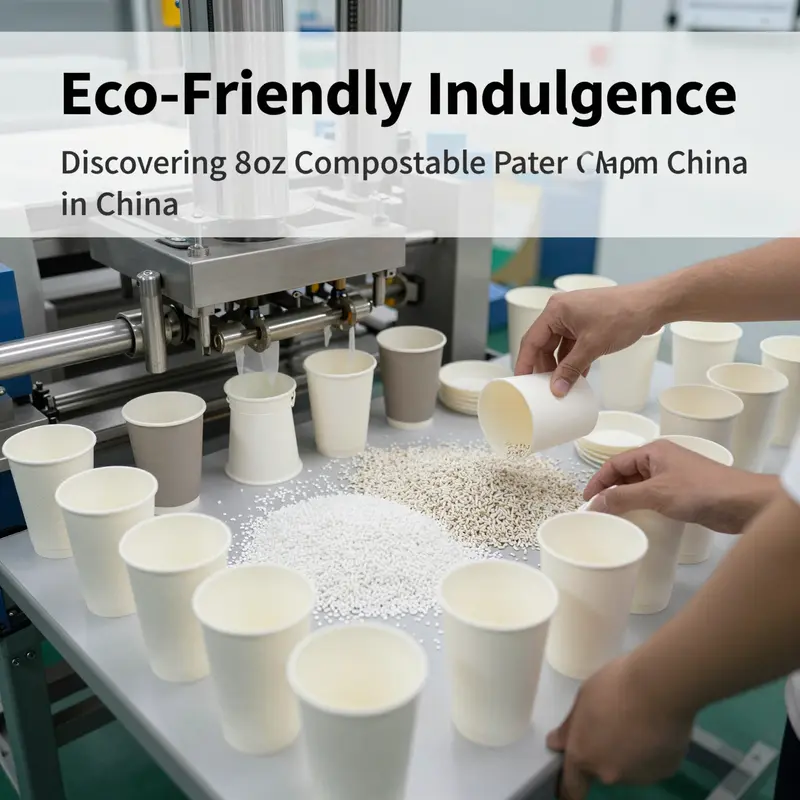
The lifecycle of an 8oz compostable paper cup begins long before the cup reaches a café shelf. It starts with the choice of raw materials that come from forests managed for sustainability and ends with a finished vessel designed to hold hot beverages while reducing environmental impact. In China, as in many parts of the world, manufacturers have built a integrated chain that couples responsible paper production with modern coating technologies and precision forming processes. The result is a single-wall or lightly coated cup that can carry a hot coffee or tea, while offering branding opportunities through customization and a spectrum of protective features. This journey is not merely a tale of components and machines; it is a narrative about choices—how materials are sourced, how coatings influence performance, and how process engineering translates into a product that aligns with growing consumer expectations for eco-friendly packaging.
The core material is paper. The paper used for these cups is typically derived from pulp sourced from responsibly managed forests. This is not simply about having a visible certification; it is about traceability, responsible harvesting, and ongoing audits to ensure that forest resources are maintained for future generations. The structural paper must balance stiffness with flexibility, ensuring the cup can stand upright, resist buckling when held, and maintain integrity when filled with hot liquids. In practice, this means high-quality base paper that can endure the demands of forming and printing while retaining its surface finish through the downstream coating steps. The paper itself may come in rolls that are wide enough to feed through high-speed converting lines, and these rolls are selected not only for strength but for surface smoothness, which facilitates even coating and consistent printing. The compatibility of the paper with coatings is critical; the inner surface needs to interact well with the chosen coating while preserving a barrier against liquid permeation. A well-chosen combination of paper and coating results in a product that feels substantial in the hand yet remains cost-effective for mass production.
Coatings are the bridge between traditional paper and a functional drinking cup. The inner surface of an 8oz compostable cup is most commonly coated with either PLA, a polylactic acid derived from renewable resources such as cornstarch, or with PE, a traditional polyethylene. PLA is particularly prominent in environmentally conscious packaging because it offers biodegradability and compostability under appropriate industrial conditions. The choice of coating has a cascade of implications. PLA, being a bio-based polymer, tends to align with composting programs that accept biodegradable plastics. However, the actual end-of-life outcome depends on the local waste stream and the availability of industrial composting facilities. In contrast, PE coatings are known for their robust moisture resistance and barrier properties, but they do not provide the same compostability profile as PLA. This dynamic creates a spectrum of options for manufacturers and buyers: some cups lean toward PLA coatings to emphasize compostability, while others use PE coatings where liquid resistance and heat resistance must be assured in environments where composting infrastructure is limited. In addition to the coating itself, the adhesive that bonds the coating to the paper and the outer barrier layers contribute to overall performance. These materials are designed to maintain a strong seal against leakage, minimize interaction with hot liquids, and support reliable printing and labeling.
The decision between PLA and PE coatings also intersects with regulatory and standards considerations. Many compliant products carry certifications such as FDA approvals for safe contact with food, as well as third-party inspections from SGS, ISO, or BV. These certifications reflect a manufacturer’s commitment to material safety, consistent performance under heat, and predictable migration characteristics. They also provide a basis for buyers to compare products across regions with different environmental and safety expectations. In China, standardization bodies and industry associations provide guidelines that shape how compostable cups are produced and tested. While the exact standard names may vary, the underlying focus remains consistent: ensuring that the coating, paper, and adhesives together create a cup that is safe for consumer use, resists leakage during the life of the cup, and exists within the broader framework of sustainability objectives.
Beyond coating choices, the overall construction of the cup matters. Most 8oz cups are single-wall designs that prioritize lightness and economy, making them particularly suitable for hot beverages that are consumed in a casual, quick-service setting. A few manufacturers also offer double-wall variants as an option for added insulation, though such cups may carry different environmental trade-offs. The inner surface coating is engineered to prevent liquid from seeping through the wall, a critical feature when beverages are served hot and can reach near-boiling temperatures. The outer surface, often left uncoated or lightly treated, provides a surface suitable for branding and color printing, helping businesses communicate their message or values with clarity. The finishing touches—print quality, color fastness, and the presence of a smooth surface that accepts logos without cracking—are the result of precision in the upstream paper preparation and the downstream printing and coating stages.
The manufacturing process itself is a stepwise, tightly choreographed sequence that reflects the scale and sophistication of modern Chinese output. It begins with the meticulous preparation of high-quality paper rolls. These rolls are unwound and slit to the exact widths required for cup blanks. The blanking stage carves out the circular shapes that will form the cups, a process aided by state-of-the-art die-cutting technology designed to minimize waste and ensure consistent blank dimensions. The next phase is where coating or laminating occurs. If PLA is chosen, the inner surface is coated with a thin, uniform layer of PLA. If PE is used, it is applied in a manner that preserves the paper’s flexibility while achieving a robust moisture barrier. The coating step must ensure full coverage without creating drips or thin spots that could compromise performance—an outcome that is achieved through precise temperature control, coating viscosity management, and meticulous substrate handling.
Following coating, the cup blanks move into the forming stage. Here the flat blanks are transformed into cups with a curved body, a process typically accomplished by forming machines that apply defined pressure, heat, and shaping geometry. The tolerances in this step are tight; even minor deviations can affect leakage resistance, stacking efficiency, or the cup’s ability to nest with lids and sleeves. After forming, the printing stage comes into play for branding or design. Printing on the exterior surface must be crisp, color-stable, and compatible with the subsequent finishing layers. In many facilities, multi-color printing on high-speed presses is integrated with the coating line, a combination that supports both aesthetic appeal and production efficiency. The final stages of inspection and packaging ensure that every cup meets dimensional and visual standards, with random sampling verifying wall thickness, coefficient of friction, leakage resistance, and print integrity. The entire line is designed for throughput, quality, and repeatability, enabling producers to meet the demands of hospitality clients while maintaining consistent environmental claims around compostability.
Customization options are a vital aspect of how these cups meet diverse market needs. Many manufacturers in regions with well-developed packaging ecosystems offer a spectrum of options. Size remains the primary variable, with 8oz being a common standard for hot beverages, but suppliers may also offer 7oz, 12oz, 16oz, and larger sizes to accommodate different beverage formats, from espresso shots to iced coffees or specialty teas. Print capability extends to branding elements that align with a café’s identity, seasonal campaigns, or corporate partnerships. Some customers request specific color schemes, logo placements, or one-piece sleeves that fit the cup’s profile and help improve insulation for hot drinks. Lids are another layer of customization; molded or flat lids with vent holes can be integrated to outfit the cup for take-out service. Jetting, embossing, or debossing effects can be requested for additional texture or brand differentiation, though these features may influence production speed and cost. The capacity to tailor coatings, whether leaning toward PLA for compostability or PE for barrier performance, enables buyers to balance the environmental narrative with practical performance.
A practical reality of these products lies in the alignment with environmental and safety standards that govern food-contact packaging. In China, and increasingly for export markets, manufacturers align with GB/T standards and work with international bodies to demonstrate compliance. Certifications cited by manufacturers—such as FDA recognition for food contact, SGS verification, ISO management systems, and BV certification—signal a robust quality framework. This framework encompasses material safety, production hygiene, process control, and product traceability. It also shapes customers’ confidence that the cups perform as claimed under various conditions, from busy café lines to fast-casual service scenarios. The responsibility assigned to each player in the supply chain—feedstock suppliers, coating formulators, converting houses, and finishers—underpins a chain of accountability. For buyers, this translates into a predictable, auditable product profile: a cup that bears evidence of responsible sourcing, documented performance metrics, and traceability that can accompany export documentation and corporate sustainability reporting.
Sourcing geography within China also shapes the story of these cups. Regions such as Ningbo and Anhui have developed specialized manufacturing clusters that host a network of paper suppliers, coating facilities, and cup-forming lines. This clustering improves efficiency through shared logistics, standardized equipment, and a common vocabulary of quality expectations. The result is shorter lead times for custom orders, more reliable capacity for large campaigns, and opportunities for collaborative problem-solving in product development. These hubs are not just about production speed; they are about the ability to integrate the entire value chain—from pulp suppliers and coating chemists to printing houses and packaging teams—into a coordinated workflow. When a café chain or quick-service partner places an order for customized 8oz cups with particular branding and an eco-friendly coating, the producer can convert those requirements into a concrete bill of materials and a precise production schedule, then monitor the process through to shipment with a high degree of reliability.
This entire ecosystem sits within a broader economic and environmental context that continues to shift as consumer attitudes toward packaging evolve. On one hand, compostable cups promise a reduction in single-use plastic waste and an opportunity for venues to demonstrate environmental stewardship. On the other hand, the end-of-life outcome depends on local waste management capabilities. Industrial composting facilities, and in some cases specialized recycling streams for biopolymers, are essential to realizing the compostability promise. Industry participants are increasingly transparent about the conditions required for composting and the realities of municipal waste systems. In practice, many buyers use these cups with the understanding that compostability is most effective when integrated into a system that supports industrial composting, while recognizing that home composting or curbside programs may not always achieve the same results. In response, some manufacturers provide detailed guidance on disposal and partner with waste management programs to ensure customers understand where and how the cups should be processed after use. This alignment between product design and end-of-life options represents a crucial step in translating material choices into tangible environmental benefits.
For readers seeking practical insight into how one might evaluate or compare options, consider the range of customization and material choices as part of a broader decision framework. The core criteria include the paper’s source and certification, the coating type and its compostability profile, the performance characteristics under heat and handling, the reliability of branding options, and the capacity to meet regulatory expectations across markets. The process—from raw material selection through coating, forming, and printing—needs to be coherent and traceable, ensuring that each step supports the claimed environmental attributes without compromising food safety or consumer experience. In this light, the 8oz compostable cup emerges not simply as a disposable item but as a carefully engineered product that sits at the intersection of sustainability, design, and scalable manufacturing.
To further illustrate how these cups fit into a broader packaging narrative, a practical reference point is the ability to connect product characteristics with brand storytelling. A warm, well-printed exterior can reinforce a cafe’s identity, while the interior PLA coating communicates a commitment to renewable materials and better waste outcomes when disposal systems permit. Suppliers often offer a menu of service options beyond the cup itself, including branding sleeves, compatible lids, and even custom packaging solutions that streamline storefront operations. This integrated approach helps businesses align packaging with their sustainability goals and marketing objectives, creating a cohesive story for customers who are increasingly evaluating packaging choices on more than just price and convenience. The evolving demand for responsibly produced disposables has spurred ongoing research and development in this field, from improving the efficiency of coating formulations to refining the precision of forming equipment so that cups can be produced with tighter tolerances, reduced material usage, and more consistent print jobs.
As a closing reflection on the chapter’s focus, the 8oz compostable cup made in China stands as a product of coordinated decisions across material science, process engineering, and supply chain management. It embodies a philosophy that values renewable resources, responsible manufacturing, and practical performance in a single, consumer-facing container. The path from forest to cup requires careful attention to how materials behave during use and how the end-of-life options can be realized in real-world waste streams. It also invites ongoing dialogue among manufacturers, buyers, regulators, and waste-management partners to ensure that environmental ambitions translate into tangible, scalable outcomes. In a market where consumer expectations and regulatory landscapes continue to evolve, the ability to adapt design choices, coatings, and production methods will determine whether compostable paper cups can consistently deliver on their promise of reducing plastic waste while delivering reliable service in busy coffee shops and beyond.
For readers exploring the practical implications of this topic, one representative product page illustrates how a real supplier packages a similar offering with flexible customization and a coating choice that supports hot beverage service. The page showcases how dimensions, branding, and packaging can be aligned to create a cohesive solution for cafés and other beverage-focused venues. This example helps ground the discussion in a tangible context and provides a starting point for conversations about material choices, processing capabilities, and end-of-life considerations. 20-50-200pcs disposable paper cups 8-16oz
External reference for standards and testing frameworks helps readers understand the regulatory backdrop that informs material selection and performance expectations. The governing documents outline criteria for compostable behavior, migration limits, and safety under contact with hot liquids. For a detailed overview of relevant standards, see the official guidelines maintained by national standardization bodies and recognized certification authorities. This external resource provides foundational context for the quality and safety expectations that underpin the production of compostable cups and related packaging. https://std.samr.gov.cn/gb/search/gbDetailed?gbCode=GB%2FT+28021-2011
From Factory Floors to Café Shelves: The Economic Wake of 8oz Compostable Cups Made in China and the Global Packaging Shift
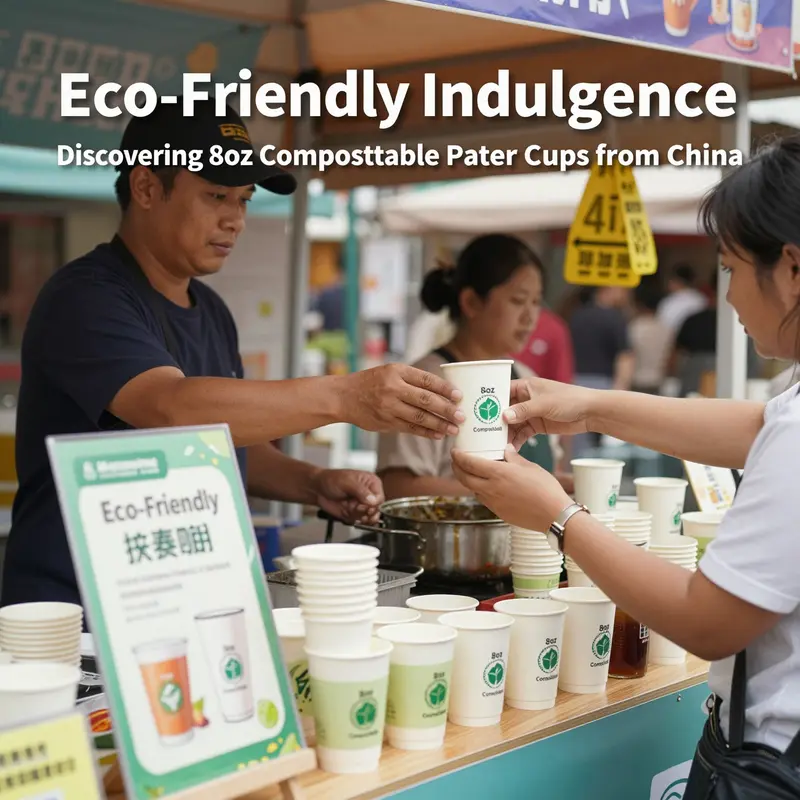
The market for 8oz compostable paper cups made in China sits at a compelling crossroads of economics, environment, and global logistics. It is not merely a product category; it is a barometer for how modern supply chains adapt to the twin pressures of rising consumer green expectations and tightening regulatory environments. The 8oz cup, with its compact capacity and compatibility with hot beverages, has become a default vessel for many cafés, quick-service restaurants, and takeout operations around the world. When observed through the lens of production, trade, and policy, the ascent of this single size underscores broader shifts in how packaging innovators, manufacturers, and retailers align economic incentives with environmental goals. The numbers behind this trend are telling: a robust projected growth trajectory for biodegradable paper cups over the coming years signals not just ample demand but a structural realignment of global manufacturing priorities toward sustainable materials and circular-use models. In this context, China’s role as a dominant production hub is both a function of scale and a strategic advantage. The country’s industrial footprint, deep supplier networks, and mature extrusion and coating technologies enable a combination of cost competitiveness, customization capability, and quality assurance that is difficult to replicate at a similar scale elsewhere. These advantages accumulate in a cycle: lower production costs and flexible manufacturing flows attract more buyers to source from Chinese suppliers, which in turn sustains investment in capacity, innovation, and compliance. The net result is a market that can meet growing demand for compostable solutions while supporting the broader transition away from plastic-lined cups toward plant-based, compostable alternatives.
At the heart of this shift is material science paired with practical design choices. The majority of these cups rely on polylactic acid, or PLA, as a primary coating or structural component. PLA is derived from renewable resources like cornstarch, which positions it as a biodegradable and compostable polymer under appropriate conditions. The use of PLA or PLA-based coatings helps cups resist leakage and temperature stress without resorting to conventional plastic liners. This combination matters: it preserves user experience by maintaining a barrier against liquid while enabling end-of-life composting given the right facilities. The 8oz dimension is particularly well-suited to the standard coffee serving in many markets, making it the default option for cafés that emphasize portability and convenience. The size’s ubiquity translates into economies of scale at the factory floor, where automated forming, coating, and quality-control processes can be optimized for a single, high-volume configuration. In practical terms, this means suppliers can offer customizable features—logo printing, color branding, lids, sleeves, and even specialized coatings—that align with a café’s identity without sacrificing throughput. The result is a product that serves both functional and branding needs with a level of reliability that is increasingly demanded by global buyers.
The procurement landscape for these cups is intimately tied to major e-commerce and B2B platforms that connect Chinese producers with buyers worldwide. Platforms such as Made-in-China.com and Alibaba.com have become essential channels through which cafés, distributors, and packaging companies locate suppliers that match their specifications for material composition, coating type, lid compatibility, and branding options. The capacity to browse multiple mills, compare certifications, and review lead times all within a single interface shortens the path from inquiry to order. What makes these platforms particularly consequential is not merely the breadth of suppliers but the ability to verify compliance through an array of certifications. FDA approvals, SGS testing, ISO management systems, and BV verification are frequently cited by producers as assurances of safety, quality, and environmental responsibility. For buyers in markets with strict regulatory regimes or consumer expectations around sustainability, such attestations provide a path to credible procurement that would be harder to secure if sourcing were limited to regional suppliers or smaller networks. This alignment of capability and trust accelerates the adoption cycle for compostable cups, enabling cafés and food-service operators to transition from plastic-lined options to compostable alternatives without sacrificing operational reliability or customer satisfaction.
Beyond the walls of the factory, the macroeconomic environment shapes the trajectory of 8oz compostable cups made in China in material ways. A recent market projection places the biodegradable paper cups market on a compound annual growth rate of 5.3% from 2026 to 2033. That figure points to a sustained demand wave rather than a temporary uptick and reflects several converging forces. First, environmental regulations in many jurisdictions are increasingly restricting or prohibiting single-use plastics, which creates a structural imperative for compostable alternatives. Second, consumer demand for eco-friendly products continues to rise, influencing purchase decisions in both consumer-facing and business-to-business arenas. Third, the rapid expansion of the coffee culture globally—particularly in urban centers and transit hubs—drives consistent demand for reliable, disposable cups that can be used in takeout, delivery, and on-the-go consumption. The 8oz size is especially attractive because it aligns with a widely accepted standard for hot beverages, simplifying both portion control for baristas and packaging logistics for operators who stock kitchens and pickup points across multiple channels.
China’s manufacturing ecosystem—rooted in scale, speed, and sourcing flexibility—plays a crucial role in delivering this value proposition at a competitive price point. Large-volume producers can optimize unit costs by leveraging shared equipment, standardized processes, and streamlined supply chains. The ability to quickly replicate a given cup design with consistent coating quality, precise embossing or branding, and reliable lid compatibility is a competitive differentiator in a market where buyers demand uniform performance across thousands of outlets. In many cases, suppliers offer end-to-end support—from resin- and coating-compatibility testing to packaging and logistics arrangements—so that buyers can manage a single sourcing project rather than juggling multiple vendors. This integrative capability reduces project risk and shortens the lead-time to market, which is particularly valuable to operators who must align packaging refreshes with seasonal promotions or menu changes.
The economic impact of this sector extends beyond direct manufacturing activity. As China remains a central node in global packaging supply chains, growth in compostable cups can contribute to export earnings, job creation, and foregone environmental costs associated with plastic waste. The shift toward compostable options supports a circular economy model by enabling better end-of-life outcomes when waste management systems can process biodegradable materials in industrial composting facilities. The extent of this contribution, of course, depends on regional waste infrastructure and consumer behavior post-use. In markets with robust industrial composting networks, compostable cups can deliver tangible reductions in environmental footprint compared with traditional plastic or chemically lined alternatives. In places lacking such facilities, the environmental advantages are more nuanced, highlighting the importance of coordinated policy, consumer education, and investments in composting capacity to maximize the true potential of these products.
As this sector expands, the interplay between environmental considerations and competitive economics becomes more pronounced. Education about end-of-life options, the verification of compostability standards, and assurances about food safety all shape how buyers perceive and adopt these cups. Certifications such as FDA clearance for contact with food, SGS testing for material performance, and ISO-compliant management systems become not only assurances of quality but also signals of a brand’s commitment to responsible sourcing and responsible disposal. For buyers, these signals help mitigate perceived risk when entering new supplier relationships or expanding into new markets. For suppliers, maintaining a credible certification profile becomes a strategic asset that can unlock larger orders and longer-term contracts, especially with distributors who manage geographic expansion for multiple brands.
From the perspective of cafes and food-service operators, the 8oz compostable cup represents more than a packaging choice; it is a statement about brand values and operating ethos. In a market where customers increasingly weigh environmental considerations alongside price and convenience, offering compostable serving ware can differentiate a business, reinforce loyalty, and support marketing narratives around sustainability. The ability to customize cups with logos and seasonal branding—whether through color schemes, printed graphics, or co-branded campaigns—adds a dimension of experiential value that goes beyond the functional purpose of the cup. Lids and sleeves can complete the packaging experience, helping to protect the beverage, retain heat, and provide a tactile touchpoint that reinforces a brand’s identity. The fact that these options can be produced to align with specific restaurant or café aesthetics—from minimalist to vibrant and playful—reflects the broader trend toward packaging as a component of brand storytelling.
The procurement and production story of these cups is inseparable from the broader logistics and risk management realities of global trade. The 8oz size and the use of PLA-based coatings or alternatives place emphasis on feedstock availability, resin costs, and processing efficiency. PLA is typically derived from corn or other starch-rich crops, and fluctuations in agricultural markets can influence raw material costs and availability. While PLA offers compostability under industrial conditions, it also raises questions about end-of-life facilities, regional composting standards, and consumer education. The industry’s trajectory toward greater use of biodegradable materials is, in part, a response to these complexities: it acknowledges that the environmental benefits of a compostable cup depend on the existence of appropriate waste streams. This awareness translates into a broader argument for integrated policy, where packaging design is matched with waste-management infrastructure and consumer incentives. In practical terms, this might entail collaboration among manufacturers, waste processors, municipal authorities, and retailers to ensure that compostable products can reach the facilities capable of processing them efficiently and responsibly.
From a business strategy standpoint, the 8oz compostable cup made in China has become a conduit for growth that extends into related packaging categories. The same manufacturing ecosystems that produce these cups often supply associated items like lids, sleeves, and printing substrates, enabling a more cohesive and synchronized packaging program for a café or a multi-site operator. This vertical integration can yield additional cost savings and quality control benefits, especially for buyers who require consistent color matching, branding fidelity, and performance across volumes. The result is a packaged solution that reduces the friction of supplier management and helps operators to scale more predictably. The strategic value of this arrangement is heightened by the ability to craft strong, standards-driven supplier relationships that emphasize reliability, safety, and transparency. Buyers can expect documentation trails, batch traceability, and informed communication about changes in material formulation or production schedules, which in turn supports risk mitigation in complex supply chains.
The narrative of growth and opportunity around these cups is not isolated to any single region; rather, it captures a global reorientation toward sustainable packaging. As more countries implement or tighten bans on single-use plastics, the economic stakes rise for producers and buyers who can demonstrate credible environmental performance and end-of-life responsibility. The emerging picture is one of a globally distributed market in which Chinese producers play a central role by delivering scalable, customizable, and certified solutions that align with diverse regulatory requirements and consumer expectations. This confluence of cost efficiency, regulatory alignment, and brand value creates a compelling case for continued investment in capacity, R&D, and quality assurance across the supply chain. Yet the narrative also carries practical cautions. The pace of substitution away from plastic or non-biodegradable liners hinges on the availability of composting infrastructure, as well as consumer behavior around disposal. In markets where composting remains aspirational rather than routine, the full environmental benefits may be contingent on broader systemic changes. The industry, therefore, is often engaged in a two-track effort: improving product performance and sustainability credentials on one hand, while simultaneously supporting and advocating for waste-management improvements on the other.
In weaving together these threads of material science, manufacturing capability, market demand, and policy context, the story of 8oz compostable cups made in China emerges as a microcosm of the contemporary packaging revolution. It is a story about how a standard service vessel can embody a broader shift toward circularity, transparency, and responsibility in global trade. It is about how factories in a high-volume, cost-sensitive environment can still deliver products that meet stringent safety and environmental criteria. It is about how brands, from single-location cafés to multinational chains, can express values through packaging choices without compromising operational efficiency. And it is about how the ecosystems that support these choices—supply channels, certification regimes, waste infrastructure, and consumer education—must evolve together to realize the potential of compostable packaging. The chapter would be incomplete without recognizing that the economics of this market are inextricably linked to the lifecycle of the product itself. If end-of-life considerations lag behind production capabilities, the ecological promise weakens. If, however, waste management advances in step with product development, the environmental benefits multiply and the business case strengthens proportionally. That alignment is neither incidental nor accidental; it is the result of deliberate collaboration across suppliers, buyers, regulators, and communities that share a commitment to reducing plastic waste while maintaining the high standards of safety and user experience that modern consumers expect.
For practitioners exploring this space, the path forward involves balancing three core priorities: cost-competitiveness, environmental credibility, and brand alignment. Pursuing cost advantages through scaled production must be tempered with rigorous validation of compostability claims and adherence to safety standards. Building environmental credibility requires transparent documentation, third-party testing, and clear communications about disposal pathways. Finally, brand alignment demands packaging that not only performs under daily use but also reinforces a café’s or retailer’s broader sustainability narrative. In practice, this means selecting suppliers that offer robust customization with reliable quality control, ensuring that certifications are current and relevant to target markets, and aligning cup design and branding with the customer’s experiential goals. As platforms continue to facilitate global procurement, buyers gain access to a more diverse set of options, enabling them to tailor packaging programs to their specific business models while maintaining a consistent standard of environmental stewardship.
To see how these dynamics translate into practical procurement and packaging strategies, one can explore related packaging ecosystems that illustrate a broader move toward eco-friendly, microwave-safe, labeled, and easily disposable tableware. For instance, a broader packaging ecosystem site highlights the convergence of takeaway boxes, sleeves, and cup systems designed for sustainability and brand cohesion. This interconnected approach demonstrates how a single packaging decision— choosing compostable cups— interfuses with a company’s broader sustainability story and supply chain strategy. By understanding this ecosystem, buyers can better plan for seasonal demand, branding campaigns, and regional distribution challenges, while suppliers can optimize capacity, packaging, and service models to meet evolving expectations across markets. eco-friendly takeout boxes for food packaging offers a window into how packaging components are designed to work together in a cohesive, sustainable system that aligns with brand narratives and customer values.
From a policy and investment perspective, the trajectory of these cups is also a useful lens for understanding how governments and investors evaluate the environmental and economic returns of sustainable packaging. The near-term focus is on expanding production capacity and expanding access to certification and testing infrastructure, while the mid- to long-term emphasis shifts toward improving end-of-life outcomes and ensuring that composting facilities are capable of processing the increased volume of biodegradable packaging materials. In the context of global trade, the capacity of manufacturers in China to meet this scale while maintaining quality and compliance positions the country as a pivotal player in the packaging revolution. This is not about a quick export boom but about sustained capability to deliver dependable, certified, and customizable packaging solutions that help buyers meet their corporate social responsibility goals and regulatory obligations. In short, the 8oz compostable cup made in China is more than a commodity; it is a strategic instrument in the ongoing redefinition of how the world packages, consumes, and recycles beverages.
External reference: https://www.fda.gov/food/packaging-labeling
Woven with Renewal: Environmental Promise, Standards, and Regulation for 8oz Compostable Paper Cups Made in China
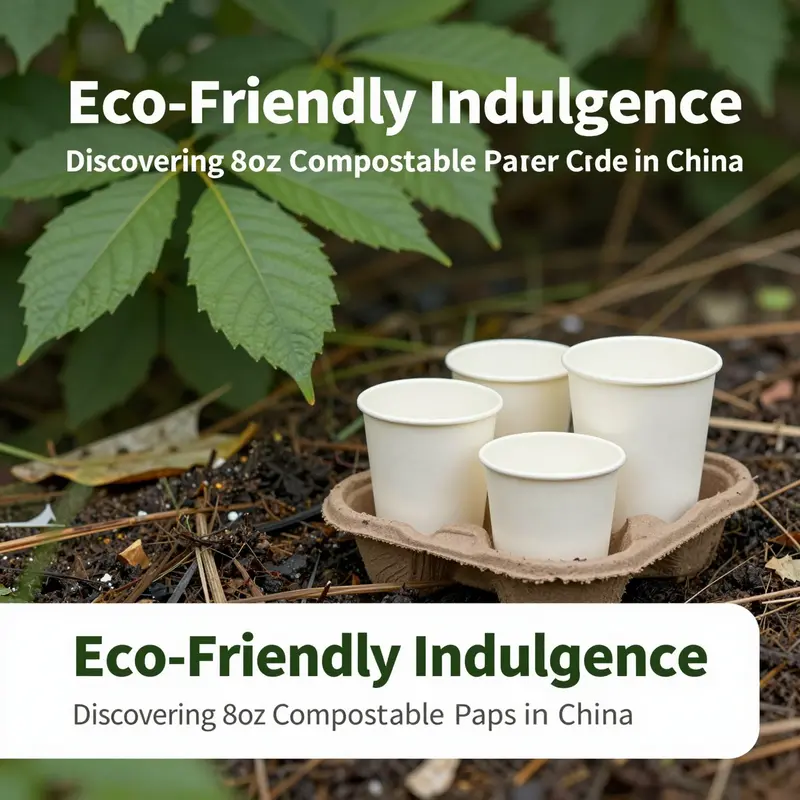
The rise of compostable paper cups in the 8-ounce class marks more than a shift in how outlets serve hot beverages. It signals a larger rethinking of what happens to a disposable product after its brief moment of use. In a global economy where manufacturing hubs increasingly compete on sustainability metrics, the intersection of materials science, regulatory frameworks, and supply-chain diligence becomes the defining space for these cups made in China. The chapter that follows traces this intersection with a steady eye on the practical realities and the regulatory guardrails that shape both production and purchase. It is a narrative that weaves environmental intent with the constraints of certification, testing, and traceability, revealing how a seemingly simple item can embody a complex promise.
At the core of the environmental argument for these cups is the choice of materials. PLA, or polylactic acid, is a biodegradable polymer derived from renewable resources such as cornstarch. In the right conditions, PLA can break down into carbon dioxide, water, and biomass, offering an alternative to petroleum-based plastics that linger for centuries. What makes PLA particularly appealing for a single-use cup is its potential to reduce the long-term persistence of waste in landfills and the environment when paired with industrial composting facilities. When the paper itself is FSC-certified, the paper fiber comes from forests that follow responsible management practices, reinforcing a chain of custody that aligns supplier claims with broader conservation goals. The combination of a renewable feedstock and responsibly sourced paper creates a narrative that is more compelling than a simple substitution of materials; it is a claim about a circular approach to everyday consumption.
Yet the story does not rest on materials alone. The way a cup is constructed—often as a single-wall vessel with a PLA or sometimes PE coating—has a direct bearing on its end-of-life behavior. The coating plays a crucial role in liquid resistance, ensuring that coffee or tea does not leak through the wall. In PLA-coated variants, where feasible, the absence or reduction of a polyethylene layer can significantly facilitate compostability in industrial facilities. This is not a universal guarantee, however. Industrial composting facilities, which provide the heat, moisture, and microbial milieu necessary for rapid material breakdown, are not ubiquitous everywhere, and home composting rarely achieves the temperatures necessary for PLA degradation. For buyers, the implication is clear: the environmental performance of these cups depends on the waste management infrastructure in the receiving region as much as on the cup’s material make-up.
Regulatory architecture adds another layer of complexity. China has tightened environmental rules in recent years, particularly around single-use plastics and packaging waste. While local and national policies push manufacturers toward cleaner processes and recyclable or compostable designs, many buyers in Europe, North America, and other regions operate under external standards that dictate compostability and safety certifications. Standards such as EN 13432 in Europe and ASTM D6400 in the United States set out criteria for compostability, including disintegration, biodegradation, and the absence of heavy metals and toxic residues. Meeting these standards requires third-party testing and certification that is recognized across borders. In practice, suppliers in China increasingly pursue certifications such as FDA, SGS, ISO, and BV to demonstrate compliance with safety and quality expectations. The presence of these certifications can be a signal that a supplier understands the multifaceted nature of compliance, from material inputs to processing methods to performance in end-use scenarios.
But certification is not a guarantee of real-world compostability. The industrial composting model relies on standardized conditions that are not present in every location. A cup may be certified to meet EN 13432 or ASTM D6400 on paper and coating alone, but if the local waste stream is not equipped to process PLA-based products, the material may not perform as intended. Buyers and specifiers, therefore, should look beyond certificates to traceability, batch testing, and independent verification of compostability claims. Third-party testing can verify dissolution rates, absence of toxic residues, and the actual performance of the cup’s coating in industrial composting environments. In addition, buyers should confirm that the coating composition aligns with compostability claims; some coatings may improve leakage resistance but complicate the decomposition process if they contain non-compostable additives.
The global supply chain further complicates the equation. Platforms that connect buyers with suppliers, such as major B2B marketplaces, have made it easier to source 8-ounce compostable cups from China. These platforms often emphasize secure payments, buyer protection, and standardized documentation, which helps buyers navigate the regulatory landscape. Yet ease of procurement does not equal due diligence. Buyers must verify that the supplier’s claimed certifications are current and applicable to the specific product batch they intend to purchase. This is where a robust due diligence process—requesting test reports, requesting confirmation of the scope of certifications (e.g., whether EN 13432 or D6400 is included and whether it covers the exact coating and lamination used), and seeking certificates that confirm the product’s performance under industrial composting conditions—becomes essential.
The environmental case for 8-ounce compostable cups is thus built on a triad of material choice, manufacturing practices, and waste-management realities. PLA-based coatings paired with FSC-certified paper can lower the carbon footprint relative to conventional petroleum-based cups, provided that the production process uses renewable energy, minimizes emissions, and avoids non-recyclable contaminants. The reduction in long-term plastic waste hinges on a functional infrastructure that can process compostable cups without contaminating other streams and without sending the material to landfills where it cannot degrade as intended. In regions where industrial composting is readily available, the environmental payoffs can be meaningful. In areas lacking such infrastructure, the benefits may be muted unless policy and municipal programs evolve to increase access to composting facilities or to create viable alternative end-of-life pathways such as advanced recycling.
Supply-chain transparency also matters for brand and business outcomes. As buyers increasingly seek to align procurement with sustainability goals, the ability to demonstrate end-to-end responsibility—from raw material sourcing to packaging design to waste-stream outcomes—becomes a differentiator. Suppliers that can articulate a clear value proposition around renewable feedstocks, certified paper sources, and transparent life-cycle assessments tend to command greater trust. The alignment between supplier capabilities and buyer expectations often rests on standardized documentation, including certifications, material declarations, and evidence of compliance with international norms. Platforms that host verified listings and require auditing or third-party verification contribute to this alignment by reducing information asymmetry and enabling buyers to compare the environmental claims of different suppliers with greater confidence.
The broader regulatory environment also influences decision-making. The tightening of environmental rules in manufacturing hubs, alongside international trade requirements, creates a dynamic in which producers continually adapt their practices. Some manufacturers pursue coatings that are PLA-compatible or avoid PE altogether to maximize compostability. Others invest in process improvements that reduce energy use, water consumption, and waste generation within the factory setting. The net effect is a gradual shift in the market: consumers and businesses alike demand products whose environmental claims are credible and verifiable, and suppliers respond by building more rigorous testing, documentation, and quality assurance into their operations.
From a purchasing perspective, the decision to adopt 8-ounce compostable cups from China involves weighing several factors. Cost remains a core consideration, but it is no longer the sole determinant. Buyers increasingly weigh the environmental attributes of the cup against the waste-management capabilities of their city or region. If a city has robust industrial composting facilities and accepts PLA-coated products, then the perceived environmental benefit rises. If not, the same product could end up competing with conventional cups in a landfill. In this context, the value proposition extends beyond a single-use event; it encompasses a long-run strategy for waste reduction, brand alignment with sustainability goals, and compliance with an expanding set of international expectations.
The practical takeaway for decision-makers is to integrate environmental claims with a rigorous due-diligence program. This means requesting current certificates, reviewing third-party test results, and confirming that the specific cup design used in production matches the claimed compostability criteria. It also means engaging with suppliers who can detail the end-of-life pathway for their cups, including the required industrial composting conditions and typical residence times. In some cases, buyers may also pursue lifecycle analyses that compare the emissions and energy use of PLA-based cups against traditional alternatives. Such analyses can illuminate whether the environmental benefits claimed by a supplier hold up when scrutinized across a complete value chain.
To illustrate the practical application of these considerations, one can observe how verified listings and supplier assurances function in the marketplace. A documented listing that explicitly notes PLA coating and industry-standard certifications can serve as a starting point for conversation. Buyers should then request laboratory reports that confirm the coating composition, disintegration performance under industrial composting conditions, and any potential contaminants that could affect compostability. When combined with FSC-certified paper, such documentation helps ensure that the purchase aligns with both environmental intent and regulatory expectations. It is also important to verify that the manufacturing facility adheres to environmental management standards and has a verifiable record of compliance with relevant environmental laws. This holistic approach reduces the risk of greenwashing and builds a credible platform for sustainable procurement.
The global nature of the supply chain means that the story of 8-ounce compostable cups is as much about policy as it is about product. In markets where environmental priorities drive policy, manufacturers may invest more heavily in certifications and process transparency. In markets where waste management infrastructure is evolving, the emphasis may shift toward education for end-users and collaboration with municipalities to improve composting access. The end result is a product that is not merely a substitute for a conventional cup but a catalyst for broader conversations about sustainability, waste pathways, and the responsibilities that accompany global trade. The environmental benefits, regulatory expectations, and market realities converge to shape a product that has the potential to reduce plastic waste if and only if it is paired with the right waste systems and the right levels of diligence throughout the supply chain.
For readers seeking a concrete reference to a verified listing that showcases the kind of packaging and compostability claims discussed here, a representative example from a major supplier directory highlights the ongoing interest in compliant, certified products. The listing demonstrates the kind of documentation that buyers may seek when evaluating suppliers—an important reminder that verification matters as much as intent. While the exact product details will vary, the underlying principle remains stable: credible compostability requires alignment between material composition, certification, and the waste-management infrastructure that processes the product after use. This alignment is not guaranteed by a certificate alone but by a chain of evidence that can be traced from feedstock to end-of-life.
As a closing reflection, consider how buyers might approach a first order of 8-ounce compostable cups made in China in a way that respects both environmental goals and regulatory demands. Begin with a clear specification of the intended end-of-life pathway. Seek certifications that explicitly cover the product’s materials, coatings, and disintegration behavior in industrial facilities. Request independent test results and ensure that the scope of certification matches the specific product batch. Confirm that the supplier can document sustainable sourcing for paper and that they adhere to best practices in factory energy use and waste management. Finally, make room for ongoing dialogue with waste-management partners and municipal programs to align expectations about real-world performance. When this broader perspective is embraced, the seemingly simple choice of a disposable cup becomes a meaningful step toward responsible consumption and accountable manufacturing.
Internal link to further reading or related product categories can be found in the broader content ecosystem, where a collection of packaging and takeout solutions demonstrates how brands translate sustainability ambitions into tangible, shop-floor realities. For readers exploring practical packaging solutions that emphasize eco-friendly design and responsible sourcing, a page dedicated to takeout packaging options illustrates how design choices influence end-of-life outcomes and customer perception. This resource provides context for how a cup fits within a larger system of containers, formats, and workflows that share a common goal of reducing environmental impact while maintaining usability and safety for consumers. In the broader narrative, these interconnected options help businesses assemble a coherent, credible, and scalable approach to sustainable packaging.
External reference: to consult a representative external resource detailing market-listed, certified compostable packaging options, see https://www.alibaba.com/product-detail/8-oz-500-Pack-Biodegradable-Craft_1600579434973.html. This external example underscores the type of documentation and testing that buyers often request as part of due diligence when sourcing compostable cups from manufacturing centers in China and beyond.
Final thoughts
In conclusion, 8oz compostable paper cups from China offer a compelling solution for businesses in the beverage industry looking to enhance their sustainability profile. As consumers become more eco-conscious, your commitment to environmentally responsible practices not only meets market demand but also positions your brand as a progressive leader in the community. These cups, manufactured from renewable resources, align with safety standards and certifications, ensuring that you can serve your beverages with integrity while being kind to the planet. The transition to compostable options is more than just a trend; it’s a step toward long-term sustainability that consumers will appreciate and support.