
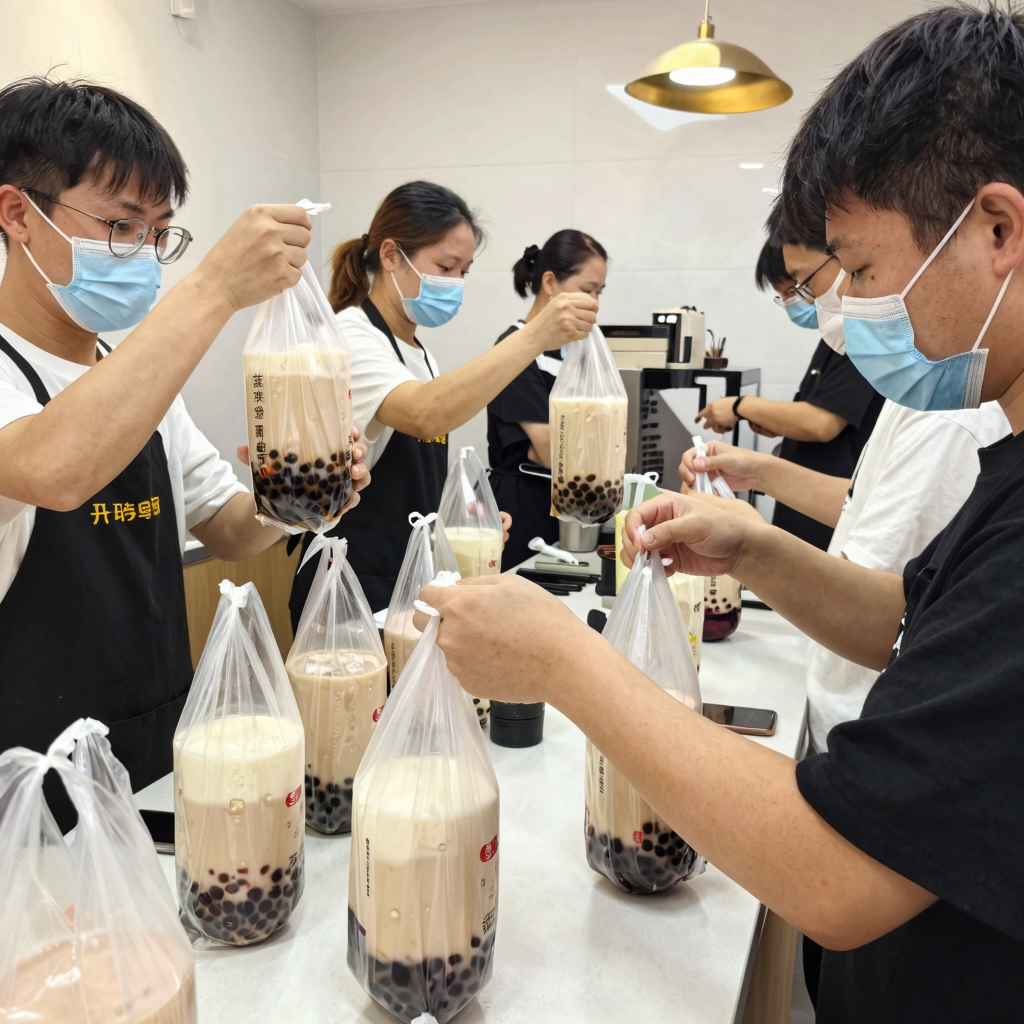
In the bustling world of food service, efficiency and convenience go hand-in-hand, especially in settings like bubble tea shops and restaurants. Picture this: a rush hour at your local bubble tea spot, where customers line up eagerly for their favorite drinks. Behind the counter, the staff expertly fill drinks and pack them in plastic bags, ensuring that every order is ready to go in seconds. This seamless process not only keeps customers happy but also highlights the critical role of plastic bag packaging food in enhancing operational efficiency.
Plastic bags are not just functional; they also serve as a marketing tool, showcasing your brand while providing a practical solution for takeaway orders. As we delve into the significance of plastic bag packaging for food, it becomes clear that this simple yet effective solution can elevate customer experience and streamline service. To learn more about the different versatile options available for your business, check out this blog post on plastic containers in the food industry.
Advantages of Plastic Bag Packaging for Food
Convenience
- Plastic bags are lightweight and easy to transport, ideal for food trucks, catering services, and restaurants.
- Their flexibility allows them to conform to the shape of the food item, making them suitable for a variety of products.
Cost-Effectiveness
- Plastic bags are generally cheaper to produce than alternative packaging materials, reducing overhead costs for food businesses.
- Their lightweight nature lowers shipping costs as you can transport more products due to decreased weight.
Durability
- Plastic bags provide excellent protection against moisture and contaminants, keeping food fresh and safe.
- They are resistant to tearing and puncturing, which helps in maintaining the quality of the packaged food.
Food Safety
- Many plastic bags are designed to be food-safe, complying with health regulations and standards.
- They help in reducing cross-contamination risks by acting as a barrier between food and external elements.
Versatility
- Available in various sizes and styles, plastic bags can accommodate different types of food, from dry ingredients to liquids.
- They can also be customized with branding, offering businesses promotional opportunities while maintaining functionality.
Storage Ease
- Plastic bags can be easily sealed, which helps in prolonging the shelf life of food products and allows for simple storage.
- They save space compared to bulkier packaging, helping in efficient inventory management.
| Property | LDPE (Low-Density Polyethylene) | HDPE (High-Density Polyethylene) | PET (Polyethylene Terephthalate) |
|---|---|---|---|
| Safety | Generally safe; food-grade approved | Generally safe; food-grade approved | Generally safe; frequently used for food and beverages |
| Heat Resistance | Moderate (up to 60°C/140°F) | High (up to 120°C/248°F) | Moderate (up to 70-80°C/158-176°F) |
| Recycling Potential | Widely recycled; #4 in plastic identification | Widely recycled; #1 in plastic identification | Widely recycled; #1 in plastic identification |
In the food industry, safety standards in food packaging are crucial for ensuring that the products we consume are safe and free from contamination. These standards govern the materials used in packaging and establish practices that enhance food safety. Compliance with these safety standards is not just a regulatory obligation; it also builds customer trust and protects the brand’s reputation.
Understanding Safety Standards
Food packaging safety standards, such as those laid out by the Food and Drug Administration (FDA) in the USA and the European Food Safety Authority (EFSA) in Europe, define what materials can be used and how they should interact with food. Key regulations include:
- Material Safety: Packaging materials often must be demonstrated to be food-safe, meaning they should not leach harmful substances into food items. Common materials include food-grade plastics, paper, and metals.
- Labeling Requirements: Packaging must provide clear labeling, including expiration dates, informative content on ingredients, and any allergens present in the product.
- Hygiene Guidelines: These are critical in preventing foodborne illnesses. Proper sanitation practices should be maintained during packaging processes and storage.
The Importance of Compliance
For businesses like bubble tea shops, restaurants, and food trucks, meeting these safety standards is vital. It helps prevent health hazards that could lead to serious consequences such as food poisoning outbreaks, which can tarnish a brand’s reputation and lead to costly legal issues.
Moreover, adherence to safety standards can offer competitive advantages, as customers are increasingly valuing transparency and safety in the products they consume. Businesses that prioritize compliance demonstrate a commitment to quality and consumer health, which can drive customer loyalty and sales.
Best Practices
To ensure compliance with safety standards in food packaging, businesses should adopt best practices that include:
- Regular training for staff on food safety protocols.
- Partnering with compliant suppliers who understand packaging safety standards.
- Conducting regular audits and reviews of packaging processes to identify areas for improvement.
In conclusion, safety standards are not merely bureaucratic hurdles; they are essential components in delivering safe food products. By prioritizing compliance, food businesses can ensure customer safety, enhance their marketability, and uphold the integrity of their brands. To learn more about achieving compliance in food packaging, check out our relevant articles on food packaging compliance and food safety guidelines.
In recent years, there has been a significant shift towards adopting sustainable practices within the food packaging industry. For businesses, particularly those in the food and beverage sector such as bubble tea shops, restaurants, and catering services, understanding and implementing eco-friendly packaging solutions has become crucial.
Key Trends and Developments
-
Biodegradable Plastics: Companies are increasingly turning to biodegradable plastic alternatives. These materials are designed to break down more quickly than traditional plastics, thus reducing the environmental footprint.
-
Recycled Materials: Utilizing recycled content in packaging helps to close the loop in the production process. Many businesses are now sourcing their packaging materials from recycled plastics, which reduces reliance on virgin resources and supports a circular economy.
-
Minimalistic Packaging: The trend towards minimalism extends to packaging. Brands are focusing on reducing the amount of packaging they use or opting for innovative designs that require less material. This not only lessens waste but also cuts down on costs.
-
Compostable Packaging: Compostable options made from natural resources such as corn starch or sugar cane are gaining popularity. These materials can break down in composting conditions, returning nutrients to the soil and eliminating waste.
-
Reusable Packaging: More companies are also exploring the implementation of reusable packaging systems, where customers can return used containers for a discount on their next purchase. This system not only helps reduce waste but fosters customer loyalty.
Steps for Businesses to Adopt Sustainable Practices
- Evaluate Packaging Options: Begin by assessing current packaging materials. Look for eco-friendly alternatives that align with sustainability goals without sacrificing quality or functionality.
- Educate Staff and Customers: Share the benefits and importance of using eco-friendly packaging with both your team and customers. Transparency can enhance brand loyalty.
- Engage Suppliers: Collaborate with suppliers who prioritize sustainable materials. Building relationships with eco-conscious suppliers can provide access to innovative packaging solutions.
- Incorporate Feedback: Listen to customer feedback regarding packaging preferences. Many consumers prefer brands that take a stand on sustainability.
- Stay Informed: Keep abreast of the latest trends in sustainable packaging. Consider subscribing to industry updates or attending workshops focused on eco-friendly practices.
By adopting these sustainable practices, businesses can play a significant role in reducing plastic waste while still effectively packaging their food products.
The conversation around plastic packaging is often clouded by misconceptions that can mislead consumers and businesses alike. Understanding these misunderstandings is crucial, especially for bubble tea shops, restaurants, and food service providers that frequently utilize plastic packaging for their products. Here are key misconceptions debunked:
Misconception 1: All Plastic is Harmful
One common belief is that all plastics are inherently harmful to human health and the environment. In reality, plastic packaging is designed to meet stringent safety standards. Many types of plastic, particularly those classified as food-grade, are tested thoroughly to ensure they do not leach harmful chemicals into food. For instance, polyethylene (used in many food storage applications) is widely accepted as safe.
Misconception 2: Plastic Packaging is Not Recyclable
Another misconception is that plastic packaging cannot be recycled. While it’s true that not all plastic types are recyclable, many common forms, such as PET (polyethylene terephthalate) and HDPE (high-density polyethylene), are indeed recyclable. In recent years, advancements in recycling technology have improved the efficiency of recycling processes, allowing for more plastics to be incorporated back into the production cycle. It’s essential for businesses to stay informed about local recycling guidelines and participate actively to minimize waste.
Misconception 3: Plastic Has No Environmental Benefits
Some critics argue that plastic packaging has no redeemable environmental benefits. However, plastic packaging can significantly reduce food waste due to its lightweight and protective qualities. Designing packages to be thinner while still effective contributes to lower carbon footprints during transport. By extending the shelf life of food products, plastic packaging plays a crucial role in reducing waste-a point that is often overlooked in environmental discussions.
Misconception 4: Biodegradable Plastics Are Always Better
While biodegradable plastics are promoted as a “green” alternative, they often require specific conditions to fully decompose, conditions that are not present in typical landfill settings. Moreover, the production of these materials can sometimes involve the use of more resources than traditional plastics. It’s essential to evaluate the entire lifecycle of these materials before deeming them superior.
By addressing these misconceptions, stakeholders in the food service industry can make better-informed decisions regarding their packaging options. A clear understanding of the facts can enhance sustainability without compromising safety or reliability.
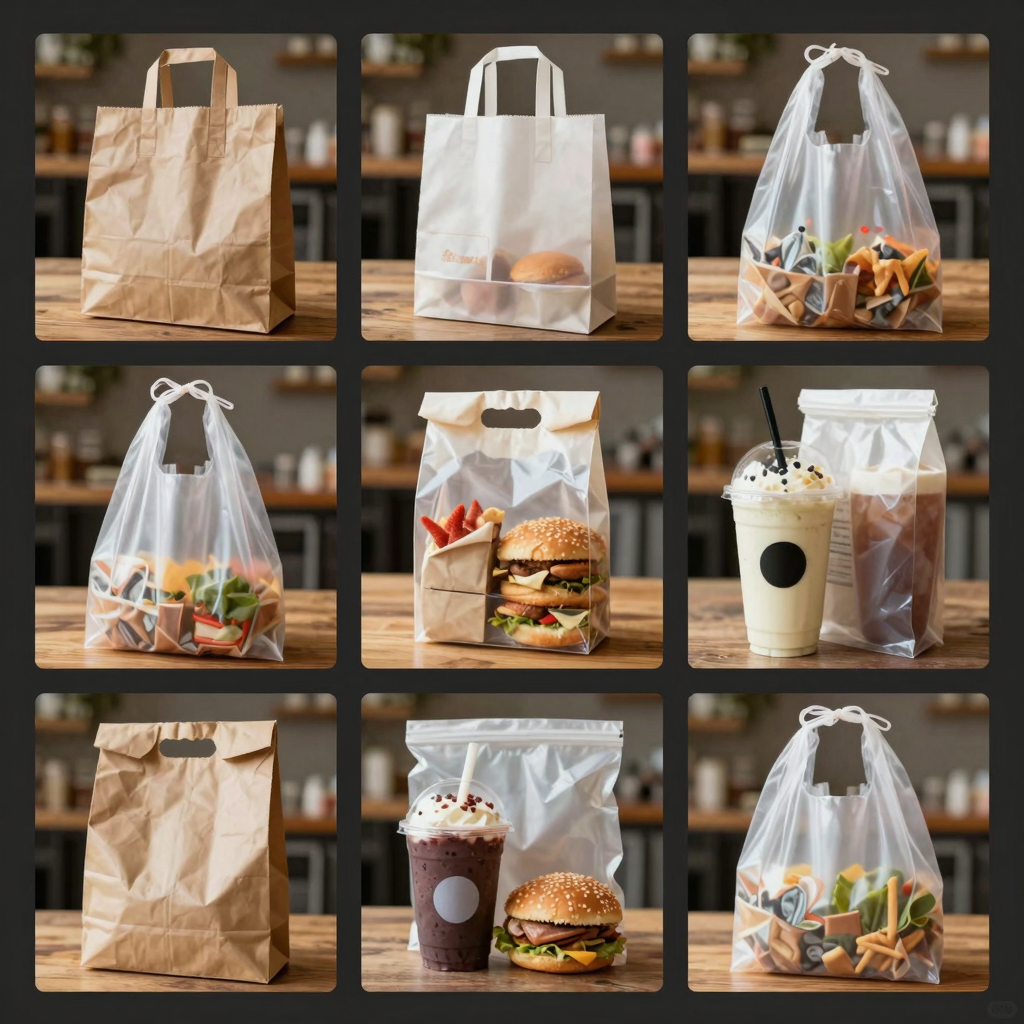
“Reliable plastic packaging is essential in food service, ensuring not only the safety and freshness of food products but also enhancing the consumer experience. It is our responsibility to choose materials that protect the integrity of our offerings.” – Industry Expert
In conclusion, selecting reliable packaging options is crucial for businesses in the food service industry. The right packaging not only ensures the safety and quality of your products but also enhances customer satisfaction and loyalty. As we explored, disposable tableware offers numerous advantages, such as convenience, cost-effectiveness, and versatility, making it an ideal choice for bubble tea shops, restaurants, food trucks, and catering services. Moreover, consumer preferences are steadily shifting towards sustainable and high-quality packaging solutions. Thus, it becomes imperative to choose packaging that aligns with these preferences while maintaining food safety standards. Therefore, choose our reliable disposable tableware and packaging solutions for your business to enhance your service and meet the evolving demands of your customers. Visit us today and discover the perfect packaging solutions that suit your needs!
-
Growing Environmental Awareness: There has been a significant trend towards eco-friendly packaging solutions. As consumers become increasingly aware of the environmental implications of plastic waste, they are leaning towards biodegradable and recyclable packaging options.
-
Increase in Regulatory Pressure: Many regions are implementing stricter regulations on plastic usage, pushing the food industry to adopt more sustainable packaging materials.
-
Technological Advancements: Innovations in materials that mimic the benefits of plastic while being biodegradable or compostable may enhance user adoption rates.
-
Cost Considerations: While eco-friendly options are gaining popularity, cost remains a significant factor; thus, some businesses still rely on traditional plastic solutions.