
Introduction
In today’s fast-paced food industry, particularly in bubble tea shops and restaurants, effective food storage solutions are essential. Enter plastic containers for food storage, a favored choice that combines functionality with practicality. These versatile containers are not just lightweight and shatter-resistant; they also provide a reliable barrier against moisture and oxygen, keeping ingredients fresh longer. Businesses benefit from the stackable design of plastic containers, maximizing storage space while minimizing waste. For establishments that serve hot beverages, the recent advancements in food-grade plastics ensure safety in storage and transport. As explored in articles from Sustainability Journal and Food Safety, the right plastic containers not only enhance operational efficiency but also align with eco-conscious practices. Discover how these affordable solutions can transform your business today!
Key Benefits of Using Plastic Containers for Food Storage
Plastic containers are a popular choice for food storage, especially in environments like bubble tea shops, restaurants, food trucks, and catering services. Here’s a list of key benefits that make these containers a preferred option:
-
Safety: Many plastic containers are made from food-grade materials such as polypropylene (PP) which is deemed safe for food contact. They resist breaking, thus reducing the risk of injury or food contamination from shattered glass (source: FoodSafety.gov).
-
Durability: These containers are lightweight yet durable, able to withstand various temperatures and conditions without cracking. This makes them ideal for both hot and cold foods, as many can be used in microwaves, freezers, and dishwashers (source: Consumer Reports).
-
Eco-Friendliness: Many plastic containers are now recyclable, and opting for BPA-free products can further enhance their eco-friendliness. Organizations are increasingly focusing on sustainable practices, which include the use of recyclable materials in food storage (source: ECO Cups Bowl).
-
Cost-Effectiveness: Compared to glass or metal containers, plastic containers are generally more affordable. This cost efficiency makes them accessible for businesses, helping lower overhead costs without compromising on quality (source: Healthline).
-
Versatility: Available in various shapes and sizes, plastic containers are suitable for all types of food storage. Their transparent design makes it easier to see the contents, allowing for better organization and quicker service in busy eateries.
These advantages highlight why plastic containers are invaluable tools for food service providers looking to maintain quality, safety, and efficiency in their operations. For more insights on the benefits of plastic containers in the food industry, check out this detailed blog post.
Sustainability in Plastics
In today’s world, the quest for sustainability in the plastic industry is more critical than ever, particularly for businesses involved in food storage like bubble tea shops, restaurants, and catering services. Eco-friendly plastics are paving the way for a greener future, with advancements that allow for a more circular economy. Recycling options have expanded significantly, with methods such as mechanical and chemical recycling being implemented to reduce the environmental impact of plastic waste. For instance, products like Ultramid Ccycled® showcase how innovative processes can transform plastic waste-such as end-of-life materials-into new, high-quality products suitable for food packaging.
Sustainable practices within the industry are essential; they include designing for recyclability, improving collection systems, and investing in advanced sorting technologies. By prioritizing these practices, companies can help boost recycling rates, which currently stand at approximately 25% for plastics. This highlights a need for concerted efforts to scale recycling initiatives to achieve a more sustainable future for plastic in food storage. It’s also essential for businesses to consider eco-friendly alternatives that can effectively reduce reliance on conventional plastics. New solutions, such as biodegradable materials and reusable storage options, are vital in lessening the environmental footprint while still meeting the demands for food safety and convenience.
With these innovative practices and options, companies in the food industry can contribute to sustainability and align their operations with modern ecological standards, making significant strides towards a healthier planet. Learn more about sustainable practices and find eco-friendly alternatives to traditional plastics that suit your business needs.
| Container Type | Durability | Cost | User Preference | Notes |
|---|---|---|---|---|
| Tupperware (Plastic) | Moderate to High | $4.99 – $15 | Preferred for meal preps and families for convenience and variety. | BPA-free, impacts from heat can degrade over time. |
| Tupperware (Glass) | Very High | $9.99 – $20 | Chosen for long-term storage and safety. | Better longevity and resistant to scratches/stains as compared to plastic. |
| Disposable (PET) | Low | $0.25 – $1.50 | Favored for fast food and events due to convenience. | Not recommended for reuse. |
| Disposable (PP) | Moderate | $0.30 – $2 | Users prefer for microwave safety in take-out meals. | Often used in restaurants as it holds up well to heat. |
| Disposable (PS) | Low | $0.20 – $1 | Generally used for clamshells or single-use options. | Breaks down at higher temperatures; limited recyclability. |
| HDPE Containers | High | $1.00 – $4 | Used for durable applications and environmentally friendly options. | Very strong and recyclability rated at 2. |
| LDPE Containers | Moderate | $0.50 – $3 | Preferred for flexible applications & food packaging. | Offers some flexibility; less rigid. |
Safety Standards for Plastic Containers in Food Storage
When it comes to food storage, safety should be the top priority for any business in the culinary sector, including bubble tea shops, restaurants, and catering services. Plastic containers, widely used for food storage, must comply with stringent safety standards to ensure they do not pose health risks.
Regulatory Standards
- FDA Regulations: In the United States, the U.S. Food and Drug Administration (FDA) regulates plastic food containers and packaging. According to the FDA, all materials used for food contact must be safe, posing no harm to public health. Key aspects of these regulations include:
- Material Approval: Only materials approved under stringent FDA regulations can be used in food-contact applications, ensuring they meet safety criteria for chemical composition and migration limits (the amount of substances that transfer from the container into food).
- Inspections and Compliance: The FDA conducts inspections and reviews to ensure compliance with safety standards. Manufacturers must adhere to proper manufacturing practices to legally market their products in the U.S. Learn more about FDA regulations here.
- International Standards: Apart from U.S. regulations, there are international standards that govern the usage of plastic in food storage. For example, the GB standards in China, such as GB 4806.7-2023, address safety requirements for food-related polymer materials. These standards outline acceptable thresholds for substances that may migrate into food, ensuring the containers do not contribute to food safety risks.
Best Practices for Compliance
- Material Selection: Operators should choose plastics labeled as “food safe” or compliant with FDA regulations. Common materials like PET, HDPE, and polypropylene are often used, but their suitability depends on the specific application (e.g., hot vs. cold foods).
- Regular Testing: Ensure that plastic containers undergo regular testing for leaching and other safety measures. Refer to the guidelines provided by FDA’s Food Contact Substances to stay updated on best practices.
Conclusion
Adhering to these safety standards is essential for protecting consumer health and maintaining the integrity of your products. As regulations evolve, continuous compliance will not only help businesses avoid legal issues but also ensure customer trust in your brand. Always remember that safe food storage begins with the right materials and responsible practices.
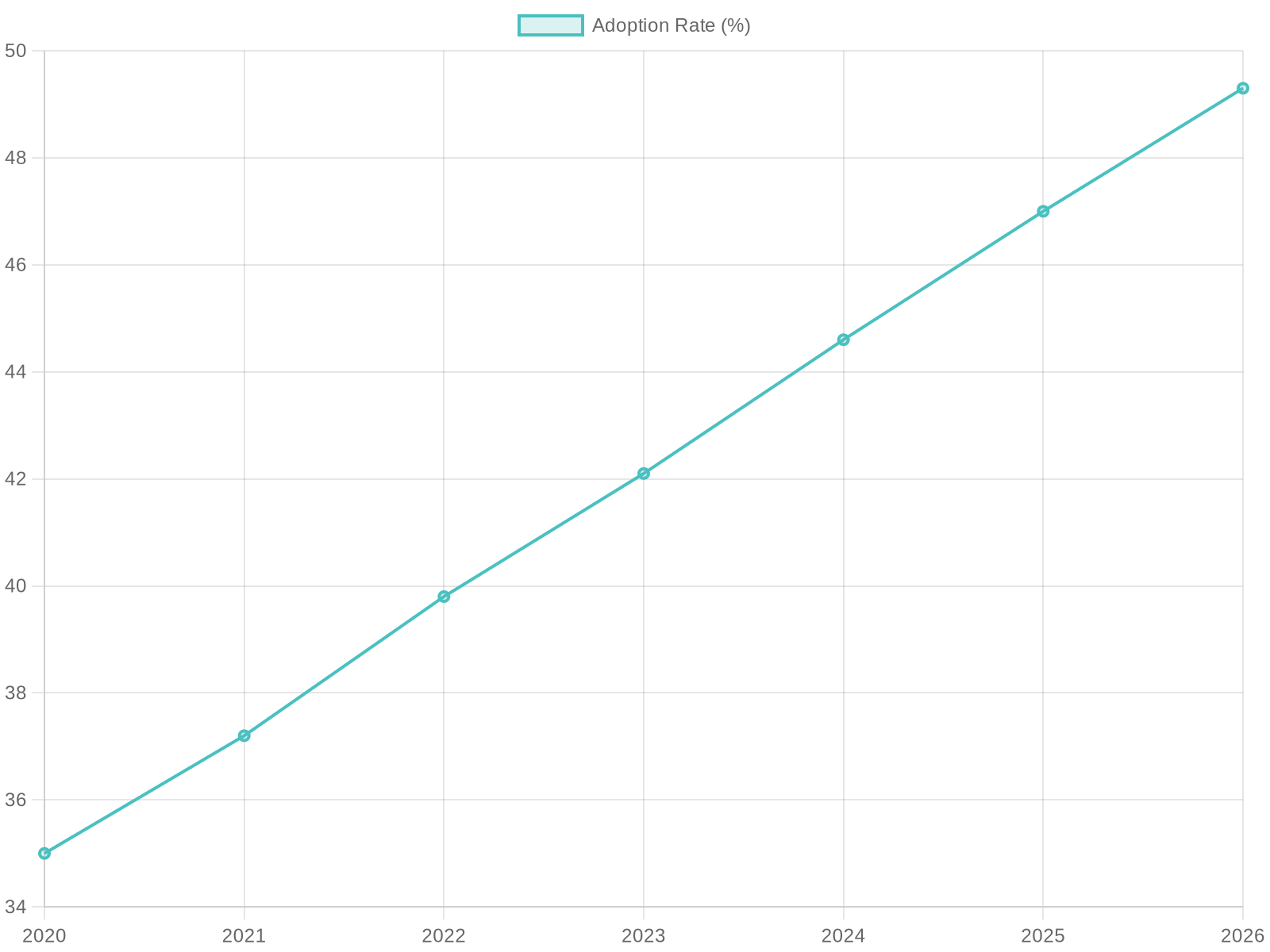
Chart: Adoption Rates of Plastic Food Storage Containers
The following chart illustrates the increasing adoption rates of plastic food storage containers in the food service industry from 2020 to 2026. As shown, there has been a significant rise in usage, highlighting a shift towards sustainable and efficient food storage solutions.
| Year | Adoption Rate (%) | Market Valuation (USD Billion) | Notes |
|---|---|---|---|
| 2020 | 35.0 | – | Baseline adoption rate in food service and households |
| 2021 | 37.2 | – | Early post-pandemic recovery; increased demand for hygiene |
| 2022 | 39.8 | – | Growth driven by e-commerce and meal prep trends |
| 2023 | 42.1 | – | Rising use in commercial kitchens and takeout packaging |
| 2024 | 44.6 | – | Expansion due to sustainability initiatives and durability |
| 2025 | 47.0 | 5.69 | Market valued at $5.69 billion; 47% adoption rate |
| 2026 | 49.3 | 5.69 | Projected market share of 48.9%; 41% increase from 2020 levels |
Key Highlights:
- CAGR (2026-2033): 6.63%
- Adoption Increase (2020-2026): 41% across households and foodservice outlets
- Market Share (2026): 48.9% for plastic food storage containers
Sources:
Customer Testimonials
In the realm of food storage, plastic containers have become indispensable for restaurants, food trucks, and catering services. The flexibility and effectiveness of these containers have been highlighted by industry professionals who depend on them daily. Here are some testimonials from satisfied customers:
“Switching to EcoCup’s plastic containers has been a game-changer for our food truck! They’re lightweight, durable, and keep our food fresh while reducing waste. Plus, the customized branding options help us stand out at events!”
- Jenna, Owner of The Mobile Munchery
Many businesses report that using plastic containers helps them maintain food safety and enhance efficiency. They are not only perfect for quick service and takeout but also provide the durability necessary for the kitchen environment. Moreover, plastic containers meet food-grade standards, ensuring that every bite your customers take is safe and delicious.
For a deeper understanding of why plastic storage solutions are preferred in the food industry, check out our article on the benefits of plastic food containers. More insights can be gleaned about specific products like our clear plastic containers designed for optimal storage.
Get in Touch for Your Disposable Tableware Needs!
At EcoCupBowl, we understand how important it is for your business to have reliable and high-quality disposable tableware and packaging solutions. Whether you’re running a bustling bubble tea shop, a vibrant restaurant, or planning a major event, we have just what you need to ensure your food and beverages shine.
Don’t compromise on quality when it comes to your customers’ experience! Contact us today for a tailored quote that meets your specific needs. We’re here to help you choose the perfect products that align with your brand and functionality. Learn more about our food packaging solutions and let us assist you in elevating your service!
Conclusion
In conclusion, investing in high-quality plastic containers for food storage can bring remarkable benefits to businesses in the food service industry. Lightweight yet sturdy, these containers are designed for maximum convenience, enabling seamless organization and storage of food items. They excel in keeping food fresher for longer and preventing spoilage, thanks to their airtight features and excellent barrier properties against moisture and air. Options made from food-grade materials like polypropylene (PP) and high-density polyethylene (HDPE) also ensure safety when storing both hot and cold foods.
Moreover, with their cost-effectiveness, these containers are an intelligent choice for restaurants, catering services, and food trucks that aim to enhance operational efficiency while maintaining quality. Businesses can avoid issues related to breakage, as plastic is notably safer than glass, especially in busy environments.
These benefits make plastic containers essential for anyone in the food storage sector. If you haven’t already, consider upgrading your storage solutions today to improve food safety and preserve the quality of your offerings. By doing so, you not only ensure satisfaction for your customers but also foster a more efficient operation overall. For more insights on why plastic containers are the ideal solution for food storage, check out our detailed article. Don’t miss the opportunity to invest in quality – your business and your customers will thank you!