
Introduction
In the bustling world of food service, maintaining impeccable cleanliness is not just a best practice; it is a vital necessity. Whether you run a bubble tea shop, a catering service, or a bustling restaurant, the health and safety of your customers depend on it. This brings us to a critical question: can isopropyl alcohol be safely used to clean plastic food containers? While many cleaning agents promise a fresh and sanitized finish, their compatibility with various materials can vary widely. Isopropyl alcohol has garnered attention as a versatile cleaner, but is it suitable for the delicate nature of plastic food containers? Understanding the right cleaning products to use not only ensures the longevity of your containers, but it also guarantees the safety of your culinary productions. With food safety regulations becoming increasingly stringent, it’s crucial to explore effective sanitization methods that align with these standards. Join us as we assess the use of isopropyl alcohol for cleaning plastic food containers, ensuring your establishment upholds that high standard of cleanliness and safety that the industry demands. For more insights into effective cleaning and storage solutions for your food service needs, check out our collection of containers and packaging solutions or explore our selection of takeaway boxes.
Benefits of Using Isopropyl Alcohol for Cleaning Plastic Food Containers
Using isopropyl alcohol as a cleaning agent for plastic food containers offers several advantages, particularly for food service businesses like bubble tea shops, restaurants, and catering services. Here’s a bullet-point list outlining these benefits:
-
Effective Disinfectant: Isopropyl alcohol is known for its ability to kill bacteria and viruses, which is crucial in maintaining food safety. Regular use can significantly reduce the risk of foodborne illnesses.
-
Rapid Evaporation: This cleaner evaporates quickly, leaving surfaces dry and free of moisture. Quick drying minimizes the chance for bacterial growth, making it especially useful in busy food service environments.
-
Non-Corrosive: Isopropyl alcohol is safe for most plastics, ensuring that your containers are not damaged during the cleaning process. This makes it a suitable choice for various types of food storage containers.
-
Versatile Cleaning Agent: Beyond cleaning containers, isopropyl alcohol is effective in removing grease, grime, and residues from various kitchen surfaces, ensuring an overall hygienic workspace.
-
Easy to Use: Just a simple spray and wipe can suffice. Isopropyl alcohol requires no complex preparation, making it an efficient choice for busy staff.
-
Cost-Effective: Isopropyl alcohol is relatively inexpensive and widely available, making it accessible for all types of food service businesses.
Isopropyl alcohol is a powerful ally in maintaining cleanliness and safety in the food service industry. Regularly utilizing this cleaner can enhance your operation’s hygiene standards, contributing to the overall quality of service. For more information on cleaning supplies, you can explore our selection of eco-friendly products.
When it comes to maintaining cleanliness in food-related environments such as bubble tea shops, restaurants, and food trucks, understanding the safety considerations of using isopropyl alcohol is paramount. While isopropyl alcohol is a popular disinfectant, its use in areas where food is prepared or served requires careful attention to health guidelines and best practices.
Health Guidelines for Isopropyl Alcohol Use
-
Concentration Matters: Isopropyl alcohol is effective at concentrations of 70% for disinfection. Higher concentrations evaporate too quickly to effectively kill microorganisms. It is crucial for businesses to ensure they are using the correct concentration for safety and efficacy.
-
Food Surface Compliance: Ensure that any surface treated with isopropyl alcohol is thoroughly rinsed and dried before food contact. This practice minimizes the risk of chemical ingestion and protects customer health. Direct contact between isopropyl alcohol and food items should always be avoided.
-
Ventilation: Isopropyl alcohol can release fumes that may be harmful in poorly ventilated spaces. Work areas should be well-ventilated to prevent accumulation of vapors, which can cause respiratory irritation. When using it for cleaning, open windows and doors, or use fans to enhance air circulation.
-
Personal Protective Equipment (PPE): Staff should wear suitable PPE such as gloves and masks when handling isopropyl alcohol. This practice protects employees from potential skin irritation and inhalation of fumes.
-
Safe Storage: Isopropyl alcohol should be stored in a cool, dry place away from heat sources and direct sunlight. Proper labeling and securing of containers are necessary to prevent accidental spillage or ingestion, especially in environments frequented by food handlers and consumers.
-
Compliance with Local Regulations: Always consult and comply with local health department regulations regarding chemical use in food establishments. It’s vital to keep abreast of any changes in guidelines that may affect cleaning protocols.
Best Practices
-
Use Alternative Cleaning Agents: In food environments, consider using less toxic cleaning agents that are specifically formulated for food contact surfaces. Cleaning products that are food-safe can help ensure hygiene without the risks associated with chemical disinfectants like isopropyl alcohol.
-
Training Staff: All staff members should be trained in safe cleaning practices, including how to use isopropyl alcohol correctly if they are allowed to use it. Regular training sessions can reinforce the importance of safety and compliance in maintaining a sanitary kitchen.
-
Monitoring for Symptoms: Encourage staff to report any symptoms of discomfort or adverse reactions immediately. Monitoring for signs such as headaches, dizziness, or respiratory problems can help identify ventilation or handling issues early.
By following these guidelines, establishments like food trucks, catering services, and beverage chains can ensure they maintain health standards while safely utilizing isopropyl alcohol for cleaning. Remember, the goal is to create a clean and safe environment for both food handlers and customers alike. For additional cleaning supplies and food containers conducive to maintaining safety standards, check out our range of environmentally friendly packaging options.
Implementing these safety measures with diligence not only protects health but also enhances the quality and reputation of your food business.
Comparison of Cleaning Methods for Plastic Food Containers
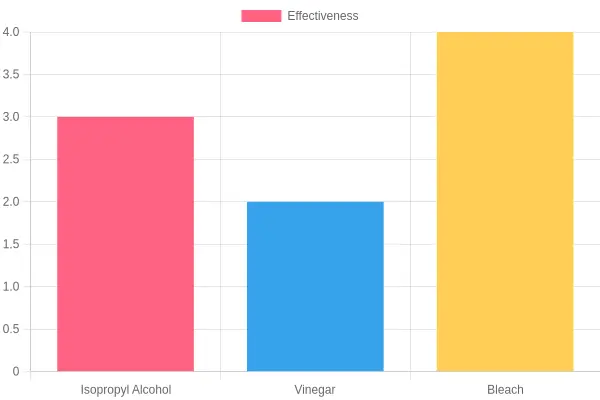
When it comes to cleaning plastic food containers, there are several methods you can use. This comparison chart highlights the effectiveness, safety, and suitability of three popular cleaning agents: isopropyl alcohol, vinegar, and bleach.
| Cleaning Method | Effectiveness | Safety | Suitability |
|---|---|---|---|
| Isopropyl Alcohol | Effective | Moderate Safety | Suitable |
| Vinegar | Moderate Effectiveness | High Safety | Suitable |
| Bleach | High Effectiveness | Low Safety | Suitable but with caution |
Insights on Cleaning Methods
-
Isopropyl Alcohol: Known for its effectiveness in killing bacteria and viruses, isopropyl alcohol is a popular choice in many kitchens. However, it must be used with caution due to its moderate safety level.
-
Vinegar: A natural cleaning agent, vinegar is high in safety but offers moderate effectiveness compared to other agents. It’s suitable for many types of cleaning tasks.
-
Bleach: While bleach is highly effective at sanitizing surfaces, its safety risks make it a method that should be used with caution.
For more environmentally friendly options or sustainable packaging, check out our range of takeaway boxes at Eco Cup Bowl.
Conclusion
Choosing the right cleaning method depends on your specific needs and safety preferences. Isopropyl alcohol stands out for its effectiveness among other choices, but always consider safety precautions when using it for cleaning food containers.
Dilution and Application of Isopropyl Alcohol for Cleaning Plastic Containers
Using isopropyl alcohol (IPA) for cleaning plastic food containers can be a great choice for food service environments, including bubble tea shops, restaurants, and catering services. However, it’s essential to dilute it properly and use it effectively to ensure safety and cleanliness.
Proper Dilution of Isopropyl Alcohol
When it comes to diluting isopropyl alcohol for cleaning purposes, the most commonly recommended concentration is between 70% to 90%. This concentration is optimal for disinfecting surfaces and effectively killing bacteria and viruses.
For most food service applications, a dilution of 70% isopropyl alcohol is recommended. This concentration strikes a balance between efficacy and safety, allowing for effective disinfection while minimizing the risk of damage to plastic containers. Here’s how to properly dilute IPA:
- Materials Needed: 100% isopropyl alcohol, measuring cup, clean spray bottle or container.
- Dilution Steps:
- Measure out 7 parts of isopropyl alcohol.
- Add 3 parts of water.
- Mix gently and pour into a spray bottle for easy application.
Application Methods in Food Service Settings
Applying isopropyl alcohol properly is crucial for effective cleaning. Here are the best practices for using IPA in food service:
- Application Method: Use a clean spray bottle to apply the diluted alcohol directly onto the plastic surface. Alternatively, you can use a clean cloth soaked in the solution.
- Ensure Proper Coverage: Make sure the surface is damp but not too wet; excessive moisture can damage some types of plastics or leave residues.
- Contact Time: Allow the isopropyl alcohol solution to sit on the surface for at least 10 minutes. This dwell time is essential for effective disinfection.
- Rinsing: After the contact time, rinse the container with potable water, especially if it will be reused for food storage. This ensures no alcohol residues remain that could potentially affect food safety.
- Ventilation: Always ensure that the area is ventilated when using isopropyl alcohol to avoid inhaling fumes, which can be irritating.
- Storage: Store isopropyl alcohol in a cool, dry place away from heat sources and out of reach of children.
By following these guidelines for dilution and application, food service establishments can ensure that their plastic containers are cleaned effectively and safely. For further supplies like takeaway boxes and containers, check out our range at Eco Cup Bowl.
Maintaining a disinfected environment is not only about cleanliness but also about ensuring the safety of food served to customers. Always stay updated with the latest health recommendations to ensure compliance and safety!
Different Cleaning Methods for Plastic Food Containers
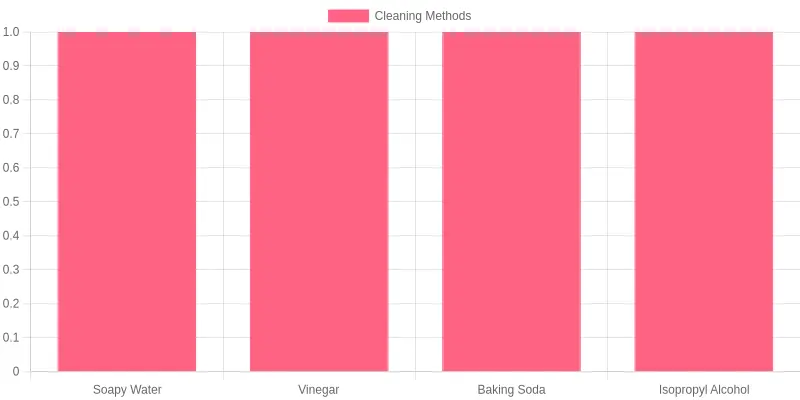
- Soapy Water: Use warm soapy water to scrub the containers. Perfect for removing grease and residue.
- Vinegar: Apply vinegar to neutralize odors and sanitize the containers.
- Baking Soda: Use a paste of baking soda and water to scrub away stains and odors.
- Isopropyl Alcohol: Use alcohol to disinfect and remove tough stains effectively.
Potential Drawbacks of Using Isopropyl Alcohol in Food Service Environments
While isopropyl alcohol is a popular cleaning agent in various settings, its use in food service environments comes with several potential drawbacks that warrant careful consideration:
1. Odor and Flavor Residues
One of the most significant concerns with isopropyl alcohol is its distinct odor, which can leave a lingering scent in food preparation areas. Food service operators must be cautious as this odor could influence the flavor perception of food and drinks, especially in settings like bubble tea shops or restaurants where aroma is vital to the dining experience.
2. Health Risks from Residue
Isopropyl alcohol can leave behind residues that may pose health risks if ingested. According to sources like Wikipedia, incomplete removal of isopropyl alcohol after cleaning could lead to potential chemical residues being hazardous in food preparation areas. This risk is particularly pertinent in operations involving food handling, where food contaminants must be eliminated thoroughly. A discussion on the potential health impacts of residues can be found on Science Insights.
3. Flammability Concerns
Isopropyl alcohol is flammable, with a low flash point, which raises safety issues in food service environments, particularly in kitchens where heat sources are present. The risk of accidental ignition is a serious consideration during cleaning processes.
4. Regulatory Compliance
Food safety regulations often require that cleaning agents used in food service settings be both effective and safe for use around food. Although isopropyl alcohol is effective, compliance with health regulations can be complicated, making it crucial to ensure that all guidelines are followed and relevant safety protocols are implemented. Articles from various suppliers, such as Niran Chemical, emphasize caution when utilizing isopropyl alcohol due to the possibility of hazardous residues.
Conclusion
While isopropyl alcohol can be an effective cleaning agent under the right conditions, food service operators must be mindful of its potential drawbacks. Understanding these risks-odors, health complications from residue, safety hazards, and compliance issues-can inform better practices for maintaining cleanliness without compromising food safety.
“Isopropyl alcohol is a powerful disinfectant and is effective in killing bacteria and viruses on non-porous surfaces, including plastic food containers. However, it is essential to rinse the containers thoroughly after cleaning to prevent any residue from remaining.” – Food Safety Expert
This guidance emphasizes the importance of safety when using isopropyl alcohol for cleaning food containers, particularly in environments like Bubble Tea Shops and restaurants. Proper rinsing is crucial to ensure food safety and prevent contamination.
Best Practices for Cleaning Plastic Food Containers in Food Service
Maintaining cleanliness is paramount when it comes to handling plastic food containers in the food service industry. The importance of cleaning and sanitizing not only ensures food safety but also promotes customer satisfaction and trust in your establishment. Here are essential best practices to follow:
Key Points on Cleaning Plastic Food Containers
-
Use Hot Soapy Water: Start by washing the plastic containers with hot water and a food-safe detergent. This effectively removes food residues, grease, and bacteria.
-
Avoid Harsh Chemicals: When cleaning, avoid using harsh chemicals or abrasive scrubbers that may damage the plastic or leave harmful residues. Stick to approved food-safe cleaning solutions.
-
Sanitize After Washing: After thorough washing, sanitize the containers using a diluted bleach solution (approximately 1 tablespoon of bleach per gallon of water) or a commercial food-safe sanitizer. Rinse well to remove any cleaning agents.
-
Ensure Proper Drying: Allow the containers to dry completely before stacking or storing them. A moist environment can lead to bacterial growth, which endangers food safety.
-
Check Material Compatibility: Always refer to the manufacturer’s guidelines for cleaning specific types of plastics to avoid damage. Certain plastics may not withstand high heat or aggressive cleaning agents.
Recommendations for Cleanliness and Safety
- Follow Food Safety Regulations: Compliance with health regulations is essential to prevent foodborne illnesses. Regular training updates for staff on these regulations can be beneficial.
- Implement Regular Cleaning Protocols: Establish clear cleaning routines for food preparation areas and equipment. Staff should adhere strictly to these protocols to uphold safety standards.
- Enhance Public Trust: A clean and safe environment protects customer health and enhances your establishment’s reputation. Transparency in your cleaning practices can lead to increased customer loyalty.
- Invest in Staff Training: Regular training on hygiene and safety practices is vital for compliance and should be integrated into your staff onboarding and continuous education programs.
Conclusion
Cleaning plastic containers is not just a routine task; it plays a critical role in ensuring food safety within your establishment. By incorporating these best practices into your daily operations, you can help provide a safe and enjoyable dining experience for your customers. For quality plastic containers suitable for your food service needs, consider exploring our wide range of products at EcoCupBowl.
Consistency in cleanliness and adherence to safety practices form the foundation of a successful food service operation. Remember, a clean environment is a safe environment!
Choose Eco-Friendly Disposable Tableware for Your Business
Are you looking for the perfect packaging solutions to elevate your business? At EcoCup Bowl, we offer a wide range of disposable tableware and packaging options that cater to the needs of bubble tea shops, restaurants, food trucks, catering services, event planners, and corporate teams. Here are compelling reasons to make the switch:
1. Convenience
Our disposable tableware and packaging solutions are designed for easy use and disposal. This means less time spent on cleaning and maintenance, allowing you to focus on what truly matters-serving great food!
2. Enhanced Hygiene
Health and safety are paramount in the food industry. With our new, single-use products, you’ll significantly reduce the risk of contamination, ensuring a safer experience for your customers. See our range of sanitary options here.
3. Cost-Effectiveness
While some may see disposables as a cost, they actually lead to savings. You won’t need to invest in costly washing methods for reusable items, making our products a smart financial choice. Learn more about cost-effective solutions.
4. Eco-Friendly Options
We’re not just about convenience; we also care about the planet! Many of our products are eco-friendly, made from biodegradable materials that help reduce waste. This not only attracts eco-conscious customers but also enhances your brand image. Explore our eco-friendly products.
Join Us Today!
Choosing EcoCup Bowl means choosing quality, safety, and sustainability for your business. Don’t miss out on the benefits our products can offer. Visit EcoCup Bowl to explore our complete range and make the environmentally friendly choice today!