
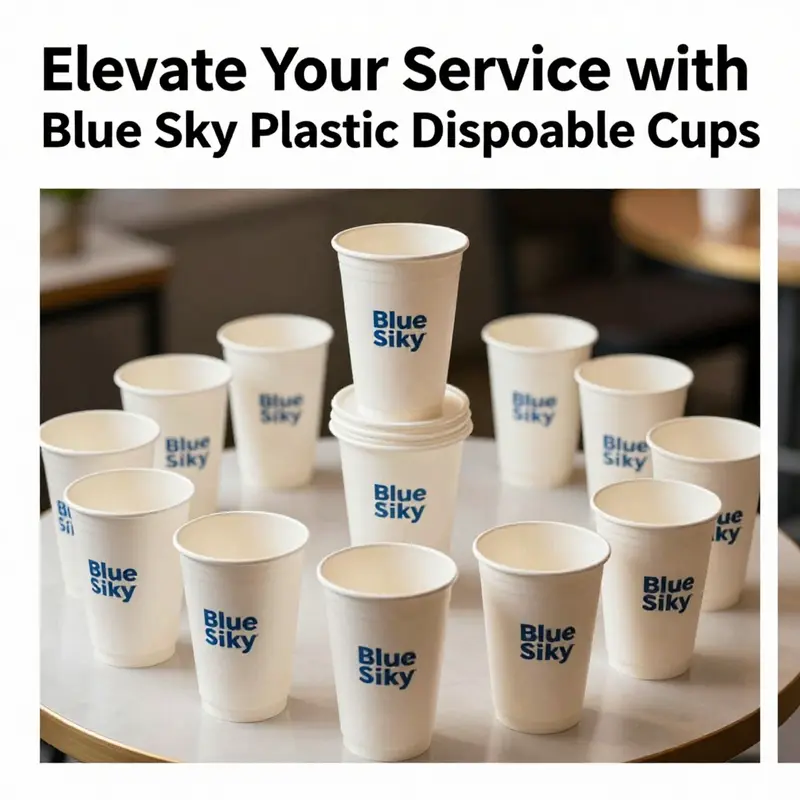
Blue Sky plastic disposable cups offer an ideal solution for beverage service across various settings, from bubble tea shops to corporate events. With their clear design, practical size, and economic benefits, these cups are not only user-friendly but also increasingly popular among event planners and beverage chains. The following chapters will explore their properties, the financial advantages of using these cups, their environmental impact, and the social trends driving their demand in today’s fast-paced world.
Clarity in Service: The Subtle Engineering of Clear PET Disposable Cups for Modern Gatherings

In any gathering, the vessels that carry drinks often disappear into the background, letting color, scent, and conversation take center stage. Yet the design and composition of clear PET disposable cups play a pivotal role in shaping the experience. These cups are not merely receptacles; they are technical tools engineered to balance visibility, strength, hygiene, and convenience. Their success hinges on material choices, structural features, and an understated elegance that supports a wide range of occasions—family picnics, birthday parties, corporate events, and casual get-togethers alike. When we examine why these cups have become a staple in contemporary event planning, we encounter a synthesis of practical engineering and consumer preference that extends beyond mere disposability. The material, the shape, and the way the cup interacts with light and air all contribute to a seamless service experience that hosts can rely on, from the first toast to the final cleanup without a long-winded interruption to mood or momentum.
From a materials perspective, the core choice is PET, or polyethylene terephthalate, a plastic known for clarity, strength, and safety when in contact with foods and beverages. In many lines within this category, the cups are marketed as BPA-free, a detail that matters for hosts who are mindful of potential chemical exposure and for guests who expect their drinks to be served with minimal risk. The clarity of PET is not just a matter of aesthetics; it is a functional advantage. When a beverage is visibly vibrant, layered, or lightly sparkling, the cup’s transparency allows the color and texture of the drink to shine through. This is especially important for mixed drinks, fruit punches, or light-colored beverages where presentation contributes to the overall experience of a celebration. The absence of color bias in the cup itself means that the drink remains the focal point rather than the vessel, a nuance that hosts often appreciate during themed events or seasonal gatherings.
The architecture of these cups further reinforces their suitability for busy environments. One notable design feature is the presence of sidewall ridges. These ridges are more than decorative relief; they increase the structural integrity of the cup. When a filled cup is passed along a crowded table or tossed into a bin after a ballgame, the ridges help resist deformation under pressure. They also contribute to a comfortable grip, allowing guests to hold the cup firmly without the danger of slippage as condensation forms on a hot day. This combination of stiffness and grip is essential when cups must withstand routine handling by servers, hosts, and attendees who move quickly between stations, lawns, and buffets. In practical terms, this means fewer spill moments, safer service, and a more reliable experience for the person pouring and the person receiving.
The range of capacity options reflects the diverse needs of different occasions. In many markets, the category includes small shot-style cups around 60 milliliters, which are well suited for samples, condiments, or bite-sized beverages at tastings and gatherings. At the other end of the spectrum, standard drinking cups commonly hover around 9 ounces, or roughly 265 milliliters, which fits everyday drink service at parties, picnics, and daily use in cafes or catering setups. There is even mention of ceasing assumptions about one fixed size and recognizing that a family of formats allows for a more nuanced service approach. A smaller 60 ml version can tease portions in a tasting menu or serve as a practical vessel for sauces and dips at a casual reception, while the 9 oz cups can accommodate a full glass of lemonade, iced tea, or a light beer without feeling oversized. A 7-ounce option, where present in some lines, has historically offered a middle ground between these two extremes, balancing portion control with ease of use. These scale variants empower hosts to tailor the servingware to the event’s pace, the guests’ expectations, and the beverage program without introducing a mismatch in style or function.
Beyond size and strength, the cups’ visual transparency remains a central advantage. Clear cups maximize beverage presentation by showcasing color, layers, and effervescence. They also enable guests to quickly assess portion sizes, which can streamline service during fast-moving events. While the base version of many clear cups is truly transparent, some broader product families provide light blue or other tint options as a design tool for themed occasions. A pale blue tint can harmonize with ocean-inspired palettes for summer gatherings or with baby shower décor that leans toward serene, sky-inspired tones. Even when the cups are designed for single-use, the attention to visual detail contributes to a sense of care and consideration in the overall event experience.
The economics of disposable cups also deserve attention. They are typically marketed as cost-effective and practical for large-scale use, especially in settings where cleanliness and sanitation are prioritized. The disposable attribute translates into tangible time savings during cleanup, as venues and households can allocate resources to other tasks rather than washing and drying glassware. This is not simply about reducing labor; it is about reducing the risk of cross-contamination that can occur when reusing traditional drinkware across many guests in a busy environment. For catering operations, the disposable model supports consistent turnover, predictable inventory management, and simplified storage logistics. In short, a well-priced, reliably performing disposable cup can be a quiet force multiplier in the planning and execution of events, especially where guest counts are high or where cleanup windows are tight.
This practical picture is complemented by the cups’ ease of storage and handling. The lightweight construction makes bulk purchasing and transport feasible, reducing the load on delivery schedules and storage space. The cups are designed to stack efficiently, a small but meaningful feature when organizers must plan for thousands of servings across a sequence of events. A compact footprint in storage means more inventory can be kept on site without crowding the kitchen or bar area. Smooth finishes and uniform shapes further simplify packing, labeling, and distribution, ensuring servers can move with speed and confidence rather than wrestling with ill-fitting vessels or jagged edges.
From a user’s perspective, the experience is defined by predictability and safety. The cups are intended for direct contact with beverages and foods, which lowers the barrier to a quick setup. Guests appreciate the clean appearance, and hosts value the ease of use. The BPA-free claim—common across clear PET cups—addresses a concern some guests have about off-flavors or potential health matters, even though the cups are designed for short-term contact. In hospitality and home settings alike, this combination of safety, simplicity, and presentation helps elevate the perceived value of the beverage service without adding complexity to the event plan.
The social dimension of using these cups is subtle but real. Clear cups enable a focus on the drinks themselves, a factor that matters when beverages are part of a larger narrative—layered cocktails, color-changing juices, or festive non-alcoholic options chosen to suit family gatherings. The absence of branding on the cup itself can be an advantage in contexts where a cohesive aesthetic is desired. Hosts can dress the table with décor, place cards, or signage without competing with the vessel for attention. In more formal settings, the understated look of a clear cup can align with a minimalist table-scape or a color-coordinated theme, allowing other elements such as napkins, menus, and centerpieces to remain in the spotlight.
As these cups circulate through homes, restaurants, and event spaces, they also travel across cultural temperaments and service models. For family parties, they support a relaxed tempo and direct interaction with guests, enabling quick refills and easy disposal without interrupting conversations. For community events, they offer scalability, enabling organizers to serve large portions of attendees and still maintain a tidy, efficient process. In corporate environments, clear PET cups can support brand-neutral or color-coordinated themes, depending on how the rest of the event design is conceived. The universality of the format—that is, the combination of clarity, safety, and disposability—makes it a versatile component in a wide array of drink service scenarios.
In reflecting on consumer behavior, it is clear that preference for convenience continues to drive product design in this category. A fast-paced lifestyle, frequent gatherings, and a desire for hygienic solutions all feed into continued demand for disposable drinkware. Yet the best options do more than simply meet a need for convenience; they contribute to a better guest experience by upholding standards of presentation, safety, and reliability. The optical clarity of the cup, the tactile confidence of a ridged sidewall, and the ease of stacking and storage together create a winning combination. When a host picks a line of clear PET cups, they are selecting a tool that aligns with efficient service, dependable quality, and the quiet assurance that the beverage will be enjoyed as intended—without distraction or compromise.
To connect this discussion to practical sourcing, consider exploring examples of disposable clear plastic cups designed for routine party and event use. For a sense of how these cups are positioned in the market and what they offer in terms of material composition and physical features, you can review product listings that emphasize clear PET construction, BPA-free safety, and the presence of sturdy sidewall ridges that preserve shape under load. A representative listing confirms the material, size range, and structural attributes that many buyers look for when planning for gatherings of varying sizes. For readers who want a direct example of how such cups read in a real-world catalog, a relevant product page highlights the 9 oz capacity, clear appearance, and the practical benefits discussed above, including the convenience of single-use service and straightforward cleanup. This kind of reference can help buyers compare options and select a vessel that matches the event’s scale, presentation goals, and budget.
For readers seeking a concrete example of how these cups appear in a retail context, the following internal resource provides an image-rich view of the disposable clear plastic cup in action: disposable clear plastic cups for parties and events. This link offers a glimpse into how the cup design translates into everyday service, from backyard barbecues to neighborhood gatherings, and it underscores the relevance of a versatile, well-engineered disposable option in contemporary celebration planning.
The discussion remains anchored in the broader shift toward convenience without compromising quality. The cups’ material choices, structural features, and presentation advantages collectively support a service model that values hygiene, efficiency, and visual appeal. As events continue to grow in scale and complexity, the demand for dependable, easy-to-use serveware will persist. The clear PET disposable cup, with its combination of clarity, durability, and user-friendly design, stands as a resilient response to that demand. It is a reminder that, in the choreography of hospitality, even the simplest vessel can influence the rhythm of an occasion, enabling hosts to focus on what matters most—the people, the moments, and the memories being created around every table.
External resource: https://www.amazon.co.uk/dp/B07X3VZQJH?th=1
The Economic Ripple of blue-sky Plastic Disposable Cups in a Convenience-Driven, Sustainability-Sensitive Market
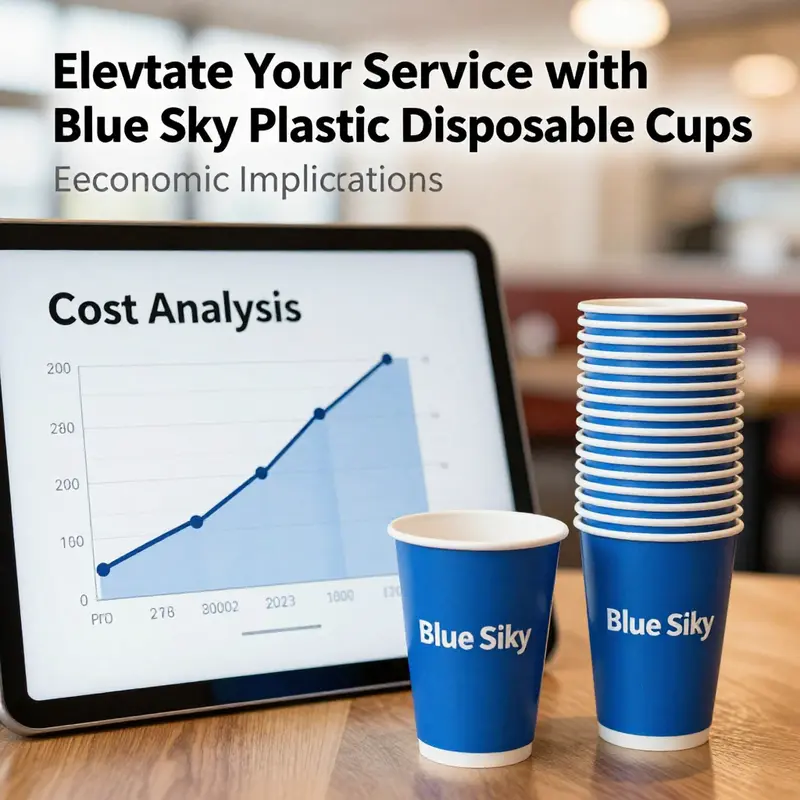
A single disposable cup, clear and light, can seem nearly neutral in a world that prizes speed and hygiene. Yet the economics around blue-sky plastic disposable cups reveal how the cost of convenience intersects with compliance, brand perception, and waste management. The upfront unit price for a 7 oz cup designed to be compostable or plant-based is often higher than traditional plastics, but this premium is a strategic cost that reflects risk transfer in regulated markets. As waste-management costs rise and regulatory penalties tighten, demand shifts toward materials with better end-of-life outcomes, and economies of scale gradually close the price gap. Consumer expectations also shift: brands that communicate credible environmental stewardship can enjoy stronger loyalty and sometimes premium pricing. The supply chain matters too: certifiable green sourcing, efficient logistics, and consolidated distribution reduce per-unit costs and supply risk. In practical terms, events and venues can benefit from faster service, less waste, and improved guest experience when the chosen cup aligns with disposal infrastructure. The overarching lesson is that the economic case for blue-sky cups hinges on end-of-life pathways, supplier credibility, and the ability to integrate sustainability into total cost of ownership rather than price alone. External reference: https://www.grandviewresearch.com/industry-analysis/biodegradable-disposable-cups-market
null

null
Balancing Convenience and Care: How Social Trends Shape Clear PET Disposable Cups in a Changing World
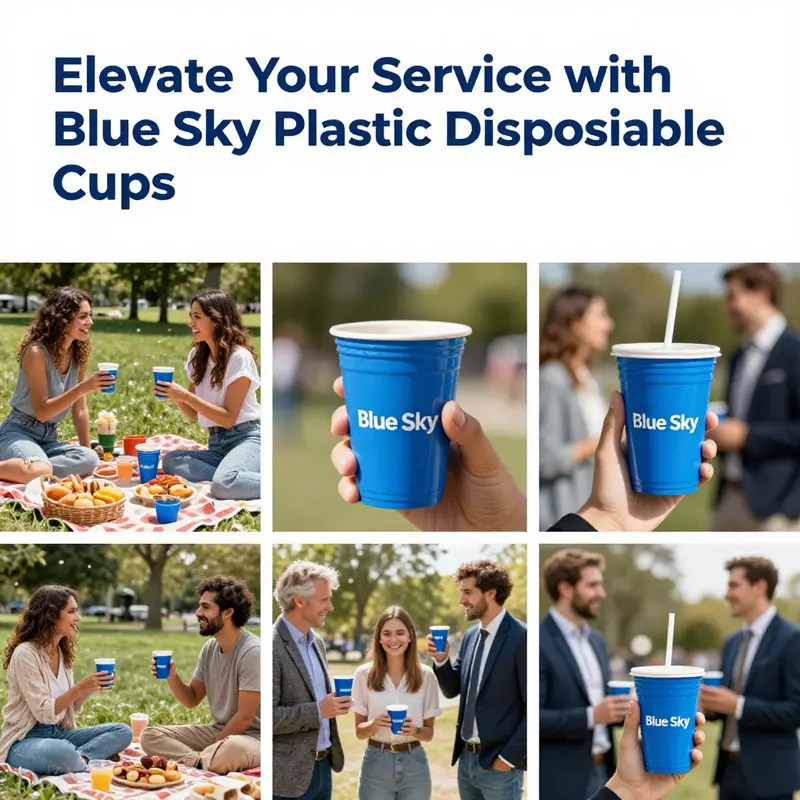
Beneath the gleam of a perfectly set table and the soft clink of ice against a clear plastic rim lies a chain of decisions that reveals how society negotiates convenience, aesthetics, health, and responsibility. The 7-ounce clear PET disposable cups, by design, embody a practical answer to gathering needs. They are light enough to carry between venues, sturdy enough to hold a chilly beverage without cracking on a sunlit patio, and transparent enough to showcase a drink’s color and garnish with a simple, eye-catching clarity. Yet the story of these cups is less about the cups themselves than about the social currents they ride. They sit at the intersection where immediacy and hygiene meet environmental scrutiny and evolving consumer values. The chapter that follows unpacks how these trends converge to shape the adoption, perception, and future of disposable cups in everyday life and in organized events, from intimate birthdays to bustling weddings and beyond.
At first glance, the appeal of clear disposable cups is straightforward. They promise speed, simplicity, and a clean slate on which beverages of every hue can stand out. The transparency of the design is not merely aesthetic; it acts as a functional feature that helps hosts gauge portions and ensures guests see the beverage they expect. For caterers and event planners, this kind of predictability translates into less friction when coordinating supplies, menus, and service flow. The material choice—clear PET plastic—adds a level of perceived durability while remaining lightweight enough to minimize breakage during transport or outdoor use. In environments where accidents happen quickly—kids at parties, adults juggling plates and cups, or a windy outdoor setting—having a reliable, break-resistant option becomes more than a perk; it becomes a practical necessity. And then there is the essential, but often overlooked, factor of cleanup. A disposable cup can remove the burden of washing up after a lively event, enabling hosts to reclaim time and return spaces to guests more efficiently.
But the narrative cannot rest there. As audiences become more conscious of the ecological footprint of single-use products, another set of considerations rises to prominence. Sustainability is no longer a niche concern; it has become a core criterion in many purchasing decisions. This shift is driven by a blend of concern for ecosystems, awareness of resource use, and the realization that small, everyday choices accumulate into meaningful environmental outcomes. Consumers scrutinize the life cycle of disposable cups, from production and transport to disposal and potential recyclability. They ask whether the cup is made from recyclable material, whether it can be repurposed, whether it supports a circular economy, and how its production aligns with broader commitments to reducing plastic waste. In response, manufacturers and retailers have had to adapt, refining materials, improving labeling to aid recycling, and marketing products in ways that are transparent about environmental trade-offs. The tension here is real: the same cup that promises convenience also poses questions about plastic waste and the long shadow it casts on land and sea.
This tension plays out in the way brands present their products. Clear, convenient, and disposable is a common message, and it resonates with a lifestyle that values quick turnover and minimal cleanup. Yet, consumers increasingly want more than convenience; they want assurance that the convenience does not come at an unacceptable environmental cost. In many markets, products that advertise BPA-free formulations gain favor among health-conscious consumers, who are wary of any potential contaminants associated with plastics used for food and beverages. Transparency about materials, manufacturing practices, and recyclability becomes a strong differentiator. In practice, this means that the cups themselves, along with their packaging and any labels, must communicate clearly what happens after use. Do the cups go into a curbside recycling stream, or are they better suited for composting in specialized facilities? How is the recycling rate in their local area, and what infrastructure exists to support it? These questions influence both consumer choices and the strategies of suppliers who seek to align with evolving norms.
The social landscape also nudges cup usage in contexts that differ in scale and formality. At intimate gatherings—birthday celebrations, picnics, or baby showers—the appeal of a cohesive aesthetic can be just as important as the practical benefits. A clear cup can complement a decorative palette, highlight a beverage’s color, and offer a uniform look across a venue. In larger events, such as corporate gatherings or weddings, disposable cups become part of a broader system of service that prioritizes speed, consistency, and hygiene. In these settings, the choice of cups intersects with other disposable tableware, the layout of service stations, and the rhythm of guest flow. Hosts weigh the visual contribution of the drinkware against the potential environmental costs, seeking a balance that honors guests’ experience while honoring responsibilities to the environment.
A telling dynamic in this space is how convenience is reframed by health and safety considerations. The discourse around plastic food and beverage containers has matured beyond basic utility to include questions about material safety, potential chemical exposure, and the reliability of labeling. In response, manufacturers and retailers are compelled to adopt more robust assurances—BPA-free formulations, clearer labeling on recycling versus composting options, and assurances about how packaging meets safety standards. The consumer’s capacity to make informed choices grows as information becomes more accessible, and brands that meet this demand with credible, verifiable claims tend to be favored. This trend does not simply apply to the cups themselves; it encompasses the broader ecosystem of disposable tableware, including lids, straws, and accompanying packaging, which must collectively align with safety and environmental expectations.
The social shift toward sustainability is not a simple downward slope in consumer preference. It is more accurately described as an evolving landscape where convenience and responsibility contend for prominence. For some buyers, the priority remains the ease of cleanup; for others, it is the assurance of safer materials and better end-of-life outcomes. The consumer’s position within this spectrum can be influenced by factors such as local recycling capabilities, access to composting facilities, and the perceived impact of individual choices on the broader environment. In communities with robust, well-defined recycling streams, disposable cups may be more readily accepted into mainstream recycling programs, easing host concerns about waste. In places where recycling is less accessible or less reliable, more emphasis might be placed on choosing products that are easier to repurpose or that align with composting initiatives. These regional differences remind us that the social trend toward sustainability operates in a mosaic of local realities, not a uniform global directives.
The future of disposable cups will likely be shaped by how readily the industry can translate sustainability into tangible, credible improvements. Innovations in materials science offer promise in the form of biodegradable or compostable alternatives, better recyclability, and perhaps even novel designs that reduce material use without compromising performance. Yet breakthroughs must be paired with practical infrastructure and transparent communication. Consumers are more likely to embrace innovations when they understand how products fit into a circular economy and when they can access reliable guidance about disposal pathways. Brands that invest in clear, consistent messaging about material safety, recycling options, and real-world environmental performance will be better positioned to earn trust and maintain relevance in a market that continues to evolve.
In this context, the role of design and presentation should not be underestimated. The visual appeal of a cup—its clarity, its proportion, and the way it interacts with beverages and ice—contributes to guest experience in subtle but meaningful ways. A well-chosen cup can elevate a simple drink into a moment of celebration, enhancing social bonding at a gathering. The aesthetic dimension matters: it signals care, coordination, and attention to detail, which can bolster a host’s reputation for thoughtful event planning. At the same time, design choices can influence how a product is perceived in terms of sustainability. A minimalist, transparent cup with clear disposal instructions can reinforce a host’s commitment to responsible choices, even within a disposable framework. The confluence of appearance and ethics thus becomes a powerful driver in consumer attitudes and purchase decisions.
For readers who want a tangible lens into how these products fit within broader packaging ecosystems, consider a practical example of the kind of disposable, clear cup that crops up across event scenarios. This example provides a window into the balance of function and form that characterizes the current market. Disposable clear plastic cups illustrates how retailers present accessibility, compatibility with lids and other accessories, and the ease of use that makes these cups a staple in many social settings. The page highlights not only the cup itself but also the broader context of disposable tableware, where design, material choices, and practical considerations converge to shape everyday events. It is one thing to discuss trends in abstraction; it is another to see a concrete instance where accessibility, safety claims, and consumer expectations meet on a single product page. The convergence helps explain why these cups, in their seemingly modest form, persist as a widely accepted element in modern gatherings.
Beyond the classroom of consumer psychology, the social trends surrounding disposable cups are intertwined with broader conversations about waste management, policy, and public behavior. Policy makers and industry groups increasingly advocate for better labeling, more accurate information about end-of-life options, and incentives for using recyclable or compostable materials. These conversations influence how products are developed, marketed, and sold. When a product is marketed as both practical and aligned with environmental values, it becomes part of a broader narrative about responsible consumption. The ongoing dialogue between policymakers, researchers, and industry stakeholders is essential for translating consumer intention into real-world outcomes. It is not enough to promise a convenient experience; the market must also offer pathways that reduce the ecological footprint and that are accessible to a wide range of consumers, regardless of where they live or work.
The blend of convenience, aesthetics, safety, and environmental concern also reframes how events are planned and executed. Hosts may lean toward disposable options when time is tight or when the guest list is fluid, but they increasingly pair those choices with transparent communications about disposal options for attendees. Event signage, clear reminders about recycling, and thoughtful placement of bins can transform a disposable product from a potential source of waste to a calculated part of a sustainable plan. In practice, this might mean designating specific waste streams at a venue, providing attendants with quick instructions, or coordinating with waste management partners to ensure appropriate handling. These operational details matter because they determine whether the guest experience remains seamless while still supporting responsible consumption. The social consensus is moving toward a culture where convenience does not preclude accountability, and disposable cups serve as a test case for how well that balance can be achieved in real-life settings.
In summary, the social trends surrounding clear disposable cups reveal a dynamic negotiation between immediate gratification and longer-term responsibilities. The cups themselves are not passive objects; they are active participants in a social practice that judges convenience, safety, aesthetics, and environmental impact in equal measure. As consumer awareness grows and as infrastructure and policy continue to adapt, the trajectory suggests a market that will demand greater clarity, better end-of-life options, and smarter design—without sacrificing the ease that makes disposable cups so appealing in the first place. The future of these cups lies in the industry’s ability to deliver products that meet shoppers where they are—seeking quick, clean experiences—while guiding them toward choices that align with a shared commitment to health, safety, and the planet.
External resource: https://www.amazon.com/dp/B0B5T2Z6L1
Final thoughts
Incorporating Blue Sky plastic disposable cups into your beverage service can significantly enhance user experience while addressing economic and environmental factors. Their aesthetic appeal, combined with practical benefits, makes them a favorite for a wide array of settings, from quaint bubble tea shops to large corporate events. As consumer preferences continue to shift towards convenience and sustainability, choosing Blue Sky plastic cups stands as a forward-thinking decision that aligns with contemporary trends.