
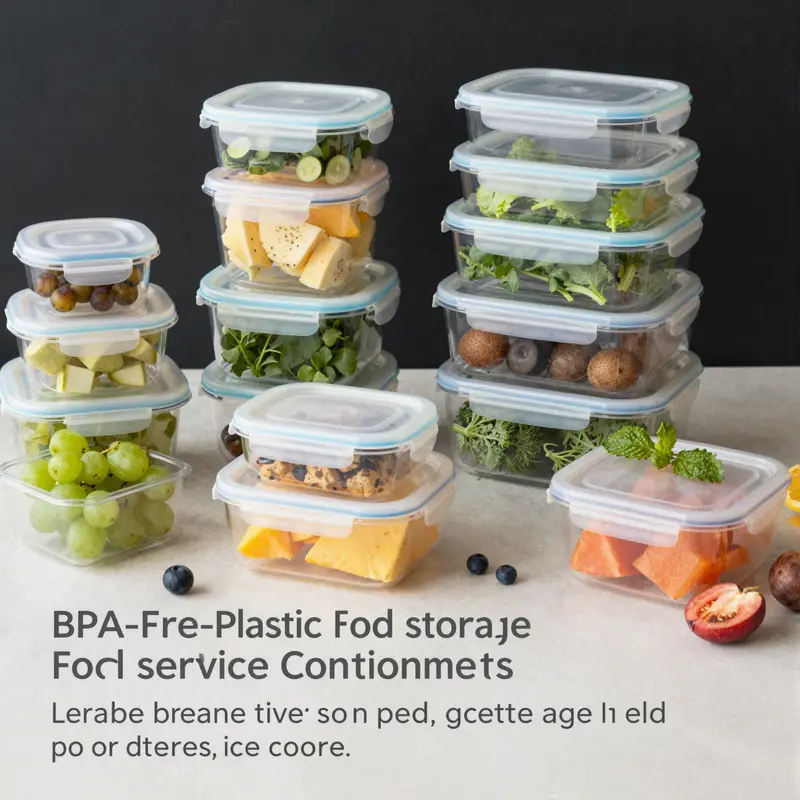
As consumers become more health-conscious, the demand for safer food storage options has surged across foodservice sectors, including cafes, bubble tea shops, and catering operations. BPA-free plastic containers offer a safer alternative, but questions about chemical safety, durability, and environmental impact remain. This guide examines BPA-free containers, from materials and performance to environmental considerations, to help operators make informed choices for their establishments.
Beyond BPA-Free: Reassessing Safe and Sustainable Food Storage in a Plastic-Filled World
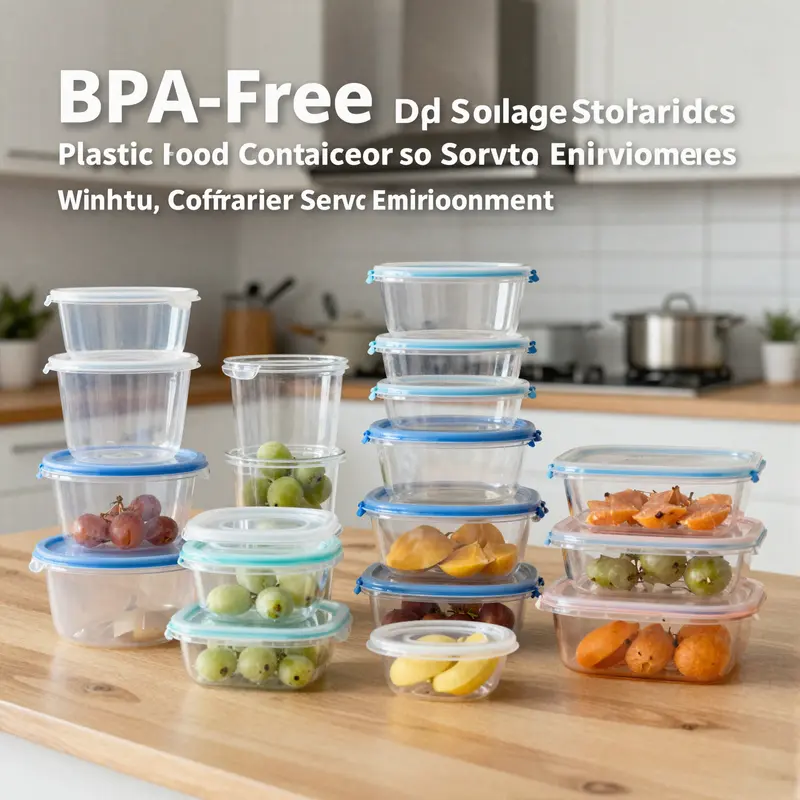
Plastic food storage containers labeled BPA-free have become a common refrain in kitchens that want safer options. Yet the promise that ‘BPA-free’ equals safe is not as clear-cut as it seems. The absence of one problematic chemical does not guarantee safety for the body or the planet. This chapter invites readers to move beyond a single-label mindset and to consider how replacement substances, material stability, and the broader life cycle of containers shape real-world safety and sustainability.
To understand why BPA-free does not automatically mean safer, it helps to start with the historical role of BPA. Bisphenol A was integral to polycarbonate plastics and epoxy resin linings for metal cans. When plastics are heated, scratched, or consistently exposed to acidic foods, BPA can migrate from the polymer into the food we eat. Once inside the body, BPA can mimic estrogen and subtly interfere with hormonal signaling. Over time, this endocrine disruption has been linked to potential effects on development, metabolism, and reproduction, especially among children and pregnant people. These concerns propelled a broad shift away from BPA in consumer products, particularly those intended for infants and young children. The resulting market shift produced a spectrum of plastics marketed as BPA-free, but the safety conversation did not end there.
In place of BPA, manufacturers often turned to substitutes like Bisphenol S (BPS) and Bisphenol F (BPF). These chemicals were chosen with the same aim—avoid BPA’s risks—yet emerging science cast doubt on their purported safety. A comprehensive evaluation published in Environmental Health Perspectives highlighted a troubling pattern: among plastics tested, a large majority released estrogenic chemicals regardless of BPA status. In practical terms, this means that simply removing BPA does not eliminate the endocrine-disrupting potential of many plastic products. The implication for households, especially those with pregnant individuals or young children, is that labeling can be misleading if it does not reflect the broader chemical reality of the material.
Even when BPA substitutes themselves are not present, the degradation pathways of plastics can still leach other concerning substances. Heating plastic containers, storing highly acidic foods like tomatoes or citrus, or subjecting containers to repeated washing can promote the migration of additives, plasticizers, and residual monomers. The material’s durability and chemical stability become decisive here. Although some plastics are engineered for greater resilience, nothing is truly inert when it comes to contact with heat and acid over time. For this reason, many health-minded experts emphasize that the safest approach is to minimize reliance on plastic for hot meals, long-term storage of acidic foods, and repeated microwave or dishwasher use.
Beyond human health, the environmental footprint of plastic storage cannot be ignored. Even when a container is reused many times, the broader life cycle matters. The lifecycle reality is stark: only a small fraction of plastic ever produced is recycled. The U.S. Environmental Protection Agency notes that roughly nine percent has been recycled, with the remainder ending up in landfills, incinerators, or natural ecosystems where it can persist for centuries. This is not just an end-of-use problem; it is a reminder that the choices we make about storage impact soil, water, and food systems long after a single container’s useful life has passed. The environmental argument for safer storage thus expands from personal health to planetary health.
With these concerns in mind, many experts advocate turning to materials that offer a more stable chemical profile and a clearer ecological path. Glass, stainless steel, and silicone storage options have gained traction precisely because they tend to be inert, durable, and more readily recyclable or reusable. Glass, for instance, is non-porous and does not leach chemicals into foods; it withstands microwave and oven use when tempered and is widely recyclable. Stainless steel offers robust durability and corrosion resistance, making it versatile for refrigeration, on-the-go meals, and rugged everyday use. Silicone provides heat resistance and flexibility, enabling space-saving designs and sealable solutions for varying food types. While no material is perfect in every context, these options collectively reduce the uncertain chemical leach risks associated with many plastics and support more sustainable habits.
For households weighing these choices, it helps to adopt a practical, health-centered framework. First, when plastic is used, favor resins known for greater stability and lower migration potential. Polypropylene, commonly labeled as a resin code #5, has earned recognition for better heat resistance and chemical stability compared with older polycarbonate formulations. Avoid containers with cracks, deep scratches, or clouding that signals wear and potential leaching. Do not heat acidic foods in plastic containers or use plastic storage in the microwave or oven unless the product is explicitly rated for such use. Second, reduce the frequency of heating, especially when containers are used as a meal-prep or warming vessel. Third, if possible, gradually transition to glass or metal for core storage needs, particularly for leftovers, sauces, and meals that will be reheated. The long-term health and environmental dividends of such a transition are meaningful, even if it requires adjusting kitchen habits and storage routines.
The conversation about safer storage also benefits from practical, everyday substitutions that align with non-plastic options. For instance, non-plastic takeout containers and home-storage solutions made from glass or stainless steel can be paired with airtight silicone lids to maintain freshness while keeping the material in a more inert category. In this regard, an emphasis on non-plastic storage for everyday use—especially for hot meals, acidic sauces, and items stored for extended periods—offers a straightforward route to reduced chemical exposure and less environmental impact.
For readers who want to explore concrete, real-world options without wading through a labyrinth of product marketing, a practical path is to seek containers designed for non-plastic storage as part of a broader packaging and pantry strategy. This is where selective, non-plastic alternatives shine. A product line focused on eco-friendly, paper-based or silicone-based packaging demonstrates how households can reduce reliance on plastics without sacrificing convenience. Within this broader ecosystem, organizations and stores increasingly offer solutions designed for microwave use, freezer storage, and durable repeated handling, all while prioritizing inert materials that minimize chemical migration. In the spirit of informed consumer choice, readers can sample different configurations—glass jars with tight-fitting lids for dry foods, stainless steel containers for liquids and reheating, and silicone stretch lids or gasket systems for flexible, space-saving storage.
The practical takeaway is clear. BPA-free is a first step, not a final guarantee. The path toward safer storage involves understanding the chemical landscape of the container, the conditions under which it is used, and the end-of-life implications for the material. It also means recognizing that a holistic approach to safety and sustainability may require embracing non-plastic alternatives for core storage needs and reserving plastics for exceptions, such as certain pantry organizers, that are clearly labeled for specific, limited use.
To connect theory with everyday practice, consider a perspective on convenient non-plastic storage options that fits busy households. For readers seeking an adaptable solution that blends safety with convenience, a practical option is highlighted through a non-plastic packaging framework: eco-friendly-takeout-boxes-for-food-packaging-stylish-food-containers-safe-microwave-craft-paper-lunch-boxes-leak-grease-resistant.
Ultimately, the decision about storage materials is a synthesis of health risk awareness, environmental responsibility, and daily practicality. By acknowledging that BPA-free does not automatically equal safe, and by embracing safer alternatives when feasible, households can make meaningful changes. The shift toward non-plastic storage options is not a drastic lifestyle overhaul; it is a measured, incremental move that can reduce exposure to uncertain chemicals and lessen the cumulative environmental burden. As researchers continue to investigate the complex world of plastic additives and migration, readers can rely on a precautionary approach: prefer inert materials for hot or acidic foods, minimize repeated heating of plastics, and gradually integrate glass, stainless steel, or silicone into routine storage. This strategy aligns personal health with planetary well-being and turns a single labeling decision into a broader, lasting commitment to safer storage practices.
External resource: Environmental Health Perspectives – Bisphenol A-Free Plastics Are Not Necessarily Safer (www.ehp.niehs.nih.gov/doi/10.1289/ehp.1409376).
Beyond the Label: Navigating Chemical Safety and Safer Storage in a BPA-Free World
The move away from BPA in everyday containers has created a safer-sounding label, but the science behind chemical safety remains nuanced. BPA-free does not automatically mean risk-free; substitutes such as BPS and BPF can behave similarly in the body. Endocrine disruption is a pattern of activity not constrained by a single chemical name, and the absence of BPA on a label reflects only what was not used rather than what is truly safe.
Beyond the chemistry, containers can shed other substances when exposed to heat, acids, or mechanical wear. The durability and stability of the base material matter as much as the presence or absence of a named chemical. Materials like polypropylene (PP) and Tritan-like polymers are often advertised as safer choices because they resist leaching under typical kitchen conditions, though no material is risk-free.
Environmental considerations are intertwined with safety. Even a BPA-free product contributes to waste and energy use across its life cycle, so sustainability choices matter as much as health claims. Official waste statistics show that plastics enter the waste stream in large volumes and that recycling rates remain frustratingly low, underscoring the value of durable, reusable designs.
Practical shifts toward truly inert and durable options include glass, stainless steel, and silicone, which tend to resist chemical interactions and maintain performance over time. Plant-based bioplastics offer another route, but they are not a panacea and still require mindful use. When heating or microwaving, avoid plastics that lack clear labeling for such use, and avoid storing highly acidic or fatty foods in plastic for extended periods.
Third-party testing and certifications matter. Look for products that have undergone independent assessment for chemical leach testing, migration limits, and food-safety compatibility. A practical approach balances safety with reliability and does not rely on marketing language alone.
For households that still rely on plastic storage, choose containers designed for repeated use, follow heat and washing guidelines, and replace items showing wear or clouding. When in doubt, transfer food to glass or stainless steel for heating, then store leftovers in safer alternatives once cooled. The environmental argument strengthens the call for minimizing overall plastic reliance by favoring long-lasting designs and easy recycling.
Ultimately, the path to safer storage is not a ban on plastic but a shift toward materials and practices that reduce risk while preserving convenience. The goal is to minimize unintended exposure, extend product life, and make recycling easier, all within a broader commitment to health and planetary sustainability.
Rugged, Safe, and Space-Saving: The Real-World Performance of BPA-Free Plastic Food Containers
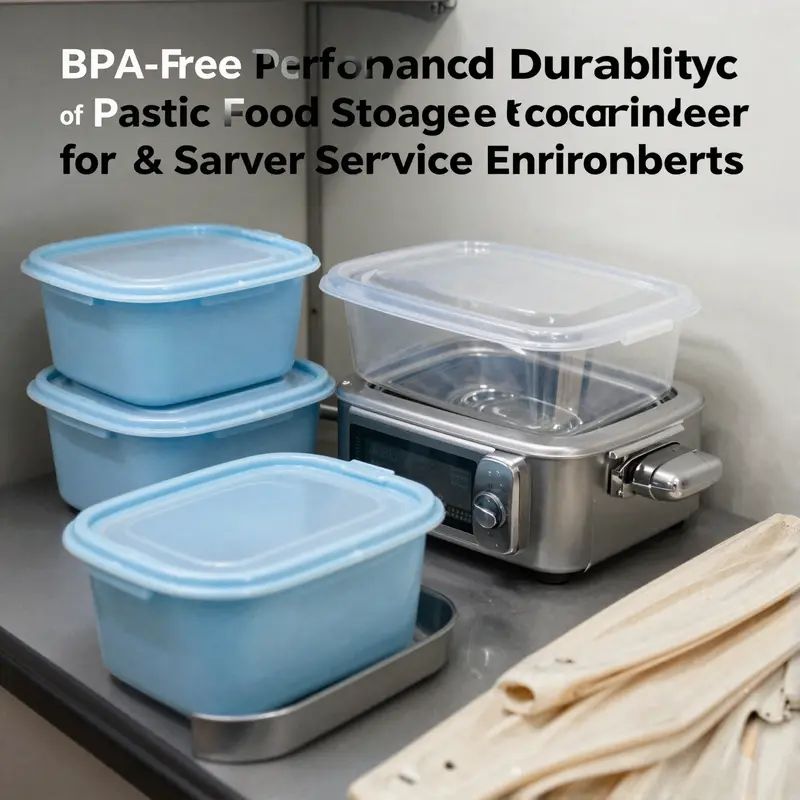
The shift toward BPA-free plastic food storage has reshaped everyday kitchen routines and the ways households approach bulk prep, leftovers, and on-the-go meals. Consumers increasingly value containers that can endure daily use without warping, leaking, or losing their form. But performance is about more than just resisting a spill; it is about how materials respond to real-world conditions—heat, cold, impact, washing cycles, and the rhythms of busy households. In the best BPA-free designs, durability and practicality come together in a material science story that explains why these containers have become a staple in both modest homes and larger settings where reliability matters. The core material choices—primarily polypropylene PP and the shatter-resistant, clarity-enhanced Tritan—are selected for their inherent stability and their capacity to handle the demands of modern storage tasks. PP is celebrated for its heat tolerance and chemical inertia, which means sauces, soups, and hot leftovers can be stored with less risk of deformation or surface degradation. Tritan, a copolyester, is prized for its glasslike clarity and toughness, making it a popular option for containers that need to look clean and stay resilient through countless cycles of use and washing. Together, these materials underpin a class of BPA-free containers that are designed to be microwaved, frozen, and repeatedly opened and closed without losing their shape or leaking their contents. The performance story naturally starts with heat: the ability to withstand hot foods without softening or warping is essential for convenience and safety. Where older plastics could soften at modest temperatures, modern BPA-free options often display impressive temperature resilience. This makes them suitable for reheating, for example, or for storing hot meals directly from the stove to the fridge. Yet resilience is not purely about heat alone. The best containers also show low susceptibility to impact damage. A fall from a countertop or a bumped shelf in a crowded kitchen can crack or craze a lesser plastic, but high-quality BPA-free designs are engineered to absorb shocks and maintain their structural integrity. This durability translates into real value for households that juggle multiple meals, school lunches, and family size portions, where a single container must perform repeatedly without becoming a replacement hassle. The practical consequences of this durability show up in several features that consumers rely on every day. Leaktight seals are not a mere marketing promise; they are the result of precise engineering in lid design, gasket materials, and locking mechanisms. A dependable seal means liquids stay put, reducing the risk of spills on carpeting, car seats, or work surfaces. It also protects the food from contamination and prevents aroma transfer, an intangible but meaningful benefit when storing varied foods across a busy week. In tandem with seals, the ability to stack containers neatly supports efficient storage in refrigerators and cupboards alike. Space optimization matters in kitchens of every size, from compact apartments to bustling shared homes. A well-designed stackable system reduces clutter, enabling more organized meal prep and easier access to ingredients. Clarity plays a dual role. When containers are clear or lightly tinted, users can quickly identify contents without opening lids, reducing the temptation to riffle through multiple containers and thus minimizing handling. This is especially valuable for households that prepare meals in advance or rely on bulk storage for families with different schedules. The stability and readability of BPA-free plastics, particularly Tritan, create an experience that mirrors the ease of glass while remaining lighter and more forgiving in everyday use. Beyond the kitchen, the performance profile of these plastics shines in other environments. In kennels, farms, or large households where bulk ingredients or pet foods are stored, the durability and leak resistance are equally valuable. The ability to withstand frequent washing and rough handling without losing form is a practical advantage in settings where containers are constantly moved, cleaned, and repurposed. The design philosophy behind these containers emphasizes a balance between toughness and versatility. They are not single-use items dressed up as plastic; they are reimagined for repeated use, with lids and seals designed for long life and easy maintenance. The result is a product category that feels reliable in the moment you need it most: when you lift a container to portion out a meal, when you scoop out leftovers after a busy day, or when you stack several portions for late-night defrosting. While durability and performance are central, the consumer experience is also shaped by how these containers handle repeated cleaning. Dishwasher cycles can be harsh on plastics if heat is excessive or if residues etch the surface over time. Top-tier BPA-free designs are formulated to resist clouding and surface wear, preserving clarity and evenness in color after many runs through a dishwasher. Scratches, which can accumulate with frequent use, are minimized in high-quality materials that resist scoring from utensils and the abrasive action of wash cycles. In practice, this translates to a container that remains visually appealing and functionally reliable long after the initial purchase. The lifecycle story is complemented by a candid assessment of limitations that accompanies any strong performance narrative. It is not sufficient to claim that BPA-free means perfect safety; durability does not erase the chemical questions that continue to accompany plastic food storage. Even though the main monomers in PP and many Tritan formulations avoid the BPA family, the body can still interact with other chemicals used in alternative formulations or in minor additives within the plastic resin. Over time and with certain exposures—such as high heat in combination with acidic foods—the potential for leaching of other substances can emerge. Awareness of this dynamic helps households use these containers wisely: avoid storing highly acidic foods in plastic for extended periods, refrain from heating in sealed containers, and replace containers that show signs of crazing, cracking, or clouding. In this sense, performance and safety are not binary; they exist on a spectrum shaped by material quality, user practices, and the specific foods being stored. The environmental dimension adds another layer to the durability narrative. Even the most robust BPA-free containers are not immune to the broader challenges of plastic waste. Recycling rates for all plastics remain disappointingly low, and the cycle of use, disposal, and potential leakage into ecosystems continues to shape consumer choices. This reality reinforces the appeal of containers that maximize reuse while minimizing risk. When possible, selecting BPA-free designs made from inherently stable materials like PP or Tritan encourages longer lifespans and reduces the total number of replacements over time. It also aligns with growing consumer interest in alternatives to plastic altogether, such as glass or stainless steel, for long-term storage needs. Yet the pragmatic reality of everyday life means that BPA-free plastics will likely remain a staple for many households, at least for some uses. The key is informed use: choosing the right material, recognizing the heat and storage limits, and maintaining a consistent standard of care. To help navigate this landscape, consider how you store foods in practice. For hot foods, allow a brief cooling period before sealing and refrigerating, and avoid last-minute microwaving in a sealed container. Use containers with durable hinges and robust seals, and replace lids or containers if you notice any compromise in fit or flexibility. When storing leftovers, portion meals into smaller containers that are more manageable to reheat and re-cover, minimizing repeated exposure to high heat that can wear down the integrity of seals over time. For days when speed matters, a reliable BPA-free option that combines transparency with strength makes it easier to plan meals and monitor portions without rummaging through opaque stacks. If you are curious about broader packaging trends that emphasize durability and eco-conscious design, one example of a practical solution in the packaging world highlights the appeal of sturdy, well-sealed, non-bisphenol plastics in multi-compartment configurations. This example can be explored further through an example of an eco-friendly disposable packaging box for fast food, which demonstrates how durable plastic solutions can be integrated into everyday use while supporting efficient, leak-resistant storage. eco-friendly disposable packaging box for fast food. The idea is not to replace a kitchen with a lab, but to translate robust material science into practical routines that hold up under the pressure of a busy household. In this light, the performance and durability of BPA-free plastic food storage containers emerge as a compelling middle path: they offer a blend of heat tolerance, impact resistance, clear visibility, and efficient space use, all while supporting repeated use. The result is a versatile family of containers that can adapt to a wide range of tasks, from freezing and reheating leftovers to organizing ingredients for a week of meals. They represent a practical compromise between the fragility of glass and the bulkiness of heavy metal or ceramic options, while still aligning with health and safety considerations that guide modern consumer choices. As these containers become more common, their benefits become clearer in daily life: fewer spills, easier meal planning, and a tangible sense of resilience when life gets hectic. They invite homeowners to rethink how much a kitchen can rely on plastic without sacrificing safety or functionality. The next chapter will pivot toward how to assess overall safety profiles in food storage options, connecting material science with consumer habits and environmental considerations, and offering a framework for choosing containers that align with both personal health and planetary well-being. External research supports the nuanced view that no single material is without caveats, and that ongoing evaluation of materials and practices remains essential for long-term confidence in any storage solution. External resource: https://www.alibaba.com/product-detail/BPA-Free-Plastic-Containers-Food-Storage_1600478239512.html
Beyond BPA-Free: The Real Environmental Toll of Plastic Food Storage
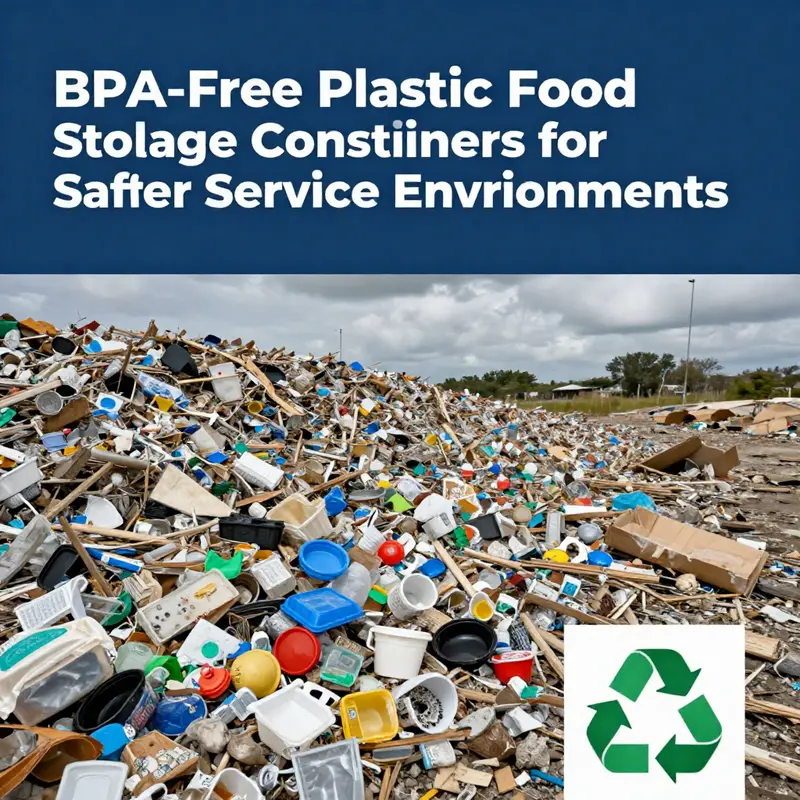
The decision to reach for BPA-free plastic storage speaks about human health, but the broader choice concerns the life cycle of materials that travel from factories to kitchens to landfills. In many homes, these containers are reused, washed, heated, and refilled, and yet their environmental footprint is not erased by a BPA-free label. The chapter that follows maps that footprint across production, use, and end of life, showing how the absence of BPA does not flatten the ecological scorecard.
Material choices like polypropylene, polyethylene, and PET dominate the BPA-free segment because they are cheap, familiar, and well suited to mass manufacture. But they are also fossil-fuel–dependent. The energy required to extract, process, and polymerize these plastics is substantial, and the emissions released during manufacture contribute to climate change. Even when the containers are designed for repeated cycles, the embedded carbon in each item compounds across millions of units. The environmental math is often overlooked in consumer purchases: a small saving per item, multiplied by millions, becomes a sizable planetary burden. And the problem compounds when these plastics reach the end of their usable life. Recycling rates for plastics remain stubbornly low; in many communities, only a fraction of what is produced is recovered for recycling. The remainder accumulates in landfills, incinerators, or the environment, where it can fragment into microplastics that spread through water, soil, and wildlife.
The chemical story is not limited to health concerns. Even BPA-free plastics can contain phthalates, plasticizers, and stabilizers that facilitate performance but are not readily removed from the material matrix. The chain of custody from factory to kitchen is vulnerable to degradation, especially with heat exposure or prolonged storage. When containers are heated—whether in a microwave, a hot sink of dishwater, or a sunlit window—the physical bonds can loosen, and additives may migrate into surrounding food or migrate into the environment should the item be discarded. While those links may be more relevant to human exposure in some cases, they also reflect a larger truth: every step of a container’s life presents a potential environmental risk that must be weighed against convenience.
An essential dimension of the environmental impact is the fate of these plastics after use. A 2025 review in Sustainability on the environmental impact of food packaging materials emphasizes that plastic items, even those marketed as safer or “BPA-free,” dominate the waste stream and can persist for centuries. In oceans and soils, microplastics derived from everyday packaging accumulate, infiltrating ecosystems and potentially entering food webs. This insight reframes consumer choices, shifting the focus from mere chemical safety to the durability and end-of-life trajectories of the materials we choose to keep food fresh. The review also highlights a paradox: materials marketed as durable and reusable may still underperform in real-world recycling systems, where contamination, sorting complexity, and market demand constrain recycling rates. The net effect can be that a product intended to reduce waste ends up contributing to waste if its ultimate disposal is not well managed.
If the environmental calculus ends at disposal, the discussion would remain incomplete. The production and disposal loop reveals opportunities to reduce harm by substituting materials with lower cradle-to-grave impacts. Glass and stainless steel emerge as prominent alternatives because they resist leaching and can be reused over decades. Glass, in particular, is infinitely recyclable without degradation of quality, and while its manufacturing energy is higher, its durability and long life can yield favorable life-cycle outcomes when used consistently. Stainless steel offers another resilient path, combining strength, recyclability, and resistance to chemical leaching. Yet neither option is a flawless choice in all circumstances. Glass can be heavy, potentially increasing transport emissions, and steel requires careful handling to avoid dents and scratches that shorten lifespan. Silicone, too, has a place in this conversation; it remains heat-tolerant and flexible, but its end-of-life recycling pathways are less defined in many regions. The point is not to champion any single substitute but to recognize that a holistic, life-cycle perspective matters. When communities design systems that prioritize repair, reuse, and efficient end-of-life processing, the environmental benefits of non-plastic or less-harmful alternatives become clearer.
For households navigating the transition, the message extends beyond avoiding BPA-free labels. It advocates reducing reliance on single-use or low-durability plastic containers and embracing sets that can endure a long sequence of uses. The environmental payoff accrues when fewer items are produced, washed, and discarded over time. Choosing containers made from materials with robust end-of-life options changes the equation from a one-off purchase to a long-term investment in planetary health. In practice, this means selecting storage solutions designed for longevity, with attention to how they are manufactured and how they will be disposed of at the end of life. It also invites a broader cultural shift: recognizing food storage as part of a circular economy, where products are valued for durability, repairability, and ease of recycling rather than convenience alone.
The conversation also invites practical, behavioral insights. Consumers can look for packaging solutions that minimize overall material use, favor items that can withstand heat without degrading into microplastics or low-quality debris, and support recycling programs that bulk waste streams into feedstock for new materials. In this regard, the shift away from conventional plastics toward paper-based or other non-plastic options often aligns well with environmental goals, particularly when the production and end-of-life pathways are managed responsibly. They are not a panacea, but when combined with good waste management practices, the benefits multiply. The decision to explore non-plastic storage is not simply a substitution; it is an invitation to reframe how households think about storage, reuse, and the value of material choice over the long run.
For readers pondering practical steps, the route to environmental improvement can begin with a simple audit of household storage habits. Evaluate how often containers are heated, the frequency of washing, and the types of foods most commonly stored. Acidic foods, such as citrus and tomatoes, can accelerate material degradation, increasing the chance of unwanted reactions and further complicating disposal, even when BPA is not present. This underscores that the problem is not a single chemical but a system of factors that collectively influence the life cycle of storage containers. In parallel to a materials shift, households can choose to stock a smaller, versatile set of durable containers made from non-plastic materials and reserve plastic storage for conditions where alternatives are impractical. The goal is to reduce the institutionalized waste stream and to enable more efficient recycling and reuse within the household and the broader economy.
One accessible pathway to apply these ideas is to consider non-plastic or lower-impact packaging alternatives for takeout and kitchen storage. This topic intersects with broader packaging trends, offering a practical example of how consumers can contribute to lower environmental footprints in daily life. For example, many households already interact with paper-based or craft packaging in other contexts, which can serve as a stepping stone toward broader changes in the kitchen. If a reader is curious about specific installation-friendly options for home storage that minimize plastic use while preserving food quality and safety, there is a range of designs that prioritize recyclability and reusability. For instance, paper-based takeout boxes and reusable craft-lid containers are becoming more common in communities that invest in green infrastructure. These designs demonstrate that performance and environmental responsibility are not mutually exclusive but can be balanced through thoughtful product development and consumer habits. For households actively seeking alternatives, an inspection of available non-plastic storage options reveals a spectrum of choices, from glass and stainless steel to silicone and high-performance ceramics, each with its own set of trade-offs in weight, heat tolerance, and durability. The aim is to support a transition that preserves food safety while reducing the burden on ecosystems.
In this context, the practical question becomes how to navigate the market and the home when faced with a flood of BPA-free plastics that still carry environmental costs. The answer lies in understanding that the label is only one piece of information, not the whole story. Consumers should look for evidence of durable construction, clear end-of-life pathways, and, when possible, materials that are inert and stable under a wide range of conditions. The stewardship of household storage is part of a broader ethical commitment to planetary health. By choosing materials and designs that minimize the environmental footprint, households contribute to a more sustainable production system and a healthier environment for future generations. This approach aligns with a growing shift toward sustainable packaging that prioritizes recyclability, longevity, and low toxicity across the product life cycle.
To ground this discussion, it is worth noting that data on ecological impact comes from comprehensive assessments that consider production, use, and end-of-life phases. A unified conclusion across recent literature is that reducing plastic waste through longer-lasting alternatives can offer significant environmental benefits, especially when coupled with robust recycling and waste management. The objective is not to demonize plastic entirely but to recognize that safer is not automatically greener if the end-of-life system cannot handle the material. The environmental narrative around BPA-free plastics thus invites ongoing research, better labeling, and improvements in waste management so that safer choices truly translate into lower ecological harm. The next steps for consumers, manufacturers, and policymakers involve integrating life-cycle thinking into everyday decisions, from product design to end-of-life processing, so that the path toward safer, more sustainable storage becomes clearer and more achievable for households everywhere.
For readers seeking additional context, a practical resource on safer, sustainable packaging design can be valuable. For example, exploring non-plastic options that still meet practical needs can help households reduce their environmental footprint in a meaningful way. See the environmentally conscious packaging discussion linked here for a broader view on alternatives to conventional plastics. eco-friendly takeout boxes for food packaging. The conversation continues with ongoing research into material science, recycling technologies, and consumer behavior that together shape a more sustainable future.
As a closing note to this chapter, it is important to anchor personal choices in a wider context. The environmental costs of plastic storage extend beyond the kitchen; they touch land, air, water, and the communities that depend on healthy ecosystems. When households opt for non-plastic options or durable plastics designed for high reuse, the cumulative impact is a measurable reduction in the stress placed on waste streams and natural resources. The picture is not black and white; it is nuanced and contingent on how products are made, used, and recycled. But the trajectory is clear: selecting materials with favorable life-cycle profiles, supporting better waste management, and embracing reusable designs can move us toward a more sustainable relationship with the everyday act of storing food.
External resource: For deeper context on the environmental burden of packaging across life cycles, see the 2025 MDPI Sustainability review: Environmental Impact of Food Packaging Materials: A Review. https://www.mdpi.com/2071-1052/17/20/7843
null
null
Final thoughts
Navigating BPA-free storage requires balancing health, safety, and environmental considerations. While BPA-free plastics offer advantages over traditional materials, operators should stay informed about alternative chemicals and prefer high-quality, stable plastics. Considering non-plastic options where feasible can further reduce risk. With mindful selection, foodservice businesses can improve safety and sustainability for their customers and planet.