
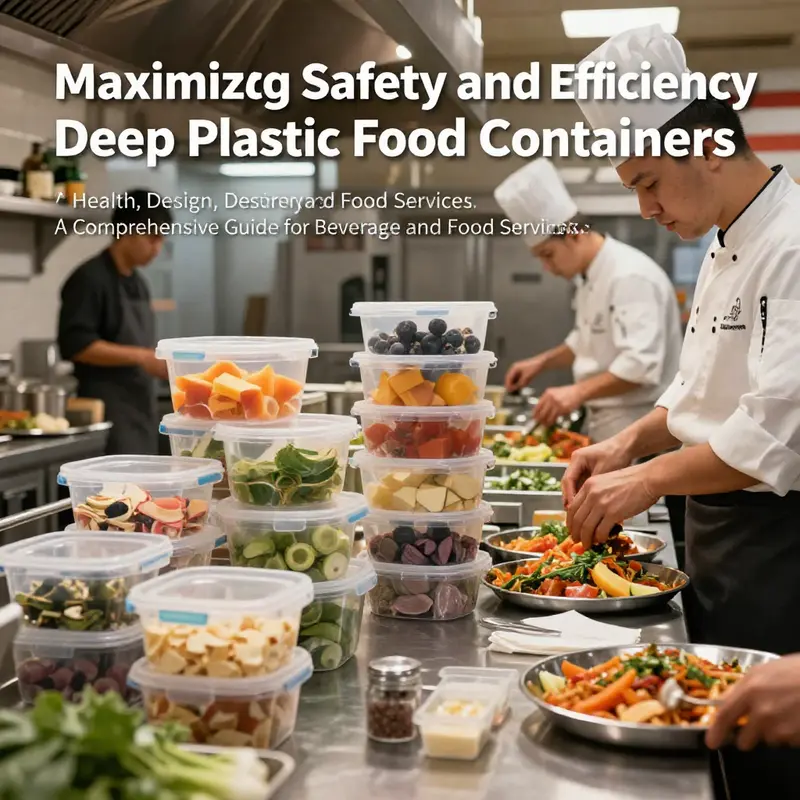
Understanding the significance of deep plastic food containers is crucial for beverage chains, restaurants, and catering services. These containers not only aid in food storage and preparation but also influence health and safety standards across the food industry. The journey of selecting the right containers begins with crucial health and safety considerations, followed by exploring their versatile designs that enhance functionality in busy settings. A final look at environmental impacts provides insight into making responsible choices. This guide will navigate you through each aspect, ensuring a well-rounded understanding for your operations.
Guarding What We Store: A Cohesive Look at Health, Safety, and the Real-World Use of Deep Plastic Food Containers
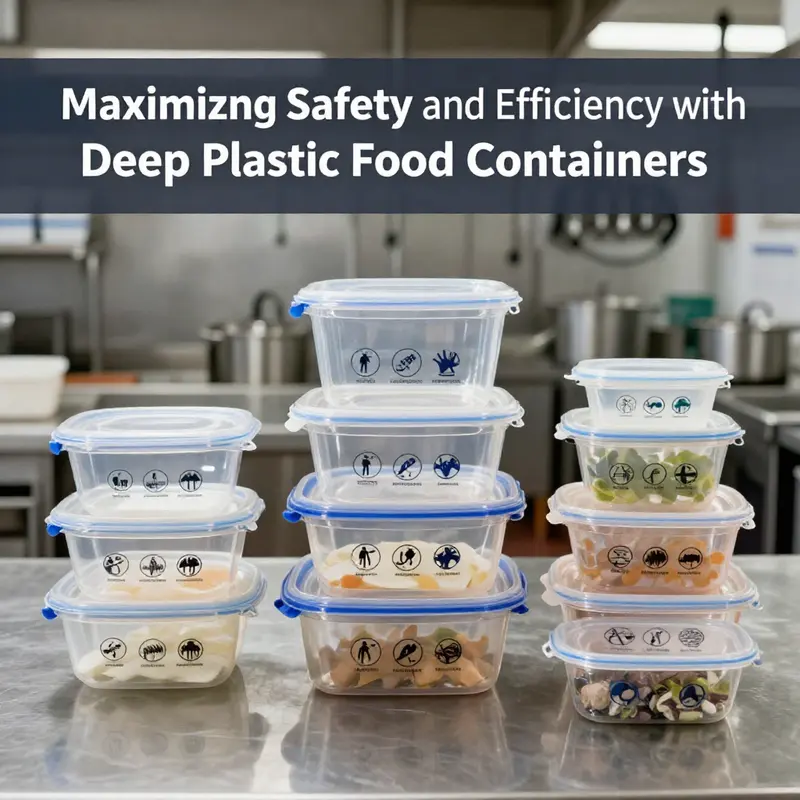
Deep plastic food containers sit at the intersection of everyday practicality and human health. They are the workhorses of home kitchens and the back rooms of busy food service. They hold leftovers, batch-cooked meals, and bulk ingredients. They travel in coolers, ride in car trunks, and reappear in microwaves and dishwashers. Yet their convenience rests on a fragile balance between performance and safety. The materials, designs, and how we use them all shape the cleanliness of our meals. In this chapter, we explore how deep plastic containers can be both useful and safe, and how small choices at the point of purchase and during daily use ripple into health outcomes. The goal is not to demonize plastic but to illuminate the conditions under which plastic storage remains hygienic, predictable, and aligned with modern safety guidance.
One of the most important truths about deep plastic containers is that plastics are not a monolith. They are a family of polymers, each with different strengths, weaknesses, and interactions with foods. The core concern for health is chemical leaching. When plastics come into contact with food, especially under heat or when storing acidic or fatty foods, molecules can migrate into the contents. The rate and extent of migration depend on several factors: the polymer type, the presence of any additives or coatings, the temperature, and the duration of contact. The science is nuanced, but the practical message is clear: not all plastics behave the same way under the same conditions. A rectangle of glass might shrug off heat entirely, while a similar shape in plastic may not. Yet choosing the right plastic can still offer meaningful safety and performance advantages when used correctly.
Among the polymers commonly used in deep containers, three stand out for safety and durability in typical kitchen conditions: high-density polyethylene (HDPE), low-density polyethylene (LDPE), and polypropylene (PP). HDPE and LDPE are well-regarded for chemical stability and general food contact safety. Polypropylene, or PP, stands out for heat resistance. It can withstand higher temperatures without deforming or releasing unpleasant substances, making it a frequent choice for containers intended for reheating, dishwasher cleaning, or boiling water scenarios. In practical terms, PP’s heat tolerance translates into safer hot storage and safer reheat cycles in consumer kitchens. By contrast, polyethylene terephthalate (PET) and polystyrene (PS) occupy other corners of the safety debate. PET is common in single-use containers and is generally not designed for repeated heating. PS, especially, deserves careful handling. It is not suitable for heating, and heating PS can release microplastics and potentially carcinogenic compounds. The health advisories current to March 2026 underscore this risk in stark terms: polystyrene containers should not be used for hot foods or in microwaves, even if labeled as food-safe. That warning reframes a familiar habit and invites a more conservative approach to heating and reuse.
A parallel but equally important dimension is regulatory guidance. The food-contact material landscape is shaped not only by material science but by oversight that translates complex chemistry into practical safety standards. The U.S. FDA outlines which materials and substances are permitted for direct contact with food, how labeling should be interpreted, and where heating or reuse may be limited. European safety guidance from EFSA likewise speaks to migration limits, permitted additives, and the conditions under which certain materials can confidently function in contact with diverse foods. In practice, this means that the safest decisions come from understanding whether a container is intended for hot use, microwave heating, or long-term reuse. If a container is marketed as microwave-safe, it is typically PP or a similarly heat-tolerant polymer with lip- and odor-resistance appropriate for repeated cycles. When in doubt, err on the side of conservative use—store, transport, and reheat only within the constraints the manufacturer’s safety guidelines specify.
Another dimension is how these containers age. Even the most stability-minded plastics can degrade with long-term use. Micro-scratches, clouding, or hazing aren’t just cosmetic issues. They can create microenvironments where residues cling and become harder to remove. Scratches provide niches that trap food particles, oils, and bacteria, potentially increasing the risk of contamination with repeated cycles. This is why the recommended practice is to replace containers showing visible wear or cracking. A scratched surface not only compromises cleanliness but also can alter the physical properties of the container. A menacingly smooth surface is easier to clean; a rough, worn surface invites harboring and microbial persistence. In this sense, health is intimately tied to physical condition as much as to the chemical properties of the plastic.
Cleaning and maintenance are essential pillars of safe use. The foundational rule is straightforward: clean thoroughly after each use with warm, soapy water and a non-abrasive sponge. Avoid aggressive scrubbing that could scratch the surface. The same rule applies to detergents and cleaning agents. Harsh solvents, concentrated cleaners, or abrasive pads can break protective surfaces and increase the risk of leaching or microbial harboring. When it comes to heating, the guidance is consistent: do not heat containers that are not explicitly labeled microwave-safe. If you must reheat, and the container is deemed microwave-safe, proceed within the heat‑tolerance limits and use vented lids to prevent pressure build-up. A critical practical note follows from real-world patterns: even safe plastics can become unsafe if used in ways inconsistent with their design. Reheated leftovers stored in a container not rated for high heat may have an altered safety profile, and repeated heating in such cases is not advisable.
Resin identification codes provide a simple shorthand for assessing recyclability and general safety expectations, though they do not replace the manufacturer’s usage guidance. Codes #2 (HDPE), #4 (LDPE), and #5 (PP) are commonly considered more stable for food contact and easier to reuse under ordinary conditions. They tend to exhibit lower rates of leaching under typical storage temperatures. Codes #1 (PET) and #6 (PS) demand more caution, particularly for repeated use and heating. Code #7, labeled as ‘Other,’ covers a broad class of composites and less predictable materials, often with non-recyclability complications. The critical takeaway is not the codes themselves but how they map onto practical use: prefer #2, #4, and #5 when you plan to reuse containers or store for longer periods, especially with sensitive foods. And avoid relying on PS for hot foods or microwaving, given the established safety concerns and regulatory caution.
In the real world of kitchens and food service, the story of safety also involves practical choices about design and usage. Deep containers come in a spectrum of shapes and lid configurations. Rectangular or square trays maximize space efficiency in refrigerators and freezers and often support better portion control. Round or cylindrical designs excel for soups, stews, or bulk ingredients and may offer lid gaskets for improved sealing. The inclusion of secure lids and reliable gaskets is not just a convenience feature; it is a core safety feature. A well-sealed container minimizes spills, preserves freshness, and reduces the chance of cross-contamination in crowded refrigerators or during transport. Stackability and modularity matter too, especially in busy kitchens where space is at a premium. The ability to nest containers without damaging their lids or seals helps maintain hygiene and ease of access, which in turn reduces the temptation to improvise with makeshift storage solutions that may be less safe.
The environmental angle cannot be ignored, even when the primary focus is health and safety. Resin codes and material choices influence not only safety but recyclability and waste streams. While HDPE and PP are widely recyclable in many locales, the practical reality is that recycling infrastructure and local guidelines vary. Minimalist, reusable designs that endure many cycles align with both safety and sustainability goals. The guidance to opt for safer plastics (#2, #4, #5) for long-term use dovetails with a broader impulse to minimize waste through durability. Still, the risk profile changes with disposal. Containers that have held hot foods or acidic items may retain residues that complicate recycling streams. Cleaning before recycling is a simple but important step: a container should be free of food particles and odors to avoid contamination that could degrade recycling efficiency.
For the home cook or the commercial kitchen manager, the decision framework is practical and grounded. First, identify the intended use: will the container house cold storage, or will it be reheated? If heating is involved, prioritize materials with validated heat resistance, typically PP. Second, inspect the container for wear. If it shows deep scratches, cloudiness, or cracks, replace it. Third, follow the cleaning protocol: warm water, mild soap, non-abrasive tools, and thorough drying before stacking. Fourth, be mindful of the food’s properties. Highly acidic substances, salty sauces, and high-fat foods can interact differently with various plastics, altering both the risk of leaching and the container’s structural integrity. Fifth, consider alternatives for sensitive meals. In some cases, glass or other non-plastic options may be preferable, particularly for long storage, reheating, or meals for children with heightened sensitivity to chemical exposure.
The contemporary safety landscape also places emphasis on clear labeling and consumer education. Manufacturers increasingly provide explicit guidelines about microwave use, dishwasher compatibility, and permissible storage conditions. This transparency is essential because it translates the laboratory and regulatory standards into everyday practice. Consumers benefit from understanding the difference between a container rated for cold storage and one designed for direct reheating. The line is sometimes subtle, especially for users who rely on multi-purpose containers. Yet the safe default is to treat any container that isn’t clearly labeled for heat as a cold-storage option only. This careful mindset reduces the chances of inadvertent exposure to heat-induced leaching and preserves the integrity of the container’s surface.
While the body of safety guidance continues to evolve, it is possible to draw a practical, action-oriented conclusion. Deep plastic containers remain valuable tools when used thoughtfully. Favor PP, HDPE, and certain LDPE designs for long-term storage and reheating within the manufacturer’s guidelines. Avoid heating in PS and the broader “Other” category unless the product’s documentation explicitly confirms safe, repeatable use with hot foods. Maintain a careful eye on wear and cleanliness. Replace containers showing wear or deformation, and adopt a simple routine that reduces the chance of cross-contamination. When possible, consider glass alternatives for particularly sensitive meals or for audiences with heightened concerns about leaching. Above all, stay informed about evolving safety advisories and align your practices with recognized authorities, so your everyday storage habits keep pace with science and policy.
To connect these principles to daily choices, one can imagine a kitchen decision map: first, the storage need, then the material suitability, then the heat and reuse expectations, followed by maintenance routines. In practice, the decision often begins with an item you can trust for long-term use and ends with a simple set of habits—wash, inspect, and replace when necessary. For households seeking a balance of practicality and environmental responsibility, there is a growing emphasis on durability and reuse with safer plastics. A pathway toward more sustainable meal prep and storage emerges when we choose containers that stand up to repeated use, support safe reheating within their design parameters, and remain easy to clean. In this sense, the health and safety considerations for deep plastic containers are not a checklist of prohibitions but a guide to making better, safer, and more conscientious choices.
If you are looking for options that illustrate these principles in the marketplace, consider exploring containers marketed for eco-conscious, microwave-safe use. For example, among the online options, you can review a range of products described as eco-friendly and designed for safe microwave use. In the context of this chapter, these choices demonstrate how design intent and material selection intersect with health considerations to deliver reliable performance. When evaluating any option, read the labeling carefully, verify the material type, confirm heat tolerance, and assess whether the product is intended for reuse. The risk of misalignment between expectation and performance is reduced when the documentation is clear and aligned with widely accepted safety guidance. As a final thought, the consumer question often narrows to a simple but meaningful one: how can I store food with confidence that I am not introducing unnecessary risks into meals shared with family or customers? By paying attention to material, design, and responsible use, the answer becomes practical, actionable, and within reach for most households and kitchens.
For readers who want a concise gateway to more consumer-focused guidance, the article linked here provides additional context on safety standards and the evolving landscape of food-contact materials. It can serve as a starting point for deeper reading and ongoing awareness as new research and regulatory guidance emerge. eco-friendly takeout boxes for food packaging
In addition to the practical steps outlined above, it remains essential to anchor everyday choices in reputable science. The broader body of evidence on plastic food container safety underscores two perennial truths: heat dramatically influences leaching potential, and material stability is a prerequisite for long-term reuse. These are not abstract concepts, but the pillars that support confident meal storage and safe reheating. As regulatory agencies continue to refine guidance and as new materials enter the market, the core habit of careful selection, faithful adherence to manufacturer instructions, and disciplined cleaning will help keep deep plastic containers a reliable ally in safety-conscious kitchens.
For readers seeking more detailed, science-based information beyond consumer guidance, the NIH offers a comprehensive review that delves into the science of plastic food container safety, including the complexities of leaching, materials, and risk assessment. This resource complements the practical guidance in this chapter and supports informed decision-making across diverse settings. https://www.ncbi.nlm.nih.gov/pmc/articles/PMC10367928/
Depth with Purpose: The Design, Durability, and Safety of Deep Plastic Food Containers
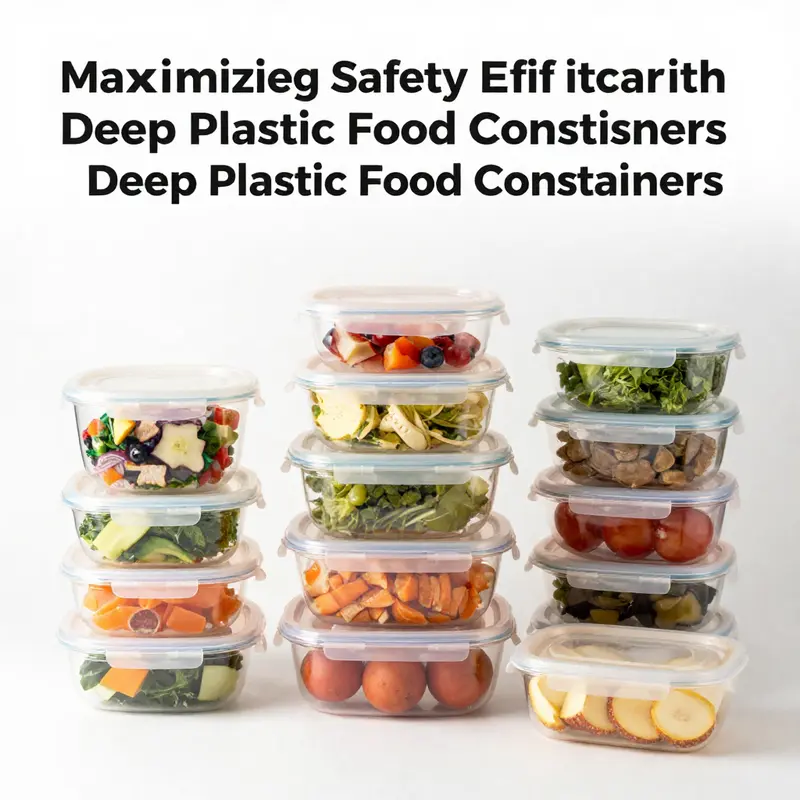
Deep plastic food containers occupy a quiet yet essential niche in both home kitchens and bustling commercial operations. Their value does not merely rest in the capacity to hold a large amount of food; it emerges from a careful blend of design, material science, and practical versatility. When you look past the shallow impression of a simple storage box, you encounter a sophisticated piece of packaging engineering that must survive temperature swings, resist impact, prevent leaks, and still be easy to clean, stack, and transport. The result is a class of containers whose depth is more than dimension; it is a statement about how we manage meals in transit, reheating, and long-term storage. In this chapter, we explore how deep containers are designed to meet the needs of modern kitchens and food service workflows, how material choices shape their performance, and how safety and sustainability concerns guide everyday use.
At the core of a deep plastic container’s performance is its geometry. The deep profile serves multiple purposes. First, it creates ample volume for large portions, bulk ingredients, or layered meals, which is particularly valuable for batch cooking, catering, and bulk deliveries. A generous depth helps prevent spills during transport and reduces the risk of shifting contents that could compromise flavor, texture, or hygiene. The depth also supports stable stacking, a practical attribute in crowded refrigerators, freezers, and dishwashing racks. When these containers are paired with secure lids and robust gaskets, they become reliable enclosures that minimize air exchange. In a world where freshness is tethered to how well a package keeps odors, moisture, and contaminants at bay, this sealing capability is not a luxury but a necessity.
Reinforcing this durability is a thoughtful choice of materials. Deep containers are commonly fashioned from robust plastics such as high-density polyethylene (HDPE) or polypropylene (PP). These materials offer a blend of impact resistance, moisture barriers, and temperature tolerance that suits the realities of kitchen life. HDPE brings strength and chemical resistance, making it well-suited for freezing or exposure to moisture-rich foods. PP contributes heat resistance and a higher tolerance for reheating, especially when a container is labeled as microwave-safe. These material properties translate into practical outcomes: containers that endure freezer-to-oven transitions, resist cracking or deformation under pressure, and stand up to the daily wear of microbial control routines in busy kitchens.
The discussion of materials would be incomplete without addressing safety and heating practices. A critical safety note from health advisories issued in 2026 emphasizes caution with certain plastics. Specifically, polystyrene (PS) containers should not be used for heating or microwaving hot foods, even if labeled as food-safe. Heating PS can lead to the release of microplastics and potentially carcinogenic compounds into food. This warning marks a turning point in how kitchens evaluate container choices for hot meals and reheating tasks. It also shifts the conversation toward more heat-stable alternatives like PP and HDPE, whose performance under temperature stress is better understood and more consistently safe when used as directed. For chefs and home cooks alike, this means a preference for containers whose material properties align with the intended use—freezing versus reheating, cold storage versus hot service—while heedfully avoiding combinations that could compromise safety or flavor.
Beyond raw material choices, the practical design features of deep containers shape their everyday utility. Lids with tight-fitting seals and gaskets are more than cosmetic closures; they act as active barriers to air ingress and odor escape, protecting both the food and its surroundings. The seal reduces moisture loss, which helps preserve texture and extend shelf life. When containers are stacked, the lid design often includes interlocking rims or nesting capabilities that stabilize the stack and prevent accidental toppling. Some models also incorporate built-in measurement markings along the sides, a subtle but powerful aid for portion control in both home meal-prep routines and professional kitchens that must standardize servings. Clear walls offer visual inspection without opening, a feature that supports quick inventory checks and reduces the time doors stay open during busy service periods. In contrast, opaque options may be chosen to protect light-sensitive foods from degradation, a nuance sometimes overlooked but worth considering for layered or ingredient-rich preparations.
The versatility of deep plastic containers extends beyond mere storage. In home settings, they are fixtures for meal prepping, fridge organization, and long-term freezing of leftovers in soups, stews, and casseroles. In commercial kitchens, the same volumes are used not only for storing ingredients but also for batch cooking, staging, and transporting meals to customers or events. The ability to move from refrigeration to service with minimal disruption is a core strength. For transport and delivery tasks, the containers’ depth, combined with secure fastening and leak-resistant designs, helps keep liquids contained and temperatures stable. When liquids are involved, the risk of spill-related messes and contamination rises, so the emphasis on leak resistance is not merely a convenience but a hygiene and safety imperative.
A thoughtful development thread within these designs is the introduction of venting and pressure-equalizing features in freezer storage. When contents are frozen, gases can form and distribute unevenly, sometimes leading to container deformation or lid interference. Vent holes or controlled venting mechanisms help manage internal pressure changes during freezing and thawing, preserving the container’s shape and extending its usable life. These features demonstrate a responsive design philosophy: containers adapt to the physical realities of how foods move from freezer to fridge to plate, rather than forcing food into a rigid, ill-suited system. The result is a more reliable consumer and operator experience, one that reduces waste and protects the quality of the meals people depend on daily.
Design and materials are inextricably linked to the broader conversation about sustainability and recycling. The resin identification codes (RIC) on the bottoms of many plastic containers provide a shorthand for material type and recyclability. Codes #2 (HDPE) and #5 (PP) generally offer robust recyclability and reuse potential, with #5 also standing out for its favorable heat resistance and compatibility with microwave-safe labeling for containers intended for reheating. Code #1 (PET) is recyclable and widely used for cold storage, but its reuse under heat is not advisable. Code #6 (PS) is not recommended for reuse or heating due to contamination and safety concerns, and code #7 (Other) covers a mix of various plastics that are often not easily recyclable. These codes are more than labels; they guide decisions about long-term use, end-of-life considerations, and the environmental footprint of daily storage habits. In practice, this translates to choosing PP (#5) or HDPE (#2) deep containers for most long-term storage and reheating needs, while avoiding PS (#6) for hot food applications.
Sustainability in this space also hinges on how containers are designed for end-of-life handling. The trend toward durable, reusable options aligns with a broader environmental push to minimize waste in kitchens and food service operations. Where possible, selecting containers intended for repeated use, with clear guidance on cleaning and safe reuse, supports a more responsible lifecycle. It is not merely about whether a piece of packaging can be recycled; it is about cultivating practices that reduce waste from the outset. In practical terms, this means opting for containers that tolerate repeated cycles of washing and freezing, that resist cracking, and that maintain their seal integrity after multiple uses. It also means recognizing that while some materials offer impressive durability, the feasibility of recycling them varies by region, local infrastructure, and consumer behavior. The combination of durable design and informed material choices yields a product that can perform for years while keeping its environmental footprint within reasonable bounds.
The section on environmental considerations would be incomplete without acknowledging the realities of supply chains and the push for safer, more sustainable packaging options in the food delivery ecosystem. Deep plastic containers are not just vessels; they are part of a broader system that includes transit efficiency, temperature control, and the ability to maintain quality over time. In delivery contexts, the right container design helps ensure liquids do not leak and that foods remain at safe temperatures during transit. However, as consumer demand for sustainable packaging grows, designers and suppliers increasingly explore alternatives that reduce plastic use, improve recyclability, or substitute with biodegradable or compostable materials where appropriate. The dialogue around design then becomes a balancing act: meeting the functional requirements of food storage and transport while pursuing improvements in environmental performance. This is not a call to discard modern containers or revert to unsuitable materials, but a reminder that material choice and structural design must harmonize with safety standards and environmental objectives.
From a safety and regulatory perspective, the evolving guidance from food safety authorities underscores the importance of aligning packaging choices with current science. The FDA and EFSA guidelines emphasize that materials used in contact with food must meet strict safety standards, with particular attention to heating, leaching, and long-term use. This framework does not merely prescribe what is permissible; it informs an ongoing process of risk assessment, material testing, and continuous improvement in packaging design. Food service operators, home cooks, and manufacturers alike benefit when this guidance is integrated into product development and daily practice. The result is a packaging ecosystem that supports food safety, preserves quality, and respects consumer expectations for sustainability and transparency.
To connect these threads back to everyday practice, consider how you choose a deep container for a specific task. If you plan to freeze leftovers and later reheat, a PP-based container with a tight seal and a clearly marked lid should be favored. If you need visibility to monitor contents without frequent openings, a transparent PP or HDPE container can be advantageous. If the task involves transporting hot foods, you should avoid PS-based options and seek heat-stable materials certified for microwave use. In batch-cooking scenarios, the ability to portion meals using side markings can streamline service and reduce waste. If long-term storage is your priority, a properly labeled, secure-lid container that resists moisture ingress will help maintain texture and flavor. And throughout, the choice of container is not just about what sits on a shelf; it is about how it interacts with the food it holds, the hands that carry it, and the environment from which it returns to the kitchen.
Within this broader landscape, there is also a practical, consumer-facing dimension to consider: the ecosystem of packaging options that coexist with deep plastic containers. While deep containers excel in storage, transport, and reheating, alternative packaging forms—such as eco-friendly disposable options and paper-based containers—offer complementary strengths for particular use cases. For instance, a paper-based takeout box with a secure lid might be favored for quick-service meals where the customer consumes soon after pickup and where the emphasis is on light-to-medium weight foods rather than heavy, liquid-rich dishes. In such cases, the design priority shifts toward grease resistance, heat tolerance for shorter durations, and a packaging experience that aligns with a sustainability narrative. For readers exploring a broader packaging strategy, one might consider a practical bridge between deep plastic storage and eco-conscious transport solutions. A representative option in this vein is a commercially available line of eco-friendly disposable takeout packaging boxes designed for fast-food service, which demonstrates how packaging designers balance practicality, safety, and environmental considerations. eco-friendly disposable takeout packaging boxes
For readers seeking authoritative, science-based guidance on plastics used in food contact, a reliable reference remains the FDA’s resources on food-contact materials and substances. The FDA highlights the importance of using materials that meet rigorous standards for safety, labeling, and restrictions around certain substances and heating scenarios. Independent guidance from EFSA complements this by providing a European perspective on material properties, migrational limits, and risk assessment processes. Together, these sources form a foundational map for anyone designing, selecting, or using deep plastic containers in ways that protect public health while supporting efficient kitchen operations. To explore these standards in depth, see the FDA resource and the EFSA guidance linked in reputable compendiums of food-contact material standards. While specific recommendations can evolve, the central principle remains stable: align packaging choices with tested materials, appropriate use conditions, and clear safety labeling so that food quality and consumer health are preserved across the entire lifecycle of a meal.
In sum, the design and versatility of deep plastic food containers rest on a deliberate synthesis of form, function, and safety. Their depth enables substantial portioning and secure transport, while the choice of material and lid design governs whether those portions can be reheated safely, stored hygienically, and handled efficiently in high-demand settings. The ongoing conversation about sustainability does not diminish their utility; it sharpens the criteria by which we evaluate durability, recyclability, and lifecycle performance. By staying aligned with current safety guidance and by thoughtfully selecting containers for specific tasks, kitchens—whether home-based or professional—can maximize both their operational efficiency and their contribution to a safer, more sustainable food system. The result is a practical, reliable, and responsible approach to modern food storage and service that honors the depth of usage these containers are designed to support.
External reference for further reading: For authoritative guidance on food-contact materials and substances, see the FDA resource referenced above. It offers up-to-date safety standards, labeling requirements, and material-specific considerations that underpin the responsible use of plastic containers in the kitchen and in service operations.
Environmental Impact of Deep Plastic Food Containers
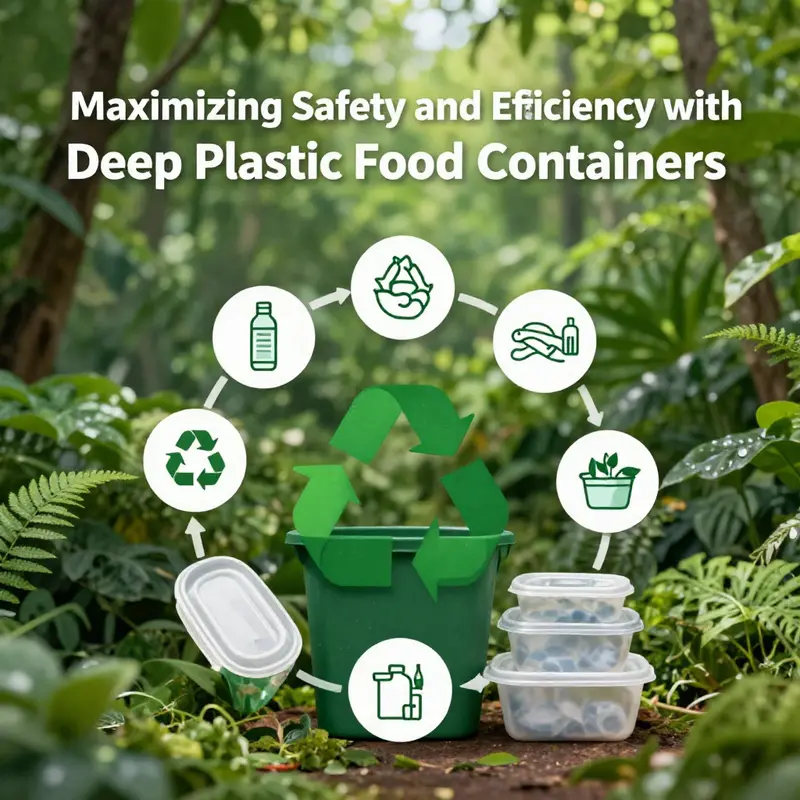
Deep plastic containers are valued for durability and heat resistance, but their environmental footprint depends on material choice, recycling infrastructure, and end‑of‑life management. Polypropylene (#5) offers good recyclability when clean, while polystyrene (#6) presents safety risks when heated and low recycling rates. Effective reuse and proper sorting can dramatically cut emissions; in regions with strong collection systems, reused PP containers may outperform biodegradable alternatives. Policies such as Extended Producer Responsibility and deposit‑refund schemes encourage better design and consumer participation. Ultimately, the sustainability of these containers hinges on the strength of the recycling loop and informed user behavior.
Final thoughts
Deep plastic food containers represent an essential component in various food service settings, each chapter of this guide showcasing their importance. From ensuring safety and compliance in health standards to adapting versatile designs that enhance storage needs, these containers are indispensable. As operators in the food and beverage industry aim for better sustainability practices, understanding the environmental impacts and recycling options available ensures a collective effort towards eco-friendliness. Equip your business with the right containers and make a significant impact on safety, efficiency, and responsible operations.