
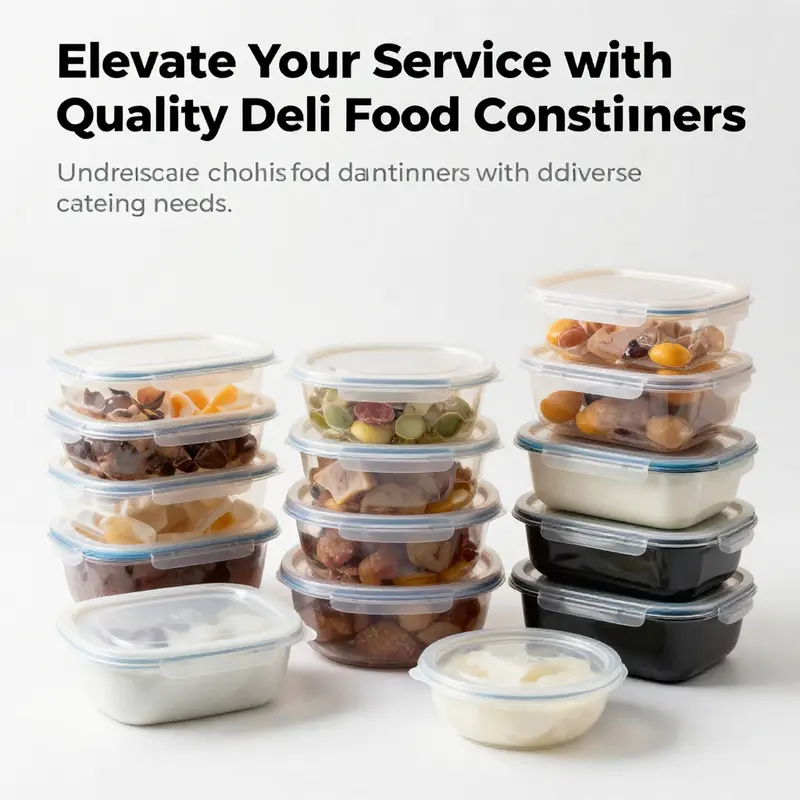
Selecting high-quality deli food containers with lids is essential for businesses such as bubble tea shops, restaurants, food trucks, catering services, and event planners. With increasing competition in the food service industry, the choice of packaging can significantly affect operational efficiency and customer satisfaction. This article will explore the vital aspects of supplier reliability and communication, geographic advantages, and current market trends that are crucial for making informed wholesale purchasing decisions. Each chapter helps frame the significance of these factors, providing a comprehensive guide for your procurement needs.
Steadfast Partnerships: Prioritizing Reliability and Open Communication in Wholesale Deli Container Sourcing

In the competitive world of wholesale deli food container sourcing, the quest for high-quality packaging that meets exacting standards is only part of the equation. Equally important is the need to develop partnerships that provide consistent, reliable supply and excellent communication channels. This chapter delves into the multifaceted journey of selecting suppliers who not only offer superior products but are committed to operational excellence and proactive dialogue. It unravels the complexities of evaluating suppliers and explains how establishing trustworthy relationships can ultimately yield long-term benefits for businesses seeking to optimize their supply chains.
Reliability in a supplier is an attribute that transcends mere punctuality and product consistency. In today’s wholesale marketplace, a reliable supplier is one who adheres to schedules, minimizes errors, and responds swiftly to unexpected circumstances. For businesses that depend on deli food containers with lids, the consequences of delayed shipments or inconsistent quality can lead to operational disruptions, increased waste, and ultimately, financial losses. This is why suppliers who can achieve on-time delivery rates of 94%-100% in similar sectors become invaluable partners. A consistent track record of reliability helps buyers plan their operations with confidence while safeguarding their reputation among their own customers.
Supplier reliability begins at the roots of clear communication. When engaging with suppliers, businesses must look beyond product specifications such as durability, stackability, and airtight sealing. The critical factor is how well the supplier manages the entire ordering process. Timely and transparent communication about order status, production challenges, and logistics can transform a potentially stressful situation into a smoothly managed operation. Suppliers who can reply within a few hours not only display commitment but also empower buyers to adjust orders or resolve issues rapidly, thus ensuring that sudden changes in demand or unforeseen events do not result in significant delays.
The role of effective communication cannot be overstated. Those suppliers who invest in real-time updates, clear documentation, and multiple contact channels create an environment where issues are addressed before they escalate. For example, well-managed communication via instant messaging or video calls can provide clarity on production schedules and ensure that any customization requests—such as adjustments in container size or minor modifications in design—are swiftly acknowledged and incorporated into the production timeline. Clear communication helps buyers maintain control over their supply chain and minimizes misinterpretations that could potentially compromise the quality or timeliness of the finished product.
The modern wholesale market for deli food containers is increasingly dynamic. With cost fluctuations and evolving market trends, the initial unit price is only one part of the total cost picture. Suppliers who can clearly communicate price changes, shipping terms, or quality assurance updates help build an atmosphere of trust. For instance, recent pricing trends may indicate that aluminum foil containers with lids are selling at around US$0.043 per unit, but the true cost of procurement includes shipping, potential waste, and quality control measures. In this context, a supplier’s ability to provide detailed explanations of pricing combined with transparent communication on logistical arrangements means buyers can plan budgets more effectively. The real value emerges not solely from the lowest price but from the comprehensive reliability and clarity of the supplier relationship.
Many experienced buyers have learned that the pursuit of the lowest unit cost can sometimes create unforeseen risks. When a supplier offers extremely low prices, questions about the quality of materials, production practices, or even ethical sourcing can arise. Thus, businesses must look for suppliers who ensure that cost savings are a byproduct of efficient operations rather than a compromise in quality. In this light, the evaluation criteria extend beyond the tangible product to include response times, consistency, and the ability to preemptively inform buyers about potential changes in production schedules or delivery timelines. In a competitive market, suppliers with robust internal processes often become preferred partners because they understand that clear, proactive communication is a cornerstone of business continuity.
Several factors contribute to the reliability of a supplier, and one of the most significant is geography. Suppliers based in regions known for superior manufacturing practices, such as Jiangsu with its strengths in material science and quality compliance or Guangdong with its advanced logistics, often exhibit a well-established supply chain. These regions fill the dual role of providing high-quality products while offering streamlined production and shipping processes. As businesses increasingly source products from these manufacturing hubs, they benefit from a stable supply base. These suppliers tend to invest heavily in both technological upgrades and staff training, which further reinforces their capacity to maintain high performance in delivery and quality standards.
Alongside geographic advantages, supplier reliability is bolstered by adherence to international standards and certifications. The assurance that food-grade materials and safety certifications are met is critical in the food service industry. Buyers are often required to provide documentation that confirms the quality of the containers they receive. In these instances, suppliers that can demonstrate verified compliance with recognized standards earn a significant edge in establishing trust with their international clientele. The use of platforms such as Alibaba.com, coupled with additional layers of protection like Trade Assurance, ensures that buyers have recourse in the case of non-performance. This further supports the view that reliability and transparent communication are not optional extras but essential attributes in the modern wholesale environment.
The interplay between reliability and communication is both subtle and profound. Clear communication channels are the lifeblood of any robust supplier relationship. For instance, frequent status updates regarding production, shipment, or even delays allow buyers to manage their inventories effectively and prevent bottlenecks at critical junctures. When suppliers update their clients with precision and timeliness, it creates a feedback loop that accelerates problem resolution. This loop not only builds trust but also drives improvements in operational processes on both sides of the transaction. In the context of wholesale deli food containers with lids, this proactive approach significantly minimizes the risk of miscommunication which, if left unchecked, could derail a tightly scheduled retail operation.
It is not uncommon for seasoned buyers to measure the responsiveness of suppliers under real-world conditions. Suppliers who meet an average response time of under seven hours tend to emerge as leaders in customer service. These suppliers typically embrace modern communication tools such as instant messaging and video conferencing, ensuring that no matter where their buyers are located—be it North America, Southeast Asia, or the Middle East—they can maintain meaningful interactions. Operational transparency further entails that suppliers share production forecasts, anticipated shipping schedules, and even potential operational challenges. This level of detail helps buyers adjust their internal processes accordingly and even explore complementary inventory strategies. Such thorough, back-and-forth communication transforms a transient business transaction into a long-term partnership founded on mutual benefit.
Beyond the immediate benefits of new order placements and daily communications, long-term partnerships based on reliability and transparency can lead to innovative business opportunities. For instance, suppliers that consistently meet delivery targets or quickly resolve order discrepancies can become trusted advisors in supply chain optimization. Their insights into the latest production technologies, cost-saving approaches, or emerging market trends often translate into recommendations that drive strategic changes at the buyer’s end. In such scenarios, both the supplier and the buyer evolve, paving the way for enhanced product adaptation and market responsiveness. The resulting synergy positions both parties to not only meet but exceed market demands, fostering a proactive rather than reactive supply chain.
A deeper look into these supplier partnerships reveals that effective communication does not always depend on the frequency of contact alone but also on the quality of the provided information. In many successful cases, suppliers have instituted systems that automatically alert buyers to any changes in production status or potential shipment delays. These systems are often integrated with inventory management tools that help businesses dynamically adjust their orders based on real-time data. By investing in such digital communication platforms, suppliers demonstrate a commitment to leveraging technology for enhanced customer service. This demonstrates that in the intricate ecosystem of wholesale deli container sourcing, digital innovation goes hand in hand with good old-fashioned communication and relationship management.
There is also a human element to robust communication. Regular conversations—whether by phone, video conference, or even face-to-face meetings at trade shows—help cement a relationship that is built on trust and mutual respect. Over time, these interactions allow both parties to develop a nuanced understanding of each other’s operational constraints and aspirations. As a result, suppliers become much more than transactional vendors; they evolve into strategic partners who share the risk and reward of a fluctuating market. Such relationships are particularly beneficial when dealing with goods that require stringent handling and quality standards, like deli food containers with lids.
The role of documented procedures and formal communication is another vital strand in the fabric of supplier relationships. Detailed shipping instructions, comprehensive quality check protocols, and certification documents are as important as the physical products themselves. By maintaining well-organized records and formal communication channels, suppliers can demonstrate their commitment to quality control and accountability. This documentation also serves as a safeguard against potential disputes, providing clear evidence of agreed-upon terms and performance targets. In this way, both parties are aligned not just in their expectations but also in their accountability, forming a solid foundation on which long-term relationships are built.
The benefits of partnering with reliable and communicative suppliers extend well beyond the immediate supply cycle. Trust cultivated through consistent interactions often leads to opportunities for product innovation. For example, longstanding relationships with suppliers who frequently update their clients on new materials or emerging production techniques can open avenues for customizations. These innovations may include improvements in container durability, enhanced sealing options, or eco-friendly materials that meet evolving regulatory demands. In an industry where customer expectations are constantly rising, such supplier-buyer collaborations can significantly influence market competitiveness. The progressive nature of these partnerships underscores the important truth that reliability and communication are not static qualities; they evolve with time and create an environment ripe for creative disruption and quality enhancement.
Operationally, having a supplier who is both reliable and communicative allows for better planning and risk mitigation. Businesses that rely on precise, timely deliveries can afford to implement leaner inventory models when they trust their supply chain partners. This reduction in inventory not only cuts storage costs but also reduces the risk of obsolescence or spoilage. In an age of rapid product turnover, the ability to make just-in-time ordering decisions becomes a strategic advantage. In such contexts, the mere practice of swift and clear communication becomes a key performance indicator that can be integrated into overall supply chain metrics.
Moreover, in a market that is expanding rapidly with new entrants and products, establishing clear lines of communication helps businesses stay ahead of the curve. Suppliers who provide comprehensive updates on market trends, price fluctuations, or technological innovations enable buyers to adjust their strategies in real time, making their operations both agile and resilient. In effect, the foundation of each successful wholesale transaction is built on the willingness of both parties to adapt to change promptly. Their mutual commitment to transparency helps neutralize risks, no matter how unpredictable the market may become.
One exemplar of such effective communication in action can be found in instances where suppliers have integrated modern digital tools with traditional customer service practices. For example, a supplier may use a combination of automated alerts and regular personal follow-ups to maintain high levels of accuracy in fulfilling orders. These measures ensure that any deviation from normal production processes is immediately flagged and discussed with the buyer. As a result, potential issues are mitigated before they can impact overall supply timelines. This dual approach—merging technology with human oversight—not only elevates the standard of service but also fosters a deeper collaborative spirit between the buyer and the supplier.
It is also worth noting that reliability and communication are not mutually exclusive from quality control and innovation. Quite the opposite: a reliable supplier with open communication channels is often more inclined to share insights about new packaging solutions. For example, innovations in container design that allow for better stacking or improved food safety features are typically communicated as part of regular updates. This initiative enables buyers to stay informed about advancements that could reduce handling difficulties or even improve the shelf life of perishable goods. In the spirit of holistic supply chain management, this blend of operational reliability and continuous communication feeds into overall industry improvement—a win-win for all parties involved.
In addition to technological sophistication and proactive dialogue, many suppliers further distinguish themselves through their willingness to engage in broader strategic discussions. Regular business reviews, for instance, provide a forum for both parties to assess performance, discuss new opportunities, and set mutually beneficial goals. Such reviews typically involve analyzing key performance indicators, revisiting quality standards, and even planning for market expansion. By adopting this long-term outlook, suppliers signal that they are focused on the overall success of the buyer rather than single, isolated transactions. This commitment is particularly important in the realm of perishables and time-sensitive products, where reliability and clear communication are not luxuries but essential prerequisites for profitable operations.
A practical example of how these elements can coalesce comes from a scenario where a leading buyer in the wholesale deli container space faced an unexpected order surge. The supplier, who had already established a reputation for prompt communication, immediately informed the buyer of the production capacities and offered suggestions on how best to allocate resources. Instead of a stressful scramble, the buyer was able to reallocate inventory and adjust logistics, all because the supplier had provided a candid snapshot of the situation. In this case, the trust that had been built through earlier interactions turned a potentially disruptive moment into a streamlined process. Such success stories underscore the importance of reliable partnerships and clear lines of communication, which ultimately form the backbone of a resilient supply chain.
Integration of internal systems with supplier communications has become a hallmark of modern operational efficiency. Businesses that use automated systems to track orders, shipping, and quality control find that these systems work best when paired with a supplier who actively participates in the same or a compatible platform. The synergy created in these instances is immense, as data flows in real time help both parties anticipate challenges and adjust processes instantaneously. For buyers, this means less downtime, and for suppliers, the reduced frequency of emergency interventions translates into smoother operations and lower overall costs. In many respects, the digital transformation of supply chain management is not just about technology; it is about forging deeper, more transparent partnerships that enable each stakeholder to operate at peak efficiency.
The importance of reliability and communication is further emphasized when one considers the broader context of global trade. Given the complexities of international logistics, where goods may traverse multiple borders and regulatory environments, the ability to immediately communicate and resolve issues becomes even more critical. Suppliers engaged in global trade are frequently required to deal with differing regulatory landscapes, language barriers, and varied logistical infrastructures. In these situations, standardized communication protocols and a proven track record of reliability function as safety nets that cushion against the shocks that are often part and parcel of cross-border transactions. It is in these challenging circumstances that the true value of a dependable supplier is most evident.
Furthermore, when a supplier employs multiple communication channels and remains accessible through various means—be it email, instant messaging, or voice calls—it signals a readiness to support buyers around the clock. This round-the-clock availability is particularly valued in industries where time is of the essence, and delays can have cascading effects on production and service delivery. In addition, suppliers who exhibit flexibility in communication are usually those who have invested in customer relationship management systems and have dedicated personnel responsible for client services. Such initiatives amplify the supplier’s capacity to serve as a reliable extension of the buyer’s operations, ensuring that critical information is never lost or delayed.
In addition to their routine communications, suppliers sometimes offer insights into broader market conditions and emerging trends. When a supplier is transparent about challenges such as rising material costs, shifts in regulatory policies, or even unexpected environmental issues, it empowers buyers to make proactive decisions. This kind of partnership exchanges is mutually beneficial: the supplier is seen as a trusted advisor and the buyer is better prepared to adjust pricing, negotiate contracts, or even consider alternate logistical arrangements ahead of time. In an industry where margins can be razor-thin and competition fierce, such strategic foresight provided by a reliable partner is an invaluable asset.
For buyers who have experienced the dual benefits of steadfast reliability and forthright communication, the decision to maintain long-term relationships with suppliers becomes almost instinctual. It also cultivates an environment where both parties see themselves as part of a larger ecosystem working towards shared success. Importantly, these established partnerships tend to attract further business by word-of-mouth recommendations. Satisfied buyers often share their positive experiences with peers, enhancing the supplier’s reputation and cementing their role as leaders in the market. This cycle of trust and transparent communication ultimately drives industry standards upward, yielding benefits that extend far beyond individual transactions.
A noteworthy aspect of this dynamic is that efficient communication and reliability also facilitate innovation in product offerings. Suppliers engaged in regular dialogue with their buyers become more aware of market demands and can consequently invest in research and development activities. This may lead to the creation of new container designs that further improve food safety, reduce environmental impact, or offer increased convenience for end users. By integrating buyer feedback into their product development cycles, these suppliers remain highly competitive while also serving as catalysts for positive change in the industry. For businesses looking to explore diverse packaging solutions, such as those offered in our selection of disposable sauce box with lids, these forward-thinking suppliers are instrumental in driving innovation that meets contemporary market needs.
In summary, the process of sourcing quality deli food containers with lids at wholesale prices is not a mere exercise in cost-cutting or price comparison. It is, rather, a strategic endeavor that demands careful evaluation of supplier reliability and the efficiency of communication channels. Suppliers who excel in these areas prove to be indispensable partners, offering not only consistent quality and on-time delivery but also proactive collaboration that can significantly enhance a buyer’s operational efficiency. The narrative we have explored in this chapter illustrates that robust partnerships—anchored in transparent and frequent communication—form the bedrock of a supply chain that is resilient to market fluctuations and poised for innovation.
For those seeking to deepen their understanding of these strategic approaches, additional insights and detailed guidelines can be found in this comprehensive industry analysis: Strategic Sourcing of Wholesale Deli Containers. This resource further underscores the assertion that a supplier’s reliability and communication capabilities are as crucial as product quality and pricing. Businesses that embrace this holistic view will be better positioned to flourish in an increasingly competitive global marketplace, armed with the knowledge that long-term success relies on both robust products and dynamic, transparent supplier relationships.
Mapping the Manufacturing Hub: Unveiling China’s Geographic and Production Advantages in Wholesale Deli Food Containers with Lids
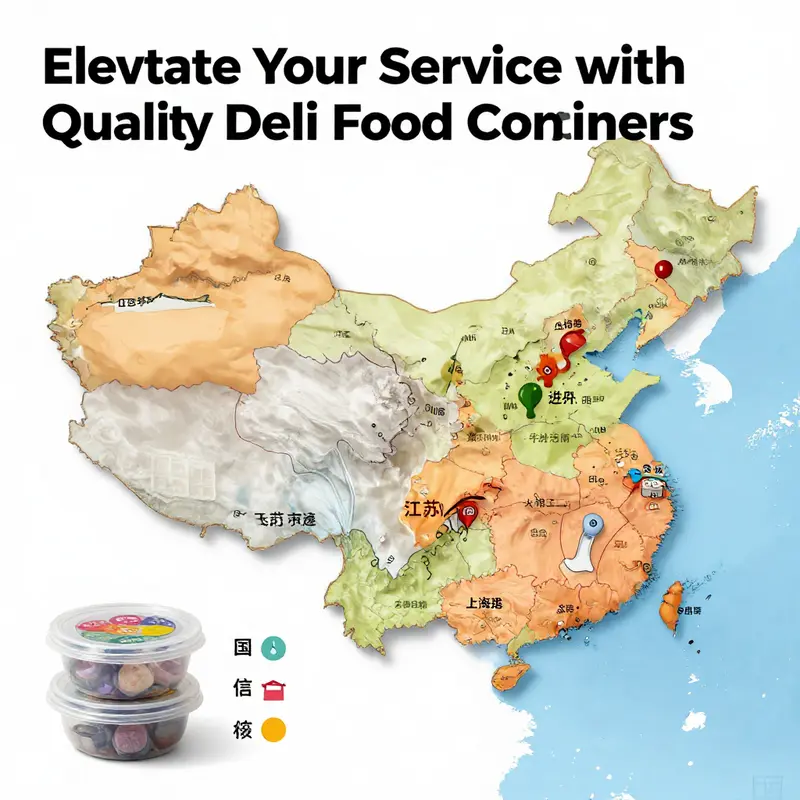
In the competitive world of wholesale deli food containers with lids, success is dependent not only on the price per unit but also on the intricate advantages that come from strategic geographic locations and advanced production capabilities. With the global market increasingly focused on cost efficiency and reliability, suppliers have turned to regions with unique strengths for raw material access, manufacturing prowess, and logistical convenience. The Chinese provinces, particularly Zhejiang and Guangdong, have emerged as the quintessential epicenters for these products. Their geographic and production strengths have provided a strong backbone for businesses seeking high-quality deli containers that meet the demanding market requirements.
It is not accidental that many successful businesses have their supply chains anchored in regions such as Zhejiang. This province is home to a dense network of industrial clusters where raw materials, component manufacturers, and molding specialists are concentrated. Being in close proximity to petrochemical production centers, which supply key plastics like polypropylene (PP) and high-density polyethylene (HDPE), offers undeniable benefits in terms of reducing transportation costs and lead times. In these clusters, rapid prototyping, cost-effective production, and seamless communication are not mere byproducts; they are the norm. The integration of multiple specialized services within short distances ensures that even the most complex production schedules are met with agility and reliability.
Geography plays a pivotal role in deducing competitive advantages in the wholesale market. The ease of access to raw materials means that manufacturers can adapt quickly when market conditions change, a critical factor during periods of fluctuating demand. This proximity to raw materials not only lowers the overall cost structure but also helps in maintaining steady quality controls throughout the production process. As businesses search for long-term suppliers who can react to sudden shifts in order volumes and product specifications, they find that geographic proximity leads to efficient supply chain management. With major ports like Shanghai, Shenzhen, and Ningbo located nearby, it is easier than ever to integrate international shipping networks into a well-oiled production system.
Furthermore, the matured industrial ecosystems in regions like Taizhou serve as living laboratories for innovation. In these locales, hundreds of mold makers and injection molding factories collaborate daily, sharing expertise, technology, and best practices. The result is a robust production environment where even the most challenging specifications can be met with minimal delays. The region’s industry is renowned for its advanced automated injection molding lines, which are capable of producing intricate shapes and designs at high volumes with consistent precision. The continuous investment in automation and quality control systems ensures that containers with lids are produced not only quickly but also with a steady adherence to strict international standards.
Production advantages extend beyond just speed and quality. The economies of scale achieved in these regions are significant. Large-scale production facilities contribute to a dramatic reduction in unit costs by optimizing raw material usage and minimizing waste. This cost efficiency is essential when wholesale buyers are evaluating suppliers; competitive pricing is always an attractive proposition, but when paired with high production capacity and a proven quality track record, it becomes a recipe for long-run success. Manufacturers in these regions often offer a range of options, from clear PET plastic containers in sizes spanning 8oz to 32oz, to specialized aluminum foil containers that serve niche markets. The pricing strategies, such as aluminum foil containers with lids priced as low as US$0.043 per unit, underscore the importance of assessing total costs, including shipping and waste management, rather than relying solely on base pricing.
Customization is another significant factor driving production strength. Chinese manufacturers have honed their capabilities to offer deep customization options, ensuring that businesses receive products that are perfectly aligned with their operational needs. Advanced design software such as CAD, UG, and Solidworks is commonly used to create bespoke container designs, with manufacturers often developing unique mold configurations. This level of customization means that features such as gas-tight seals, stackable forms, and tamper-evident closures can be integrated into deli food containers with ease. Such innovations not only address the functional requirements of food service operations but also add visible value that appeals to end users and regulatory bodies alike.
The focus on robust quality assurance is another cornerstone of these manufacturing hubs. The adherence to internationally recognized standards, such as ISO9001 and FSSC22000, is routine among reputable suppliers. Many products produced in these facilities are certified by SGS, CE, and TIA, ensuring that every batch of deli containers with lids meets the rigorous safety and performance criteria demanded by markets in Europe, North America, and beyond. This emphasis on quality assurance is not solely a response to regulatory requirements; it is also reflective of an integrated business philosophy where long-term sustainability and customer trust are of paramount importance. This commitment to quality provides wholesale buyers with the confidence to invest in products that will not only satisfy regulatory scrutiny but will also endure under real-world conditions.
As businesses scale up their operations, the ability to respond swiftly becomes an indispensable asset. Suppliers that have established streamlined communication channels, often boasting response times of under four hours, are highly valued in this dynamic environment. Such responsiveness forms the backbone of effective supply chain management, as it ensures that any order adjustments or unexpected changes in market conditions can be managed promptly. In a sector where timing is critical and delays can translate into significant financial losses, having a supplier that is both geographically and logistically positioned for rapid response is an invaluable advantage. Moreover, as wholesale operations continue to expand, the role of reliable communication has become even more pronounced, driving the need for suppliers who can seamlessly integrate into the operational workflows of their partners.
In addition to the tangible benefits related to production and logistics, the inherent innovation that stems from operating within such a competitive environment cannot be overlooked. The competitive drive among manufacturers in Zhejiang and Guangdong fosters an environment of continuous improvement. Companies are not only pushing the boundaries of design and functionality but are also actively seeking ways to enhance sustainability and eco-efficiency. This pursuit of innovation is particularly evident in the way new materials and production techniques are being integrated into conventional manufacturing processes. As global demand shifts towards more sustainable packaging, the ability to offer eco-friendly disposable food packaging solutions becomes a critical differentiator. This evolution is directly reflected in the range of products available to wholesale buyers, ensuring that they are not only keeping pace with regulatory changes but are also meeting consumer preferences for environmentally responsible products. For those interested in exploring sustainable disposable food packaging solutions further, there is valuable information available that illustrates these emerging trends here.
Large-scale production environments naturally lead to enhanced cost efficiencies over time, and the ability to produce in high volumes means that manufacturers benefit from lower overall unit costs. This reduction in cost is often passed on to wholesale buyers, who then enjoy the dual benefits of affordability and quality. The commitment to cost efficiency extends to every step of the production and distribution process—from the initial procurement of raw materials to the final shipping of finished products. By leveraging geographic advantages such as proximity to raw material sources and established logistical networks, manufacturers can maintain a lean operational model that minimizes unnecessary expenses. In turn, buyers find that the total cost of ownership for their products is significantly lower when partnering with suppliers that employ these strategies.
The interaction between production capabilities and geographic advantages creates a synergy that is difficult to replicate outside of these specialized regions. In addition to the physical infrastructure that supports production, the cultural and operational mindset prevalent among manufacturers in provinces like Zhejiang fosters a relentless drive for improvement. This continuous enhancement of processes is evident in every aspect of production, from the precision of injection molding techniques to the thoroughness of quality control checks. The ability to consistently produce products that meet demanding international standards has solidified the region’s reputation as a reliable source for wholesale deli food containers with lids. It is this combination of strategic location, advanced manufacturing, and a dedicated commitment to quality that positions these suppliers as leaders in the global marketplace.
Moreover, the integrated supply chain in these regions supports rapid scaling and innovation. The close collaboration among different service providers – from raw material suppliers to packaging experts – creates an environment where innovation is not only possible but expected. Advances in molding technology and real-time digital monitoring of production processes ensure that any potential issue is caught and corrected well before it can affect the final product. This comprehensive approach to quality control is reflective of a broader commitment to excellence that extends from the first step of design to the final stage of shipping. The robust production systems in place allow manufacturers to tailor their offerings precisely to the needs of the customers, ensuring a level of customization that is both broad and deep. Such flexibility is invaluable for businesses that require solutions tailored to unique operational constraints, and it underscores the role of these manufacturing hubs as pivotal innovation centers in the wholesale market.
It is also essential to consider the impact of external market trends on these production hubs. As global consumer preferences shift and regulatory requirements become more stringent, the ability to rapidly adjust production processes is critical. The manufacturing centers in Zhejiang and Guangdong have demonstrated not only a proficient understanding of current market demands but also a proactive approach to future trends. Manufacturers have invested heavily in research and development to improve the sustainability of their products, developing new materials that reduce environmental impact while maintaining the durability and functionality that wholesale buyers demand. This forward-thinking approach ensures that as standards evolve, suppliers remain ahead of the curve, continually offering products that meet or exceed new regulatory benchmarks.
The constant drive to innovate and refine production methods has resulted in a marketplace where quality and efficiency go hand in hand. Wholesale buyers who partner with these manufacturing leaders are able to benefit from economies of scale, customization capabilities, and rigorous quality assurance protocols that few other regions can match. The resulting product portfolio is not only diverse but also highly adaptable, capable of meeting the varied needs of a global customer base. Whether the requirement is for clear PET plastic containers or specialized aluminum foil options, the ability to source high-quality products in bulk is largely attributable to the unique geographic and production advantages that the region offers.
In the broader context of supply chain management, the interplay between geography and production is transformative. Businesses that secure products from these hubs find that they are not limited to simply obtaining a product—they are investing in a comprehensive service ecosystem. The seamless integration of production, logistics, and communication results in a level of reliability that is critical for managing complex supplier relationships. A well-oiled production machine and its associated logistics network ensure that orders are fulfilled on time and that any adjustments or customizations are implemented with minimal friction. This reliability is a crucial advantage in a highly competitive market, where even slight delays can have significant repercussions on overall business performance.
Throughout the lifecycle of a wholesale relationship, the strategic advantages conferred by geography and production consistency mean that businesses can focus on their core operations with confidence. The knowledge that their supplier is not only geographically well positioned but also technologically advanced establishes a foundation of trust that is essential for long-term partnerships. This reliability is further reinforced by practices such as rapid communication protocols and advanced quality control measures, ensuring that any issues can be addressed quickly and effectively. In many ways, these production hubs serve as a blueprint for what modern, efficient manufacturing should look like in the context of global trade. Their success is a testament to the importance of integrating all aspects of production and logistics in a coherent strategy that prioritizes both quality and cost efficiency.
A further examination of the models employed by these suppliers reveals a deeply integrated approach to production. From the earliest stages of sourcing materials to the final quality assurance checks before shipping, every step is meticulously planned and executed. Automation plays a critical role in this process, with state-of-the-art injection molding lines that operate with precision and consistence. The use of multi-cavity molds, for instance, allows for high-throughput production without compromising on the quality of individual components. Such technical sophistication not only ensures that products adhere to visual and functional standards but also boosts overall productivity. The precision of these techniques is often highlighted in industry reports and further reinforced by external resources such as Alibaba’s advanced injection molding platforms which showcase the cutting-edge technology behind many of these production facilities.
What emerges from this detailed analysis is a clear picture: the geographic and production advantages that define regions like Zhejiang and Guangdong are fundamental factors driving the success of wholesale deli food containers with lids. The confluence of raw material proximity, advanced manufacturing technology, and integrated logistics supports not only high-volume production but also a level of product customization and quality that sets the stage for long-term business partnerships. Companies that rely on these regions for their supply chain benefit from cost efficiencies, shortened lead times, and the security of knowing they are working with suppliers that are committed to continuous innovation.
The narrative that unfolds from these regions is one of mutual benefit—a continuous loop where quality, speed, and innovation reinforce each other to produce exceptional wholesale offerings. Advanced manufacturing capabilities and the strategic geographic location of these hubs reduce the traditional risks associated with long-distance supply chains, such as delays or quality lapses. Instead, buyers receive consistent performance and predictability, key ingredients in maintaining competitive advantage in a rapidly evolving market. The benefits extend well beyond the balance sheets of individual businesses; they also contribute to a more resilient and flexible global supply chain that is better prepared to face challenges and capitalize on emerging trends.
In summary, the wholesale market for deli food containers with lids finds its strength in the specialized manufacturing hubs of China. With geographic proximity to critical raw materials, the establishment of industrial clusters that promote rapid communication and collaboration, and modern automated production lines that ensure exacting standards, these regions stand out as beacons of production excellence. The combination of these factors enables producers to deliver highly customizable and sustainably manufactured products that meet the rigorous demands of a global customer base. This strategic advantage is not ephemeral; it is built on decades of industrial experience, technological investment, and an unwavering commitment to quality and customer satisfaction. For any wholesale buyer looking to secure a reliable supply of deli food containers with lids, the choice is clear: partner with suppliers who have harnessed these geographic and production strengths to redefine what is possible in the realm of product manufacturing.
As the industry continues to evolve and global competition grows fiercer, the lessons gleaned from these manufacturing powerhouses will undoubtedly serve as a critical roadmap. The emphasis on strategic geographic location, innovative production techniques, and proactive responsiveness is not just relevant—it is essential for companies that aim to thrive in today’s interconnected economy. In a market where every minute counts and every fluctuation in quality or cost can ripple through a supply chain, the advantages offered by these hubs are not merely beneficial; they are indispensable. The journey from raw material to finished product is a testament to ingenuity and dedication, and it is a journey that wholesale buyers can trust to deliver unmatched value over the long term.
Ultimately, embracing the robust infrastructure and forward-thinking practices of these Chinese manufacturing hubs creates a win-win scenario. Wholesale buyers stand to gain not only from lower production costs and superior product quality but also from the enduring benefits of a responsive, innovative, and resilient supply chain ecosystem. The strategic insights offered by these regions will continue to inspire a new generation of manufacturing excellence—a standard that is poised to transform the global market for deli food containers with lids in the years to come.
Innovating Value: Navigating Material Dominance and Sustainability in Deli Food Containers with Lids Wholesale
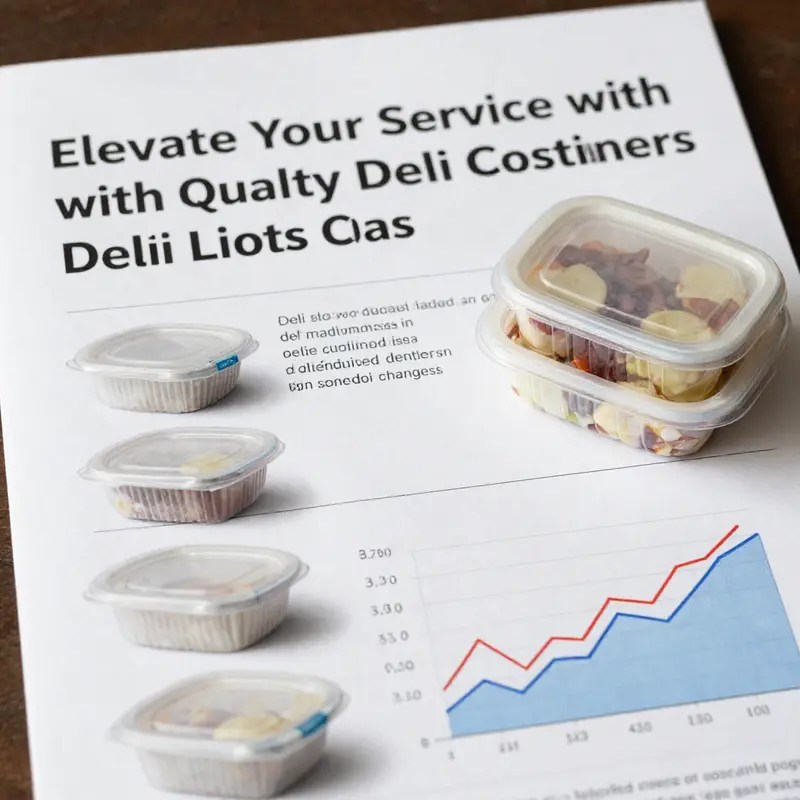
Within the wholesale industry, cost and market trends for deli food containers with lids have evolved as businesses have shifted focus from merely assessing unit cost to nurturing long-term reliability and embracing innovation in material technology. Over time, the process of sourcing these containers has become a sophisticated balancing act that necessitates a deep understanding of material science, environmental considerations, and operational efficiency. The narrative of this evolution is woven from threads of material dominance, the increasing importance of sustainability, and a reinvigorated focus on total cost of ownership rather than just the price per unit.
A close examination of the materials used reveals that polypropylene (PP) has become the stalwart choice. Its combination of strength, flexibility, and heat resistance makes it ideally suited for the rigorous demands of modern food service. PP is celebrated not only for its durability and safety—as evidenced by its compatibility with microwave and dishwasher use—but also for its cost-effectiveness in large-scale production. This material is capable of upholding a high standard of quality while enabling manufacturers to produce containers in bulk without compromising on performance. The visual appeal of clear, lightweight PP containers further enhances their attractiveness. Customers appreciate being able to see the food inside, which adds to both the aesthetic value and the perceived quality of the product. This intrinsic quality of PP supports a business strategy where the container is more than just a receptacle—it becomes an extension of the brand’s commitment to quality and customer satisfaction.
However, even as PP maintains a dominant position, industry trends indicate a cautious pivot towards alternative materials that better meet burgeoning sustainability requirements. Environmental pressures and evolving consumer expectations are prompting many companies to explore ecological alternatives such as bioplastics and recycled plastics. These materials, although generally associated with higher upfront costs and occasional performance challenges under extreme conditions, offer significant benefits that appeal to premium meal delivery services and eco-conscious brands. The cost analysis in today’s wholesale market increasingly accommodates factors beyond immediate expense. This means that while traditional plastics remain popular due to lower production costs and established supply lines, the long-term advantages of sustainable materials—such as reduced waste, compliance with environmental regulations, and a positive brand image—are steadily tipping the scales in their favor.
The improvement of design and functionality accompanies these material innovations. Containers featuring attached lids have evolved significantly to prevent spills and preserve the freshness of deli items during transport and storage. Integrated lids afford better sealing, improved resistance to stains and odors, and an overall premium feel that aligns with evolving modern consumer expectations. These design enhancements, while occasionally introducing new challenges such as increased weight or the potential for lid wear over repeated wash cycles, ultimately provide tangible benefits. Advanced manufacturing techniques and continuous innovation are mitigating such issues, ensuring that the longevity and resilience of the lid improve with each new iteration. In this way, even if these products might initially come at a slightly higher cost, the benefits in operational performance and customer satisfaction ultimately justify the expense.
Cost remains a central, albeit evolving, consideration in product selection. Wholesale pricing is influenced by a multitude of factors that extend far beyond the sticker price of a unit. For example, when looking at aluminum foil containers with lids, recent data shows prices as low as approximately US$0.043 per unit. This low unit cost is attractive on the surface, but buyers must also account for shipping, warehousing, potential product damage, and even waste management over time. In today’s competitive market, the total cost of ownership is a critical metric. This comprehensive approach requires businesses to consider the lifecycle of each container—including its durability under repeated use, the ease of recycling, and how well it sustains performance under variable food service conditions.
This nuanced approach to cost is reflective of a broader paradigm shift within the wholesale sector. Initially, many companies focused on securing the lowest possible price per unit. However, the contemporary procurement strategy places equal importance on supplier reliability, consistent quality, and environmental responsibility. Furthermore, the ability of a supplier to communicate quickly and efficiently—often responding to queries in fewer than four hours—has emerged as a significant asset. Rapid communication ensures that any issues, such as sudden changes in demand or unexpected delays, can be addressed with minimal disruption to the supply chain. The importance of this operational transparency cannot be overstated; it fosters long-term relationships built on trust and mutual benefit between buyer and supplier. In many cases, these relationships are established regionally, where production advantages and efficient logistics, particularly in provinces renowned for material science expertise and streamlined transportation networks, contribute decisively to ongoing success.
The interplay between cost and sustainability extends into every facet of the business. Suppliers and buyers alike now assess the long-term economic and environmental impacts of their choices. Traditional products, despite their low upfront cost, often involve hidden expenses such as waste disposal, the need for frequent reordering due to product degradation, and the overall environmental cost of non-recyclable materials. In contrast, newer, eco-friendly alternatives may command a premium at the outset but promise savings in the form of reduced waste management costs and a stronger position when meeting strict environmental regulations. Over time, brands that adopt these sustainable practices often benefit from enhanced loyalty among environmentally conscious consumers, thereby translating these eco-friendly credentials into a competitive advantage in the marketplace.
Beyond material and environmental considerations, the design improvements in deli food containers with lids have redefined acceptable quality benchmarks. The integration of a reliable, secure lid not only reduces spillage but also plays an integral role in preserving the flavor and hygiene of the food product. In high-volume settings such as catering services, buffets, or even bento-style packaging, the functionality of the lid becomes a critical factor. The premium feel of a well-designed container reinforces brand perception and signals to the consumer that attention to detail is paramount. Meanwhile, the rise of clear containers that allow a full view of the contents has reaped additional benefits by simplifying quality control processes. Staff can quickly verify that products meet visual standards, thereby reducing the risk of miscommunication and enhancing overall operational efficiency.
Simultaneously, continuous innovation plays a pivotal role in extending the lifespan of these products. Advancements in polymer science have led to improved formulations that enhance resistance to high temperatures and frequent washing. It is not uncommon for manufacturers to integrate breakthrough technologies that target known issues such as lid warping or the gradual deterioration of sealing performance. The emphasis on innovation is not solely to address current shortcomings but also to preempt future challenges as consumption patterns and regulatory landscapes evolve. The research and development efforts invested in these improvements represent a long-term commitment to quality assurance, ensuring that the containers remain viable, efficient, and environmentally compliant over an extended period. The commitment to continuous improvement is a cornerstone of modern procurement strategy, reinforcing the idea that the true cost of a container is not merely its purchase price but its performance over its entire lifecycle.
These multi-dimensional considerations extend into the realm of operational strategy. Wholesale buyers are increasingly looking at integrated approaches that streamline order management and inventory control. Automated systems that track stock levels, forecast demand, and initiate reorders help to minimize both overstock and stock shortages. This level of operational integration is essential in maintaining the delicate balance between cost efficiency and product availability, a balance that is critical in a fast-paced, competitive market. By investing in comprehensive supply chain management systems, businesses are often able to secure better pricing structures from suppliers. These systems not only reduce the risk of lost sales due to out-of-stock scenarios but also help to negotiate improved terms based on higher reliability and consistent order volumes.
The logistics aspect of wholesale operations, especially in a global market, further complicates the cost equation. Geographic advantages have become increasingly significant, with certain regions offering superior material science expertise or more efficient logistics networks. In some provinces, manufacturers leverage advanced quality compliance measures and cutting-edge production technologies, ensuring that the containers meet international standards. Elsewhere, regions that are strategically positioned for logistics, such as Guangdong, optimize shipping times and reduce the overall expenditure associated with transportation. This duality of regional specialization not only ensures that products are produced to high standards but also that they reach the end user in optimal condition and at the lowest possible cost. The integration of these regional benefits into the overall cost structure is an essential factor in strategic procurement planning.
At the heart of this market evolution is the need to balance rapid cost containment with strategic investment. Short-term cost savings, while useful as an immediate metric, are increasingly being weighed against long-term operational benefits. Cost-effective solutions that endure repeated use while maintaining their aesthetic and functional qualities are highly prized. The conventional wisdom of selecting the lowest-price option is being replaced by a more sophisticated calculus that factors in design durability, environmental responsibility, and supplier responsiveness. In this context, the conversation among industry professionals has shifted from one of pure price competition to a multi-faceted evaluation of value. Each purchasing decision is now underpinned by a comprehensive analysis that takes into account not just the upfront financial outlay but also the hidden costs related to logistics, failure rates, maintenance, and eventual disposal.
Another aspect of this integrated approach is the relationship between well-managed supplier communications and overall operational efficiency. Suppliers that can provide prompt, accurate, and transparent communication contribute significantly to a smoother supply chain. When a supplier is capable of addressing order adjustments rapidly—often within a timeframe as short as four hours—it can make a substantive difference in operational continuity. These fast-paced communication channels are not merely logistical conveniences; they represent critical conduits through which strategic adjustments are made in real time to account for fluctuations in demand or supply chain disruptions. The result is an environment where long-term strategic planning is seamlessly integrated with daily operational adjustments. This dynamic relationship strengthens the overall value proposition of the food container itself, as reliability and ease of communication become as important as the physical attributes of the product.
The evolution of these operational practices underscores a broader trend toward deliberately balancing cost with quality and sustainability. One of the most significant shifts has been the realization that investing a little more at the outset in terms of quality and durability can yield substantial savings over time. A container that lasts longer, maintains its integrity after multiple washes, and supports an eco-friendly profile reduces waste and lowers the total cost of ownership. This understanding is gradually redefining traditional procurement models in the wholesale market, encouraging businesses to consider value from a more holistic perspective. The goal is clear: create a supply chain that is not only efficient and cost-effective in the short term but also resilient, sustainable, and prepared for the long haul.
Current market innovations highlight the significance of incremental improvements that collectively redefine industry standards. Enhancements in lid design, for example, have led to products that offer superior sealing and better resistance to stains and odors. These improvements are more than cosmetic—they are indicative of the broader trend toward performance-based design. Every small enhancement, whether in material formulation or in process engineering, contributes to a product that can better withstand the rigors of everyday use in busy food service environments. Industry professionals point to these incremental advances as key differentiators between suppliers who merely offer a commodity and those who provide a truly value-added solution. It is this kind of innovation, continuously refined and rigorously tested in real-world applications, that sets the stage for lasting competitive advantage.
As the focus shifts from immediate cost-cutting to sustainable, long-term strategic value, companies must carefully weigh every aspect of their procurement decisions. A detailed lifecycle analysis of each product, inclusive of hidden costs such as shipping, waste management, and energy consumption during production, can unearth valuable insights that guide more informed decisions. In this evolving landscape, many businesses are moving away from simple transactional relationships, instead opting for strategic partnerships with suppliers that adhere to high standards of environmental responsibility and product excellence. The ramifications of this approach are far-reaching. From increased operational efficiency to enhanced brand reputation, the benefits of a holistic procurement strategy extend well beyond the immediate bottom line.
Technology and data analytics further support these multifaceted procurement strategies. With modern inventory systems and predictive analytics, companies are better positioned to track cost trends, forecast material shortages, and negotiate contracts that reflect true total cost rather than merely upfront pricing. These systems bring clarity to what was once a complex and ambiguous cost structure, enabling better allocation of resources and more accurate risk management. When suppliers and buyers collaborate in this manner, they foster a relationship that underpins long-term stability and resilience in an otherwise volatile market.
In the context of these trends, it is instructive to examine a practical example from the food service industry. Imagine a food delivery operation that transitions from using basic PP containers to a more advanced model incorporating high-grade PP with an integrated, resilient lid. The company quickly discovers that while the upfront cost is slightly higher, the enhanced durability and leak-proof performance significantly reduce the frequency of container replacements and the incidences of food spillage. These improvements not only optimize operational efficiency but also bolster the company’s reputation by ensuring that food quality is consistently maintained. Over time, the savings realized from reduced waste management and fewer product returns overshadow the initial investment, illustrating the broader point that long-term strategy must account for every facet of value creation.
Modern wholesale practices are now typified by this blend of strategic foresight and technological advancement. Companies that keep a close watch on evolving material sciences and sustainability trends are better prepared for unpredictable market fluctuations. The dual emphasis on securing high-quality products and establishing robust, communicative relationships with suppliers is shaping the market into one where innovation and reliability are the benchmarks for success. This new landscape reinforces that every dollar spent should align with a broader strategy of enhancing durability, reducing environmental impact, and ultimately, supporting a manufacturer’s brand reputation.
For those seeking to explore innovative container designs further, there is growing interest in exploring advanced solutions such as the latest generation of specialized aluminum foil containers. For example, recent innovations in aluminum foil container solutions illustrate how continual advancements are transforming traditional deli packaging into modern products that meet the dual demands of cost-efficiency and enhanced performance.
In summation, the journey to establish a sustainable, cost-effective, and resilient supplier network for deli food containers with lids is an ongoing evolution. It represents a critical shift from a focus solely on immediate savings toward a broader vision where total cost of ownership, long-term reliability, quality, and environmental responsibility are all integral to the decision-making process. As market dynamics continue to change rapidly, businesses that build flexible, forward-thinking strategies will not only manage costs better but will ultimately secure a lasting competitive advantage in a challenging and ever-evolving environment.
For additional insights into how these cost and material trends are molding the industry, interested professionals are encouraged to review more detailed market analyses at Grand View Research.
Final thoughts
In the dynamic food service industry, selecting the right deli food containers with lids is crucial for operational success. Supplier reliability, geographic advantages, and a firm understanding of current market trends play a pivotal role in ensuring quality and efficiency. By paying attention to these factors, businesses can secure a competitive edge in their procurement processes, enhance their operational fit, and ultimately delight their customers with quality products. Making informed decisions in these areas is key to sustaining business growth and maintaining your brand’s reputation.