
Introduction
In the bustling world of food service, especially for bubble tea shops, restaurants, and catering services, the quality of ingredients and the convenience of packaging are paramount. Enter food grade disposable olive oil aseptic bags in boxes-a revolutionary solution that marries convenience with excellence. These innovative bags provide a seamless way to store and dispense oil, ensuring freshness and flavor while being environmentally friendly. Whether you’re whipping up a new recipe at a restaurant, serving delicious meals at a food truck, or planning a grand event as a corporate planner, these bags offer a practical choice without compromising on quality. With their lightweight design and ease of use, you can streamline your operations and focus on what truly matters-delighting your customers with fantastic food and beverages. Discover more about the benefits of disposable food packaging and how it can elevate your service efficiency today!
The Advantages of Using Disposable Olive Oil Aseptic Bags
In the realm of food service and catering, the benefits of utilizing food-grade disposable olive oil aseptic bags are increasingly recognized. This innovative packaging solution provides significant advantages that resonate well with businesses like bubble tea shops, restaurants, food trucks, and catering services. Here are some key benefits:
1. Safety
Aseptic bags are engineered to maintain a contaminant-free environment for the olive oil they contain. The sealed design prevents oxidation and protects the oil from exposure to light, extending its shelf life significantly-up to 24 months without preservatives. This ensures that businesses can provide only the freshest product to their customers. Importantly, the barrier properties of these bags help maintain the quality of the oil, preventing spoilage.
2. Convenience
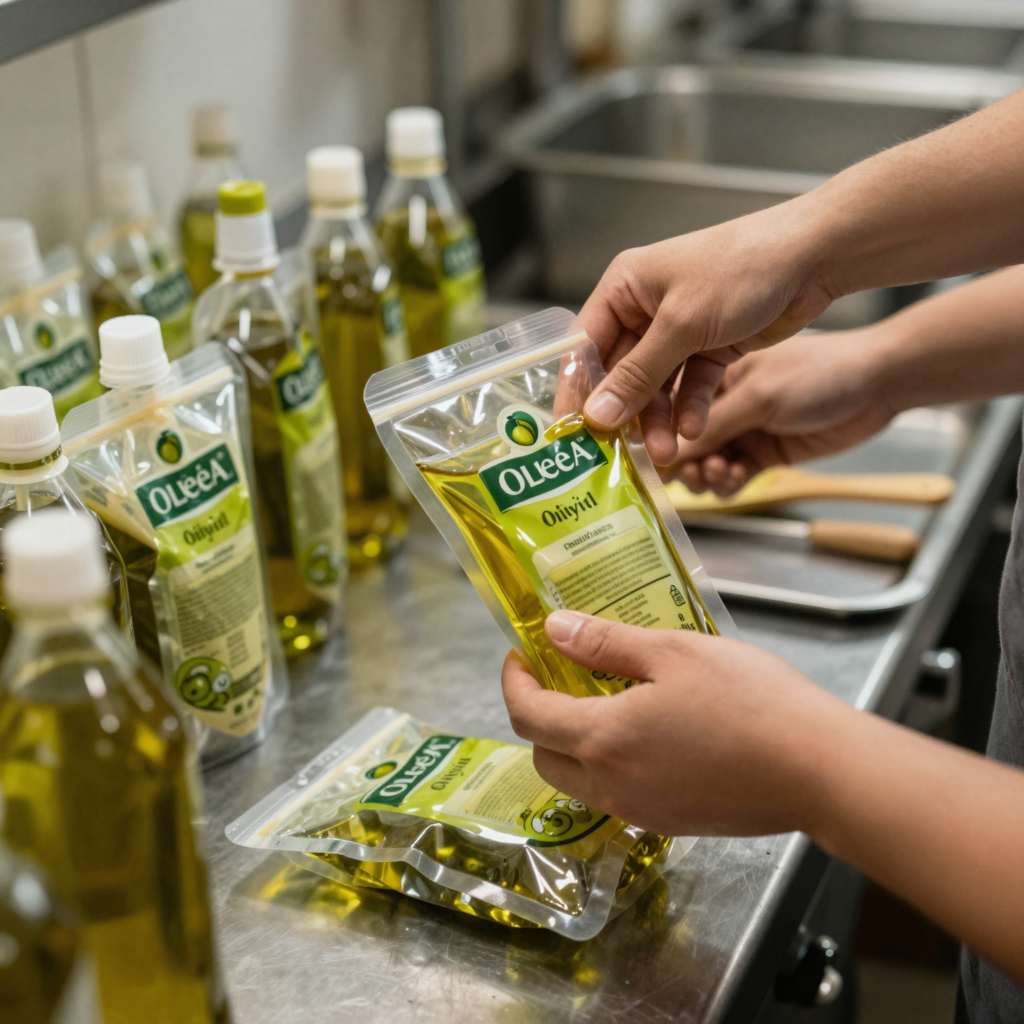
The design of disposable aseptic bags enables easy, mess-free dispensing. With an integrated spout or valve, staff can pour oil directly from the bag without the hassle of transferring it to another container. This reduces spillage and enhances hygiene, offering a superior user experience during both storage and service.
3. Cost-Effectiveness
Switching to aseptic bags can lead to lower packaging and logistics costs. These lightweight bags require less raw material compared to traditional rigid containers, such as metal cans or glass bottles. Their flexibility allows for efficient shipping and reduced storage space, minimizing transportation and storage expenses.
4. Environmental Impact
Disposable olive oil aseptic bags are made from eco-friendly, recyclable materials, significantly reducing their ecological footprint. Their lightweight design lowers fuel consumption during transport, contributing to decreased greenhouse gas emissions. While it’s essential to ensure responsible recycling, the overall lifecycle impact of these bags makes them a greener choice compared to conventional packaging methods.
In conclusion, the use of disposable olive oil aseptic bags in your food service operations has numerous advantages, from enhanced safety and convenience to cost savings and positive environmental impacts. For restaurants and catering teams looking to improve their operations, these bags represent a smart and sustainable choice.
For more insights on sustainable packaging practices, check out our blog.
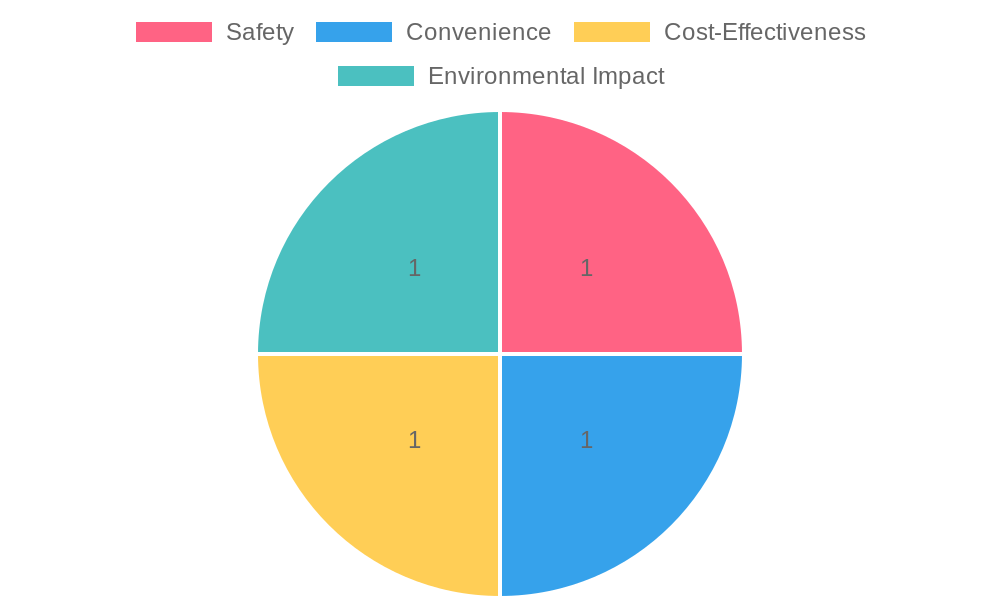
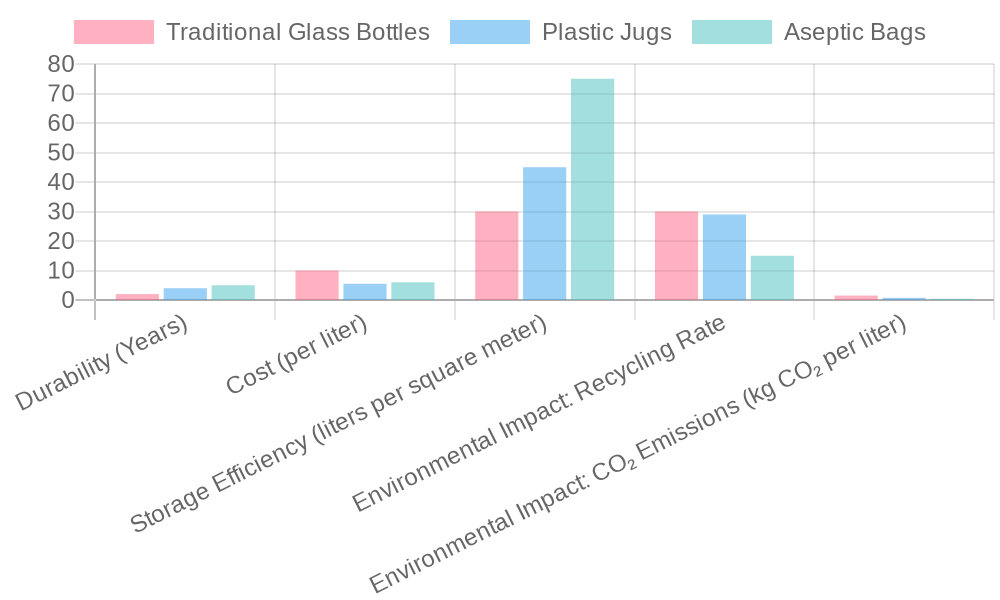
Chart showing the benefits of aseptic bib bags for olive oil.
| Category | Traditional Glass Bottles | Plastic Jugs | Aseptic Bags |
|---|---|---|---|
| Durability (Years) | 1-3 years (subject to light and air exposure) | 2-5 years (susceptible to UV degradation and punctures) | 3-7 years (sealed, protected from light and oxygen; ideal for long-term storage) |
| Cost (per liter) | $8.00 – $12.00 | $4.50 – $6.50 | $5.00 – $7.00 |
| Storage Efficiency (liters per square meter) | ~30 L/m² (bulky, irregular shapes, stack poorly) | ~45 L/m² (lightweight, stackable, but less rigid) | ~75 L/m² (flexible, compact when empty, high-density stacking) |
| Environmental Impact: Recycling Rate | ~30% (glass recycling rate in EU/US; energy-intensive to reprocess) | ~29% (plastic PET recycling rate; often downcycled) | ~15% (aseptic packaging recycling is limited; multilayer structure difficult to separate) |
| Environmental Impact: CO₂ Emissions (kg CO₂ per liter) | 1.2 – 1.8 kg (high due to heavy material and transport) | 0.6 – 0.9 kg (lower weight reduces transport emissions) | 0.3 – 0.5 kg (lightest option; minimal material use and low transport footprint) |
Sources:
- European Environment Agency (EEA)
- U.S. Department of Energy
- Plastics Europe
- World Economic Forum
- International Olive Council (IOC)
Additional Insights on Packaging Options
| Category | Disposable Packaging (e.g., Paper, PLA) | Traditional/Reusable Packaging (e.g., Plastic, Metal) | Key Finding |
|---|---|---|---|
| Resource Consumption | High resource demand during production; paper requires significant water and energy for pulping and processing; PLA relies on agricultural feedstocks (e.g., corn). | Lower long-term resource consumption per use after initial manufacturing. Requires less frequent replacement than disposables. | Reusable packaging generally has lower overall resource consumption over its lifespan, especially when used multiple times. |
| Greenhouse Gas Emissions (GHG) | Higher emissions per use due to continuous production, transportation, and disposal cycles. | Significantly lower GHG emissions per use when reused multiple times. | Reusable systems are more environmentally beneficial, particularly in reducing climate change impact, provided they are used frequently enough to offset their higher initial footprint. |
| Waste Generation & End-of-Life | Generates large volumes of waste requiring landfilling or incineration. | Produces minimal waste if properly maintained and recycled. | Reusable packaging offers substantial benefits by minimizing waste generation and avoiding the environmental burden of disposal. |
Sources:
- Comparative Life Cycle Assessment of Reusable and Disposable Packaging for Fresh Food Distribution
- Life Cycle Assessment of Disposable vs. Reusable Lunch Boxes
- Comparison of Environmental Impact of Typical Packaging Systems
Eco-Friendly Aspects of Disposable Olive Oil Aseptic Bags
Disposable olive oil aseptic bags represent a significant leap toward sustainable packaging in the food and beverage industry. These innovative bags align perfectly with eco-friendly practices, providing a greener alternative to traditional glass or plastic containers. Here are the primary environmental benefits:
-
Reduced Carbon Footprint: Research indicates that disposable aseptic bags have a carbon footprint up to 90% lower than that of traditional glass bottles. This reduction is largely attributed to the efficiency in transportation due to the lightweight nature of bags, resulting in lower fossil fuel consumption during shipping.
-
Minimized Waste Production: Unlike glass, which can be 100% recycled but still contributes to considerable waste, aseptic bags are made from materials designed for single use. Though they are challenging to recycle due to their composite structure, their manufacturing process generates less waste in the first place, significantly decreasing the potential landfill contribution.
-
Preservation of Oil Quality: Aseptic packaging protects the olive oil from light and oxidation, prolonging its shelf life and maintaining quality. This preservation reduces the need for frequent packaging production and waste, promoting a more sustainable consumption cycle.
-
Sustainable Production Innovations: Many manufacturers are investing in compostable options, ensuring that even the disposable bags can break down naturally without harming the environment. This innovation directly addresses problems associated with footloose plastic waste.
-
Consumer Awareness and Preferences: As consumers increasingly favor eco-friendly options, businesses utilizing disposable olive oil aseptic bags can appeal to environmentally conscious customers. This shift not only helps the planet but also leads to increased brand loyalty.
By choosing disposable olive oil aseptic bags, businesses can contribute to a sustainable future while enjoying the practical benefits these bags offer learn more about non-plastic alternatives.
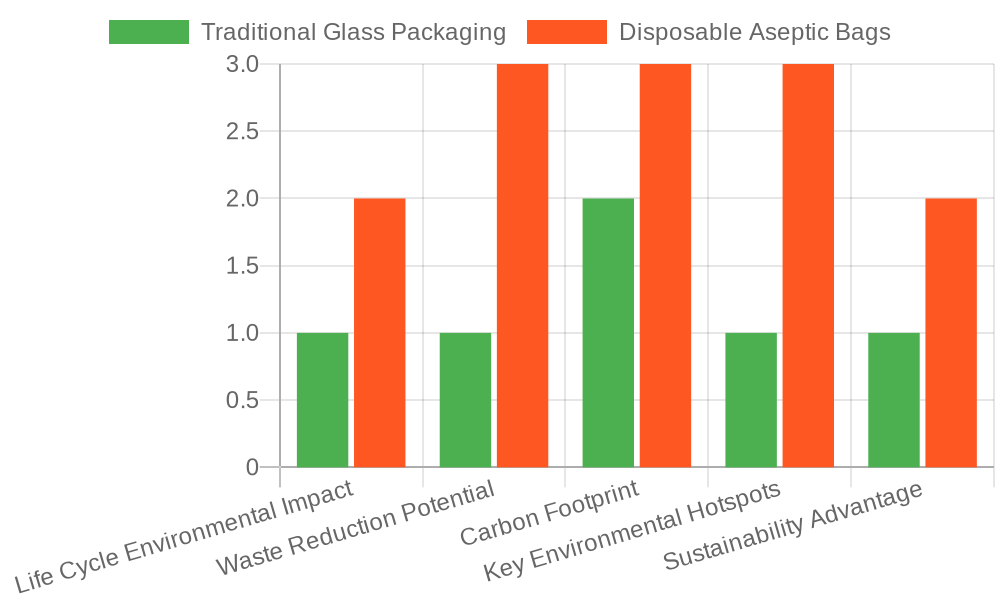
Chart showcasing the environmental impacts of different olive oil packaging types.
In conclusion, the adoption of these eco-friendly aseptic bags supports sustainable operations, helping food and beverage businesses align with modern sustainability expectations while minimizing their environmental impact.
Customer Testimonials
Businesses that have embraced disposable olive oil aseptic bags have shared their remarkable experiences, highlighting not only convenience but also enhanced quality and sustainability.
Luke at Savory Eats, a popular food truck, states,
“Since switching to aseptic bags for our olive oil, we’ve seen a noticeable reduction in waste and our operating costs have dropped. It’s incredibly easy to use while preparing dishes!”
Similarly, Jane from Cafe Delight mentions,
“The quality of oil from these bags has exceeded our expectations. Our customers love that it’s eco-friendly, which aligns with our mission of sustainability.”
A restaurant manager from Taste of Italy elaborates,
“Not only do these bags preserve the freshness of our olive oil, but they also help us manage our inventory better. We can serve with confidence, knowing we’re using the best quality ingredients without excess packaging.”
Such positive outcomes demonstrate how adopting disposable olive oil aseptic bags can be a game-changer for food businesses seeking efficiency and eco-conscious solutions.

Check out more ways to enhance food packaging!

The above chart illustrates the projected market value growth for food grade disposable packaging solutions like aseptic bags from 2023 to 2035. The market is anticipated to grow from approximately USD 67.98 billion in 2023 to an impressive USD 187.87 billion by 2035, which reflects a significant CAGR of 10.7%.
This growth is driven by increasing demand for shelf-stable food products, sustainability efforts, and innovations in packaging technologies. As more restaurants, food trucks, and catering services shift towards eco-friendly practices, the demand for modern packaging solutions will continue to rise. To explore further about food packaging trends, check our relevant blog posts.
Applications for Food Grade Disposable Olive Oil Bags
- Restaurants: Ideal for bulk storage and efficient dispensing, providing chefs with quick access to olive oil for cooking and dressing dishes.
- Food Trucks: Perfect for portable setups, allowing food truck operators to easily store and dispense olive oil while conserving space.
- Catering Services: Great for large events, disposable bags allow caterers to serve olive oil quickly and maintain quality without the risk of breakage commonly associated with glass containers.
- Meal Prep Services: Useful for pre-packaging olive oil in individual servings, making it easier for customers to use in meal kits or take-away meals.
- Banquet Halls: Convenient for buffet settings, where large quantities of olive oil can be accessed quickly, supporting various dishes and dipping options.
- Corporate Events: Ideal for corporate catering where sleek, modern presentation of condiments like olive oil enhances the dining experience without cluttering the table.
- Gourmet Gift Baskets: Packaging high-quality olive oil in small aseptic bags that can be included in gift baskets for special occasions, highlighting its convenience and cleanliness.
These applications emphasize the versatility of disposable olive oil bags for various culinary environments. For more detailed insights on food packaging solutions, you can learn more about edible oil packaging or check out packaging for olive oil.
Conclusion
In conclusion, choosing disposable olive oil aseptic bags offers your establishment a chance to elevate the quality of your products while simplifying your operations. These bags not only protect the freshness and flavor of your olive oil but are also environmentally friendly, reducing your carbon footprint. Perfect for businesses like bubble tea shops, restaurants, food trucks, and catering services, these innovative packaging solutions provide convenience without compromising on quality.
Imagine the satisfaction of serving a high-quality product, free from the hassle of traditional packaging. Whether you are a corporate procurement officer or an event planner, the switch to these aseptic bags can also enhance your brand image, showing your commitment to modern and sustainable practices.
Don’t wait any longer to experience the benefits! Visit EcoCupBowl today and take action by exploring our selection of high-quality disposable olive oil aseptic bags. Let’s work together to ensure that your business not only thrives but also contributes positively to the environment!
Join the movement towards smarter, greener packaging solutions today!
The Benefits of Disposable Olive Oil Aseptic Bags
In the evolving landscape of food packaging, disposable olive oil aseptic bags stand out as a game-changing solution for businesses ranging from bubble tea shops to catering services. Their unique design and features make them an essential choice for anyone looking to store and dispense olive oil efficiently.
1. Quality Preservation
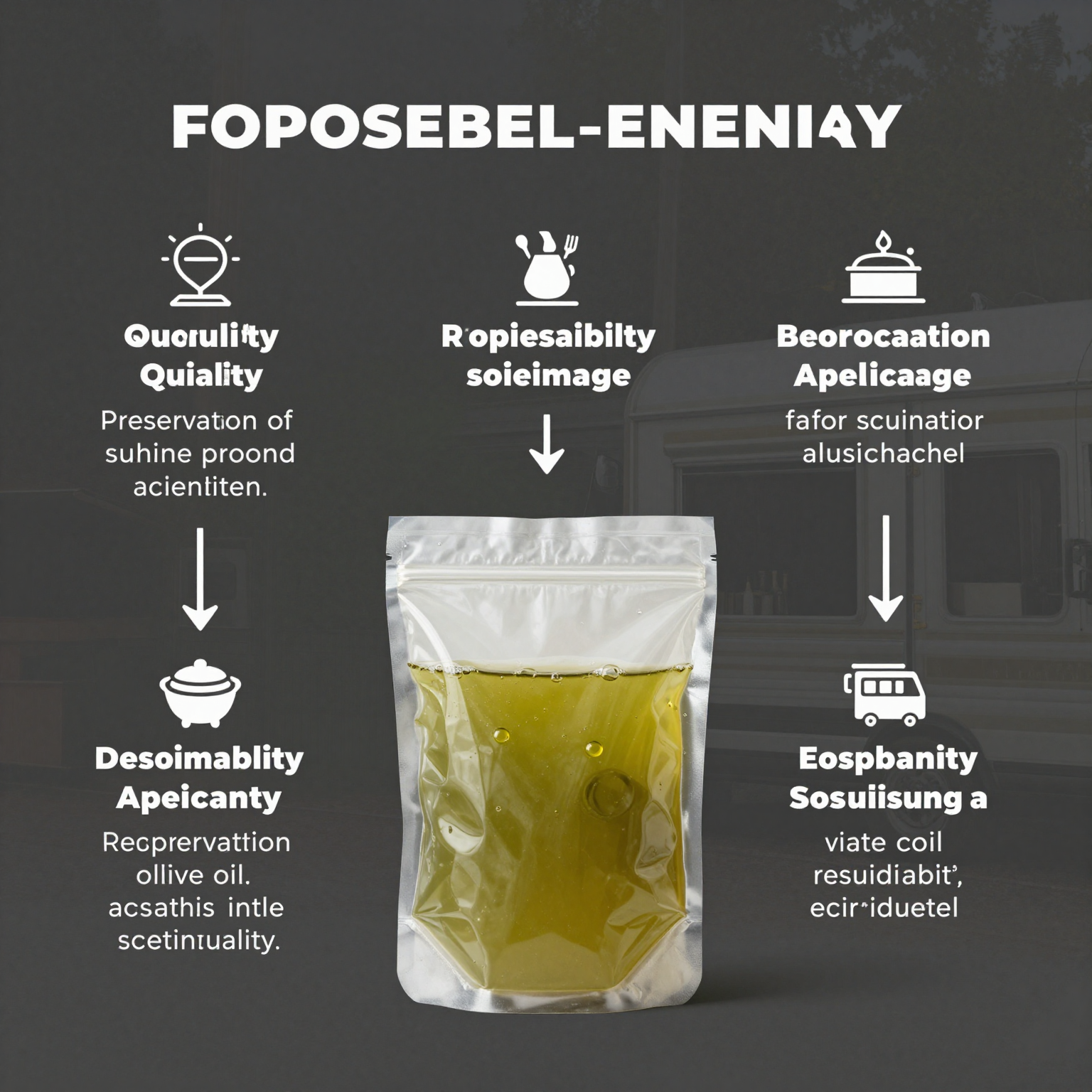
Disposable aseptic bags are designed to keep olive oil fresh for longer periods by minimizing exposure to air, light, and moisture. This helps in maintaining the oil’s flavor and nutritional properties. Learn more about packaging innovations in the food industry.
2. Reduces Spoilage and Waste
One of the major benefits of these bags is their ability to extend shelf life without the need for refrigeration, significantly reducing spoilage and waste. This makes them ideal for food service operations where efficiency is crucial.
3. Sustainability
As consumers become increasingly environmentally conscious, the reusable and recyclable nature of aseptic bags enhances brand image and meets market demands for sustainable packaging solutions. This aligns with the broader industry trends emphasizing eco-friendly practices.
4. Convenience and Ease of Use
Designed for both retail and food service, these bags allow for easy dispensing of olive oil, reducing the risk of spills and contamination. This convenience appeals to busy restaurants, food trucks, and catering companies.
5. Trends in Olive Oil Packaging
The olive oil market is seeing a surge in innovative packaging designs. Unique shapes, vibrant colors, and functional aspects-such as pouring spouts-are becoming increasingly popular. According to a recent study, brands are leveraging these trends to enhance appeal and connect better with consumers.
Conclusion
For bubble tea shops, restaurants, food trucks, and catering services, integrating disposable olive oil aseptic bags into your packaging strategy is a wise choice. Not only do they uphold the integrity of olive oil, but they also cater to the growing demand for sustainable, efficient, and convenient food packaging solutions.
For more information on food packaging innovations, check out this article on the necessity of disposable food packaging in today’s market.