
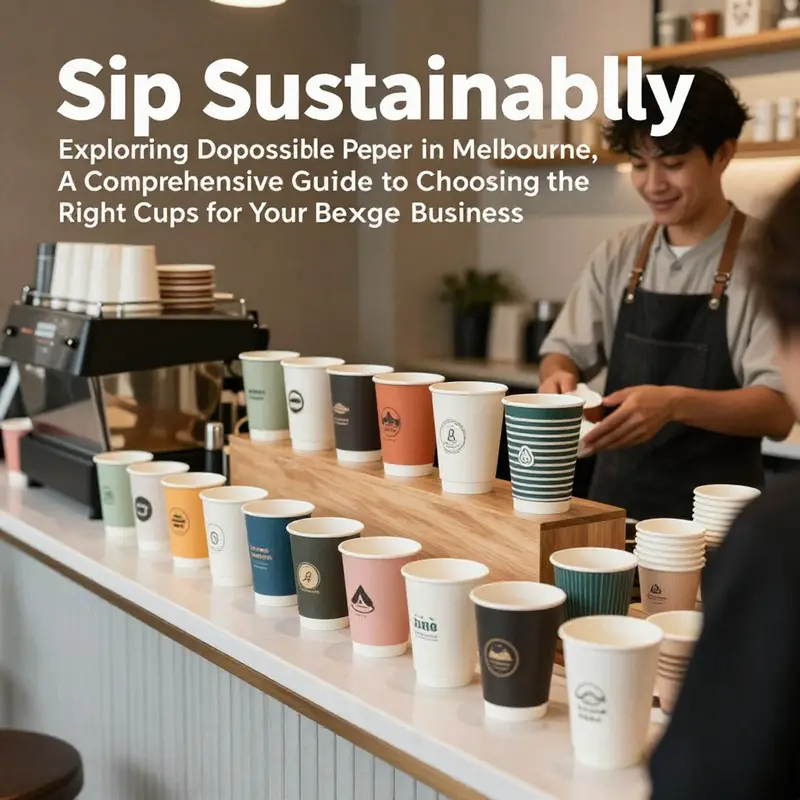
In Melbourne’s vibrant beverage industry, the role of disposable paper cups is more significant than ever. Bubble tea shops, beverage chains, restaurants, food trucks, catering services, and event planners all rely on these essential items to deliver drinks efficiently and stylishly. This guide will delve into the various types of disposable paper cups available, connect you with local suppliers and wholesalers, detail pricing and purchasing methods, and explore the growing environmental trends and their implications. Each chapter aims to equip you with the knowledge needed to make informed, eco-friendly choices that benefit your business and the planet.
Cups for a City on the Go: Product Types, Uses, and Sustainability in Melbourne’s Disposable Paper Cup Market
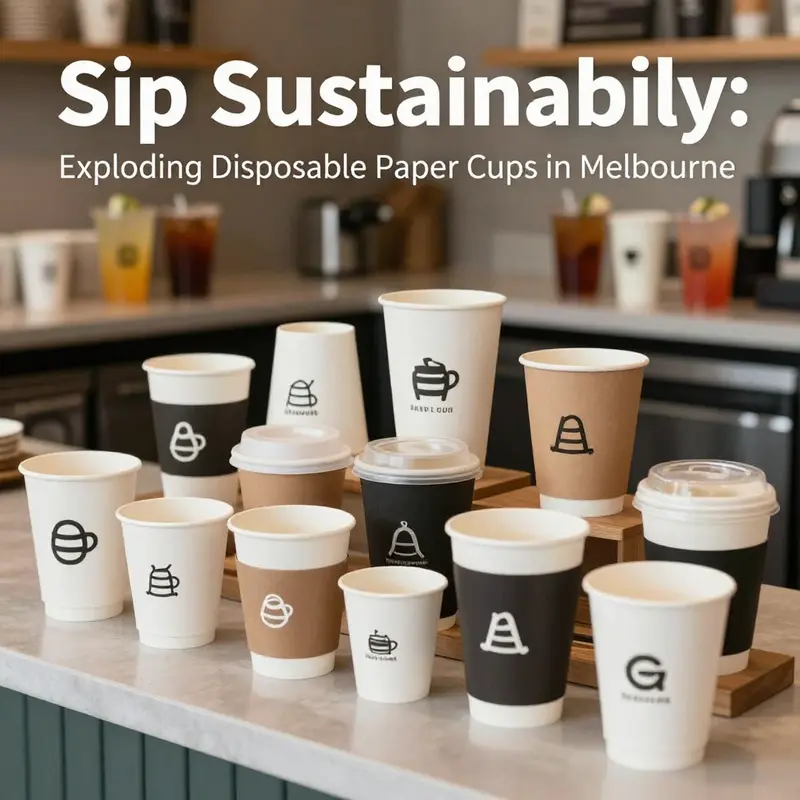
Melbourne moves with a pace that invites quick service, curbside pickup, and the constant hum of conversation over warm drinks. The disposable paper cup is more than a container; it is a hinge between a café’s craft and the city’s fast-paced rhythm. In this setting, the market for disposable cups has matured beyond a simple supply chain into a curated ecosystem that balances performance, branding, and responsibility. The cup, in its many forms, tells a story about what Melbournians drink, where they drink it, and how they want to be seen in a city that prizes both taste and stewardship. Across takeaway lanes, at midday markets, and during vibrant evenings of events, the choices available reflect a layered understanding of hot and cold beverages, dry snacks, and the evolving expectations around waste and sustainability. The most visible distinction begins with product types, and within these types the decisions cascade from material science to branding, from insulation to end-of-life considerations, shaping everyday choices for cafés, caterers, and event organizers alike.
Standard hot and cold beverage cups form the backbone of Melbourne’s takeaway culture. These cups are designed to meet the daily demands of a city that cherishes coffee as a ritual and tea as a quick refreshment, often in bustling lanes where a line forms before noon. Hot drink cups are typically crafted from food-grade paperboard and lined with a polyethylene layer to prevent leakage and preserve structural integrity as heat concentrates at the cup’s walls. This combination keeps coffee at the right temperature for longer and protects hands from heat, a practical balance that supports the city’s fast-paced tempo. Cold drink cups share a similar lineage, but their design emphasizes leak resistance and stability for chilled beverages like juice, iced tea, or milk tea. They are engineered to resist sweating and maintain a stable shape as condensation forms, a small but meaningful detail in a city where a drink may be enjoyed standing up or on the go. In both hot and cold varieties, the coatings—whether standard PE or more advanced alternatives—address liquid management while keeping the printing and branding crisp as the cup travels from barista to customer. The Melbourne market has learned to pair these cups with lids, sleeves, and compatibility with a range of cup carriers, which together form a complete, transportable experience that supports the city’s café culture and mobile event scenes.
Beyond the everyday cups that carry beverages, there is a growing category dedicated to dry snacks and light finger foods. These specialized cups are often used for nuts, trail mix, or other dry, low-moisture offerings that benefit from minimal lining or a careful balance of coating. In practice, unlined or lightly coated cups are preferred for these contents because they avoid imparting an extra layer of material that could alter texture or taste while still maintaining hygiene and portability. When the contents shift toward oils or glazed coatings—think glazed nuts or dense snack mixes—manufacturers typically lean on a thicker PE coating or even a biodegradable PLA lining. The choice here is practical: a coating that can handle brief exposure to oils without degrading the cup’s integrity or compromising the consumer experience. This nuanced approach to cup design aligns with Melbourne’s diverse retail landscape, where health-food stores, boutique snack shops, and catering for events demand packaging that can carry the brand’s story while remaining functional and clean.
The environmental dimension of Melbourne’s disposable cup story is no longer a marginal concern; it is a central thread running through supplier decisions and consumer expectations. Eco-conscious cups—made from renewable materials and certified for compostability—have moved from niche options to the standard configuration in many cafés and event settings. In this sphere, the choice of material goes beyond performance and price, intersecting with regulatory trends and public sentiment. A mounting emphasis on compostable and biodegradable coatings reflects a city and a country aiming to curtail single-use plastic pollution. Melbournians increasingly favor packaging that can be returned to the earth in a controlled, certified process, and that preference translates into demand for cups that carry legitimate sustainability credentials. The shift is supported by a broader Australian policy environment that encourages compostable packaging and waste diversion, reinforcing a practical link between what a cup is made from and what happens to it after use. In this landscape, compostable cups—often derived from plant-based polymers and reinforced with fiber content—appear as a natural response to policy direction and consumer choice. The aim is not merely to reduce waste but to align everyday practice with a long-term vision for a circular economy that respects both taste and responsibility.
From a business perspective, Melbourne’s disposable cup ecosystem is anchored by local suppliers and wholesale channels capable of serving a spectrum of needs—from small cafés to large-scale events. Local manufacturers and distributors offer a range of options, including single-wall and insulated double-wall cups, which are valued for their thermal performance during Melbourne’s cooler seasons and for their ability to keep beverages hotter longer. The availability of customization services plays a crucial role in enabling cafés and event organizers to pursue branding that resonates with customers. Printing a logo, slogan, or artwork on cups becomes a straightforward way to extend a café’s identity beyond the counter and into the hands of customers who carry the experience with them. Complementary products such as lids, paper sleeves, and packaging bags complete the one-stop purchasing experience, ensuring a coherent packaging system from the moment a drink is handed over to the moment it reaches its final destination.
In terms of purchasing dynamics, price and quantity considerations shape how shops plan their stock. Basic single-wall paper cups generally command a lower price point, while the most favorable unit costs often require bulk purchases and minimum order quantities around tens of thousands. The market’s pricing reality mirrors the materials and design choices: simple, uncoated cups deliver value, but insulated variants add a premium for higher thermal performance, which is particularly appealing during Melbourne’s cooler months when customers prefer warmth and comfort. Compostable cups, aligned with environmental goals, tend to carry a higher unit price. Yet for many businesses that want to signal sustainability, the incremental cost is justified by a growing consumer preference for responsible packaging and the marketing value of a sustainability story. The purchasing landscape includes online marketplaces, local wholesalers with physical stores, and specialists who can guide a café or event through sampling, testing, and bulk ordering. The capacity to tailor orders—whether through branding, size variants, or coating choices—adds another layer of value for operators seeking to differentiate in a crowded market.
With such a varied product mix, Melbourne’s cafés and event organizers often weigh several criteria when selecting a cup. Food-contact safety is foundational, and buyers look for evidence of compliant production processes and appropriate lining formulations that prevent leaks without compromising taste. The ability to choose compostable options is increasingly seen as a strategic asset, not simply a compliance checkbox. Brands that emphasize sustainability are able to communicate a clear story to customers about their values, which in turn can shape repeat visits and event attendance. For operators who want to bridge branding with practical needs, customization is a powerful tool. Cups become a canvas for identity, from color and typography to art that echoes a café’s interior design or a festival’s mood. The result is a packaging system that supports not only the drink inside but the broader narrative a business seeks to project in Melbourne’s competitive food-and-beverage scene.
In the search for the right packaging, many Melbourne operators look for suppliers who can offer more than cups alone. A one-stop approach—paired with reliable delivery and inventory management—helps cafes stay focused on service quality rather than logistics. The integration of lids, sleeves, and sleeves–lid combinations, alongside compatible carriers or grip-friendly designs, reduces the friction of takeaway service and enhances the overall customer experience. The region’s dynamic hospitality scene benefits from this integrated approach, as it reduces wait times, ensures leak-free service, and supports branding across the entire takeaway package. For those who are experimenting with event formats or pop-up concepts, the ability to source custom packaging that aligns with the theme and color palette of an occasion is particularly valuable. It allows organizers to craft a coherent presentation that extends beyond the food and beverage to the tangible, visually cohesive experience that attendees remember.
Pricing and purchasing paths, grounded in market data from early 2026, reflect the balance between material choice, capacity, and customization. Basic single-wall cups typically sit in a range that acknowledges the economies of scale evident in large orders, often with minimums around 50,000 units. The slight premium for double-wall or insulated cups is justified by their enhanced thermal performance, something many Melbournians appreciate during outdoor events and cool mornings. Compostable cups, while pricier, are increasingly viewed as essential by businesses that prioritize sustainability and align with local consumer expectations for environmentally responsible choices. Online platforms offer convenience, while local wholesalers provide the advantage of immediate access and the possibility of face-to-face consultation. For brands that wish to test concepts or validate designs before committing to larger runs, specialized packaging companies can facilitate sample testing and guided selection, ensuring that the introduction of a new cup type aligns with both operational realities and brand ambitions.
For cafés and event organizers seeking to explore customization and branding more deeply, a practical avenue exists that connects packaging decisions with design goals. A selection of supplier options emphasizes not only the functional aspects of the cup but also the opportunity to design a packaging narrative that resonates with Melbourne’s diverse audiences. The ability to imprint logos, messages, or artwork on cups creates a portable marketing channel that travels with customers beyond the storefront. This is particularly relevant in a city where social media amplification and word-of-mouth recommendations amplify the reach of a well-branded experience. In this sense, the disposable cup becomes more than a disposable item; it becomes a small but powerful ambassador for a business’s identity, a subtle touchpoint that reinforces the story a customer carries away after every purchase. The market’s current trajectory—combining performance, branding flexibility, and a growing emphasis on responsible materials—suggests a future where cups are not simply a consequence of consumption but an intentional component of a brand’s environmental and aesthetic strategy.
For operators who want to navigate this space with confidence, the choice of cup often intersects with broader sustainability commitments and regulatory considerations. The move toward compostable materials is supported by standards and certification processes that help confirm that a product will behave as expected in appropriate composting systems. In practice, customers may look for certificates or declarations indicating compatibility with standard composting streams and compliance with food-contact safety practices. While the precise certification labels can vary, the underlying goal remains clear: to ensure that paper cups used in Melbourne can be disposed of in a way that aligns with local waste-management infrastructure and consumer intentions. This aligns with the city’s broader push to reduce plastic waste and promote packaging choices that support a circular economy.
Within this ecosystem, one practical takeaway for decision-makers is that the wide spectrum of product types and materials available in Melbourne allows a tailored approach to packaging. A café that emphasizes artisanal coffee and in-house pastry assortments may prefer insulated cups with a branding-forward design, enabling customers to savor warm beverages during their walk through the city’s laneways. A busy daytime event with a festival atmosphere might benefit from compostable cups that reinforce the sustainability narrative while maintaining the visual impact of on-brand messaging. Even those who curate niche experiences—such as snack-focused shops or pop-up health-food stalls—can select cups that optimize both the sensory experience of the product and the ease of transport for customers who are often juggling multiple activities. Across these scenarios, the cup functions as a reliable, adaptable component of Melbourne’s take-away ecosystem, a tiny yet essential instrument that keeps pace with a city that prizes speed, taste, and responsible choices.
For readers seeking a practical point of entry into this ecosystem, consider how a packaging-forward approach can align with your business goals. If you’re exploring customization and want a gateway to understanding the options, a supplier that can walk you through design, materials, and printing options—while also supporting local delivery—offers a compelling value proposition. Such partnerships help ensure that your packaging not only serves its primary function but also reinforces your brand story in a way that resonates with Melbourne’s audiences. And as the city continues to evolve, practitioners in the cup economy will increasingly rely on thoughtful material choices, credible sustainability credentials, and design precision to craft experiences that are memorable, responsible, and distinctly Melburnian.
To explore practical design and packaging options that align with the broader themes discussed, you can look into custom takeaway packaging and disposable tableware for themed parties, which illustrates how packaging capabilities translate into event- or brand-specific experiences. custom-takeaway-packaging-supplies-disposable-tableware-for-theme-party offers a window into how suppliers translate cup functionality into a cohesive event narrative without sacrificing performance or sustainability goals. This interconnected approach—bridging product types, usage contexts, and branding opportunities—helps Melbourne operators plan more confidently and communicate their commitments to customers through every cup that leaves the counter.
External resources offer further grounding for readers who want to understand the regulatory and environmental landscape in which these products operate. For an authoritative overview of compostable packaging standards in Australia, the government’s environmental guidance provides context about how packaging is evaluated, certified, and integrated into waste-management systems. This external reference supports the practical decisions made by cafés and event planners, reminding readers that the materials and processes behind disposable cups are part of a larger, evolving system. As Melbourne continues to prize both quality and responsibility, the chapter on product types and uses within disposable paper cups remains a living part of the city’s ongoing conversation about how to balance convenience with care for the environment.
External reference: Australian Government – Compostable Packaging.
Cup by Cup: Navigating Melbourne’s Local Suppliers and Wholesale Channels for Disposable Paper Cups
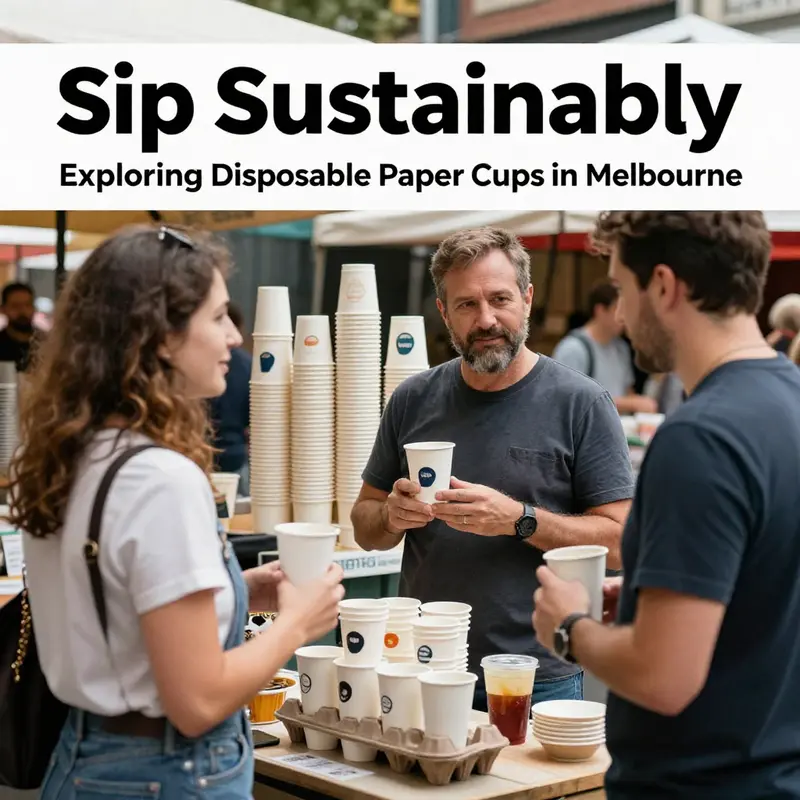
Melbourne’s disposable paper cup landscape is more than a marketplace; it is a carefully woven ecosystem that supports hundreds of cafés, restaurants, event spaces, and countless daily rituals. The city’s appetite for hot drinks—coffee, tea, mulled beverages in winter—and cold beverages—juices, iced teas, and bubble teas—has created a steady demand for reliable, food-safe, and increasingly sustainable cup solutions. In this environment, a handful of local players and regional wholesalers shape what stores offer, how quickly orders are fulfilled, and how brands express themselves through packaging. The result is a market where scale and customization coexist, where environmental priorities influence selection, and where the logistics of sourcing cups are as carefully managed as the drinks themselves. At the core of Melbourne’s cup supply chain lies a network of purpose-built suppliers who can cater to the needs of a single café or a large hospitality operation, and who can adapt to the rising push for compostable materials and transparent certifications. Australasian Paper & Packaging (APP) stands out as a major regional supplier with a broad footprint across Melbourne. Their catalog includes coffee cups, takeaway containers, and a full range of food service ware, designed to meet the demands of busy service environments. APP’s distribution centers in the area mean quicker restocks for busy cafes and more predictable delivery windows for event organizers who need to stock large quantities on short notice. The appeal of APP in this market isn’t only its breadth; it’s the ability to offer eco-friendly options that align with growing consumer expectations for responsible packaging. This aligns with a broader industry shift toward products that are not only functional but also compliant with environmental standards that are increasingly non-negotiable for many buyers. Cup & Co represents a different facet of the Melbourne cup ecosystem. As a local wholesaler focused on sustainability, they curate a selection of plant-based PLA-lined cups and other recyclable or compostable solutions. Their emphasis on environmentally conscious materials speaks directly to cafés that want to reduce their plastic footprint without sacrificing performance or reliability. For event planners and venues that must balance large-volume needs with brand integrity, Cup & Co provides a practical route to sourcing cups that can be printed or branded in meaningful ways, while keeping waste streams manageable through compostable options. Paper Cup Australia, based in Dandenong South, adds another layer to the local mix. They specialize in bulk quantities of standard and custom-printed disposable cups, and they actively support branding and private labeling. In Melbourne’s bustling service economy, the ability to imprint a café’s logo, color palette, or seasonal motif on cups is a strong differentiator. It helps create a consistent brand experience from the first sip to the last, and it supports promotional strategies that rely on grab-and-go packaging. The Dandenong South location also underscores a practical reality: Melbourne’s geography and dense population require suppliers who can offer rapid local delivery and dependable logistics. For buyers who operate in smaller volumes or who are exploring new designs, Alibaba’s Melbourne-focused distributors provide an alternative channel. While not a direct supplier in the traditional sense, these platforms connect purchasers with verified Australian-based sellers who offer wholesale pricing and local delivery. This channel appeals to cafés starting with smaller runs or those testing new cup formats without committing to large minimum orders. The flexibility to compare models—from single-wall to double-wall and from basic to compostable—through a single portal is a hallmark of how modern Melbourne buyers shop. Taken together, APP, Cup & Co, Paper Cup Australia, and Melbourne-focused Alibaba distributors illustrate a market where capacity, customization, and cost can be balanced to fit particular business models. Ordering quantities can range from modest trials to substantial ongoing programs, with minimums often framed around 5,000 to 50,000 units depending on the supplier and the chosen format. The practicality of these channels extends beyond the cups themselves. Local suppliers often bundle complementary products—lids, paper straws, cup sleeves, and paper bags—into a single quote, enabling cafes to streamline procurement and manage waste more effectively. This one-stop approach is particularly valuable in a city whose foodservice operators value efficiency as much as they value quality. The Melbourne market also reflects the broader push toward environmental responsibility. A growing number of buyers seek compostable or certified sustainable solutions, driven by consumer expectations and regulatory signals that urge reduced plastic usage. In practice, this means a steady rise in cups made from compostable or PLA-based coatings, designed to meet food-contact safety standards while delivering predictable performance during hot and cold beverage service. Suppliers are increasingly transparent about certifications and standards, and many advertise compliance with recognized benchmarks such as AS 4736 for compostable products and related OK Compost certifications. This trend is not merely a marketing claim; it reflects the way many cafés in Melbourne distinguish themselves through sustainability as a core element of their brand story. Within this evolving landscape, it is essential for buyers to ask the right questions. What materials are the cups made from? Do they carry compostability or recycling certifications? Is the coating a barrier that ensures leak resistance without compromising safety or environmental goals? How quickly can a supplier scale up from a few thousand units to tens of thousands without disrupting service? What branding options exist, and how does customization affect pricing and lead times? These questions shape the decision-making process and help ensure that the final choice aligns with both operational realities and brand commitments. When evaluating providers, the alignment of safety standards with supplier capabilities becomes a decisive factor. Food-contact safety standards such as AS/NZS 4911 are important benchmarks. They define the conditions under which packaging materials meet safety requirements for contact with food and beverages. For cafés and restaurants, an assurance of compliance translates into smoother audits and a clearer path to certification for public-facing venues. For buyers conscious of lifecycle impacts, certifications such as OK Compost HOME or TÜV OK Compost provide clarity about end-of-life outcomes. They indicate that the cups are designed to break down in home composting environments or in certified industrial composting streams, offering an appealing narrative for brands that want to demonstrate tangible environmental stewardship. The decision to go compostable often comes with a price premium, and buyers should weigh the higher upfront cost against the ongoing messaging and waste-management benefits. In Melbourne, where many establishments emphasize sustainability as part of their identity, compostable cups can be a strategic investment that supports customer trust and loyalty. As with any supply decision, the total cost of ownership matters as much as the unit price. The economics of cup sourcing depend on several moving parts: the material category (single-wall, double-wall, or ripple wall), the coating (PE versus PLA), the degree of customization (logo, color, or full wrap), the size range (8 oz, 12 oz, 16 oz, and beyond), and the minimum order quantities required by each supplier. Basic single-wall cups at scale tend to be the most cost-efficient, but this advantage can erode when brands require branding, color matching, or specialty coatings that support hot beverages for longer periods. Double-wall cups, while more expensive, offer superior insulation and a more comfortable user experience in winter or in markets with longer commutes. Compostable cups command a higher price still, though many buyers in Melbourne justify the premium through stronger sustainability claims and the preference of customers who expect ethical packaging practices from their favorite cafés. The purchasing journey in this market often unfolds through a blend of channels. A café might place an initial order through APP for a baseline supply and a set of standard branded cups, while simultaneously exploring more sustainable options through Cup & Co for a seasonal or campaign-specific run. Paper Cup Australia can step in when the café’s needs include private labeling and more extensive branding, helping to reinforce identity with every cup that leaves the shop. For venues that require rapid scaling or are testing a new format, Alibaba-based suppliers provide a convenient path to experiment with different sizes, coatings, and branding possibilities without committing to large stock purchases. In practice, this mosaic of suppliers supports a resilient supply chain. Melbourne’s hospitality sector benefits from the flexibility to source locally while maintaining access to regional manufacturing capabilities. The proximity of suppliers also translates into shorter lead times and more reliable delivery windows, which matters when a busy weekend market or a Friday night rush threatens to outpace supply. The advantage of local sourcing begins to show up in the form of shorter freight cycles, easier returns on damaged goods, and a clearer line of communication for design iterations. It is also worth noting that many suppliers offer branding services that help small businesses convey a professional image, even when operating on tight margins. The ability to print a logo, slogan, or seasonal motif on a cup is more than aesthetics; it is an opportunity to reinforce a brand voice at the point of consumption. This branding capability, coupled with the availability of matching lids, sleeves, and bags, underlines how the cup is part of a broader packaging strategy rather than a standalone commodity. For cafe owners who are balancing costs with branding impact, the decision to work with a local supplier versus an online distributor becomes a question of reliability, customization, and risk management. Local channels tend to offer more predictable service levels, easier product exchanges, and on-site support during critical events. The wholesale dynamic also supports longer-term relationships, where a café can negotiate preferred terms, seasonal discounts, or tailored packaging solutions that fit their unique rhythm of business. The Melbourne market’s willingness to embrace compostable and certified packaging within a broader sustainability narrative further strengthens the case for local, standards-aligned suppliers. As consumer expectations evolve, it is likely that the mix of cup formats and coatings will continue to shift toward products that balance barrier performance with end-of-life viability. In this environment, buyers should stay informed about the latest certifications and industry guidance, and they should seek suppliers who transparently communicate test results, certifications, and the practical implications of different cup constructions for both hot and cold beverages. The narrative of Melbourne’s cup supply chain is thus not only about products but about a shared commitment to quality, reliability, and environmental responsibility. When a café invests in a particular cup format, it is also investing in the customer experience—the feel of the cup in the hand, the way it performs at service speed, and the story it tells about the brand’s values. That story is increasingly told through a combination of local partnerships and sustainable choices that align with regulatory expectations and consumer desires. The Melbourne landscape rewards buyers who approach sourcing with a clear sense of their own priorities—whether that means cost efficiency, rapid delivery, branding flexibility, or a strong sustainability narrative—and who are prepared to engage with suppliers that can deliver on those priorities in a reliable, scalable way. For readers exploring this chapter from a business development or procurement perspective, the path forward is approachable: start with the established local wholesalers for standard needs, consider branded options through private-label specialists for brand coherence, and retain the flexibility to test compostable formats through a Melbourne-focused distributor network. This approach respects both the practical realities of running a busy operation and the growing demand for packaging that aligns with environmental and public-health expectations. If you want to explore a practical example of a product family that embodies the insulated, double-layer performance many Melbourne buyers seek, you can look into the disposable corrugated coffee paper cups insulated double-layered cup for hot beverages. This category illustrates how a single SKU can address the tension between heat retention, handling comfort, and sustainable material choices, making it a useful case study for buyers evaluating a mix of suppliers and formats. In assessing the Melbourne market, it’s clear that the city’s cup supply channels are not just about getting cups on shelves. They are about creating a dependable system that underpins daily service and large events alike, supporting operators as they experiment with branding, respond to environmental expectations, and navigate the economics of scale. The end result is a sourcing framework where cafés and venues can balance price with performance, while maintaining a credible commitment to the environment and to the communities they serve. External resource note: for readers seeking further guidance on compostable standards and supplier certification, GreenCup Australia provides detailed information and up-to-date compliance considerations that align with the Melbourne market’s direction. https://www.greencup.com.au
Pricing, Customization, and Local Sourcing: Navigating Melbourne’s Disposable Paper Cup Market
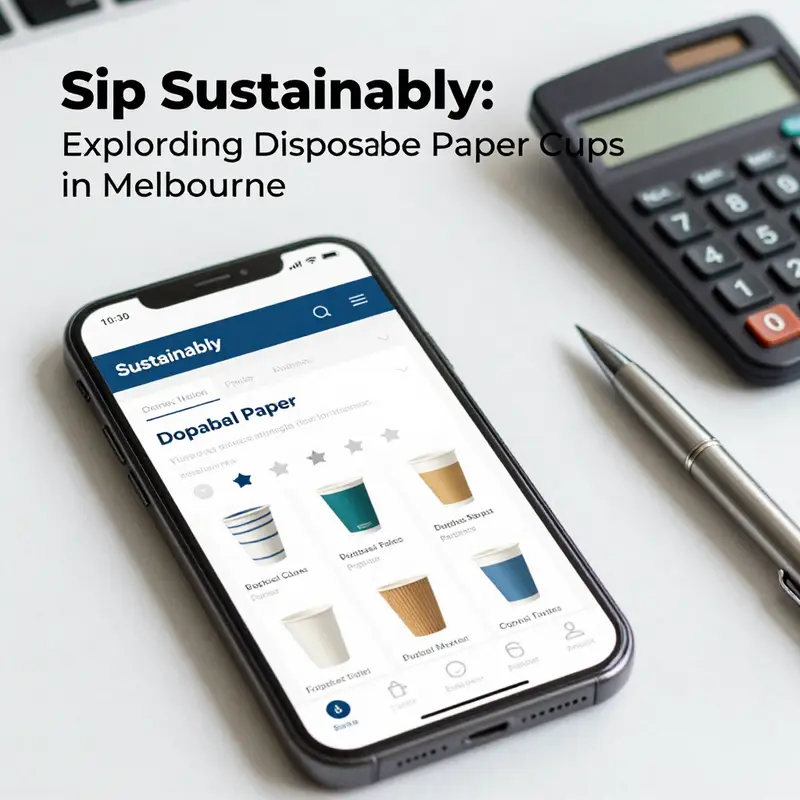
Melbourne’s coffee first culture is not just about what’s in the cup; it’s also about the experience that surrounds it, from the cup’s feel to the branding printed on its sleeve. In a city where sustainability and speed coexist in almost every street corner, the pricing and purchasing pathways for disposable paper cups have to balance cost efficiency with quality, environmental responsibility, and brand expression. The market scene is shaped by a handful of constant variables: order quantity, cup size, whether the cup is single-wall or insulated, the coating that keeps liquids from seeping through, and any printing or branding that a café or event planner wants to see on the cup itself. Across Melbourne, suppliers often tie price to the total package rather than the cup alone. A baseline, basic single-wall cup offered at a low unit price is rarely sold in isolation; it comes with a minimum order requirement, a choice of sizes, and potential add-ons such as lids, sleeves, or matching carry bags. The price per unit can be driven by the order’s scale. A typical minimum order of tens of thousands of cups will yield a more favorable per-unit price than smaller runs, but the upfront investment is higher. Conversely, small businesses that need to test a new flavor concept or a seasonal menu may seek prototypes or samples before committing to a larger run. In Melbourne, this creates a purchasing landscape where the decision often hinges on how well a supplier can translate a brand’s needs into a cost-effective, reliable delivery plan while meeting local food safety standards and environmental expectations. It is not solely about the unit price; it is about the entire value proposition the cup represents for a café, a festival, or a corporate event.
The tiered nature of pricing becomes more visible when one differentiates between hot drink cups and cold drink cups. Hot beverage cups, designed to resist heat and sometimes to insulate, typically command a premium over basic cold cup designs. The insulation adds material complexity, often in the form of double-wall construction or a ripple-wall design that can better manage heat transfer. This insulation attribute is not merely a comfort for patrons; it is a practical factor that delays heat loss, reduces burn risk, and minimizes the need for additional sleeves. Yet it also nudges the price upward. The Melbourne market increasingly reflects a trend toward compostable or biodegradable coatings, shifting some costs upward but aligning with local environmental policy and consumer expectations. The decision to opt for compostable paper cups instead of traditional plastic-lined cups can be driven by municipal sustainability goals and by consumer demand for packaging that aligns with a plastic-free or low-plastic narrative. In response, many suppliers offer a range of environmental options, from PLA-coated to fully compostable certified cups, with price differences that reflect material and certification costs rather than mere aesthetics.
For business owners evaluating price points, the interplay of material and coating is pivotal. A basic single-wall cup, produced with a PE lining for leak resistance, will sit at a lower price tier than a double-wall or ripple-wall insulated version. It is not unusual to see a basic single-wall cup quoted in a narrow band, with the smallest increments—sometimes as precise as fractions of a cent—tied to the exact quantity and finish. In some cases, minimum orders dictate a threshold that makes sense only for larger cafés or event organizers who require thousands of units per week or per event. In Melbourne’s market, the decision to pursue bulk pricing often comes down to a careful calculation of overheads: storage, waste management, and the cost of branding assets like custom prints. If a business is integrating a color design or a logo into the cup, printing costs can become a meaningful portion of the total outlay. On the other hand, when branding is a central differentiator in a crowded competitive scene, the incremental cost of custom printing can be justified as a long-term investment in visibility and customer recall.
From a purchasing standpoint, Melbourne buyers typically encounter several channels. Online platforms present a convenient first stop, offering quick quotes, catalog-style browsing, and the ability to compare sizes and coatings at a glance. Local wholesalers, often with showrooms or on-site stock, provide the advantage of tactile evaluation and in-person negotiation, as well as faster delivery for urgent orders. For businesses seeking a more seamless, end-to-end experience, consulting packaging specialists who handle OEM production can yield a more integrated solution. These providers can manage new mold development, custom printing, and even the selection of complementary items such as lids, sleeves, and take-away bags under a unified brand framework. The ability to order from a single source can simplify logistics, reduce lead times, and help ensure consistent quality across a full range of packaging needs.
A practical ingredient in the pricing mix is the customization service. The option to print a business’s logo, slogan, or event artwork onto the cup surface is a powerful branding tool, particularly in a city where hospitality trends are image-conscious. Suppliers frequently offer branding as part of an OEM package, with the development of new molds tailored to customer specifications. This capability is especially attractive to cafes that want a memorable cup design that stands out in competitions and social feeds. The trade-off is the added complexity and cost of tooling, which can be substantial if a café’s design requires a non-standard cup size, a unique lid fit, or a distinctive print area. Still, many Melbourne suppliers see this investment as an accelerant for brand loyalty and market differentiation, especially when coupled with local delivery and print-on-demand options that allow for seasonal campaigns and limited-time collaborations.
For those who want to test the waters before committing to a long-term supply, some suppliers provide free samples upon request. The sampling process is practical: it gives buyers a chance to evaluate the feel of the cup, the print quality (if branding is involved), and the performance of the coating under real-world conditions. While samples can be shipped via express services like DHL, UPS, FedEx, or TNT, the associated shipping costs may fall to the buyer. Payment options for sample orders are often versatile, including methods like PayPal or Western Union, which can speed up the initial exploration phase for small businesses or startups trying to pilot a concept in Melbourne’s dynamic cafe scene.
Beyond the dollar price, businesses need to consider the broader purchasing workflow. The most effective procurement strategy begins with a clear specification sheet. When requesting quotes, owners and managers benefit from detailing target quantity, cup size, unit weight, color options, printing design, cap type (if applicable), and the destination port for shipping. This level of detail helps suppliers deliver accurate pricing and reduces the risk of back-and-forth revisions that delay production timelines. For Melbourne-based operations, it’s also wise to ask about local delivery schedules, warehousing options, and return or exchange policies in case a batch arrives with defects or mismatched branding. The ability to sample a subset of a run can also help catch quality issues before a larger shipment is produced, saving both time and money.
In this landscape, an internal reference point can illuminate the range of available options. For instance, there are product pages that illustrate the breadth of cup choices, including different sizing and material combinations, which can help a buyer visualize what a custom order might entail. This kind of reference is useful when negotiating with suppliers or when comparing a few shortlisted options. For readers who want a practical view of such options, a specific page 20-50-200pcs disposable paper cups kraft paper cups coffee milk cup paper cup for hot drinking party supplies 8-10-12-16oz cups provides a snapshot of the sizing, coating, and potential customization routes that Melbourne buyers commonly weigh. This internal link serves as a tangible illustration of how a supplier can translate a café’s branding ambitions into a scalable packaging solution.
Costs for compostable packaging, a growing segment in Melbourne, reflect not just material choices but also compliance and certification. Environmental certifications such as OK Compost HOME or TÜV OK Compost, and adherence to standards like AS 4736 for compostability and AS/NZS 4911 for food contact safety, influence pricing. These credentials often come with production and auditing costs that are embedded in the final price but can be critical for cafés seeking to align with sustainability goals and to reassure customers about end-of-life disposal. As the regulatory and consumer environment evolves, compostable cup options have transitioned from niche offerings to mainstream configurations in many Melbourne venues. The premium for compostable cups is not merely a line item; it is a strategic decision tied to brand narrative, regulatory compliance, and life-cycle thinking that resonates with a growing base of eco-conscious consumers.
The procurement journey is also about balancing local versus international sourcing. Melbourne businesses sometimes lean on local distributors who understand the city’s delivery networks, time zones, and expectations for prompt replenishment. Local sourcing reduces import risk, simplifies customs complexity, and often shortens lead times. However, international suppliers can offer broader price competition, extensive customization capabilities, and the potential for larger order quantities at favorable unit costs. A well-structured sourcing strategy might involve a hybrid approach: core, reliable local supply for everyday requirements and a trusted international partner for large-scale campaigns, seasonal spikes, or branding-intensive runs. When importing, businesses must factor in additional logistics considerations, such as freight costs, currency fluctuations, customs clearance, and compliance with Australian food packaging standards. An experienced export operation can help smooth these steps, ensuring that shipments arrive on schedule and meet local regulatory expectations.
The broader takeaway for Melbourne-based buyers is to build a decision framework that considers not only unit price but also the total cost of ownership. That total cost includes the price of the cup, the cost of branding or customization, the cost of shipping and handling, storage and inventory carrying costs, and potential waste management or disposal expenses associated with the packaging. Given Melbourne’s environmental trajectory, many operators now view compostable options not as a luxury but as a necessary component of responsible operations. In practice, this means calculating a marginal premium for compostable cups against the long-term value of a sustainable brand story and reduced environmental impact. The decision often rests on the velocity of sales, the frequency of events, and the ability to leverage packaging as a marketing channel rather than seeing it as a mere cost center.
For those planning a careful procurement process, it is valuable to think of packaging as a scalable system. A system might include a core set of cup sizes, a standard lid option, a consistent sleeve design for branding, and a reliable supplier relationship that can accommodate reorders with predictable lead times. This systematic approach helps stabilize costs and ensures that promotional periods or festivals do not disrupt service quality. It also supports a uniform customer experience, which is increasingly important in Melbourne’s hospitality scene, where guests often associate quick-service efficiency with brand reliability. The strategic emphasis on customization can still be pursued within this framework, but it becomes a matter of timing and budget rather than a default expectation for every run.
To close the loop on purchasing methods, buyers should request formal quotes that specify all elements: unit price, MOQs, lead times, minimum packaging requirements, and any fees related to custom printing or mold creation. It is advisable to request samples for evaluation and to confirm whether the supplier can provide a complete package that includes lids, sleeves, and compatible take-away bags. The practical path often begins with a test order followed by a larger rollout if the test proves successful. Inevitable negotiation will touch on payment terms, such as deposits, milestones, and the possibility of price holds for a defined period during a campaign or peak event season. In Melbourne, where vendors understand the rhythm of markets and conferences, mid-sized operators may find that negotiated terms work best when tied to a predictable purchasing cadence, a stable shipment schedule, and a shared commitment to sustainability.
As readers consider their next order, a reminder about the broader context is helpful. The Melbourne market’s evolution toward compostable and environmentally friendly packaging reflects a convergence of consumer demand, regulatory signals, and corporate branding strategies. The most resilient buyers will identify suppliers who can deliver not just a product but a reliable, adaptable packaging solution that can scale with business growth and seasonal demand. They will also embrace the idea that price is a moving target shaped by material science, certification costs, and the logistics of international trade. For those who want to explore concrete options within the market, an example page demonstrates how a supplier’s offering can be composed of various cup types, sizes, and finishes, bridging hot and cold beverage needs with branding potential.
External resource: https://www.beixuancup.com
In sum, Melbourne’s disposable paper cup market rewards buyers who think in terms of a packaging ecosystem rather than a single price tag. By weighing order quantities, cup configurations, coating choices, and branding opportunities against the speed and reliability of delivery, operators can secure a cost structure that supports both daily operations and special events. The path to smart procurement lies in clear specifications, strategic supplier partnerships, and a willingness to integrate sustainability into the core of the business model. This approach not only preserves margins but also reinforces a brand story that resonates with Melbourne’s environmentally conscious consumers and vibrant, fast-paced coffee culture.
Brewing Change: How Melbourne’s Environmental Trends and Policy Shifts Redefine Disposable Paper Cups
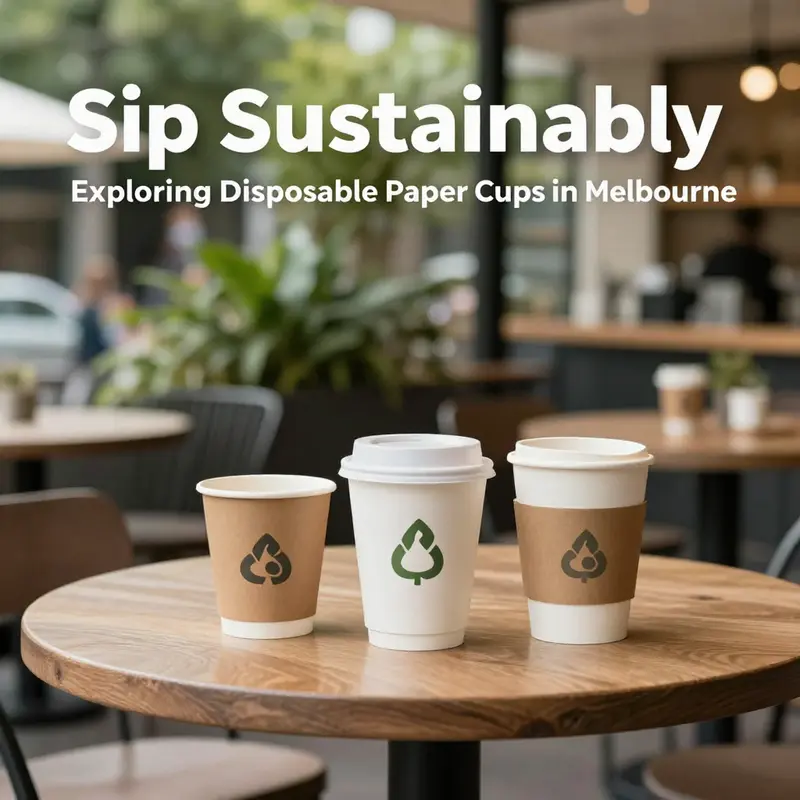
Melbourne has long courted a reputation for its coffee culture, its bustle of cafés, and a daily rhythm fed by takeaways and events that rely on one durable constant: the disposable paper cup. But the story of these cups in Melbourne extends beyond flavor and aroma. It is a story about environmental footprints, municipal recycling systems, consumer expectations, and the policy levers that steer behavior in a city where sustainability is increasingly part of the brand identity of businesses and the daily choices of residents. Reading the Melbourne market through the lens of environmental trends and regulatory shifts reveals a complex, evolving landscape where suppliers, cafés, and consumers negotiate a shared future. The phase is less about a single replacement than about a set of interlocking practices designed to reduce waste, improve recovery, and normalize reuse, all while preserving convenience and the coffee experience that is central to the city’s social fabric. The thread tying these elements together is a growing recognition that what seems like an ordinary cup is in fact a touchpoint in a broader conversation about choice, responsibility, and system design.
At the core of the environmental footprint argument is the cup’s life cycle. A 16-ounce disposable paper cup, commonly used for hot beverages, carries a quantifiable load well beyond its paper exterior. The lining, typically a plastic-based barrier to prevent leakage, complicates recycling. In many Melbourne municipal facilities, the barrier separates from the paper with difficulty, if at all, which means that contamination can derail what would otherwise be a straightforward recycling stream. The consequence is that a sizable portion of these cups ends up in landfills, despite the appearance of recyclability. The underlying numbers paint a stark picture: the production of a single 16-ounce cup has an embedded carbon footprint of about 0.24 kilograms of CO2 equivalent, consumes roughly 10 liters of water, and requires around 0.3 megajoules of energy. These figures illuminate the hidden costs behind an everyday item and underscore why policy and innovation in packaging matter as much as consumer choice.
Coupled with the footprint is a friction one: infrastructure. Recyclers and waste managers in Melbourne—and more broadly across Australia—face the challenge of separating the paper from a plastic internal lining, a process that is not widely supported by existing municipal sorting technologies. When separation is not feasible at scale, the post-consumer cup becomes a contaminant in the recycling stream, eroding the effectiveness of recycling programs and shifting the end-of-life outcome toward landfill or energy recovery rather than true material reclamation. This reality, often obscured by the commodity-grade visibility of recycling slogans, reframes a simple purchase decision into a longer conversation about how systems can better valorize every component of the cup, from paper stock to barrier materials, to new forms of recovery that align with local capabilities.
Consumer perception compounds the issue. Surveys and public reporting have shown a persistent belief that paper cups are readily recyclable. Yet the systems in place rarely meet that expectation. In Australia, a stark gap exists between belief and practice: a small fraction of used cups actually re-enters the recycling stream. A combination of consumer habits, bin labeling, and limited industrial composting options for these materials means that even well-meaning households can inadvertently contribute to waste that is not recovered. This perception-reality gap encourages both advocacy and business leadership to push for clearer signals about what is recyclable or compostable and where those outcomes are actually achievable in practice. It also fuels a broader dialogue about the need for standardized labeling, clearer consumer guidance, and the expansion of certified compostability pathways that can operate within Melbourne’s waste-management infrastructure.
Policy responses to these environmental and infrastructural realities are not static. They are evolving with the city’s commitment to waste reduction, climate targets, and the broader objective of a circular economy. While Melbourne has not enacted a blanket ban on paper cups, the regulatory climate is increasingly oriented toward reducing single-use consumption and expanding the reuse ecosystem. Local councils and state government agencies are experimenting with incentives and disincentives that shift ordinary consumer behavior toward reusable options. For cafés and other venues, these policy signals take shape as practical measures: discounts for customers who bring their own cup, preferred procurement policies that favor reusable or compostable packaging, and vendor requirements that align with sustainable packaging standards. These are not merely marketing nudges; they are structural changes that affect pricing, supplier selection, and day-to-day operations.
In parallel with incentives, the policy conversation is shaping the market through producer responsibility and the expansion of compostable materials. The idea is to reframe single-use cups as products that bear accountability for post-use outcomes. Extended producer responsibility (EPR) models are increasingly discussed as a framework for ensuring that manufacturers contribute to end-of-life management, whether through collection programs, collaboration with composting facilities, or investment in recycling technologies. In practice, this shifts some of the cost burden away from municipalities and toward the institutions that design and sell packaging. And while a direct, comprehensive ban on paper cups remains a distant prospect in Melbourne, the policy environment is clearly tilted toward encouraging reuse and supporting the development of compostable alternatives that can be processed in suitable facilities. Campaigns that surface at the municipal or state level—often bundled with broader climate or waste-reduction campaigns—also help normalize reusable containers and create a narrative that links everyday coffee choices to larger environmental outcomes. A campaign example in spirit—though not a formal policy here—encourages cafés to offer attractive discounts for customers who opt for reusable cups, a small but meaningful lever in shaping daily habits.
The regulatory and policy landscape also intersects with the market’s pricing dynamics. The economics of disposable cups are sensitive to material choices, the degree of insulation required for hot beverages, and, crucially, the traceability of certifications that demonstrate environmental performance. Compostable options command a premium because their production costs and processing requirements are higher than standard single-wall or lined paper cups. That premium, however, is increasingly balanced by the value proposition of sustainability—a factor amplified when customers associate a café with responsible packaging and when local procurement policies reward suppliers who meet specific environmental credentials. The result is a market where café operators weigh the added upfront cost of compostable or recyclable options against the reputational and regulatory advantages of aligning with green commitments. In Melbourne, this balancing act manifests as a cautious but growing willingness to adopt compostable cups and to experiment with alternatives that reduce reliance on plastics and improve end-of-life outcomes.
For suppliers and businesses, the policy environment underscores the importance of transparency and standardization. A robust, credible packaging narrative rests on clear statements about what the cups are made of, what certifications apply, and where and how end-of-life processing occurs. The conversation moves beyond merely meeting food-contact safety standards to demonstrating verifiable environmental performance. This is where industry practices intersect with citizen expectations: customers increasingly want to know that the packaging they choose aligns with their values, that waste is minimized, and that the pathway from product to recovery is clear and actionable. In Melbourne, the convergence of consumer aspiration and policy directive is pushing the market toward more standardized practice, from labeling and branding to the design of cups for compatibility with available recycling and composting streams.
The environmental and policy narratives converge on innovation in materials and design. There is growing interest in packaging that can truly align with a circular economy, where the paper and barrier materials can be separated and recovered, or where the entire cup is designed for industrial composting under controlled conditions. The exploratory space includes advances in barrier coatings that permit compostability without compromising liquid integrity, as well as cup architecture that simplifies separation during processing. In practice, these innovations require not only research and development but also reliable infrastructure, certification frameworks, and supply-chain alignment so cafés can switch without disruption to availability or service. Melbourne’s market is well positioned to benefit from such innovations, given its dense network of local suppliers and its proximity to research centers and testing facilities that examine compostability and recyclability under realistic municipal conditions. Yet progress hinges on a shared commitment to standards, independent verification, and willingness among customers to embrace new options when convenient alternatives exist.
Within this evolving ecosystem, a practical takeaway for café operators and event planners in Melbourne is to view disposable cups not merely as a cost item but as a strategic touchpoint that communicates values, manages risk, and supports a broader sustainability strategy. That requires due diligence in supplier selection, focusing on materials that can be reclaimed or responsibly disposed of, and seeking packaging partners who can provide reliable documentation of certifications and end-of-life pathways. It also involves engaging customers in the conversation—explaining, for example, how compostable cups work in the local waste stream and why reusable options can be both environmentally and economically advantageous in the longer term. A shift of this type is not instantaneous; it unfolds as a gradual alignment of consumer behavior, business practices, and regulatory incentives, all anchored in a social commitment to reduce waste and lower emissions associated with take-away culture.
For readers seeking a concrete example of the kind of product documentation that often accompanies sustainable packaging choices, a common route is to explore catalog entries from local suppliers that emphasize compostability and food-grade safety. A representative catalog entry in the Melbourne market showcases a range of disposable paper cups designed for hot beverages, offering a few key features that matter in policy-driven markets: clearly stated material composition, indications of barrier properties without compromising recyclability, and, where possible, a straightforward pathway to industrial composting. The entry also highlights the importance of ancillary items—lids, sleeves, and compatible accessories—that support a coherent, one-stop purchasing experience for cafés and events. This integrated approach reduces friction when a business decides to transition to more sustainable packaging. It is a practical step in translating policy language into daily procurement decisions.
The policy and environmental narrative does not exist in a vacuum. It interacts with broader climate and waste targets, regional development plans, and the city’s ongoing efforts to encourage a more circular economy. In Melbourne, the push toward compostable packaging and reuse-oriented practices is part of a larger ambition to shift consumption patterns away from disposable solutions toward options that can be recovered, remade, or repurposed with minimal environmental impact. As public awareness grows and as infrastructure improves, the confidence to adopt more sustainable cups—potentially paired with incentives for customers who participate in reuse programs—will strengthen. The long arc points toward a coffee culture that remains deeply social and convivial while integrating a robust, systemic approach to waste reduction. In this sense, the humble disposable cup becomes a test case for whether city-scale systems can bend toward sustainability without sacrificing everyday convenience.
In reflecting on policy impacts, it is helpful to consider a broader knowledge base that analyzes how policy decisions shape the market for disposable paper cups. Policy analyses emphasize how labeling, certifications, and education influence both producer behavior and consumer choices. They remind us that regulatory signals must be paired with credible, verifiable credentials and accessible consumer guidance to be effective. For Melbourne, the takeaway is clear: policy will continue to influence cup design, material selection, and end-of-life pathways, and success will hinge on the alignment of business models with the city’s environmental objectives. The future will likely see more explicit support for compostable or easily recoverable cup formats, a refinement of waste-management infrastructure to handle specialized packaging streams, and continued public engagement that links everyday purchases with climate outcomes. All of this reinforces the idea that a city’s disposable packaging practices can be a practical front line in the battle against waste and emissions, while remaining compatible with the everyday rituals of coffee, tea, and social gathering that define Melbourne’s urban fabric.
For readers who want to dive deeper into concrete market dynamics and to explore examples of cup options in the local market, a representative product catalog entry offers a window into how suppliers frame these choices. This entry presents hot-drinking cups designed for everyday use, with a focus on packaging compatibility, material safety, and the potential for branding customization. It demonstrates how suppliers balance performance with sustainability and how retailers may position these cups within a broader package of eco-friendly choices. The catalog entry is also a reminder that even within the constraints of policy and infrastructure, there is room for design and communication. The way a cup is marketed, labeled, and bundled with lids and sleeves can influence consumer perceptions, encourage reuse, and support a more sustainable takeaway culture in Melbourne.
As Melbourne continues to navigate the interplay between environmental trends and policy, the path forward will likely emphasize system-level improvements alongside consumer education. The objective is not merely to replace one material with another but to reframe how the city calculates the environmental costs of everyday choices and to implement solutions that close the loop—from production to post-use processing—without compromising the city’s dynamic coffee scene. The journey toward sustainability in disposable paper cups is therefore a microcosm of Melbourne’s broader transition: a continuous process of learning, adaptation, and collective action that seeks to harmonize convenience, cost, and care for the environment. In this mood of continuous refinement, the disposable cup remains a focal point for experiments in policy design, consumer engagement, and supplier collaboration, illustrating how a city can turn a simple object into a meaningful platform for change.
Internal reference: For a concrete example of product options that align with the discussion above, see the catalog entry on disposable paper cups designed for hot beverage service, which also demonstrates practical branding and packaging integration. disposable paper cups kraft paper cups for hot drinking.
External resource: For a broader policy perspective on how market dynamics intersect with regulatory action, see the policy impact analysis linked to the disposable paper cup market. https://www.linkedin.com/pulse/disposable-paper-cup-market-policy-impact-analysis-jkq5g/
Final thoughts
The evolution of disposable paper cups in Melbourne reflects both the innovation in beverage service and a growing commitment to sustainability. As you navigate this market, it’s essential to consider product types that meet your specific business needs while also being mindful of environmental standards. By partnering with local suppliers, understanding pricing and purchasing methods, and adapting to environmental trends, businesses can not only enhance their customer service but also contribute positively to the community. Make informed choices that resonate with your values and those of your customers, ensuring a delightful experience in every sip.