
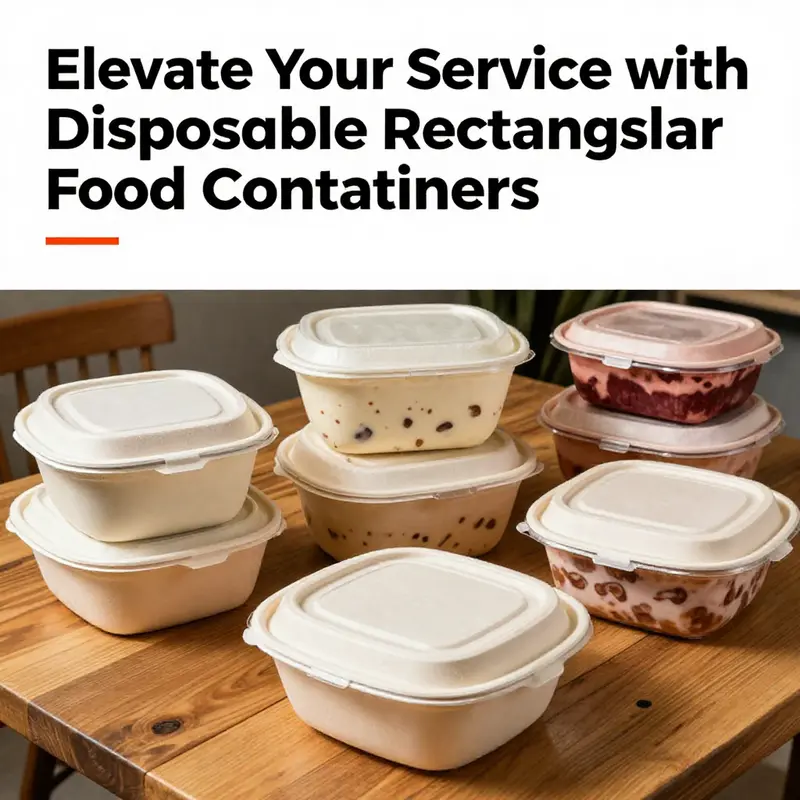
In today’s fast-paced and eco-conscious food service industry, businesses are increasingly seeking packaging solutions that prioritize both functionality and sustainability. Disposable rectangular food containers, often used in restaurants, catering services, food trucks, and beverage chains, offer a versatile range of options for efficient takeaway and event hosting. From traditional plastic varieties to innovative eco-friendly materials, the choices available cater to diverse business needs. This article explores the various types of disposable rectangular containers, highlights the eco-friendly trends shaping the market, examines material innovations, and provides a comparative analysis of pricing and market dynamics. Each chapter aims to equip you with the insights necessary to choose the best disposable packaging for your business.
Rectangular Footprint, Flexible Futures: The Evolution and Choices of Disposable Food-Container Design
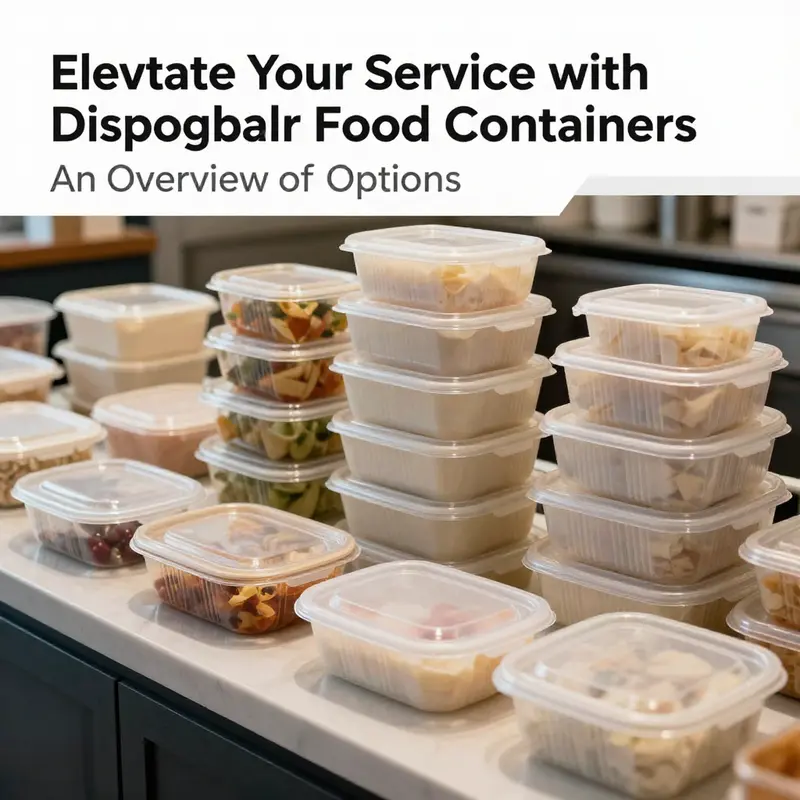
Rectangular food containers have become a quiet backbone of modern eating, from quick-service meals to home meal-prep routines. Their shape is not merely a matter of aesthetics; it is a deliberate design choice that optimizes space, stacking, and the flow of workflows in kitchens, catering operations, and retail displays. In a world that prizes speed and predictability, the rectangle offers a predictable footprint that fits neatly into shelves, coolers, and transport bags. Yet beneath the orderly outline lies a spectrum of materials, performance standards, and environmental considerations that modern buyers must weigh. The contemporary landscape presents a family of options that can be grouped into a few broad categories: traditional disposable plastics, plant-based and compostable alternatives, and durable reusables that sit on the boundary of “disposable” in the sense of one-time use versus long-term reuse.
At the heart of the most common disposable rectangle is a simple, pragmatic equation: keep foods fresh, prevent leaks, and maintain form during transport, all while keeping costs low enough for high-volume use. A representative example in many markets is a 220 millimeter long polypropylene (PP) rectangle with a lid. This form tends to be lightweight, microwave-safe, and designed to withstand the rigors of takeaway and meal-prep cycles. The economics of such containers often hinge on bulk purchasing, with minimum order quantities in the hundreds or thousands and unit pricing that can hover in a few cents per piece, depending on the specific construction and the supplier. The object in the cart is not just a container; it is a strategic tool for portion control, for reducing waste through better portioning, and for enabling efficient cold-chain management inside refrigerators and delivery bags. The allure is straightforward: a low-cost, reliable vessel that can protect a meal from spillages while offering a surface that is easy to label, segregate, and recycle where systems permit.
But the plain rectangle also invites questions about safety, performance, and sustainability. Food safety in disposable containers has evolved from a simple avoidance of contaminants to a broader assurance that the material will not interact with the food in adverse ways. A growing emphasis on BPA-free materials reflects a broader commitment to safeguarding consumer health, while leak-proof seals and robust lidding designs address the practical demands of hot and oily foods that threaten to escape their vessels. In busy takeout ecosystems, these features matter not only to consumer satisfaction but to the operational integrity of kitchens and couriers who need to keep products intact through transport. The shape, once a mere form, becomes a silent ally in the chain of custody for meals, desserts, and deli items.
Still, the story of disposable rectangles is not one of unqualified convenience. The environmental implications of disposable plastics have prompted both manufacturers and buyers to re-examine trade-offs. In many markets, the most economical plastic containers are still the default for mass takeout and single-serve meal-prep portions. The appeal is clear: they are inexpensive, lightweight, and adaptable to a wide range of foods—from soups and salads to multi-component meals with sauces and dressings. The trade-off, of course, is waste, and the realization that containment is only part of a larger lifecycle that includes sourcing, manufacturing, use, and end-of-life disposal.
This awareness has catalyzed a shift toward more sustainable options that still respect the practical demands of the rectangle. Kraft paper containers, for instance, offer a natural, compostable alternative that aligns with composting streams and recycling goals in many communities. A 750 ml disposable salad container with a paper lid exemplifies this category: it provides heat tolerance and a credible barrier to moisture while signaling a more environmentally responsible choice. Kraft-based solutions often trade some of the moisture- and heat-resistance performance of plastic for compostability and a less petroleum-intensive footprint. For caterers and retailers seeking to balance responsibility with performance, kraft can be a compelling option—especially for cold dishes or meals that are planned to be consumed soon after purchase.
Another pathway is plant-based, fully compostable options derived from renewable resources such as corn starch. Containers made from polylactic acid (PLA) or similar bio-based materials promise true compostability, reducing the accumulation of solid waste in ways that align with circular economy principles. For events, parties, or gatherings where truly eco-friendly packaging is a priority, PLA-based rectangles have gained traction because they are designed to break down under industrial composting conditions. The practical challenge, though, lies in the end-of-life infrastructure: not all locations can process compostable packaging, and the performance characteristics—such as heat resistance and leak protection—may differ from conventional plastic. Larger orders often unlock cost reductions, with prices dropping as volumes increase, creating a financial incentive to select supplier partners who can scale while maintaining consistent compostability claims. Even when PLA is not a perfect substitute in every scenario, the option broadens the toolkit for buyers who must navigate cost, convenience, and environmental stewardship.
A further dimension in this story is the emergence of recycled-content plastics, particularly post-consumer recycled PET (rPET). These containers retain the visual clarity that helps showcase foods, while offering a reduced reliance on virgin resin and supporting a circular economy. The barrier properties of rPET containers are typically robust, though they may not be microwave-safe and can exhibit lower heat resistance relative to some virgin plastic formats. For many operators, the decision to use rPET hinges on the intended use case: cold or room-temperature foods, display-ready products, and scenarios where microwave reheating is not required. The visual appeal of clear containers can support food presentation, a factor that matters in grab-and-go environments where appearance can influence purchase decisions.
Out beyond plastics and papers, there are even more durable, reusable options that anchor the broader conversation about rectangle-shaped containers. Stainless steel, while not disposable, has become a staple for reusable, leak-proof meal storage. These vessels often come with rigid, multi-compartment designs and excellent insulative properties, enabling hot or cold meals to be carried with reduced risk of leakage or temperature loss. For institutions and households prioritizing long-term reuse, stainless steel exemplifies how design can optimize assembly lines of food, containers, and accessories. Fabric or bamboo variants exist for non-food storage or decorative uses, but these are generally unsuitable for direct food contact due to hygiene and material concerns. They remind us that the rectangle has many potential identities—an everyday item that can be either a single-use workhorse or a durable, long-lived component of a more responsible pantry.
The decision matrix for disposable rectangular containers thus sits at a crossroad of cost, performance, and lifecycle impact. For takeout operations, the priority is predictable performance—leak resistance, lid reliability, and the ability to stack efficiently in bags and on shelves. For meal-prep and home use, the emphasis may shift toward portion control and space optimization in refrigerators, with an eye toward easy waste management after meals. And for businesses seeking to reduce waste and demonstrate environmental stewardship, the options expand to include kraft, PLA, and rPET, each with its own set of benefits and constraints. The practical takeaway is that the rectangle, in its modest practicality, is flexible enough to accommodate a spectrum of choices while remaining easy to source and cost-effective at scale.
Within this landscape, there is value in looking at examples that illustrate the differences in material behavior and end-of-life implications. Kraft paper containers, with their natural appearance and compostable appeal, demonstrate how surface texture and lid design can influence both heat tolerance and consumer perception. Corn-starch-based PLA containers, by contrast, showcase a strong alignment with composting goals but require careful coordination with local waste streams to ensure that compostable claims translate into real environmental benefits. The rPET route highlights the possibility of turning consumer waste back into usable packaging, maintaining clarity and barrier properties while reducing virgin resin demand. Each option brings a different combination of advantages and compromises, and the best choice depends on the specific context—the type of food, the expected duration of storage, the heating method, and the availability of recycling or composting infrastructure in the area where the product will be used.
Operationally, the design of a disposable rectangle is as important as the material. A well-conceived lid design can dramatically reduce the risk of leaks when transporting saucy items or soups. A tight seal, a rigid wall that resists deformation under pressure, and an interface that accepts labeling without obscuring essential information all contribute to a smooth workflow for workers and a confident experience for customers. The rectangular geometry supports efficient packing on trays, in stacks, and within delivery bags, reducing wasted space and improving overall logistics. In a marketplace where margins and throughput matter, the small advantages in container design can accumulate into meaningful improvements in speed, reliability, and customer satisfaction.
In practice, many buyers approach these choices by balancing the guarantees of safety and performance with the realities of cost and end-of-life responsibility. A wholesale or retail purchase decision is rarely about a single dimension; it is about how the container performs across a supply chain—from sourcing and manufacturing to transport, use, and disposal. The rectangle remains a practical default because it answers a broad array of needs with a familiar, predictable shape. Yet the rise of sustainable alternatives invites a more nuanced assessment. The best path may be to combine material options with strategic packaging choices: employing plastic for high-volume, fast-turnaround items where moisture resistance and heat tolerance are critical, and turning to kraft or PLA for products marketed on sustainability credentials, where compostability or renewable sourcing can be effectively communicated to customers. The balance is not static. As recycling and composting infrastructure evolves, and as consumer expectations shift toward greener packaging, the rectangle will continue to adapt while preserving its core value: a dependable, space-conscious vessel that supports both the meal inside and the system that delivers it.
To connect theory with practice, consider how a buyer might navigate a real-world choice. When a catering operation plans for a large event, they may prioritize a neutral, sturdy container that can handle a variety of foods and prevent leaks during long transport. In that scenario, a traditional plastic rectangle may remain attractive for its cost-effectiveness and performance. For a brand aiming to emphasize sustainability in a market where customers actively seek compostable options, a PLA-based rectangle or a kraft alternative might be chosen, accompanied by clear guidance to customers about proper disposal. For outlets that emphasize reuse and minimal waste, stainless steel or multi-compartment reusable boxes could chart a different path, one that emphasizes reusability over disposability but still relies on rectangular geometry for compatibility with existing racks and cooling units. The common thread is clarity: knowing what the container can and cannot do, understanding how it interacts with the food, and aligning that understanding with the broader environmental and operational goals of the business.
As this chapter unfolds, the conversation about disposable rectangular containers remains one of adaptation and responsibility. The rectangle does not force a single path; it enables a family of paths. The choice among plastic, kraft, PLA, and recycled-content options depends on the specific context, including the type of food, the expected duration of storage, the heating method, and the local waste-management infrastructure. In any case, the shape continues to offer advantages—compact stacking, stable handling, and clean presentation—while the material choices reveal a spectrum of opportunities to reduce environmental impact without sacrificing performance. For readers who want to explore concrete examples and product lines that illustrate these principles, a curated resource on eco-friendly takeout boxes offers a practical entry point and a bridge between concept and implementation. See the linked discussion on eco-friendly takeout boxes for food packaging to learn more about how these options translate into real-world packaging decisions and how they can align with a restaurant’s or event’s sustainability goals when paired with appropriate disposal practices.
In sum, the disposable rectangular container is not a static artifact but a dynamic element of food service and home storage. Its evolution mirrors a broader shift in packaging toward smarter design, better lifecycle thinking, and a willingness to experiment with materials that better reflect our collective responsibilities. The rectangle remains the backbone of practical functionality, while the choices around plastic, kraft, PLA, and recycled-content materials reveal a layered story about safety, efficiency, and environmental stewardship. The future, as it unfolds, will likely see more hybrids and hybrids of hybrids—containers that combine barrier performance with compostability, or that incorporate recycled-content layers without compromising clarity or strength. For now, the rectangle endures as a reliable, versatile form that continues to meet the demands of diverse users while inviting a more thoughtful approach to how we package, store, and dispose of food.
Internal reference note: for a practical look at how eco-friendly takeout packaging is being implemented in real-world settings, see the dedicated article on eco-friendly takeout boxes for food packaging, which discusses design considerations, material choices, and user-facing disposal guidance in a concise, application-focused way. eco-friendly takeout boxes for food packaging
External resource: for a broader sense of how retail and catering operations translate container design into customer experience and product presentation, you can explore a major retailer’s selection of food storage containers. https://www.crateandbarrel.com/furniture/food-storage-containers/c32856
Redrawing the Rectangle: Biodegradable Pathways and the Quiet Revolution in Disposable Food-Container Design
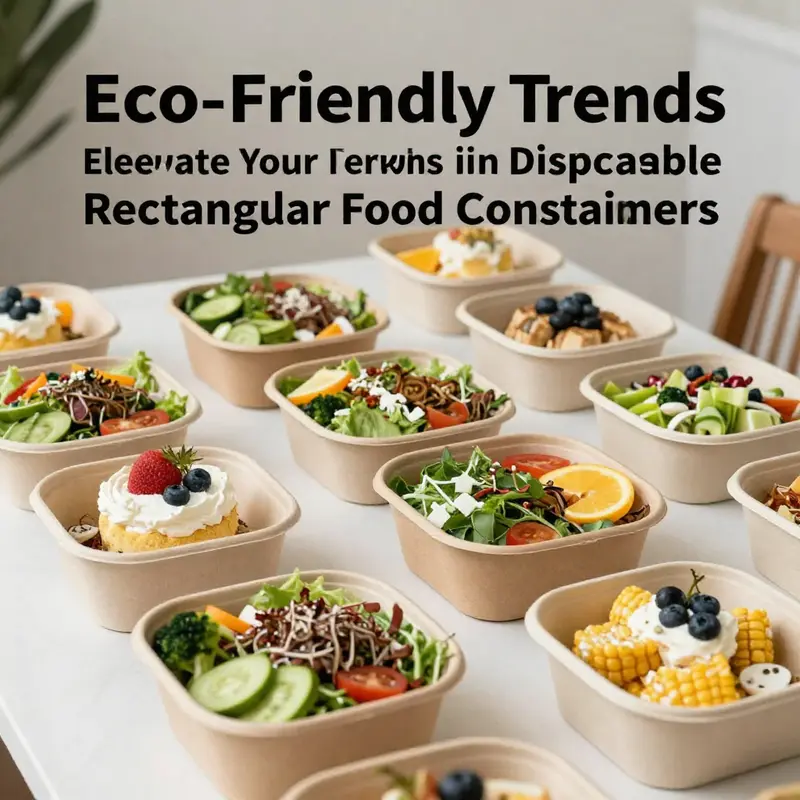
The rectangle is more than a simple silhouette in the world of disposable food containers. It is a shape that promises efficiency in handling, storage, and logistics, while also bearing the burden of environmental responsibility. In recent years, designers and manufacturers have begun to tilt the balance away from a default dependence on conventional plastic toward materials that align with ecological objectives and the realities of a circular economy. This shift is not a single-flash trend but a sustained evolution driven by rising consumer expectations, stricter waste-management guidelines, and the practical needs of food-service operations. At its core, the eco-friendly.Rectangle narrative embraces materials that come from renewable sources, can be responsibly disposed of or returned to feedstocks, and maintain the integrity of the food they protect. The result is a more diverse landscape of rectangle containers that are not merely substitutes for plastic but improvements in design, performance, and end-of-life outcomes.
Biodegradable materials have moved from novelty to practical backbone in these systems. Bamboo fibers and bagasse—the pulp left after sugarcane or other plant processes—offer renewability and compostability that resonate with brands seeking to minimize post-consumer waste streams. Bamboo, with its rapid regrowth cycle and sturdy fiber structure, provides a natural rigidity that suits meal-prep and deli applications. Bagasse brings another advantage: its fibrous composition yields a container body that tolerates heat and holds moisture where needed, while still breaking down in commercial or backyard composting environments. Crucially, these materials are being engineered to withstand the typical lifecycle of a food container—from the moment a consumer takes a meal to the point where it returns to the waste stream. They are not fragile props; they are functional vessels designed to perform under real-world conditions, including the pressures of takeaway service and the variability of storage temperatures.
An important part of the conversation centers on coating technologies and how they extend the utility of biodegradable substrates without compromising compostability. Eco-conscious packaging often relies on coatings made from polylactic acid (PLA) or similar plant-derived polymers to provide one of the most persistent challenges in natural-material containers: resistance to oil and water. Oil resistance is essential for foods like wraps with sauces, salads with dressings, and soups that rely on a confident seal to prevent leakage during transport. PLA-coated or otherwise treated surfaces can help maintain product integrity without transitioning to a petrochemical-based barrier that would hinder compostability. The coating must be carefully engineered so that it does not undermine end-of-life options; ideally, it remains compatible with composting streams or at least with recycling processes that handle the packaging as a composite. In design terms, that equates to multilayer solutions where each layer serves a purpose—structure, barrier, and compatibility—without creating an unrecyclable or non-compostable residue. The goal is to balance performance, safety, and environmental impact in a way that is measurable and scalable for mass production.
Eco kraft paper, with its long cellulose fibers, has emerged as a standout in this ecosystem. The natural brown tone of kraft communicates a sustainability narrative that many consumers associate with reduced processing and lower chemical load. Kraft’s inherent strength contributes to tear resistance and durability, which are essential when containers are stacked during transport or subjected to the rigors of self-serve or catering environments. Yet kraft paper on its own does not deliver oil resistance or watertight assurance, a shortcoming that often prompts coatings or barrier treatments. Biodegradable coatings, such as PLA-based layers, can mitigate this gap, enabling containers to safely hold soups, sauces, and oily foods while preserving a compostable profile. These coatings are not merely pragmatic add-ons; they are part of a broader design philosophy that treats the coating as a functional, service-oriented layer rather than a disposable afterthought. Reinforced seams and mechanical bonding further bolster durability, reducing leaks and enabling reliable stacking, which is critical for both the end consumer and the food-service operator who must manage hundreds of units per day.
The shift toward these materials and design practices is not without its challenges. Heat tolerance remains a central hurdle for many biodegradable solutions intended for hot meals or long-held soups. Some plant-based substrates begin to degrade or lose structural integrity at higher temperatures, which can complicate labeling, handling, and consumer experience. Moisture management is another tricky area, as oil migration and liquid penetration can compromise both the container and the enjoyment of the food it carries. Manufacturers respond with a combination of smarter substrate selection, targeted coatings, and optimized geometries that maximize rigidity without sacrificing biodegradability. The geometry itself—the rectangular form—lends efficiency in packing and shipping, reducing wasted space and enabling more predictable assembly lines in kitchens. It also helps with stacking stability in transit, which decreases the likelihood of leaks caused by shifting loads. When containers are designed to harmonize with the way food is prepared, portioned, and transported, the rectangular shape becomes a practical asset rather than a liability.
The transformation of rectangle containers into eco-friendly packaging is also about lifecycle thinking. A product might begin as a renewable raw material, be formed into a container with a biodegradable coating, be used for an array of deli and meal-prep applications, and finally be diverted to composting or recycling streams where feasible. This lifecycle lens is embedded in industry standards and regulatory expectations, which increasingly favor packaging that can be accurately sorted and processed at the end of life. Yet, the practicality of recycling and composting varies by region, which is why collaboration across the value chain matters so much. Producers, waste-management operators, regulators, and consumers must align on what constitutes an acceptable end-of-life pathway for these materials. The EPA’s guidance on sustainable management of food packaging offers a framework for thinking through these decisions, emphasizing the need for design for recyclability, compostability, and overall environmental accountability. In this sense, the rectangle container becomes a platform for sustainable decision-making, a test case for how new materials and process innovations translate into real-world environmental benefits.
What makes these developments particularly compelling is their compatibility with existing operational realities. Restaurants and caterers crave containers that are reliable, easy to stack, and cost-effective. The rectangular format shines in these respects. It aligns with standard prep and portioning workflows, fits neatly into racks and coolers, and optimizes space during transportation. Biodegradable options do not demand radical changes in supply chains; rather, they require careful sourcing, supplier collaboration, and widely available processing infrastructure to collect and manage end-of-life streams. The procurement and manufacturing ecosystems respond to these needs through combinations of renewable substrates, efficient converting technologies, and scalable coatings that can be applied with minimal process disruption. The result is not a radical, wholesale replacement of plastic but an intelligent, staged migration toward materials that can perform as well or better in many use cases while offering clear advantages at the end of life.
Internal collaborations play a key role in this transition. Brands exploring sustainable rectangle containers often seek suppliers who can demonstrate consistent performance, predictable pricing, and traceable material origins. They also look for packaging that communicates a commitment to the environment, which can translate into consumer trust and brand loyalty. In this context, the narrative surrounding rectangle containers becomes a story about responsible sourcing, technical compatibility, and practical impact rather than a merely aspirational claim. The discussion extends to coatings and adhesion systems that must be food-safe and compatible with the chosen substrate. Reinforced seams, leak-resistant designs, and the ability to withstand the rigors of shipping and storage are essential. The aim is to deliver packaging that protects flavor, preserves safety, and respects the environment without imposing extra burdens on kitchens, delivery drivers, or waste management facilities.
For readers who want to explore concrete examples of how these concepts are translated into products, one can turn to suppliers that offer disposable kraft-paper-based containers with lids designed for takeaway. These items illustrate how a simple rectangle can carry a robust set of performance attributes—strength, leak resistance, and a compostable end-of-life profile—when paired with appropriate coatings and seam technology. The emphasis is not merely on the container’s external appearance but on the total experience it enables: a meal that travels reliably from kitchen to consumer, with a minimal ecological footprint and a clear plan for end-of-life handling. This is where design meets policy and consumer behavior to shape a more sustainable packaging landscape that is still practical for everyday use.
In keeping with this integrated approach, the industry is actively pursuing standards and best practices that can guide product development, testing, and end-of-life sorting. Collaboration remains essential; regulators set the stage with guidelines that reward recyclable and compostable solutions, while manufacturers experiment with material blends and barrier technologies that extend usability and durability. Consumers, armed with information about the environmental footprints of different packaging options, influence market demand and push for clearer labeling and more responsible disposal options. The circle closes when waste streams are more efficiently diverted from landfills to compost facilities or recycling centers, and when packaging can be designed with this end in mind from the outset. In this sense, the rectangle container becomes more than a shipping or dining tool; it becomes a catalyst for change in how we think about packaging, disposal, and the long arc of material lifecycles.
To explore a concrete example of this approach in action, see the discussion around disposable kraft paper bowls with lids bulk rectangular bowls for takeaway. This line of products embodies how a humble rectangle can embody both performance and responsibility, offering structured strength, reliable sealing, and a pathway toward compostability that aligns with the principles described above. disposable kraft paper bowls with lids bulk rectangular bowls for takeaway. As this chapter connects, the future of rectangle food containers is not about a single material choice but about a careful orchestration of renewables, barrier science, durable design, and end-of-life clarity that supports a circular economy.
For those seeking more information on standards, testing, and best practices in eco-friendly packaging, the EPA provides resources on sustainable management of food packaging. The path forward is collaborative and incremental, but the destination—a system in which rectangle containers offer safety, performance, and environmental accountability—grows more tangible with every product iteration and every pilot program across the supply chain.
Shaping the Square: Material Innovations in Rectangle Food Containers from Plastic to Paper and Beyond
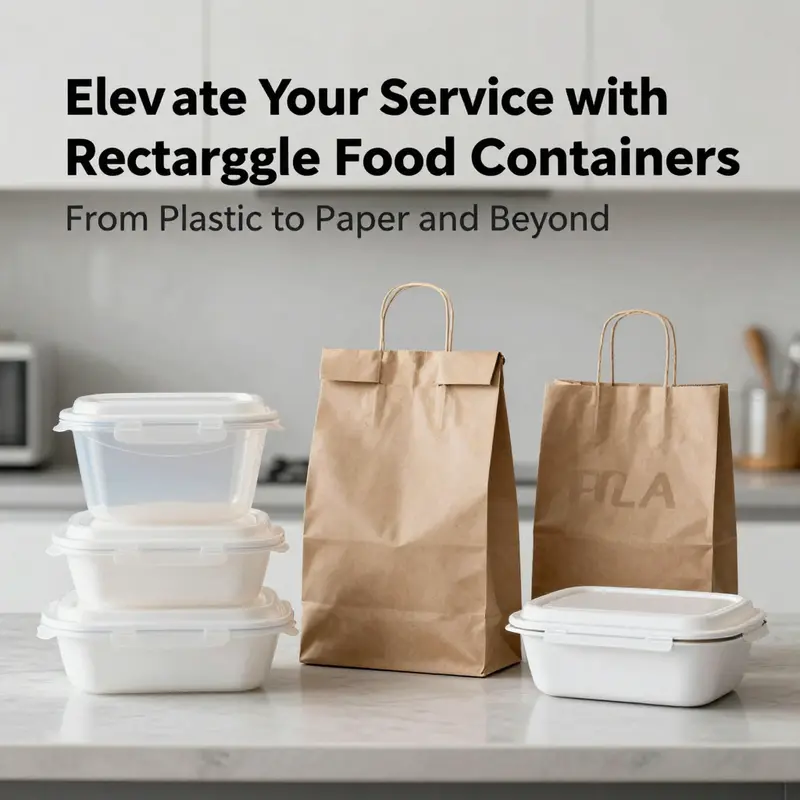
Rectangular food containers occupy a surprising amount of daily life, quietly shaping how meals travel from kitchen to consumer and back again. Their form—longer on the horizontal plane, flat and stackable—optimizes space in transport, storage, and display. Yet the choice of material beneath that tidy exterior reveals a broader story about convenience, safety, cost, and the planet. This chapter threads together the evolving material science behind disposable rectangle containers, tracing a path from enduring plastics toward sustainably minded paper and bio-based alternatives, while acknowledging the design ingenuity that makes these materials perform in real-world food systems. It is a narrative of balance: preserving the sensory and safety expectations of modern meals while reducing environmental footprints, all within a shape that remains ergonomic for both handlers and end users.
In the earliest days of mass-produced takeout and meal-prep solutions, plastic polymers dominated because they offered reliable barrier properties, light weight, and low manufacturing costs. The appeal lay in practicality: a single shape compatible with microwaves, grease resistance, and leak containment, all at a price point that encouraged widespread adoption. The rectangle, with its generous interior area and efficient packing geometry, became a workhorse for soups, ready-to-eat bowls, salads, and multi-component meals. The materials used were engineered to withstand the rigors of transit and handling, while often supporting short-term, single-use cycles that minimized the need for labor-intensive cleaning in busy kitchens. The economic calculus at scale favored polypropylene and similar plastics not merely for their physical properties, but for the simplicity of supply chains, standardized tooling, and predictable performance across diverse operating environments. This confluence of factors created an era in which plastic rectangles became almost synonymous with convenient, mass-market food packaging.
Yet the environmental consequences of disposable plastic packaging soon pressed into the foreground of public discourse. Microplastic concerns, litter, and the sheer volume of waste generated by single-use containers triggered a reevaluation of what counts as acceptable risk and what kind of stewardship a food system should practice. As a result, designers and manufacturers began to imagine alternatives that could deliver the same levels of safety, hygiene, and convenience without contributing disproportionately to landfills or oceanic debris. The shift did not occur overnight, nor did it require abandoning the virtues of plastic entirely. Instead, it spurred a continuum of material experimentation that pursued several parallel objectives: maintain barrier integrity and heat resistance, enable safe and hygienic use, support industrial or home recycling pathways, and, crucially, reduce environmental impact over the container’s life cycle.
A notable trend, emerging from both consumer demand and corporate responsibility initiatives, is the gradual migration toward paper-based packaging. Kraft paper and other paperboard solutions have gained traction not just for their end-of-life narrative but for the perception of a more earth-friendly footprint. Restaurants and food-service operators have reported that paper-based containers often resonate well with customers who associate them with natural aesthetics and reduced guilt about waste. The appeal extends beyond optics; paper containers can be engineered to endure heat and moisture while offering compostability or recyclability under appropriate conditions. A practical advantage is that paper-based systems can blend straightforwardly into existing disposal streams in many regions, reducing the complexity and cost of waste management for venues that serve large volumes daily. The shift toward paper does not imply a sudden rejection of plastic’s performance benefits; rather, it signals a nuanced trade-off where environmental considerations, brand storytelling, and long-tail cost dynamics begin to tilt decision-making in favor of greener alternatives when they can meet required performance thresholds.
Among the most compelling developments is the rise of plant-derived and bio-based materials designed to emulate the functional attributes of conventional plastics. These innovations extend beyond simply substituting the raw material; they seek to recreate the protective barrier properties, heat tolerance, and leak resistance that diners expect while offering pathways to compostability or recyclability in specialized facilities. Plant-based polymers, reinforced cellulose fibers, and bio-based coatings collectively aim to deliver a high barrier against moisture and odors, preserve the texture and freshness of multi-component meals, and maintain sufficient structural rigidity for stacking and transport. An important dimension of this work is the integration of advanced packaging technologies, such as high-barrier laminates and smart coatings, which can enhance shelf life and food safety without sacrificing recyclability where feasible. In parallel, active packaging concepts—where the packaging interacts with the contents, for example by regulating residual oxygen—emerge as a tool for extending the viability of perishable items. All of these advances reflect a broader aspiration: to preserve the practical strengths of rectangle containers while reducing the environmental burden that often accompanies disposable packaging.
Design ingenuity also plays a central role in the conversation about rectangle containers. The rectangle’s geometry is inherently efficient, but real-world meals are rarely uniform. Segmented designs that keep components separate allow for texture preservation and flavor integrity, especially for multi-part meals like rice bowls with toppings, or salads with crunchy add-ins. Material choices for these designs increasingly favor eco-conscious options such as bamboo or recyclable plastics, which align visual aesthetics with sustainability goals. Yet the question of end-of-life management remains pivotal. Reuse is possible with robust, sealable stainless steel or other durable options, but for many applications, single-use convenience remains essential. In this context, the ongoing challenge is to optimize the balance between single-use practicality and the possibility of future reuse or more responsible disposal. A growing body of research in packaging design emphasizes that shape, rigidity, and surface properties can be tuned to support better stacking efficiency, lower transport emissions, and easier sorting for recycling or composting, which in turn affects the overall environmental performance profile of rectangle containers.
Consumer psychology also enters the equation in meaningful ways. The material that surrounds a meal can influence perception of portion size, indulgence, and value. Studies suggest that paper-based packaging can subtly recalibrate consumer expectations, sometimes linked to a perceived reduction in extravagance. This effect does not negate the functional requirements of containment and safety, but it adds another layer to the decision calculus for brands seeking to shape purchasing behavior alongside sustainability narratives. The interaction between form and function—how a rectangle container feels in a server’s hands, how it communicates safety through its surface, and how it looks in a dining environment—can influence perceived quality and even how much of a meal a consumer consumes. For operators managing a menu with multiple components, these perceptual nuances matter, guiding choices about which materials to deploy for different product lines, events, or service channels.
The practical realities of supply chains and manufacturing costs cannot be ignored in this transition. Paper and bio-based options often carry different price dynamics than traditional plastics. The initial cost per unit may be higher, but lifecycle considerations can yield savings over time. For instance, improved compatibility with recycling systems and potential reductions in waste disposal fees can tilt the overall economics in favor of paper-based solutions, especially for high-volume operations that prioritize brand image and customer satisfaction. The reality for many players is a phased approach: tease the market with greener options for select SKUs or events, and gradually scale up as process improvements, supplier capabilities, and consumer demand align. In this trajectory, the rectangle remains a practical platform for delivering meals, while the material under it becomes the focal point for environmental stewardship and strategic differentiation.
From a materials science perspective, the innovation landscape is moving toward hybrid approaches that blend the best of multiple worlds. For example, layers of recyclable paperboard can be combined with thin, compostable coatings that deliver grease resistance and moisture control without compromising recyclability in the appropriate streams. The challenge is not merely to create a container that can hold a hot, saucy meal, but to ensure that every component—lid, seal, and outer wall—works together to minimize leakage, heat loss, and packaging waste. This systems thinking is essential when considering how containers are disposed of after a meal; it pushes designers to think beyond the single-use moment toward the container’s entire life cycle, including how it is collected, processed, and repurposed or broken down in practice.
In practice, a growing segment of the market is experimenting with paper-based solutions that retain heat and resist leakage, offering performance on par with some plastic equivalents under typical use scenarios. These innovations often leverage a combination of board strength, optimized wall thickness, and surface treatments that resist oil and moisture. The end result is a rectangle that can withstand a typical restaurant service window, deliver a satisfying dining experience, and still be disposed of in a channel that aligns with regional waste-management infrastructure. The question of when to choose a paper-based option versus a plastic one tends to hinge on context: the expected duration of the meal, the likelihood of reuse, the available recycling or composting pathways, and the brand’s sustainability commitments. As operators weigh these factors, the rectangle serves as a flexible platform whose material composition can be tuned to align with strategic priorities without sacrificing practicality.
The material conversation also includes a candid acknowledgment of ongoing concerns about the environmental footprint of even biodegradable plastics and compostable coatings. While these innovations reduce certain impacts, they are not a panacea. Monomer migration, compostability requirements, and the energy intensity of industrial composting facilities are critical considerations that researchers and regulators continue to scrutinize. This reality reinforces the need for rigorous testing, transparent labelling, and harmonized standards across jurisdictions. Packaging manufacturers increasingly embrace life-cycle assessments and third-party certifications to provide consumers with credible information about disposal options, performance, and end-of-life outcomes. The pursuit is not only to create alternatives to traditional plastics but also to ensure those alternatives behave responsibly across the chain—from production to post-consumer processing.
Beyond the materials themselves, the rectangle’s potential for integration with digital and logistical technologies opens new horizons. Time-temperature indicators, smart labels, and traceability data can be embedded in or attached to packaging to enhance food safety, quality assurance, and inventory management. Such intelligent packaging technologies can help brands monitor shelf life, detect temperature abuse, and provide real-time information to consumers about storage and disposal. The convergence of sustainable materials with digital capabilities points toward a future where a simple rectangular container communicates a wealth of information while still meeting environmental goals. Achieving this requires collaboration across disciplines—materials science, packaging engineering, supply chain analytics, and policy design—to ensure that innovations are practical, scalable, and accessible to a wide range of operators.
The journey from plastic to paper and beyond is not a single, linear path but a landscape of choices that reflects how society values convenience, safety, economy, and ecological responsibility. The rectangle remains a practical default because it occupies a core niche in food packaging: it can hold diverse foods, fit neatly into stacks and shelves, and travel through complex delivery and service ecosystems with relative ease. The ongoing challenge—and opportunity—is to preserve the rectangle’s strengths while reimagining its material foundation so the container can be responsibly sourced, efficiently managed, and effectively reused or recycled. In this sense, innovations are not only about substituting materials but about rethinking packaging as a system. The aim is to maintain the confidence of cooks, servers, and diners while steering the packaging narrative toward a future where less waste, better end-of-life outcomes, and smarter design coexist with the unyielding demand for safe, reliable, and affordable food containers.
For readers seeking a concrete glimpse into a particular strand of this evolution, consider how kraft-based options are being marketed and deployed in practical settings. A representative example in the broader ecosystem shows kraft paper soup containers with lids designed for bulk takeaway and noodle-soup service. These containers exemplify a shift toward natural aesthetics, improved end-of-life options, and compatibility with common waste streams, while still delivering reliable heat resistance and leak control. The example underscores a broader point: even within the rectangle, there is room to tailor materials to the meal type, service channel, and environmental commitments of the operator. In this context, the rectangle becomes not just a geometric form but a modular platform for responsible packaging strategy that can adapt to changing consumer expectations and policy landscapes.
As the field progresses, researchers and practitioners will continue to explore how the interplay between material science, design, and consumer behavior shapes the next generation of disposable rectangle containers. The ambition is to preserve the efficiency and safety that have made rectangle packaging a mainstay, while achieving meaningful reductions in waste, improved recyclability, and more explicit disposal pathways. The evolving material palette—ranging from traditional plastics to kraft paper and bio-based composites—offers a spectrum of choices that can be matched to specific use cases, supply chains, and cultural contexts. In practice, this means that buyers, chefs, and facility managers must remain vigilant about end-of-life options, local recycling capabilities, and the true environmental trade-offs of each material choice. The rectangle, in other words, continues to be a canvas on which the packaging industry experiments, learns, and refines its approach to sustainability, safety, and practicality.
For further exploration of trends and technologies that shape this field, see the broader synthesis of current innovations in packaging and food systems in the external resource linked at the end of this chapter. The dialogue between material science and consumer expectations is ongoing, and the rectangle remains a steadfast form through which that dialogue unfolds.
Internal link note: For a concrete example of how kraft-based, heat-resistant, leak-controlled options are presented in practice, you can explore related packaging solutions such as kraft paper soup containers with lids. kraft paper soup containers with lids.
External reference for further reading: https://doi.org/10.1007/978-981-15-2556-8_15
Pricing Currents and Material Motions: A Cohesive View of Disposable Rectangular Food Containers
Rectangular food containers occupy a central niche in the takeout, meal-prep, and catering ecosystems because their shape aligns with efficiency in stacking, shipping, and portion control. The market dynamics around these containers are not simple; they are shaped by material science, manufacturing scale, distribution channels, and the evolving priorities of buyers. In practice, price signals reflect a matrix of choices—material composition, intended use, durability, packaging logistics, and the degree to which sustainability and convenience are valued by the end user. A careful read of the pricing landscape reveals a bifurcated world in which low-cost, high-volume disposables drive the industrial side of the market, while mid- to high-range options cater to consumers and operators who demand greater reliability, longevity, or environmental responsibility. The resulting price bands are not arbitrary; they map onto distinct use cases, procurement strategies, and expectations for performance, leak resistance, microwave safety, and end-of-life options.
On the wholesale and factory-direct side, basic disposable rectangular containers—often made from aluminum or simple plastics—are priced in a way that underscores scale and mass production. A representative example from factory-direct channels shows prices that fall into a narrow, cost-conscious band, roughly around three to four cents per piece, with a notable minimum order quantity that sits in the tens of thousands. The implication is clear: for large-volume food service operations, catering distributors, and packaging suppliers, the appeal lies not in individual unit quality but in predictable cost per unit at very high quantities. This segment is optimized for lean margins and quick turnover, and it emphasizes efficiency in the supply chain, from manufacturing lines to warehouse storage and onward to end users who need dependable, disposable packaging for heat retention and grease resistance.
In direct consumer channels, the pricing picture shifts markedly. When buyers search through retail-focused marketplaces or general e-commerce platforms geared toward home use, the price bands tend to cluster in a higher range. A typical spread often centers around roughly six to twelve dollars for a single container or a small set, with the emphasis on durability, reusability, and the potential for long-term value. These products are frequently built from materials that can withstand repeated handling, may offer multiple compartments or robust lids, and are positioned to appeal to households seeking reliable storage solutions, meal-prep convenience, or eco-conscious alternatives. The higher price point reflects not only material quality but also the perceived value of a designed lifetime in a consumer kitchen, where performance during microwave reheating and leak resistance are part of the decision calculus.
The retail giant segment offers a different price structure again. Multi-pack configurations and bundled offerings can bring the per-unit cost down, yet the headline prices often remain accessible enough to attract everyday household use. A price point around four dollars per package, when sold in bulk, is common in consumer-facing outlets. This reflects a balance between affordability for home cooks and the operational realities of retailers who carry a broad assortment of storage solutions. In these contexts, the design priorities expand beyond single-use convenience to include packaging aesthetics, branding potential, and the ability to minimize waste through reuse and proper sorting for recycling where feasible.
Premium, specialty options occupy the high end of the market by focusing on functionality that goes beyond simply storing food. Insulated, temperature-retentive rectangles—designed for meal delivery or outdoor events—command higher prices because they promise to keep hot foods hot or cold dishes properly chilled for longer periods. The value proposition here hinges on performance: the ability to maintain a safe serving temperature, resist leaks, and support extended transport times. While the spectrum of premium products varies with size, color, and insulation technology, the common thread is a premium on reliability and experience, rather than on low-cost per unit alone.
A crucialdriver across all segments is the material composition itself. Plastic-based rectangular containers remain a workhorse for many operators due to their light weight, versatility, and cost. However, the environmental and regulatory landscape has pushed both manufacturers and buyers to consider alternatives. Kraft paper and corn starch-based (PLA) options have risen in visibility as compostable or recyclable choices. Kraft paper, often used for salad containers or general food bowls, leverages a natural aesthetic alongside a functional carton-like exterior. These containers can be heatable and grease-resistant, presenting a practical compromise between performance and end-of-life considerations. The corn starch-based PLA option, derived from renewable resources, has been marketed as a genuinely compostable solution that aligns with events, parties, or any context where true eco-friendliness is valued. The price dynamics for PLA containers show a downward trend as volume increases. For orders in the mid-to-large range, prices can fall from roughly five to six cents per piece for moderate volumes toward the low four-cent range for substantial production runs, with bowl sizes and packaging configurations affecting the exact figure. Importantly, PLA containers are frequently marketed as microwaveable and leak-proof, reinforcing their suitability for single-use scenarios that demand responsible disposal after use.
Kraft and PLA options sit alongside plastics and metals to form a diverse palette of choices. Kraft containers with heat-tolerant properties, for instance, address a niche where customers seek recyclable or compostable packaging without sacrificing the user experience. PLA and other bioplastics carry the promise of reduced dependence on finite fossil fuels, but they also pose questions about composting infrastructure, local regulations, and consumer behavior. The trade-off is clear: choosing a compostable or biodegradable option often comes with a premium that reflects the lifecycle costs and the complexity of ensuring proper end-of-life processing. In practice, buyers weigh the upfront price against the downstream costs and benefits—whether cost savings from disposables end up offset by waste disposal fees, or whether a sustainable choice strengthens brand alignment with environmental stewardship and customer expectations.
Another layer shaping price dynamics is the channel mix itself. B2B sourcing platforms emphasize factory-direct pricing and large MOQs, reinforcing a cost-centric approach to procurement. The focus here is on unit economics, predictability, and the ability to fulfill massive orders for food-service contracts, catering operations, and distributors who resell to smaller buyers. In contrast, consumer-focused platforms curate a more variegated assortment, where the emphasis shifts toward design, durability, and the promise of reuse along with recyclability. The price bands on these platforms underscore how the same fundamental rectangle—from a practical standpoint—can be interpreted as a disposable workhorse in one setting and as a long-term storage solution in another. The result is a market where the same product category can be priced to serve very different value propositions, and where procurement strategies must align with the intended use-case, rather than relying on a one-size-fits-all approach.
Against this backdrop, the choice of material becomes a critical driver of cost and performance. Aluminum foil containers, favored for their rigidity and heat resistance, are often deployed in environments where quick turnover and reliability are paramount. Their low unit price in bulk makes them attractive for mass catering, large-scale event packaging, and wholesale supply chains, even though they may not offer the same level of reusability as more robust plastics or metal containers. The plastic rectangle, particularly when designed with leak resistance and microwavability in mind, tends to straddle the line between disposability and durability. For many operators, it is the versatility of the lid mechanism, the tightness of the seal, and the ease of stacking that determine value as much as the per-unit cost.
The sustainability conversation further complicates pricing decisions. Eco-friendly alternatives, including kraft and PLA-based containers, must be evaluated not only on raw material costs but also on their compatibility with waste streams, consumer perceptions, and the availability of composting infrastructure. In regions with robust composting or industrial facilities, compostable options can be cost-competitive when viewed through the lens of environmental impact and potential regulatory incentives. In other locales, local scarcity of composting services may dampen the perceived value of these measures, even if the containers themselves perform well. Buyers increasingly integrate lifecycle thinking into their purchasing decisions, weighing the upfront price against the expected frequency of reuse, the ease of disposal, and the alignment with corporate or municipal sustainability goals.
From a practical standpoint, the decision to select a rectangular container hinges on a sliding scale of trade-offs. If the aim is to minimize per-unit costs and maximize margin on large contracts, a low-cost plastic or aluminum option is compelling, provided it meets required performance criteria for heat retention, leak resistance, and transit handling. If the objective includes signaling environmental responsibility or meeting customer expectations for responsible packaging, a switch toward kraft or PLA may be warranted, albeit with heightened attention to supply chain reliability and end-of-life logistics. For applications that require consistent temperature control, multi-compartment configurations, or extended transport times, premium insulated designs may be justified, with expected payoffs in customer satisfaction and brand differentiation even if the initial price is higher.
The internal market structure also suggests a practical takeaway for buyers and suppliers alike. The price signals imply that an operator can optimize for total cost of ownership by mapping procurement decisions to specific use cases. For example, a high-volume takeout operation might benefit from a standardized, low-cost rectangle for most daily packs, paired with a small subset of premium or eco-friendly options for signature meals or special events. A retailer or caterer seeking to differentiate through sustainability could deploy a mix that emphasizes compostable kraft or PLA containers in certain product lines, while maintaining a bulk-friendly option for regular days. In both cases, the strategic mix reduces exposure to price volatility in a single material and leverages the strengths of a diversified portfolio.
To illustrate how this translates into practical guidance, consider the lifecycle and cost profile of a typical rectangle container across segments. In a mass-distribution context, the per-unit cost can be driven down by higher MOQs and streamlined manufacturing, but the total landed cost must account for freight, storage, and handling. In consumer-oriented settings, the purchasing decision weighs design and durability, which can justify higher sticker prices and more generous return on perceived quality. Premium segments, where insulation and temperature control are central, emphasize performance over mere disposability, with pricing anchored in the added value of reliability and the brand experience that comes with trusted containment. In each case, the optimal choice is not a single best option but a tailored mix that aligns with the specific demands of the business model, the end consumer, and the environmental context in which the product operates.
For readers seeking concrete reference points within this landscape, the market presents a spectrum of price observations. Factory-direct, basic disposable aluminum or simple plastic rectangles tend to cluster at the lower end of the spectrum, with per-piece costs that reflect mass production and distribution efficiency. Consumer-oriented sets, including more durable plastics or sustainable alternatives, frequently sit in a mid-range, where durability, reusability potential, and eco-friendly messaging contribute to overall value. On the premium side, insulated options and multi-compartment configurations command higher prices, justified by the added capabilities and the longer service life they promise in restaurant delivery, catering events, or outdoor settings. The structural takeaway is clear: price is a proxy for a bundle of capabilities, lifecycle assumptions, and channel strategies rather than a single attribute.
As the market evolves, buyers and suppliers should monitor several guiding threads. First is the continued push toward sustainability, balanced against supply chain resilience and end-of-life infrastructure. Second is the ongoing refinement of designs that improve leak resistance, microwave safety, and food integrity during transit. Third is the strategic use of MOQs and multi-pack configurations to optimize logistics and reduce unit costs without sacrificing the flexibility that modern food service demands. And fourth is the need to align purchasing decisions with the broader business objectives—whether reducing waste, communicating brand values, or delivering consistent service quality at scale.
One practical way to explore these dynamics without getting lost in product-spec minutiae is to examine how different procurement strategies map onto concrete use cases. A high-volume quick-service operation, for instance, prioritizes predictable costs, rapid replenishment, and standardized formats that fit a fleet of delivery bags and warming units. A mid-sized cafe chain might balance cost with environmental commitments, choosing a mix of sturdy, reusable options for in-house use and compostable disposables for takeout. A large event or catering company may lean into premium, insulated rectangles for long-haul service, where temperature stability and presentation become part of the event experience. Across all these scenarios, the underlying truth remains: the rectangle container is a pragmatic interface between food and consumer, and its pricing is a mirror of the decisions surrounding materials, performance, and end-of-life expectations.
For readers who want a concrete pathway to broadening their understanding of this market, one avenue is to compare the available options across platforms and observe how price and feature sets diverge as the scale and intent shift. In the realm of eco-conscious choices, the potential exists to combine cost-effective disposables with a structured recycling or composting program at the consumer level. In contrast, the appeal of ultra-low-cost disposables lies in simplicity and speed, especially for high-turnover operations that prioritize efficiency and volume over lamination or branding. Each choice is a deliberate trade-off, not an accident of supply or demand, and the right mix depends on the operator’s capacity to manage costs, meet customers’ expectations, and adapt to changing waste and sustainability norms.
In sum, the pricing dynamics of disposable rectangular food containers reveal a marketplace that rewards geometry, material science, and supply-chain discipline as much as aesthetics and branding. The shape remains a constant, while the materials and features shift with environmental incentives, regulatory landscapes, and the evolving preferences of food-service operators and households. Buyers who understand the spectrum—from low-cost, high-volume disposables to insulated premium options and eco-friendly alternatives—stand to optimize both cost and performance. The challenge is to design a procurement strategy that harmonizes price, performance, and responsibility across a diverse supply chain, ensuring that the humble rectangle continues to serve as a reliable, adaptable, and increasingly sustainable interface between food and the people who share it. For further reading on sustainable and durable rectangular containers, visit the external resource linked at the end of this chapter.
Internal resource note: for a practical example of bulk, eco-friendly kraft-paper options in the rectangular family, see this product line described as disposable kraft paper bowls with lids bulk. It illustrates how a single product category can balance disposability with recyclability, and how a bulk option may complement other materials in a diversified packaging mix. disposable kraft paper bowls with lids bulk.
External resource: Sustainable and Durable Rectangular Food Containers. https://www.alibaba.com/showroom/rectangular-food-containers.html
Final thoughts
In conclusion, disposable rectangular food containers are essential for a wide array of food service businesses, from restaurants and caterers to food trucks and event planners. Understanding your options, including the diverse range of disposable plastic choices and emerging eco-friendly solutions, is vital in making informed decisions that align with your operational needs and sustainability goals. By embracing the material innovations adapting to consumer demands and being aware of the market dynamics, your business can effectively elevate its service and enhance customer satisfaction.