
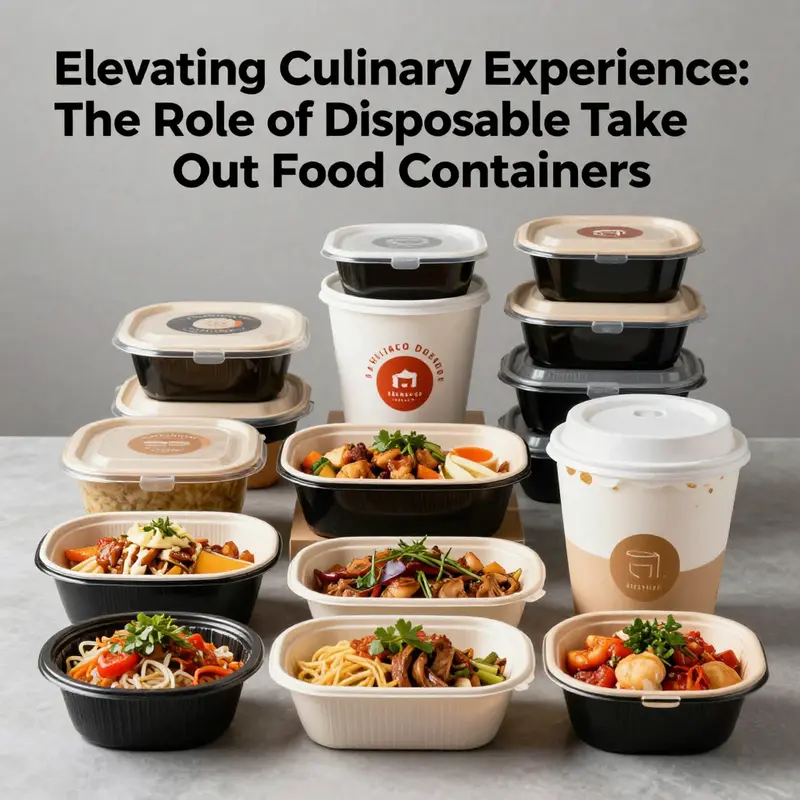
In a world where convenience meets quality, disposable take out food containers serve as essential tools for restaurants, food trucks, and event planners. These containers not only provide a hygienic and efficient way to transport meals but are now becoming more advanced in design and sustainability. This article dives deep into the innovative features of these containers, their environmental impact, and the latest market trends to help food service businesses choose the right packaging solutions for their needs. From unique designs that enhance the dining experience to eco-friendly options that resonate with today’s conscientious consumers, we will guide you through everything you need to know about disposable take out food containers.
Designing for Delicacy, Delivery, and Sustainability: The Modern Disposable Takeout Container
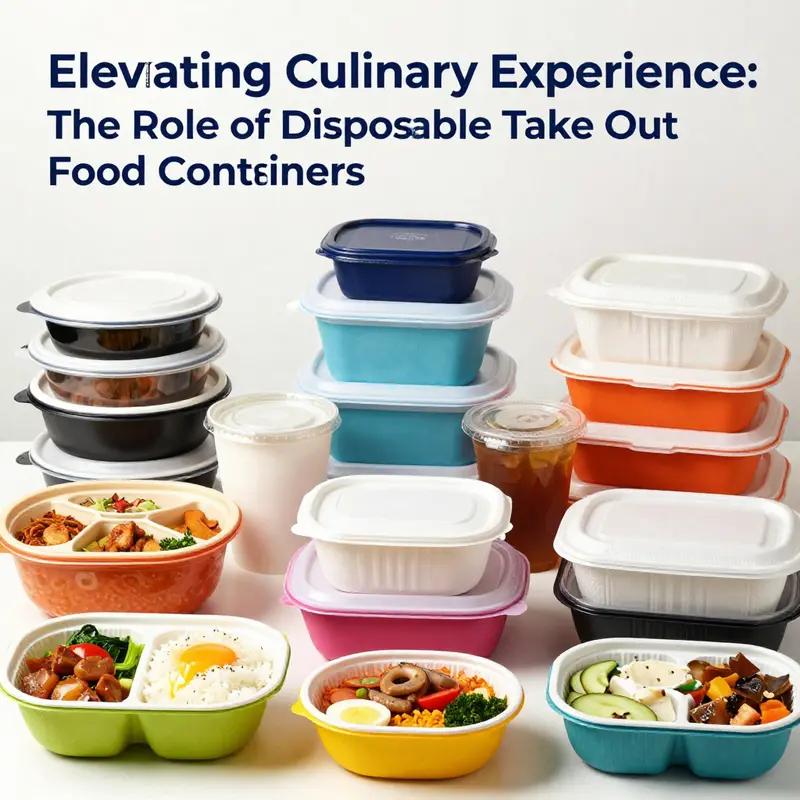
Every leap in the design of disposable takeout containers has been a response to a real-world pressure: customers demand meals that travel well, restaurants seek efficiency and reliability, and communities push for packaging that respects the environment. The modern container is no longer a simple vessel; it is a carefully engineered system that balances several competing demands. It must protect the integrity of the food during transit, present it in an appealing way, and keep costs predictable for operators who juggle slim margins and high volumes. At the same time, design choices must align with evolving sustainability goals and regulatory expectations. This convergence of practicality, aesthetics, and responsibility has driven a steady evolution in materials, structures, and features that define the contemporary disposable takeout container. Each advancement has a story about trade-offs and optimization, revealing how the best solutions emerge from a rigorous evaluation of use cases and user experience, from the kitchen to the curb, and finally to the consumer’s table or desk.
Durability and leak resistance anchor the practical value of these containers. The materials most commonly employed—polypropylene (PP) and polystyrene (PS)—have long been prized for their strength, lightness, and resistance to pressure. In everyday terms, a well-designed lid and base can keep sauces from leaking even when a box is inverted in a courier bag or stacked under heavy loads. This is not a trivial requirement, given the diverse range of foods these containers carry: soups and curries that slosh, noodles with glossy sauces, salads with creamy dressings, and stews with layered textures. The ability to maintain containment is a core performance criterion that affects brand reputation, packaging waste, and even insurance considerations in delivery operations. Beyond the lid and base, the segmentation inside a container—whether through notched lids, modular compartments, or paneling that encourages even pressure distribution—helps reduce the risk of leaks and spills during handling and transit. Such design considerations are not merely about keeping contents inside; they are about preserving the overall quality and sensory appeal of the meal. A leak-proof, structurally sound container reduces the likelihood of compromised presentation, a factor that often weighs heavily in customer satisfaction scores and repeat orders.
User convenience has moved from novelty to necessity. Modern containers increasingly feature easy-open mechanisms, such as pull-tabs or intuitive notches, that allow customers to access their meals quickly without fumbling with tools or risking spills. This is particularly important for on-the-go consumers who are juggling mobility with the desire to snack or eat while commuting. The ease of access is complemented by thoughtful lid design that prevents accidental openings during transit but can be opened with one hand. The rise of compartmentalized designs also plays a critical role in user experience. By separating items that have different moisture or oil content, these containers help maintain texture and prevent sogginess. A well-planned internal layout can keep crispy elements crisp, preserve the integrity of delicate garnishes, and ensure that sauces do not mingle with accompaniments too early, all of which enhances enjoyment at the moment of consumption.
Transparency and freshness have become marketing and quality signals alike. Many containers incorporate transparent windows, typically made from PET, that allow visibility of the contents. This feature is more than cosmetic; it helps consumers confirm the presence and portion size of a given dish, supports marketing efforts with enticing visual cues, and reduces the need for opening the container merely to verify what is inside. At the same time, the outer shell—often PP or PET itself—must be strong enough to resist warping in hot environments and to withstand the mechanical stresses of stacking and transport. The combination of visibility and rigidity has become a standard expectation in many segments of the takeout market, especially for cold dishes and salads where color, garnish, and portion integrity contribute to perceived freshness. Yet visibility must be balanced with safety and heat considerations. Materials chosen for windows must resist haze and yellowing while remaining food-safe under typical storage and transport temperatures.
Sustainability innovations are no longer a niche consideration; they are now a central criterion for many operators and consumers. A growing portion of containers relies on eco-friendly materials such as recycled paperboard or molded fiber. These alternatives are designed to be compostable or at least more readily recyclable than traditional plastics. The market is responding to a clear signal: end users want options that minimize environmental impact without sacrificing performance. Biodegradable and compostable variants often source pulp from plant-based fibers such as sugarcane or bamboo, which can reduce the carbon footprint associated with production and end-of-life disposal. This shift supports businesses that emphasize sustainable sourcing, waste reduction, and a circular economy. Yet sustainability also introduces trade-offs. Some plant-based or recycled materials may offer slightly lower barrier properties or moisture resistance compared to virgin plastics. This requires a careful calibration of coatings, surface treatments, and inner linings to preserve food quality while maintaining compostability or recyclability. The ongoing challenge for designers is to maximize performance while guaranteeing a feasible and scalable end-of-life outcome for the packaging, whether through industrial composting networks or municipal recycling streams.
Standardization and compliance underpin the predictability that both restaurants and distributors rely on. Across the industry, there is increasing adoption of standardized capacities and shapes, with common sizes such as 650ml, 1400ml, 1800ml, 2500ml, and 3000ml appearing across regions. Standardization simplifies inventory planning, enables bulk purchasing, and supports interoperable lids and bases across different lines of food service equipment. For operators, being able to mix and match components without exporting mismatched lids or incompatible seals reduces waste and shipping complexity. Compliance with quality and safety standards—illustrated by certifications such as SGS and CE—offers assurance that containers meet rigorous testing for hygiene, heat resistance, and consumer safety. This assurance is especially valuable for institutions like schools, corporate cafeterias, and healthcare facilities, where reliability and traceability are essential. The presence of third-party conformity marks helps reassure buyers that the packaging has undergone independent testing for contact with food, migration of chemicals, and performance under typical consumer use conditions.
The design dialogue also extends to customization and cost-effectiveness, which matter greatly in the fast-paced world of takeout. Wholesale suppliers now offer customizable options that accommodate branding goals, color schemes, and functional features. A common route is to provide stackable bases that maximize storage in kitchens and during delivery, along with microwave-safe labels that make reheating straightforward for consumers who wish to heat their meals without transferring to a separate dish. From a business perspective, scale matters. Higher-volume orders allow for more aggressive pricing and the opportunity to embed additional performance features—for instance, corrosion-resistant closure mechanisms, improved grease resistance, and inner coatings that repel moisture or oil without compromising compostability. Customization is rarely about aesthetics alone; it is a strategic response to operational challenges, such as the need to prevent leaks during vigorous transport, or to maintain a neat, professional appearance when the container is opened in front of customers.
A linked thread through all of these features is the tension between reusability, single-use convenience, and environmental responsibility. The modern disposable container tries to deliver the best of both worlds: the ease and low upfront cost of single-use packaging, coupled with advances that make disposal or recovery less burdensome for the environment. This tension is not resolved by any single material choice or lid design; it requires an integrated approach. For some operators, the priority is to eliminate leaks and catastrophes in transit, even if that means opting for more robust barrier properties or heavier materials. For others, the priority is end-of-life processing, which pushes the move toward compostable fibers and fully recyclable structures. Still others balance both ends by selecting multi-material constructions where the outer shell remains recyclable while inner coatings provide necessary moisture barriers. The design space is large, and the best outcomes come from a deliberate alignment of product performance with the specific delivery context—whether the food travels to a park, an office complex, a dormitory, or a customer’s home.
As the industry has matured, notable design trends have emerged that reflect both practical learnings and evolving consumer expectations. First, there is a clear shift toward leakproofness that does not compromise ease of use. Innovations include tighter lids with secure locking features and enhanced gasket materials that seal effectively under pressure while remaining simple to operate for users who are in a rush. Second, there is a growing emphasis on compartmentalization. Multi-compartment boxes help separate components that behave differently under heat, moisture, or oil exposure. This design reduces cross-flavor contamination and helps maintain texture. Third, there is a push toward clearer visibility with durable, food-grade window materials that resist scratching and fogging. Such windows can support better product presentation and help customers verify contents at a glance, which can reduce returns or dissatisfaction due to incorrect orders. Fourth, the industry is actively exploring improved heat management. Some containers are engineered to withstand microwaving, enabling direct reheating by customers while still containing the food securely. Others preserve heat or cold more effectively, which can extend the meal’s perceived freshness during transit. Finally, sustainability considerations are increasingly integrated into every design choice. The best solutions seek a harmonious balance: materials that meet mechanical needs while enabling end-of-life processing that aligns with local waste management infrastructure. The conversation around sustainability is not abstract; it has real consequences for restaurant programs, municipal waste streams, and consumer trust.
In practice, the design choices described above are not isolated features but components of a cohesive system. For example, a container may employ a robust PP base, a molded fiber lid, and a slim PET window. The lid could be designed with a gentle snap that resists accidental opening, yet offers a quick release when the user needs it. A gentle venting mechanism could be incorporated to release steam from hot dishes, reducing the risk of sogginess and bulging lids. The packaging might carry a compostability label or a recyclable symbol, guiding end users toward the correct disposal path. This level of integration requires careful attention to tolerances, sealing geometry, and material compatibility. A small misalignment in the seal can negate leak resistance, while an overly aggressive window coating might compromise biodegradability. The design challenge, therefore, is to orchestrate these elements so that they reinforce each other rather than compete for space or function.
The sourcing ecosystem surrounding these containers further shapes design decisions. For larger operators, platforms that offer verified suppliers and detailed product data play a critical role in enabling bulk purchases with predictable quality. The availability of standardized sizes across regions simplifies inventory, while certifications help ensure that the packaging meets health and safety expectations. The knowledge that a given container can pass stringent tests provides a level of operational confidence, particularly when rapid scaling is required during peak periods. It is also worth noting that sourcing dynamics influence the pace of innovation. When manufacturers see strong demand for certain features—such as leakproof compartments or microwave-safe components—they invest in research and development to push those capabilities further. In such an environment, the boundary between packaging and product design begins to blur, with containers evolving to accommodate new food formats, new cooking methods, and new consumption patterns.
The future trajectory of disposable takeout containers points toward even more sophisticated integrations of performance, usability, and sustainability. Advances in biopolymers, barrier coatings, and smart packaging technologies hold promise for containers that can monitor temperature, track freshness, or provide feedback to the user about when a meal is best consumed. While such features may still be in development or limited to specific market segments, they reflect a broader trend: packaging that is not merely a passive container but an active component of the dining experience. This trend aligns with the broader shift in food service toward transparency, traceability, and sustainability. It also aligns with consumer expectations that packaging should be both functional and conscientious, delivering reliability without compromising the health of the planet.
For readers seeking concrete pathways to source and compare options, a wealth of bulk suppliers now provide performance data, certifications, and customization capabilities. The industry’s emphasis on standardization means that buyers can identify a core set of sizes and features that fit most menus, while still reserving the option to tailor details for high-impact promotions or seasonal offerings. In practice, this means restaurants can build a modular packaging strategy: a core line of leakproof, grease-resistant containers in standard sizes, supplemented by specialty components such as multi-compartment lids for bowls with dressings, or microwave-safe variants for meals intended to be reheated. This modular approach supports operational flexibility without sacrificing consistency, a combination that is essential in the fast-paced world of takeout and delivery.
The integration of design, materials science, and supply chain strategy is the backbone of the modern disposable takeout container. It is a story of continuous refinement, balancing the needs of diners who expect a clean, convenient, and appealing eating experience with the realities of mass production, distribution, and waste management. The result is a family of packaging options that can adapt to diverse cuisines, portion sizes, and service models, from campus cafeterias to busy urban food halls and beyond. The container has become a central instrument in the choreography of modern meals—protecting taste, preserving texture, and guiding responsible disposal—while keeping the focus squarely on the human experiences of sharing a meal away from home.
To explore related material and examples of how these design principles play out across different contexts, see the broader conversation on eco-friendly packaging options and takeout packaging innovations. For further sourcing and technical specifications, refer to industry listings and supplier catalogues that curate standardized options and safety certifications. As the market continues to evolve, the lesson remains clear: thoughtful design in disposable takeout containers is not just about survival in transit; it is about elevating the meal experience, enabling efficient service, and supporting sustainable choices that resonate with modern consumers. The chain from kitchen to customer is shorter and stronger when the packaging itself is designed with intention, accountability, and care.
For further sourcing and technical specifications, you can explore bulk options and supplier data at a leading industry platform. This resource provides verified suppliers and detailed product data for bulk purchases, helping buyers compare performance, certifications, and end-of-life options across a wide range of container designs. eco-friendly takeout boxes for food packaging.
External resource: https://www.alibaba.com/product-detail/Disposable-Take-out-Food-Container-Kraft_1600717967765.html
Beyond Convenience: Reimagining the Environmental Footprint of Disposable Takeout Containers
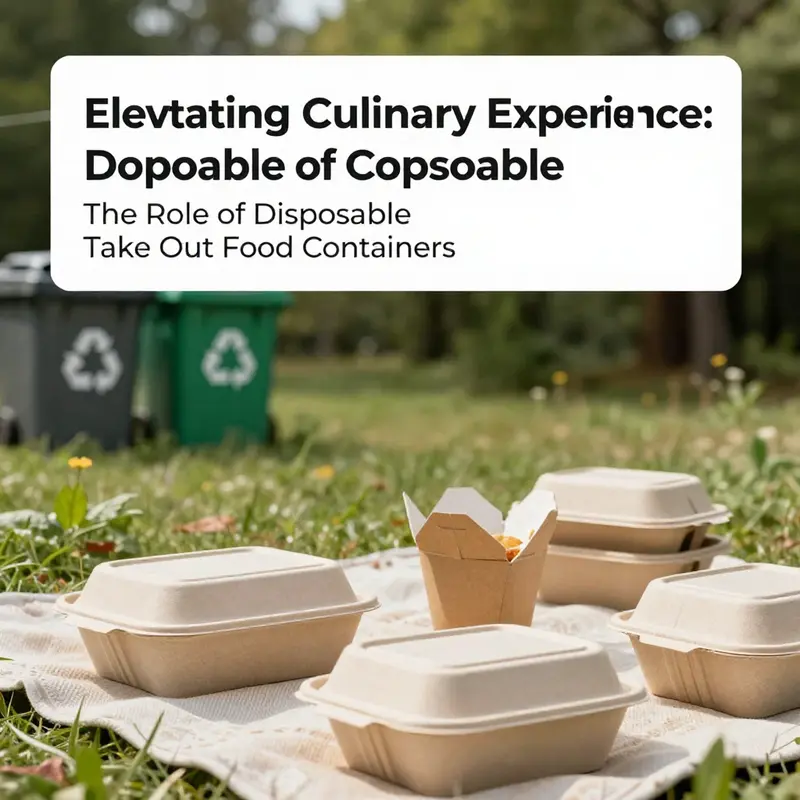
Environmental choices travel with every bag you carry from a takeaway counter to a kitchen table. The disposable takeout container, once a simple conduit for food, now sits at the center of a conversation that links everyday convenience to planetary health.
The materials, designs, and end-of-life pathways of these containers shape not only how effectively food travels from vendor to consumer but also how waste is managed long after the packaging has fulfilled its primary purpose. Across the globe, foodservice operations lean on a spectrum of packaging decisions that balance leakage resistance, temperature tolerance, and stackable efficiency. Yet beneath these considerations lies a more consequential question: what is the environmental cost embedded in the life cycle of a single-use box, and how can that cost be mitigated without sacrificing the benefits that disposables offer in hygiene, portability, and safety?
A pivotal lens for understanding these consequences is life cycle assessment, a method that traces impacts from cradle to grave. A landmark analysis compared three common single-use container types—aluminium, polypropylene, and extruded polystyrene (EPS). The results are provocative and often counterintuitive. Polypropylene containers, despite their pervasiveness and perceived lightweight nature, emerge as the least favorable in several environmental categories, reminding us that a lightweight material does not automatically translate into a lighter ecological footprint. Aluminium, widely assumed to be recyclable and aesthetically favorable, bears notable impacts tied to production processes. EPS demonstrates the lowest production-related environmental impacts, but its end-of-life management remains weak, making litter and wildlife harm primary concerns.
From this point of view, end-of-life management becomes the decisive variable. The same analysis emphasizes that if EPS could be recycled effectively, its environmental impacts would fall substantially. The converse is equally instructive: robust recycling and material recovery can substantially reduce a material’s overall burden. The fate of a disposable container after its short service life often decides whether it trends toward sustainability or merely a less wasteful detour.
Beyond single-use choices, the conversation must confront reuse. Reusable containers, often polypropylene, can outperform single-use EPS only if used enough times. The lifecycle comparison shows a critical threshold depending on impact category; use-phase discipline and cleaning practices can significantly affect outcomes. These findings guide designers, policymakers, and operators toward designs that enable recyclability and recycling infrastructure, while also encouraging reuse where feasible and properly managed.
In closing, the environmental impact of disposable takeout containers is a story of trade-offs and opportunities. The evidence suggests no single material is universally superior. The path to sustainability rests in embracing recyclable and compostable materials that fit local waste landscapes, investing in recovery infrastructure, and cultivating reuse practices where practical. The chapter that follows will connect these threads to policy, consumer expectations, and material innovation, pointing toward practical opportunities for packaging that harmonizes performance with environmental stewardship.
Beyond Convenience: Trends, Sustainability, and Strategic Sourcing in Disposable Take-Out Containers
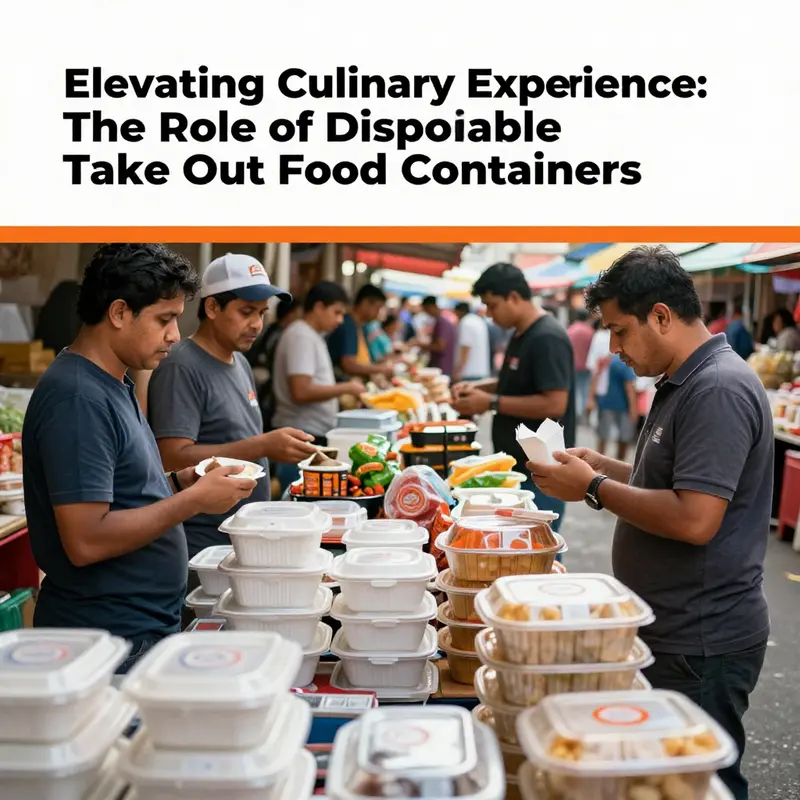
The landscape of disposable take-out containers is more than a story about convenience; it is a narrative of how modern food service balances speed, safety, and stewardship. As consumer habits pivot toward on-the-go meals and delivery-based dining, the market is expanding in ways that reflect both appetite and accountability. Projections point to a robust rhythm of growth, with a compound annual growth rate around 9 percent from 2026 through the early 2030s. That momentum is less a bet on a fleeting trend and more a signal that off-premise eating has become a durable channel for many operators seeking efficiency and hygiene. In practice, this translates to a proliferation of container designs tailored to portion size, transport stability, and user experience, all while demanding ever more careful choices about materials and end-of-life outcomes.
One of the clearest currents shaping this field is the rise of single-serve containers. Busy consumers value simplicity and predictability, so packages that deliver a ready-to-eat portion without unnecessary clutter have become the default in many markets. These containers are not merely smaller versions of larger boxes; they are engineered for reliability, with features such as leak resistance, structured bases, and secure sealing that keep sauces, oils, and moist components contained during transit. The outcome is a smoother handoff from kitchen to curbside, a reduction in spill-related waste, and a more consistent eating experience for customers who may be dining al fresco, in transit, or at their desks. In parallel, designs are evolving to support better meal organization. Notched lids, compartmentalized layouts, and easy-open mechanisms reduce the need for utensils or extra packaging, streamlining the process from purchase to consumption. The practical effect is a simplified user journey that appears intuitive even to first-time users, reinforcing the perception of value in the overall order.
The sustainability conversation has risen in prominence with equal measure. Consumers are increasingly attuned to the environmental footprint of their packaging, and this awareness is pressuring manufacturers and foodservice operators to rethink material choices. Traditional plastics—such as polystyrene, polypropylene, and polyethylene—still appear in cost-sensitive segments because of their durability and low price. Yet the tides are shifting toward biodegradable or compostable alternatives that align with global goals to reduce landfill burden and microplastic pollution. Plant-based fibers and pulp-derived materials, including options sourced from cellulose-rich feedstocks, are being explored for their potential to perform under typical foodservice conditions while offering a clearer path to compostability. In markets where composting infrastructure is well-developed, these options can be integrated into local waste streams with meaningful environmental benefits. The broader implication is that sustainability is no longer a niche consideration; it is a differentiator that affects supplier selection, pricing, and brand reputation.
Yet the path to sustainable sourcing is not without tension. The industry must reconcile the desire for greener materials with the realities of supply chain complexity and cost. Biodegradable alternatives, while appealing from an environmental standpoint, can carry higher material costs, more rigid supply dynamics, or greater sensitivity to processing and storage conditions. For example, stability during shipping and resistance to moisture or oil can demand protective coatings or specific fiber blends, which in turn affect price and availability. This balancing act—achieving reliable performance while containing costs—drives many buying decisions toward a hybrid strategy. Operators may mix multiple materials or packaging formats to optimize for portion control, temperature tolerance, and end-of-life outcomes in different contexts. The emphasis is on selecting packaging that satisfies core needs: safety, leak resistance, and portion integrity, without imposing prohibitive costs on the business or the environment.
A provocative element in sourcing discussions is the attention to health and safety risks linked to packaging materials. Research into microplastics has raised concerns about certain plastic containers shedding particles into food and beverages, particularly when inner-surface roughness or abrasion is involved. Reports have documented scenarios where polystyrene containers released notable numbers of microplastic fragments—up to 29 items per container in some conditions—raising questions about ingestion and long-term exposure. Consumers may unknowingly encounter microplastics across a range of meals, with some estimates suggesting routine exposure on a weekly basis. These findings have accelerated regulatory scrutiny, prompting governments and industry groups to reexamine packaging standards, surface finishes, and coatings. The implication for sourcing is clear: responsible procurement increasingly means evaluating the microplastic risk profile of materials, opting for formulations with proven performance under typical handling conditions, and prioritizing supply chains that emphasize traceability and transparency.
In response to these pressures, many operators are adopting forward-looking sourcing strategies. Rather than simply chasing the lowest unit price, progressive buyers assess life-cycle impacts, supplier reliability, and recyclability at the design stage. They look for materials that can demonstrate end-of-life compatibility within local waste-management ecosystems, whether through compostability, recyclability, or safe biodegradation. This shift often involves engaging with suppliers who can provide documentation on sourcing origins, fiber content, and manufacturing processes, along with third-party certifications where applicable. The goal is not just compliance, but the assurance that packaging choices will meet evolving expectations from customers and regulators alike. Platforms that connect buyers with verified suppliers and provide detailed product specifications play a pivotal role here, offering a route to bulk procurement that can align with sustainability goals while maintaining quality and consistency across large operations. In this regard, the market benefits from a clearer framework for comparing materials, performance characteristics, and environmental claims, enabling more informed and accountable decisions.
Design innovations mirror these sourcing imperatives. Container developers have embraced features that improve usability, reduce waste, and support safer reheating and consumption. For instance, some contemporary designs integrate leakproof seals and reinforced corners to better withstand transit of wet or oily foods. Others use compartmentalization to separate different dishes, reducing cross-contamination and simplifying heating strategies for meals that include both moist and dry components. The functional benefits are tangible: fewer leaks means less cleanup, cleaner delivery experiences, and higher customer satisfaction. Importantly, the most successful products in this space balance these practical gains with the realities of cost and production scale. It is not enough to deliver a clever design; the container must also be manufacturable at scale, with materials that can be sourced consistently and priced predictably in bulk orders. In parallel, the industry continues to explore microwave-safe options that permit reheating within the same container, reducing waste and enabling a more efficient workflow for both consumers and foodservice operators. While not all disposable containers are microwave- or oven-safe, advances in material science and coating technologies are gradually expanding the range of safe reheating possibilities, opening new pathways for convenience-oriented packaging that does not compromise safety.
Within this evolving ecosystem, the choice of a packaging solution often hinges on the specific use case. A campus cafeteria, a corporate catering program, or a street-food vendor may require very different performance criteria. For some, the priority is extreme leak resistance and robust stacking stability to withstand a busy service window. For others, the emphasis may be on lightweight design and compostability to align with sustainability commitments or local regulations. The variability underscores a broader industry truth: no one-size-fits-all solution exists. Instead, operators adopt a portfolio approach, selecting materials and formats that optimize for portion control, thermal performance, and waste-management compatibility in their particular context. In this vein, informed sourcing becomes a strategic capability, with decisions shaped by regional waste streams, consumer expectations, and the competitive landscape.
The sourcing landscape in turn is increasingly global, with bulk ecosystems and digital marketplaces shaping how operators access packaging at scale. While large-scale procurement can unlock cost efficiencies, it also introduces considerations around supply chain resilience and geopolitical risk. Buyers are urged to diversify supplier bases, build redundancy for critical materials, and maintain visibility into the production and transportation timelines that influence inventory levels. This approach helps mitigate disruption risk and ensures continuity during peak demand periods, such as holiday seasons or large-scale events. It also supports a steadier transition toward greener materials, as suppliers expand their own capabilities and product lines in response to market demand. The result is a more resilient, responsive supply chain that can adapt to evolving standards and customer expectations without sacrificing performance or affordability.
From a practical standpoint, operators increasingly integrate sustainability considerations into their bulk-sourcing decisions by evaluating three core dimensions: performance, cost, and environmental impact. Performance encompasses the container’s ability to resist leaks, hold heat or cold as required, and survive transportation without compromising contents. Cost reflects not only the upfront price per unit but also total cost of ownership, including waste handling, potential returns or replacements, and the downstream costs of customer complaints or refunds. Environmental impact includes the material’s biodegradability or recyclability, the energy and emissions associated with production, and the container’s overall footprint across the supply chain. This triad provides a framework for comparing options in a market where specifications can be dense and claims about sustainability can be nuanced. Operators who adopt this framework are better positioned to communicate value to customers, justify pricing where appropriate, and maintain compliance with evolving regulatory expectations.
Within the broader discourse of sourcing, there is a growing emphasis on transparency. Consumers increasingly want to know how their meals are packaged, where the materials originate, and what happens to the packaging after use. Brands that can share credible, verifiable information about material content, recyclability, and end-of-life pathways tend to earn greater trust. In response, many manufacturers are investing in robust documentation and third-party verifications, while retailers and operators seek suppliers who can provide clear, accessible data about environmental performance. This transparency becomes a competitive differentiator, especially as regulatory landscapes tighten and as customers demand more responsible choices. It also supports a more collaborative industry culture, where suppliers and buyers work together to innovate toward safer, cleaner, and more sustainable packaging solutions.
The future directions are shaped by the dual forces of convenience and conscience. On one hand, there is a continuing appetite for packaging that simplifies the dining experience, protects food quality, and enables efficient service. On the other hand, there is a heightened expectation that packaging will minimize ecological harm and minimize potential health risks associated with long-term exposure to packaging materials. This duality invites ongoing experimentation with innovative materials, smarter designs, and smarter procurement strategies. Operators who pay attention to both dimensions—ensuring reliable performance and committing to sustainable realities—are more likely to thrive as the market matures. The pathway may include a gradual shift toward more compostable or fully biodegradable formats where local infrastructure supports such endings, alongside improved coordinated efforts to reduce loadings of non-recyclables and to design containers that facilitate easier separation at the end of life. The net effect is a packaging ecosystem that does not force a trade-off between convenience and responsibility but rather reframes both as integral components of a successful, future-ready food business.
For readers seeking a structured view of market size, regional dynamics, and technology trends, industry analyses keep highlighting sustainability drivers and material innovations as core catalysts for change. These insights reinforce a practical takeaway for decision-making in sourcing and design: the best paths forward balance function, cost, and ecological considerations while staying adaptable to regulatory shifts and consumer preferences. As the market continues its ascent, the articulation of a clear sourcing philosophy—one that prioritizes reliable supply, traceable materials, and transparent environmental claims—will be essential for operators aiming to sustain growth without compromising safety or planetary health. In this context, the conversation about disposable take-out containers evolves from a simple logistics question into a strategic, holistic aspect of brand stewardship and business resilience.
As a practical touchstone for decision-makers, imagine a tiered sourcing approach that aligns with service models and environmental commitments. For high-volume, high-turn operations, a core set of leak-resistant, portion-appropriate containers might be paired with a secondary line focused on compostable materials for select menus or promotional events. A rigorous supplier validation process would verify material composition, production practices, and end-of-life options, while a parallel risk-management plan would monitor supply continuity and the potential impact of price volatility. Such an approach does not force a single path but rather builds flexibility into procurement, enabling organizations to respond to shifting consumer sentiment, regulatory expectations, and waste-management capabilities in different regions. In this way, sourcing becomes less about choosing one winning material and more about engineering a cohesive packaging system that supports the business’s operational realities and its environmental promises.
For practitioners looking to deepen their understanding of market dynamics and material options, an ongoing dialogue with suppliers, regulatory bodies, and waste-management partners can prove invaluable. It is through this continuous collaboration that the industry can translate high-level trends into practical choices—whether it involves selecting a particular line of compostable fiber-based containers, evaluating the life-cycle emissions of different coatings, or aligning orders with the local curbside compost program. The goal is not merely to react to trends but to anticipate them, shaping packaging strategies that are resilient, responsible, and able to scale with the business. In this sense, the chapter on market trends and sourcing is not a standalone briefing but a living component of strategic planning that informs product development, supplier negotiation, and customer communication.
Finally, the broader narrative emphasizes that sustainability and convenience need not be at odds. When managed with rigor and transparency, the shift toward greener materials can coexist with the demand for speed, reliability, and cost-effectiveness. The challenge is to build and sustain a sourcing ecosystem that embraces innovation while protecting public health and respecting environmental boundaries. As operators navigate this landscape, they are reminded to measure not just the immediate savings but the long-term value created by responsible choices—value captured in customer trust, brand integrity, and the cumulative reduction of environmental impact across countless meals delivered and enjoyed each day. The chapter thus concludes not with a verdict but with a continuing inquiry: how can the industry keep delivering meals swiftly and safely while progressively lightening the footprint of every box, cup, and lid that travels from kitchen to community?
Final thoughts
The disposable take out food container market is evolving rapidly, driven by innovative designs that cater to the diverse needs of consumers and businesses alike. With a growing emphasis on environmental impact, brands are increasingly adopting sustainable practices in their packaging solutions. As trends continue to shift towards eco-friendly materials and practical functionality, it’s clear that these containers are not just a necessity but a significant part of enhancing the overall dining experience. For businesses looking to stay ahead, understanding these trends is key to making informed choices that resonate with customers while maintaining operational efficiency.