
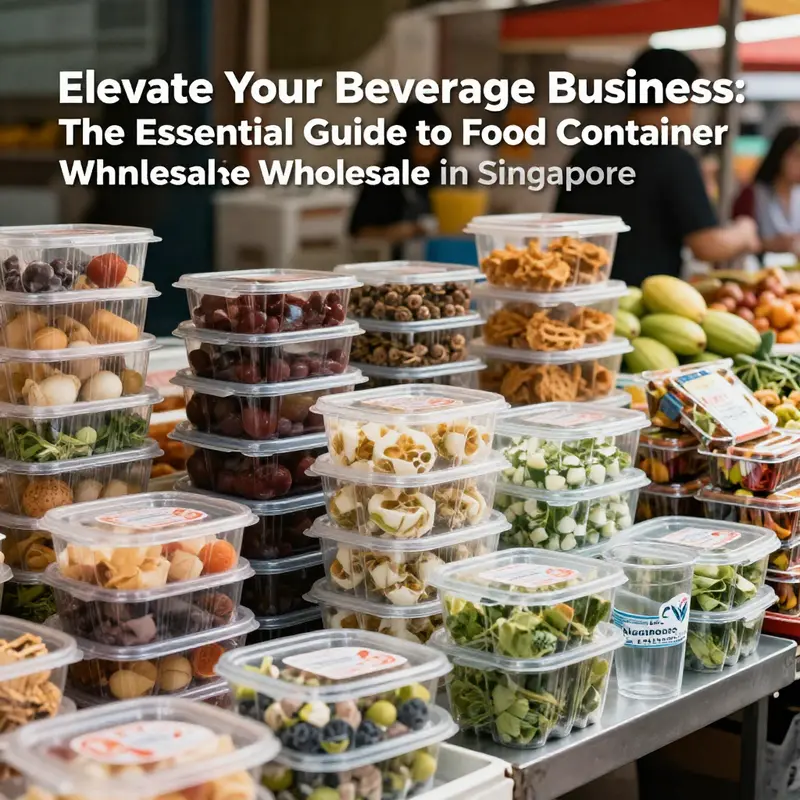
In the bustling food and beverage landscape of Singapore, the demand for food containers continues to rise as businesses like bubble tea shops, restaurants, and catering services seek effective solutions for product delivery and storage. Selecting the right food containers is crucial for ensuring product quality, customer satisfaction, and operational efficiency. This guide explores the current trends in plastic and glass food containers, underscoring the importance of quality and market demand, while also addressing sustainability concerns that are increasingly shaping consumer preferences. Each chapter offers insights that cater specifically to food service businesses and procurement teams, helping you make informed decisions that align with your branding and operational needs.
From Bulk to Better: Navigating Plastic Food Container Wholesale in Singapore’s Health‑Conscious Market
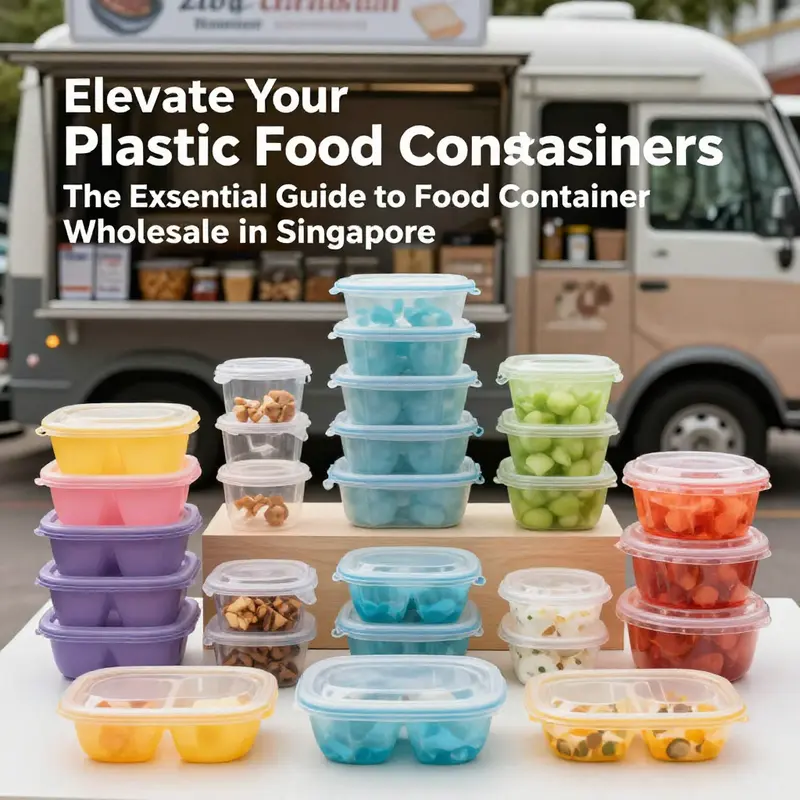
Singapore’s wholesale market for plastic food containers stands at a pivotal juncture, where demands for safety, efficiency, and environmental responsibility converge. In a city-state renowned for meticulous standards and rapid turnover in food service, bulk supplies of containers are no longer judged solely by their capacity or color options. They are measured by how well they perform under heat, how reliably they seal, how long they last in busy kitchens, and how transparently they communicate contents to operators and end consumers. The latest trajectory in Singapore’s plastic container sector is less about a race to the lightest, cheapest option and more about a balance: lightweight enough for easy handling and transport, sturdy enough to withstand repeated use, and designed to align with evolving sustainability expectations. This balance is increasingly reinforced by public policy and industry norms that push manufacturers toward recyclable and reusable solutions. As a result, wholesalers, distributors, and manufacturers are investing in materials and designs that meet practical needs while respecting environmental responsibilities. In practice, this means a growing preference for polymers that combine heat resistance, chemical stability, and food-grade safety with a lighter ecological footprint. It also means packaging configurations that support organized storage, efficient meal prep, and minimal risk of leaks during transit. The Singaporean market is guided by a clear logic: if a container can perform under a microwave, maintain its integrity in the freezer, and survive the rigors of daily handling in schools, offices, and catering operations, it stands a better chance of sustained demand. The broader aim is not merely to sell more units, but to enable kitchens to reduce waste, improve portion control, and present foods in ways that reinforce brand trust and consumer confidence. In this context, wholesale plastic containers are increasingly seen as strategic equipment—tools that enable operational discipline, standardization, and measurable efficiency across a diverse culinary ecosystem.
Glass Food Containers in Wholesale Singapore: Quality, Sustainability, and Market Demand Shaping the Kitchen Supply Chain
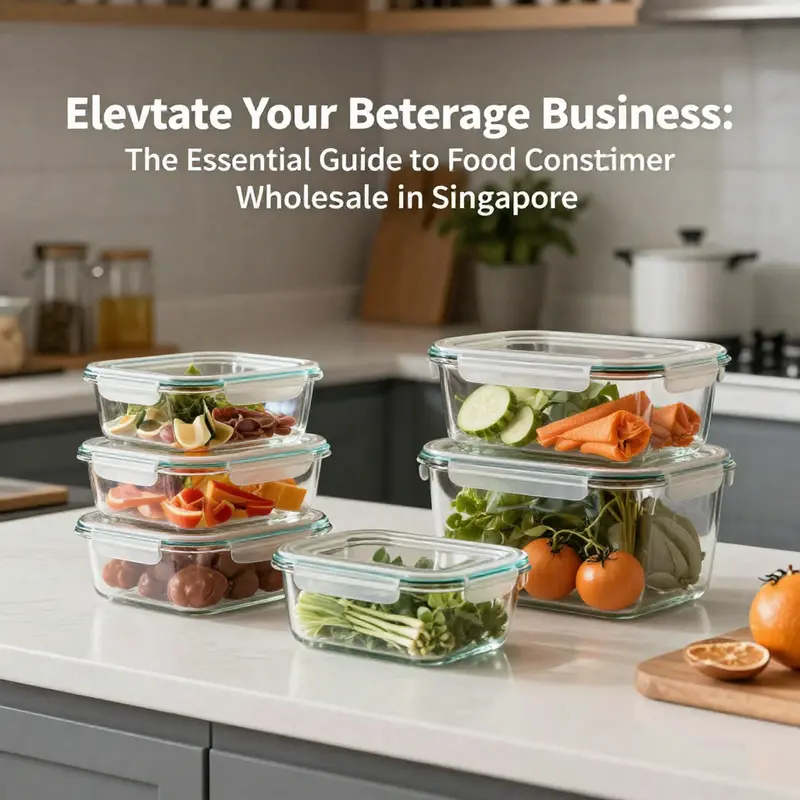
In Singapore’s bustling wholesale landscape, glass food containers are no longer a niche luxury but a strategic pillar for kitchens, retailers, and food service operators aiming to align with health, safety, and sustainability priorities. The city-state’s role as a regional logistics hub accelerates the flow of premium glassware from producers to end users, weaving together quality standards, regulatory compliance, and design that speaks to both everyday practicality and elevated dining experiences. This chapter follows the arc of a market where glass’ intrinsic advantages—hygiene, inertness, and durability—combine with sophisticated manufacturing technologies and consumer expectations to create a robust, multi-layered demand. It is a story of how wholesale channels in Singapore translate the science of materials into tangible value for households, cafes, caterers, and large-scale operators who must balance cost, performance, and environmental responsibility in ways that resonate with a modern, health-conscious audience.
The core appeal of borosilicate glass in this market lies in its resilience and versatility. Borosilicate glass stands up to rapid temperature shifts, making it suitable for use across microwaves, ovens, and freezers without compromising the integrity of contents or the container itself. In a climate that is hot, humid, and incessantly busy, the ability to go from fridge to microwave to table without the container warping, staining, or absorbing odors is more than convenience; it is a reliability factor that reduces waste and improves user confidence. This is particularly important in Singapore, where households increasingly rely on prepare-ahead meals and where food-service operations, from university canteens to corporate cafeterias, value the ability to portion, reheat, and re-serve without transferring flavors or contaminants between dishes. The clarity of borosilicate glass further supports a hygienic perception, enabling visible inspection of contents and ensuring that quality controls can be more easily applied by operators and end consumers alike.
Alongside functional strength, glass containers’ visual appeal has become a decisive factor in wholesale purchasing decisions. Transparent walls reveal the food inside, enabling branding through color, texture, and portioning that can reinforce a retailer’s identity or a restaurant’s presentation standards. In Singapore, where premium and health-forward positioning is common among retailers and eateries, glass packaging signals quality and longevity. It supports a clean, modern aesthetic that pairs well with both minimalist and artisanal branding strategies. Moreover, glass is inherently compatible with a broad spectrum of culinary contexts—from vibrant salads and stews to delicate desserts—without the risk of flavor carryover or staining that sometimes accompanies plastic or coated metals. This inertness is a central reason why many wholesale buyers favor glass for high-turnover items and for products designed to travel or be stored across extended timeframes.
Quality and safety are non-negotiables in wholesale procurement. In the Singapore market, borosilicate glass containers are frequently selected because they tolerate repeated heating and cooling cycles without degradation. This resilience translates into longer product lifecycles and lower replacement costs—an important consideration for wholesalers who must maintain balanced inventories across multiple SKUs. The market also emphasizes compliance with stringent safety standards. Containers marketed for food use are expected to adhere to rigorous certifications, including chemical inertness, absence of leaching, and non-toxicity. In practice, this means that suppliers invest in raw materials that resist leaching of metals or additives, seal components that do not interact with the contents, and glass compositions that resist pitting or clouding over time. The result is a line of products that not only perform well in the kitchen but also support a retailer’s or brand’s claims around health and sustainability.
The Singapore wholesale ecosystem benefits from close proximity to international suppliers who specialize in borosilicate glass and related engineering features. Global manufacturers have invested in process innovations that optimize strength, heat resistance, and weight reduction, enabling containers that feel substantial without being overly heavy. These innovations also extend to practical features—airtight lids with silicone gaskets, vented closures for steam, and options for vacuum sealing that dramatically extend the shelf life of certain foods. While plastic packaging often emphasizes lightness and cost, glass leverages its durability and recyclability to appeal to buyers who want sustainable, long-term solutions. In practical terms, wholesalers can source modular sets with varied capacities, shapes, and lid types to create customized kits that address different segments—from single-serve portions for meal-prep and school programs to multi-compartment configurations for organized storage of leftovers, dry goods, or layered ingredients.
A notable driver in the market is the growing consumer preference for sustainability paired with convenience. Glass containers are reusable and, when properly cared for, can last for many years. In Singapore’s retail and food-service channels, this translates into a preference for glass products that come with well-designed lids, efficient sealing mechanisms, and thoughtful packaging that supports easy cleaning and storage. The trend is reinforced by regulatory emphasis on reducing single-use plastics and by a broader global shift toward green branding. Retailers and food operators alike appreciate that glass can be marketed with confidence as a durable, recyclable option that aligns with circular economy goals. This environmental narrative has real commercial impact: retailers often charge premium pricing for glass-based products that are positioned as part of a sustainability program, and wholesale buyers respond with longer-term purchasing commitments, recognizing the long-run value in less frequent replacement, reduced waste, and stronger consumer trust.
Product form diversity further strengthens the appeal of glass in wholesale channels. Beyond the standard round jars and rectangular or square containers, suppliers offer modular sets designed for specific tasks. Some sets emphasize portion control, with multi-compartment designs that help households or cafeterias manage calories and ingredients without cross-contamination. Others focus on liquids and semi-liquids, incorporating screw threads or mechanical seals that keep sauces and broths secure during transport. There is also a notable interest in containers with specialized lids—some employing bamboo or wood accents for an elevated aesthetic, others using silicone seals engineered to maintain vacuum or tightness under thermal cycling. The result is a family of glassware that can cover the needs of a school cafeteria, a health-food store, a restaurant-quality home kitchen, and a premium takeout operation—all within the same supplier ecosystem. This breadth in form and function is a key factor behind the growth observed in wholesale glass markets in Singapore, as buyers increasingly demand a one-stop source for containers that can scale with business requirements.
The wholesale channel in Singapore also thrives on the ability to fuse quality with customization. Buyers often seek options that can support branding through logo stamping, color-labeling, or custom lid aesthetics. For wholesale suppliers, this is not merely a feature but a strategic capability. The option to tailor container shapes, lid materials, and finishing touches enables wholesalers to serve niche segments, including organic brands that want a “green label” presentation, premium dessert makers that seek a premium glass display, or meal-prep providers that require uniformity across a large fleet of containers. Customization extends beyond appearance; it can include technical features such as vented lids for steam release, heat-resistant gaskets, and compatibility with dishwasher-safe cycles that minimize maintenance burden for end users. In a competitive market, the ability to offer customized packaging solutions with consistent quality is often a deciding factor for large-volume buyers who need reliability, traceability, and predictable performance at scale.
Wholesale dynamics are also shaped by Singapore’s logistics prowess and the broader Southeast Asia region’s demand trajectory. The city-state’s port and logistics infrastructure facilitate efficient import pathways for borosilicate glass products and associated components such as lids, seals, and packaging inserts. The wholesale buyer in Singapore can connect to suppliers across Asia, Europe, and North America, choosing partners who can meet both quality standards and lead times. For many buyers, the decision hinges not just on price but on the total cost of ownership: long product life, ease of maintenance, minimal risk of breakage during transit, and the availability of replacement parts such as lids and seals. In addition, the wholesale environment rewards suppliers who can provide robust after-sales support, clear product documentation, and reliable warranty terms, because these factors reduce downtime and preserve brand integrity for retailers and service operators who depend on glassware as a core asset.
From the regulatory perspective, glass containers in this market are expected to meet high safety standards with clear traceability. Consumers and businesses alike want assurances that the glass will not interact with the food and that any coatings or decorative finishes used on the exterior will not compromise safety. Certifications such as those recognizing chemical inertness, compliance with European and international food-safety norms, and independent third-party testing results reassure wholesale buyers that the containers can be used across kitchens with minimal risk. Singapore’s suppliers understand that meeting these expectations is as important as achieving a competitive price. As a result, many wholesalers invest in rigorous quality-control protocols—testing for weight uniformity, seal integrity, and surface finish—before containers leave the factory. The combination of strong specifications, reliable certifications, and durable performance creates a compelling value proposition for buyers who must stock a diverse set of operators while also maintaining a consistent brand promise across their own packaging line.
In terms of end-user expectations, consumers are increasingly aware of the lifecycle impact of their purchases. Glass containers that can be reused, repaired, or repurposed align well with consumer desires for practical sustainability. The market rewards containers with easy cleaning features, stain resistance, and non-porous surfaces that prevent odor retention after multiple uses. For households, the intangible benefits—such as a clean, glassy appearance that remains attractive after repeated dishwashing—translate into higher satisfaction and repeat purchases. For food-service providers, the ability to demonstrate hygiene and quality in front-of-house displays enhances customer confidence and supports premium pricing. Wholesalers who can translate these consumer expectations into a reliable product portfolio—one that pairs strong core performance with thoughtful accessory options—will likely see continued growth as Singaporean buyers expand into adjacent markets and as urban households increasingly adopt long-term storage strategies.
The integration of an internal link within this narrative acknowledges the ecosystem that underpins wholesale packaging not only as a product category but as a service model. For suppliers and buyers seeking branding and customization options, there is a dedicated internal resource that highlights tailored packaging solutions. See the internal page on custom-takeaway-packaging-supplies. This resource exemplifies how a supplier can extend beyond standard glassware to provide branding-ready solutions that pair aesthetics with function, ensuring that wholesale offerings align with retailers’ and brands’ identities while preserving the integrity and utility of the glass containers themselves.
The wholesale Singapore story is not only about the product but about how a sophisticated distribution network supports the entire lifecycle of container usage. Wholesalers curate inventories that can be flexed to meet seasonal demand, promotional events, and the introduction of new lines. They coordinate with manufacturers to ensure consistent supply of lids, gaskets, and compatible accessories, while also managing logistics to minimize breakage and maximize on-time delivery. In practice, this means that buyers who want to assemble large, cohesive ranges can rely on a single supplier ecosystem that offers a mix of stock-keeping units and customization options, simplifying procurement and reducing time to market. The result is a wholesale environment that emphasizes reliability, transparency, and long-term value rather than quick, low-cost transactions. The glass containers market in Singapore embodies a broader shift in the consumer goods space: a move toward durable, reusable packaging that supports healthier lifestyles and more mindful consumption while also delivering the operational efficiencies that wholesale buyers expect.
With this backdrop, the market’s growth trajectory appears resilient and multi-faceted. Demand for glass containers is buoyed not only by homes and households seeking quality kitchen storage but also by the professional sector that requires consistent, scalable packaging for takeout, catering, and institutional dining. The professional segment benefits from glass’ aesthetic versatility—containers that maintain a premium appearance even after countless cycles of use and cleaning. For operators, this translates into brand differentiation and a durable platform for market testing new products or seasonal menus. For manufacturers, the Singapore wholesale channel offers access to a diverse customer base and a chance to demonstrate that glass packaging can be both sophisticated and practical, supporting a wide range of culinary traditions and consumer preferences across Singapore and the region.
In closing, the Singaporean glass container wholesale market demonstrates that quality, sustainability, and multifunctional design are not competing imperatives but complementary strengths. Borosilicate glass, with its heat tolerance, chemical inertness, and enduring clarity, is well-positioned to meet the demands of a health-conscious, environmentally aware consumer base. The market’s ongoing growth will likely hinge on continued emphasis on safety certifications, user-friendly features, and branding-enabled customization that helps buyers differentiate in crowded retail and food-service environments. Suppliers who can align product capability with end-user needs—offering not only robust containers but also a suite of value-added services, such as labeling, packaging customization, and after-sales support—will find Singapore’s wholesale channels receptive to innovative, durable, and environmentally responsible glass solutions. The narrative moving forward is one of integration: blending material science with design, compliance with branding, and rapid logistics with enduring performance on the kitchen shelf.
External reference: https://www.alibaba.com/product-detail/LINUO-Glass-Food-Container-High-borosilicate_1600543281987.html
Sustainability in Singapore’s Food Container Wholesale: Balancing Costs, Compliance, and Environmental Footprint
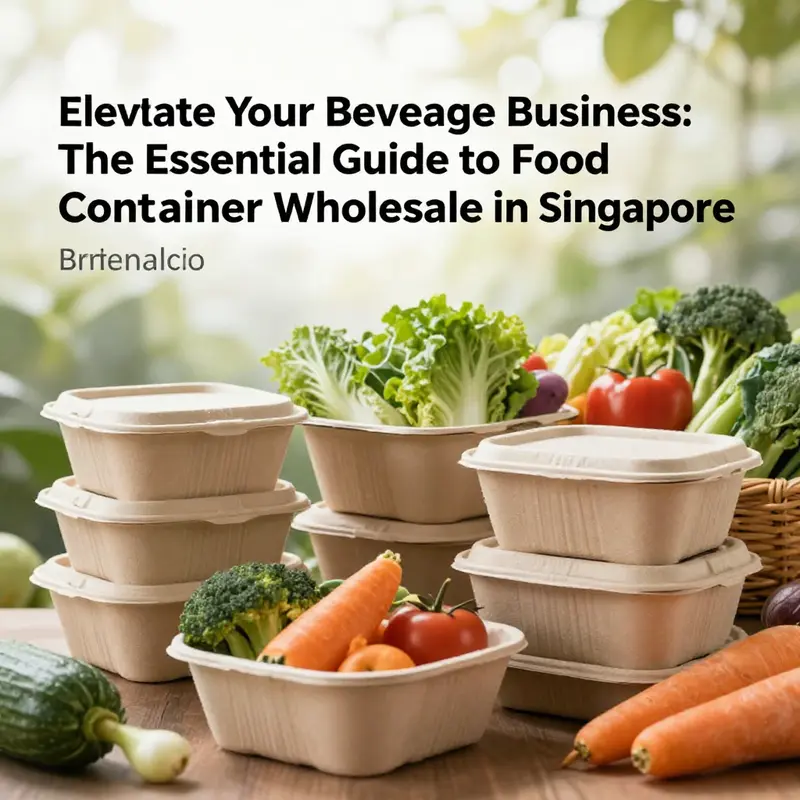
In Singapore, the wholesale ecosystem for food containers is undergoing a deliberate shift. Sustainability is no longer optional; it informs procurement, design, and logistics. Buyers weigh lifecycle costs across materials—plastic, glass, and increasingly bio based options—against regulatory pressures and waste-reduction targets. The objective is to balance stable margins with environmental responsibility through durable design, efficient transport, and responsible end-of-life handling.
The decision framework has matured from unit price to total cost of ownership. Upfront premiums for biodegradable or compostable materials can be offset by waste reductions, lower disposal fees, and avoidance of future policy risks. Companies that invest in durability, heat and chemical compatibility, and standardized sizes tend to achieve lower damage rates and higher customer satisfaction over time.
Glass remains attractive for premium segments where perceived quality matters, but weight and fragility raise logistics costs. Plastic remains a workhorse for bulk and fast turnover, with a growing emphasis on sealing performance and odor control. Bio based options offer a middle ground but require reliable supply and clear end-of-life guidance to avoid greenwashing.
Effective sustainability programs hinge on data. Life cycle data, supplier performance metrics, and routing analytics enable transparent decisions. Modular, stackable designs and reusable packaging structures can reduce waste and open opportunities for service providers that support returns and refurbishment.
Practical pathways include pilots, phased rollouts, and collaborative supplier programs. Data-driven pilots help quantify waste reductions and cost benefits before scaling. Clear communication with customers about material choices and end-of-life expectations builds trust and supports brand differentiation.
Regulatory landscapes and consumer expectations in Singapore continue to push toward circular economy practices. Public policy favors lower waste operations, and operators increasingly demand responsible supply chains. The result is a strategic capability that aligns cost discipline with environmental stewardship and resilience.
Looking ahead, the market will reward packaging programs that balance cost, performance, and sustainability. Wholesalers who curate transparent specifications, back claims with data, and offer value-added services such as return logistics and waste guidance will gain stronger customer loyalty and long-term contracts.
Final thoughts
The landscape of food container wholesale in Singapore is multifaceted, deeply influenced by consumer preferences for convenience, quality, and sustainability. For bubble tea shops, restaurants, food trucks, and catering services, leveraging the right containers can not only enhance operational efficiency but also strengthen brand image in a competitive market. Understanding the strengths of both plastic and glass containers, alongside a commitment to sustainable practices, allows businesses to cater to their customers effectively while promoting environmental responsibility. As the focus on quality and sustainability continues to grow, businesses that adapt to these trends will thrive.