
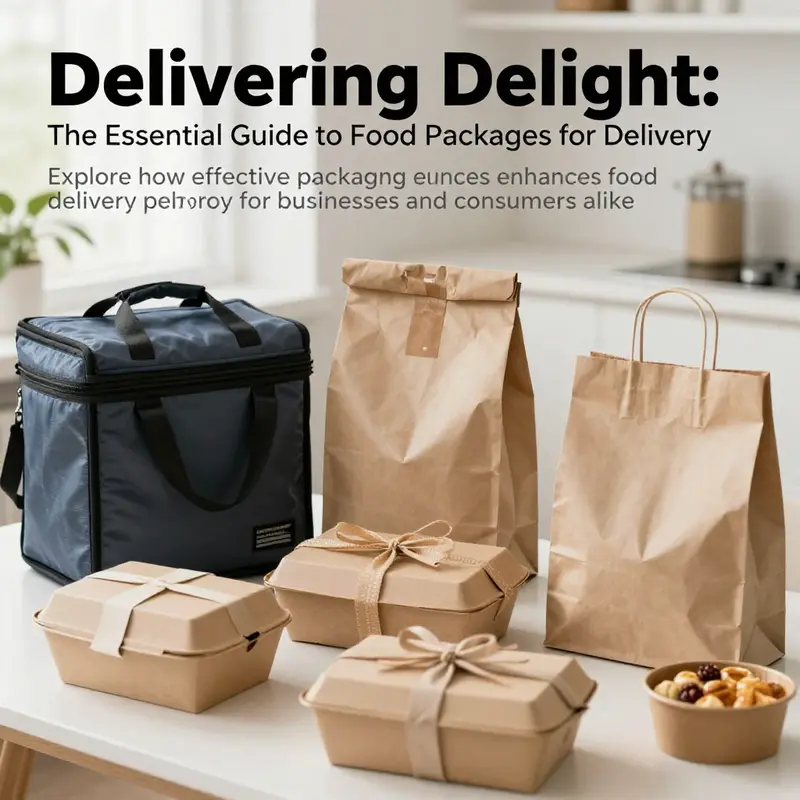
Food packages for delivery play a crucial role in ensuring that culinary delights reach customers in optimal condition. From the aromatic bubble teas of beverage chains to the gourmet meals from fine dining restaurants, the right packaging can elevate the overall experience. As consumers increasingly demand sustainability and quality, businesses from food trucks to corporate event planners must prioritize effective delivery solutions. This article will navigate through three chapters detailing insulated food packages that maintain quality, sustainable packaging solutions shaping the modern marketplace, and how premium packaging transforms delivery experiences, catering to the needs of diverse food service industries.
Preserving Heat and Freshness on the Move: The Science, Trade-Offs, and Future of Insulated Food Packages for Delivery
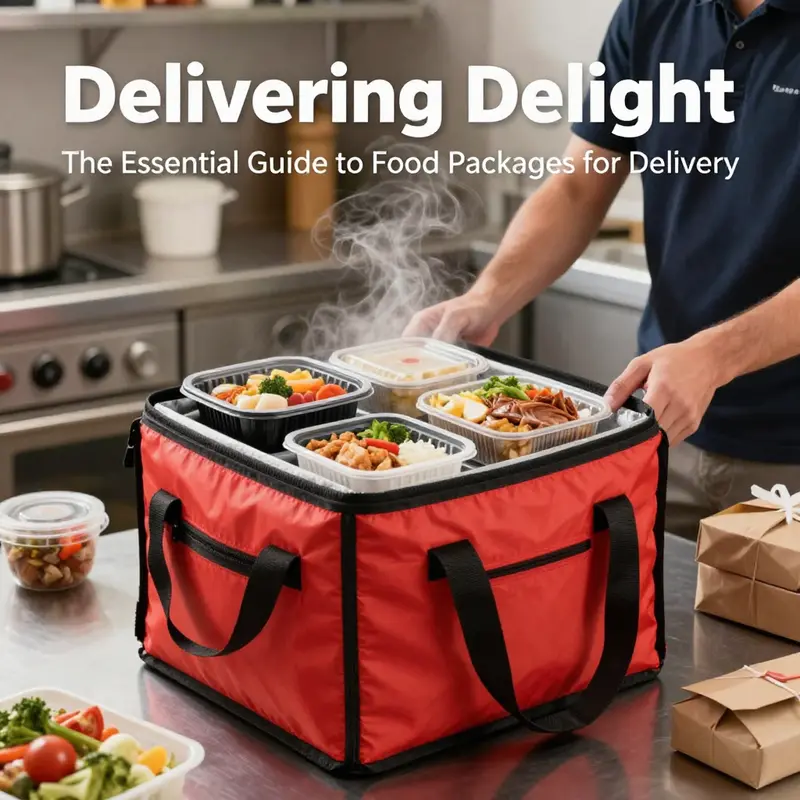
When a meal leaves a kitchen, its journey is more than a simple transit from point A to point B. It is a careful orchestration of heat, moisture, air, and cleanliness, conducted across cold rooms, couriers’ vehicles, and doorsteps in all weather. Insulated food packages sit at the center of that orchestration, acting as quiet custodians that preserve the moment of service long enough to transform a hurried delivery into a satisfying dining experience. The core idea is straightforward: keep the food at its intended temperature for as long as possible, and you protect taste, texture, and safety. Yet the realities behind that simple aim are layered with material science, supply chain logistics, and evolving expectations from both restaurants and consumers. In practice, that layering shows up as a spectrum of container types, each tuned to different performance goals, costs, and sustainability footprints. To understand how these packages function in real life, one must imagine the food’s thermodynamic profile as it travels from kitchen to doorstep and then recognize how every design decision—every seam, every layer, every accessory—either lengthens or shortens the window in which the dish remains optimally hot, cold, or just-right warm.
Thermal performance begins with materials, but it is not reducible to a single metric. Insulated packaging relies on a combination of barriers and buffers: a rigid or flexible outer shell that minimizes heat exchange, a dedicated insulating layer that slows the rate of heat flow, and, when needed, an interior design that keeps sauces from mingling with bread or rice from losing moisture. The most common approaches use foams and fibers that trap air and resist conduction, such as expanded polystyrene and various polyethylene foams, sometimes complemented by vacuum-sealed fiber laminates. These choices create a simple but powerful principle: lower heat transfer means longer stability of the original serving temperature. In the laboratory and the warehouse, that principle translates into longer windows of temperature integrity in the hands of drivers and through the inevitable delays of real-world delivery.
The practical magic, however, comes from the attention given to temperature control beyond the box itself. A well-designed insulated package does not rely on the box alone; it invites a symbiotic relationship with auxiliary temperature management elements. Gel packs or phase change materials can be nested alongside the container to push the cold or hot boundary further along the journey. In the hot case, the combination of heat-retentive insulation and an efficient inner barrier can extend the time a curry or soup remains steaming at the consumer’s end. In the cold scenario, a properly chilled gel pack can preserve a dessert’s chill, ensuring that a delicate pastry does not arrive above room temperature and that dairy-based components stay within safe limits. When manufacturers and operators embrace this pairing of box and accessory, they gain a practical, measurable advantage: predictable temperatures even when external conditions are unfriendly, from summer heat to winter winds.
Yet the pragmatic conversation about insulated packaging cannot ignore the weight of cost and logistics. The strongest insulation comes with a price tag, and bigger, heavier designs add to shipping and handling complexity. For a restaurant or chef-driven service tasked with daily or even hourly deliveries, the economics of packaging matter. An operator must balance the imperative to protect quality with the realities of margins, vehicle fuel efficiency, and the ease with which staff can handle containers during busy service periods. This balancing act often pushes decisions toward modular solutions: a combination of large, rugged delivery bags to accommodate multiple meals for longer routes, and compact, cost-conscious containers for short trips or promotional orders. In other words, insulation is not simply a material choice; it is a strategic one that shapes the economics of last-mile food service.
Sustainability sits alongside performance in the modern equation. Consumer demand for environmentally responsible packaging is no longer a secondary consideration but a central criterion for many brands. The industry’s response has been to broaden options beyond traditional, single-use foam and plastic. Biodegradable, compostable, and paper-based containers have moved from niche offerings to mainstream choices, often designed to work with existing insulating technologies. In many regions, regulators and industry groups encourage or require more responsible packaging practices, including reusable models and deposit-return systems that encourage a looped lifecycle rather than a linear one. The European example of pushing reusable delivery models demonstrates a broader shift toward circularity: packages designed to be returned, cleaned, and reused, rather than discarded after a single use. Such models can reduce environmental impact in the long run, though they introduce new operational challenges, such as inventory management, cleaning logistics, and routing complexities. For operators weighing the relative benefits, the trade-off is not only carbon footprint but also the practicalities of scale, reliability, and customer convenience.
From a kitchen or operations perspective, selecting the right insulated packaging begins with understanding the typical delivery profile. A meal that travels across town on a warm day with a two-hour window presents a different challenge than a hot soup that must stay within safe temperatures for a longer, multi-stop route. Vacuum-sealed bags offer an added layer of protection by removing air and slowing microbial growth, a benefit that is particularly valuable for sous-vide preparations or frozen items that require controlled thawing and even heat distribution during transit. When such bags are combined with robust insulation and, if needed, phase change or gel-based elements, the result can be a delivery experience that preserves both the dish’s original temperature and its intended texture and appearance. The design emphasis shifts accordingly: for delicate sauces, a secure inner barrier and careful layering prevent leaks; for crispy components, a moisture management strategy within the bag helps prevent sogginess while still maintaining warmth.
Designing for a kitchen’s broader needs often leads to customizable, scalable solutions. The market now features a range of adaptable formats—some resembling large, reusable pouches or soft-sided bags, others more box-like with integrated insulation panels. In addition to size and shape, other design considerations surface in the conversation about reliability. The sealing method must endure frequent opening and closing without compromising insulation. The exterior should resist punctures and moisture, and any branding or labeling must not undermine performance. For a catering service or event-focused operation, the packaging system must also support easy stacking and storage, enabling staff to quickly assemble orders while ensuring that each component aligns with safety and hygiene requirements. In tandem with these practical concerns, quality assurance becomes a non-negotiable step. Stringent checks, often including 100% finished-product inspections, are implemented to confirm the integrity of seams, lids, closures, and insulation layers. This level of scrutiny helps ensure that a consumer does not encounter a delivery that fails to meet temperature or safety expectations, a misstep that can erode trust and drive customers away.
On the manufacturing side, the industry has begun to explore innovative, modular solutions designed to streamline operations for high-volume delivery services. Custom OEM insulated delivery bags and broader container systems are increasingly offered in a spectrum of sizes and configurations. The goal is to enable operators to pick and combine components in a way that matches their typical order profiles, the climates in which they operate, and the distances their drivers cover. In practical terms, a large, durable bag may be used for multi-meal orders on longer routes, while a smaller, lighter option can serve quick deliveries across town or promotional campaigns where visibility and simplicity matter as much as thermal performance. The emphasis is on reliability, not just raw insulation. A well-engineered system integrates the box, the liners, the lids, and the gel or phase-change accessories into a coherent whole that remains easy to handle, easy to clean, and easy to scale as demand grows.
Beyond the mechanics of insulation and materials, there is a human element to this story. The way a delivery is packaged communicates expectations—about care, quality, and attention to detail. A visually appealing package, feeling sturdy in the hand and designed to keep food appearing as intended, reinforces the perception of value. A detour in transit or a delay can become less of a disruption when the packaging has already signaled that the company behind it values the customer’s dining experience. In this sense, insulated packaging is not merely a technical tool; it is part of a broader brand promise, a physical reminder that the journey matters as much as the meal itself.
The case for investing in robust insulated packaging extends to the broader initiatives that modern delivery services pursue. Reducing waste is more than a sustainability slogan; it is a practical outcome when packaging is designed to minimize leakage and spoilage. When a container reliably maintains the product’s integrity, fewer meals are discarded, and the customer enjoys a consistent, high-quality experience. Temperature stability is intertwined with food safety: keeping hot foods above a critical threshold minimizes the risk of bacterial growth, while maintaining cold items below that threshold protects perishables. In both cases, the packaging system contributes to safer handling and reduce waste through a longer usable shelf-life in transit. These advantages, replicated across thousands of daily deliveries, translate into reputational trust and operational efficiency that compound over time.
The story of insulated packaging is not static. It’s evolving with advances in materials science, sustainability standards, and consumer expectations. Reusable options are becoming more accessible, with care protocols and logistics considered as part of the packaging program rather than as afterthoughts. The trade-offs remain: durability and performance often come with higher upfront costs and heavier payloads, while lightweight, low-cost solutions may suffice for shorter routes but fall short in demanding conditions. The most resilient models deploy a layered approach—a robust outer shell, a carefully chosen insulating core, a moisture-control interior, and, where appropriate, thermal accessories that extend stability. It is this layered approach that gives operators the flexibility to tailor solutions to specific service profiles, weather patterns, and meal types, all while maintaining a consistent standard of quality.
Within this evolving landscape, select packaging solutions can be integrated with digital tools to optimize performance. Data on typical delivery times, route distances, and seasonal temperature trends can inform decisions about which insulation strategy to deploy in a given market. Logistics software can help schedule the rotation of reusable containers, coordinate cleaning cycles, and track the readiness of temperature-control accessories. The result is a more resilient operation where packaging becomes a node in a smarter, more sustainable network rather than a passive expense. In this sense, the future of insulated packaging lies at the intersection of materials science, operational efficiency, and the growing expectation that every bite delivered is as close as possible to the moment it was plated.
As the industry looks ahead, the potential for innovation broadens. Phase-change materials with tailored melting points offer new ways to extend warmth or chill beyond traditional gel packs, while new fiber composites promise improved strength with lower weight. Developments in moisture barriers and inner liners can reduce sogginess and preserve crunch in fried or fried-adjacent items. The move toward reusable packaging is likely to accelerate, supported by service models that incorporate cleaning, sanitizing, and return logistics into the daily cadence of delivery operations. All these shifts point toward a future in which insulated packaging is not merely a protective shell but an intelligent, responsive component of the delivery ecosystem—one that helps ensure that a hot curry tastes just as it should, that a cold dessert remains refreshing, and that every customer receives a consistently excellent experience, no matter the route, weather, or time of day.
For operators who want a concrete starting point in aligning temperature control with sustainability, a useful approach is to view packaging choices as a system rather than as separate products. Begin by mapping common order profiles, then identify where temperature excursions are most likely to occur. Consider a layered solution where the outer container provides the bulk of insulation, inner liners minimize condensation and prevent cross-contamination, and gel packs or phase-change elements sit at critical points to extend stability. Finally, factor in the end-of-life story—whether through compostable materials or a scalable, reusable program—that will best meet regulatory expectations and customer values. In this integrated view, insulated packaging becomes a proactive partner in delivering high-quality meals rather than a reactive, after-the-fact accessory.
As a note to practitioners seeking a tangible example of how these ideas translate into everyday practice, the conversation around packaging choices continues to echo the broader themes of quality, reliability, and responsibility. A growing body of packaging options now supports not only the practical demands of temperature control but also the evolving preferences of customers who want environmentally mindful solutions without sacrificing performance. The challenge and opportunity lie in selecting combinations that work cohesively for a particular business model, climate, and delivery schedule. When done well, the result is a delivery experience that feels thoughtfully curated from the first moment the package is touched, to the final moment the lid is opened, and beyond into the memory of a meal well enjoyed. For anyone building or refining a delivery operation, the central truth remains clear: temperature is not an afterthought, it is the backbone of taste and trust.
Internal link note: For teams exploring how packaging can align with sustainability goals while preserving performance, a practical example in the ecosystem is found in the category of eco-friendly takeout boxes that pair well with insulated systems. Learn more about these packaging options here: eco-friendly takeout boxes for food packaging.
External resource for further context on industry trends and technology: Insulated food packaging technology trends 2026.
From Tray to Trust: Building a Sustainable Future for Food Delivery Packaging
The act of delivering a meal is never just about speed or flavor; it is also about trust. When a customer orders a hot pizza, a steaming bowl of ramen, or a carefully prepared burrito, the packaging deepens that trust. It is the silent steward of temperature, moisture, hygiene, and presentation, carrying the promise that what arrives at the doorstep looks, smells, and tastes as intended. In recent years, this quiet steward has undergone a transformation driven by a simple but powerful idea: convenience should not come at the expense of the planet. The shift toward sustainable packaging in food delivery is not a marketing trend or a niche concern; it is becoming the core infrastructure of how meals travel from kitchen to consumer while preserving safety, quality, and the health of ecosystems. As the industry expands and scales—driven by restaurant networks, delivery platforms, ghost kitchens, and meal-subscription services—the choices made at the packaging level have outsized consequences for waste generation, energy use, and the circularity of materials. In this context, sustainable packaging is no longer a specialty feature. It is a foundational requirement that shapes operational decisions, regulatory alignment, and consumer perception alike.
At the heart of sustainable food delivery packaging is a balancing act: products must maintain temperature and integrity while minimizing environmental impact. Insulated hot food carrier bags remain foundational for temperature control during transit, yet the materials and end-of-life pathways for these carriers are increasingly scrutinized. The evolution here is twofold. First, designers are pursuing materials that pair performance with renewability, aiming for near-zero waste in production and the option for closed-loop reuse. Second, there is a growing embrace of systems thinking that looks beyond the single shipping event to the entire lifecycle of packaging—from raw material extraction to end-of-life management. In practice, this means aligning with directives that favor renewable feedstocks, recyclability, compostability, and, where feasible, reuse. The momentum is strongest in regions that are actively promoting circular economy principles, and it is no accident that the European discourse emphasizes deposit-return models and high reuse rates as levers for dramatic reductions in single-use plastics and non-recyclables.
The research landscape for sustainable packaging in food delivery is not a collection of disparate efforts. It points toward coherent strategies that combine material innovation, manufacturing efficiency, and supply-chain collaboration. For instance, a leading entity in this space has championed closed-loop packaging systems built from annually renewable raw materials and designed around ultra-efficient, near-waste-free production. The ambition behind such a model is not simply to replace one material with another; it is to redesign how packaging is produced, used, and recovered so that the material’s natural cycles are respected rather than exhausted. This kind of philosophy resonates with food-service operators who are trying to align with evolving consumer expectations and with regulators who are increasingly concerned with water use, emissions, and the fate of packaging waste. The promise is not just a greener box, but a packaging ecosystem that reduces the total material footprint while maintaining or enhancing the dining experience. In this sense, sustainable packaging becomes a strategic competency rather than a cosmetic add-on, shaping vendor choices, kitchen workflows, and the expectations customers bring to a delivery experience.
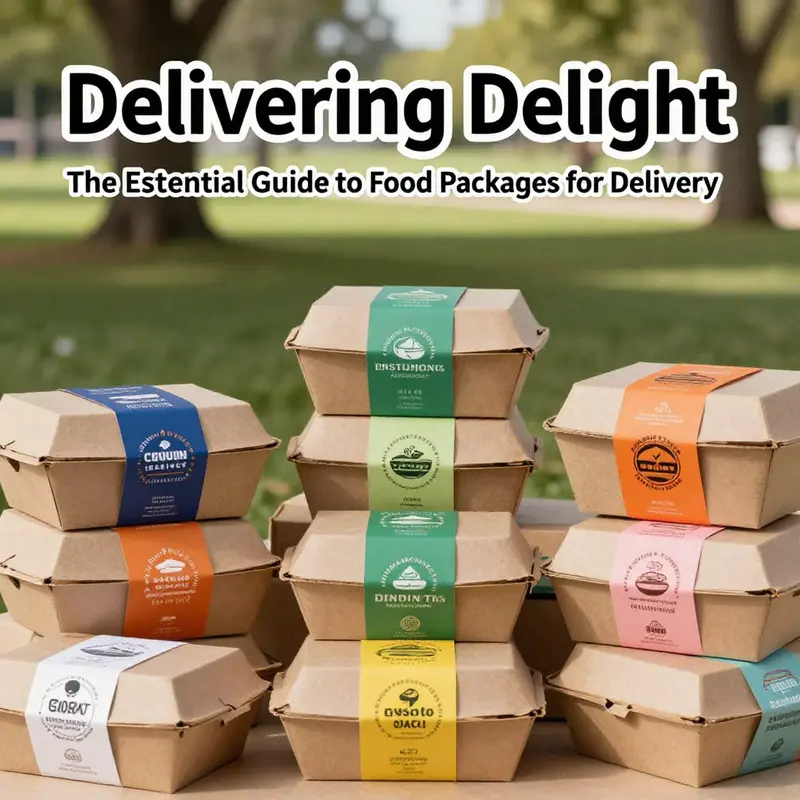
Within this broader movement, several practical options have gained recognition for their balance of performance, cost, and sustainability. Corrugated hamburger boxes are a familiar sight in fast-food venues, food trucks, catering operations, and delivery platforms. Their strength and moisture resistance come from robust, recyclable corrugated cardboard, which provides reliable containment even when meals are jostled in transit. The lightweight nature of corrugate reduces shipping weight, a factor that compounds savings across fleets and warehouses. When compared with traditional plastic alternatives, these boxes often present a favorable life-cycle profile, particularly when they are manufactured from recycled content and designed for end-of-life recyclability. The price point—roughly a few tens of cents per unit, depending on size and customization—places them squarely in the realm of cost-effective sustainability for many operators, especially those handling high volumes. This affordability broadens access to responsible packaging for small and mid-sized businesses while supporting the ongoing transition away from non-recyclable composites.
Another material pathway gaining traction is paperboard boxes with food-grade wax coatings. These coatings improve resistance to grease and moisture while preserving the content’s recyclability. They are particularly advantageous for perishable foods or high-moisture items that could otherwise leak or degrade the packaging integrity. The coating technology has matured in ways that reduce reliance on fluorinated or oil-based barriers, aligning with environmental goals without sacrificing performance. As with corrugated options, the end-of-life story matters. When these wax-coated boxes are properly separated from other streams in municipal recycling or industrial composting programs, they can contribute to a lower overall packaging burden. The adoption of such solutions reflects a broader industry willingness to embrace innovations that tackle real-world delivery challenges—without compromising safety or taste—and to pair them with clear guidance for users on appropriate disposal.
Behind the scenes, the conversation about sustainability also involves the economics of scale and the logistics of supply. Bulk purchasing remains a practical lever for retailers and delivery services that operate at high volumes. When a business purchases thousands of units, the per-unit cost can be reduced, enabling a more attractive payback for choosing a greener option. Yet the economics are not purely about the sticker price. They also include factors such as reliability of supply, compatibility with existing equipment, and the ability to integrate with a company’s broader sustainability program, including waste management and customer-facing communications. In this sense, the supplier ecosystem becomes a partner in sustainability, offering not just a box but a package of services—compliance with food-contact safety standards, guidance on distribution conditions, and support for waste-stream segregation and collection.
The consumer’s appetite for responsible packaging is not a minor trend; it is a core driver of behavior. Customers increasingly express a preference for brands that demonstrate a commitment to reducing plastic waste and improving recyclability or compostability. They look for packaging that signals care for theenvironment, and they reward it with loyalty, repeat orders, and word-of-mouth advocacy. For operators, this means packaging choices are now part of brand storytelling. The way a company talks about its packaging—whether it emphasizes renewability, reuse, or responsible disposal—becomes part of the value proposition offered to customers. That narrative matters in a market where convenience is abundant and price competition is intense. A well-communicated sustainability story can differentiate a brand and, in some cases, justify premium pricing for giftable or premium meal experiences where presentation matters as much as content.
Regulatory landscapes are an important accelerant of this shift. In regions where regulatory bodies promote reuse, deposit-return schemes, or stricter standards for food contact materials, companies have a concrete incentive to rethink packaging architectures. The aspiration to minimize environmental impact aligns with regulatory expectations to reduce plastic waste, improve recyclability, and increase the share of renewable materials in packaging portfolios. This alignment is not merely compliance-driven; it cultivates a proactive approach to packaging design and supply chain management. It encourages early collaboration with material scientists, waste managers, and logistics partners to create solutions that are robust in transit while being responsible in their end-of-life stage. The result is a packaging ecosystem that can adapt to evolving rules without sacrificing performance or customer satisfaction.
The textbook example of sustainable packaging in action often speaks to a broader philosophy rather than a single product line. It demonstrates how a company, rooted in a vision of earth-friendly packaging, can optimize the entire production-to-disposal chain. In practice, this means a packaging concept that uses annually renewable materials, benefits from efficient manufacturing, and is designed to minimize waste at every step. It also means a willingness to experiment with reuse and take-back models, test different fiber blends, and partner with waste-management providers to ensure the most favorable end-of-life scenario for each material. The objective is not to force a one-size-fits-all solution but to tailor packaging systems to the unique demands of different cuisines, delivery distances, and customer expectations. In a world where rapid delivery is standard and food safety is non-negotiable, sustainable packaging must be both adaptable and reliable, capable of performing under a range of temperatures, moisture levels, and handling conditions while still contributing to a lower environmental footprint.
The continuous refinement of materials and systems is complemented by pragmatic best practices that operators can implement without waiting for perfect solutions. Foremost among these is the use of food-safe inks and coatings to ensure that packaging remains safe for direct contact with food. These materials reduce the risk of contamination and help maintain the packaging’s aesthetic appeal, which in turn reinforces consumer confidence. Practical storage considerations also matter: keeping packaging in dry conditions and away from extreme temperatures helps prevent material degradation and seals in performance. Inspection is another simple but effective discipline; checking for damage before use ensures that the packaging can reliably protect the food and maintain temperature integrity. Together, these practices create a robust baseline for sustainable packaging programs and reduce the likelihood of post-delivery issues that could undermine trust.
But sustainable packaging is not just about the box. It is about how the box interacts with the broader delivery system. The temperature-controlled journey—from the kitchen to the customer’s door—depends on the synergy between insulated carriers, transit routes, and packaging design. The packaging must complement the thermal performance of bags and containers, mitigating heat exchange during transfers between multiple hands and modes of transport. In many delivery ecosystems, this requires a modular approach: packaging that can function effectively across a portfolio of meals, from hot entrees to delicate desserts, with different moisture levels and fat contents. The design challenge is to minimize thermal leakage while reducing unnecessary bulk and weight, thereby contributing not only to energy efficiency but also to the ease of stacking, loading, and sorting in packed delivery fleets.
This integrated perspective—materials, manufacturing, disposal pathways, and real-world use—emphasizes that the future of food delivery packaging rests on systems thinking. It invites collaboration among chefs who understand the sensory expectations of meals, packaging engineers who optimize performance, waste-management professionals who map end-of-life routes, and policy-makers who shape the rules of the road. When these stakeholders work in concert, the result is a packaging ecosystem that can scale with demand, adapt to changing culinary trends, and minimize environmental impact without compromising food safety or user experience. It is a deliberate evolution, not a quick fix, and it reflects a broader shift in how the food industry defines value. The value proposition expands beyond shelf life and cost per unit to include regulatory alignment, brand equity, and the ability to contribute to a healthier planet while still delivering the convenience customers expect.
As a practical illustration, consider how a packaging program might be positioned within a high-volume delivery operation. The planning process begins with a clear understanding of the types of meals most frequently delivered, the typical transit times, and the local waste-management infrastructure. With those inputs, operators can select a core set of packaging formats that balance performance with environmental considerations. Corrugated hamburger boxes can serve as a universal carrier for hot meals requiring sturdy containment with moisture resistance, while wax-coated paperboard boxes can handle greasier foods that demand better grease resistance without sacrificing recyclability. The cost calculus is not limited to the per-unit price; it includes the potential cost savings from reduced damage, lower energy use during transport, and improved waste-collection efficiency when using uniform packaging families. The goal is a streamlined, predictable system that supports consistent food quality, reduces environmental burden, and remains economically sustainable as the business grows.
In the broader literature on sustainable packaging, a notable emphasis is placed on life-cycle thinking and the company’s responsibility to close the loop. While the specifics of each case may differ, the underlying ethos is shared: materials should be renewable where feasible, production should strive for near-waste-free processes, and end-of-life pathways should be clear and practical for customers and waste-management partners alike. In practice, this means providing transparent disposal guidance to customers, enabling effective separation of materials at the point of use, and supporting municipal or industrial recycling streams that can handle the chosen packaging materials. It also means designing for reuse where possible, including systems that allow containers or packaging components to be returned, sanitized, and repurposed for additional cycles. Such approaches can dramatically reduce the accumulation of packaging waste and improve the resource efficiency of the entire delivery network.
Consumer-facing communications play a crucial role in the adoption of sustainable packaging. Clear labeling about recyclability, compostability, or reuse capabilities helps customers participate in waste programs and enhances perceived value. Brands that communicate these messages with sensitivity and accuracy—avoiding green-washing while highlighting measurable outcomes—build trust with a growing cohort of environmentally conscious diners. In turn, this trust can translate into higher engagement, more frequent orders, and stronger loyalty in competitive markets. The packaging narrative thus becomes an asset, not a burden, providing a tangible way for businesses to demonstrate responsibility while delivering a high-quality product.
In the longer arc, the packaging choices made today influence the design of future meals and experiences. When meals arrive in packaging that reliably preserves temperature, prevents leaks, and communicates care for the environment, customers experience a sense of occasion that extends beyond the plate. Premium or gifting contexts amplify this effect, as the packaging becomes part of the gift itself. The care taken with the outer box, the internal presentation, and the packaging’s environmental story—all these factors contribute to a memory of the experience as a meaningful, shareable moment. Though the external appearance is only one facet, it often resonates profoundly with customers who value craftsmanship and sustainability in equal measure. In this sense, sustainable packaging aligns with quality and hospitality, reinforcing the idea that what arrives at the door deserves the same attention as what is plated in the kitchen.
To ground this exploration in accessible examples, a consideration of the broader packaging ecosystem reveals that sustainability is increasingly a collaborative endeavor. The industry benefits from open dialogue among manufacturers, restaurants, and waste-management providers. Standards organizations, research consortia, and industry associations contribute to shared definitions of recyclability, compostability, and safe-use guidelines for food-contact materials. Providers of bulk, high-volume packaging find value in co-developing solutions with chefs and operators that balance thermal performance, integrity during transit, and the practicalities of loading dock logistics. This collaborative model reduces the risk of stranded assets—packaging that cannot be recycled or repurposed—and accelerates the adoption of materials and processes that support ambitious environmental objectives.
As with any transformation, challenges persist. The heterogeneity of local recycling streams, variations in infrastructure, and the need to maintain tight cost controls mean that there is no one-size-fits-all answer. Nevertheless, the forward trajectory is clear: packaging solutions that combine renewability, recyclability, and robust performance in transit will become the default. The test is whether a packaging program can deliver consistent quality across diverse menu items, weather conditions, and geographical contexts, while also enabling a credible, measurable reduction in environmental impact. When these criteria are met, sustainable packaging becomes integral to the operational DNA of delivery ecosystems, not merely a compliance checkbox or a marketing narrative. It then supports a model of food delivery that is resilient, adaptable, and aligned with the values of a growing audience that expects responsible stewardship as part of its dining experience.
In closing, sustainable packaging for food delivery represents more than improved materials or greener factories. It embodies a holistic approach to how the food industry imagines its future: one where civilizational needs for convenience, hygiene, and safety coexist with a planetary obligation to conserve resources and reduce waste. The story told by responsible packaging is not only about the box—it is about the culture that surrounds it: a culture that values clarity, collaboration, and care from kitchen to customer doorstep. In that culture, the packaging itself becomes a trusted intermediary, ensuring that the meal delivered is not only delicious but also responsibly sourced, thoughtfully contained, and thoughtfully disposed of. The next phase of this evolution will hinge on continued innovation in materials science, smarter manufacturing, and more sophisticated end-of-life pathways, all guided by a shared conviction that the way we package our meals can sustain both our communities and our planet.
For readers seeking deeper context on industry-wide trends and the regulatory and market forces shaping these developments, a comprehensive industry report provides a detailed framework for understanding the trajectory of food-delivery packaging. It emphasizes the convergence of sustainability goals with operational efficiency and consumer expectations, offering insights into the practical implications for procurement, design, and waste-management partnerships. As packaging solutions mature, the emphasis will remain on making performance reliable, costs predictable, and environmental outcomes measurable. The journey is ongoing, but the destination—packaging that supports a sustainable, high-quality delivery experience—appears increasingly within reach for operators who adopt a systems-minded approach.
To explore a concrete example of how sustainable packaging concepts translate into practical product formats, readers may examine a representative range of packaging options that cater to different meal profiles and service models. For hot meals, a sturdy, moisture-resistant corrugated box can provide reliable containment, while for high-moisture or greasy items, wax-coated paperboard boxes can offer improved barrier properties without compromising recyclability. These formats illustrate how sustainability does not require sacrificing performance. Instead, it invites a thoughtful combination of materials, design, and end-of-life planning that is tailored to the unique demands of each operation. In a landscape where consumer expectations evolve rapidly and regulatory pressures intensify, the ability to adapt packaging strategies quickly and responsibly becomes a core competency for leading food-delivery businesses.
Internal link for further reading: eco-friendly disposable 3-compartment packaging box for fast food.
External reference: External resource
The Craft of Premium Food Packaging: Elevating Temperature, Taste, and the Delivery Experience
Premium food packaging for delivery is more than a protective shell. It is a carefully engineered interface between the cook’s craft and the consumer’s anticipation. In the best packages, every material choice, every seal, and every unboxing detail contributes to preserving flavor, ensuring safety, and elevating the act of receiving a meal from a simple transaction to a memorable experience. The journey begins long before the meal leaves the kitchen. It starts with sourcing and handling that protect quality from the first moment of packaging to the moment it arrives at a doorstep. High-end packages often rely on ingredients and processes that keep essential attributes intact—flavor, texture, aroma, and visual appeal. In premium configurations, the emphasis is on preserving the integrity of the dish in a way that ordinary packaging cannot guarantee. The deliberate combination of temperature management, material science, and thoughtful presentation is what distinguishes a noteworthy delivery from a routine one, especially when the goal is to create trust and lasting loyalty with the customer.
At the core of premium packaging is quality sourcing. It is not merely about selecting good ingredients but about ensuring that the packaging system respects those ingredients from the moment they are sealed to the moment they are opened. For perishable items, this means compatibility with sensitive proteins, delicate sauces, and ready-to-eat components that can degrade rapidly if exposure to heat, moisture, or air goes unchecked. A premium approach often involves sourcing ingredients that are handled with care throughout the supply chain, coupled with packaging that mirrors that care. The packaging design recognizes that taste and texture do not endure the same way once food sits in a box. It requires a system that supports the product’s natural strength—its freshness kept intact, its flavors held steady, and its textures preserved for the moment of consumption.
Preservation techniques play a pivotal role in these premium packages. Flash-freezing is a key technique that preserves flavor and texture by stopping time at peak freshness. When meals or components are flash-frozen, the ice crystals form in a way that minimizes damage to the tissue structure, reducing the likelihood of moisture loss and texture breakdown during thawing and heating. The result is a product that arrives as close as possible to its freshly prepared state, even when the distance traveled is measured in hours. This technique is especially valuable for gourmet or high-quality items that rely on precise mouthfeel and aroma. The packaging system then serves as a safeguard, ensuring that the frozen or chilled state is maintained throughout transit and that the transition from storage to kitchen readiness occurs smoothly at the consumer’s end.
Temperature-controlled packaging is a non-negotiable feature of premium delivery. It is not enough to say a box is insulated; the package must reliably sustain appropriate ranges for hot meals, cold entrées, and everything in between. Insulated hot food carrier bags, specialized liners, and multilayer boxes work in concert to preserve thermal conditions during pickup, transit, and final handoff. The result is a consistent dining experience, whether the delivery travels a short distance to a home or a longer route to an office. The technology behind these solutions ranges from reflective foils and vacuum insulation to phase-change materials that stabilize temperatures at precise setpoints. The objective is simple and exacting: maintain temperature without excessive energy use, without compromising safety, and without introducing unwanted flavors or odors that could intrude on the dish’s original character.
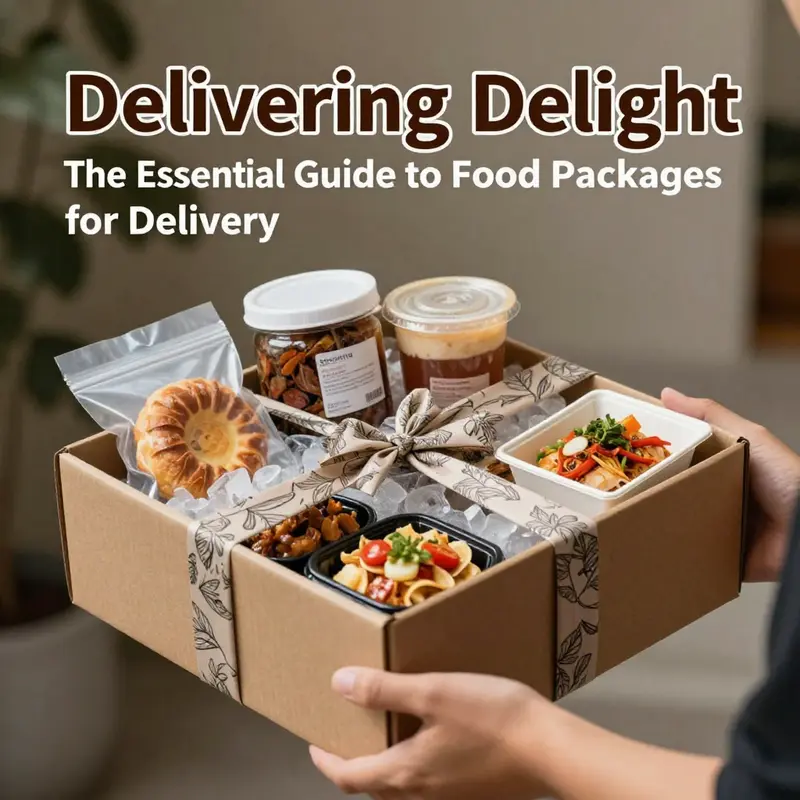
Yet the science of preservation is only part of the story. The presentation of premium packages matters just as much as the protection they provide. The unboxing experience—the moment a recipient discovers the packaging and first reveals the meal—has a powerful impact on perceived quality. Thoughtful presentation can communicate care, attention to detail, and a premium ethos, long before the consumer tastes the food. This can range from elegant box designs to organized packing, with items neatly arranged and labeled for easy identification during unboxing. Personal touches, such as a handwritten note or a small, tasteful insert describing the sourcing and preparation of the meal, can transform a simply delivered box into a curated moment. These details are not incidental. They reinforce the message that the sender values the recipient, the occasion, and the food itself.
From a consumer psychology standpoint, premium packaging acts as a trust signal. When a customer receives a package that looks and feels high quality, they infer that the contents are also superior. This perception incentivizes repeat orders and referrals, especially for gifts or special occasions where the packaging itself is part of the gift’s value. The package becomes a carrier of the brand’s promise—a promise that the food will be flavorful, fresh, and prepared with a level of care that matches the occasion. In practice, this means investing in materials and finishes that convey quality without sacrificing practicality. The right combination of structure, texture, and color can communicate an elevated experience while remaining functional for storage, heating, and disposal.
A premium approach also calls for clear alignment with sustainability and health-safety standards. Modern premium packaging does not merely look good; it must also perform in ways that respect environmental considerations and regulatory expectations. Many leading systems use biodegradable or compostable paper-based materials that can withstand the rigors of transit while minimizing environmental impact. This shift toward sustainability reflects broader consumer expectations for responsible packaging and aligns with regional policy trends that encourage reuse, deposit-return schemes, and the reduction of single-use plastics. Programs that promote reuse or recycling capacity, coupled with durable, cleanable inner liners, enable a premium experience that does not compromise the planet for convenience. In such a framework, packaging design becomes a dialogue between performance and responsibility, ensuring that the sought-after sensory experience does not come at the expense of ecological well-being.
The high-end category also contends with the realities of different delivery contexts. A premium box designed for a celebratory gift must deliver a different emotional impact than one intended for daily meals. Premium gift packaging has to strike a balance between opulence and practicality. For gourmet gifts, brands often weave in temperature control with aesthetic finesse. Temperature-controlled shipping methods, coupled with a refined outer shell, can transform a simple delivery into a culinary event that arrives ready for immediate enjoyment. In this space, the packaging not only protects the product but also conveys the narrative of the meal—the provenance of the ingredients, the chef’s technique, and the intention behind the gift. It is the packaging that tells the story before the first bite.
Among premium examples, the approach to packaging excellence can include careful curation of the inner layout. Items are arranged to avoid shifting, leaks, or damage, with compartments or separators that keep sauces, sides, and desserts from mingling. Even the packaging’s exterior can bear decorative touches—embossed logos, textured finishes, or a color palette that communicates sophistication. These details may seem tangential, but in the eyes of a consumer, they reinforce the sense that this is a special experience rather than a routine delivery. The behavior of the recipient—how they handle, open, and present the meal to others—becomes a part of the delivery narrative. The packaging thus supports social sharing and word-of-mouth recommendations, which are particularly important in premium food markets where presentation and experience multiply the product’s value.
A practical perspective on the design of premium packaging is the careful integration of functionality with aesthetics. Temperature control must be reliable, but it should not complicate the user’s ability to access the meal or reheat it safely. The inner materials must resist moisture and grease while remaining safe for food contact. Seals and closures must be easy to operate yet secure enough to prevent accidental opening during transit. In hot applications, the packaging should minimize condensation that might dampen napkins or spill sauces, while for cold items, it should prevent frost interference with presentation. The goal is seamless usability; the consumer should be able to retrieve the meal without wrestling with the packaging, discovering a product that looks as good upon opening as it did when it was packed.
From a business perspective, premium packaging is an investment, but it is one that can yield outsized returns through enhanced perception, reduced waste from spoilage, and stronger customer loyalty. Companies that commit to premium packaging frequently report improvements in customer satisfaction scores, longer average order values for gifts and special occasions, and increased repeat order rates. The relationship between packaging and loyalty is not accidental. Consumers equate quality packaging with care, consistency, and reliability. When a meal travels in a container that respects its integrity, customers attribute those same qualities to the brand itself. In the competitive world of delivery, where dozens of options may be within reach at the tap of a screen, packaging becomes a differentiator that aligns with the broader ambitions of the business to deliver not just food, but a trusted promise.
In practice, premium packaging spans a spectrum of materials and configurations. It may incorporate insulated bags, multilayer boxes, and inner liners designed to maintain dryness and heat without compromising flavor. It may also exploit sustainable materials—biodegradable papers, compostable cellulose films, or plant-based coatings—that meet environmental goals without sacrificing performance. The choice of materials carries implications for production scale, cost, and supply chain resilience. When a brand scales up, it must maintain consistent quality across batches, ensure compatibility across different product lines, and manage a diversified supplier base. Premium packaging programs therefore require rigorous quality assurance processes, standardized testing for temperature retention, leak resistance, and food-contact safety, and ongoing supplier collaborations to sustain performance as demand grows.
Several indicators signal that a packaging program has achieved premium status. First, there is consistency: every box arrives with the same structural integrity, seal reliability, and aesthetic presentation, regardless of order size or destination. Second, there is predictability: performance metrics such as the ability to maintain a given temperature range over a defined transit time are met consistently. Third, there is emotional resonance: unboxing rituals, thoughtful inserts, and tactile finishes evoke a sense of occasion that customers remember and share. When these indicators converge, the packaging ceases to be a passive container and becomes an active participant in the dining experience.
To illustrate how premium packaging translates into consumer delight, consider the lifecycle of a high-end meal sent as a gift. The sender selects a package that communicates care and exclusivity, not merely through the choice of food but through the packaging’s material quality and its presentation. The recipient experiences a moment of anticipation as they notice the box’s weight, the subtle texture of the exterior, and the clean, organized interior. When the meal is finally opened, the food remains visually appealing, aromas are preserved, and the packaging supports fresh reheating with clear, safe instructions. A well-executed premium package makes the recipient feel seen and valued, heightening the emotional impact of the gift and strengthening the sender’s relationship with the recipient. This is where packaging ceases to be a procedural necessity and becomes a meaningful component of the social exchange around food.
In the practical realm of supply chains, premium packaging requires alignment across procurement, kitchen operations, and logistics. The kitchen must produce meals in a manner compatible with packaging designs, ensuring that portions fit into designated compartments and that sauces and sides remain separate where appropriate. The procurement team must source materials capable of withstanding the rigors of transit while meeting regulatory requirements for food contact safety. The logistics team must carry forward the temperature-management plan with reliable transit partners, tracking conditions in real time, and ensuring corrective actions when deviations occur. This cross-functional coordination is essential to maintain quality from the moment of packing to the moment of receipt. It also helps to reduce waste, as premium packaging often minimizes damage and spoilage in transit, leading to fewer returns and better overall efficiency for the business.
A practical takeaway for businesses seeking to elevate their own delivery experiences is to begin with a holistic view of the packaging ecosystem. Rather than focusing on a single feature—such as insulation or a decorative outer shell—organizations should map the entire journey: from sourcing and preparation to packaging, transit, and final consumption. This approach helps identify where small adjustments can yield outsized gains in temperature stability, food safety, and consumer delight. It also clarifies opportunities for sustainability that do not sacrifice performance. For instance, selecting biodegradable or compostable inner liners can reduce waste, while designing outer boxes with recyclable elements and clear disposal guidance can enhance end-of-life responsibility without adding complexity for the consumer. The goal is to harmonize form and function so the packaging is as reliable as it is refined.
The premium packaging narrative also embraces the broader culture of delivery in the modern era. Consumers increasingly expect experiences that feel crafted and personalized, even when the service is transactional. Premium packaging supports this expectation by providing consistency, elegance, and a sense of care that translates into trust. It becomes part of a brand’s identity, a signal that the business values quality and is willing to invest in it. For event-driven purchases—corporate gifts, anniversaries, birthdays—the packaging can amplify significance and make the meal a centerpiece of the occasion rather than a mere gustatory outcome. In these moments, packaging becomes a strategic asset, shaping the perception of value and elevating the entire customer journey.
This evolving landscape also interacts with regional and global trends that shape packaging standards. Regions that emphasize sustainability and reuse are increasingly adopting deposit-return models and reusable delivery systems that require careful, ongoing design attention. The material selection in premium packaging responds to these policies by prioritizing recyclability, durability for reuse, and compatibility with composting streams where available. The challenge and opportunity lie in balancing the desire for luxurious presentation with the practical realities of reuse and environmental stewardship. When done well, premium packaging serves both the palate and the planet—preserving the sensory experience while limiting ecological impact and aligning with consumer values.
In sum, premium food packaging for delivery is a sophisticated, multi-layered practice that blends culinary respect, material science, and experiential design. It is not a mere byproduct of delivery but a foundational element of what makes a meal special when it travels from kitchen to doorstep. The most successful programs treat packaging as a strategic asset, one that communicates quality, protects safety, and creates a moment of delight that enhances loyalty. By embracing quality sourcing, robust preservation strategies, temperature-controlled logistics, elegant presentation, and sustainable materials, brands can fulfill a premium promise at scale. The result is a delivery experience that feels less like a routine service and more like a thoughtful, personalized event—one that honors the meal, the recipient, and the journey in between. For the consumer, it is a reminder that food delivered to the door can still feel like it was prepared with the same care and attention as if served at the table.
To connect this narrative with tangible options, consider how a specific packaging solution can support the premium experience described above. A packaging option such as the food-grade-hot-dog-takeaway-box-biodegradable-hot-dog-box-packaging provides a concrete example of how design choices translate into performance. This compact case illustrates how a simple, well-thought-out container can preserve heat, resist grease, and present the meal with clarity and style. It demonstrates that premium packaging is not about excess ornamentation alone but about purposeful engineering that delivers reliability and a touch of elegance at the moment of truth—opening the box.
The implications for businesses extend beyond the kitchen and into marketing, logistics planning, and customer service. A well-executed premium packaging program supports marketing narratives around quality, sustainability, and thoughtful gifting. It also reduces the friction points that can erode customer satisfaction, such as leaks, heat loss, or messy unpacking, and it creates a favorable platform for customer feedback and social sharing. When customers post images of their unboxing or speak about the gift’s presentation, they contribute to organic reach and reinforce the brand’s premium identity. The packaging thus becomes a storytelling device that travels with the meal, complementing the chef’s craft with an outward-facing demonstration of excellence.
Ultimately, premium food packaging for delivery is about aligning the sensory, the functional, and the emotional dimensions of dining. It is about preserving the integrity of the food, presenting it with care, and delivering a sense of occasion that remains consistent across geographies and order sizes. As the market for delivery continues to mature, the packaging conversation will increasingly center on how to scale premium experiences without compromising safety, sustainability, or convenience. Brands that invest in this balance—combining material science, design finesse, and a deep understanding of consumer expectations—will shape the next generation of food delivery, where the box not only protects the meal but also elevates the whole dining moment.
External resource for further reading: https://www.omahasteak.com
Final thoughts
Understanding the dynamics of food packages for delivery is essential for any business in the culinary sector. Insulated food packages are vital for temperature control, while sustainable packaging solutions respond to a growing demand for eco-friendliness. Finally, premium food packages not only elevate customer experiences but also differentiate brands in a competitive market. By embracing these elements, beverage chains, restaurants, food trucks, catering services, event planners, and procurement teams can unlock new opportunities for growth and customer loyalty.