

As the demand for sustainable packaging surges, glass containers for food storage have emerged as a preferred choice. This shift is particularly important for businesses like bubble tea shops, beverage chains, and restaurants that prioritize both quality and environmental responsibility. Throughout this article, we will explore three key chapters: Eco-Friendly Trends that guide consumer preferences, a Market Analysis providing insights into the wholesale landscape, and Technological Innovations that are reshaping product offerings. Each of these chapters will contribute to a holistic understanding of how embracing glass containers can enhance your business’s reputation and operational efficiency.
Clear, Green, and Wholesale: The Eco-Friendly Rise of Glass Food Storage Containers
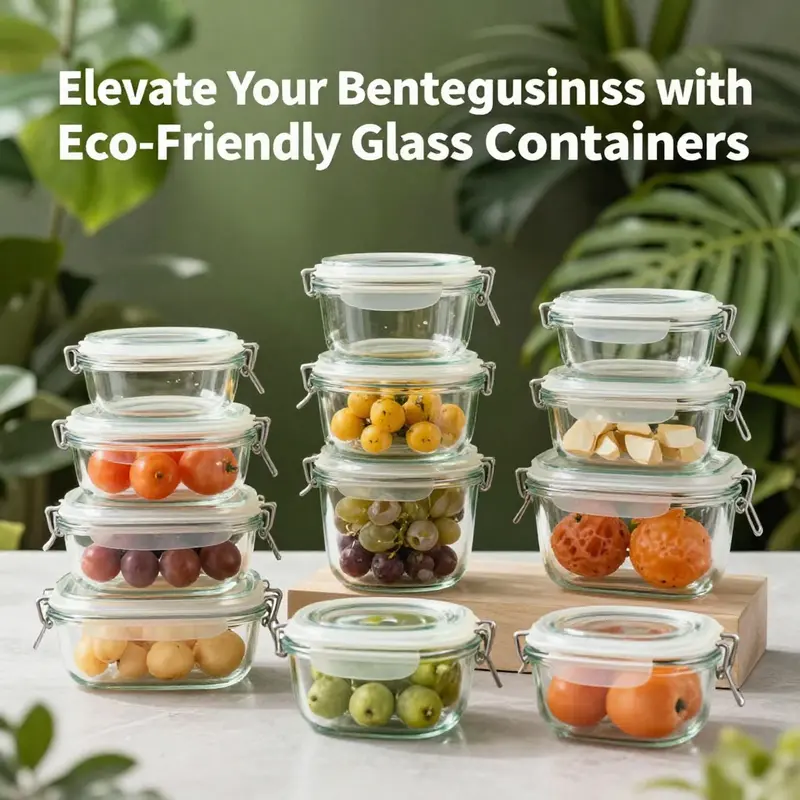
The wholesale market for glass containers used in food storage is maturing into a strategic platform for sustainable packaging. This evolution is not a fleeting preference but a structural shift driven by a growing chorus of buyers who value safety, quality, and responsibility as much as price. Glass, long celebrated for its purity and durability, has emerged at scale as the backbone of eco-friendly storage solutions. Consumers and businesses alike are gravitating toward materials that can endure daily use, withstand temperature variations, and prove their value through a clean end-of-life story. The result is a wholesale ecosystem that rewards durability, modular design, and transparent manufacturing ethics as much as it rewards competitive pricing. In this context, glass containers are positioned not merely as containers but as statements about health, environment, and efficiency in the modern kitchen and beyond.
A principal driver behind this shift is the heightened awareness of plastic pollution. Education and targeted campaigns have helped the public see the long tail of disposable packaging, and the response has been decisive. Policymakers around the world are tightening rules around disposable and non-recyclable packaging, creating a compliance imperative for manufacturers and retailers alike. In wholesale channels, the pressure translates into a demand signal for materials that can be reused, repaired, and recycled without compromising safety or performance. Glass, with its inherent recyclability and non-toxic profile, aligns neatly with these policy trajectories and consumer expectations. The market responds with greater availability, more standardized supply, and a broader spectrum of shapes, sizes, and finishes designed for professional kitchens, retailers, and brands pursuing premium positioning.
Within this broader context, the technical characteristics of glass containers reinforce their eco-credentials. Glass offers a robust shield against leaching and contamination, which is especially crucial when food safety standards tighten around the world. Its non-porous surface resists absorption of flavors and odors, enabling repeat use without residue buildup. This quality translates into a longer lifecycle when compared with many plastics, whose performance can degrade after repeated heating, washing, or exposure to oils and acids. The ability to reclaim glass without quality loss—its recyclability being effectively infinite—reduces landfill burden and lowers the environmental footprint of storage packaging over time. In wholesale terms, this translates into lower long-term cost of ownership for retailers and food producers who prioritize reliability and sustainability in their supply chains.
On the manufacturing side, the wholesale pipeline is increasingly oriented toward higher-performance glass formulations. High-borosilicate glass, for instance, is prized for thermal shock resistance and heat tolerance, allowing containers to withstand temperatures that are common in both storage and re-heating scenarios. This reliability is essential for wholesale buyers who service a wide range of markets—from households and small businesses to professional kitchens and food service operators. Such glass can endure broader temperature swings, which reduces the risk of breakage and product loss during transport and storage. It also broadens the applications of a single container line, supporting uses from preserves and jams to dry spices and pet foods. The result is greater versatility at the wholesale level, enabling standardized collections of containers and lids that can serve multiple categories without compromising performance.
Regional dynamics further shape the wholesale landscape. Manufacturing bases in China, with concentrations in coastal and inland provinces, contribute to competitive pricing and logistics efficiency. Strong industrial ecosystems support reliable scale, consistent quality, and fast replenishment cycles, all of which are indispensable for wholesale buyers managing large inventories. The ability to source glass in bulk, with consistent color, thickness, and finish, helps retailers and producers stabilize their purchase costs over the long term. This is particularly important when customers demand customization—intricate container designs, specialized lids, and premium finishes—yet still expect predictable, bulk-friendly pricing.
The design language evolving in wholesale glass storage reflects both consumer tastes and practical needs. There is a clear trend toward premium product offerings that emphasize sleek aesthetics, ergonomic handles, airtight seals, and airtight lids that integrate with representative storage ecosystems. Containers are becoming more than simply functional; they are part of an organized kitchen system. Transparent bodies enable quick visual inventory checks, while stackable geometries optimize shelf and freezer space. Lids are increasingly designed to be corrosion-resistant, often pairing glass bodies with metal accents for durability and a high-end look. In markets where premium packaging signals quality, these design choices become differentiators that justify higher wholesale pricing and faster turnover in retail environments.
The capacity range of glass containers in wholesale catalogs is broad, reflecting the diverse needs of apartment dwellers, RV travelers, professional chefs, caterers, and eco-conscious retailers. Typical sizes span from compact 120 milliliters to substantial 1000 milliliters, with an expanding array of shapes to suit pantry organization, spice jars, jam storage, and even cosmetics in some niche applications. The variety supports customized assortments that wholesalers can offer to retailers seeking to curate a green product lineup without sacrificing practicality. With a broad size spectrum, it becomes feasible to tailor bulk orders to regional demand patterns, reducing waste and improving supply chain efficiency. For wholesale buyers, this translates into more precise forecasting, fewer excesses, and better alignment with consumer segments that are increasingly oriented toward sustainable lifestyles.
Beyond the kitchen, glass containers are finding new relevance in a wider set of applications. Their versatility allows uses for spices, jams, pet foods, and even cosmetics in some markets where glass packaging is perceived as more hygienic or premium. This cross-category applicability is another driver of wholesale adoption, as buyers seek to consolidate suppliers and simplify procurement by choosing a single material platform that can cover multiple product lines. In wholesale terms, the economies of scope—sharing molds, lids, and glass molds across different SKUs—translate into meaningful unit-price advantages and streamlined logistics. A robust wholesale ecosystem emerges when suppliers provide cohesive lines with consistent quality, reliable lead times, and transparent sustainability statements that reinforce brand narratives around health and responsibility.
Sustainability practices in the wholesale space are increasingly measured and explicit. Buyers expect more than a low price point; they demand assurance that containers are produced with responsible energy use, responsible material sourcing, and accountable waste handling. This expectation extends to the entire lifecycle of the product: from raw materials and manufacturing footprint through distribution, use, and end-of-life recovery. Certifications, traceability, and third-party audits become essential signals in a market where buyers are not only purchasing a container but purchasing the ethical framework that accompanies it. The wholesale channel thus becomes a platform for demonstrating compliance with safety standards, environmental stewardship, and social responsibility, all of which add value in a market where consumers are willing to pay a premium for trusted, sustainable packaging.
In practice, wholesale buyers increasingly turn to bulk pricing arrangements that reflect the durable nature of glass and the long lifecycle of the product. The economics of scale make sense when consumption patterns favor a handful of widely used container families, allowing retailers to maintain lean inventories while meeting varied demand. Suppliers respond with tiered discounts, longer-term contract options, and reliable replenishment cycles designed to minimize stockouts. Yet, price is not the sole determinant. Operational reliability, compliance with safety standards, and the sustainability of the product portfolio are now integral components of supplier selection. A responsible supplier is not only a source of glass containers but a partner that shares risk management strategies, supports audit processes, and participates in continuous improvement toward lower environmental impact and higher product safety.
The path to wholesale ecologies that truly align with eco-friendly values also involves clear communication with end customers. Brands that embrace glass storage must articulate the benefits of recyclability, non-toxicity, and the absence of leaching in straightforward, consumer-facing terms. This messaging reinforces trust and can influence purchasing decisions at the retail level, where households increasingly prioritize health and environmental considerations alongside convenience and price. The transparency mindset that underpins this trend resonates across wholesale sales so that retailers can confidently explain why a glass container offers a better long-term value proposition than single-use plastics or other disposables. The long-term payoff is a more stable demand cycle driven by repeat purchases, shelf-ready packaging, and a growing willingness among consumers to invest in durable, reusable storage solutions.
A practical aspect of this transition is how wholesale buyers evaluate suppliers beyond price. The most effective partnerships hinge on operational reliability, quality controls, and the sustainability profile of both the product and the supplier’s operations. This includes the consistency of glass thickness, the precision of seals, the integrity of lids, and the degree to which packaging reduces waste in transit. It also encompasses supply chain resilience—capabilities to navigate disruptions, maintain lead times, and provide flexible production scheduling. In markets with high demand for custom or premium designs, the ability to scale production while maintaining uniform quality becomes a decisive competitive advantage. Wholesale buyers who adopt rigorous supplier assessments gain confidence that their inventories will perform as expected, enabling retailers to deliver on promises of safety, durability, and sustainability to their customers.
The need for a cohesive, end-to-end approach also shapes how wholesalers collaborate with design and logistics partners. As containers grow more aesthetically refined, the role of packaging engineers, graphic designers, and supply chain planners becomes more intertwined. The objects themselves signal a brand’s values, but the system around them—manufacturing processes, packaging integrity, and cartage practices—must elevate those signals into reliable customer experiences. Effective collaboration yields glass storage solutions that marry form and function: elegant silhouettes that stack securely, lids that seal with confidence, and labeling that communicates material safety and reusability. In this integrated vision, wholesale glass containers do more than store food; they embody a philosophy of careful stewardship and practical, repeat-use performance.
Embedded in this narrative is a clear horizon for wholesale growth: glass containers will continue to gain share as the market leans into sustainability, health, and efficiency. The convergence of durable glass, smart design, and responsible sourcing creates a compelling value proposition for retailers and manufacturers alike. At the wholesale level, the transition is visible in product families that harmonize aesthetic appeal with everyday utility, enabling buyers to offer shoppers a coherent, eco-conscious assortment. As the market evolves, wholesalers who foreground transparency, reliability, and environmental stewardship will not only meet consumer expectations but exceed them, turning eco-friendly glass storage into a defining standard for modern packaging.
For a practical glimpse into how eco-friendly packaging options are presented in wholesale ecosystems, see this resource that highlights durable, reusable glass storage options and related design considerations. eco-friendly-disposable-3-compartment-food-grade-packaging-box-for-fast-food-high-quality-takeout-boxes-for-fried-chicken-french-fries-packaging. This example illustrates how wholesalers can connect design, sustainability, and price within a single, scalable offering, reinforcing the broader narrative of eco-friendly glass as a cornerstone of modern food storage.
The chapter thus maps a vivid landscape where environmental responsibility and wholesale efficiency reinforce one another. Glass containers—durable, non-toxic, and endlessly recyclable—carry a compelling story for retailers and consumers who want to reduce waste without compromising quality. The intertwining of policy pressure, consumer expectation, and supplier capability has accelerated a market that views glass as the premier packaging material for healthful, responsible food storage. In the chapters to come, this momentum will be explored further, examining how brands, distributors, and manufacturers collaborate to keep glass at the heart of a sustainable packaging system. The evolution is not merely about replacing plastic; it is about rethinking storage as a durable, repeat-use practice that aligns daily habits with a healthier planet. As these conversations deepen, wholesale strategies will continue to crystallize around reliability, transparency, and a shared commitment to eco-friendly outcomes that benefit businesses and households alike.
External resource for further reading: https://www.alibaba.com/product-detail/Eco-Friendly-Airtight-Glass-Containers-for-Food-Storage-120ml-to-580ml.html?spm=a2700.1.recommended.1
Market Dynamics on the Wholesale Shelf: The Rise of Glass Containers for Food Storage
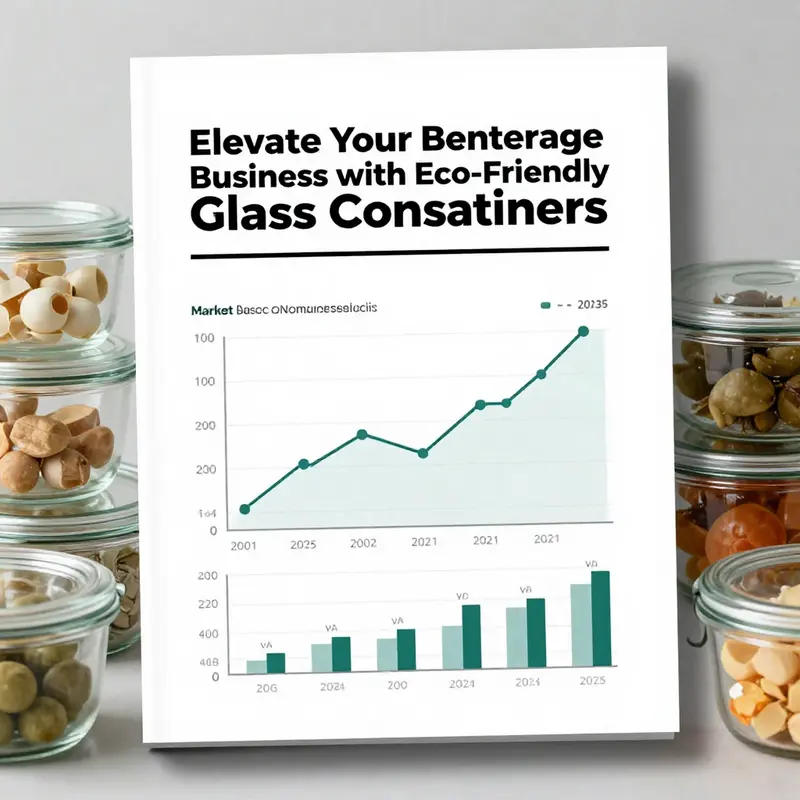
The wholesale market for glass containers used in food storage is currently navigating a period of significant expansion, a surge that mirrors broader shifts in consumer values and industrial practice. Across continents, buyers—from large-scale food manufacturers and central kitchens to specialty retailers and ambitious startups—are recalibrating their packaging choices in favor of glass. The reasons are practical and aspirational at once: glass offers a transparent view of the product, ensuring that color, texture, and freshness can be assessed at a glance; it performs reliably under temperature variation; and, crucially, it aligns with a growing commitment to safety and sustainability. As governments and brands alike push for lower plastic reliance and more robust recycling ecosystems, glass emerges not merely as an alternative but as a strategic default for premium, long-shelf-life foods. This wholesale expansion is not a simple volume story; it is a narrative about how material choice shapes price, logistics, brand perception, and long-term commercial resilience in an increasingly scrutinizing market.
From a macro lens, the drivers are interwoven. On one axis sits consumer demand for safe, non-leaching packaging that preserves flavor and texture. Glass’s inherent inertness—its resistance to absorbing oils, acids, or pigments—translates into predictable product quality. On another axis sits sustainability, a term that now carries measurable weight in procurement decisions. Glass is recyclable with high recovery rates, and its reuse potential is widely recognized across hospitality, retail, and manufacturing spaces. The third axis centers on visibility and control: glass containers let producers and retailers demonstrate product integrity and freshness, a factor that strengthens trust with discerning customers and high-end market segments. The wholesale channel has adapted to these expectations by refining both product technicalities and service models, with bulk pricing, shorter lead times, and tailored formulation options that address diverse culinary needs. In this context, glass is not merely a vessel; it is a conduit for communicating quality, cleanliness, and a commitment to environmental stewardship.
The core product story in wholesale markets revolves around mid-sized and large-volume formats that cover a spectrum from pantry staples to artisanal preserves. Across platforms and regions, 500ml, 280ml, 380ml, and 750ml jars with dependable sealing systems have become the backbone of typical inventories. These sizes strike a balance between user convenience and logistical efficiency, enabling bulk producers to standardize storage and distribution while offering retailers a flexible assortment for promotions and seasonal lines. The high-borosilicate variant has emerged as a particularly strategic material choice because of its superior thermal resistance, chemical stability, and resilience in high-temperature cleaning regimes. This makes it suitable for products ranging from hot-fill sauces to heat-sterilized jams, expanding the use cases for glass beyond traditional cold-storage applications. In practice, this means wholesalers can meet the demands of manufacturers who require containers that withstand repeated thermal cycles without compromising the contents. Such durability translates into lower risk of breakage during transport and handling—a not-insignificant cost consideration in dense supply chains where every container must arrive ready for production lines or shelf display.
There is a notable shift in the design language accompanying these material advances. Market leaders emphasize functional versatility alongside aesthetic options that resonate with contemporary consumer sensibilities. Broad-mouth designs improve usability, making it easier to fill, portion, and clean jars in high-volume kitchens while also enabling more effective display in retail environments. Craft designers are exploring a spectrum of lid configurations, from silicone-sealed clamps to flip-top and twist-lock mechanisms, each calibrated to deliver air-tight performance without sacrificing ease of use. Silicone gaskets have become a standard component because they maintain seal integrity across repeated opening cycles and temperature fluctuations. Some suppliers push the envelope with dual-gasket systems or secondary seals that further reduce the risk of leakage or moisture ingress during transit and storage. The outcome is a family of products that not only preserve food quality but also support efficient handling, stackability, and brand differentiation at the point of sale.
Alongside sealing technology, the visual and tactile dimensions of container design are increasingly important in wholesale procurement. End users in the hospitality sector and in retail often seek distinctive finishes—clear clarity that showcases the product’s color and texture, precise glass thickness for perceived heft and durability, and ergonomic shapes that facilitate manual handling in busy environments. Customization has moved from luxury add-on to industry norm: suppliers routinely offer branding services, including logo imprinting or color-matched accents, as well as options for form factors that align with a customer’s existing packaging ecosystem. In practical terms, this means wholesalers can offer a more complete value proposition to brands looking to extend their identity across packaging and marketing materials. The ability to customize lids, rims, and even the glass shape itself supports premium positioning, enabling producers to justify higher price points in exchange for consistent performance and brand coherence.
Market dynamics also reflect the robust logistics networks that enable bulk glass packaging to move efficiently from production lines to fulfillment centers and retail floors. In many major production zones, notably in parts of Asia where manufacturing scale and supply chain infrastructure are mature, producers can leverage economies of scale to offer competitive pricing on bulk orders. This is crucial for wholesale buyers who seek to optimize cost-per-unit while maintaining stringent quality and safety standards. Yet price is not the sole determinant. Buyers increasingly weigh supplier reliability, regulatory compliance, and sustainable practices as non-negotiables in supplier selection. The decision matrix extends beyond the numbers into the realm of operational stability: on-time deliveries, consistent product quality, and transparent material declarations. As a result, procurement teams are adopting more formal supplier assessment processes that balance cost with risk management, ensuring that every container not only meets functional requirements but also aligns with broader corporate sustainability goals.
In this milieu, the geographic footprint of production becomes a strategic lever. China remains a dominant hub for glass container production, thanks to its expansive manufacturing base, skilled labor force, and well-developed logistics networks. Proximity to raw materials, mold makers, and end-market buyers further strengthens the cost and lead-time advantages of Chinese suppliers. At the same time, regional hubs are diversifying to reduce risk and enhance service levels, with other Asian and European facilities contributing to regional supply reliability. For wholesalers, this geography translates into a multi-tiered sourcing strategy: primary lines from established glass manufacturers, complemented by secondary channels for molds, components, and specialty finishes. The result is a resilient supply tapestry that can adapt to fluctuations in demand, weather disruptions, or shifts in trade policy, all while preserving the core attributes of glass packaging—reliability, transparency, and safety.
From a competitive standpoint, the market is characterized by a blend of large-scale manufacturers and more nimble, mid-sized producers capable of rapid customization. Scale provides competitive pricing on standard lines, but smaller operations often win opportunities through flexibility, shorter lead times, and a willingness to accommodate unique specifications. The wholesale channel rewards those who can couple price competitiveness with robust service systems: clear communication, accurate documentation, and consistent after-sales support. The willingness to provide bulk discounts, flexible minimum order quantities, and varied packaging configurations helps suppliers differentiate themselves in crowded markets. It also means buyers can assemble a portfolio of suppliers to ensure redundancy and to tailor solutions to different product families, from simple dry goods jars to advanced sealing systems and premium, aesthetically refined glassware. The net effect is a wholesale landscape that prizes both efficiency and customization, enabling brands to scale while preserving the quality and integrity of their products.
The future trajectory of the wholesale market for glass food-storage containers hinges on several interwoven strands. Sustainability remains a central driver, not only because it aligns with consumer expectations but also because it aligns with public policy and corporate governance imperatives. Recyclability, reuse, and the circular economy are now measurable criteria in supplier audits, dispatching a message that glass packaging is not a one-off choice but a long-term asset. Technological innovation is anticipated to push into smart functionality as well. While fully integrated smart glass containers may still be in early stages in many sectors, the potential for sensor-enabled lids, inventory-aware seals, and data-linked supply chains is increasingly being considered by progressive manufacturers. These features could enable brands to monitor freshness, automate restocking, and optimize shelf life in real time, reducing waste and enhancing operational efficiency for wholesale buyers.
Health and safety standards will continue to shape the baseline expectations for glass packaging. The industry is unlikely to abandon rigorous material certifications and food-grade assurances, especially as regulatory scrutiny intensifies around migration limits and chemical safety. Wholesalers are therefore incentivized to work with suppliers who can provide transparent material declarations, consistent batch testing, and reliable quality control protocols. In practice, this translates to a demand for higher performance seals, more resilient glass formulations, and fully traceable supply chains. The combination of safety, reliability, and environmental stewardship forms a compelling value proposition for glass containers in a wholesale setting, where bulk orders translate into durable, long-lasting packaging that supports a broad range of food products.
As wholesale buyers become more selective, the evaluation framework grows more sophisticated. The emphasis extends beyond price to encompass operational reliability, supply continuity, and the sustainability of both the product and the supplier’s operations. Buyers increasingly require evidence of a supplier’s ability to scale, to maintain consistent quality across large orders, and to respond to dynamic demand with agility. This shift is reshaping procurement playbooks, with a clearer emphasis on risk mitigation, long-term supplier partnerships, and co-development opportunities that allow brands to innovate without sacrificing supply chain resilience. In this context, glass containers are well positioned to serve as the backbone of premium storage solutions, providing a durable, non-reactive, and recyclable option that aligns with contemporary expectations for health, safety, and environmental accountability.
To bring these threads together into a coherent market picture, it helps to consider how a buyer might approach the wholesale journey. The process begins with a rigorous needs assessment: understanding product families, shelf life requirements, temperature exposure, and the operational realities of production lines and storage facilities. Next comes supplier screening, where measurable criteria—lead times, batch consistency, defect rates, and compliance records—are weighed against strategic fit and long-term collaboration potential. Then, through a combination of bulk pricing, MOQ flexibility, and design customization, wholesalers curate a portfolio of containers that cover a full spectrum of applications: from bulk jars for pantry-level ingredients to premium glass vessels designed for branding and gift packaging. Throughout this journey, the emphasis remains on ensuring that every container delivers consistent performance, clear product visibility, and an unassailable sense of safety for consumers.
For readers seeking practical links to related industry content, there is value in exploring how packaging ecosystems intersect with broader take-away and retail packaging strategies. A supplier that can offer customized branding alongside standard wholesale glass lines can provide a level of integration that strengthens a brand’s market presence while preserving the durability and safety advantages of glass. This approach resonates with wholesale buyers who want to present a cohesive story across product formats and channels. It also highlights a broader truth: wholesale glass packaging is not simply about selling more jars; it is about enabling brands to express quality, control, and sustainability at every point of contact with the consumer. By weaving together material science, design thinking, supply chain acumen, and sustainability commitments, the wholesale sector for glass containers can continue to expand in ways that enhance product integrity and consumer confidence alike.
In sum, the market for wholesale glass containers for food storage sits at a productive intersection of safety, performance, and environmental responsibility. The ongoing growth is driven by a recognition that glass can meet the high standards demanded by modern food producers and retailers while supporting efficient, scalable distribution. The material’s intrinsic advantages—non-toxicity, chemical stability, and recyclability—translate into tangible benefits for wholesalers and buyers, from reduced risk of product contamination to stronger brand narratives that resonate with eco-conscious consumers. As design innovation, sealing technology, and customization options mature, glass containers will continue to offer a compelling value proposition for bulk buyers seeking reliable, premium packaging that aligns with a forward-looking, sustainable food system. The wholesale landscape will likely see continued emphasis on supply chain resilience, cost-effective bulk configurations, and collaborative development efforts that harness insights from producers, distributors, and retailers alike. In such an environment, glass containers emerge not only as vessels but as strategic assets that help food products reach the market with clarity, safety, and enduring quality.
To reinforce the practical dimension of this market narrative, consider how a buyer might leverage a broader packaging ecosystem to amplify brand identity without compromising the performance advantages of glass. The integration of customized branding with wholesale glass lines represents a powerful opportunity for scale and differentiation. For example, a wholesale supplier offering tailored branding options alongside a robust selection of glass jars, together with flexible packaging configurations, can help brands build a cohesive retail presence that stands out on crowded shelves. This is especially valuable in sectors where visual appeal and product integrity drive consumer choice, such as artisanal preserves, premium oils, and specialty sauces. The ability to pair a reliable glass vessel with branding that communicates purity and value can translate into stronger consumer loyalty and higher per-unit margins for retailers and manufacturers alike. In practice, customers begin to view the glass container not as a passive receptacle but as a strategic touchpoint within the product experience—a point where safety, aesthetics, and sustainability converge to deliver trust and performance in equal measure.
For readers exploring practical sourcing avenues, a broader understanding of wholesale dynamics can help in selecting partners who can deliver both volume and value. One example of a widely accessible route to bulk glass containers involves established online wholesale platforms that connect buyers with manufacturers and distributors, offering bulk pricing and variable MOQs. While price remains a consideration, it increasingly sits alongside reliability, compliance, and sustainability credentials. Buyers who cultivate a clear specification, backed by rigorous supplier audits and transparent material declarations, are more likely to secure a stable supply of containers that meet evolving food safety and environmental standards over time. The wholesale journey thus becomes less about chasing the lowest unit price and more about constructing resilient, scalable procurement partnerships that can adapt to changing consumer preferences and regulatory landscapes.
If one imagines the future through the lens of sustainability, the wholesale glass market can be seen as a catalyst for broader change in packaging ecosystems. As retailers and manufacturers shift away from single-use plastics toward reusable and recyclable options, glass containers offer a robust platform for extended product life and responsible logistics. The capacity to reuse glass, combined with efficient recycling streams, supports a circular economy model that aligns with corporate sustainability reporting and consumer expectations. In this sense, wholesale glass packaging is not merely a packaging choice but a strategic statement about how a business approaches waste, resource use, and value creation across its supply chain. The market’s progress will depend on continued investment in material science, process optimization, and collaborative intelligence across manufacturers, logistics providers, and customers who demand transparency and reliability in every batch. The result will be a wholesale landscape that sustains growth by delivering safe, attractive, and sustainable storage solutions that enterprise-scale buyers can depend upon day after day.
To connect this narrative with concrete procurement practice, one may consider how a supplier’s capacity for customization, reliability, and sustainability translates into a tangible advantage for wholesale buyers. A partner able to align material choice with process innovation—such as high-borosilicate glass with standardized seal systems and modular lid options—offers a compact, scalable solution that can reduce complexity across ERP systems, inventory management, and quality assurance cycles. The ultimate payoff is a more predictable supply chain, clearer brand narratives, and a more resilient market position in a competitive environment where every carton, pallet, and shipment matters. In such a framework, glass becomes more than a container—it becomes a strategic instrument for growth, differentiation, and responsible stewardship in the modern food industry.
Internal link for further strategic context: a dedicated take-away packaging and branding solution can complement wholesale glass lines and help brands present a coherent, compelling story across channels. See: custom takeaway packaging.
External resource for further reading on wholesale glass container offerings: https://www.alibaba.com/product-detail/Wholesale-glass-container-jar-lid-500ml-101600381014792.html?spm=a2700.galleryofferlist.pproductList.1.2b4d5a5fjTnYtI&src=shop-homepage-pc-shop-0
Glass Reimagined: Technological Frontiers in Wholesale Food-Storage Containers
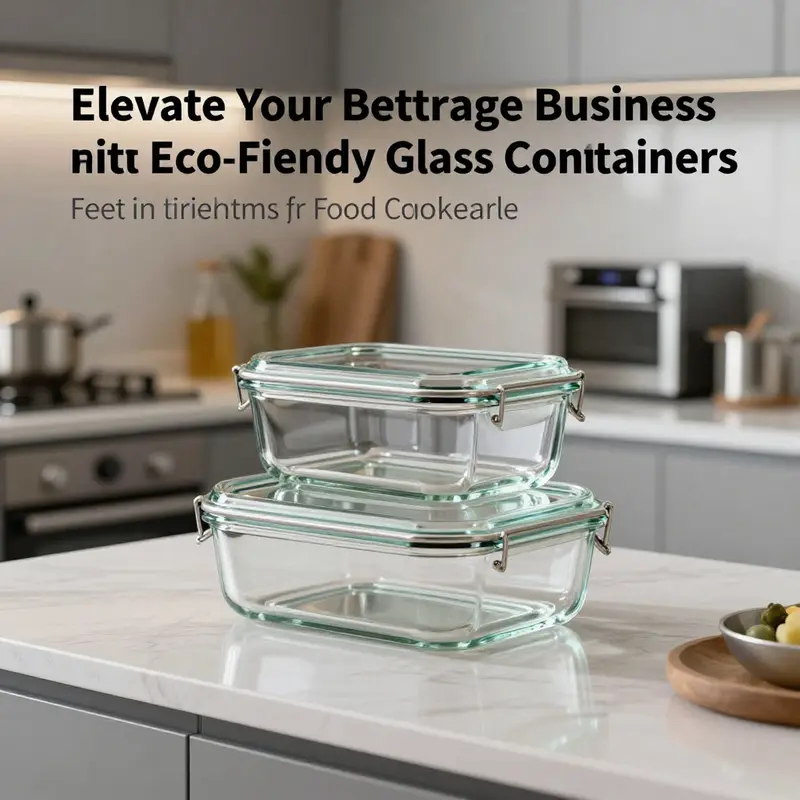
The wholesale market for glass containers used in food storage is undergoing a quiet revolution. It is not driven by an overnight burst of fashion, but by a steady alignment of consumer values with the practical demands of modern food logistics. Buyers in bulk are increasingly selecting glass because it pairs safety with sustainability, offering a durable, inert, and recyclable packaging solution that resonates with both retailers and foodservice operators. In this evolving landscape, technology is not merely a marginal enhancement but a core driver that expands what glass can do, how it integrates into a broader supply chain, and how it speaks to the demand for higher quality and greater traceability. The result is a kind of renaissance for glass containers that looks different from the more familiar narratives about plastics or metals. It is a story about materials doing more, processes doing less harm, and designs that enable wholesale operations to move more goods with greater confidence in safety and consistency. As market analysis suggests, the global glass bottled and container market is on a path to substantial scale, with a steady compound annual growth rate and a clear tilt toward durability, clarity, and purity. Within this framework, the wholesale segment benefits not only from the inherent advantages of glass but also from a suite of technological innovations that extend its reach across categories, temperatures, and regulatory environments. High-borosilicate glass, for example, has become a focal point for manufacturers because it provides superior thermal shock resistance and a broader temperature tolerance. Containers fashioned from this material can withstand rapid changes in temperature without cracking, enabling uses from hot-fill spices to refrigerated jars, and even certain microwave or oven applications when the design supports it. This flexibility matters in wholesale contexts where buyers seek multi-use solutions that reduce SKUs and simplify inventory while maintaining safety and quality across a product line. The long-term implications are meaningful: fewer container types required for a given range of foods, lower overall waste from failed packaging, and a more resilient supply chain capable of absorbing shocks from demand swings or sourcing disruptions. The push toward stronger, more versatile glass aligns with consumer priorities for health and environmental stewardship, reinforcing glass as the premier choice for responsible food storage in wholesale channels. A practical upshot is that suppliers are reconfiguring their production lines to deliver not just larger volumes but smarter containers that arrive ready for the next phase of the supply chain—whether that phase is automated filling, sterile sealing, or direct consumer use. In wholesale terms, this means that packaging decisions can be made with a more complete picture of end-to-end performance, not just the surface appeal of a container’s shape or price per unit. This is the kind of integrated thinking that makes today’s glass offerings both economically viable at scale and dependable in daily operations. It also puts a premium on the alignment of manufacturing with safety standards, traceability, and sustainability commitments, because wholesale buyers increasingly expect suppliers to demonstrate reliability across the entire lifecycle of a container.
Material science and manufacturing advances are laying the groundwork for a new class of glass containers whose capabilities extend well beyond pantry storage. The development of high-strength, tempered glass is central to this shift. Tempering increases surface strength and resistance to impact, but it also has to be tuned to the particular use cases envisioned in wholesale operations. When tempered glass is engineered for thermal shock resistance, the container can endure sudden temperature changes without compromising integrity. This is especially valuable for items that require hot-fill processing, or for products that may move quickly from cold storage to customer-facing display where heat exposure could occur during service. The allure of such robust containers is unmistakable in markets where volume, speed, and reliability are essential; they reduce the risk of costly breakages in transport and at point-of-sale, two factors that can erode margins in bulk procurement. The trend toward microwave- or oven-safe glass is a natural extension of tempered design. While traditional glass has been perceived as brittle in some contexts, the right combination of composition and heat treatment makes it feasible to offer containers that can withstand practical kitchen use. This broadens the functional envelope of wholesale glass containers, enabling them to serve more phases of a product’s lifecycle—from storage through preparation to heating—and thereby reducing the need for alternate packaging materials or multi-container ecosystems. For buyers, the implication is significant: a single line of glass containers can accommodate a wider array of products and processes, simplifying procurement while preserving quality and safety. In tandem with these material and process innovations, producers are investing in automated, highly controlled manufacturing environments that bolster consistency and hygiene across tens of thousands of units per day. A key element is the alignment of these processes with rigorous food-safety standards. Automated handling reduces human-to-product contact, minimizing contamination risk and enabling more predictable fill levels and seal integrity. In line with this, hot air or steam sterilization steps are integrated into production lines to ensure containers arrive in a ready-to-fill state, reducing the need for additional post-process cleaning in downstream packaging stages. Precision engineering also drives material efficiency. By optimizing the geometry of containers, manufacturers can achieve more compact stacking and better space utilization in warehouses and distribution centers. The gains are not merely about reducing wasted space; they translate into tangible improvements in bulk handling, palletization, and transportation costs. When combined with ergonomic considerations in lid design and grip points, the result is a form that is easier to handle in bulk operations, contributing to faster loading cycles and fewer injuries for workers involved in repetitive handling tasks. This, in turn, supports a safer, more efficient wholesale ecosystem where container performance and logistics performance converge.
Another stream of innovation centers on coatings and interior linings. Traditional epoxy-phenolic linings, common in metal packaging, have faced scrutiny for potential health concerns. Glass containers, by their inert nature, still benefit from non-toxic, food-grade coatings designed to reinforce seal integrity, moisture resistance, and gas barrier properties. These coatings do not alter the inert character of glass; instead, they work to enhance performance in environments that challenge shelf life and product quality. In particular, spices and dry goods, which are highly sensitive to moisture and oxygen ingress, can benefit from a coating that tightens the barrier while maintaining the release of aroma and flavor within safe limits. The coatings are engineered to adhere securely to glass surfaces and withstand repeated temperature cycles without delaminating or compromising safety. For wholesale buyers, this translates into longer product windows and more forgiving supply chains, because the shelf life of delicate items can be preserved even when storage conditions fluctuate. These advancements mark a meaningful departure from the past when coatings were primarily a concern for metal packaging; now glass benefits from targeted surface science that expands its applicability while preserving its core advantages—chemical inertness, non-toxicity, and recyclability.
Coalescing with material and coating innovations is design optimization that addresses the practical realities of wholesale logistics. Precision engineering is reshaping container geometry to support more efficient stacking, easier automated filling, and smoother lid engagement. Containers designed with uniform wall thickness, compatible rims, and standardized neck finishes minimize the time spent on line changes and reduce the likelihood of mis-seals, which are common culprits of spoilage or leakage. The ergonomic aspects extend to handles, rims, and lid designs that reduce operator fatigue and improve throughput in high-volume environments. These improvements are not cosmetic; they directly impact the productivity of filling lines and the reliability of seal integrity under typical distribution stresses such as vibration and temperature fluctuations during transit. In this vein, the integration of sterile environments and controlled atmospheres into automated lines has grown more common. The application of hot air or steam sterilization within or immediately preceding the filling process helps ensure that containers meet hygiene standards before product contact occurs. This is particularly valuable for spice jars, dry-goods containers, and other items where micro-biological control is essential for long shelf life. The result is not only safer products but a more resilient wholesale operation that can meet stringent regulatory expectations without sacrificing speed or efficiency.
Technology in the wholesale space also extends beyond the factory floor to how buyers source and specify their glass containers. Supplier platforms that connect bulk buyers with manufacturers have become integral to supply chain flexibility. These platforms offer access to a broader range of designs, materials, and production capacities, enabling buyers to tailor orders to seasonality, product mix, and storage constraints. The ability to source containers in bulk with consistent quality at predictable lead times is a strategic advantage in markets where demand can swing with seasonality, trends, or external shocks. In this context, it is essential for buyers to adopt a comprehensive supplier assessment that goes beyond price alone. Reliability of operations, adherence to safety standards, and the sustainability of manufacturing practices are now central considerations. A robust supplier profile includes evidence of quality management systems, traceability capabilities, and third-party certifications that demonstrate a commitment to safety and environmental responsibility. For wholesale buyers, this means that the decision calculus is broader and more nuanced than simply selecting the lowest bidder. It requires a clear view of each supplier’s capacity to maintain consistent performance, fulfill orders on time, and support ongoing product development that aligns with evolving consumer expectations for safe and sustainable packaging.
In this context, the design and technology story around glass containers is inseparable from the broader dynamics of the packaging market. Glass remains favored over plastics in large part because it does not leach chemicals, is highly recyclable, and can preserve flavor and aroma with exceptional fidelity. Yet the wholesale path for glass is not static; it continues to adapt through innovations in material science, surface engineering, and production orchestration. The shift toward high-borosilicate glass, which offers superior thermal resilience, is a case in point. By enabling containers to withstand a wider range of temperatures, this material broadens the scope of foods that can be stored and prepared in glass, reducing the need to switch between packaging formats as product life cycles change. At the same time, the growth of customized lids and intricate container designs reflects a broader market trend toward premiumization in wholesale packaging. Buyers in bulk are increasingly seeking glass containers that combine aesthetics with functional performance, a combination that supports premium product positioning, improved shelf appeal, and consumer confidence in the safety and quality of preserved foods.
The wholesale environment also reflects a broader shift in how packaging suppliers position themselves relative to sustainability. The current generation of glass containers is often designed with end-of-life considerations in mind. Recyclability remains a core strength, and manufacturers are investing in traceable materials streams to ensure that post-consumer glass is recovered efficiently and reintegrated into new products. This alignment with circular economy principles matters to retailers and foodservice operators who want to minimize environmental footprints while maintaining cost efficiency. As consumer demand coalesces around eco-conscious choices, wholesale buyers are recognizing that the recycling and reuse of glass, combined with durable design and careful material selection, yields a packaging solution that is both responsible and economical over the long term. The net effect is a market that prizes reliability, safety, and sustainability in equal measure, and that sees technology as the bridge between strong performance and responsible stewardship.
For buyers navigating this landscape, platform-enabled procurement and transparent supplier ecosystems offer practical advantages. The ability to specify tolerances for wall thickness, sealing performance, and coating compositions helps ensure that every container meets exacting standards. It also allows buyers to orchestrate procurement with production schedules, buffer against supplier shortages, and align packaging choices with product campaigns or promotions. In practice, this means fewer mismatches between product and package, less waste due to unsellable stock, and a smoother path from manufacturing to retail shelf. In short, technology in glass containers is not just about a novel feature; it is about delivering consistent outcomes at scale—outcomes that protect safety, preserve quality, and support the economics of wholesale distribution.
To bring these developments to life, wholesale buyers increasingly look beyond the container itself to the broader packaging ecosystem. They weigh the advantages of glass against the convenience and cost structures of alternative packaging formats, recognizing that the most successful strategies often combine careful material choice with intelligent process design. When glass is chosen, it is because it can deliver, with higher confidence, an uninterrupted chain of custody from production to consumer. This requires more than a well-made jar or bottle; it demands trust in the supply chain, rigorous testing, and ongoing collaboration with suppliers who are as committed to safety and sustainability as their customers are. Integral to this is the recognition that digital identifiers, such as RFID or QR code-based traceability, can provide a wealth of value beyond simple inventory control. They enable producers, distributors, and retailers to access real-time information about product origin, ingredient lists, and even suggested uses. When implemented thoughtfully, this kind of smart packaging not only improves supply chain transparency but also enriches the consumer experience by delivering actionable information through a simple scan.
The wholesale narrative thus weaves together material science, process engineering, and strategic sourcing into a coherent path forward. It shows how glass containers can expand their role in a world increasingly oriented toward safety, sustainability, and efficiency. The economics of bulk purchasing—bulk pricing, standardized geometries, and scalable production—appear alongside design and coating innovations that push performance boundaries. The result is a packaging solution that remains faithful to its core strengths—clarity, inertness, and recyclability—while embracing a modern toolkit that makes glass more versatile, more reliable, and more responsive to the demands of a fast-moving wholesale market. As the sector continues to evolve, buyers will benefit from a careful balance of technical insight, supplier diligence, and strategic sourcing that together unlock the full potential of glass for food storage in wholesale channels.
In practical terms, this means that wholesale buyers can increasingly rely on glass containers to simplify and strengthen their offerings. They can reduce SKU proliferation by selecting multi-use containers that accommodate a broad range of products. They can improve the consistency of product quality by leveraging improved sealants and barrier properties, ensuring that spices, dried herbs, and pantry staples maintain their aroma and moisture balance longer. They can enhance consumer trust through transparent traceability, which helps to verify origin and safety across the product’s life cycle. And they can advance environmental goals by choosing glass with proven recyclability and by partnering with suppliers who commit to sustainable practices. Taken together, these elements form a holistic picture of how technological innovations in glass containers are reshaping wholesale food storage—making glass not only a traditional material but also a forward-looking packaging solution that aligns with contemporary expectations for health, safety, and stewardship. For buyers seeking to explore these opportunities further, several platforms offer access to bulk glass packaging options and related supply capabilities. See a representative example of the kind of eco-friendly bulk packaging options available here: eco-friendly disposable packaging boxes.
External resource: https://www.roetell.com/
Final thoughts
In summary, the shift towards glass containers for food storage in the wholesale market illustrates a pivotal change in consumer preferences and industry standards. By prioritizing sustainability, businesses such as bubble tea shops, restaurants, and catering teams not only meet consumer expectations but also align with a broader commitment to environmental stewardship. Understanding the eco-friendly trends, market dynamics, and technological advancements will empower your business to thrive. Embrace glass containers today and be a part of this positive transformation.