
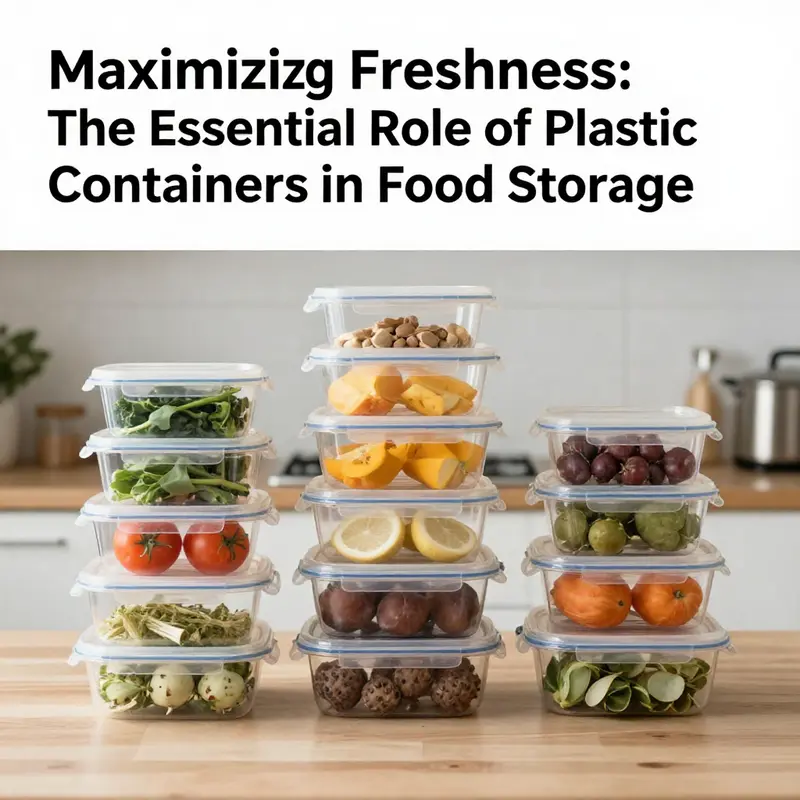
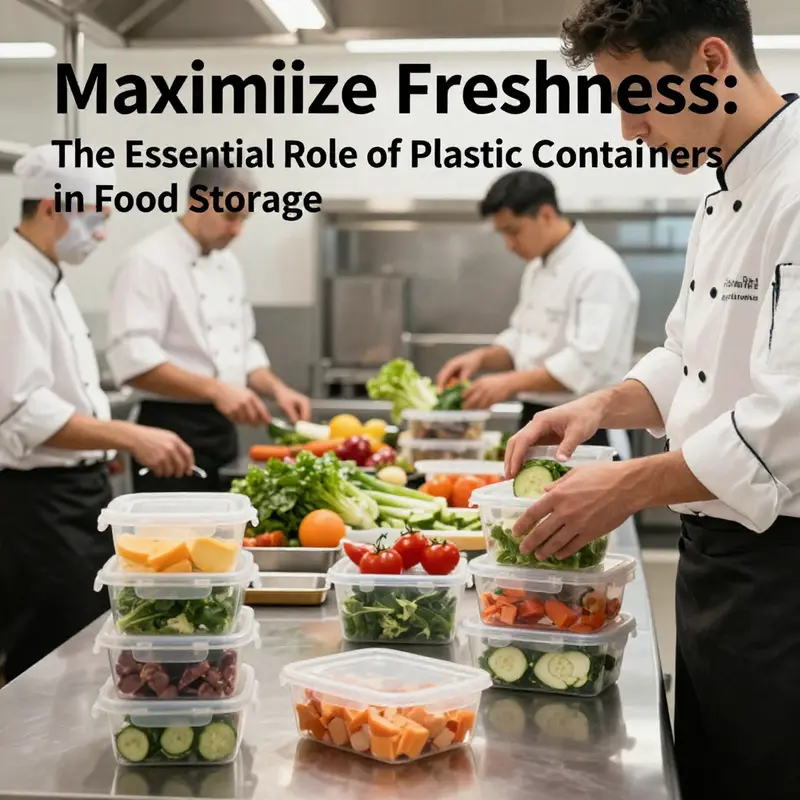
In the bustling environment of modern kitchens, particularly in bubble tea shops, restaurants, and catering services, the management of food storage plays a significant role in operational efficiency and customer satisfaction. Plastic container food storage emerges as a pivotal solution, meticulously designed to keep ingredients fresh, organized, and easily accessible. As we delve into the nuances of plastic storage solutions, we’ll explore various container types tailored for different needs, evaluate the benefits and limitations of these materials, compare them to glass alternatives, and provide best practices for optimal usage. Each chapter serves to inform and guide you in making intelligent choices for your business, enhancing both food management and customer service.
null
null
Shape, Seal, and Substance: Mapping the Plastic Container Food Storage Landscape
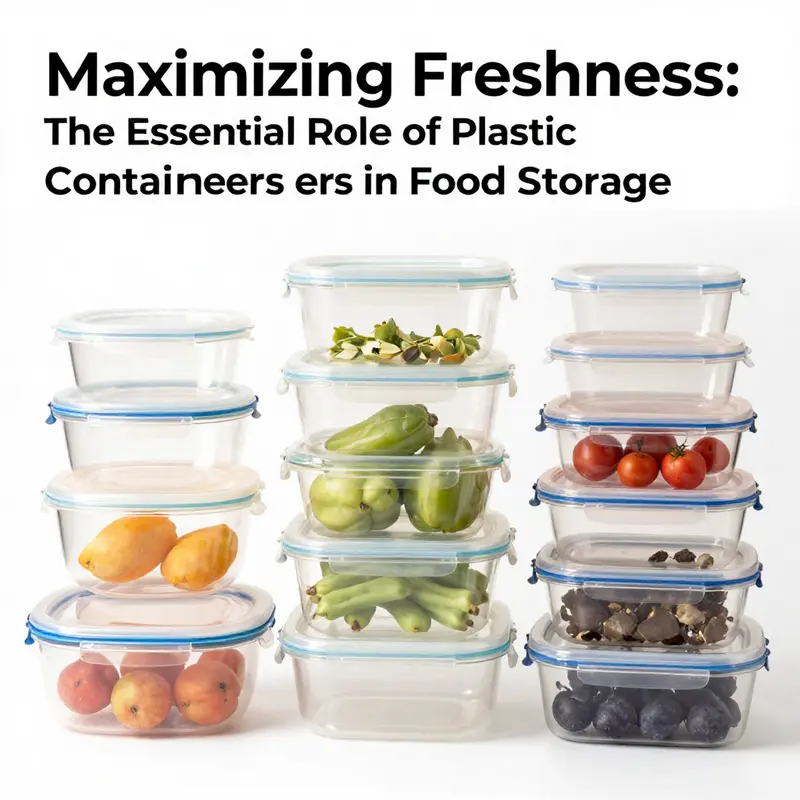
In modern kitchens, plastic containers organize leftovers, speed prep, and protect freshness. This chapter surveys the materials, shapes, and performance traits that determine warmth tolerance, durability, and hygiene. It is not a product list but a map of tradeoffs and practical decisions that shape daily routines. The journey begins with common families that differ in heat tolerance, transparency, and care requirements. The first material emphasizes lightweight, clear forms and excels at cold storage while demanding mindful handling for heat and light. A second material offers heat resistance, chemical durability, and dishwasher friendliness, with caveats about UV exposure, odor retention, and occasional aroma carryover. A third material balances toughness with moisture resistance, sacrificing some microwave compatibility but gaining rugged durability for pantry storage and outdoor use. A fourth category, less common for direct food contact, reminds readers of safety considerations and regulatory shifts in food packaging. The decision framework favors materials with high heat resistance and chemical compatibility for repeat use, paired with careful cleaning and correct storage geometries for efficient organization. Ultimately, the goal is to choose reliable, safe containers and to adapt choices as needs evolve, maintaining hygiene and reducing waste.
Plastic Pantry Power: Balancing Benefits and Boundaries in Modern Food Storage
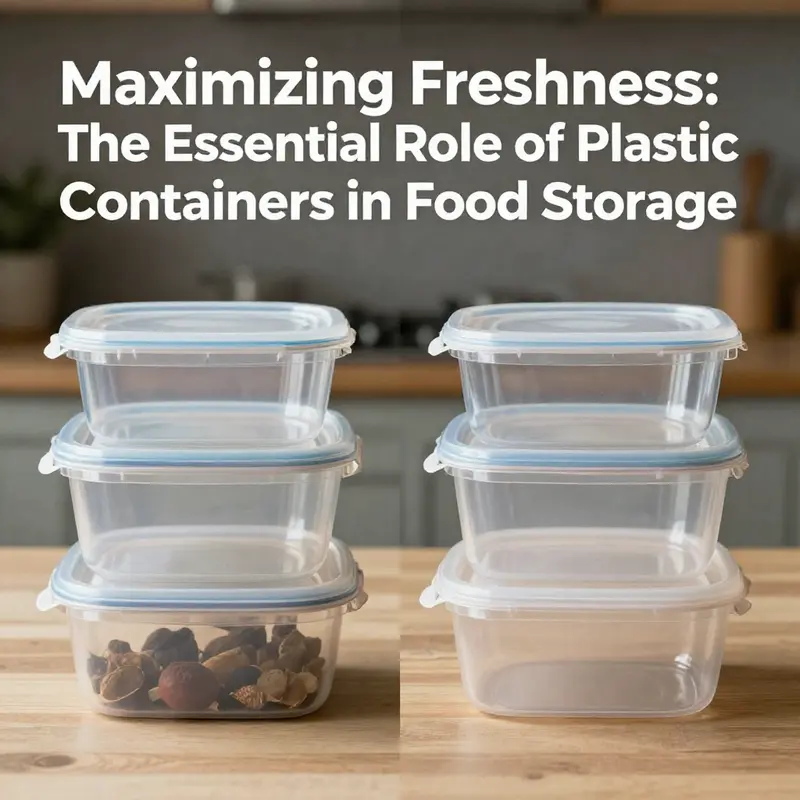
Plastic containers in the kitchen quietly support freshness, organization, and efficient meal prep. They are the dependable workhorses of both home kitchens and professional spaces, designed to keep foods safe from moisture, odors, and contamination while remaining light enough to handle. A rectangular tub can hold chopped vegetables or leftovers, while a round container is well suited for soups, sauces, or liquids. The materials most commonly favored—polypropylene (PP) and high-density polyethylene (HDPE)—offer durability with manageable weight, enabling daily use without the heft of glass or ceramic. These plastics adapt to a range of storage environments, performing reliably from cool refrigerators to chilly freezers and, when labeled microwave-safe, into reheating routines. The practical payoff is a storage system that supports meal planning, reduces waste, and keeps kitchen workflows smooth on even the busiest days.
From a design perspective, plastic’s advantages are deeply practical. Their barrier properties help slow moisture exchange and limit gas permeation, helping pantry staples stay fresh longer. The transparency of many container designs speeds recognition of contents, reducing rummaging and encouraging timely consumption. Another hallmark is stackability: rectangular and square shapes maximize vertical storage, making efficient use of shelves and fridge drawers. Lids with snap-on or locking mechanisms further improve freshness by limiting air and moisture exchange and by containing leaks during transport. In short, plastic storage can make everyday cooking and cleaning more predictable and efficient.
Yet plastic is not without caveats. Durability is real but finite: repeated dishwasher cycles can warp lids or cloud plastic, and temperature swings or heat exposure can make some plastics brittle or deformed over time. Interiors can trap residues if not cleaned thoroughly, potentially affecting hygiene and flavor. Shape matters too: straight-edged interiors of rectangular boxes scrub cleanest yet can trap crumbs in corners, while rounded interiors resist buildup but may hinder tight stacking. Users must balance the convenience of a shape with their kitchen layout and cleaning habits.
A crucial consideration is food safety and chemical exposure. Plastics designed for food contact minimize risk, but additives such as bisphenols (notably BPA) and their substitutes, phthalates, and other plasticizers can migrate into foods under certain conditions. Heat accelerates leaching, and acidic or vibrant foods can enhance it. Even some BPA-free products may release other hormone-active compounds. The safest approach is to start with materials explicitly labeled for food contact, follow the manufacturer’s labeling, and avoid heating foods in containers unless their microwave safety is certified.
Lifecycle and environmental notes also shape how plastic containers fit into daily storage. Many containers are recyclable, but regional practices vary and not all plastics are equally accepted. Reuse can be practical for short horizons, but long-term reuse or reuse in high-heat scenarios can increase risks of leaching or structural failure. Odors and stains can linger in some plastics, influencing decisions about which items to store together and how to label leftovers for future use.
Practical guidance for a thoughtful kitchen is straightforward: choose food-grade plastics explicitly labeled as BPA-free and food-safe; avoid heating in non-microwave-safe containers; replace lids or containers that show wear, cloudiness, or cracks; and clean with labeling-friendly practices that prevent residue buildup. Regular inspection of lids and seals helps maintain an airtight barrier and reduces leaks or contamination. Clear labeling with dates and contents reduces guesswork and waste.
Ultimately, plastic storage shines when it offers lightness, durability, and versatile protection for moisture and odors while supporting organized workflows. The balance comes from choosing the right materials, using them properly, and recognizing when wear or mislabeling undermines safety or performance. By prioritizing food-grade, BPA-free options, avoiding heat unless explicitly approved, and maintaining clean, well-sealed containers, households can harness the strengths of plastic while mitigating its risks.
For deeper safety considerations, see general guidelines from credible nutrition and food-safety resources that discuss chemical leaching, material safety, and best practices for food storage.
Between Plastic and Glass: How Material Choices Shape Freshness, Safety, and Everyday Kitchen Efficiency
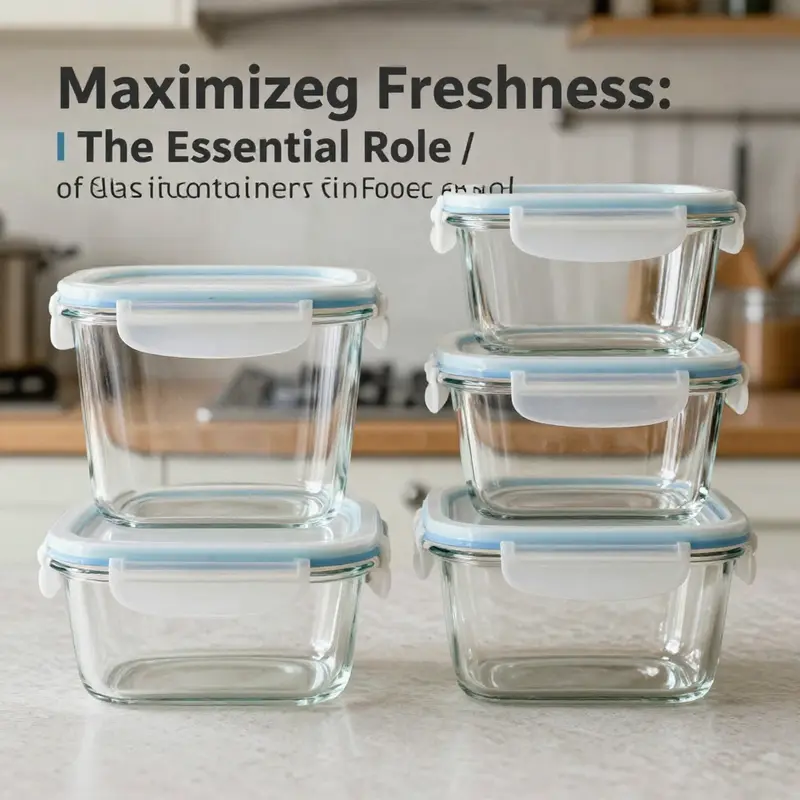
Every kitchen is a small ecosystem of decisions, and one of the most consequential choices centers on storage containers. The decision between plastic and glass is rarely about a single attribute; it is a balancing act among safety, durability, practicality, and how a family or business uses food over days, weeks, and even months.
In practical terms, the two materials represent different philosophies of handling, reheating, stacking, and reusing. Plastic containers tend to be the quiet workhorses of the pantry and fridge. They are light, inexpensive to replace, and designed to slot into tight spaces. Their rectangular shapes optimize shelf real estate, and their often airtight lids minimize leaks during transport or in the fridge. Yet their lightness can be a trap. Over time, repeated heating, washing, and rough handling can create micro-cracks, scratched surfaces, and stains that harbor odors. These flaws are not only cosmetic; they can affect cleanliness and the perceived freshness of foods stored within.
The trade-off becomes a question of how much risk you are willing to tolerate for the sake of convenience and cost efficiency. When plastic storage is chosen, it is essential to select materials that are food-safe and to follow careful care routines: avoid high heat in microwaves or dishwashers when the manufacturer’s guidance warns against it, and replace containers that show significant wear. The health dimension here is subtle but real. Concerns about chemical migration have driven a long-running public conversation about BPA and its alternatives. While many plastics used for food contact today are labeled BPA-free, the broader landscape includes other compounds whose effects are still under scientific review. Several health agencies emphasize using products designed for repeated food contact and avoiding exposure to heat that accelerates degradation. For readers who want a clear baseline, the U.S. FDA provides guidance on food-contact materials and how they are regulated, underscoring that safety hinges on both material composition and proper use.
The nuanced message is not to fear plastics, but to use them wisely, with attention to heat exposure, aging, and purpose. Durability follows its own logic. Plastic’s resistance to shattering makes it ideal for households with active kids, for school lunches, and for on-the-go meals. It also performs reliably in the fridge and freezer, where temperature fluctuations are frequent and the risk of breakage is a practical concern. But durability is not synonymous with invulnerability. Scratches and clouding can impair how well a container seals over time, and that seal is a core element of freshness preservation. In parallel, glass embodies a different durability—one that emphasizes chemical stability and longevity. Hardened or tempered glass and borosilicate variants are engineered to withstand temperature shocks that would warp or crack ordinary glass. For long-term storage, glass offers a non-porous, inert surface that does not absorb flavors or odors and resists staining more easily than many plastics.
The downside is obvious in busy kitchens: weight and fragility. A full set of glass containers demands more cautious handling, more deliberate stacking, and a storage space that can absorb its heavier footprint. These trade-offs frame a central truth: neither material is perfect in all contexts; each excels under different usage patterns. Environmental and lifecycle considerations further complicate the choice. Plastic is often accused of contributing to waste streams, and while it is technically recyclable, the reality is that not all plastics are collected or processed efficiently. In many regions, only a fraction of plastic used in households re-enters the circular economy, which has fueled calls for reduced reliance on single-use plastic and greater emphasis on durable, reusable options. Glass presents a contrasting environmental profile. It is endlessly recyclable, and its value does not diminish with reuse. Yet the energy required for mining, melting, and shaping glass is substantial, and the heavier weight associated with glass containers can translate to higher transportation emissions. In such analyses, the broader question becomes not merely which material lasts longer in a cupboard, but how often it is used, how many times it is moved or transported, and how easily it is recycled at the end of its life. Public health and environmental guidance thus converge on a common practical message: choose the material that aligns with your patterns of use, and pair it with mindful care that extends its life cycle.
The practical side of usability also demands attention to geometry. Rectangular containers maximize vertical storage, aligning with the stacked aisles of a refrigerator, freezer, or pantry. They make meal-prep and bulk cooking more efficient—leftovers can be portioned, containered, and tucked neatly away. The lids, too, deserve scrutiny: airtight seals, whether snap-on or twist-lock designs, play a major role in keeping moisture out and dry air from entering. Conversely, round or cylindrical containers can handle liquids and sauces with relatively smooth interiors that resist food buildup, easing cleaning after a week of diverse meals. The trade-off, of course, is stacking efficiency; rounded edges leave gaps that can waste space in compact storage setups. The choice becomes a question of daily rhythm: do you prioritize space efficiency and uniform case stacking, or ease of cleaning and liquid handling? For many households, a hybrid approach makes sense. A set of glass containers for long-term storage and bulk-prepared meals, paired with plastic options for portable lunches and pantry dry goods, strikes a balance between safety, practicality, and cost.
As one reflects on the broader kitchen ecology, the subtle boundary between storage and packaging becomes apparent. Even as we debate the merits of glass and plastic, the day-to-day act of selecting, using, and maintaining containers reveals how people organize time and space around food. The question is not simply which material wins on a single metric, but how a family’s routine, cleaning habits, and storage constraints shape the choice. The story extends beyond the kitchen walls into the pantry, the car trunk on Sunday meal-prep trips, and the apartment’s waste stream. It also touches on design philosophy: material choices influence the aesthetics of a kitchen, the sense of order, and the confidence that leftovers will stay fresh until they are eaten. A well-chosen system, built from a clear understanding of heat tolerance, seal integrity, and cleaning protocols, can reduce waste, simplify weeknight dinners, and support a healthier relationship with food and the environment.
In this spirit, a pragmatic path emerges. For hot leftovers and long-term preservation, glass offers stability, inertness, and a clean taste profile that some households prize. For daily convenience, portability, and budget-friendly shopping, plastic remains an invaluable ally—provided it is used within its safe limits and kept in good condition. The hybrid model is not a compromise but a strategic allocation of roles: glass for durable, long-term storage and plastic for portable, budget-friendly needs—plus attention to routine matters—hand washing over aggressive dishwashing, avoiding high-heat exposure when not specified, and inspecting seals for cracks—will extend the life of any system and help ensure the stored food remains as fresh as possible.
For those curious about complementary packaging options that support a cohesive storage strategy, consider exploring products designed for specific uses like bake-ready or snack-focused packaging, which can supplement a home system without compromising the integrity of core containers. In this context, a practical entry point is to think not only about containers themselves but also about the surrounding packaging ecosystem. A dedicated, easy-to-clean design can make an entire workflow smoother, from preparation to storage to transport. This perspective invites readers to balance the micro-choices—heat, seal, and wash—with macro-choices about lifestyle, budget, and sustainability. To connect these ideas to real-world decisions, you can reference simple examples like foldable packaging options and modular organizers that support a cohesive system. This perspective invites readers to consider the broader ecosystem of packaging that supports freshness, presentation, and practicality. To connect these ideas to real-world decisions, you can reference simple examples like foldable cake boxes with window, or other modular packaging options that help in planning but avoid clutter, and you can point readers to credible resources, such as guidelines from national health agencies and responsible design standards. For more on safety, see the U.S. FDA’s guidelines on food-contact materials.
In sum, the plastic-versus-glass debate is less a contest of absolutes and more a dialogue about fit. It is a conversation grounded in safety guidance, informed by lifecycle considerations, and tailored to the rhythms of daily life. Embracing a hybrid approach—glass for durable, long-term storage and plastic for portable, budget-friendly needs—offers a flexible, resilient framework. It aligns with the goal of reducing waste, preserving flavor and nutrients, and keeping kitchen operations smooth and predictable.
Guardians of Freshness: Safe, Long-Lasting Plastic Container Storage
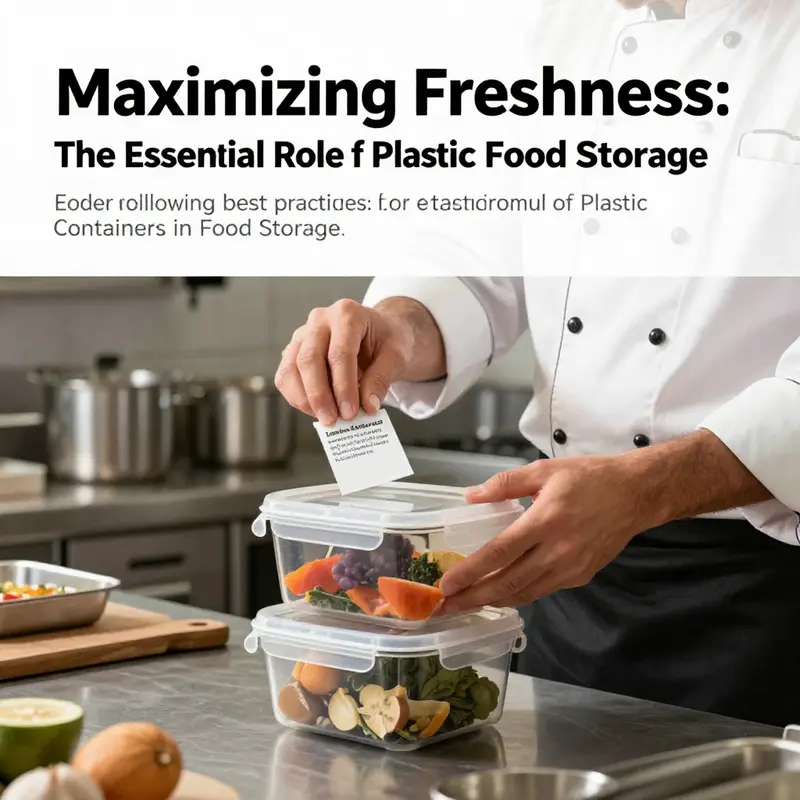
In the kitchen, plastic containers help store, transport, and reheat meals. They support a practical cycle of preparation, portioning, and reuse, while also presenting a set of safety considerations. The guiding idea is simple: choose the right resin, care for containers well, and retire items that show wear or risk migration.
First, the resin matters. Containers are labeled with a resin identification code on their base. Among common codes, HDPE (code 2) and PP (code 5) are among the preferred choices for repeated use in everyday storage. HDPE offers chemical resistance and is widely used for containers that contact a range of foods. PP is noted for higher heat tolerance, making it suitable for short microwaving or warm meals within moderate temperatures. Codes 1 (PET) and 7 (other) carry higher risks of migration and are best avoided for long term storage or frequent heating.
Even when a container is labeled microwave safe, gentle handling remains prudent. Short, low heat exposures minimize aging of seals and additives. When heating, prefer containers with vented lids and avoid sealing tightly if possible to prevent warping or pressure buildup.
Maintenance is essential. Regular inspection for cloudiness, discoloration, or scratches helps tell when a container should be retired. Damaged lids that no longer seal can allow air and moisture in, accelerating spoilage. If you notice off smells or persistent staining, replace the item rather than risk contamination.
Cleaning and drying correctly matter. Wash with warm water and a mild soap, avoiding abrasive scrubbers that create grooves for bacteria. Dishwashers can be convenient but may expose plastics to heat beyond their rating. Dry thoroughly to keep mold at bay before returning containers to storage.
Storage strategy should balance convenience and durability. Stack straight edged rectangular shapes to maximize space, while keeping bulky round designs accessible. For short term use and transport, plastic remains very practical; for long term or high heat, glass or stainless steel can provide stronger barriers and easier cleaning.
Rotation is a practical habit. Periodically assess the fleet of containers, retire worn items, and replace as needed. A disciplined approach reduces the risk of using compromised packaging for food.
Safety guidance from experts emphasizes choosing HDPE or PP for repeated use, avoiding prolonged high heat, and favoring glass or stainless steel when long term storage or high heat is anticipated. The overall message is to select well made containers, maintain them, and retire items showing wear.
For further context, you can refer to health oriented guidelines such as Healthline on plastic food container safety. https://www.healthline.com/nutrition/plastic-food-containers-safety
Final thoughts
Effective food storage is a fundamental aspect of running a successful beverage or food service business. By embracing high-quality plastic container food storage solutions, you equip yourself with the tools necessary for preserving freshness and minimizing waste. Whether you manage a bubble tea shop or cater large events, understanding the various types of containers, their benefits and limitations, and best practices ensures you make informed decisions that enhance your operational efficiency and customer satisfaction. Invest in the right storage solutions today to maintain the quality and safety your clientele expects.