
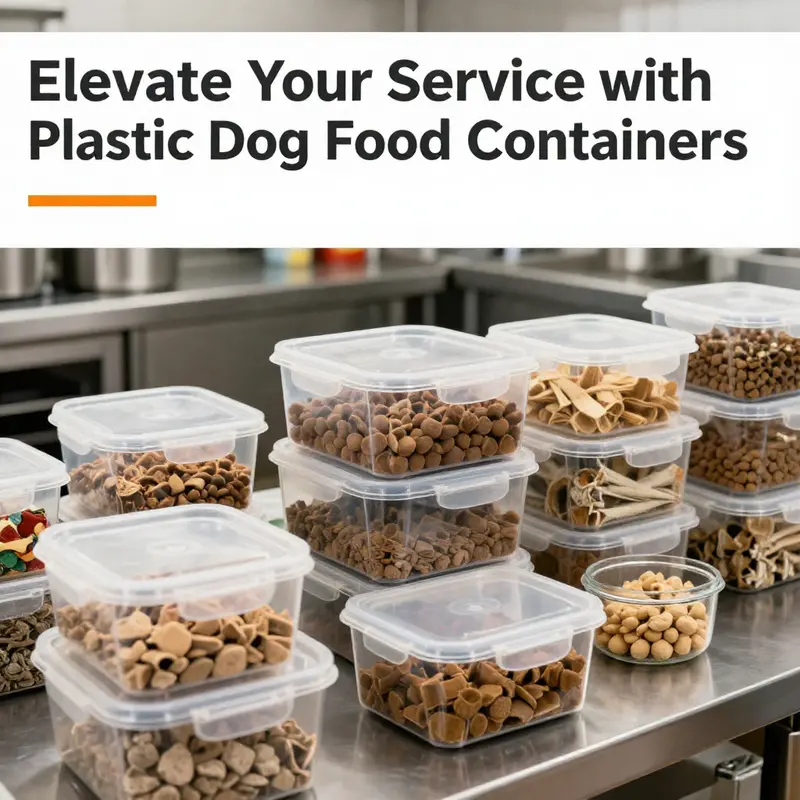
As the food service industry grows, it’s essential to adopt reliable storage solutions that maintain product integrity while optimizing space. Plastic dog food containers have emerged as a practical choice for various segments of the food industry, including beverage shops, catering services, and corporate procurement teams. This article will delve into the key features that make these containers an excellent addition to your operations, their material safety and environmental impact, and their diverse market applications and trends. Each chapter will enhance your understanding of how these containers can effectively meet your specific storage needs.
Keeping Kibble Fresh: Practical Features That Make Plastic Dog Food Containers Work
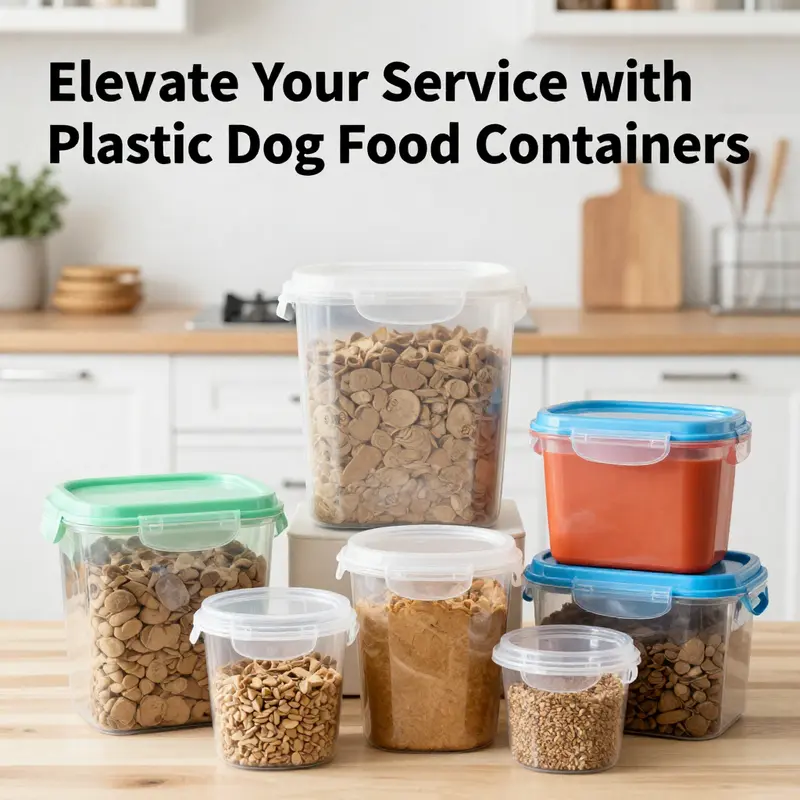
Plastic dog food containers are more than simple storage bins. They are an active part of preserving nutrition, controlling pests, and simplifying daily feeding. The best containers combine airtight engineering, safe materials, smart ergonomics, and cleaning-friendly construction. When those elements work together, dry dog food stays crunchy and nutrient-rich for weeks. This chapter describes the core features that matter, and explains how design choices protect food, save space, and reduce wasted kibble.
Airtight performance is the foundation. Oxygen and moisture are enemies of dry dog food. Oxygen causes fats to oxidize. That leads to rancidity and the loss of essential fatty acids. Moisture invites mold and clumping. Modern high-performance containers use silicone gaskets and dual-locking lids. Twist-lock or press-fit closures compress a gasket to form a near gas-tight seal. Some designs add a secondary latch or cam-lock for extra protection. These layered closures stop air exchange and slow oxidation significantly. In higher-end options, vacuum pumps or valve ports allow users to actively remove air. A manual pump creates a low-pressure environment inside the container. Some commercial-grade units even use pre-pack nitrogen flushing. That replaces oxygen with inert gas to extend shelf life. For long-term storage or bulk purchases, that additional control can reduce nutrient loss and maintain crisp texture.
Material choice goes hand in hand with sealing. Food-grade plastics like polypropylene (PP, #5) and high-density polyethylene (HDPE, #2) are standard. These materials are inherently safe for direct contact with dry pet food. They are rigid enough to hold shape and resistant to common kitchen impacts. Crucially, they are available in BPA-free formulations. That prevents harmful chemical leaching into food over time. Avoid containers made from PVC (#3) or polystyrene (PS, #6). Over extended use, these materials may not meet the same safety profiles. Recycled content is possible, but confirm food-safe certification if recycled plastic is used. Labels, certifications, or manufacturer specifications that reference food-contact standards offer peace of mind.
Blocking light is often overlooked but very important. Fat-soluble vitamins degrade when exposed to light. UV rays speed the breakdown of those nutrients. A truly protective container has an opaque or semi-opaque wall. That prevents degradation even when stored in a bright pantry. Some designs add a small transparent viewing window with UV-resistant film. These windows let you check levels without opening the lid. When a window is included, ensure it has proper sealing and UV protection. Full transparency is convenient but can accelerate nutrient loss. For long storage, favor opaque shells or covered windows.
Capacity and practical shape affect both freshness and daily use. Containers come in a wide range of sizes. For many owners, a balance between capacity and turnover is vital. Industry guidance suggests storing only amounts the dog will finish within about six weeks of opening. That helps maintain freshness and nutritional value. For bulk buyers and large-breed households, a 25kg-capacity unit or similar offers value and fewer repurchases. However, the container should allow relatively frequent rotation of stock. Smart features reduce waste and improve access. Measurement markings on the side help gauge remaining food at a glance. A wide mouth simplifies scooping and filling. A bottom-outlet design provides controlled dispensing. A lever or flap can allow measured portions to fall into a bowl without reaching into the container. That avoids hand contact and cross-contamination.
Durability matters in real-life environments. Containers sit in high-traffic kitchens, basements, or garages. Rigid bases resist warping under weight. Anti-slip pads on the bottom prevent tipping when the lid is opened. Reinforced handles and molded grips make lifts safer. For frequent transport, handles should be comfortable and well-attached. Impact-resistant plastic reduces the chance of cracks when dropped. Sturdier units often use thicker walls at stress points and seamless molding to avoid weak joins. When durability is paired with stackable design, storage becomes compact and tidy. Stackable units with interlocking lids allow multiple containers to sit securely on top of each other. That is especially useful for those who store multiple food types, treats, or bulk bags.
Ease of cleaning is critical for hygiene. Food residue can accumulate in crevices over time. A smooth, seamless interior discourages buildup. Removable lids and wide mouths make hand washing straightforward. Many containers are top-rack dishwasher-safe, reducing manual effort. Avoid designs with hidden chambers or complex latch assemblies that trap food. Gaskets should be removable and washable. If a unit uses a vacuum pump or valve, check whether those parts are serviceable and easy to sanitize. Regular cleaning prevents microbial growth and keeps odors at bay.
Organizational features increase convenience. Internal dividers allow storage of different items in one footprint. Some containers include removable separators to keep treats, supplements, or alternate formulas distinct. For multi-pet homes, dividers enable clear separation of dietary blends. Labeling areas on the exterior encourage good stock rotation. A simple date marker helps track when the bag or container was filled. Transparent windows with level markings help prevent surprise shortages.
Portability and storage efficiency are practical considerations. Built-in handles, lightweight plastic construction, and even foldable solutions exist. Foldable containers compress for travel or offseason storage. Compact units with a small footprint fit under counters or alongside pantry shelves. When mobility matters, consider wheels or a trolley-compatible base. Lightweight materials make moving the container easier, but balance weight savings against durability. Some travel-friendly containers offer clip-down lids and compact shapes that fit into car trunks without spilling.
Safety features tailored to pets and homes are helpful. Pest-resistant seals, for instance, deter ants, cockroaches, and rodents. Tight lids and elevated bases make access harder for curious animals. Child-resistant closures add household safety. If the container will live in garage or shed environments, choose UV and temperature-resistant materials. Extreme heat can deform inexpensive plastics. A rigid shell and a seal designed to withstand repeated opening minimize wear in less controlled spaces.
Designers also consider environmental impact. Many modern containers use recyclable plastics and offer long service life. A durable container can replace single-use packaging and reduce overall waste. Some manufacturers provide take-back programs or use post-consumer recycled content. When buying, look for clear recycling codes and statements about sustainable practices. Recyclable containers still require proper disposal at end of life to reduce environmental burden.
Commercial-grade features translate well to household use. Veterinary clinics, shelters, and grooming salons need reliable long-term storage. Those settings emphasize hygienic surfaces, stackable footprints, and robust sealing. Many household containers borrow those same traits. When selecting a container for heavy use, prioritize industrial-grade latching and thicker walls. A seamless interior and removable parts make daily cleaning manageable in busy environments.
Advanced technologies are increasingly present in premium containers. Vacuum-pump ports allow manual air removal. Valves and built-in pressure gauges indicate internal atmosphere. Nitrogen flushing is rare in consumer products but available for large-scale storage. Those techniques help protect sensitive nutrients, especially omega fatty acids. For owners who buy in bulk and need maximum freshness retention, these extra features are worth considering. They raise the initial cost, but they can preserve quality across larger quantities.
Real-world use requires good habits. Even the best container cannot compensate for poor stock rotation. Adopt a first-in, first-out approach with labeled dates. Keep opened bags sealed inside the container or remove them entirely and transfer the food. Avoid storing kibble in direct sunlight or near heat sources. Maintain moderate temperature and low humidity. Check food periodically for off-odors, discoloration, or greasy texture. Those are early signs of rancidity. If you observe them, discard the affected food. Entrusting supplements or medications to the same container can lead to cross-contamination. Use separate compartments or a different unit.
A few practical tips can extend freshness and convenience. Use scoops dedicated to pet food and wash them regularly. Keep the gasket clean and inspect it for wear. Replace gaskets when they no longer compress fully. If your container has a dispensing spout, flush it out after each fill. For long-term storage, avoid overfilling. Leave a small headspace if you plan to use a vacuum pump. That allows for proper air removal and avoids seal displacement. When stacking multiple containers, ensure the top unit is secure before removing the lower lid.
Finally, match the container to your routine. An owner who feeds multiple small meals daily may favor a container with a measured dispensing system. A bulk buyer with limited space may choose a stackable 25kg-capacity model. Owners who travel might prefer a foldable, portable unit. Consider whether you need transparency to check levels or an opaque shell to preserve nutrients. Check cleaning instructions and confirm dishwasher compatibility if that eases maintenance.
For those who pay attention to packaging and food safety across contexts, related storage and takeout solutions offer useful ideas. For example, eco-friendly takeout boxes for food packaging illustrate how design balances protection and sustainability. That concept translates to pet food containers, where material choice and sealing matter as much as convenience. https://ecocupbowl.com/product/eco-friendly-takeout-boxes-for-food-packaging-stylish-food-containers-safe-microwave-craft-paper-lunch-boxes-leak-grease-resistant/
Thoughtful design in a plastic dog food container reduces waste, preserves nutrition, and simplifies daily feeding. When airtight seals, food-safe plastics, light protection, and cleaning-friendly forms are combined, the result is reliable storage that fits real homes and commercial spaces. For a practical example of travel-friendly foldable construction, review this product reference. https://www.amazon.com/LKSTK-12-Pound-Foldable-Pet-Food-Container/dp/B0CQYX7Z9H
Guardians of the Bowl: Safety, Sustainability, and Sound Choices in Plastic Dog Food Containers
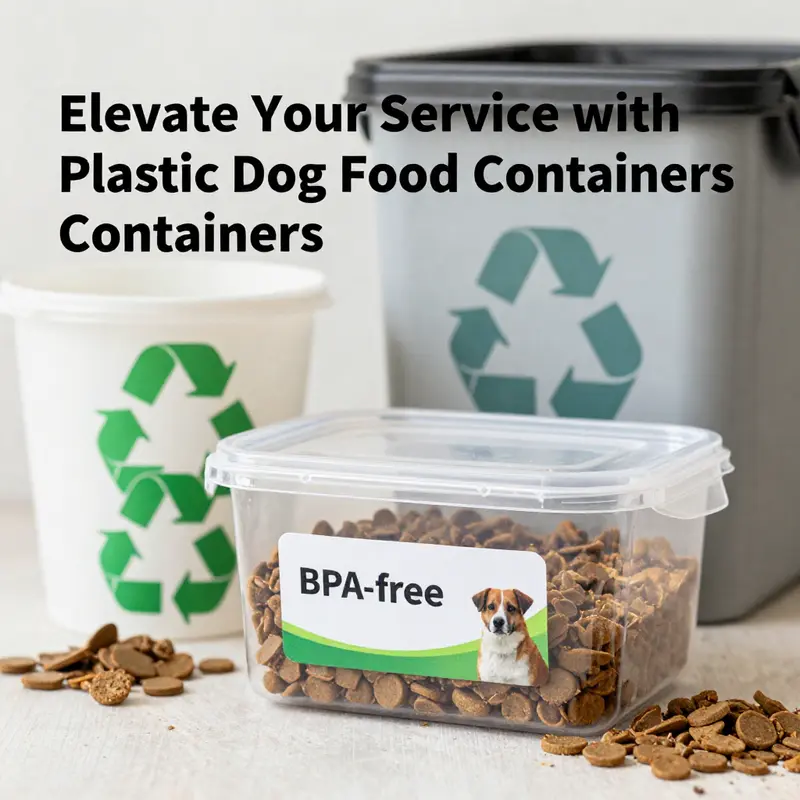
Plastic dog food containers are a fixture in modern pet households, valued for their practicality, affordability, and the way they simplify a daily ritual that is as much about care as it is about routine. Yet the same containers that help keep kibble fresh and organized also invite questions about what happens to the food inside, how the containers interact with that food over time, and what their presence means for the wider environment. A 25kg plastic pet food container, for instance, presents an especially compelling balance of scale and convenience. Bulk purchases can reduce the frequency of reordering, curb packaging waste at the source, and minimize the number of trips to the store. The design logic behind these larger options often hinges on airtight seals, stackable form factors, and durable, food-grade materials that can survive the bumps and squeezes of a busy kitchen, garage, or pantry. But durability and convenience do not exist in a vacuum. They intersect with questions about material safety, heat exposure, chemical leaching, and the lifecycle of plastic in a world increasingly attentive to both human and environmental health. This chapter weaves together the practical realities of storage, the science and regulation that shape what is acceptable to store and how, and the ethical and ecological dimensions that come into play as households and institutions seek to harmonize the freshness of pet food with a lighter footprint on the planet. The core thread is not a simple verdict about plastic versus other materials; it is a nuanced exploration of how container design, material choice, care practices, and local infrastructure interact to determine the safety and sustainability of storing dog food at home and in the professional settings where animal welfare is a daily concern. In this light, the chapter moves through material safety, environmental impact, and pragmatic pathways for better practice, while acknowledging the seams and shades of complexity that define real-world storage decisions. The aim is to illuminate the balance between maintaining nutritional integrity and minimizing risk, all while offering a practical orientation for owners juggling multiple pets, long-term storage, and diverse dietary needs. The result is a grounded, cohesive narrative that respects the everyday tasks of pet care and situates them within the broader questions of materials science, infrastructure, and stewardship that shape our choices about how we feed our companions and what we store those meals in. When we consider a 25kg plastic container in a kitchen or a veterinary clinic, we are really looking at a microcosm of a larger system: the chemistry of plastics, the rhythms of shopping and stock management, and the evolving expectations that society holds for safety, transparency, and responsibility in packaging. In this sense, the container becomes more than a box or a lid; it is a nexus where science meets daily habit and where clarity about materials, processes, and impact supports healthier outcomes for pets and for the world they inhabit. With that frame in mind, the discussion turns to material safety, expands into environmental considerations, and then narrows toward practical guidance that readers can apply without sacrificing the ease and efficiency that plastic storage affords. By examining these dimensions together, we honor the complexity of real life—where a well-sealed, correctly chosen container can preserve crunch and nutrient composition, reduce waste, and align with a growing culture of mindful consumption. The following examination seeks to offer a thoughtful compass for readers who want to store dog food with confidence, recognizing that every choice about containers—shape, material, cleanliness, and use—has ripple effects that extend from the pantry to the planet. In this way, the topic remains anchored in everyday experience while inviting readers to consider longer-term implications and better, safer practices. The journey begins with the most elemental question: what is inside the container, and how do the materials and conditions within and around it influence that content over time? The answer requires a careful look at food-contact materials, how they are engineered, and what regulatory and scientific bodies mean when they say “safe for food contact.” It also invites attention to the realities of life with pets, where splashes, spills, and occasional heat exposure can alter the environment inside the container. As readers move through the chapter, the thread ties together practical advice for selecting containers, maintaining them, and using them in ways that protect both the dog’s health and the broader environment. The aim is to offer something more than a shopping checklist: a way of understanding the responsibilities and opportunities inherent in one of the most common pet storage solutions, and a framework for making informed choices that respect safety, efficiency, and sustainability in equal measure.
Space, Safety, and Sustainability: Market Applications and Trends for Plastic Dog Food Containers
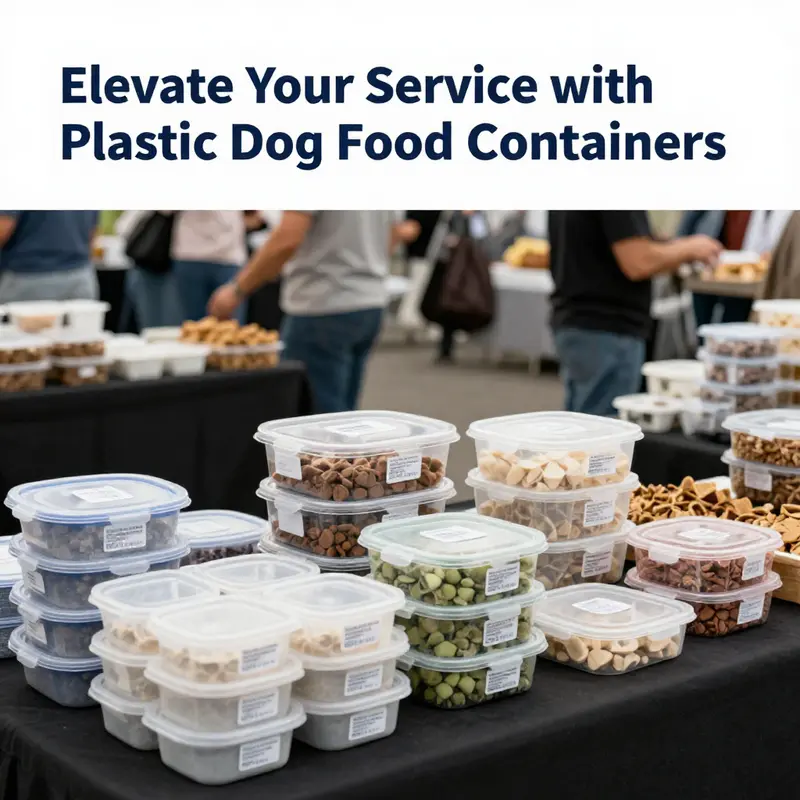
Market Applications and Evolving Trends in Plastic Dog Food Containers
Plastic dog food containers have moved from a simple storage accessory to a strategic category within pet care and packaging markets. As household dynamics shift and commercial operations scale, demand centers on containers that combine capacity, hygiene, and efficient space use. The result is a diverse marketplace that serves small apartment owners, multi-pet families, veterinary clinics, grooming salons, animal shelters, and large distribution centers. Each of these applications places different priorities on capacity, durability, cost, and sustainability, and the product landscape is responding with a range of innovations that reshape how pet food is stored and handled.
At the household level, the conversation often starts with convenience and food integrity. Pet owners want containers that keep kibble crisp and nutrient-stable, resist pests, and fit the home. Larger, stackable designs—most notably the 25kg-sized bins—address the needs of bulk buyers and large-breed owners by reducing purchase frequency and minimizing packaging waste. These larger units provide value through reduced handling and lower per-unit cost for storage, especially when compared with keeping multiple smaller bags open. For small-space dwellers, manufacturers are blending capacity with footprint efficiency, offering stackable units that use vertical pantry space rather than floor area, and collapsible variants that fold down when empty for seasonal storage or travel.
Commercial settings impose different demands. Veterinary clinics and grooming salons prioritize hygiene, traceability, and rapid access. Containers used in these settings must withstand frequent opening and cleaning, be clearly labeled for diet-specific feeds, and often fit shelving systems in back rooms. Animal shelters and boarding facilities need durability and pest resistance at scale. Here, stackable 25kg containers are highly valued for their ability to standardize storage across multiple rooms and locations. In distribution centers and retail backrooms, the emphasis is on throughput and protection during transit. Rigid, impact-resistant bins that lock closed and stack predictably on pallets increase handling efficiency and reduce loss from moisture or contamination during storage and shipping.
The market dynamics behind these applications are reinforcing more sophisticated design choices. Airtight seals remain a baseline requirement. Effective lids protect against humidity, oxygen, and insect ingress. When combined with clear side panels or built-in level windows, airtight containers let users monitor stock levels without repeated exposure to air. Many professional settings require tamper-evident closures for safety and accountability. Leak-proof lids with gasket materials and audible locking mechanisms are increasing in popularity because they reassure users that the container remained sealed between handling cycles.
Functionality now extends inside the container as well. Integrated dividers let households manage treats, supplements, and several formulas within a single outer unit. Built-in measuring scoops, removable inner liners, and molded pour spouts reduce cross-contamination and simplify portion control. For long-term storage, pressure-equalizing vents and built-in humidity control features can help preserve texture and flavor over months. These vents mitigate the risk of moisture buildup in humid climates while allowing sealed containers to be transported across temperature gradients without deformation.
Material choices reflect a balance between performance and environmental responsibility. Food-grade plastics such as PET and HDPE are common for their barrier properties and recyclability. These materials offer resistance to moisture and gases while providing structural strength for stackable systems. BPA-free polyolefins and engineered resins address safety concerns and meet food-contact regulations. Increasingly, manufacturers incorporate post-consumer recycled (PCR) content to lower life-cycle impacts. Such blends require careful engineering to preserve barrier performance and durability, but they resonate with a consumer base that expects sustainability. Recyclable materials also simplify end-of-life handling where recycling infrastructure exists.
Sustainability is shaping both product features and branding. Reuseable, durable containers reduce single-use bag waste and lessen the environmental footprint of pet food packaging. Some brands and retailers are experimenting with take-back or refill programs that rely on compatible container standards. Where refill models are not available, consumers still favor containers that are easy to clean, long-lasting, and recyclable. Paper-based alternatives and compostable options exist for some applications, but for bulk and long-term dry food storage, high-barrier plastics remain dominant because of their superior moisture protection. For related ideas in food packaging and eco-friendly choices, exploring options like eco-friendly takeout boxes for food packaging can highlight how reusable and recyclable design principles translate across categories.
Design innovation is expanding beyond basic forms. Collapsible systems combine a rigid frame with flexible, water-resistant walls. These units fold flat when empty, offering portability for travel or seasonal storage while maintaining structural integrity when full. Pop-up and foldable designs support pet owners who want the capacity of a full bin without permanent spatial commitment. Modular systems create standardized footprints so containers can be stacked and locked together. This modularity improves stability in storage areas and enables mixed-use stacks—treats, kibble, supplements—without wasted vertical space.
Logistics and supply chains are adapting to these trends. Bulk-buying patterns and direct-to-consumer delivery increase the need for containers that safeguard food during shipping and storage. Stackable 25kg bins that can be palletized and sealed for transit cut handling time and damage risk. In warehouses, standardized container sizes reduce complexity for automated handling systems. Retailers benefit because efficient shelf-ready packaging reduces labor costs for stocking and makes product presentation more consistent.
Safety features are also evolving. Tamper-evident closures and leak-proof lids are complemented by hygienic surface treatments and antimicrobial additives in some applications. While antimicrobial-equipped plastics draw scrutiny and require regulatory scrutiny, they can offer practical benefits in high-touch environments such as shelters and clinics. Manufacturers balance such features with transparency around safety claims, testing, and regulatory compliance to maintain consumer trust.
Consumer behavior remains a major driver. Pet owners increasingly see food storage as part of their pet-care regimen. Demand for premium diets and specialized formulas—grain-free, hypoallergenic, freeze-dried—means many households juggle multiple food types. Containers that support this complexity with dividers, labeling surfaces, and clear viewing panels meet a real need. Convenience features like ergonomic handles, wheels for heavy bins, and integrated scoops reduce the friction of daily use. As more households adopt subscription kibble models, containers that fit into a predictable refill cadence and work with retailer refill services will grow in appeal.
Regulatory and industry standards influence product development. Food-contact safety rules determine acceptable resin types, additive limits, and testing protocols. Many purchasers—especially commercial buyers—require documentation of food-grade certification and material safety. Recyclability claims are validated through certifications and conformance to local recycling streams. As policy landscapes evolve, especially around single-use plastics and extended producer responsibility, manufacturers are preparing for stricter labeling and take-back programs. These shifts encourage design for disassembly and easier sorting at end of life.
The market itself is expanding. Recent analysis placed the dog food storage containers market at USD 1.85 billion in 2025. Growth trajectories reflect rising pet ownership, premiumization of pet diets, and a shift toward bulk purchasing and subscription services. This growth stimulates investment in product differentiation, from heavy-duty industrial bins for distributors to elegant, home-friendly containers that complement interior design.
Technology is beginning to appear in storage solutions. Smart lids with humidity sensors, simple weight sensors that trigger reorder alerts, and NFC-enabled tags for inventory tracking are emerging in premium segments. These features may start as add-ons but could become mainstream as smart-home adoption grows. Integration with feeding systems, like timed dispensers that accept a standardized container interface, would streamline the entire feeding lifecycle from storage to bowl.
Looking ahead, the most successful products will combine clear functional benefits with responsible material choices. Durability and barrier performance must coexist with recyclability and the use of recycled content. Standardized sizing—such as a widely adopted 25kg format—helps scale efficiencies across supply chains. Modularity and collapsibility will solve space constraints in urban homes while stackability continues to serve commercial needs. Consumer education will be crucial; owners must understand how reuseable containers reduce waste, how to clean them properly, and when to retire them for recycling.
Manufacturers and retailers that align with these requirements can capture diverse market segments. They will optimize designs for varied use-cases: heavy-duty bins for distribution centers, hygienic, easy-to-clean containers for clinics, compact stackables for apartments, and collapsible travel-friendly units for mobile lifestyles. Partnerships between food brands and container suppliers will likely expand refill and reuse programs, offering bundled solutions that lock in convenience and sustainability.
As the category matures, expect incremental but meaningful improvements rather than radical upheaval. Better sealing technologies, higher PCR content in resins, wider adoption of modular stack systems, and modest tech integrations will define near-term progress. The combined effect will be a marketplace where owners and businesses can choose containers precisely matched to capacity, safety, and environmental priorities. For a more detailed look at market dynamics and projections, see the industry report referenced here: https://www.linkedin.com/pulse/dog-food-storage-containers-market-application-2025-7j4r5.
Final thoughts
Understanding the numerous benefits of plastic dog food containers can dramatically enhance storage solutions within the food service sector. From their airtight features to eco-friendly materials, these containers offer a modern, efficient means to keep your products fresh and organized. Whether you’re in a bubble tea shop, managing a food truck, or planning corporate events, adopting these containers can streamline operations while prioritizing safety and sustainability.