
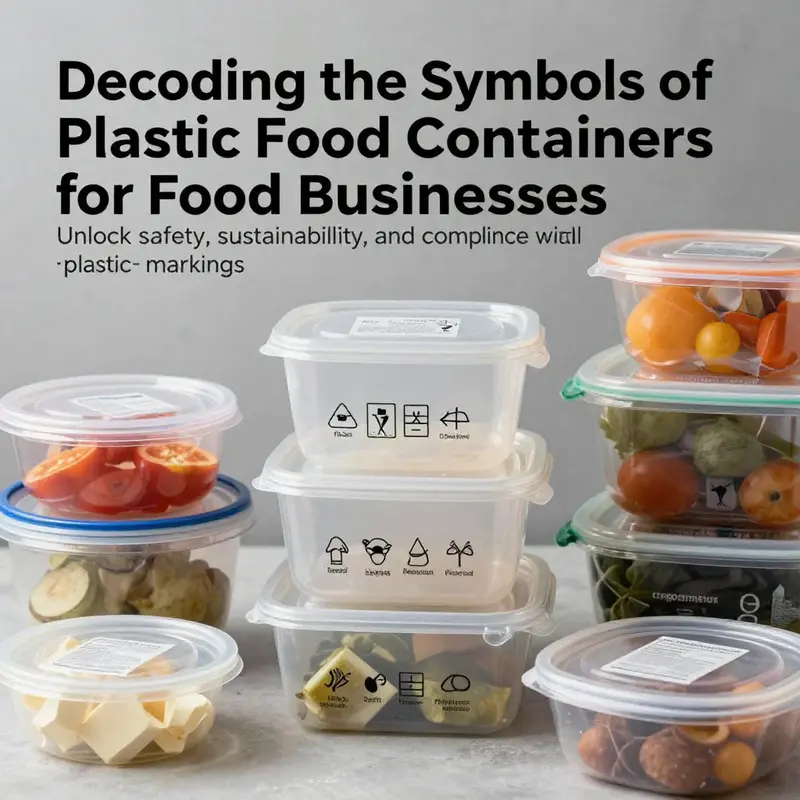
In the competitive food service industry, understanding the symbols on plastic food containers is vital for ensuring food safety, regulatory compliance, and sustainability. From bubble tea shops and restaurants to catering services and food trucks, knowledge of plastic types and their safe uses can enhance product offerings and build consumer trust. This guide explores the crucial symbols found on plastic containers, covering recycling codes, food-safe logos, heat resistance indications, BPA-free and environmental sustainability labels, and universal symbol recognition. By mastering these symbols, your business can make informed choices that safeguard customer health and contribute to a sustainable future.
Decoding the Triangles: How Recycling Codes Guide Safety, Reuse, and Disposal on Plastic Food Containers
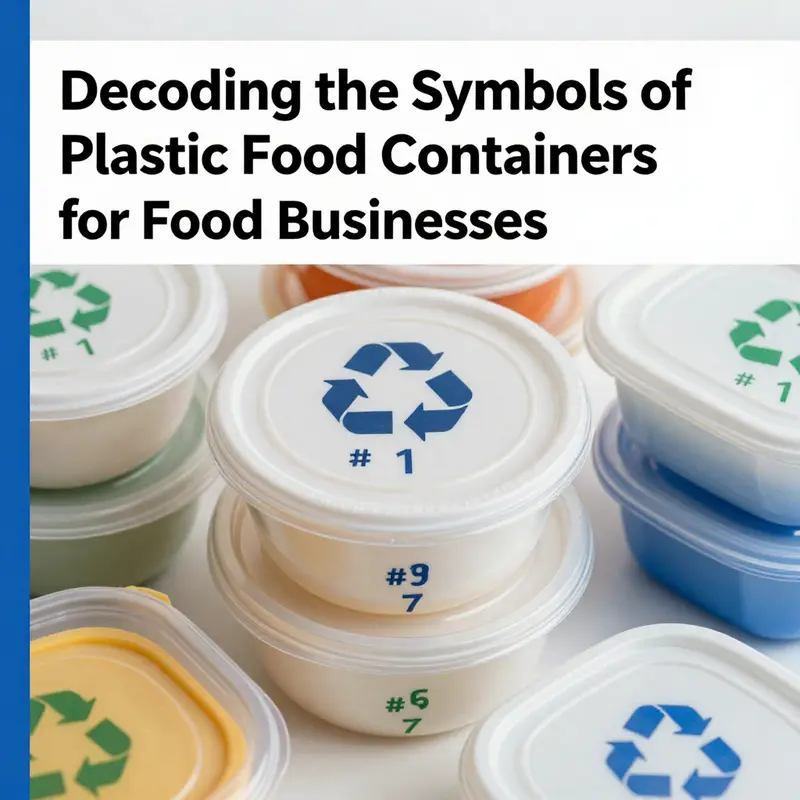
Every time we reach for a plastic food container, we encounter more than a simple lid and label. We encounter a coded language that tells a story about what the container is made of, how it should be used, and how best to handle it when its job is done. The familiar triangle of arrows with a number from 1 to 7 is not merely a mark of recyclability; it is a map that guides decisions about safety, heat exposure, reuse, and disposal. When read with care, these codes reduce risk and empower more responsible choices. When misread or ignored, they can lead to heat damage, chemical migration, or wasted resources. The codes become a practical compass in kitchens, cafeterias, and households that want to protect both health and the environment. To follow their guidance, we must first understand what each number signifies and why it matters in the context of food contact and everyday use.
Code #1, PET or PETE, is ubiquitous in single-use beverage bottles and some containers destined for one-time use. Its strength lies in light weight and clarity, but its resilience under repeated cleaning and heating is limited. The research and regulatory guidance consistently emphasize that reuse is not ideal for PET. Heat, aggressive detergents, and repeated mechanical stress can degrade PET over time, increasing the risk that chemicals may migrate into food. The caution is practical: if you plan to reuse a container, avoid PET for longer-term storage or repeated heat exposure. This is not a universal prohibition, but a warning that guides safer practice rather than a blanket rule.
Code #2, HDPE, stands out for its durability and low reactivity. Milk jugs and many food storage containers often rely on HDPE because it resists moisture and maintains integrity under typical household handling. HDPE’s track record supports repeated use, which aligns with consumer routines that wash and reuse jars or tubs for filling leftovers or dry goods. Recycling streams also recognize HDPE as broadly acceptable, a factor many households consider when choosing containers for regular reuse. This code reinforces the idea that some plastics can endure the daily cycles of loading, washing, and refilling without compromising food safety.
Code #3, PVC, carries more caution than comfort for food contexts. PVC has been linked to concerns about certain plasticizers and additives that may migrate under specific conditions. For food storage and handling, many guidelines discourage or restrict PVC in contact with fatty or hot foods. The preference in professional guidance is to minimize or avoid PVC in everyday containers used with heat or long storage times. While not a universal ban in every market, the safety message is clear: PVC is a category to approach with heightened awareness and, where possible, substitution.
Code #4, LDPE, occupies a different niche. This material, common in bags, squeezable bottles, and some wraps, offers flexibility and a lower melting point than harder polyolefins. Its use for food contact is generally accepted, but its recycling realities vary by region. LDPE is not always collected with rigid containers, which means households may encounter mixed streams when attempting to recycle. In terms of safety, LDPE’s loose structure and softer polymer make it suitable for certain wraps and light-duty packaging, but it is not typically selected for heavy-duty or high-heat applications. The takeaway is nuanced: LDPE can be safe for contact and use, but users should be mindful of heat exposure and regional recycling practices that influence end-of-life outcomes.
Code #5, PP, has a growing reputation for heat resistance and chemical stability. Its presence in microwave-safe containers, yogurt cups, and many takeout boxes marks a practical alignment with modern usage. PP’s resilience to heat makes it a preferred choice for reheating food in the container itself, a common domestic and commercial practice. Recyclability is generally favorable, though local programs vary; using PP can support safe reheating while contributing to a more reliable recycling stream when facilities accept it. The promotion of PP in consumer packaging reflects a balancing act between usability, safety, and recyclability.
Code #6, PS, often associated with foam products, raises particular concerns. Polystyrene, especially in its foamed form, is not well suited to hot foods and can release styrene under certain conditions. The risk profile increases when fatty or acidic foods are involved and when containers are heated. PS remains common in disposable cups and some lightweight containers, but its suitability for repeated use is questionable. The message from safety literature is explicit: avoid heating or reusing PS containers with hot foods whenever possible. This guidance aims to minimize chemical migration and preserve container integrity.
Code #7, the “Other” category, captures a range of materials that do not fit neatly into the six major types. It includes mixed polymers and, at times, polycarbonate materials that have raised concerns about bisphenol A. Because this code covers a broad spectrum, the safety and recyclability questions vary widely by product. The prudent approach is to scrutinize the label for BPA-free claims and to be wary of heat exposure that could degrade complex composites. In practice, many consumers opt for alternatives with clearer safety profiles, especially for containers intended for repeated heating or long-term storage.
Beyond the resin codes themselves, the broader language on the label matters. When a container carries explicit phrases like “Food Contact Use” or “Food Grade,” the consumer gains a level of assurance about regulatory compliance. The symbols and labels serve as two-way signposts: the codes guide choices in storage and disposal, while regulatory markings signal conformity to safety standards. In some markets, additional symbols—such as the chopstick-and-fork icon—indicate official approval for food contact. The presence of these marks is a reminder that safety is not an abstract standard but a set of verifiable assurances that the product has met established criteria for contact with edible goods.
Across regions, standards may differ, yet the underlying aim remains consistent: plastics intended for food must meet specific migration limits and performance requirements. Where those standards are codified, they protect consumers during normal use and record-keeping for sanitization cycles. A world of difference exists between a container labeled for microwave use and one that simply claims general usability. The distinction matters because it guides daily routines: heating in a microwave is convenient, but only when the container explicitly supports it. The wavy line symbol, or any explicit microwave designation, is not decorative; it is a procedural instruction about what the polymer can endure without compromising safety.
Heat resistance is a central thread weaving through these codes. Containers designed for microwaves or oven use carry higher expectations regarding thermal stability. Users who heat food in non-microwave-safe plastics risk warping, leaking, or chemical migration. The tension between convenience and safety is real, and the codes help resolve it by clarifying the intended use. For households or workplaces that rely on batch heating, selecting PP-based containers becomes a practical strategy due to their higher heat tolerance. When the need is long-term storage rather than rapid heating, HDPE or LDPE might be a better choice, aligning durability with safer reuse practices. The logic is consistent: match the material’s properties to the task, not the other way around.
A thread that runs through both safety and sustainability is the way products signal their environmental and health credentials. Labels like “BPA-Free” address specific concerns about bisphenol A, particularly in polycarbonate formulations. Even within the same resin group, disclosure about additives and fillers matters because these components influence both safety and end-of-life outcomes. For some consumers, sustainability marks from recognized organizations—Cradle to Cradle, FSC, or How2Recycle—offer reassurance that the packaging design aligns with environmental stewardship. While these marks do not replace safety testing, they broaden the conversation to include responsible disposal and reuse, a topic that increasingly sits alongside migration limits and heat thresholds.
The practical takeaway for readers is straightforward but powerful. Read the codes, read the accompanying text, and respect the explicit heat and reuse guidance. If you plan to reuse a container, prioritize those with robust, well-defined indications for repeated use and heat exposure. If in doubt, err on the side of safer materials and more inert options, such as glass or stainless steel for long-term storage. In everyday practice, that means choosing containers with clear labeling about food contact use, microwave compatibility, and a strong recyclability signal. It also means recognizing that the recycling codes are not only about what can be recycled, but about what should be reused and heated with confidence. The goal is to reduce risk without sacrificing practicality, a balance that modern packaging design strives to achieve.
The chapter closes with a reminder about how consumer choices intersect with broader systems. Recycling codes shape the fate of materials long after the meal is eaten. They influence which plastics are diverted into streams that can be remelted and repurposed, and they determine how easily a container can be cleaned, stored, and reused. When symbols are clear and consistent, they empower people to make informed decisions at the counter, at home, and in the workplace. They also guide us toward substitutes that may offer safer, more sustainable experiences without sacrificing convenience. If a consumer understands that Code #5 polypropylene is often heat-tolerant and widely used in microwave-safe packaging, while Code #3 PVC invites caution, the daily act of choosing becomes a small but meaningful act of risk reduction and resource stewardship. Likewise, recognizing the caveats of Code #6 polystyrene can prevent risky heating practices that might otherwise go unnoticed in busy kitchens.
For readers who want a practical anchor in a crowded shopping aisle, consider the kind of packaging that blends clarity with safety. A container that carries explicit food-contact language, robust heat-use guidance, and a transparent path to recycling is one that mirrors the intent of the codes: to protect health, simplify decision-making, and reduce waste. In this way, the recycling codes are not merely abstract digits; they are a foundation for healthier kitchens, safer meals, and more responsible consumption. Packaging choices that align with these signals enable households to heat confidently, reuse thoughtfully, and recycle more reliably. As a guiding principle, prioritize containers with unambiguous labeling and explicit indications regarding food contact, heat exposure, and end-of-life options. Where possible, opt for materials with well-understood performance profiles and clear regulatory compliance.
For those seeking a concrete, real-world tie-in to these principles, many modern packaging options now emphasize practical safety and reuse. These choices reflect a broader shift toward packaging that is both consumer-friendly and environmentally conscious. You will find that some takeout and storage solutions emphasize durability, cleanability, and compatibility with everyday reheating needs, which resonates with the codes’ intent: to support safe use, repeated handling, and responsible disposal. In the end, the codes serve as a compact manual. They remind us that plastic can be a convenient ally when used with awareness, while also nudging industries toward formulations and labeling that make safe choices obvious, accessible, and consistent across brands and borders.
Internal link reference: For a case study in practical packaging choices that align with these safety and heat considerations, see the discussion on eco-friendly takeout options in the packaging marketplace: eco-friendly takeout boxes for food packaging.
External resource: For official safety standards and guidance on how plastics are regulated for food contact, consult the FDA’s guidance on Food Contact Materials: https://www.fda.gov/food/food-contact-materials
Reading the Language of Safe Packaging: Food-Safe Logos and Regulatory Symbols on Plastic Containers
Plastic food containers carry more than a simple hold-tightly, keep-fresh promise. They wear a language—an array of symbols and markings that communicate safety, compatibility, and responsibility to regulators, producers, and consumers alike. When read together, these marks reveal a story about what the container is made of, how it can be used, and how it should be recycled or disposed of after use. This chapter invites you to listen to that language with a careful eye, because a small icon can mean the difference between a safe meal and an anxious moment at the kitchen table. Read as a whole, the symbols form a practical code that guides decisions about storage, reheating, and end-of-life choices without requiring a shelf full of regulatory manuals. The goal is not merely to memorize shapes, but to sharpen everyday discernment in a world saturated with plastic, where safety and sustainability hinge on accurate interpretation as much as on product performance.
At the heart of the symbol system are the Resin Identification Codes, the familiar numbers 1 through 7 arranged in a triangle of arrows. These codes identify the resin type and, by extension, provide a rough gauge of recyclability and chemical behavior under typical household conditions. The first code, #1, PET or polyethylene terephthalate, is common in single-use beverage bottles and many food containers. PET is prized for clarity and light weight, but it is not meant for repeated use, and heating PET can accelerate leaching of additives. The second code, #2, HDPE or high-density polyethylene, is a workhorse of the food world. It’s sturdy, has relatively good chemical resistance, and is widely considered safe for many food storage applications when used within its design limits. In contrast, the third code, #3, PVC or polyvinyl chloride, has fallen out of favor for food packaging in many markets because of concerns about potentially harmful additives and the migration of certain chemicals into foods. The fourth code, #4, LDPE or low-density polyethylene, shows up in bags and squeezable bottles and is generally regarded as safe for contact with food, though its recycling pathways are more variable than those of HDPE. The fifth code, #5, PP or polypropylene, is especially valued for its heat resistance and chemical stability. It is widely used for microwave-safe containers, yogurt cups, and takeout boxes, making it a staple in households that reheat meals in the package itself. The sixth code, #6, PS or polystyrene, includes foam cups and some rigid containers. Heating PS can lead to styrene migration in some conditions, and the material’s use in hot, fatty foods is often discouraged. Finally, #7 is a catch-all category labeled “Other,” which includes polycarbonate (PC) and various bioplastics; some PC plastics have contained BPA, though many manufacturers now advertise BPA-free options. The multi-voice nature of the 1–7 codes helps reduce guesswork, but it is only the start of the broader symbol ecosystem a consumer encounters on a plastic container.
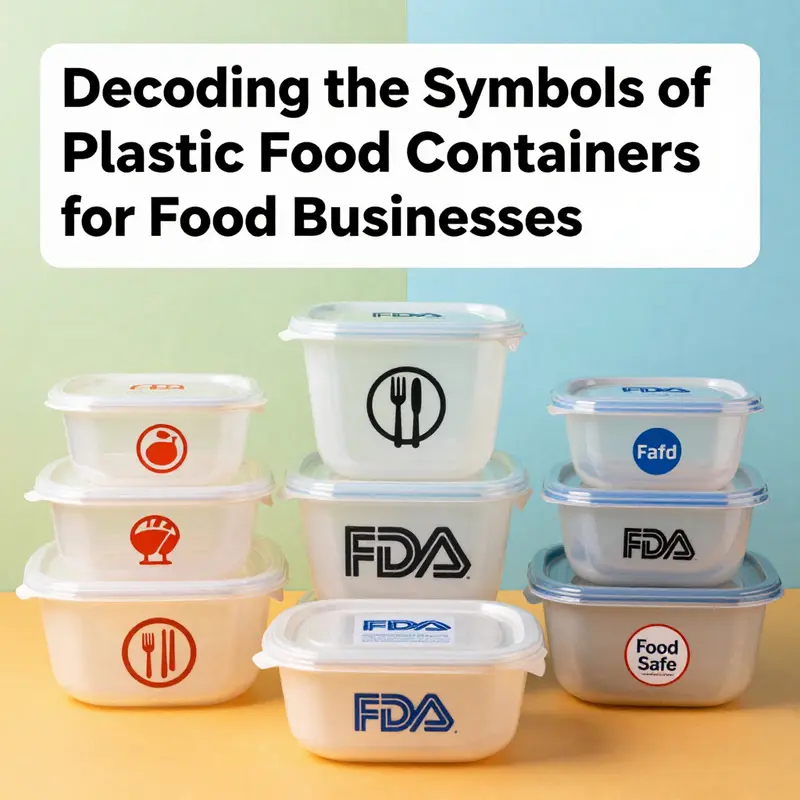
Beyond the resin code, food-safety and regulatory markings provide a second layer of assurance. Look for explicit language such as “Food Contact Use” or “Food Grade,” which signals compliance with regulatory expectations for materials that will touch edible items. A widely recognized symbol—the chopstick-and-fork icon—appears on many products to indicate suitability for food contact. These markings correspond to established standards that regulate what compounds can migrate from packaging into foods. In the United States, the FDA’s approval process governs many such materials, while in other regions, national standards and harmonized guidelines shape what is deemed acceptable. China, for example, has its own set of food contact materials standards, and some consumer guides emphasize the importance of ensuring products meet local regulatory expectations before use, especially during seasonal events when food handling and storage surge. The careful observer will notice that a simple phrase or icon often points toward a larger regulatory framework, and this is why manufacturers invest in clear labeling—so that consumers can judge compliance with confidence.
A practical question, then, is how to read the everyday heat and usage indicators that accompany these symbols. Symbols for heat resistance are especially important because they directly influence safety and performance. A wavy line under a microwave icon signals microwave compatibility, but the actual conditions of use—such as the duration of heating, the food type, and the container’s thickness—still matter. Some containers are microwave-safe within a specific temperature range; others are only suitable for reheating or warming momentarily. An oven-use indicator is even more restrictive, often signaling that only certain temperatures are permissible, or that the container should not be used in traditional ovens at all. Freezer-safe icons, commonly depicted as a snowflake or a frosty symbol, reassure users that a container can withstand cold storage without becoming brittle or losing structural integrity. Dishwasher-safe icons likewise communicate resilience to household dishwashing cycles, including temperature and detergent considerations. These indicators are not mere niceties; they are guardrails that prevent warping, cracking, or chemical migration when containers are subjected to repeated cycles of heat, cold, and cleaning.
Among the most discussed symbols in consumer safety are the BPA-related and sustainability marks. The BPA-free label has become a near-ubiquitous feature on many product lines, particularly those intended for children or hot beverages. This labeling reflects a performance and health narrative: manufacturers have shifted away from bisphenol A in polycarbonate-containing products due to concerns about potential endocrine-disrupting effects. Yet, the presence of a BPA-free label does not automatically guarantee that all leachables are absent; it does, however, signal adherence to a widely shared safety expectation in many markets. It is also important to remember that BPA may still be present in some #7 plastics that are not explicitly BPA-free, underscoring the need for a careful, context-aware reading of all markings rather than a single badge.
Sustainability and end-of-life considerations layer onto the safety story with their own set of symbols. Compostable and biodegradable icons, often connected to PLA-based containers made from plant starches, indicate a claim about decomposition under specific conditions. These marks are most meaningful when interpreted in the context of the disposal stream that will actually receive the container. Not all compostable plastics break down in home compost piles; many require industrial facilities designed to process them under controlled conditions. Related sustainability marks—such as Cradle to Cradle, Forest Stewardship Council (FSC), or How2Recycle—signal a broader commitment to responsible sourcing, material stewardship, and transparent disposal guidance. Each label carries its own assumptions about environmental outcomes, and together they encourage consumers to think about containers not just as a momentary vessel but as part of a closed-loop system that includes how packaging is produced, used, and ultimately reintegrated into the material economy.
To translate these symbols into everyday practice, it helps to adopt a habit of careful label-reading that respects both safety and sustainability goals. Start with the basics: confirm the resin type when you select a container, especially if you expect to expose it to heat or fatty foods. Then verify the heat and usage indicators before you heat, store, or wash. A container may be clearly marked as microwave-safe, yet certain fatty or viscous foods could pose different migration risks than water-based foods. In parallel, scan for BPA-free claims if BPA exposure is a concern for you or your household. Finally, look for sustainability cues that align with your disposal options—whether your community supports curbside recycling, industrial composting, or other forms of material recovery. The insights from these symbols should guide practical choices that protect health while supporting more responsible consumption and waste practices.
To weave these ideas into a single, usable habit, consider how a consumer might approach a typical grocery or takeout scenario. Before you even open a package, take a moment to study the exterior markings. The resin code can tell you whether the material is suitable for your intended use, while the food-contact language and icons give you confidence about safe handling. If you plan to reuse a container, ensure that it is rated for the temperatures and conditions you expect. If you intend to recycle, be mindful of the resin type and the local recycling streams that can accept it. If you cannot determine safety or recyclability from the marking alone, seek additional guidance from regulatory sources or opt for a container with clearer, more comprehensive labeling. The clarity and consistency of labeling play a crucial role in reducing misuses that can compromise health or hinder recycling efficiency.
A practical example of how these markings function in real life can be seen in the broader ecosystem of packaging choices. For instance, containers advertised as eco-friendly takeout boxes or recyclable packaging often carry multiple symbols indicating their compliance with safety standards, heat resistance, and disposal pathways. For readers who want to explore related packaging categories while maintaining a focus on symbol literacy, a representative resource on eco-friendly takeout packaging can be explored here: eco-friendly takeout boxes for food packaging. This link points toward products designed with careful attention to materials, processing, and end-of-life handling, illustrating how manufacturers translate symbol literacy into tangible packaging solutions. The connection between symbols and practice becomes even more tangible when you see how a container’s markings align with its performance in real-world use.
As readers move through the chapters that follow, the thread remains the same: the symbols are tools for making informed choices that protect health and support sustainability. The language is not static; it evolves with regulatory expectations, advances in materials science, and shifting consumer priorities. By cultivating a habit of reading these marks with curiosity and skepticism alike, you can navigate the plastic food container landscape more confidently. This chapter has woven together the core symbols—the resin codes 1 through 7, the food-safety affirmations, the heat and usage indicators, the BPA-free and sustainability marks—into a cohesive framework. It is a framework built not for memorization but for mindful use, so that every meal, reheating, or storage decision aligns with both safety standards and responsible stewardship of resources. The symbols thus become a bridge—from manufacture to kitchen, from disposal to reuse—linking health and environmental outcomes in everyday life.
For readers who want a deeper dive into the regulatory origins and the practical decoding of these symbols, a detailed external resource provides a broader context for how standards are developed, interpreted, and enforced across markets. See the Plastics News guide on decoding recycling codes and safety for a more technical exploration of how these markings originated and what they mean in different regulatory environments. This external reference helps situate the consumer labels within a larger system of governance, industry practice, and evolving public expectations about safety and sustainability.
Reading the Heat Codes: How Symbols on Plastic Food Containers Tell You What They Can Withstand
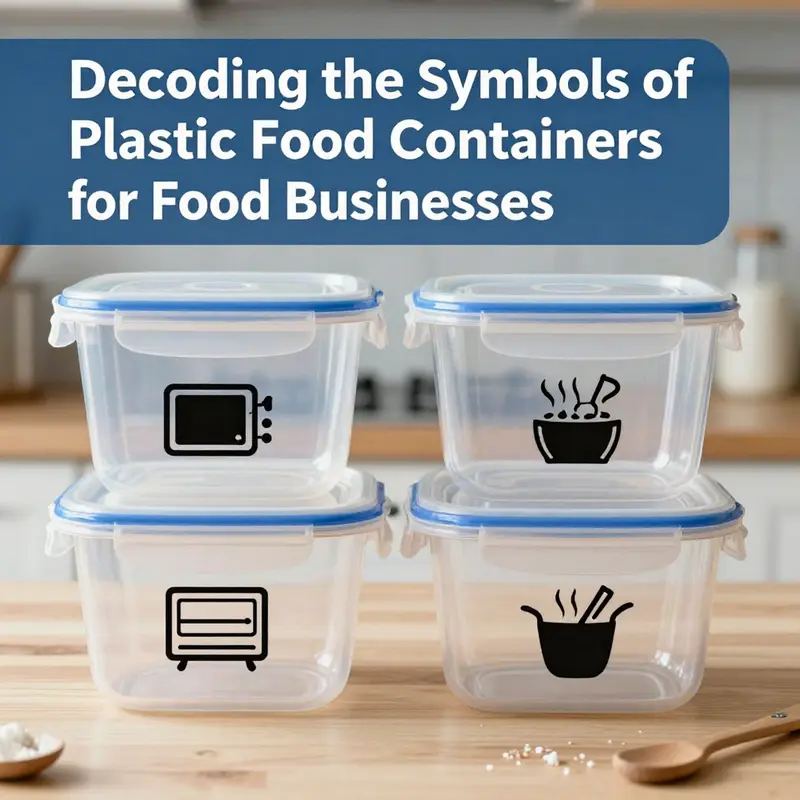
Every time you open a kitchen cabinet or reach for a takeout box, you are confronted with a small, sometimes cryptic map of heat and safety. A number inside a triangle, a wavy line beneath a drawing of a microwave, or a little snowflake—these marks are not mere decoration. They are heat and handling instructions encoded in plastic, designed to guide you through what you can safely do with a container and what you should avoid. When you understand these symbols, you gain a practical way to protect your food, your health, and your wallet. You learn to recognize what is meant to be heated, what is meant to be stored, and what should simply be recycled after use. In the chorus of symbols that appear on modern packaging, the heat indicators stand out because they speak directly to one of the busiest, most frequent interactions we have with plastic: reheating meals and serving hot foods. The bottom of a container is where that conversation begins. Most commonly, the heat message is tied to the resin identification code—the familiar triangle with numbers 1 through 7—yet the picture is more nuanced than a single digit. Each number corresponds to a family of plastics with distinct properties, and those properties include how they respond to heat, how they interact with foods, and how they behave under processing, microwaving, or long-term storage. For many households, this knowledge translates into safer practices during everyday cooking, holiday meals, and quick-lunch decisions. It also informs how you select containers for different tasks, from freezing soups to microwaving portions for a workday. The practical upshot is straightforward: heat resistance is not a universal feature of all plastics, but a property that varies widely by material. Understanding which plastic you are dealing with helps you decide if a container is suitable for heating, or if it should be reserved for cold or room-temperature foods only. The starting point, as with so many material questions, is to decode the resin code in the triangle. The number inside is not a random label; it is a shorthand for a particular plastic family with a typical range of heat tolerance. PET, HDPE, PVC, LDPE, PP, PS, and the “other” category each carry distinct heat profiles that growers of packaging, manufacturers, and consumers alike rely on to make informed decisions. The implications of these heat profiles appear in everyday choices. For instance, a container marked with #1 PET is a widely used vessel for beverages and some foods, but its heat resilience is limited—generally acceptable only up to around 65 to 70 degrees Celsius (149 to 158 degrees Fahrenheit). Beyond that, the risk of deformation increases, and the potential for substances to leach into food becomes a concern. It is a stark reminder that reuse and reheating are not universal privileges of all plastics; some are engineered for single-use, and pushing them beyond their thermal design can compromise safety. By contrast, #2 HDPE is sturdier in heat, tolerating temperatures up to about 110 degrees Celsius (230 degrees Fahrenheit). This makes it a common choice for milk jugs and certain food storage containers. Still, the message to recycle remains intact, and microwaving is not universally recommended for all #2 HDPE items. The heat story grows more complex with the next families. PVC (#3) has long raised health concerns in the context of food contact, and in many jurisdictions it is discouraged or restricted for hot foods. Its heat behavior is not favorable, and many experts advise steering clear of heating PVC altogether when possible. LDPE (#4) sits a bit lower on the heat scale; its use in bags and wraps is practical, but heating can push it toward melting or the release of undesirable compounds at higher temperatures. In that sense, #4 serves as a reminder that some materials are better suited to protecting and transporting food than to warming it up. Polypropylene (#5) emerges as the workhorse of heat tolerance in common consumer containers. It is known for its higher heat resistance, typically withstanding up to roughly 120 to 130 degrees Celsius (248 to 266 degrees Fahrenheit). That makes #5 containers well suited for microwave use, dishwasher cycles, and even freezer storage when designed for it. A simple rule of thumb is often enough: when you see #5, look for a specific microwave-safe label to confirm it is designed to endure heating. The sixth member, polystyrene (#6), is the one many people know best for its foam and disposable cutlery. Its heat tolerance is poor, and heating PS can release potentially harmful substances. The prudent recommendation with #6 is to avoid microwaving or exposing it to hot foods, a practice that aligns with the broader caution around foam containers and hot fats. Finally, #7, the “other” category, covers a range of materials, including polycarbonate, PLA, and various composites. Some of these may be BPA-containing or BPA-free in ways that complicate the safety picture. The key message with #7 is that there is no uniform standard across all ‘other’ plastics, so high-heat exposure or repeated heating requires careful verification of the specific material and its labeling. The bottom line of the resin codes is practical clarity: if you intend to heat, you should not assume that any plastic is automatically safe at high temperatures. The safest approach is to look for explicit indications of heat compatibility, such as a microwave-safe symbol or a clearly stated temperature range, and to treat uncertain containers with caution. In real-world use, the heat message is rarely embedded in isolation; it lives alongside other indicators that together guide safe practices. When you flip a container over, you may also encounter a wavy line beneath a microwave icon, a statement about “microwave safe,” or a note about oven use under limited temperatures. These complementary signals function as a practical shorthand for manufacturers to convey heat expectations succinctly. The microwave symbol, often paired with a wavy line, can be a reliable signal that a container has been designed to handle brief heating in a microwave. It is important to read the accompanying text and any temperature limits that may be specified. An absence of a microwave-safe label, or a warning against heating, is, in itself, a guide: if there is no explicit heat endorsement, assume that heating is off the table. The same logic applies to oven use and freezer use. Some containers are designed for cold storage, but not for heat, while others are engineered to endure freezing temperatures but become unsafe or brittle if warmed too quickly. The snowflake symbol, when present, can indicate freezer suitability, yet it does not guarantee safe heating. The fuller picture emerges when you consider how a consumer should approach labeling with intent. The heat story is not merely about choosing the right container for a single meal; it is about practicing safe handling across the lifecycle of a product—from purchase to disposal. When shopping, opt for containers that carry explicit heat-related messaging: “Microwave Safe,” “Oven Safe” (with specific temperature capabilities), and “Food Contact Use” or “Food Grade” to reassure that the material has been evaluated for contact with edible substances. Pay attention to the “BPA-free” label if you are selecting #7 plastics, especially when the label references polycarbonate-derived materials. While BPA-free plastics provide an important consumer reassurance, the heat performance of BPA-free variants can vary, and some #7 items may still carry heat concerns if they are composite or have coatings. In terms of practical behavior at home, heat guidelines translate into concrete habits. Do not reuse single-use PET bottles or containers that are not explicitly designed for repeated heating. Avoid heating HDPE containers that lack a clear microwave-safe designation. Be cautious with LDPE wraps and bags when used for hot foods, as the temperatures involved in cooking or reheating can compromise their integrity. For hot oils or high-fat foods, be especially mindful of the temperatures involved, because heating can change not only the container but also the food’s safety profile. The broader context is that these symbols form a system designed to help consumers distinguish safe heat use from risky practices, but they require careful attention and interpretation. It is not enough to recognize a single symbol; you must read the accompanying text and, when in doubt, choose a container whose heat tolerance is clearly specified. Alongside these practical cues, there is a growing emphasis on sustainability and lifecycle responsibility. Some labels indicate compostability or biodegradability, signaling that different disposal routes may apply after use. Others carry third-party sustainability marks that speak to the environmental quality of the packaging. While these sustainability labels do not directly speak to heat resistance, they influence consumer choices, especially during holiday seasons when demand for reusable or easily recyclable packaging spikes. In the end, a careful reading of symbols on plastic food containers helps bridge safety and practicality. For those who want to engage more deeply with the symbol landscape, a broader reference resource compiles decoding of recycling codes and the safety conversation around heat and food contact: https://www.plasticsnews.com/industry/plastic-packaging-symbols-decoded-recycling-codes-safety. This external guide provides context for the standardized numbers and the conventional heat cues, while your daily cooking decisions rely on the specific labeling present on the container you hold. If you wish to explore an example of how heat-consistent packaging is designed for practical use, consider how one category of takeout packaging emphasizes both safety and convenience for hot meals through labeled features such as “Microwave Safe” or multi-compartment designs that can withstand reheating processes; a real-world reflection of that idea is illustrated in some eco-friendly, disposable packaging solutions such as the eco-friendly-disposable-3-compartment-food-grade-packaging-box-for-fast-food-high-quality-takeout-boxes-for-fried-chicken-french-fries-packaging. The connection between symbol literacy and safe practice becomes clearer when you see the packaging choices in the context of a busy kitchen: clear heat-markings, robust materials, and thoughtful disposal options all reinforce a safer, more responsible approach to heating food in plastic. As you read labels in the grocery aisle or before the microwave at home, remember that the resin code is a guide, but the actual heat resilience you rely on is conveyed through explicit phrases and icons. Read the temperature ranges, look for the explicit microwave or oven indicators, and treat unmarked containers with caution. Your awareness is a practical form of safety hygiene that protects your meals from contamination and your health from unwanted chemical exposure. The symbols do not replace good cooking practices, but they do offer a concise, standardized shorthand that can empower you to make better decisions in moments of everyday urgency. By embracing this literacy, you can approach every heating task with greater confidence, reduce the chance of inappropriate use, and contribute to a more mindful and sustainable relationship with the plastic packaging that accompanies so many meals. External resource note: for broader symbol decoding and safety context, see the Plastics News guide referenced above.
BPA-Free and Environmental Sustainability Labels in Symbols Used on Plastic Food Containers
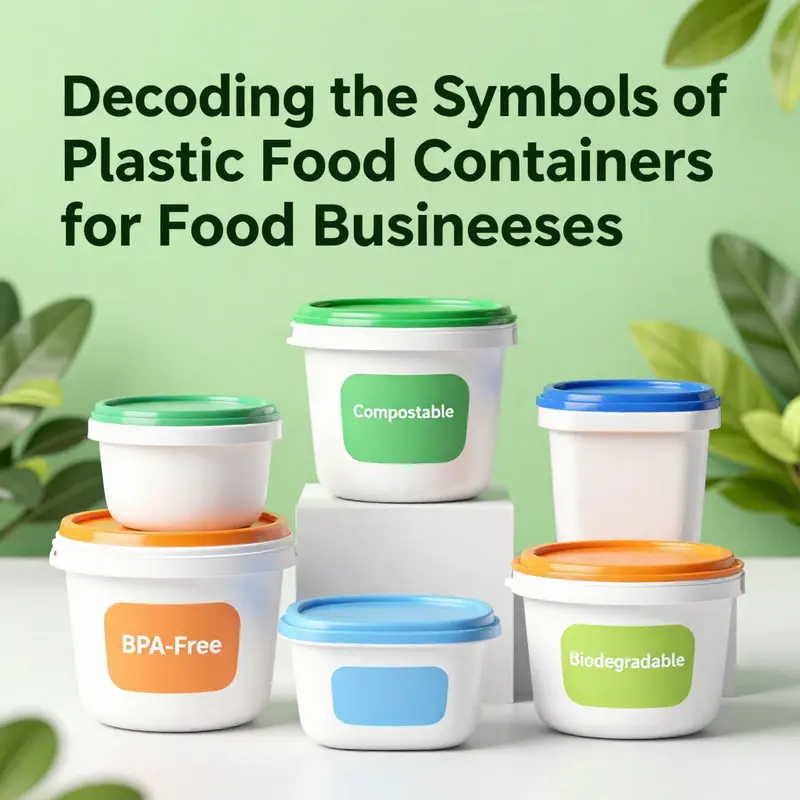
Symbols on plastic food containers often read like a shorthand of trust, a quick way to gauge safety, recyclability, and environmental impact. Yet the promise of a single label can obscure a more nuanced reality. The BPA-free claim, for instance, has become a common reassurance for consumers who want to minimize exposure to suspected endocrine disruptors. The reality is more complicated: the absence of bisphenol A does not automatically remove other bisphenols from the picture. Substitutes such as Bisphenol S (BPS) and Bisphenol F (BPF) may exhibit hormonal activity that is broadly similar to BPA. A growing body of work across laboratories and independent tests suggests that a label alone does not guarantee safety under all conditions. Research conducted over several years highlights a startling pattern: many plastic products released estrogenic chemicals, regardless of marketing claims about BPA content. This points to a broader truth about consumer packaging—labels are an important signal, but they are not a substitute for critical evaluation of the material’s chemistry, its intended use, and how it is treated after use.
The journey from label to safety involves a constellation of markings, each with its own history and practical meaning. The resin identification codes, the numbers inside a triangle of arrows from 1 to 7, function as a quick map to the resin type and general recyclability. PET (#1) and HDPE (#2) are widely considered more stable for food-contact applications, yet even these commonly used plastics carry environmental caveats. Polypropylene (#5) often appears in microwave-safe containers and yogurt cups, offering resistance to heat and chemicals. Polycarbonate, polystyrene, and other materials captured in the broad #7 category can harbor more complex formulations and potential hazards, especially when heated or subjected to repeated use. Consumers who scan these symbols should also look for third-party certifications or regulatory endorsements that attest to food-contact safety beyond a simple code. In some cases, the presence of a recycling code alongside an FDA or equivalent regulatory icon can be reassuring, but it should not discount the fact that many heat- or chemical-stress scenarios still challenge the long-term safety of certain plastics. For a practical overview of decoding these codes and weighing safety versus sustainability, readers may find it useful to consult a detailed resource that decodes symbols and marks used in packaging and highlights how they relate to both safety and environmental considerations.
The modern packaging landscape also hosts a variety of sustainability marks that attempt to signal environmental performance. Compostable and biodegradable labels, often associated with polylactic acid (PLA) derived from cornstarch, promise a lower environmental footprint under certain disposal conditions. Yet these claims frequently depend on industrial composting infrastructures that are not universally available. When a label indicates compostability, a reader should check the disposal context—whether the material is suited for home composting or requires specialized facilities. The presence of ecosystems-anchored accreditations such as Cradle to Cradle, Forest Stewardship Council (FSC), or How2Recycle can provide additional assurance that the product has been evaluated against broader sustainability criteria. Still, even with such marks, the full life cycle of a container—its production, transport, use, and end-of-life processing—must be considered to determine real-world environmental impact.
A cautious reader should also consider the possibility that a product labeled “BPA-free” might still rely on certifications or endorsements that do not fully capture potential risks during real-use conditions. Many BPA-free plastics have not been designed to withstand repeated high-heat or aggressive cleaning cycles. Dishwasher cycles and microwaving can introduce stresses that alter the chemical behavior of some plastics, potentially increasing the likelihood of leaching under certain circumstances. In practice, the safest approach is to combine label reading with a careful assessment of the container’s heat resistance rating, its intended use, and the recommendations of reputable food-safety authorities. Symbols indicating heat and usage suitability, such as microwave, oven, or dishwasher icons, should be interpreted in light of the material’s base resin and any additives used to enhance performance. A container approved for microwave use, for instance, may still degrade or release trace chemicals if subjected to excessive heat, prolonged exposure, or fatty foods that facilitate leaching. A reader who keeps these nuances in mind can navigate everyday choices with greater clarity, balancing convenience and safety without over-reliance on a single label.
To support this balanced view, many people look for clear guidance about the kinds of plastics that tend to perform best under typical household conditions. HDPE (#2) and PP (#5) are often cited as among the more stable options for food contact, yet they are not without limitations. HDPE can be highly durable and resistant to many chemicals, which contributes to its favorable safety profile for storage. However, not all HDPE products are designed for repeated use or high-temperature scenarios, and some may still degrade or accumulate trace contaminants over time. PP’s heat resistance makes it a popular choice for microwave-safe containers, but even PP can deform or migrate substances if exposed to improper temperatures or aggressive cleaning steps. This layered reality underscores the importance of careful label interpretation and thoughtful selection, especially during holiday seasons or high-demand periods when containers are heated, cleaned vigorously, or repurposed for different foods.
The importance of third-party verification cannot be overstated. While many containers bear a BPA-free legend or FDA approval icons, independent testing and certification can offer more robust assurances about safety and quality. NSF International, for example, provides certification programs that test food-contact compliance, durability, and the absence of prohibited substances under defined conditions. Such certifications, when present, serve as a more credible signal than marketing claims alone. The coexistence of multiple marks—BPA-free, FDA or other regulatory approvals, and third-party certifications—can create a more transparent safety profile, but it also requires consumers to understand that each mark serves a different purpose and has its own limitations. Reading symbols in combination rather than in isolation is essential for building a more accurate picture of risk and reliability.
Alongside safety considerations, sustainability marks have grown in prominence as consumers seek to minimize environmental harm. The push toward responsible packaging has spurred a range of labels—compostable, biodegradable, recyclable, and cradle-to-cradle certified—that aim to convey environmental performance. Yet these marks must be interpreted with care. “Compostable” or “biodegradable” often implies specific disposal conditions and time horizons that may not align with local waste management infrastructure. In many communities, industrial composting is required to realize the intended environmental benefit, raising questions about real-world impact when such facilities are unavailable. When sustainability marks are present, it is prudent to examine the disposal pathway, the feedstock of the plastic, and the product’s end-of-life processing options. The goal should be to choose materials that perform well during use and offer realistic recycling or composting options at scale, rather than rely on aspirational branding alone.
The broader lesson emerging from these symbols is the need to look beyond singular claims and toward a more holistic assessment of risk, performance, and responsibility. A container may be BPA-free and FDA-approved yet still pose concerns if heated inappropriately or disposed of in ways that undermine recycling streams. Conversely, a container with a more modest safety claim may outperform in practice if it is designed for durable reuse, supports straightforward recycling, and aligns with robust third-party standards. For consumers, this means cultivating a habit of cross-checking the resin code, heat-use symbols, and sustainability marks in concert, rather than accepting any one claim as definitive. It also means seeking out reliable sources that explain what each mark signifies in real-world terms, and recognizing the limits of what symbols can communicate about safety, health, and stewardship.
In this context, practical choices become as important as the symbols themselves. When possible, select packaging that clearly communicates heat tolerance and reusability, and prefer materials with a transparent supply chain and credible third-party verification. For readers who want a concrete example of sustainable packaging options, consider exploring options such as eco-friendly takeout boxes for food packaging. This kind of solution strives to balance usability with responsible design, offering containers that are safe for typical reheating and easy to dispose of within established recycling or composting streams while maintaining a practical, everyday function. Yet even with well-designed options, the broader message remains: labels are informative, but context matters. Readers should approach each symbol as part of a larger conversation about how a container is produced, used, and finally treated after service.
To deepen understanding, researchers and educators alike advocate for third-party assessments and standardized disclosures that go beyond marketing slogans. When available, certifications from recognized bodies and adherence to formal food-contact standards—such as international or national guidelines—can provide the best evidence that a container meets rigorous safety criteria while still respecting environmental imperatives. The field continues to evolve as regulations tighten and as new materials emerge, including advanced bioplastics and recycled-content resins, each with their own symbol language and performance expectations. The ongoing dialogue among manufacturers, regulators, and consumers is essential for translating symbol literacy into healthier choices and more sustainable practices. For readers seeking a concise synthesis of symbol meanings and safety implications, a detailed resource that decodes packaging marks offers a practical roadmap to navigate these marks with greater confidence. External reading can complement this chapter’s guidance and help readers stay current as symbols evolve and new certifications gain prominence.
External resource for further reading: https://www.plasticsrecycling.org/plastic-packaging-symbols-decoded
Reading the Silent Language of Plastic: Universal Symbols That Guide Safety, Heat, and Recycling
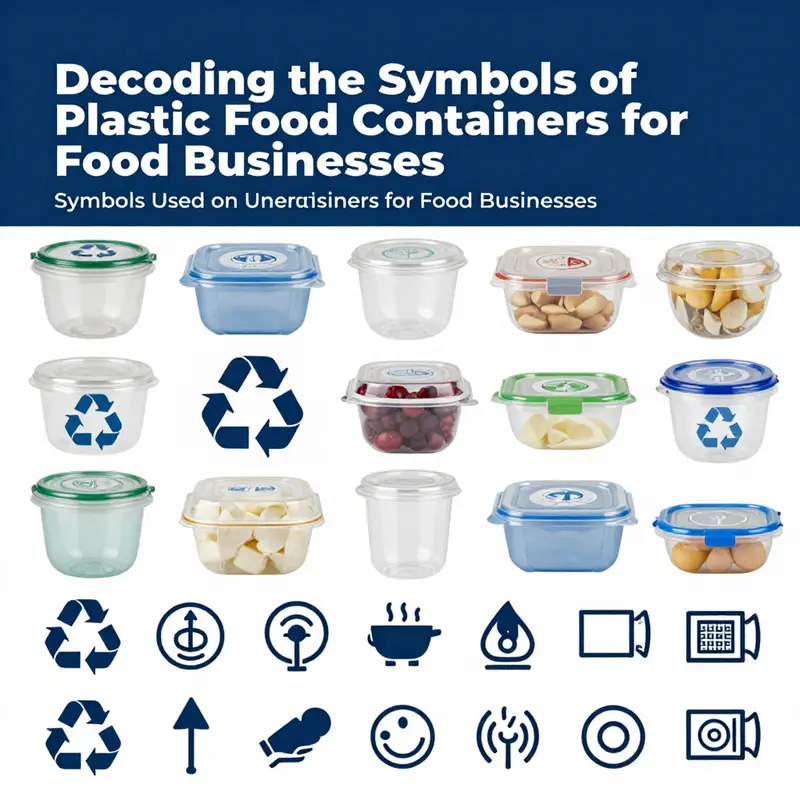
Plastic food containers carry a compact, multilingual library of signals that speak about what the container is made of, how it can be used, and what to do with it after use. When a consumer picks up a familiar yogurt tub or a takeout box, there is more than a simple label beneath the lid. There is a system of universal symbols that, taken together, creates a map for safety, use, and disposal. This chapter follows that map, tracing how the Resin Identification Codes, food contact marks, heating and washing indicators, and sustainability labels work in concert to guide everyday decisions in kitchens, hallways, and waste streams around the world. The symbols are not just decorative; they are a practical language with consequences for health, convenience, and the environment. To read them well, one must move beyond isolated icons and see how the codes interact with regulatory standards, manufacturing practices, and consumer behavior in real life settings.\n\nAt the heart of universal symbol recognition lies the Resin Identification Code system. The triangular cascade of arrows embracing the numbers 1 through 7 is more than a recycling cue. It is a concise taxonomy that manufacturers use to indicate the type of plastic resin used in a container. Each number points to a family of polymers with distinct properties and typical uses, and each carries with it a set of expectations about safety, reuse, and recycling. The code for PET, labeled as number 1, is common on single-use bottles and some food trays. It signals a material that is generally safe for one use but not ideally suited for repeated heating or long term storage of fatty foods. The caution here is practical: PET can release uncertainty when subjected to high heat or prolonged contact with fats, so the symbol becomes a prompt to rethink reuse and reheating practices. The next number, 2, identifies HDPE, a sturdy cousin known for its chemical resistance and broad acceptance in food storage. HDPE is typically considered safer for repeated use than PET, and it often appears on jugs and containers that fields of households rely on for durable storage. Then there is 3, the PVC code, which is increasingly avoided in food packaging due to concerns about leaching and additives, a fact that has shaped regulatory and industry trends toward alternatives. The 4 code, LDPE, is familiar to many through flexible items like bags and some wraps, a material chosen for its pliability and relative safety in contact with food. The 5 code, PP, is celebrated for its heat tolerance and resistance to chemicals, making it a staple in microwave safe containers and yogurt cups. The 6 code, PS, is ubiquitous in disposable cutlery and foam cups, yet it carries a caution: heating PS can release substances of concern and is generally discouraged for hot or fatty foods. The 7 category, labeled as other, is a catch-all for plastics not neatly categorized by the first six. It can include polycarbonate, a material that has drawn attention for BPA content in the past, as well as newer bioplastics and mixed materials. The section of the code dedicated to the seven plastics is not a guarantee of safety by itself; it is a call to examine additional markings that accompany the code. The story of the resin codes is not a simple map from number to shelf life. It is a signal about how a material behaves when heated, how it holds up to oil and fat, and how it participates in circular economies of recycling. In an interconnected world that ships packaging across borders, these codes also function as an international language that helps recycling facilities sort plastics efficiently, enabling more responsible waste management. The codes thus carry a dual burden: they guide consumer choices in the moment of use and they shape the broader frameworks of recycling systems that respond to those choices.\n\nYet the resin codes do not stand alone. The complete literacy of plastic container symbolism includes additional universal markings that speak directly to safety and compatibility with food. Among these, the simplest and most consequential is the food contact use claim. The presence of a clear affirmation such as the words food contact use or food grade communicates to the buyer that the material has been assessed for direct contact with edible contents. While this seems straightforward, the real value lies in the synergy between such a claim and other indicators present on the same packaging. In many markets, alongside food contact language, a graphic like a fork and glass or a similar food preparation icon serves as a quick reassurance that the item has cleared regulatory scrutiny for human consumption. The significance of these signs depends on the presence of credible regulatory endorsement, which in turn rests on adherence to standards issued by competent authorities. In the United States, for instance, the FDA oversees a broad spectrum of food contact materials and imposes criteria for safe use. In other regions, the standards may be harmonized or adapted to fit local manufacturing practices. Understanding that food contact marks are not mere marketing language but a signal of regulatory compliance helps consumers distinguish between containers intended for direct food contact and those that are better suited for secondary use.\n\nHeat resistance and usage indicators complement the safety narrative with practical guidance about how a container can be used in daily routines. A microwave safe symbol—often a simple depiction of a wave under a microwave outline or a broader microwave icon—signals that the container has been tested to withstand microwave heating without compromising its integrity or safety. An oven safe indicator, which typically appears as temperature-related markings or specific labeling, can limit the use to certain temperatures and durations. The freezer symbol, usually a snowflake or a cold-related icon, communicates that the container maintains its form and content integrity when stored at low temperatures. A dishwasher safe emblem completes the quartet of everyday usage marks, telling the user how the container will respond to cleaning cycles. The practical significance of these icons becomes evident when one considers the behavior of different polymers under heat and moisture. For example, containers made from PS are notoriously brittle under heat and can warp or degrade when exposed to high temperatures or fatty foods. By contrast, PP\’s higher heat tolerance makes it far more reliable for reheating meals in the microwave, provided the container is marked as microwave safe. The interplay among these indicators helps consumers navigate situations from quick warm-ups to long freezer storage to routine dishwashing, reducing the risk of material degradation, chemical migration, or unpleasant surprises at mealtime.\n\nBeyond safety and usability lies the evolving conversation about sustainability and consumer confidence. A growing chorus of labels claims responsibility in the material and process chain. The BPA-free label has become a near universal badge on many containers that historically used polycarbonate resins. The aim is to reassure consumers that a specific compound is absent, addressing concerns about potential estrogenic effects associated with BPA exposure. Yet the presence of a BPA-free claim does not automatically translate into overall safety or environmental soundness. Some products may substitute with alternative bisphenols whose health implications are still under investigation. This complexity makes it essential to consider the broader context of materials used in the seven code universe and the other marks appearing on packaging.\n\nIn addition to safety, the discourse around sustainability often features compostable or biodegradable labels tied to polylactic acid PLA and other bioplastics. Such markings frequently imply that the product is designed to break down in industrial composting environments. The reality is nuanced: home composting conditions can be insufficient for investment-grade biodegradation, and many facilities only process certain materials in controlled settings. Sustainability logos may also include third-party certifications from schemes such as Cradle to Cradle, Forest Stewardship Council, or How2Recycle. These marks aim to provide more transparent signals about the life cycle of the packaging, extending the symbol literacy from immediate use to long term impact. Reading these marks together with the resin code can help a user distinguish a container that is not only safe for food contact but also aligned with a responsible disposal path. The moral of this part of the symbol literacy is that a label can compress multiple intentions into a single package: safety for the consumer, reliability in heating or washing, and accountability for the waste that results after meals.\n\nThe practical reality for most readers is that symbols rarely exist in isolation. Their true value emerges when they are consulted as a suite of cues that collectively describe a container. A container with a clear resin code, a valid food contact statement, and a microwave and dishwasher safe emblem sends a consistent message about how it can be used and cleaned. When those symbols align with a genuine BPA-free claim and a credible sustainability logo, a consumer gains a robust sense of confidence about both usage and disposal. Conversely, misalignment among signs can create confusion or risk. For instance, a container marked as PP may reassure heat resistance, but if it lacks a microwave safe symbol, heating in a microwave becomes a guess rather than a permitted action. The same applies when a product touts a compostable claim without clear guidance on disposal conditions or whether the certification applies to home or industrial composting. These nuances underline the importance of symbol literacy as a practical habit rather than a decorative exercise.\n\nThe broader implications of universal symbol recognition extend into consumer behavior and the efficiency of recycling systems. When a consumer understands that a #2 HDPE container is widely accepted by recycling streams and safe for repeated storage, while a #6 PS container is best reserved for nonheat uses and short-term services, the choices behind each purchase and each reuse become more deliberate. The shopping moment becomes an opportunity to align personal safety with environmental responsibility. The symbol language thus functions not only as a guide to use but as a bridge connecting households with municipal collection systems, where accurate sorting is essential to maximizing material recovery. In a world of rising demand for sustainable packaging, the ability to interpret symbols accurately reduces contamination and simplifies the journey of plastics from product to reuse to renewal.\n\nTo weave these threads into everyday practice, readers can incorporate a simple literacy habit into kitchen routines and shopping choices. When selecting containers, scan for the resin code to anticipate reuse potential and recycling compatibility. Look for a clear food contact indication to confirm suitability for direct food contact. Verify heating and cleaning guidance that aligns with typical household appliances. And finally, examine sustainability marks with a critical eye, recognizing that labels are most meaningful when they carry recognized third-party validation and when the disposal instructions reflect local waste-management capabilities. The language of plastic packaging becomes a practical toolkit rather than an abstract taxonomy, guiding safer handling, wiser heating, and smarter disposal decisions across multiple contexts, from home kitchens to restaurant supply chains.\n\nFor readers curious about the practical side of takeout packaging and its symbolic language, the ecosystem of container markings is not limited to a single product category. It extends across the spectrum of everyday packaging, including eco-friendly takeout boxes and other disposable but recyclable formats. For more on packaging designs that emphasize safety and recyclability in takeout contexts, see the broader discussion of eco friendly takeout boxes for food packaging. This link points to a repository of possibilities for packaging that respects microwave use and offers grease resistance, while still aligning with responsible disposal practices. In the wider narrative of symbol literacy, such examples demonstrate how design choices reflect the same underlying rules of resin identity, food safety, and end-of-life pathways that govern the rest of the plastic landscape. The same principles apply whether one is selecting a simple plastic cup or choosing a sophisticated container for a catered event, a school lunch program, or a home meal kit.\n\nThe endgame of universal symbol recognition is not merely convenience. It is a disciplined approach to safety and sustainability that empowers consumers to make informed choices, reduces the risk of misusing containers, and strengthens the integrity of recycling systems around the world. By cultivating a habit of reading these marks as a coherent language rather than an assortment of isolated icons, individuals can participate in a cycle of reuse and recovery that respects health standards and environmental limits. The symbols are a compact, portable knowledge base that travels with every container, guiding use, preserving safety during heat and washing cycles, and outlining responsibilities at disposal. In this sense, the road from symbol to safe practice is a continuous thread that links households, manufacturers, and waste-management infrastructures in a shared commitment to responsible consumption. The language is compact, but the implications are far reaching, shaping daily routines and long-term outcomes for communities and ecosystems alike. The chapter closes not with a final verdict but with a ready invitation: to read, interpret, and act upon the universal symbols that already accompany every plastic container in ordinary life.\n\nExternal resource for further reference: FDA Food Contact Materials. https://www.fda.gov/food/food-contact-materials/food-contact-materials
Final thoughts
In conclusion, deciphering the symbols on plastic food containers empowers food businesses to act responsibly in their choices, enhancing safety and sustainability within their operations. Whether it’s understanding recycling codes to encourage responsible disposal, recognizing food-safe logos for compliance, or acknowledging heat resistance for safe usage, each symbol plays a pivotal role. Furthermore, by embracing BPA-free and sustainability labels, your business not only addresses health concerns but also promotes environmentally friendly practices. The knowledge of these symbols strengthens the bond between brands and consumers, building trust and contributing to a healthier planet. Equip your team with this understanding, and make informed decisions that drive your business forward.