
As the vibrant hub of gastronomy and beverage culture just outside Paris, Alfortville presents unique opportunities and challenges for food service businesses. For Bubble Tea shops, restaurants, food trucks, and event planners, ensuring compliance with plastic food packaging regulations is not just necessary—it’s vital for success. Each chapter dives into the nuances of regulatory compliance essential for food contact materials, the impact of EU legislation, challenges faced in meeting certification standards, emerging market trends, and sustainable practices that can set your business apart. Understanding these aspects will help your business not only meet regulatory standards but also embrace a sustainable future.
Compliance Currents: Navigating EU and French Rules for Plastic Food Containers in Alfortville
Alfortville sits at a crossroads of activity in the Île-de-France region, where bustling markets, distributors, and food manufacturers converge to feed a wide urban hinterland. That proximity to Paris means compliance with plastic food packaging rules is not a theoretical exercise but a daily operational discipline. In this setting, the fate of a plastic food container—from the pressroom to the supermarket shelf—depends on a careful choreography of European legislation, national enforcement, and practical quality control. The chapter that examined the overall topic of plastic packaging in Alfortville already framed the baseline: materials intended to contact food must meet general safety rules, with migration limits designed to protect consumer health. Beyond that baseline, though, the Alfortville market must also absorb the layers of regulatory specificity that France imposes through DGCCRF inspections and the expectations these inspections create for traceability, documentation, and robust testing. The consequence of this regulatory complexity is not merely a matter of avoiding penalties; it is about sustaining consumer trust in a dense, highly interconnected food system where a single packaging choice can ripple through supply chains, retailers, and kitchens alike.
Europe’s regulatory architecture begins with Regulation (EU) No 10/2011. This framework sets the stage for plastic materials and articles intended to come into contact with food by specifying general safety requirements and migration limits. But the EU is not a single, monolithic rulebook unto itself; it is a living system that anticipates technology shifts, such as the increasing use of recycled plastics in packaging. In this sense, the 10/2011 regulation acts as a gate that must be navigated in tandem with Regulation (EU) No 1935/2004, which anchors the basic safety of materials intended for contact with food. The EFSA and the European Commission distill risk into technically verifiable standards, so a manufacturer in Alfortville cannot merely claim compliance; they must demonstrate it through a documented trail of testing and certification. Within this broader European framework, French authorities add their own verifications, refining the path to compliance with national expectations that can feel more exacting than the EU baseline. This layered structure guarantees that a container chosen by a food producer does not merely pass a generic threshold; it must prove its suitability for the specific foods it will contact, the temperatures it will encounter, and the conditions of use that will apply in the French market.
In practice, many Alfortville suppliers and manufacturers operate at the intersection of compliance and competitiveness. A material will typically be classified by type—PET, PP, or PE—and by its intended use, such as for dry goods, oils, acidic foods, hot-fill processes, or microwave heating. This classification is not a mere formality; it influences the testing regime, the migration simulants used in testing, and ultimately the scope of the Declaration of Conformity (DoC). Testing must be performed by ISO 17025-accredited laboratories with expertise in French-specific legal requirements. The resulting documentation—comprehensive test reports that capture total migration and specific migration for regulated substances—forms the backbone of the DoC. The DoC is more than a certificate; it is the document DGCCRF inspectors expect to see when they review a factory’s quality system, traceability records, and the integrity of its supplier network. When the DoC is in place, it anchors a narrative of compliance that is resilient under scrutiny, even as products traverse multiple European borders.
The French enforcement landscape adds a practical discipline to this narrative. The DGCCRF’s role is to protect consumers and to ensure that conformity is not only declared but verifiable through inspection. In Alfortville, as in other parts of the country, this means that the DoC and its accompanying test reports must be ready for review. The enforcement approach emphasizes not only migration data but the quality systems that support ongoing compliance. For example, traceability becomes a central pillar: suppliers must demonstrate a rigorous source-control process for raw materials, a documented processing pathway, and clear criteria for contaminant limits. This is not only about the absence of heavy metals or phthalates in the final packaging; it is also about the integrity of the recycling stream if recycled content is used. The limitations on certain substances reflect a precautionary approach approved at the EU level and reinforced by national practices in France. In this environment, even minor deviations in supplier documentation or processing parameters can trigger additional testing or corrective actions.
A further layer of complexity is the evolving stance on sustainability and the use of recycled plastics in food contact materials. The EU’s demand for higher collection and recycling performance—such as the 90% collection target for PET beverage bottles by 2029—directly informs packaging choices in Alfortville. When recycled content enters food packaging, the safety framework becomes more intricate. Recycled plastics must meet the basic safety requirements of the EFSA-guided framework while undergoing migration limit assessments under EU 10/2011. The chain from source material to finished container requires stern traceability: end-of-life sources must be traceable, processing steps meticulously controlled, and every potential contaminant kept within strict thresholds. The risk assessment process, as recommended by EFSA, is not a one-off audit but a continuous appraisal that accompanies product development, supplier qualification, and batch-level verification.
For firms in Alfortville navigating this terrain, practical steps matter as much as policy. Material and use classification is the starting point. The choice of a material—whether it is PET for bottles or PP for clamshells and trays—must align with the intended food contact use and temperature profile. The next essential step is testing by an ISO 17025-accredited laboratory familiar with French requirements. A robust test program will include total migration tests using simulants such as olive oil, ethanol, and acetic acid to approximate real-world scenarios, along with specific migration tests targeting regulated substances like heavy metals and plasticizers. The accompanying documentation should culminate in a French-language Declaration of Conformity, which ties the test results to the specific product and its intended use. This DoC is a critical piece of evidence during DGCCRF inspections and can determine whether a product remains in the market or is temporarily removed pending corrective action.
The documentation trail should be complemented by a well-structured quality assurance and traceability system. The use of recycled content, if any, must be backed by a reliable record of material provenance, processing conditions, and contaminant monitoring. In practice, this means suppliers should provide material declarations that detail the composition and any additives, while manufacturers maintain batch records that track the full journey of each lot—from resin to finished container. The traceability framework is designed to prevent a situation where a contaminated batch goes undetected because it slipped through the cracks of a paperwork-only compliance exercise. In EFSA’s risk assessment paradigm, such precautionary checks are essential because migration outcomes depend on a complex interplay of material history, processing methods, and the actual use environment of the product.
In Alfortville, the integration of these regulatory strands with everyday packaging decisions often translates into a continuous improvement mindset. Companies that maintain robust DoCs and pass regular, simulated migrations with comfortable margins tend to experience smoother inspections and fewer operational disruptions. They recognize that the DoC is not merely a form to be filed; it is the documented assurance that the product is fit for its intended purpose. This understanding helps align packaging development with the realities of the French market, where authorities increasingly scrutinize the provenance of materials, the rigour of testing, and the clarity of documentation. It also helps align with the broader European push toward recycled content in food contact materials without compromising safety or consumer confidence. The practical upshot is a packaging ecosystem in Alfortville that benefits from transparent supplier relationships, robust testing programs, and a compliance culture that is as much about risk management as it is about regulatory adherence.
The urgency of this integrated approach is reinforced when considering the supply chain realities in the Paris region. Retailers, distributors, and food service operators demand packaging that performs reliably under diverse conditions—freezer, microwave, hot-fill, and long-distance transport—without compromising safety or aesthetic appeal. This is where the concept of an internal link to current packaging innovations becomes relevant. For example, the choice to consider eco-friendly takeout packaging options that combine safety with sustainability can be guided by industry observations and real-world use cases available through supplier catalogs and educational content. See the discussion of modern, eco-friendly takeout boxes for food packaging to explore how packaging solutions can balance safety, functionality, and environmental responsibility while remaining compliant with EU and French standards. eco-friendly takeout boxes for food packaging
All of these elements—the EU baseline, the French enforcement context, the growth of recycled content, and the emphasis on traceability—cohere into a practical roadmap for Alfortville’s plastic packaging ecosystem. Manufacturers must translate high-level regulatory concepts into concrete shop-floor actions: material selection that respects regulatory use cases, a rigorous testing plan performed in an accredited laboratory, a DoC that precisely matches the tested product, and a living quality system that captures every change in raw materials, processing, or end-use conditions. The goal is not to achieve one-time compliance but to sustain a posture of continuous verification that remains robust as new substances, new materials, and new technologies emerge. The regulatory environment invites not only vigilance but collaboration—across suppliers, testing laboratories, and industry bodies—to ensure that the containers that hold food in Alfortville meet the highest safety standards while enabling efficient, resilient supply chains. That collaboration is the practical heartbeat of compliance in a dynamic market that sits at the edge of a global narrative about safety, sustainability, and innovation in food packaging.
External resource: For a comprehensive overview of food contact materials, see the European Commission’s guidance on Food Contact Materials. https://ec.europa.eu/food/safety/foodcontactmaterials_en
Regulatory Currents: How EU Food Contact Legislation Shapes Plastic Packaging for Alfortville’s Food Containers
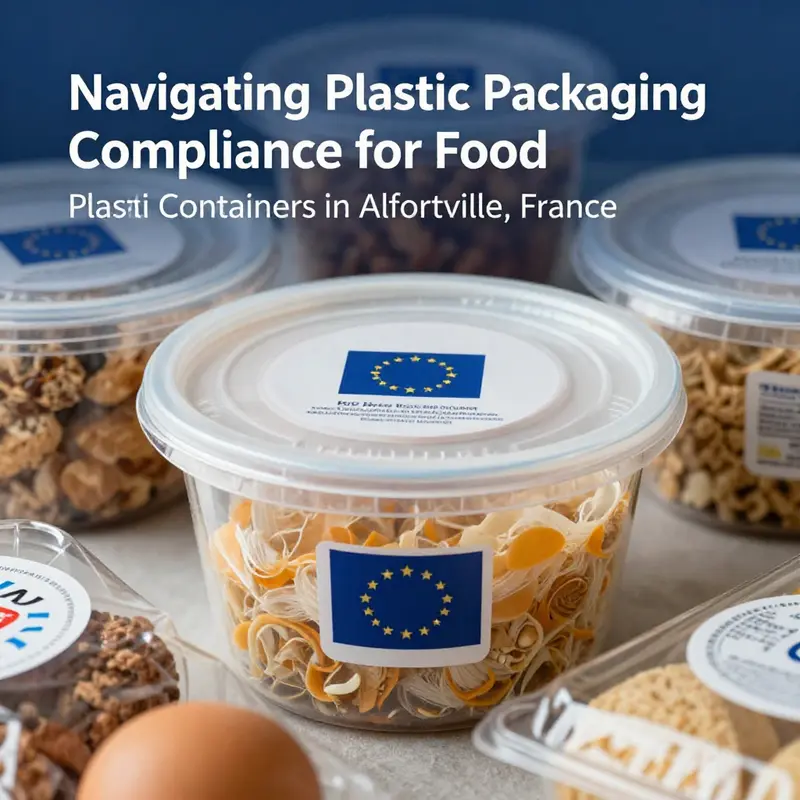
Alfortville sits at a crossroads of dynamic urban life and a tightly regulated supply chain that stretches across the European Union. In a city that thrives on food production, distribution, and retail, plastic packaging for containers is not merely a commodity; it is a field of compliance, risk management, and constant adaptation. The EU’s framework for food contact materials is designed to ensure safety from the moment a polymer is melted and formed to the instant a consumer rinses and recycles a package. For Alfortville-based manufacturers, suppliers, and retailers, this means aligning with a layered system where broad principles live alongside national enforcement, and where the regulatory heartbeat is migration—substances moving from packaging into food and potentially into the body. The implications of this regulatory architecture are felt in the factory, the loading dock, the quality-control laboratory, and the shop floor where a label is affixed to a DoC that must stand up to the scrutiny of DGCCRF inspectors and, ultimately, to the expectations of French households that prize safe, reliable packaging.
The cornerstone of this framework is Regulation (EU) 10/2011, which codifies the safety requirements for plastic materials intended to contact food. It is not a single test but a system of checks that converge on one central idea: any plastic container or packaging placed on the market in France must demonstrate that substances can migrate into food within prescribed limits. The practical translation of this idea is a formal Declaration of Compliance, a document that travels with the product and becomes the primary piece of evidence during a regulatory review. In Alfortville, where many firms operate under the umbrella of EU-wide supply chains, the DoC is more than paperwork; it is a guarantee that the material has undergone testing under standardized conditions and that those results reflect the realities of typical use—whether the container will hold dry goods, oils, acidic foods, or hot-fill scenarios. The migration assessments themselves rely on carefully chosen simulants, such as olive oil, ethanol, or acetic acid, to simulate how a packaging might interact with different food matrices. The migration limits set by the regulation serve as guardrails, ensuring that any leaching of additives, monomers, or contaminants remains within levels considered safe for human health and food quality.
Layered atop this EU baseline is the Framework Regulation (EC) No 1935/2004, which articulates general principles for all food contact materials and establishes expectations for the lifecycle of packaging—from production through use to disposal. In practice, this means that plastics used for containers must not transfer constituents to food in quantities that could endanger health, alter food composition, or degrade quality. In a city like Alfortville, where manufacturing lines may churn out a broad spectrum of packaging types, this lifecycle orientation reinforces a culture of traceability. Operators must be able to track not only the raw material but the entire chain of custody: the source of resins, the exact additives, the conditions of processing, and the eventual fate of the packaging in consumer use and waste management streams. The EFSA’s role in this ecosystem adds another layer of scrutiny, particularly regarding recycling and post-consumer recycled plastics. EFSA’s scientific input helps determine whether recycled plastics can be safely reused in food contact applications, a question that becomes more pressing as Alfortville and the broader Île-de-France region push toward circular economy objectives. Recycled content can offer sustainability advantages, but it must meet elevated safety standards, with EU-wide risk assessments that consider contaminants, traceability, and the integrity of recycling processes. In this environment, the movement toward PCR plastics is not simply a green aspiration; it is a policy-relevant choice that affects product design, supplier selection, and the criteria used to assess process safety.
The regulatory landscape also emphasizes governance and practical compliance steps that firms in Alfortville must master. Good Manufacturing Practices, as outlined in Regulation EC No 2023/2006, call for robust quality systems, meticulous documentation, and rigorous traceability measures. This is not a cosmetic requirement but a concrete set of expectations that drive efficiency and risk management on the shop floor. To translate genius into compliant practice, manufacturers and EU importers must perform material and use classification with precision. They must determine the exact resin family—whether PET, PP, or PE—and the intended use scenario, from dry foods to hot-fill applications. Once a material and its use are defined, testing in an ISO 17025-accredited laboratory becomes the gateway to verification. Such laboratories are not mere service providers; they are authorized custodians of methodological rigor, able to conduct total migration tests and specific migration tests for regulated substances, including heavy metals and restricted phthalates, as well as common antioxidants. The laboratory report then feeds into the Declaration of Conformity, a French-language document that certifies, with the backing of test data, that the product complies with EU and national requirements. The DGCCRF—France’s Directorate General for Competition, Consumers and Fraud Prevention—prioritizes DoC verification at inspection time, and noncompliance can trigger penalties, product seizure, or the disallowance of a shipment. In practice, this means Alfortville’s packaging industry must maintain a living documentation system: up-to-date material classifications, current test results, and a DoC that reflects the product’s entire use cycle. The weight of these requirements is not merely regulatory; it shapes corporate culture, supplier audits, and the cadence of product launches.
France’s national specifics extend beyond the EU baseline and add real pressure to adapt. The country has pursued bans on certain plastics and microplastics in related sectors, signaling a broader political and social appetite for reducing plastic waste and exposure. Since 2017, non-biodegradable and non-home-compostable plastic bags for point-of-sale packaging have faced restrictions, with limited exceptions for bio-based materials. In 2018, microplastics in cosmetics were banned. For Alfortville’s producers and distributors of plastic food containers, these national measures translate into product and packaging redesigns, labeling considerations, and shifts in consumer expectations. The regulatory regime becomes a driver of innovation, pushing firms to seek materials and designs that comply with migration limits while also aligning with consumer preferences for sustainable packaging. In effect, Alfortville’s packaging ecosystem is navigating a tension between safety and sustainability, a tension that policy aims to resolve through rigorous testing, robust documentation, and ongoing dialogue with enforcement authorities.
This regulatory symphony has concrete, day-to-day implications for the way packaging is designed, manufactured, and distributed in Alfortville. Material choice must be guided by compliance considerations from the outset. Clear material and use classifications help avoid later disputes over what constitutes a permissible use. The testing regime requires investment in accredited laboratories and a disciplined schedule of migration assessments, often accompanied by a battery of simulants to capture the spectrum of potential food matrices. The Declaration of Conformity, with its legal weight, becomes a central artifact in every transaction, a document that must be maintained and readily produced during inspections. When a retailer or consumer identity concerns arise about a particular packaging solution in Alfortville, it is often the DoC and its test backbone that provide the accountability. In this sense, regulatory compliance is not a burden so much as a framework for risk control: it compels producers to respect the boundaries of safe migration, to document them clearly, and to demonstrate ongoing vigilance as formulations, recyclability, and waste pathways evolve.
For readers seeking a window into how packaging products are positioned within this landscape, consider the broader packaging sector’s practical move toward sustainability, including takeout packaging that emphasizes grease resistance and microwave safety while reducing environmental impact. A representative example can be seen in the range of eco-friendly takeout boxes that illustrate how firms attempt to align product design with regulatory expectations and consumer demand. These designs often reflect a conscious effort to balance performance with regulatory compliance, acquiring certifications that reassure managers, inspectors, and end users that the packaging can perform its job without compromising safety. Internal links to sector-focused packaging solutions can illuminate how industry players narrate their compliance journey in public-facing channels while maintaining rigorous internal controls. For a concrete example of such packaging ranges, you can explore a product line described at the following internal link: eco-friendly takeout boxes for food packaging.
Beyond the shop floor and the testing facility, Alfortville’s regulatory environment intersects with waste management and consumer education. The regulations push packaging to be designed for recyclability and, where possible, the use of recycled content that has been shown to meet safety criteria through EFSA-informed assessments. This is not simply a compliance purchase; it is a strategic pivot toward a circular economy that can enhance local competitiveness by reducing regulatory risk, expanding licensing opportunities, and aligning with expectations for transparent supply chains. The enforcement regime—the DGCCRF’s inspections and the emphasis on DoCs—also incentivizes manufacturers to invest in traceability, from resin procurement to final packaging, and to maintain robust quality-control systems that can detect deviations before they become regulatory issues. In a city like Alfortville, where so many supply-chain nodes converge, the regulatory currents push every actor to speak a common language of safety, documentation, and responsible stewardship of materials used for food contact.
As this chapter closes its focus on the EU’s legal architecture and French enforcement, the practical upshot for Alfortville’s plastic packaging ecosystem becomes clearer. Compliance is not an abstract ideal but a practical competency that shapes product design, testing strategy, and commercial viability. It drives collaboration with accredited labs, necessitates precise material classification, and anchors the DoC as a living document tied to a proven test history. It also reframes innovation around safe recycled content and the sustainable lifecycle of packaging. The regulatory currents channel the energy of local businesses toward safer, more transparent, and more sustainable packaging solutions that can withstand not just a single inspection, but a landscape of evolving standards. In this sense, Alfortville’s plastic packaging food containers operate not in isolation but within a robust EU framework that harmonizes public health, consumer trust, and environmental responsibility.
External resource: For a broader context on the EU framework for food contact materials, see the European Commission’s guidance on Food Contact Materials here: https://ec.europa.eu/food/safety/foodcontactmater_en. This resource complements the on-site regulatory practice described above by detailing the scope of compliance expectations and the role of notified bodies in the conformity assessment process.
From EU Rules to Local Inspections: Navigating Certification Challenges for Plastic Food Packaging in Alfortville, France
In Alfortville, a town just beyond the southeastern edge of Paris, the everyday rhythm of commerce depends on packaging that is both safe and efficient. Here, plastic food containers move from manufacturers and distributors into kitchens, markets, and takeout counters that feed a dense, interconnected urban economy. The regulatory landscape that governs these containers is precise and evolving, weaving together European requirements and a national layer of French enforcement. For businesses operating in Alfortville, the journey from concept to market is defined by a rigorous sequence of design choices, testing protocols, and documentation that prove, beyond doubt, that a container will not contaminate the food it touches. The result is a compliance framework that must be navigated with care, discipline, and forward planning, because a misstep can halt a shipment, trigger a recall, or invite sanctions from authorities.
At the core of this landscape is Regulation EU 10/2011, which sets the baseline safety rules for all plastic materials intended to come into contact with food. It defines general principles for migration limits—the little leachables that can migrate from packaging into food—and it establishes the framework for how such materials should be assessed. In practice, however, the EU standard is only the starting line. France enforces this framework through its own logic and procedures, with the DGCCRF (Direction Generale de la Concurrence, de la Consommation et de la Repression des Fraudes) playing a pivotal role in testing, inspection, and enforcement. The dual pressure of EU-wide rules and national interpretation means that a container deemed compliant in one country could be assessed differently in another, a reality that creates both risk and opportunity for Alfortville’s packaging ecosystem. A manufacturer might pass a European examination, yet still face a rigorous French audit that capsizes a product launch if the accompanying documentation, such as the DoC, does not align perfectly with local expectations. This is why the DoC—more formally, the Declaration of Conformity—and the test reports that back it are not mere paperwork; they are the most tangible proof of safety and compliance that DGCCRF inspectors seek during on-site checks.
One critical consequence of this hybrid regime is the emphasis on material and use classification. In Alfortville, as in the broader French market, a packaging solution is not simply a material choice; it is a classification exercise. The material—whether a typical polymer like PET, PP, or PE—must be paired with a clearly defined use scenario: is the container intended for dry goods, acidic foods, oil-containing products, hot-fill, or microwave heating? The decision carries migration implications. For example, a container used for acidic foods or hot-fill scenarios often triggers more stringent testing or tighter migration limits, because the interaction between the packaging and the specific food matrix can alter the migration profile. Laboratories accredited under ISO 17025 and familiar with French legal nuances perform a battery of tests to quantify total migration using simulants such as olive oil, ethanol, and acetic acid. Specific migration tests are also conducted for regulated substances, including metals like lead and cadmium and substances that have historically attracted scrutiny—phthalates and certain antioxidants. The results must be compiled into a cohesive dossier that demonstrates a safe, compliant performance under realistic consumer use.
The path to certification does not end with laboratory results. The DoC, signed in French, becomes the formal beacon for inspectors, buyers, and importers. It ties the tested data to the intended use and to the specific packaging configuration, creating a traceable document trail that auditors weigh heavily in their assessments. In practice, this means that manufacturers and EU importers must maintain a robust, auditable evidence chain. A misalignment between the test report and the DoC, or an outdated DoC that no longer reflects a current formulation or use case, can lead to delays or a rejected shipment. The emphasis on traceability is increasing as the European Union accelerates its circularity ambitions. For Alfortville-based producers, this translates into not only keeping up with testing, but also sustaining a transparent record of changes—material substitutions, additives, or process tweaks—that could affect migration behavior.
The regulatory horizon extends beyond the immediate compliance checks. The EU’s Circular Economy Action Plan and the forthcoming Packaging and Packaging Waste Regulation (PPWR) have moved the discussion from can this container be used safely? to is this container designed for recycling and reuse, and does it enable high recycling rates? In practice, this has meant a shift toward designing for recyclability, reducing complexities in material mixtures, and ensuring that recycled content does not undermine safety performance. Each of these goals introduces new variables for Alfortville manufacturers: how to assess the stability of recycled resin streams, how to validate the safety of recycled content, and how to demonstrate ongoing compliance as recycled materials enter the production cycle. The challenge is not merely to meet current migration limits but to anticipate future targets for recycled content and to maintain performance in the face of altered materials.
The breadth of obligations also includes a more stringent demand for documentation and third-party certification. In a market as dynamic as Île-de-France, where regulatory scrutiny and consumer expectations are high, many operators actively pursue external validation from recognized bodies. The practical effect is to increase the cost and complexity of bringing a new container to market, but it also elevates the credibility of products in the supply chain. For Alfortville companies, the consequence is a careful calibration of speed to market against the pace of compliance activities. In some instances, the cost of achieving and maintaining multiple certifications may push businesses toward packaging solutions with simpler material architectures or toward suppliers with proven, compliant test records. Yet this is not a retreat from innovation; it is an imperative to anchor new materials, additives, and design concepts within a validated safety framework before they reach consumers.
A complicating factor is the variability of enforcement at the local level. Even within France, regional practices in audits and inspections can differ. This variability can place organizers of Alfortville’s food supply chains in a position where they must prepare for a spectrum of expectations, from routine DoC verifications to more exhaustive examinations of traceability and migratology. The practical implication is that a successful certification program must be resilient across fluctuations in enforcement intensity. Suppliers and manufacturers who anticipate these variations tend to maintain greater flexibility in their processes, with steps such as modular testing options, ongoing supplier verification, and proactive updates to labeling and documentation.
In facing these intertwined challenges, many operators in Alfortville adopt a holistic approach. They begin with rigorous material selection and use-case definition, ensuring the container’s architecture is aligned with intended foods and usage scenarios. They couple this with systematic testing by ISO 17025-accredited laboratories, maintaining a living file of migration data, specific migration results, and corresponding DoCs. They build a traceability backbone that can demonstrate product lineage from resin supplier to end user, a chain of custody that satisfies both EU and French expectations. They also invest in internal processes to manage change—whether a reformulation, a switch to a different supplier, or a shift in the recyclates used in post-consumer streams. At the same time, they monitor EU policy developments, particularly the PPWR and related circular economy measures, to align product design with longer-term sustainability targets.
The practical takeaway for Alfortville’s packaging community is to view certification as an ongoing program, not a one-off milestone. This mindset helps reconcile the dual pressures of safety and sustainability. It also encourages the exploration of compliant packaging alternatives that can ease migration concerns while supporting broader environmental goals. For instance, many operators are exploring alternatives to conventional plastic containers, considering components and configurations that maintain performance without compromising safety or recyclability. As part of this strategic pivot, some organizations have begun to benchmark and pilot solutions such as eco-friendly takeout boxes for food packaging that rely on craft paper or other materials designed for grease resistance and safe microwaving. These materials, when properly tested and documented, can form part of a compliant portfolio that keeps Alfortville’s markets competitive while respecting regulatory boundaries. See an example of such packaging options here: eco-friendly takeout boxes for food packaging.
As the regulatory climate evolves, the value of transparent communication with regulators, suppliers, and clients becomes even more significant. Engaging early with material suppliers to obtain detailed declarations about resin composition, additives, and potential impurities helps ensure that the DoC mirrors the actual product. Similarly, communicating clearly with customers about intended use, safe handling, and microwave or freezer compatibility builds trust and reduces the likelihood of post-market surprises. In this context, the role of independent testing laboratories and third-party certifications is not merely to verify compliance but to provide a reliable basis for continuous improvement. It is this reliability—paired with a robust data trail—that enables Alfortville’s packaging ecosystem to thrive in a demanding regulatory environment while preserving the efficiency and safety that modern food service depends on.
External resources underpinning these considerations include official guidance on food contact materials from the European Commission. For a deeper understanding of how EU rules shape national enforcement and how to implement best practices in testing and documentation, consult the EU’s information on food contact materials. This resource offers a foundation for aligning national and local expectations with EU-wide safety principles, helping Alfortville producers and importers translate regulation into practical, day-to-day decisions. External resource: https://ec.europa.eu/food/safety/foodcontactmaterials_en
In sum, the certification challenges faced by plastic food packaging in Alfortville reflect a larger European project to harmonize safety with sustainability. The path requires precise material classification, rigorous testing in accredited laboratories, thorough documentation, and proactive traceability. It also requires a willingness to innovate within a framework that increasingly values recyclability and recycled content, without compromising consumer safety. For stakeholders in Alfortville, success lies in balancing regulatory vigilance with strategic collaboration—across suppliers, regulators, and customers—to craft packaging solutions that move smoothly from the drawing board to the shelves while upholding the highest standards of protection for food and health. The result is not merely compliance; it is a durable platform for responsible packaging that can adapt to a rapidly changing regulatory and market landscape, ensuring that Alfortville remains a vibrant node in France’s food packaging network.
Alfortville’s Plastic Packaging Pulse: Market Trends, Regulation, and Resilience in France’s Food Containers
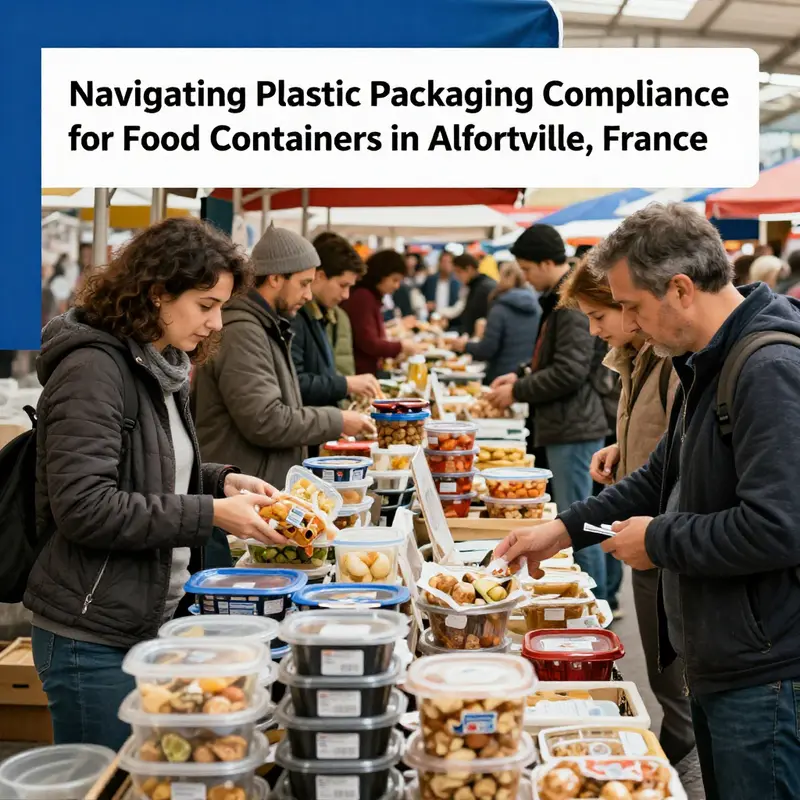
Alfortville sits within the dense and dynamic orbit of the Île-de-France region, a corridor where food production, distribution, and retail converge with high velocity. In this setting, plastic packaging for food containers is not merely a packaging choice; it is a strategic element that shapes shelf life, logistics, and consumer experience. The market trends unfolding in Alfortville mirror a broader French and European shift toward packaging that is not only functional and economical but also compliant with a complex regulatory landscape and increasingly attentive to environmental responsibility. As food operators, manufacturers, and distributors navigate this environment, they must reconcile the demand for reliable barrier properties, lightweight transport, and sanitary safety with the mandates that govern what can and cannot touch food, how migrations are tested, and what post-use destinies packaging should pursue.
At the heart of the regulatory framework lies Regulation (EU) No 10/2011, which establishes general safety requirements for plastic materials intended to come into contact with food. This regulation creates the baseline: migration limits, material classifications, and clear expectations about how packaging behaves when it meets a variety of foods. In France, that baseline is complemented—and sometimes tightened—by the national oversight of the DGCCRF (Direction Générale de la Concurrence, de la Consommation et de la Répression des Fraudes). The DGCCRF places heightened emphasis on traceability, documentation, and testing rigor. For Alfortville manufacturers and importers, the result is a two-tiered compliance path. A product must first meet EU-wide requirements, then pass the stricter checks that French authorities may apply in the field. The practical implication is that compliance is not a one-off milestone but a continuing process of validation, documentation, and vigilance.
In practical terms, this compliance pathway shapes every step of product development and market entry. Companies must clearly classify the container’s material—whether PET, PP, or PE—and define its intended use, such as sealed dry goods, oils, acidic foods, hot-fill, or microwaveable applications. This classification guides the testing plan, which is typically conducted by an ISO 17025-accredited laboratory familiar with French-specific requirements. Tests often span total migration using representative simulants like olive oil, ethanol, and acetic acid, as well as specific migration for regulated substances such as heavy metals and certain plasticizers. The resulting data supports a Déclaration de Conformité (DoC) in French, a document that authorities will request and scrutinize during inspections. Across Alfortville, this means packaging suppliers must maintain robust quality management, validated test reports, and a coherent DoC package that can quickly be produced if a DGCCRF inquiry occurs.
The emphasis on documentation is not merely bureaucratic; it translates into how packaging is designed and sourced. Material and use classification informs choices about rigidity, transparency, and barrier performance. Rigid plastics like PET and PP continue to be favored for their durability, moisture resistance, and compatibility with cold chain logistics—traits particularly valued in the fast-food and convenience sectors that thrive in Alfortville’s urban environment. Clamshells, drink cups, and other sealed containers are emblematic of transport-friendly options that preserve freshness from kitchen to consumer. Yet, the market also recognises the power of flexibility. Flexible plastic packaging, including pouches and wraps, has grown to become the largest revenue-generating segment in France’s food packaging market. For Alfortville, this translates to a nuanced balance: rigid containers for core products and shelf-stable items, paired with flexible formats for ready-to-eat meals, snacks, and fresh produce delivered through e-commerce channels.
Forecasts for the broader French rigid plastic packaging market underscore this balance. By 2025, the rigid segment is projected to reach about 3.14 million metric tons, with a CAGR of roughly 3.52% through 2030. PET and PP dominate due to their mechanical strength, clarity, and recycling compatibility. These materials remain central to sealed formats that support long distribution chains and the integrity of perishable products. In parallel, the flexible packaging segment is expected to reach about 1.68 million tonnes by 2030, growing at around 4.37% CAGR. This growth reflects consumer demand for lightweight, convenient, and often portion-controlled packaging, which aligns with the rise of ready-to-eat meals and urban food-on-the-go patterns that have become more pronounced in Alfortville’s dense neighborhoods and delivery ecosystems.
Regulatory and environmental dynamics are reshaping the market’s trajectory as much as consumer demand. France’s push to curb single-use plastics and to promote recyclable or compostable alternatives injects a steady dose of regulatory pressure into product design and material selection. For packaging engineers and brand owners in Alfortville, this means seeking solutions that deliver performance while minimizing migration concerns and enabling recyclability. The move away from non-biodegradable options is steering interest toward mono-material configurations where feasible, simplified packaging architectures, and designs that facilitate sorting and recycling streams. At the same time, innovation is persisting in barrier technology, enabling durable packaging with thinner walls and improved resistance to oils, fats, and moisture without compromising recyclability.
This regulatory backdrop dovetails with changing consumer preferences in the Paris region and its outskirts. Urban centers like Alfortville are not only consumer hubs but also nodes in sophisticated logistics networks. The rise of quick-service restaurants and rapid delivery services elevates the demand for hygienic, leak-resistant, and lightweight containers that can survive rapid transit, multiple handoffs, and temperature fluctuations. In tandem, e-commerce packaging trends demand efficiency in space utilization and protection during last-mile delivery. Operators respond with a mix of formats—from robust clamshells to flexible pouches and recyclable paper-based alternatives where appropriate—while ensuring that all materials meet EU and French safety standards.
Behind the scenes, the market’s expansion in Alfortville is supported by a network of suppliers, testing laboratories, and compliance professionals who understand both the science of migration and the legalities of DoCs. The emphasis on ISO 17025 accreditation is not incidental; it anchors trust among retailers, food service operators, and regulators. For Alfortville players, the ability to demonstrate a transparent, auditable trail—from material selection through testing to conformity declarations—can be as decisive as the packaging’s technical performance. The consequence is a more deliberate and collaborative approach to packaging development: material choices are synchronized with regulatory milestones, supplier capabilities, and consumer expectations about sustainability.
Innovation in the packaging ecosystem is also advancing in the ways it communicates recyclability to the consumer. Labels and labeling strategies that clarify recyclability, coupled with design-for-recycling principles, help improve post-consumer outcomes. In Alfortville, local demand for safe, sanitary, and visually clear packaging translates into a preference for packaging that balances clarity and barrier protection with end-of-life considerations. This is not just a regulatory exercise; it is a market expectation that shapes how brands and suppliers position themselves in the Alfortville corridor of commerce. The result is a market where performance, safety, and environmental stewardship are not competing priorities but integrated requirements that define the shape of packaging programs across the city’s food landscape.
As the market evolves, projections point toward steady growth tempered by the imperative to align with environmental objectives. The broader French market is forecast to grow at around 2.4% CAGR from 2026 to 2033, underscoring a continued expansion but with a sharper emphasis on balancing functionality, cost efficiency, and sustainability. For Alfortville, that means continued investment in material science, testing capabilities, and supply chain agility to meet evolving regulations while delivering on consumer expectations for convenient, safe, and responsible packaging.
To ground these observations in context beyond France, industry data from reputable market research sources highlights the scale of change in rigid plastic packaging and the pivotal role of consumer and regulatory pressures in shaping demand. For readers seeking a broader data reference, the Statista dataset on France’s rigid plastic packaging market size by volume provides a quantitative spine for these trends and can help contextualize local developments within national and European trajectories. [External data source: https://www.statista.com/statistics/1355948/france-rigid-plastic-packaging-market-size-by-volume/]
For those seeking further practical insights into how packaging formats are chosen and sourced in today’s French market, a notable internal reference is available that discusses eco-friendly takeout boxes for food packaging. This resource frames how lightweight, grease-resistant, and microwave-safe designs are being deployed in real-world foodservice settings, including urban areas similar to Alfortville. eco-friendly takeout boxes for food packaging
The Alfortville market thus sits at a crossroads of regulatory stringency, material science, consumer demand, and environmental accountability. The city’s food packaging ecosystem—comprising producers, suppliers, testers, and end-users—reflects a broader national arc toward safer, more transparent, and more responsible packaging. In every shipment, every DoC, and every migration test, the story of Alfortville’s plastic packaging is written in the language of compliance and the language of care for the consumer and the environment. The trajectory is clear: sustained growth powered by materials that perform, regulated with rigor, and guided by a shared commitment to a cleaner economy without compromising food safety and convenience.
Circles of Sustainability: How Alfortville’s Plastic Food Containers Align with EU Policy and Local Practice
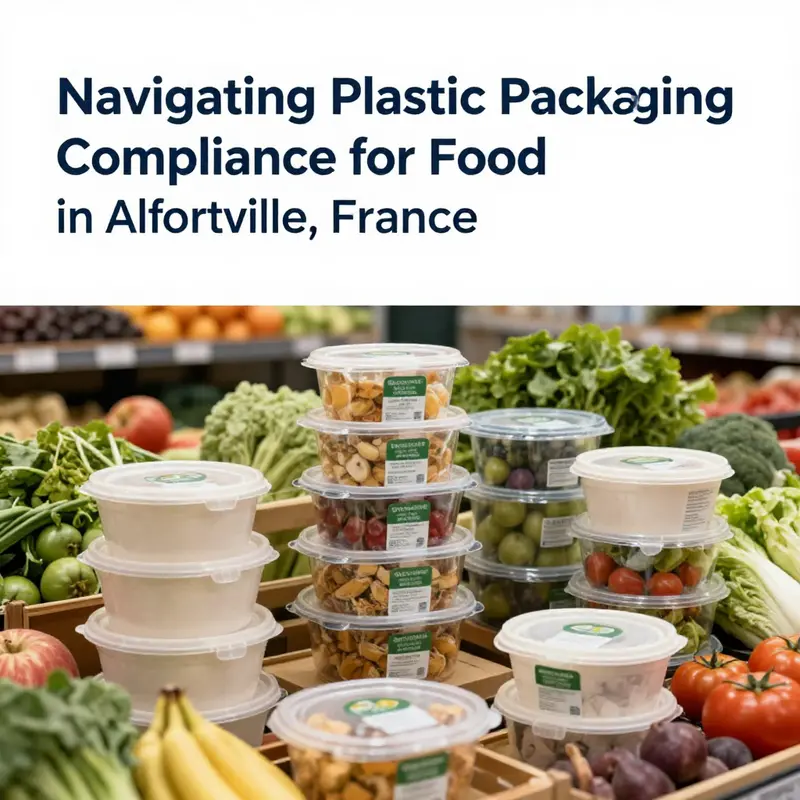
Alfortville sits at a crossroads of urban life and the broader European project to reimagine packaging waste as a resource. Just a short distance from central Paris, the town mirrors a wider regional landscape where dense population, vibrant food culture, and strict regulatory oversight intersect. In this setting, plastic food containers are not just vessels; they are a point of contact between everyday consumption and the ambitions of the circular economy. The sustainability practices emerging in Alfortville reflect both the legal scaffolding created at EU level and the specific, sometimes stricter, enforcement carried out by French authorities. The result is a packaging ecosystem that seeks to balance safety, functionality, and environmental responsibility, all while navigating the practical realities of supply chains, consumer behavior, and municipal recycling infrastructure. This is not a theoretical exercise. It is a lived, evolving practice in which policymakers, retailers, producers, and households shape outcomes through design choices, testing protocols, and everyday disposal habits.
At the heart of this landscape is the EU Packaging and Packaging Waste Directive, a framework that pushes member states toward higher recycling rates and reduced environmental impact. In France, this directive is complemented by national measures that tighten expectations and introduce national specifics via DGCCRF oversight. Companies operating in or supplying to Alfortville know that compliance cannot be reduced to a box-ticking exercise for a distant regulator. The DoC, the Declaration of Conformity, is not merely a document to be filed; it is a living record that demonstrates, with a lab-tested basis, that a given plastic container will not contaminate food through migration of regulated substances. The emphasis on total migration and specific migration testing—often conducted in ISO 17025–accredited laboratories familiar with French requirements—means that packaging design is inseparable from food safety risk management. In practice, this means that a container intended for dry goods, or for hot-fill or microwave use, must be evaluated in terms of both material choice and intended use, and the results must be backed by a French-language conformity statement that can be presented during DGCCRF checks.
The sustainability drive in Alfortville follows a clear logic: reduce, reuse, recycle. The community’s packaging choices increasingly favor mono-materials, particularly PET and PP, because these materials align better with France’s advanced sorting and recycling capabilities. The shift away from multi-layered composites is both a technical and an economic decision. Mono-material packaging can be separated, processed, and transformed without the complexity of disassembling bonded layers. This is essential for achieving the EU objective that all plastic packaging placed on the market be reusable or recyclable by 2030. In Alfortville, retailers and distributors are translating this ambition into everyday practice by selecting materials that maintain barrier properties for the shelf life of food while remaining compatible with local recycling streams. The practical upshot is a packaging portfolio that favors clarity about material type, clear labeling of intended use, and a design discipline that minimizes surprises at end-of-life.
To support these shifts, many Alfortville players are embracing design-led packaging strategies. The design conversation now frequently includes questions about material thickness, barrier performance, and the proportion of recycled content that can be responsibly incorporated without compromising safety or recyclability. In this context, reduction strategies play a crucial role. By rethinking portion sizes, lid mechanisms, and container geometry, brands can achieve meaningful reductions in plastic mass without sacrificing usability or food integrity. French programs like France Ambition Plastique have reinforced the idea that packaging must be designed with end-of-life in mind, encouraging producers to pursue extended producer responsibility (EPR) models and to explore reuse schemes where feasible. While reuse is not universally practical across all product categories, especially where single-use convenience dominates, the principle of design for reuse informs how containers are engineered, tested, and marketed in Alfortville.
Alongside conventional plastics, there is growing curiosity about bio-based alternatives such as PLA for certain applications, particularly where cold storage and short-term use are prevalent, such as in cafés and small eateries in the area. The allure of bio-based materials lies in renewability and potential reductions in fossil resource use. Yet the story is nuanced. PLA, for example, presents challenges in terms of thermal resistance and end-of-life handling. In municipal systems that are optimized for conventional plastics, PLA may not always be compostable in standard industrial facilities, and its recyclability can diverge from that of PET or PP. As a result, pilots and limited deployments in Alfortville tend to target specific use cases with well-defined conditions, such as short-term cold storage or heat-tolerant designs that can operate within the recognized recycling stream. This measured approach helps avoid the pitfalls of greenwashing—where materials are marketed as more sustainable than they truly are—and instead builds a track record of performance that aligns with both safety safeguards and environmental goals.
The regulatory architecture also influences how sustainability is implemented on the ground. The DGCCRF’s rigorous inspection regime means each container’s DoC is not a one-time achievement but part of an ongoing compliance conversation. Carriers of certification must demonstrate, through robust test reports, that they understand the migration behavior of substances under representative food contact conditions. In practice, this creates a demand signal for material classification that is precise and documented. For manufacturers and importers in Alfortville, the process involves mapping each container’s material class precisely—PET, PP, or other plastics—and then validating the intended use, such as dry foods, oils, acidic foods, or hot-fill scenarios. The testing phase uses simulants like olive oil, ethanol, and acetic acid to evaluate total migration and to check for specific migrations of heavy metals or additives. The end result is not merely a compliant product but a packaging solution whose lifecycle can be traced and defended in the event of an inspection.
Beyond compliance, the sustainability conversation in Alfortville extends to the design for recyclability and the compatibility of packaging with sorting infrastructure. A growing segment of the market prefers recyclable, mono-material packaging that reduces contamination and simplifies the post-consumer collection process. The broader European directive framework supports this by codifying expectations for recyclability, while French practice adds a layer of governance that can actually influence product development timelines and supplier choices. The practical implications for local businesses are tangible: packaging suppliers and manufacturers in or serving Alfortville are incentivized to offer materials that can be readily sorted, diverted, and reprocessed within France’s recycling ecosystem. This alignment reduces waste leakage and supports the city’s and the region’s broader waste management objectives while maintaining the safety and integrity of the foods that pass through local channels.
The conversation about sustainability would be incomplete without acknowledging the role of consumer behavior and municipal governance. In Alfortville, as in many French municipalities, residents are encouraged to engage with recycling streams in an informed way. Clear labeling on packaging, along with education about end-of-life options, helps ensure that recyclable containers do not become contamination in the recycling stream. Retailers, in turn, are motivated to choose packaging that is not only safe but also easy to process downstream. The result is a feedback loop: improved packaging design supports higher recovery rates, which then reinforces the business case for continued investment in recyclability and source reduction. Such loops are critical in urban settings where the pace of consumption is brisk and the volume of packaging waste is significant.
As Alfortville continues to navigate this evolving landscape, it remains a microcosm of how European policy, national enforcement, and local practice converge to shape plastic packaging for food containers. The balance between safety and sustainability is delicate, requiring rigorous testing, thoughtful design, and transparent documentation. It also requires a willingness to experiment with new materials and new business models, all while respecting the eu rule base and French consumer protections. For instance, exploring reusable or returnable packaging concepts in a controlled pilot can yield insights into how to reduce single-use dependence without compromising hygiene or convenience. Yet any such exploration must be anchored in regulatory awareness, with DoCs and test results readily available to inspectors and auditors to demonstrate that safety standards remain uncompromised.
As this chapter closes, the thread tying these elements together is clear: sustainability in Alfortville’s plastic food containers is a moving target shaped by policy, market pressure, and everyday practice. The direction is toward materials that are easier to recycle, designs that use less material without sacrificing performance, and innovations that widen the range of feasible end-of-life pathways. The city’s packaging ecosystem thus embodies a broader European aspiration to move from linear to circular models, a shift that will require continued collaboration among regulators, industry, and citizens. For readers seeking a broader lens on how the EU’s packaging directives influence the design of sustainable food packaging systems—across borders and beyond the classroom of policy—the following external resource provides a useful synthesis: https://www.researchgate.net/publication/365719822ImplicationsoftheEUPackagingandPackagingWasteDirectivesoncreatingsustainablefoodpackagingsystemsaUSA-Franceinteraction. And for a concrete example of how sustainability considerations can translate into practical, market-ready packaging options, see the concept of eco-friendly takeout boxes designed for safe microwave use and grease resistance in contemporary supply chains: eco-friendly takeout boxes for food packaging.
Final thoughts
Ensuring the right compliance with food packaging regulations in Alfortville involves more than following regulations; it requires a commitment to quality, sustainability, and innovation. By understanding regulatory frameworks, adapting to market trends, and facing challenges head-on, businesses can not only thrive in the competitive food service landscape but also contribute positively to the environment. Embracing sustainability practices will not only enhance your brand’s reputation but also meet the growing consumer demand for eco-friendly options. In this way, your business can be at the forefront of both compliance and ethical responsibility in Alfortville.