
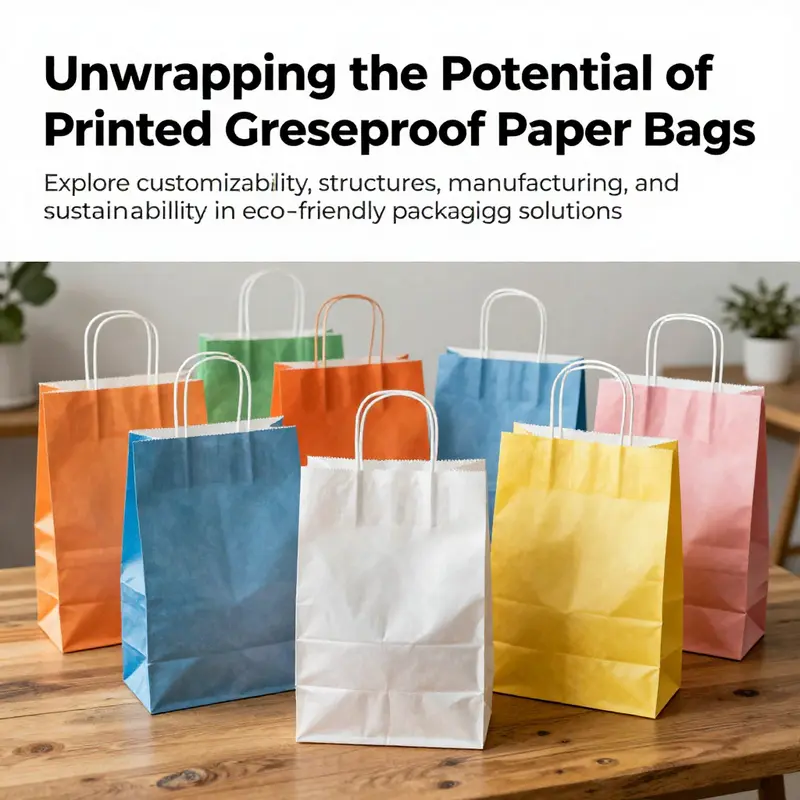
In today’s competitive food industry, smart packaging plays a crucial role in establishing brand identity and retaining customer loyalty. Among various options, printed greaseproof paper bags have emerged as a go-to choice for businesses in the food and beverage sector. Not only do they effectively protect food items from grease, moisture, and oil, but they also provide an excellent canvas for branding through custom printing. This article delves into the various facets of printed greaseproof paper bags, outlining how their customization options, diverse styles, manufacturing processes, and sustainability attributes cater specifically to the unique needs of bubble tea shops, restaurants, food trucks, catering services, event planners, and corporate procurement teams. Each chapter will build on the importance of these bags and their relevance in today’s environmentally-conscious consumer landscape.
Elevating Brand Identity Through Custom Printed Greaseproof Paper Bags
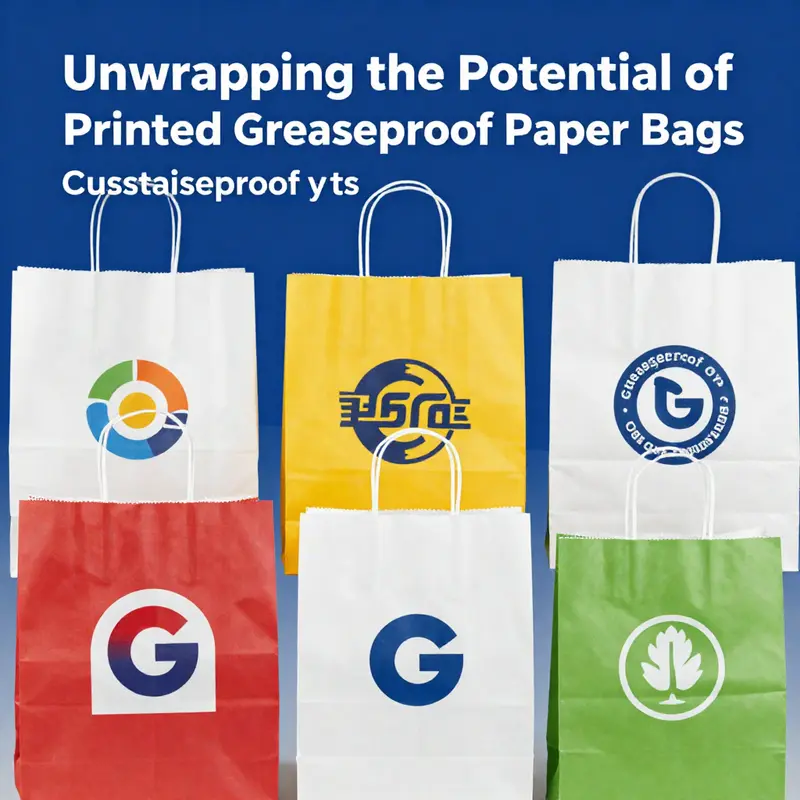
Custom printed greaseproof paper bags are much more than a simple packaging solution; they are a powerful medium for communicating a brand’s personality, values, and commitment to quality. Businesses in the food industry understand that presentation matters, and customizable printed bags offer a unique opportunity to blend aesthetics with functionality. With the rising demand for eco-friendly practices and tailored branding, the shift toward customizable greaseproof paper bags has become an integral part of the packaging ecosystem. Every element of these bags—from the selection of food-grade, grease-resistant paper to the incorporation of vibrant, full-color prints—plays a pivotal role in ensuring that the product inside not only remains fresh but is also presented in a way that leaves an indelible mark on consumers.
The customization process begins long before a bag hits the production line. It starts in the design studio where every stroke of the brush and each carefully chosen hue reflects a company’s brand narrative. Designers work closely with manufacturers to choose the precise type of greaseproof paper, often enhanced with a food-safe polymer or a thin wax layer for extra resistance against moisture and oil. This thoughtful approach means that businesses can opt for a range of designs—from classic minimalist motifs that emphasize eco-friendly heritage to bold, eye-catching layouts that scream modern chic. The process of customization is meticulous, involving a thoughtful blend of technical precision and artistic flair to ensure that every bag becomes a canvas for brand storytelling.
Once the design is finalized, production moves to the next critical phase, where cutting-edge printing technologies bring the design to life. Modern machinery is capable of producing bags with up to eight colors in vivid, high-resolution prints that maintain sharp detail even on the curved surfaces of bags. In many cases, businesses work with trusted suppliers who offer personalized artwork integration, thereby allowing logos, nutritional facts, and bespoke promotional messages to be seamlessly incorporated. The final product is not only visually appealing but also imbued with the practical qualities needed to handle a variety of food items, from sticky burgers to delicate pastries. This dual emphasis on design and durability ensures that the custom printed greaseproof paper bags do their job in both the aesthetic and operational arenas.
In today’s competitive market, the ability to customize every aspect of food packaging is a distinct advantage. Companies that prioritize sustainability benefit from materials that are both recyclable and sourced from renewable resources. With consumers increasingly demanding eco-friendly options, the use of materials such as recycled kraft paper or biodegradable polymers adds another layer of appeal to custom printed bags. Moreover, the integration of environmentally responsible practices in the production process not only enhances the brand’s reputation but also aligns with a growing trend towards green business practices. As brands look to differentiate themselves, they see value in packaging that communicates their commitment to eco-friendly initiatives while also delivering superior functionality.
Customization also allows businesses to address various market needs, whether it is for a fast food outlet, a gourmet bakery, or a specialty café. Different bag styles—ranging from simple rectangular designs with side seals to gusseted and block-bottom models—can be customized to fit the unique requirements of each product type. For instance, gusseted bags with expandable side folds are ideal for items that require more volume, such as freshly baked bread loaves or a hearty serving of roasted chicken. In contrast, sleek, flat designs work well for lighter products like cookies and snacks. Each design variant supports the functionality of the bag while providing a broad enough canvas to display detailed branding elements. This versatility means that businesses can maintain a consistent visual identity across a diverse product lineup, ensuring that each item reflects the overall brand ethos.
Achieving the right balance of design brilliance and practical performance also hinges on robust collaboration between the brand and the supplier. Choosing the right supplier is critical, as it ensures a seamless workflow from the conception of the design to the final production. Trusted suppliers often provide an array of services that include free stock samples and customized sample services, generally delivered within a short time frame, so that businesses can verify quality before scaling up production. These suppliers rely on advanced four-in-one machines, which integrate multiple processes to ensure efficiency and consistency across large production batches. This technology not only streamlines the customization process but also guarantees that every bag produced maintains the same high standard of food safety and design accuracy.
Effective brand communication through customizable greaseproof paper bags rests on the detailed integration of functional design elements with marketing needs. Businesses can use these bags as dynamic promotional tools by printing seasonal campaigns, limited-edition designs, and special offers right onto the packaging. The bags become part of the overall customer experience, serving as a touchpoint that reinforces the brand’s message at every interaction. For example, a café might use a series of bags with different graphics that evolve over time, telling a visual story that resonates with its customer base. This creative freedom empowers brands to connect with their audience on a more personal level, resulting in improved customer loyalty and increased market visibility. The vast range of customization options makes each bag a reflection of the brand’s ever-evolving character and promises to leave a lasting impact on anyone who encounters it.
Additionally, the functional properties of printed greaseproof paper bags do not take a backseat to the artistic elements. These bags are engineered to be greaseproof, moisture-resistant, and capable of withstanding the rigors of various food items, ensuring that high-quality prints remain legible and vibrant through real-life conditions. The commitment to food safety is unwavering, with products meeting rigorous standards such as those set by food regulatory bodies. This attention to detail arises from the convergence of aesthetics and engineering in the packaging process. Companies are now more than ever investing in research and development to enhance these properties without compromising on the visual aspects. The fusion of art and science in creating these bags results in a product that meets the demands of fast-paced food service environments while showcasing the intricacies of each brand’s identity.
Furthermore, the process of customization in printed greaseproof paper bags has evolved to become increasingly accessible and cost-efficient. With global platforms connecting suppliers and brands, it has become significantly easier to source high-quality materials that can be tailored to meet specific branding needs. For example, businesses can now explore innovative designs and production methods via reputable portals such as sustainable, stylish packaging solutions, which provides a window into the extensive options available for packaging customization. This digital facilitation has democratized access to premium custom packaging solutions, enabling even small-scale operations to achieve the professional quality that was once reserved for larger players. The breakthrough is not merely in the ability to customize but also in the ease with which these customizations can be implemented quickly, reliably, and at scale.
The intricate dance between design, material science, and printing technology has positioned custom printed greaseproof paper bags at the forefront of modern packaging solutions in the food industry. Every project starts with a clear and compelling vision. The graphic elements, color palettes, and even the typeface used are chosen deliberately to evoke the desired customer experience. In the competitive landscape of food service, the careful crafting of these details significantly influences consumer choices. Brands that invest in detailed, customized packaging are often viewed as upmarket and forward-thinking. This perception not only drives consumer engagement but also reinforces the idea that the product inside is of a similarly high standard. The tactile and visual qualities of these bags contribute to a premium brand image — an image that signifies quality, reliability, and innovation.
The journey of custom printed greaseproof paper bags underscores a broader narrative about modern business practices, where every component of the customer experience is optimized for maximum impact. Through customization, these bags have transcended their traditional role as mere containers and have become indispensable aspects of brand strategy. From reflective design choices that highlight sustainability to clever use of space for detailed ingredient and nutritional information, every bag is a testament to a company’s dedication to excellence. The ability to infuse personality into something as utilitarian as a bag not only elevates the brand’s visibility but also increases customer engagement by creating memorable interactions every time the bag is handled. In a world where first impressions are critical, a beautifully customized greaseproof paper bag can become a powerful extension of brand storytelling.
In summary, customizing printed greaseproof paper bags has become an art form that merges creative ingenuity with technical prowess. This process enables businesses to differentiate themselves in a crowded marketplace by offering a product that is both highly functional and distinctively branded. The integration of food-grade materials, advanced printing technology, and sustainable practices all contribute to the evolution of these bags as a dynamic marketing tool. As brands continue to push the boundaries of packaging design, the flexible nature of these bags ensures they remain adaptable to changing trends and consumer expectations. The future of packaging lies in the strategic combination of form and function, where every bag tells a story of innovation, care for the environment, and commitment to quality. To discover more about cutting-edge packaging technologies and innovative design ideas, Explore products on Alibaba and see first-hand how modern custom packaging solutions are reshaping the food industry landscape.
This integration of style, sustainability, and state-of-the-art production techniques encapsulates why custom printed greaseproof paper bags are increasingly favored by discerning brands. They offer a dynamic platform that not only protects the quality of food products but also enhances the overall consumer experience. In embracing the customizability of these bags, companies are effectively transforming an everyday object into a powerful communication tool that reinforces their identity. Whether it is the choice of eco-friendly materials, the decision to incorporate elaborate, high-quality prints, or the meticulous planning that goes into every design detail, the significance of these bags in brand strategy cannot be overstated. As the marketplace evolves and consumer expectations continue to rise, the role of custom printed greaseproof paper bags in building a memorable and sustainable brand presence will only grow stronger.
The Structural Artistry Behind Printed Greaseproof Paper Bags: A Comprehensive Look at Innovative Designs
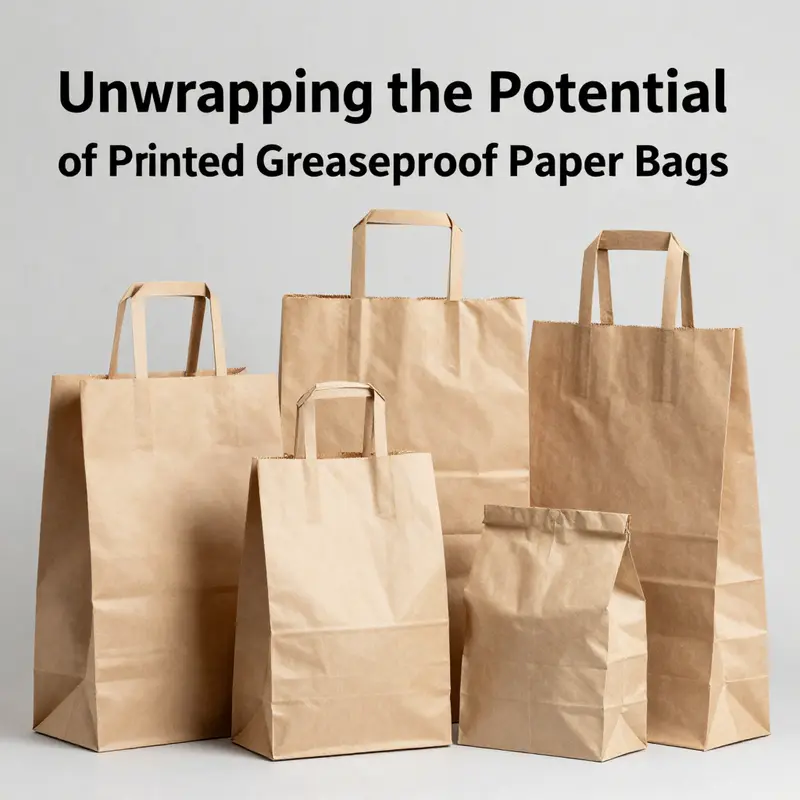
Printed greaseproof paper bags have established themselves as a linchpin in modern food packaging by combining practicality with visual appeal. In the food industry, these bags are not simply containers, but carefully engineered structures that balance multiple functions such as grease resistance, durability, convenience, and the capacity to enhance brand identity. Behind their clean lines and tailored finishes lies an intricate interplay of design elements that allow them to cater to various products – from light, airy pastries to the heaviest savory meals. This chapter delves into the structural ingenuity that underpins printed greaseproof paper bags by exploring the range of types and approaches to their construction.
The journey of these bags begins with their simplest form: the flat bottom bag. These are typically recognized as the basic rectangular form. They are produced using a straightforward manufacturing process that results in a bag sealed on either the sides or the bottom with no additional folds. Despite their simplicity, flat bottom bags offer an efficient solution for packaging lean and lightweight items such as cookies, crackers, and pastries. Their design is tailored for cost-effectiveness and rapid production, making them a favored option where budgetary constraints are paramount. However, the simplicity that enables cost savings also introduces some limitations. For example, because these bags lack an inherent structure that allows them to stand upright, their application is predominantly limited to products that do not require an elevated display. In situations where shelf appeal and convenience in handling are not the primary focus, the flat bottom design accomplishes its mission exceedingly well while keeping production procedures straightforward.
Moving beyond the fundamental design, manufacturers have developed gusseted bags which represent a marked evolution in functionality and display capability. By incorporating expandable folds along the sides or at the bottom, gusseted bags offer a structural response to the need for increased volume and stability. As these additional panels are integrated into the bag’s design, they create an opening that not only allows the bag to stand upright but also provides greater capacity for products. This feature is particularly beneficial when packaging bulk items such as nuts, granola, popcorn, or even coffee beans. The incorporation of gussets transforms the bag from a mere container to an attractive packaging solution that disrupts the norms of linear, flattened forms, making it easier for products to be presented at retail counters and in display cases. The extra dimensionality allows the product to be showcased more effectively. In many scenarios, a manufacturer even opts to combine gusseted designs with vivid, branded prints to transform a functional object into a compelling marketing tool. For example, when paired with custom-printed logos and colors, the gusseted bag becomes a dynamic platform for conveying brand personality and quality assurance.
For businesses seeking a more robust presentation, block bottom bags have emerged as the ideal candidate. With a design that emphasizes stability and practicality, block bottom bags are engineered to stand on their own without the need for external support. Their reinforced, squared-off base is created by a series of precise folds that, when assembled, yield a structurally sound platform capable of supporting heavier loads. This self-standing design is particularly valuable in retail settings, where it is essential that packaging not only protect contents but also contribute to a display that catches the consumer’s eye. The block bottom bag is often seen in fast food outlets, bakeries, and grocery stores, where the visual impact of the packaging can influence purchasing decisions. In the competitive market of food services, the ability to consistently present an appealing product becomes a formidable advantage. The block design exemplifies the careful balance between functionality and aesthetics, offering ample space for detailed printing and branding without sacrificing the structural integrity required for day-to-day handling.
While the aforementioned designs focus heavily on structural mechanics and ease of handling, there are also innovative varieties that emphasize transparency and consumer engagement. One such variant is the window greaseproof envelope. Unlike traditional opaque bags, window envelopes feature a transparent section—often a carefully integrated film or bio-based covering—that offers a glimpse of the product inside. This design is particularly favored by businesses that pride themselves on the visual quality of their contents, such as artisanal bakeries, organic cafes, and niche markets at farmers’ markets. The window not only serves a practical purpose in showing the quality and presentation of the food but also enhances consumer trust by allowing a peek at the actual product. It invites the customer to visually assess the item before making a purchase decision, merging the worlds of product packaging and direct promotional display. The design of window envelopes is a testament to how modern packaging solutions are evolving to meet not only functional requirements but also sophisticated marketing ambitions.
Equally noteworthy in the spectrum of designs are coated or laminated greaseproof bags. In these bags, layers of specialized films such as aluminum foil laminates or food-safe polymer coatings are applied to the greaseproof paper to significantly enhance their resistance to moisture and oil. This structural enhancement allows these bags to be used for items that would otherwise compromise the integrity of the paper. Fried foods, burgers, and other high-fat items benefit from this enhanced barrier, which ensures that grease and oil do not seep through the material. The coated or laminated design also offers an elevated level of protection, ensuring that the packaging remains intact through a range of conditions—from refrigeration to brief periods of high humidity. The added layer of protection does not reduce the bag’s printability, allowing for the integration of vibrant designs and custom branding. Many companies have found that this combination of enhanced functionality and sophisticated aesthetics creates a competitive edge, as the bags serve both a practical and a promotional role.
In an era where environmental sustainability is becoming increasingly important, manufacturers have developed eco-friendly compostable variants of printed greaseproof paper bags. These variants are typically crafted from recycled paper or plant-based materials that are further treated with biodegradable coatings such as PLA (polylactic acid). The design principle here goes beyond mere functionality to include an ethical dimension—one that addresses the growing consumer demand for green packaging solutions. While these eco-friendly bags may command a higher production cost, their value is reflected in the assurance they provide in reducing plastic waste and lowering the overall environmental footprint. The challenge has always been to reconcile environmental goals with the need for durability and visual appeal. In response, these compostable bags offer a promising alternative without compromising on the critical attributes of resistance or customized printing. Their design frequently includes considerations for heat resistance, ensuring that even in the context of microwave usage or exposure to varying ambient temperatures, the bags maintain their structural integrity. The integration of eco-friendly materials demonstrates that functionality and sustainability can coexist, providing an avenue for brands that wish to align themselves with environmentally responsible practices.
In practice, whether it is the modest flat bottom, the flexible gusseted forms, the professional self-standing block bottoms, or the innovative window and coated varieties, each design is meticulously tailored to meet specific food packaging needs. Culinary products ranging from baked goods to fast food items and even confectionery find the ideal storage and presentation solution with these engineered bags. The capacity to incorporate multi-color prints—often up to eight different hues—opens up a world of branding possibilities. Companies are not limited to utilitarian packaging; rather, they can create distinctive packaging that reflects their brand ethos and enhances consumer engagement. This dual role as both a protective covering and a marketing canvas enables businesses to communicate quality, freshness, and attention to detail with every bag produced.
When one considers the assembly process behind these bags, the sophistication of modern production machinery becomes apparent. Advanced four-in-one machines and composite material processes form the backbone of large-scale production, ensuring that the bags consistently meet stringent food safety standards. Manufacturers maintain rigorous adherence to certifications such as FDA, SGS, and QS, which reaffirm the bags’ suitability for direct food contact. As a result, the end product not only performs exceptionally in its practical role but also meets the high regulatory demands of the industry. The manufacturing process itself is a fine example of modern engineering interfacing with the creative demands of branding and packaging. Automation and precision in the setup of these machines ensure that customization options do not compromise production speed or bag quality.
Beyond the technical sophistication, the printed greaseproof paper bag embodies a unique blend of cultural and economic significance. In many regions, the bag is considered a symbol of a brand’s commitment to quality and innovation. Restaurants, cafes, and bakeries have come to rely on these bags as a medium for storytelling – each printed design communicates a part of the brand’s journey, its values, and its promise of freshness to the consumer. The bag’s design is thus not just a reflection of its physical properties, but also an artistic statement that reinforces the connection between the consumer and the product. It serves as an extension of the overall brand experience, linking physical durability with the ephemeral quality of a well-told narrative.
Technological advancements continue to inspire new variations in structure and application. For instance, recent research has shown how the integration of specialized coatings can further extend the bag’s performance when handling extremely greasy items. Similarly, breakthroughs in printing technology have allowed for finer resolution graphics, which translate into a more vibrant package design that captures the eye of consumers in a crowded marketplace. In this context, the printed greaseproof paper bag is no longer solely a passive carrier but an active participant in market differentiation. Articles exploring various packaging solutions, such as those detailing insights into innovative fast food packaging, have further highlighted the advantages of investing in these advanced designs disposable french fry packaging alternatives. This evolving landscape underscores the necessity for designers and manufacturers alike to continuously refine and reinvent bag structures to meet emerging demands and environmental standards.
Moreover, the versatility of these printed greaseproof paper bags is accentuated by their adaptability to various market requirements. In urban centers where delivery services and takeaways are integral to a restaurant’s operating model, the reliability and sturdiness of the bag are critical. The self-standing block bottom design, for instance, offers unparalleled convenience in handling and storage. Chefs and food service managers appreciate the way these bags can be filled and stacked without compromising the product’s integrity during transit. Simultaneously, the potential for vibrant, custom designs enables brands to maintain a high level of visual consistency – a factor that is paramount in building consumer trust. In more specialized markets, such as organic cafes or boutique bakeries, the introduction of window envelopes has redefined consumer expectations. Here, the bag becomes both a protective covering and a showcase display, striking the perfect balance between function and form.
The environmental benefits of printed greaseproof paper bags extend far beyond their compostable variants. Even within the traditional designs, the use of recyclable materials has become standard practice. Industry leaders have committed to sustainable sourcing and eco-friendly manufacturing processes that minimize waste. By utilizing food-grade greaseproof paper combined with biodegradable coatings, manufacturers can reduce dependency on non-renewable resources while still delivering high-performance packaging solutions. This conscientious approach not only aligns with global sustainability efforts but also resonates with consumers who prioritize environmentally responsible products. Each bag reflects a commitment to sustainability that finds particular favor among eco-conscious brands. The journey from concept to final product is underpinned by an emphasis on ecological responsibility, an element that is increasingly vital in today’s market.
Throughout this exploration of design and function, it becomes clear that printed greaseproof paper bags are a microcosm of modern packaging innovation. They embody the seamless fusion of engineering precision, environmental stewardship, and creative expression. Whether through the meticulous folds that form gussets, the reinforcing of block bottoms, or the elegant inclusion of transparent windows, each iteration of these bags is a testament to the industry’s drive for continuous improvement. Moreover, as the landscape of consumer expectations expands with technological advancements and evolving environmental norms, manufacturers are poised to further refine these designs. The external resource provided by Laizhou Dechen Machinery Co., Ltd. – which can be viewed at the following link: Laizhou Dechen Machinery Co., Ltd. – Custom Printed Greaseproof Brown Kraft Fast Food Paper Bags – offers additional insights into the customization and technical innovations that define these packaging solutions.
Ultimately, the evolution of printed greaseproof paper bags exemplifies a broader trend of integrating advanced design and sustainable materials to enhance the packaging experience. Every design variant serves a unique purpose, from the basic yet efficient flat bottom bag to the innovative window envelope that merges the visual with the functional. As food packaging continues to be a critical element in the customer experience, these bags remain central to both operational excellence and brand storytelling. Their role in protecting the product while simultaneously acting as a canvas for brand identity ensures their indispensability in a competitive, fast-paced market where quality, presentation, and sustainability go hand in hand.
The structural artistry behind these bags is not a one-off achievement; it is the outcome of continuous innovation, learning, and adaptation. Each improvement in design speaks to the commitment of manufacturers to be at the forefront of packaging technology. As new materials and processes emerge, the printed greaseproof paper bag evolves further, offering even greater levels of customization and functionality. These advancements help companies stay ahead in a marketplace where consumer expectations are constantly rising and where every detail counts in the overall presentation of food products.
In summary, printed greaseproof paper bags represent an essential intersection of artistic design and technical engineering. Their various forms—a simple flat bottom, a flexible gusseted structure, a robust block bottom, and even a refined window or laminated version—illustrate a multi-faceted approach to solving modern packaging challenges. The capacity to incorporate exquisite printing alongside practical enhancements not only boosts the product’s shelf presence but also reinforces a brand’s commitment to quality and sustainability. As the food industry evolves, these bags will continue to play a critical role, marrying form to function to meet both regulatory standards and the creative ambitions of modern commerce. Their progression mirrors the broader narrative of innovation in packaging, a narrative that champions resilience, design integrity, and environmental responsibility while opening new avenues for creative expression and market differentiation.
Innovative Techniques and Sustainable Production: Transforming Greaseproof Paper Bags for Modern Food Packaging
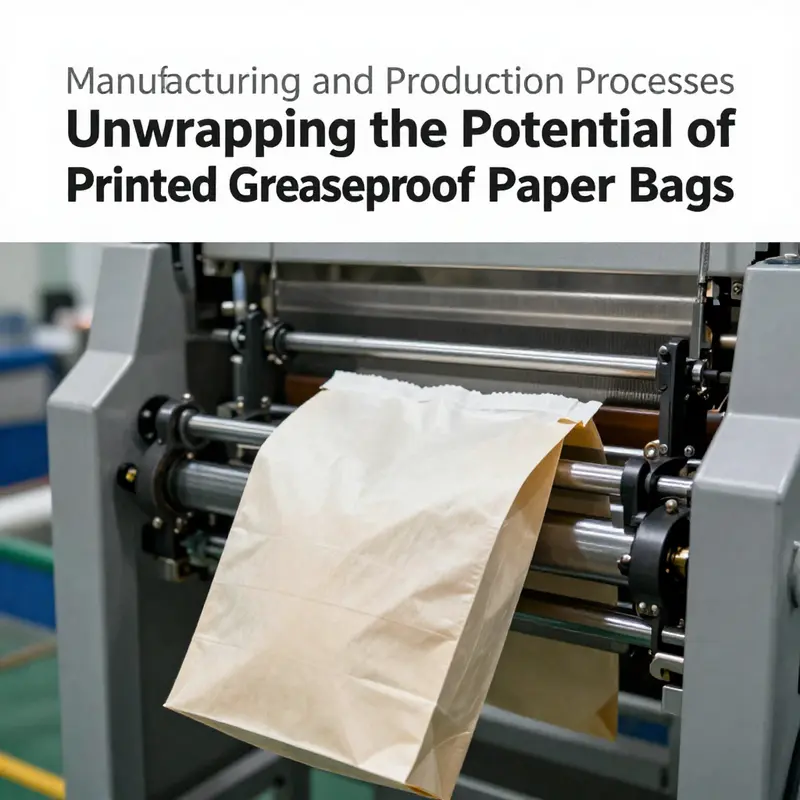
The journey of manufacturing printed greaseproof paper bags is a multifaceted one, blending traditional papermaking expertise with modern automation and sustainable innovation. From the very first stage of material selection to the sophisticated printing and finishing processes, every step is refined to create a product that not only meets stringent food safety and quality standards but also supports a greener future for the packaging industry. The beginning of this process starts with the careful selection of high-quality raw materials. Greaseproof paper is typically derived from premium wood pulp, chosen specifically for its unique attributes including a smooth texture, semi-transparency, and natural resistance to moisture and oil. This raw material is processed using a super-calendering method that aligns and compresses the fibers, enhancing its durability and ensuring that it can effectively resist grease and moisture during the entire lifecycle of its use. The selected paper is available in various weights – from 60gsm to 120gsm – allowing manufacturers to tailor the strength and flexibility of the final bag to the demands of different food products, be it light bakery items or heartier fast foods.
Once the raw material has been thoroughly prepared, the continuous evolution of bag-making machinery takes center stage. The manufacturing facilities are equipped with advanced automated systems that are capable of converting a flat sheet of greaseproof paper into a structured and functional bag. These machines perform multiple operations in one seamless sequence. Initially, the paper is fed into the machine where it is rolled into a tube-like form through precision engineering. The edges of this tube are then sealed using heat or food-safe adhesives, ensuring that the integrity of the bag is maintained even when exposed to oily or moist food substances. During this phase, the machinery also carefully cuts the continuous tube into individual bags, each one crafted to exact dimensions to maximize efficiency and reduce waste. The automation process not only improves production speed and consistency but also allows for the integration of optional modifications such as gussets or reinforced handle cutouts. These specialized features are included when the bag design requires additional strength or an enhanced ability to stand upright for display purposes in retail environments.
In parallel with the shaping and cutting processes, the printing operation plays a transformative role in turning a mere packaging item into a dynamic marketing medium. Printed greaseproof paper bags provide a unique opportunity for brands to communicate their identity through vivid color schemes and creative designs. The printing process is typically executed with a state-of-the-art CMYK four-color system that uses environmentally friendly water-based inks. These inks are formulated to meet food-contact safety standards, ensuring that the inks do not compromise the quality or safety of the food stored within the bags. High-end manufacturing setups even incorporate additional finishing techniques such as UV coatings, spot varnish accents, hot foil stamping in gold or silver, and embossing. These enhancements not only make the bags more visually appealing but also add layers of protection. Designers working on these projects must consider a crucial detail—they account for a 3–5 mm bleed area beyond the final cut. This precaution is taken so that after the trimming process, the colors remain vibrant and the edges of the design do not reveal any unprinted margins. In many ways, the printing phase transforms a functional food container into a bespoke canvas of brand storytelling.
After the initial layers of printing and cutting, the bags move into a stage of post-processing treatment that further refines their characteristics. This segment of production is dedicated to imparting added durability and specialized functionality. Techniques such as lamination are applied to introduce a protective film on the surface, which may be either glossy or matte. This protective layer not only enhances the visual appeal of the bag but also improves its resistance to external factors like light and abrasion. For certain applications that require additional static resistance—particularly in cases where electronic devices might be packaged alongside other items—an anti-static coating is meticulously applied. Furthermore, if the bag design includes handle holes, these are often reinforced with durable metal rivets or plastic grommets. This ensures that the bag can withstand repeated lifting and handling, making it more reliable in real-world applications. In environments where safety and hygiene are paramount, such as in food service establishments, these small but critical details make the difference between a product that merely meets the minimum requirements and one that exceeds customer expectations.
Ensuring the quality and consistency of printed greaseproof paper bags is a continuous effort that spans every phase of production. Rigorous quality control measures are embedded into the fabrication process. Mechanical properties, including tensile strength and burst resistance, are tested repeatedly to verify that the bag can handle the expected loads without failure. In parallel, the adhesion of the printed inks is scrutinized to ensure that the vibrant colors remain intact even in challenging conditions such as exposure to moisture or oils. These quality tests are complemented by inspections at multiple production stages, which serve to catch any anomalies before the bags move on to the final packaging stage. This systematic approach to quality assurance not only secures safety for food contact but also cements the reliability of the bags in a competitive marketplace. The continuous alignment of production standards with food safety regulations such as those stipulated by FDA, SGS, and QS certifications further reinforces the reputation of these bags as safe and sustainable options for modern packaging needs.
The commitment to quality naturally dovetails with the pursuit of sustainability. In an age where environmental responsibility is no longer optional, manufacturers of printed greaseproof paper bags are increasingly incorporating eco-certifications such as those from the Forest Stewardship Council (FSC) into their production protocols. This certification signifies that the paper is sourced from responsibly managed forests, thereby reducing the environmental footprint of the manufacturing process. Innovations in biodegradable materials are also gaining momentum. Some producers are experimenting with bio-based polymers like PLA (polylactic acid) as alternatives or supplementary layers in the composite structure of the bag. These materials, derived from renewable resources such as corn or sugarcane, offer a promising route towards reduced reliance on fossil fuels and enhanced biodegradability. The dual emphasis on durability and environmental stewardship positions printed greaseproof paper bags at the forefront of sustainable food packaging solutions. For those who are interested in exploring further innovations in eco-conscious packaging, detailed insights can be found in an article about eco-friendly takeout packaging, which examines how materials and design are evolving in step with consumer preferences Eco-Friendly Takeout Boxes For Food Packaging.
Moreover, the continuous flow of technological innovation in machine automation and materials science has revolutionized the entire production process over the past few years. Manufacturers are now leveraging computerized control systems and real-time monitoring to improve the precision of every step. The seamless integration of these technologies not only improves production efficiency but also minimizes the amount of energy required per unit produced, effectively reducing the overall carbon footprint. In specialized production facilities, four-in-one machines perform complex tasks such as cutting, printing, sealing, and folding in a single uninterrupted process cycle. This integration reduces labor costs, minimizes human error, and sharpens the consistency of the product quality. As production runs become increasingly adaptable to variable order sizes and custom designs, manufacturers are able to cater to both large-scale orders and smaller bespoke projects without compromising the integrity of the overall process. The evolution of these advanced production systems mirrors the dynamic landscape of the food service industry, where trends in consumer behavior and environmental responsibility continually demand new standards of quality and sustainability.
In terms of final packaging and shipment, the transition from production to distribution is executed with the same meticulous attention to detail that characterizes every previous step. After undergoing a battery of inspections, the printed greaseproof paper bags are carefully stacked and packaged for shipment. This phase ensures that each bag reaches its destination in pristine condition, free from defects or damage incurred during transportation. As the bags leave the production floor, every packaged unit embodies a decade-spanning heritage of innovation and reliability. The industry’s commitment to excellence is further underscored by free stock sample offerings and custom sample services provided by many manufacturers. These samples allow customers to evaluate quality firsthand before committing to large volume purchases, thereby enhancing trust and ensuring that product expectations are fully met prior to final order fulfillment.
Throughout this elaborate process, manufacturers not only focus on maintaining high production standards but also foster robust collaborations with suppliers and technical partners. Suppliers are often carefully vetted to guarantee that all raw materials meet the necessary eco-friendly and quality certifications. Technical specification details and compliance documents are made readily available, sometimes through platforms where verified manufacturers list their capabilities and certifications. This transparency is particularly valued in sectors that prioritize sustainable food packaging solutions. Customers and regulatory agencies alike appreciate the traceability and accountability built into the supply chain, ensuring that every printed greaseproof paper bag is a testament to both technological prowess and ethical sourcing. As the market remains competitive and sustainability becomes a stronger driver of consumer demand, innovators continue to push the boundaries of what is possible, blending aesthetic appeal with functional excellence and environmental responsibility.
In conclusion, the manufacturing and production processes of printed greaseproof paper bags represent a synthesis of art, engineering, and environmental stewardship. From the initial selection of quality raw materials and their transformation through advanced papermaking techniques, to the integration of high-precision printing and post-treatment processes, every stage is infused with the intent to deliver a high-performing, aesthetically pleasing, and eco-friendly product. The comprehensive quality control measures, the usage of sustainable resources, as well as the role of modern automation and digital control systems, all contribute to an evolving narrative of excellence in the packaging industry. This innovative approach not only supports the functional demands of modern food packaging but also reinforces a commitment to sustainability that resonates with the values of today’s environmentally conscious consumers. For further detailed supplier and technical insights into this evolving process, you can refer to an external resource that elaborates on FSC-certified, water-based ink printed greaseproof paper bags here.
Sustainable Transformations: Navigating the Environmental Challenges and Eco-Friendly Innovations in Printed Greaseproof Paper Bags
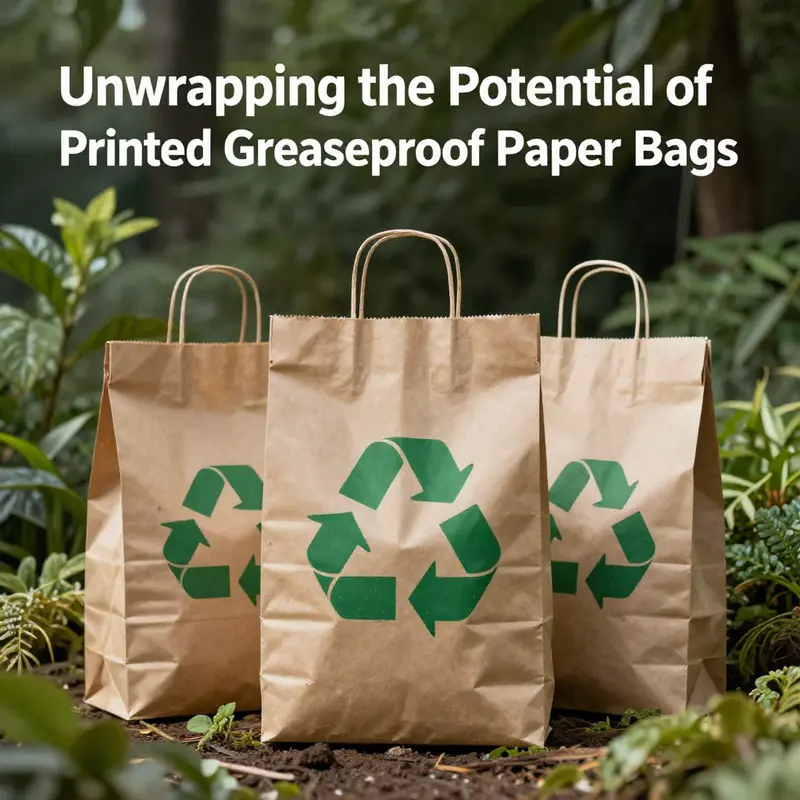
Printed greaseproof paper bags represent a striking convergence of design innovation, environmental responsibility, and functional excellence in the packaging industry. As these bags continue to prove their worth in food service and retail, their sustainable features and eco-friendly credentials underscore a larger narrative of responsible production and mindful consumption. The technology behind these bags has evolved in recent years with a keen focus on reducing environmental footprints while meeting the high demands of packaging for grease-laden and moisture-sensitive products. This chapter delves into the deep environmental implications and sustainability potential of printed greaseproof paper bags, examining both the promising benefits and the challenges that must be addressed through innovation and systemic change.
At the heart of the sustainability conversation is the use of renewable resources. Modern printed greaseproof paper bags are commonly manufactured from plant-based fibers and recycled paper materials, thereby reducing dependence on non-renewable, petroleum-based plastics. This shift is crucial as it helps lower the carbon emissions associated with packaging production. By substituting fossil fuel–derived materials with bio-based alternatives, manufacturers can significantly reduce greenhouse gas emissions while also tapping into the larger global movement toward renewable resources. The materials used, often enhanced with bio-based coatings such as PLA (polylactic acid) or even waxes that provide an additional shield against moisture and oil, are a testament to the ongoing research and development in sustainable packaging. However, this drive to use greener materials is not without its complexities.
The environmental benefits of these innovative materials extend beyond just the raw components. The biodegradability and compostability of printed greaseproof paper bags rank high among their strengths. Produced to conform with industrial composting standards, many of these bags are designed to break down under controlled conditions, thus reducing the long-term waste burden on landfills. In markets where consumers and regulators alike are pushing for eco-friendly solutions, the ability of these bags to decompose meaningfully in industrial composting facilities is a significant advantage. When properly composted, recyclable and biodegradable paper bags help close the loop in the product lifecycle. Nevertheless, this potential is contingent on the availability of appropriate composting infrastructure—a factor that remains uneven across geographic regions.
The sustainability profile of printed greaseproof paper bags is multifaceted. On one hand, the integration of renewable and recyclable materials into everyday packaging helps mitigate the adverse effects of environmental degradation. The production process, though energy- and water-intensive in some cases, can be optimized by utilizing advanced machinery and more efficient manufacturing processes. In high-volume production facilities, continuous improvements in process engineering contribute to energy savings and lower water consumption, aligning the production of these bags with global sustainability benchmarks. On the other hand, the environmental benefits during use are also influenced by design choices. For instance, enhanced greaseproof coatings and precise printing techniques not only improve the shelf life of food products but also reduce the need for additional packaging layers that may not meet eco-friendly standards. The innovation in printing inks and additives further enhances the visual appeal of the bags while remaining mindful of their environmental compatibility. Still, challenges persist, particularly in ensuring that these additives do not impede the biodegradation process.
A closer examination of the production landscape reveals a delicate balancing act between efficiency and sustainability. High modern production lines use composite materials and state-of-the-art machinery to produce bags at volumes that can exceed hundreds of thousands of pieces a day. While this capability underscores the technological prowess of the industry, it also brings to light the significant inputs of energy and water required during manufacturing. Even as the end product is touted as environmentally responsible, the cumulative environmental impact depends on more than just the bag’s composition. It is imperative that manufacturers adopt greener practices throughout the supply chain—minimizing waste, enhancing energy efficiency, and responsibly sourcing raw materials. In this context, the integration of sustainability goals into every phase of production is essential. It is worth noting that some manufacturers have begun to publicly endorse their ecological benefits, demonstrating how branded green packaging can serve both functional and marketing purposes, ultimately appealing to the environmentally conscious consumer.
The environmental ramifications of printed greaseproof paper bags extend well beyond production, influencing disposal practices and waste management processes. The bags’ compostability is a double-edged sword: while they are designed to break down in industrial composting environments, their environmental friendliness diminishes if they end up in conventional landfills. In landfill conditions, the absence of oxygen slows down decomposition, allowing materials to persist for much longer than intended. This can lead to the generation of methane—a potent greenhouse gas that could offset some of the environmental wins achieved during production. Moreover, a lack of proper consumer instruction and disposal infrastructure can result in these bags being mismanaged. Thus, enhancing public awareness about the correct disposal methods and improving industrial composting facilities are fundamental to ensuring that the ecological advantages of these bags are fully realized.
Financial considerations and market forces also play a critical role in shaping the adoption of printed greaseproof paper bags. Despite their benefits, these bags tend to be more expensive than their traditional plastic counterparts. The higher costs are reflective of both the more expensive raw materials and the complexities inherent in the manufacturing process. Small businesses and local establishments, while eager to adopt greener packaging for branding and environmental reasons, sometimes face budget constraints that render these eco-friendly options less accessible. However, as economies of scale improve and production technologies advance, there is growing potential for cost reductions. In several regions, government subsidies and incentives aimed at reducing plastic waste have further stimulated the market for sustainable packaging solutions. Over time, as consumer demand strengthens and technological innovations streamline production, printed greaseproof paper bags may achieve a critical mass that renders them not only a greener choice but also a cost-competitive one.
Beyond cost and manufacturing, the durability and practicality of printed greaseproof paper bags cannot be overlooked. These bags are built to resist grease, moisture, and oil, making them indispensable in food service contexts such as fast food takeout and bakery packaging. Nonetheless, the very characteristics that make these bags effective in protecting contents can also contribute to their environmental footprint when not managed properly after use. For example, in humid or wet conditions, the structural integrity of the bag might be compromised, reducing its durability over time and necessitating more frequent replacement. This increased turnover potentially leads to higher volumes of waste unless effective recycling or composting protocols are in place. Notably, the development and use of specialized printing inks and additives, which maintain the visual appeal and durability of the bags, must be carefully calibrated so that they do not hinder the bags’ ability to decompose at the end of their lifecycle. The inherent trade-offs between functionality and environmental impact continue to drive research in developing new materials and manufacturing practices that can reconcile these competing priorities.
Industry stakeholders are increasingly aware that a holistic approach to sustainability is vital. It is no longer sufficient to simply develop eco-friendly materials if the end-of-life handling of these products is flawed. This calls for a comprehensive lifecycle analysis which examines the entire supply chain—from raw material extraction and production to consumer use and disposal. Several initiatives have emerged to create a more circular economy for printed greaseproof paper bags. These include efforts to establish clearer labeling systems that communicate compostability and recyclability, partnerships between manufacturers and waste management providers to ensure that used bags are directed into proper composting streams, and consumer education campaigns that highlight the importance of responsible disposal. An example of a proactive measure can be found in the packaging sector’s commitment to finding and promoting alternatives that bolster a cyclical supply chain. The integration of eco-friendly takeout solutions, such as the improvements seen with certain types of packaging that are specifically engineered for sustainability, demonstrates how these efforts can lead to tangible environmental benefits. For further insights into eco-friendly packaging solutions, one may explore the range of options available in an article discussing innovative packaging designs, such as those showcased by companies focusing on eco-friendly takeout boxes eco-friendly takeout boxes.
The broader environmental benefits of printed greaseproof paper bags are enhanced when the narrative shifts from isolated product innovation to systemic change. Consumption patterns, waste management policies, and even preventive measures to reduce food waste all contribute to a larger environmental impact than the composition of individual packaging items alone. Governments and environmental agencies play a pivotal role by implementing policies that reward sustainable practices and penalize unsustainable ones. For instance, initiatives aimed at reducing single-use plastics dovetail perfectly with the environmental goals of promoting biodegradable alternatives. As regulatory frameworks become more stringent and standardized benchmarking for sustainability improves, manufacturers are under increasing pressure to innovate in ways that not only meet immediate functional requirements but also contribute to longer-term environmental goals.
In considering the complete picture, it is important to address both the achievements and the limitations of printed greaseproof paper bags. Their significant advantages in terms of renewable resource use, reduced carbon footprint in their production, and potential for biodegradability are clear. Nonetheless, challenges related to disposal practices, higher production costs, and the technical complexities of material durability indicate that a singular focus on the bags themselves is insufficient. Instead, a truly sustainable future requires a coordinated approach that includes investment in recycling and composting infrastructure, supportive regulatory policies, and ongoing research into developing improved biodegradable additives. Environmental improvements in the printed greaseproof paper bag sector serve as a microcosm of the broader challenges facing sustainable packaging—a sector where every innovation must be paired with practical solutions for post-consumer handling.
Ultimately, printed greaseproof paper bags embody a symbol of transition in the packaging industry. They signal an earnest move away from conventional plastic packaging towards materials that align with both consumer safety and environmental stewardship. This evolution is not without its hurdles; it demands both technical innovation and systemic improvements in how waste is processed and managed. If produced, used, and disposed of with foresight and care, these bags offer a pathway to reduce reliance on non-renewable resources, minimize carbon footprints, and support more responsible consumption patterns. Regulatory bodies such as the U.S. Environmental Protection Agency provide essential data and guidelines to help the industry track progress and address drawbacks. For additional data on recycling and waste management trends, readers can consult further details provided by the EPA at EPA Paper Recycling Statistics.
In conclusion, while printed greaseproof paper bags readily demonstrate their capacity for sustainability on multiple fronts, true ecological benefit depends on a fully integrated approach. Advancements in renewable materials, improved production techniques, and better waste management practices are all indispensable parts of a larger system that supports environmental sustainability. As the market matures and consumer expectations rise, there is growing alignment among manufacturers, policy makers, and end users to support a future where every aspect of packaging—from production to disposal—is handled with maximal environmental responsibility. The journey toward sustainability in printed greaseproof paper bags is one of persistent innovation, rigorous adherence to environmental standards, and a willingness to adapt institutional practices to the demands of the future. Through such concerted efforts, printed greaseproof paper bags may well serve as a model for how everyday products can evolve into champions of environmental sustainability while continuing to deliver the reliable performance demanded by modern consumers.
Final thoughts
Printed greaseproof paper bags represent more than just a functional packaging solution; they encompass branding opportunities, various structural designs, advanced manufacturing processes, and a commitment to sustainability. As businesses in the food and beverage sector continue to emphasize eco-friendly practices, these bags stand out as versatile tools that can cater to the needs of brands while fulfilling consumer demands for sustainability. By adopting printed greaseproof paper bags, operators in bubble tea shops, restaurants, food trucks, catering services, and corporate teams can enhance their product presentation while aligning with contemporary environmental standards. Embracing such innovative packaging solutions is not merely a trend but an imperative step towards a greener future.