Introduction to Large Plastic Containers for Food Storage in Bubble Tea Shops
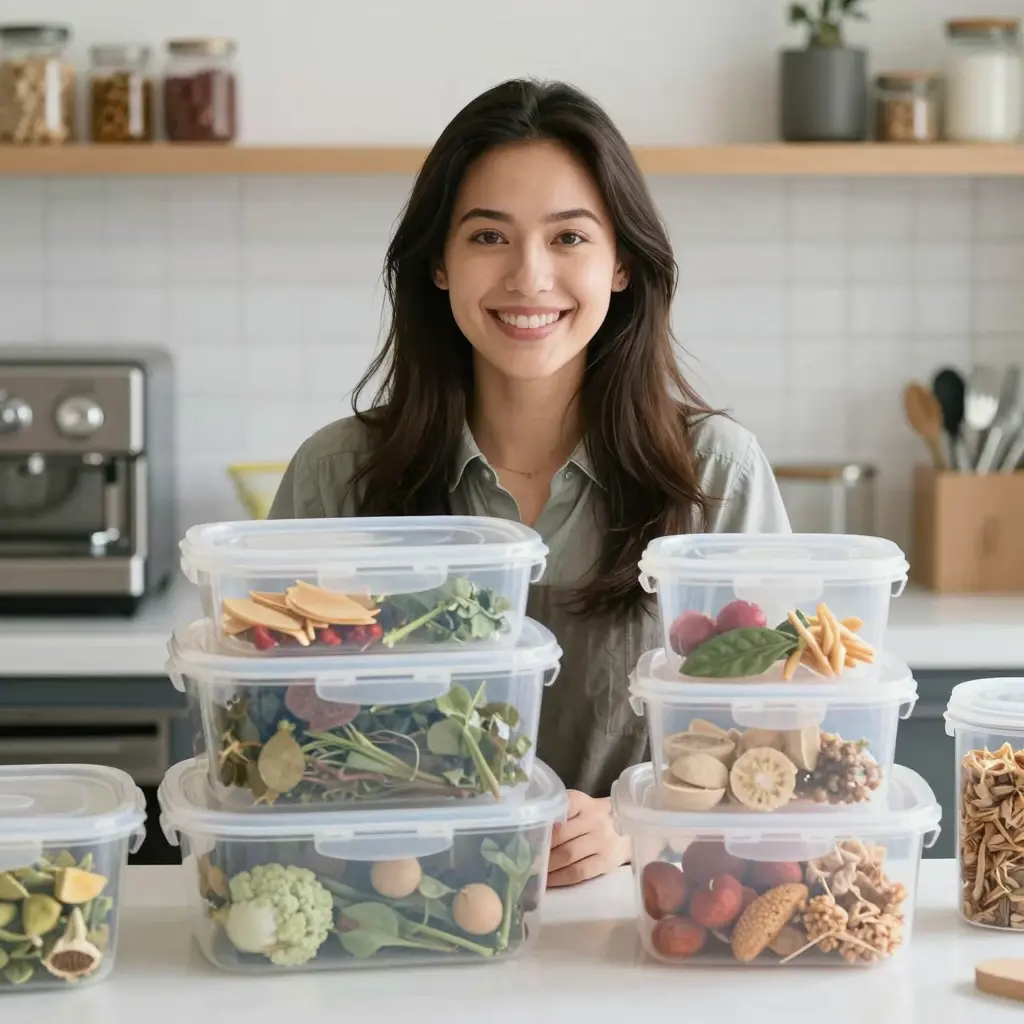
In the bustling world of bubble tea shops and beverage chains, efficiency and quality are paramount. One of the unsung heroes behind the scenes is the large plastic container with lids. These containers are designed to enhance food storage practices while offering a plethora of advantages, making them a go-to choice for many businesses.
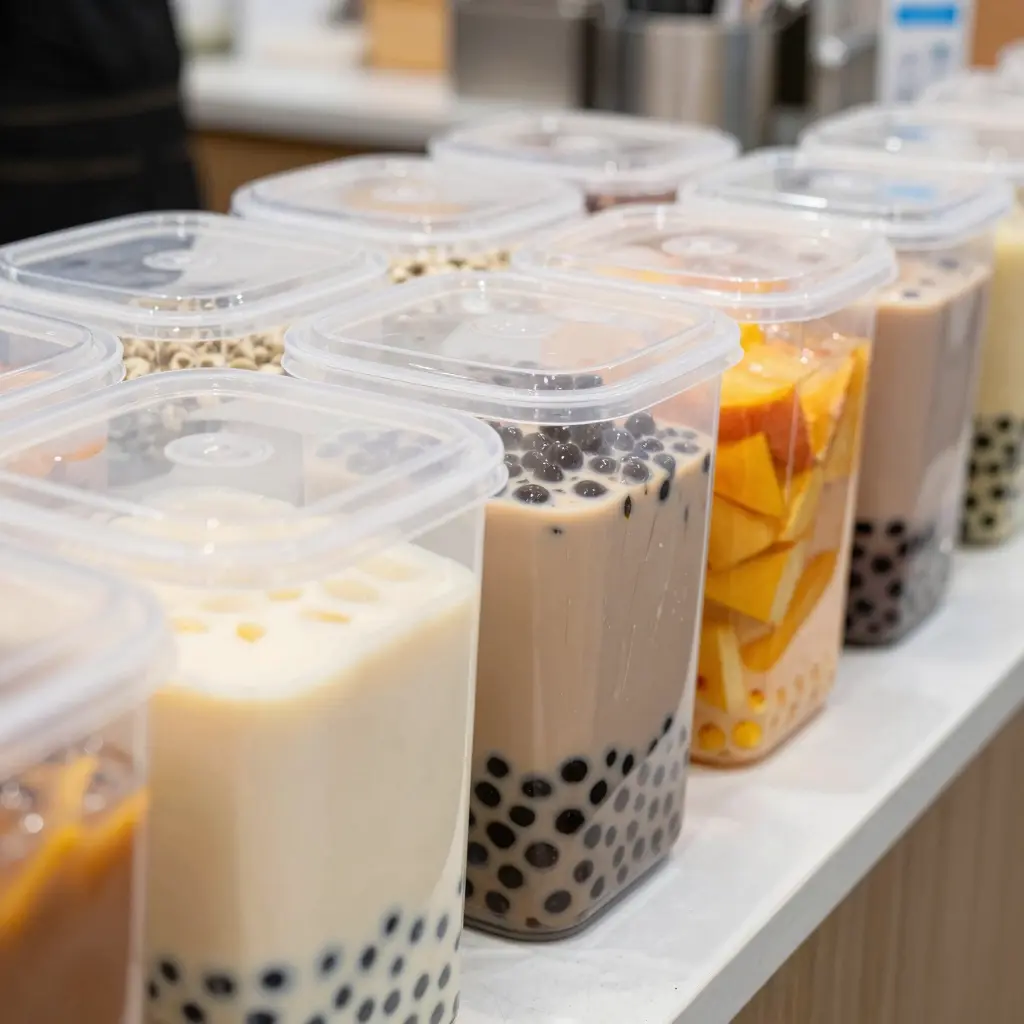
The convenience of using large plastic containers cannot be overstated. They allow for easy storage and organization of ingredients, from tapioca pearls to fruit toppings, maintaining freshness and accessibility at all times. Moreover, their stackable design saves precious space, crucial for any busy kitchen.
Safety is another critical benefit. With durable, food-grade materials, these containers protect food from external contaminants while also providing airtight sealing, which minimizes spoilage. This is essential in the food industry where hygiene and food safety regulations are stringent.
Let’s not forget the eco-friendly aspect. Many plastic containers can be made from recyclable materials, aligning with the increasing consumer demand for sustainable business practices. By incorporating these containers, bubble tea shops can enhance their operational efficiency while also appealing to environmentally conscious customers.
For more effective solutions in packaging and storage, check out our range of takeaway boxes and instock food containers that cater to your unique needs.
Top 5 Benefits of Large Plastic Containers with Lids for Food Storage
Large plastic containers with lids have become a staple in food storage, especially for businesses like bubble tea shops, restaurants, and catering services. Here are the top five benefits:
1. Durability
Plastic containers are renowned for their durability. They can withstand impact and are resistant to breaking or shattering, unlike glass or ceramic containers. This durability makes them ideal for high-traffic environments in food service, ensuring that your storage solutions remain intact even during busy hours. Learn more about durable storage options.
2. Space Efficiency
Large plastic containers are designed to maximize storage capacity while minimizing space usage. Their stackable design allows for efficient organization in storage areas, making it easier to utilize vertical space. This is particularly beneficial for food trucks and event planners who often have limited storage availability.
3. Cost-Effectiveness
Using large plastic containers for food storage can be a cost-effective solution. They are typically less expensive than glass containers, and their reusable nature means they can be used over time, reducing the need for frequent replacements. This is particularly advantageous for restaurants and catering services that handle large quantities of food.Explore cost-effective food storage solutions.
4. Safety Assurance
Many large plastic containers are made from food-grade materials that are safe for food contact and free from harmful chemicals like BPA. Additionally, their sturdy lids create airtight seals, which help in preventing contamination and keeping food fresh longer, ensuring safety for your culinary creations.
5. Ease of Cleaning
Cleaning large plastic containers is a breeze. Most are dishwasher safe or can be easily wiped down with a cloth. Their smooth surfaces resist stains and odors, maintaining hygiene and readiness for the next use. Efficient cleaning practices are essential in any food service environment, making these containers a practical choice.
By investing in large plastic containers with lids, businesses in the food industry can enhance their storage practices significantly, leading to better efficiency and organization. Consider implementing these versatile containers in your operations for optimized food storage!
User Adoption of Large Plastic Containers in the Food Industry
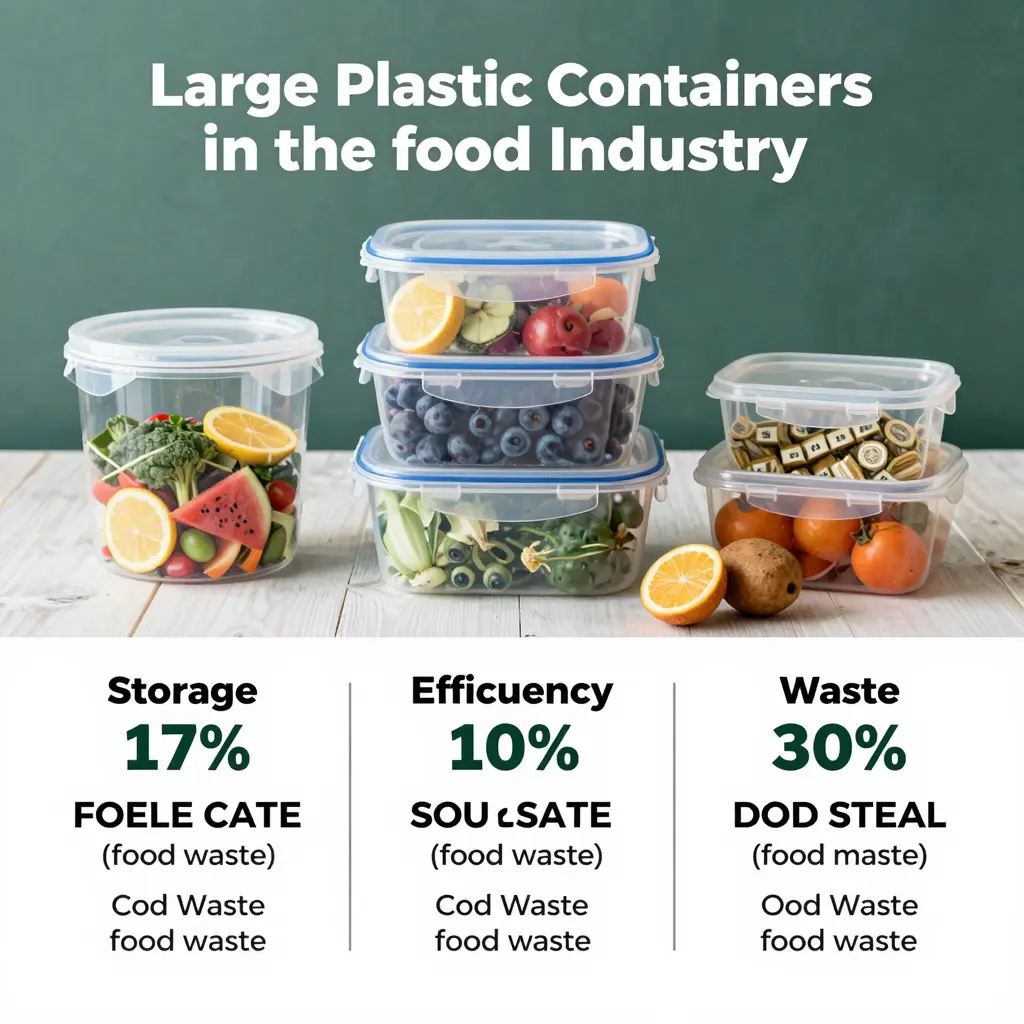
In recent years, the adoption of large plastic containers in the food industry has surged, reflecting growing awareness of their benefits in terms of storage efficiency and waste reduction. As restaurants, catering services, and beverage chains strive to optimize their operations, these containers have become an essential element in modern food storage solutions.
Improved Storage Efficiency
Large plastic containers, particularly those with lids, offer versatile storage options. According to a recent analysis from Cognitive Market Research, the market for plastic food containers is expected to grow significantly, driven by their lightweight properties and durability. Approximately 61% of households prefer plastic containers due to their convenience and effectiveness in managing space effectively.
By utilizing these containers, businesses can:
- Maximize space – The stackable design allows for efficient use of storage areas.
- Enhance food preservation – Airtight lids help in preserving freshness, thereby decreasing spoilage rates.
Reducing Waste Through Better Practices
Implementing large plastic containers significantly contributes to waste reduction. A report from Business Research Insights highlights that companies using these containers have seen a decrease in food waste by as much as 15% by optimizing inventory management and storage practices. This is crucial for catering services and restaurants that argue for sustainability.
Furthermore, studies indicate that food delivery companies, particularly in markets like China, have showcased how strategic planning and user education about reducing single-use items can further minimize plastic waste (Phys.org). This emphasizes the need for food storage innovations to transition towards more sustainable options.
Conclusion
The adoption of large plastic containers for food storage stands as a testament to the industry’s move toward efficiency and sustainability. By reducing waste and improving storage practices, businesses can not only enhance their operational efficiency but also contribute to environmental responsibility. For more products and sustainable options, explore our range of food storage solutions.
| Brand | Material | Size Options (Quarts) | Price Range ($) | Customer Rating |
|---|---|---|---|---|
| Rubbermaid | Polypropylene | 10 – 100 | 10 – 40 | 4 – 5 stars |
| Sterilite | High-Density Polyethylene | 10 – 100 | 10 – 40 | 4 – 5 stars |
| OXO | Tritan | 10 – 100 | 10 – 40 | 4 – 5 stars |
For more details on available large plastic containers, check out our selection of boxes and bakery and sushi boxes.
Commitment to Eco-Friendly Practices in Manufacturing Plastic Containers
At EcoCup Bowl, our commitment to sustainability is at the core of our manufacturing process for large plastic containers with lids designed for food storage. We understand the importance of reducing environmental impact while meeting the high standards of our clients in the food service industry, including bubble tea shops, restaurants, food trucks, and catering services.
Sustainable Sourcing and Materials
We have embraced eco-friendly practices by utilizing recyclable and biodegradable materials in our production processes. Our containers are manufactured using materials that not only comply with food safety regulations but also support a circular economy. This commitment ensures that once used, our plastic containers can be recycled or biodegraded, contributing to a more sustainable environment.
Certifications and Standards
EcoCup Bowl proudly meets various sustainability certifications that validate our efforts. We are compliant with ISO 14001, which focuses on effective environmental management systems. This international standard helps organizations improve their environmental performance through more efficient use of resources and reduction of waste.
Additionally, our products are certified by ASTM D6400 and EN13432, standards that confirm the biodegradability and compostability of our plastic containers. These certifications assure our clients that our products are manufactured with care and consideration for the planet without compromising on quality or usability.
Energy Efficiency in Production
Beyond materials, we strive for energy efficiency in our manufacturing processes. By applying advanced technologies and innovative production methods, we reduce our carbon footprint while maintaining the quality that our customers expect. This commitment to responsible production not only benefits our business but also helps our clients showcase their own dedication to sustainability.
By choosing EcoCup Bowl, you are partnering with a company that prioritizes eco-friendly practices. Together, we can work towards a greener future while still providing effective solutions for your food storage needs. Learn more about our eco-friendly products here and see how they can fit into your operations.
Customer Testimonials
“I’ve been using these large plastic containers for my bakery, and I couldn’t be happier! Not only are they incredibly durable, but they also keep everything organized and fresh. It’s a relief knowing my ingredients are stored securely!”
- Jane D., Bakery Owner
“As a catering services provider, I need reliable storage solutions. These containers have exceeded my expectations. They are sturdy, easy to stack, and make my kitchen so much more efficient. I would recommend them to any business.”
- Mark R., Catering Business Owner
“We’ve transitioned to these containers for all our food storage needs in our restaurant, and they have proven to be long-lasting. They hold up well in the dishwasher and keep our food fresh longer than any other containers we’ve tried.”
- Lisa T., Restaurant Manager
These testimonials underscore the trust and satisfaction that food service professionals find in using our large plastic containers with lids. If you’re interested in viewing our collection, feel free to visit our box products page. You’ll find options that cater to various food storage needs.
The feedback from our customers proves that durability and usability are key factors in their satisfaction, making these containers a perfect choice for anyone in the food industry.
Safety Standards for Large Plastic Containers Used in Food Storage
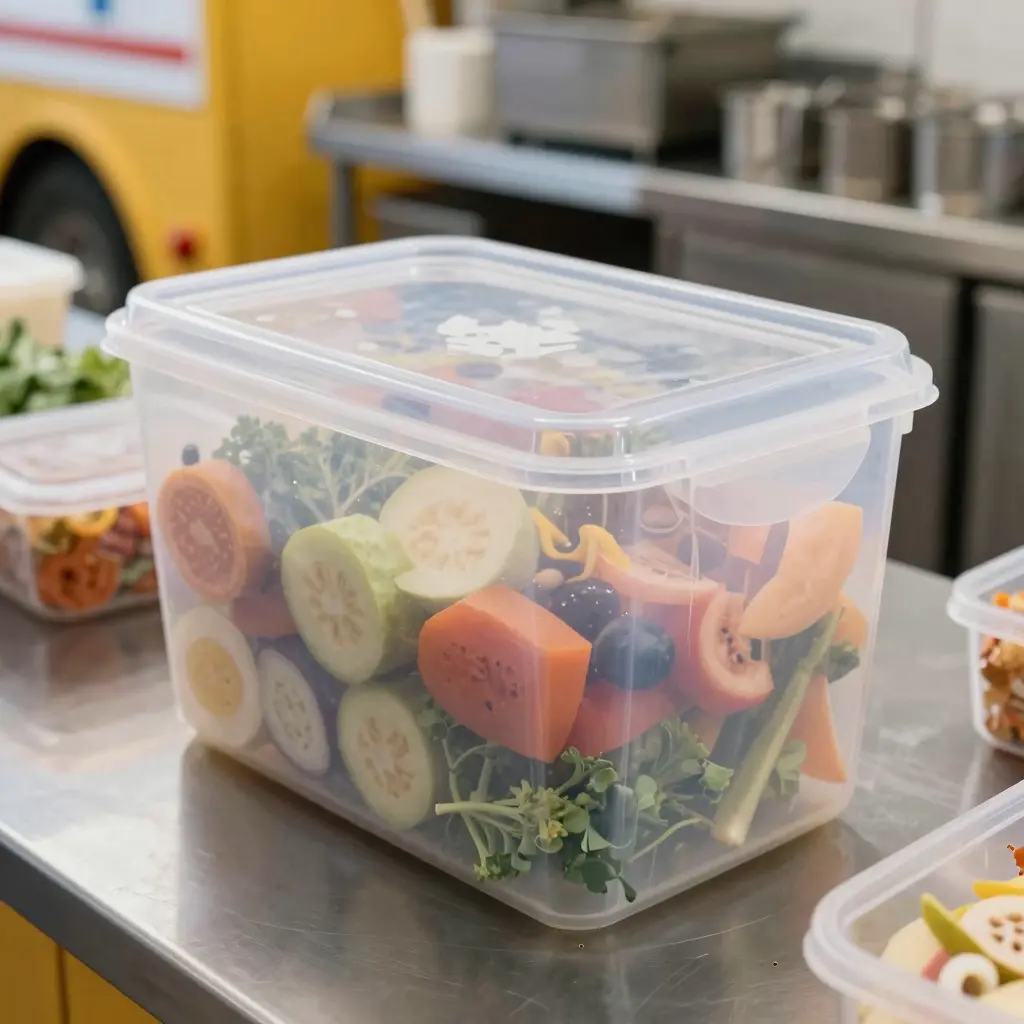
When it comes to food storage, especially in bustling environments like bubble tea shops, restaurants, and food trucks, the safety of the containers used is paramount. Large plastic containers must meet a variety of safety standards to ensure compliance and protect the health of consumers.
Key Safety Standards
-
Compliance with Food Contact Material Regulations
In the European Union, the Plastic Food Contact Materials Regulation 10/2011 sets forth the necessary legal requirements for all plastic materials intended for food packaging. This regulation ensures that the containers do not contain harmful substances that could leach into food products. In the United States, the FDA governs food contact substances, ensuring similar safety compliance. -
Material Safety
It is essential that large plastic containers are made from materials that are specifically designated as safe for food contact. Commonly used materials include polyethylene (PE), polypropylene (PP), and polycarbonate. These materials should be tested and certified to meet relevant safety standards. -
Recycling Compliance
New regulations require food packaging to include a certain percentage of recycled materials. Starting in 2030, for example, EU regulations will mandate that a minimum amount of recycled content must be present in plastic food packaging. This is not only to promote sustainability but also to ensure safety in the materials used. -
Authorization and Certification
All food contact materials must receive authorization before being sold. This varies by region, but businesses should seek containers that have been certified by relevant government bodies, such as the Food Standards Agency in the UK. This ensures that all products meet the required health and safety standards before reaching the market.
Best Practices Amid Compliance
- Choose Reliable Suppliers: Ensure that containers are sourced from manufacturers that adhere to safety regulations and can provide relevant certifications.
- Regular Testing: Periodic testing of containers can also ensure they remain compliant with safety standards over time.
- Education: Keeping staff informed about the importance of using compliant containers helps maintain food safety practices.
In summary, ensuring the safety of large plastic containers used for food storage involves adhering to strict regulations, selecting proper materials, and continuously evaluating suppliers to guarantee compliance. For more options on compliant food storage containers, check out our range of products.
For those interested in sustainable practices in food packaging, learn more about recycled material containers and how they contribute to safety standards.
Customer Satisfaction Ratings for Large Plastic Container Brands
In recent surveys, several large plastic container brands have been evaluated by customers for their satisfaction levels. Here is a brief overview based on available data:
| Brand | Customer Satisfaction Rating | Survey Year | Source |
|---|---|---|---|
| Cadillac Plastic | Not specified | 2023 | Cadillac Plastic Customer Satisfaction Survey 2023 |
| General Plastic To-Go | Not specified | 2023 | Cadillac Plastic Website |
Customer Satisfaction Ratings Chart
This chart visually represents the customer satisfaction ratings for different brands. As surveyed, Cadillac Plastic shows strong loyalty among its customers, suggesting a positive brand reputation. Additionally, sentiments regarding general plastic to-go boxes indicate improvement in customer satisfaction, reflecting their evolving needs and preferences.
For those looking for options in large plastic containers with lids for food storage, exploring various brands can offer insights into quality and satisfaction. Brands like Cadillac Plastic are worth considering for their high customer loyalty ratings.
Why Choose Reliable Disposable Tableware?
In the world of food service, the packaging you choose can make or break your business reputation. Selecting reliable disposable tableware and packaging solutions not only ensures your delicious offerings reach your customers intact but also reflects your brand’s commitment to quality and sustainability. Large plastic containers with lids provide optimum storage for food items, keeping your products safe and appealing until they arrive at customer’s tables.
Take Action Now!
Don’t settle for less when it comes to your food packaging. At EcoCupBowl, we understand the unique needs of food vendors, from bubble tea shops to catering services. Our environmentally conscious solutions are designed for maximum durability without compromising on aesthetic appeal.
Contact us today for a tailored quote that meets your specific requirements. Let us partner with you in presenting your culinary creations to the world while maintaining the highest standards of safety and presentation. Reach out to us and explore our collection of large plastic containers with lids and other disposable solutions that can elevate your food service experience. We are here to help you make a lasting impression!