
Introduction
In the quest for sustainability, recycling has emerged as a crucial practice within the food industry, especially in the UK where businesses are increasingly assessed on their environmental footprint. A prime area for improvement is the recycling of plastic food containers, particularly for bubble tea shops and restaurants, which rely heavily on disposable packaging. The implications of improper disposal are significant, including increased landfill waste and environmental degradation. Conversely, making informed choices about recyclable materials can drastically reduce negative impacts, encouraging a more sustainable approach in everyday operations. As the demand for eco-friendly practices grows, understanding how to effectively recycle plastic food containers in the UK becomes vital for all stakeholders in the food sector. By prioritizing recycling, businesses not only align with customer values but also contribute to the broader goal of reducing plastic waste and fostering a healthier planet. For additional insights into the food industry’s role in this important initiative, learn more here.
Types of Plastic Food Containers That Can Be Recycled in the UK
In the UK, recognizing which plastic food containers are recyclable is essential for effective waste management and sustainability. The most common plastic types that can be recycled include:
-
PET (Polyethylene Terephthalate)
-
Recycling Symbol: 1
-
Often used for: Water and soft drink bottles, clear food containers.
-
Recyclability: Highly recyclable and accepted in most kerbside recycling programs.
-
HDPE (High-Density Polyethylene)
-
Recycling Symbol: 2
-
Often used for: Milk jugs, detergent bottles, and other rigid containers.
-
Recyclability: Widely recycled across the UK, known for its durability.
-
PP (Polypropylene)
-
Recycling Symbol: 5
-
Often used for: Reusable food containers, yogurt tubs, and microwave-safe dishes.
-
Recyclability: Accepted in more recycling programs, noted for its heat resistance.
Identifying Recyclable Plastics
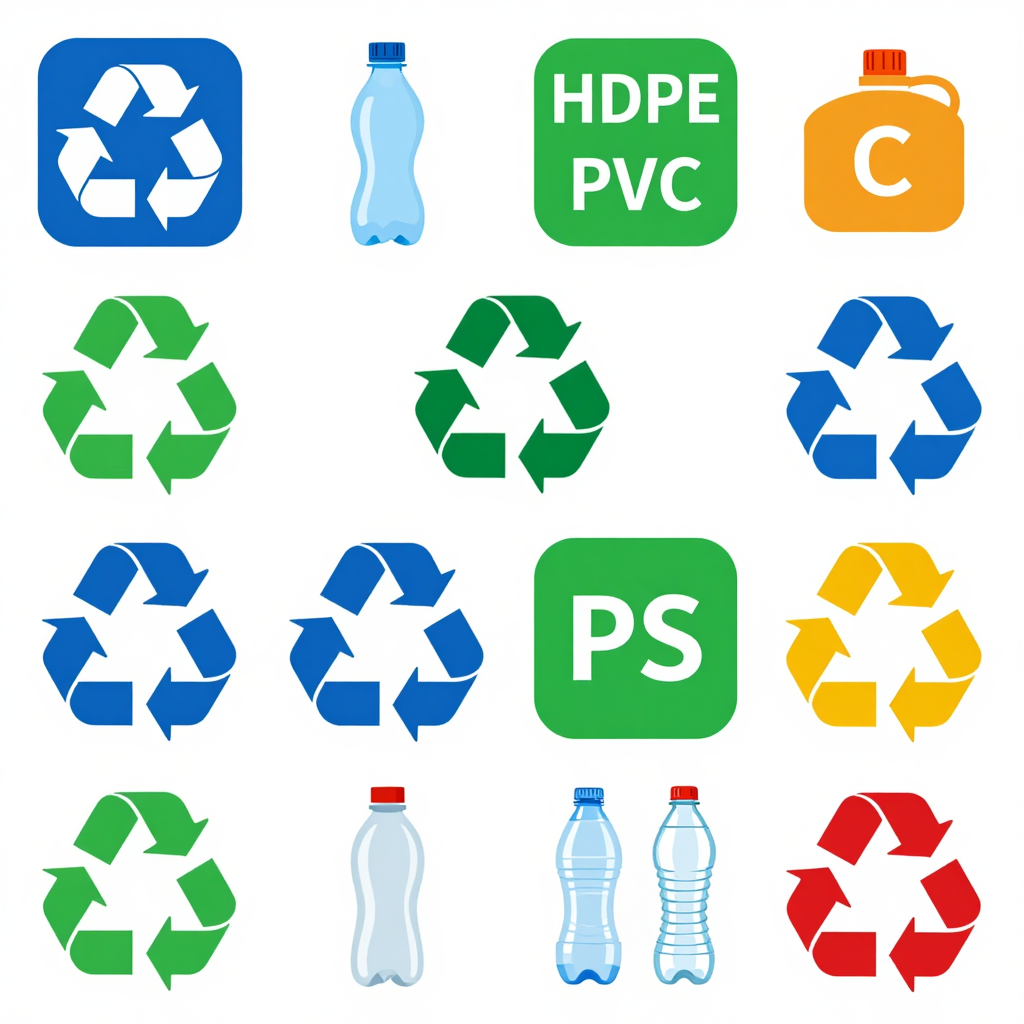
Each type of plastic is marked with a specific recycling symbol that helps consumers identify them. The stamps (1, 2, 5) inside the chasing arrows indicate recyclability:
- Recycling Symbols:
- 1 – PET
- 2 – HDPE
- 5 – PP
For further insights, check out this informative resource on plastic recycling symbols and also dive deeper into the types of recyclable food containers available in your area.
The Recycling Process for Plastic Containers in the UK
Recycling plastic containers is essential for reducing waste and promoting sustainability. In the UK, the recycling process plastic containers UK involves several key steps, starting from collection at the kerbside to processing at recycling facilities.
Step 1: Collection
Local councils play a critical role in the initial collection of plastic food containers. These containers are typically collected during regular kerbside collection days. However, it’s essential for residents and businesses to check with their local authority regarding specific collection guidelines, as different councils may accept different types of plastics including PET (polyethylene terephthalate) and HDPE (high-density polyethylene).
Step 2: Sorting
Once collected, the plastic containers are taken to recycling facilities where they are sorted based on the type of plastic. Contamination is a significant issue here; if containers contain food residue, they can contaminate the entire batch and lead to rejection. Therefore, it’s important that containers are clean and empty before being placed in the recycling bins. This helps increase the quality of the recyclable materials.
Step 3: Processing
After sorting, the clean plastic containers are processed. This involves shredding the plastic into small pellets or flakes that can be melted down and reformed into new plastic products. As of 2023, the UK reached a recycling rate of approximately 57% for plastic packaging, indicating a steady improvement in recycling efforts. However, ongoing challenges persist, with about 44% of household waste being recycled as of 2021/22.
Conclusion
The role of local councils and recycling facilities is crucial in this recycling journey, emphasizing the community’s importance in sustainability efforts. For more on the impact of recycling in the food industry, check out this article to learn how businesses can contribute to these efforts.
Benefits of Recycling Plastic Food Containers
Recycling plastic food containers offers numerous environmental and economic benefits. Here’s a closer look at what makes recycling vital for businesses, especially in the food and beverage sectors:
Environmental Benefits:
- Reduction in Landfill Waste: Recycling helps decrease the amount of plastic waste sent to landfills, where it can take centuries to decompose.
- Lower Greenhouse Gas Emissions: A report by the Ellen MacArthur Foundation indicates that effective recycling practices can reduce greenhouse gas emissions by up to 69%.
- Conservation of Resources: Recycling conserves natural resources such as petroleum and decreases the need for new plastic production, promoting sustainable practices in procurement.
- Water Use Reduction: Recycling plastic can reduce water consumption by up to 70%, promoting better resource management.
Economic Benefits:
- Cost Savings: Utilizing recycled materials can reduce manufacturing costs for packaging, providing a competitive advantage in pricing.
- Job Creation: The recycling industry generates numerous jobs related to collection, processing, and reuse of materials.
- Support for Local Economies: By recycling locally, businesses can support community initiatives and reduce transportation costs.
Incorporating sustainable practices like recycling in your operations can enhance your brand image and foster customer loyalty. To learn more, check out our article on the plastic containers in the food industry.
Recycling Rates Comparison for Plastic Food Containers and Other Materials in the UK
Understanding the recycling rates of various materials, including plastic food containers, is crucial for businesses in the food industry. Here’s a comparison of the recycling rates for different materials in the UK as of 2023:
| Material | Recycling Rate (%) | Year |
|---|---|---|
| Plastic food containers | 52.5 | 2023 |
| Paper | 70 | 2023 |
| Glass | 80.2 | 2023 |
| Overall packaging waste | 64.8 | 2023 |
Key Insights:
- Plastic Food Containers: The recycling rate for plastic food containers has reached 52.5%, reflecting a commitment to improve recycling initiatives in the UK.
- Paper Products: Paper and cardboard have higher recycling rates at 70%, benefiting from established recycling systems.
- Glass Packaging: Glass packaging leads the pack with an impressive recycling rate of 80.2%, showcasing effective recycling practices.
- Overall Recycling: The overall recycling rate for packaging waste stands at 64.8%, indicating a positive trend but highlighting the need for continuous improvement.
For those in the food industry, adopting sustainable practices and encouraging recycling of plastic containers can significantly contribute to overall waste reduction. Learn more about recycling plastic food containers and how your business can help improve these rates.
Case Study: Successful Recycling Practices in the Bubble Tea Industry
Bubble tea shops are increasingly recognizing the importance of sustainable practices, especially in the realm of recycling plastic food containers. A prime example is Sharetea, one of the leading bubble tea brands that has put sustainability at the forefront of its operations.
Sharetea’s Sustainability Initiative
Sharetea has implemented comprehensive recycling practices across its stores, illustrating how beverage chains can effectively manage plastic waste. They have launched fully recyclable cups and straws, reducing plastic waste at its source. Not only do these initiatives help decrease environmental impact, but they also engage customers through clear labeling and in-store collection bins for recyclables, fostering a culture of recycling among consumers.
Furthermore, the brand is collaborating with local recycling facilities to ensure that all plastic food containers are processed correctly. This integration of recycling practices aligns with the UK’s commitment to recycling, where approximately 40% of plastic packaging is currently recycled, with plans to increase this to 50% by 2025.
Industry Impact
The successful recycling model from Sharetea showcases that it is possible for bubble tea shops to reduce their ecological footprint. The initiative has inspired similar strategies within the industry, setting standards for others to emulate. With a growing public awareness about plastic waste, shops that incorporate sustainable practices not only improve their community standing but also attract eco-conscious consumers.
Conclusion
As recycling rates for plastic food containers in the UK continue to grow, with a current average of around 19.1% as of 2023, businesses like Sharetea demonstrate that successful recycling practices can be both effective and beneficial. Implementing such initiatives can help beverage chains and restaurants work towards a more sustainable future while appealing to environmentally aware customers.
The Importance of Recycling in the Food Service Industry
Recycling is an essential practice in the food service industry, not just for environmental sustainability but also for economic viability. As we look into the practices of recycling plastic food containers, it’s crucial to recognize the voices of experts advocating for these principles.
“The food service industry is at a pivotal point where recycling and waste reduction are no longer optional-they are core operational necessities. Leaders must invest in proper sorting infrastructure and staff training to turn waste streams into valuable resources.”
- National Restaurant Association’s Insights
Source
This quote highlights the urgency for restaurants and food-related businesses to adapt to efficient recycling practices. By implementing comprehensive recycling programs, businesses can significantly reduce landfill waste, highlighting a win-win scenario for both the planet and their operational costs.
In the context of bubble tea shops, beverage chains, and catering services, understanding what can and cannot be recycled is vital. This not only conserves resources but also promotes a sustainable image that can appeal to environmentally-conscious consumers.
For more information on how to effectively recycle plastic food containers, check out our detailed guide on the subject. With the right practices, we can contribute positively to the environment while enhancing our businesses’ reputations in the sustainability arena.
Challenges of Recycling Plastic Food Containers
Recycling plastic food containers is a pressing issue for many businesses, notably bubble tea shops, restaurants, and catering services. Despite the growing emphasis on sustainability, obstacles persist that significantly impede effective recycling efforts. Here are some of the common challenges faced:
1. Contamination of Recyclables
One of the most significant hurdles in recycling plastic food containers is contamination. Even small residues of food, like leftover sauces or beverages, can render an entire batch of recyclable materials unusable. According to recent reports, the contamination in the UK has surged by 84% over four years, leading to a higher rejection rate of recyclable materials. The multitude of food containers, especially those used in food service, often brings a mix of grease and food remnants that can degrade the quality of recyclables, forcing them into landfills or incineration.[^1]
2. Consumer Confusion
Many consumers lack understanding of what can and cannot be recycled. Confusion tends to arise from varying local rules surrounding recycling practices. For instance, some areas require plastics to be rinsed thoroughly while others do not, leading to improper disposal. This discrepancy can be severely detrimental to recycling rates. It’s reported that roughly 38% of plastic food containers placed in household recycling bins are successfully recycled, a number that reflects ongoing confusion and a lack of awareness about proper sorting and cleaning practices.[^2]
3. Inconsistent Infrastructure
The recycling system itself plays a crucial role in the challenges faced by businesses. In the UK, the recycling infrastructure can be inconsistent between regions, affecting the collection and processing of plastics. Some areas may have advanced separation technologies, while others rely on less efficient methods, increasing the chance of contamination and failure in recycling efforts. Consequently, bubble tea shops and similar businesses may end up with high amounts of recyclable plastic that cannot be processed effectively, which not only distracts from sustainability goals but also increases operational costs.
Moving Forward
To combat these challenges, stronger public education campaigns about proper recycling practices are vital. Furthermore, businesses can explore partnerships with recycling programs that offer guidance on effective practices. Improved labeling on containers may also assist consumers in better understanding recycling guidelines.
For more detailed insights on how businesses can navigate the complexities of recycling, learn more about the recycling challenges in the UK and effective practices for recycling in the food industry.
By addressing these challenges head-on, the move towards a more sustainable recycling system can be achieved, enabling businesses to contribute positively to environmental preservation.
Conclusion
In summary, the recycling of plastic food containers is not just beneficial for the environment but is crucial for the sustainability of the food service industry. As consumer demand for greener practices rises, industry leaders are increasingly recognizing the necessity of adopting sustainable packaging solutions. Recent studies have shown that effectively recycling plastic can significantly reduce greenhouse gas emissions by up to 69% (BBC News). Moreover, many countries have successfully exceeded their recycling targets due to innovative approaches such as Deposit Return Schemes (European Commission).
At EcoCupBowl, we are committed to providing reliable disposable tableware solutions that align with these sustainability goals. Our products not only cater to the needs of bubble tea shops, restaurants, and event planners but also contribute to a greener future.
We invite you to contact us today for a tailored quote and discover how our eco-friendly options can enhance your business while supporting a sustainable environment. Don’t wait – make a responsible choice for your business and the planet!