
As the food and beverage industry increasingly prioritizes sustainability, understanding the recycling of toilet paper packaging becomes vital. With restaurants, cafes, food trucks, and corporate event planners committed to reducing their environmental footprint, it is essential to navigate the often-complicated recycling landscape. Each chapter of this guide delves into critical aspects of toilet paper packaging recycling—from material types to contamination effects, local guidelines, and eco-friendly practices. By maximizing your recycling efforts, your organization can not only comply with regulations but also promote a greener future in hospitality and service.
Turning Toilet Paper Packaging into True Recycling: A Material-First Guide
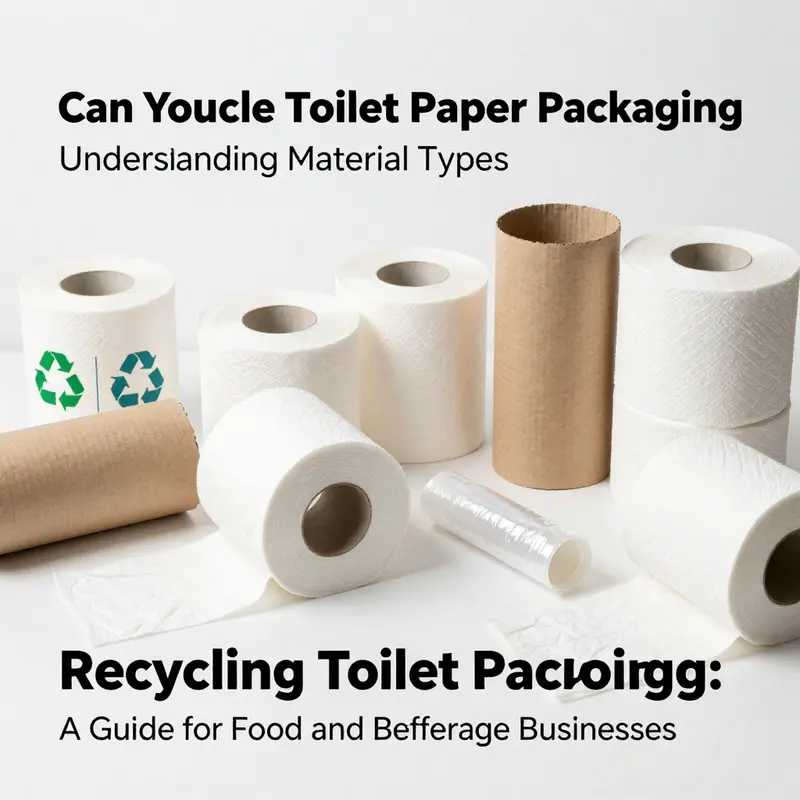
Can you recycle toilet paper packaging? The short answer is yes in many cases, but the details matter. The recyclability of toilet paper packaging hinges on the material type and, just as important, on what your local recycling program actually accepts. In practice, the packaging around toilet paper is often a mix of plastic film and paper-based elements. You may encounter a thin plastic wrap that protects bundles or a light plastic layer used to keep rolls neat, and beneath or alongside that, there is typically either an outer cardboard carton or a paper sleeve. Inside, the rolls sit on a cardboard core, a familiar tube that some programs treat as recyclable fiber if it’s free from adhesives, inks, and other contaminants. The reality on the ground is nuanced: curbside programs vary widely, and the same product can be recycled in one city and not in another. That is why understanding material types, and how they are treated in your local system, can make a real difference in diverting waste from landfills.
One of the most common packaging challenges is the plastic wrap. Polyethylene film, the kind that protects bundled rolls, is not universally accepted in standard curbside recycling. Sorting machines can struggle with flexible plastics, and film can tangle in equipment, leading to contamination or rejection of the entire load. Because of these processing hurdles, many municipalities do not routinely accept plastic film in curbside programs. Yet the film is not universally useless; some specialized facilities and retailer drop-off programs can accept flexible plastics, and those options vary by region. If you ever doubt whether a plastic wrapper is recyclable in your area, the simplest check is to consult your city or district’s guidelines or drop-off locations. The takeaway is clear: remove the plastic film before placing the rest of the packaging in the recycling bin, and be mindful that the film itself may need to be redirected to a specific drop-off point rather than the curbside stream.
In contrast, paper-based packaging tends to be more forgiving in recycling streams. Cardboard boxes that hold the rolls, or kraft paper wraps that encase them, are generally compatible with standard recycling processes. Cardboard and kraft paper are valued for their high fiber content and their ability to be pulped into new paper products. When these elements are clean and dry, they typically break down efficiently and re-enter the supply chain as recycled fiber. This is why many brands are increasingly choosing paper-based packaging as part of a broader commitment to circularity. The take-home message is simple: if the packaging is predominantly paper, and it is free of non-paper contaminants, it is more likely to be recyclable through conventional channels.
Another important factor is labeling and disposal instructions. Packaging that clearly marks itself as recyclable or compostable gives consumers a straightforward path. Equally helpful are guidelines that specify whether any non-paper components should be removed before recycling. For example, if there is a sticker, adhesive label, or other non-paper element, it should be detached and disposed of separately to prevent contamination of the paper stream. A clean, dry package is ideal. Moisture and soil are not friendly to recyclers; damp or soiled packaging can be treated as waste rather than a recyclable fiber. In the broader picture of sustainable consumption, choosing packaging with minimal non-paper components and with clear disposal directions is a practical way to support recycling infrastructure without adding friction for the consumer.
Beyond the mechanics of recycling, there is a broader conversation about packaging design and material choice. The market increasingly recognizes that paper packaging with recycled content or post-consumer fibers enhances the life cycle of the product, reducing the need for virgin materials and lowering overall environmental impact. In premium or eco-conscious product lines, manufacturers are exploring Kraft paper wraps, molded pulp alternatives, and other paper-based strategies that align with circular economy principles. These design choices not only improve recyclability but also help brands communicate a genuine commitment to sustainability. When you encounter packaging that emphasizes recyclability or compostability, it’s worth reading the labeling closely and considering how the end-of-life scenario aligns with your local waste streams.
For consumers looking to optimize their recycling outcomes, several practical steps can make a meaningful difference. First, prioritize packaging that minimizes plastic content and favors paper-based solutions. If plastic film is present, check whether your area offers a drop-off option or retailer take-back program for flexible plastics. In many places, these programs exist but are not part of curbside collection, so locating them ahead of time prevents missorting. Second, always remove non-paper elements such as plastic wraps, tapes, and foil stickers before recycling the paper portion. Those contaminants can compromise the recycling stream and require additional processing to separate them. Third, ensure the packaging is clean and dry. Wiping away any residue or letting moisture evaporate helps recyclers process the material efficiently and reduces the chance of contamination that could downgrade the fiber grade.
In the broader context of sustainable packaging, the choices you make as a consumer ripple through the supply chain. When brands respond to consumer demand for recyclable, compostable, or reduced-waste packaging, they tend to explore alternatives like molded pulp, plain paper wraps, or cardboard cartons that can travel smoothly through recycling facilities. While a single transaction won’t solve systemic waste, widespread shifts in packaging materials have the potential to reduce landfill mass, conserve resources, and lower the energy and water footprints associated with paper production and recycling. The conversation around toilet paper packaging is a microcosm of a larger, ongoing effort to design products with end-of-life in mind. It invites us to look beyond convenience and consider how the packaging contributes to a circular economy that channels materials back into useful forms rather than letting them accumulate in landfills.
To connect these ideas with concrete choices you can make today, look for packaging that deliberately leans on paper and reduces mixed-material layers. Some packaging innovations lean toward minimal plastic or eliminate it altogether with a paper-based sleeve or a molded pulp alternative. When you encounter packaging labeled recyclable or compostable, take a moment to confirm what that label covers in your area. Is the entire package eligible for recycling, or are only certain components accepted? If you are unsure, use a trusted resource to verify your local capabilities. A reliable starting point is a national or regional recycling directory, which aggregates up-to-date rules for different municipalities and provides guidance on both common and less-obvious packaging materials. This approach helps ensure you’re not only disposing of packaging correctly but also supporting systems that truly recover and repurpose post-consumer materials.
For readers who want a tangible example of paper-based packaging options that align with the recycling ethos discussed above, consider the kraft paper takeout-style packaging used in many eco-forward product lines. This kind of packaging demonstrates how paper can replace multi-layer plastics while still delivering durability and practicality for food service and consumer goods alike. A concrete example you can explore online is a kraft paper fry box, a simple paper-based container designed for takeout that emphasizes recyclability and compostability where facilities exist. See the kraft paper fry box product page for more details on construction and why paper-based packaging can be relatively straightforward to recycle in the right streams. kraft paper french fry box product page
Cultural expectations around packaging also influence recycling outcomes. In some regions, residents are encouraged to separate plastic film from other recyclables, even if the film itself is not accepted in curbside bins. In others, mixing all recyclables together is discouraged, and contamination fines or guidelines reinforce the idea that every piece of packaging has a specific path. These differences can be confusing, but they reflect a broader effort to optimize material recovery. When in doubt, start with the simplest rule: paper-based packaging goes in the paper stream, and plastic films go to a film drop-off if available. This rule helps maintain the integrity of fiber recycling and reduces the risk of contaminating the batch with non-paper materials that require manual or mechanical removal later in the process.
From a systemic perspective, the shift toward recyclable paper packaging is also a social and economic question. The infrastructure for collecting paper fibers, transporting them to mills, and reprocessing them into new products relies on consistent material quality and predictable volumes. Consumer behavior—how carefully people separate items and how often they choose products with paper packaging—shapes the viability of these systems. When households consistently separate out the non-paper components and keep the paper elements dry and clean, it supports stable recycling streams and can help reduce the need for virgin fibers. That, in turn, contributes to lower energy use and fewer emissions across the lifecycle of paper products. The interplay between consumer choices, municipal guidelines, and industry packaging decisions creates a dynamic ecosystem where small acts of separation can accumulate into meaningful environmental benefits.
As you navigate the aisles and the recycling bin, keep in mind that no single rule fits every community. The best approach combines knowledge of material types with an up-to-date understanding of local rules. If you want accurate, location-specific guidance, Earth911 maintains a comprehensive Recycling Search that can point you to the right facilities for plastic films, paper packaging, and other waste streams. This resource can complement the general principles outlined here and help you tailor your actions to the realities of your town or city. For ongoing updates, you can explore Earth911’s directory and tools to ensure your recycling efforts stay aligned with current capabilities.
In sum, toilet paper packaging is recyclable, but success stories hinge on material composition and local infrastructure. Paper-based packaging—cardboard cartons, kraft paper wraps, and the like—generally travels easily through standard recycling streams when clean and dry. Plastic wrap, while useful for product protection, often falls outside curbside capability, requiring special drop-off programs or avoiding the use of plastic film when possible. Non-paper elements should be removed before recycling to minimize contamination. Packaging that emphasizes recyclable or compostable credentials should be evaluated in light of local rules, ensuring that the end-of-life path you pursue matches what your community can actually process. By choosing packaging with recycled content, minimizing plastic layers, and staying informed about local guidelines, you contribute to a more efficient, circular system that keeps materials circulating rather than wasted. If you want to drill down into area-specific guidance, refer to Earth911’s recycling search, and for a concrete example of a paper-based packaging option in practice, explore the kraft paper fry box product page linked above.
Beyond the Core: The Critical Step of Removing Non-Paper Elements to Recycle Toilet Paper Packaging
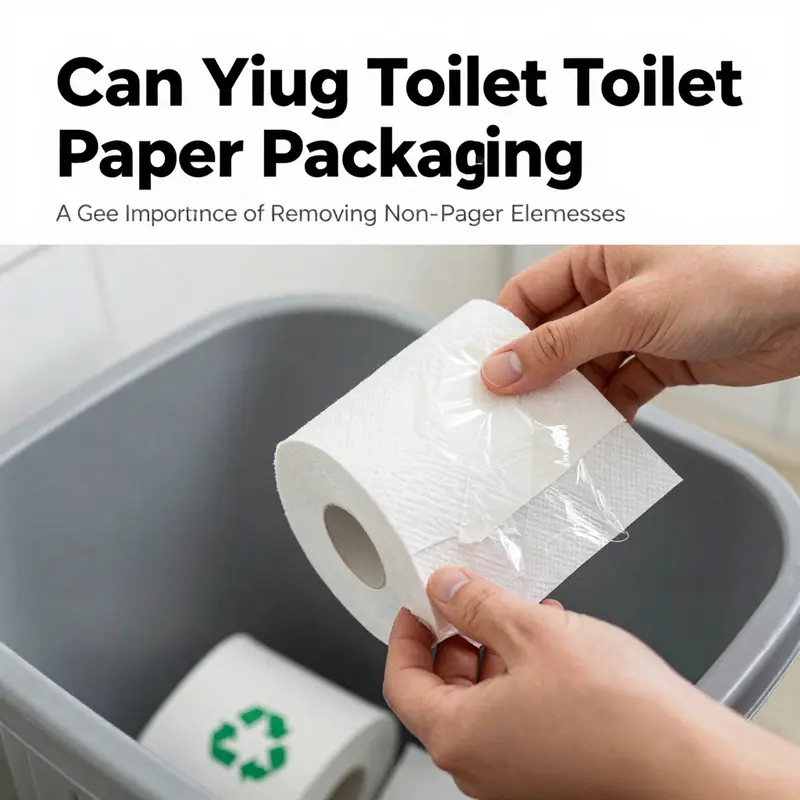
When you consider recycling toilet paper packaging, the instinct is often to separate it from other waste streams and drop it at the curb or in a sorting bin. Yet the simplest act—saving the paper elements from contamination by non-paper components—has a disproportionate impact on whether the material can rejoin a closed-loop supply chain. The packaging that surrounds toilet paper is typically a mix of cardboard cores, outer wraps, and various labels. Each component is chosen for function, not for end-of-life fate, and that is where consumer action becomes environmental leverage. The core message is straightforward: you can recycle toilet paper packaging, but only if every part that touches the package is paper-based or compostable, and you remove anything that might derail the recycling process before it ever leaves your home.
To appreciate why this matters, imagine the journey of a roll from the store to a recycling facility. The outer wrap may be paper or a light cardboard, but it can be joined to the roll by adhesives, or wrapped with a thin plastic film for moisture protection. Some brands commit to plastic-free wrapping and paper-based cores, but many still rely on mixed materials. Recycling facilities are designed to process paper streams, not plastics or foil. When plastic film clings to the paper, or when a plastic-coated core sneaks into the bale, the entire batch can be contaminated. Contaminated batches are often rejected, sent to lower-grade recyclables, or diverted to energy recovery—outcomes that waste energy and reduce the quality of the resulting pulp.
In practical terms, the first rule is identification. Before you recycle, inspect the packaging and pull away anything that isn’t plain paper. Plastic wraps, shrink films, adhesive tapes, label foils, and any laminated coatings should be removed. The reason is technical: plastics in the recycling stream can break down into microplastics that end up in new products or wastewater. Foils and adhesives may not only contaminate the fiber but also gum up machinery, requiring additional processing and reducing the efficiency of the facility. If you’re unsure whether an element is paper or plastic, err on the side of caution and set aside the non-paper portion.
One practical way to apply this rule is to start with the outer packaging. If the wrap around the tubes is polymer-based or if you can see a glossy or laminated surface, it’s likely not eligible for the paper stream in most municipalities. Peel away that layer, and place the paper portion in the recycling bin. For the cardboard tube itself, a quick test can confirm its suitability: if the surface is fiber-based and free of plastic coating, it’s typically acceptable. The same goes for any cardboard boxes or sleeves that house the rolls. Labels often pose less of a dilemma, but only if they are made from paper. Adhesive labels that are plastic-backed or contain metallic foils should be removed, or the entire piece should be diverted if the label cannot be easily separated. The goal is a clean, dry, unsoiled package that contains only paper fibers.
Another layer of complexity is moisture and soil. Cardboard and paper fibers tolerate some moisture, but damp or soiled packaging loses value in recycling. When toilet paper residue clings to the packaging or the material becomes soggy, it is prudent to discard it rather than attempt recycling. Moisture promotes mold growth and accelerates degradation of the fiber, reducing the efficiency of repulping. If the packaging is only lightly used and dry, it will recycle more readily. If it’s heavily used or damp, composting may be a better option for some facilities, though this depends on local composting capabilities and the type of paper involved. Always check local guidelines because what is accepted in one district may not be accepted in another.
The broader lifecycle context matters here too. The rise of brands that embrace paper-based, compostable, or recyclable packaging reflects a broader industry push toward more sustainable design. Some packaging uses paper tape instead of plastic, and others employ a cardboard core that remains fully fiber-based from cradle to cradle. Such designs reduce the risk of contamination and simplify processing for mills that reconstitute old fibers into new paper products. When you encounter packaging that clearly signals recyclable or compostable properties, you gain confidence in the end-of-life outcome, but you should still verify with your local program. Labels and certifications can guide you, but they do not replace local rules. A quick check with your municipal recycling website or a trusted recycling search tool can confirm whether each component is acceptable in your area.
From a consumer education perspective, the emphasis on removing non-paper elements is not just about avoiding a single waste stream—it is about empowering households to contribute to a circular economy. The more we practice meticulous separation at home, the cleaner the bales become at the sorting facility, and the more likely the fibers are to be reprocessed into new paper products rather than ending up as refuse or mixed with non-fiber plastics. This is especially important as more brands aim to reduce virgin material use by increasing post-consumer content or improving end-of-life performance. In that context, your careful preparation of packaging becomes a small but meaningful act of stewardship, reinforcing the incentives for manufacturers to invest in more eco-friendly designs.
When packaging designers move toward simpler, paper-only systems, it’s easier for households to comply. For instance, some packaging now uses plastic-free wrappings, paper-based cores, and even recyclable or compostable labels. These features collectively reduce contamination risk and improve overall recyclability. If your perception is that recycling requires extraordinary effort, remember that the most critical step is often the simplest: do a quick triage of the packaging and separate any non-paper elements. This simple action can increase the yield of usable fiber, support local mills in obtaining cleaner pulp, and contribute to a more resilient recycling stream.
To translate these ideas into everyday practice, consider how you handle the packaging during disposal. After removing non-paper components, flatten any cardboard packaging to save space in your recycling bin. Keep paper materials dry and free of food residues. If you find that the packaging still contains a mix of materials that you cannot separate easily, you should rely on your local program’s guidance. Some facilities accept mixed paper packaging, while others have stricter standards. If in doubt, a quick call to the local recycling hotline or a visit to the municipal website can save you a lot of guesswork and prevent contamination from entering the system.
A broader point worth noting is that not all compostable packaging behaves the same way. Some items labeled as compostable require industrial facilities to break down effectively. Home composting often cannot achieve the temperature or the time needed for complete breakdown of certain fibers or coatings. This distinction matters because even when a package is marketed as compostable, it may not be accepted in curbside composting programs. If you participate in a local home composting system, you can often compost paper packaging that is fiber-based and free of plastic coatings, but you should confirm compostability guidelines with your local authority. The same caution applies to paper labels and tapes—some composting streams will handle them, others will not.
For readers seeking concrete references on how to handle common household packaging, the U.S. Environmental Protection Agency offers accessible guidance on sorting and recycling household packaging. Their resources help clarify what belongs in curbside streams and what should be redirected to other waste channels. You can consult EPA materials at the official recycling portal for practical, area-agnostic information, which complements your local rules and helps you navigate ambiguous cases. See https://www.epa.gov/recycle for detailed guidance on recycling broadly and to understand how these systems work from a policy and implementation perspective.
The discussion above naturally leads to the way brands communicate packaging goals to consumers. Clear labeling about recyclability, compostability, and material composition empowers you to make informed decisions. When a packaging line commits to recyclable paper-based materials, it also signals a broader commitment to design for end-of-life. Consumers can support this trend by choosing products that provide transparent disposal guidance and by adhering to the recommended disposal methods. It is not just about compliance; it is about participating in a dialogue between manufacturers, municipalities, and households that aims to minimize waste and maximize recovery. In that sense, removing non-paper elements becomes a form of collaboration, a shared responsibility that rests on everyday actions with real, measurable outcomes.
If you want a concrete example of how packaging choices can align with recycling goals, look for packaging that uses a fully paper-based system—from the outer wrap to the core—and avoid any plastic-coated sides or adhesives that are not easily separated. When such packaging is paired with consumer education and clear disposal instructions, the recycling process becomes smoother and more predictable for mills. The end result is more high-quality fiber entering the pulping system, enabling manufacturers to produce new paper products with a lower environmental footprint. It is a cycle that begins at home, in the kitchen, and in the garbage can, and it travels through a network of sorting facilities, mills, and finally new consumer packaging. Your role is simple but vital: verify, remove non-paper elements, and recycle the rest.
For readers who want to explore packaging that aligns with these principles, a relevant example of paper-based, eco-conscious packaging options can be found here: eco-friendly takeout boxes for food packaging. This link illustrates how paper-based designs are increasingly used across the packaging ecosystem, offering a tangible sense of how close the industry is to realizing fully recyclable, plastic-free options. Remember, though, to apply the same recycling rules to household packaging regardless of the brand or product category. The cleaner the fiber, the more valuable it is for the recycling system, and that value comes from the simple act of removing the non-paper elements before placing the packaging in the recycling stream.
From Cardboard Tubes to Local Rules: A Practical Guide to Recycling Toilet Paper Packaging
Recycling is a conversation between the materials arriving at a curb and the machines processing them. When we look at toilet paper packaging, the main questions are what it is made of, how clean it is, and what your local program allows. The packaging is usually paper based: a cardboard tube, an outer wrap, and paper labels. But the reality is more nuanced. The same product can be recyclable in one city and not in another, depending on how the packaging is used, what additives are in the material, and how the local recycling stream has evolved. Understanding this nuance helps reduce contamination and support recycling systems that actually work.\n\nAt its core, toilet paper packaging aims to be paper or paperboard. The cardboard tube in the center, the outer wrap, and the labels share this goal. Non paper elements can complicate the process. A plastic film, foil sticker, or adhesive tape may contaminate the stream and cause batches to be rejected. Preparation matters as much as the decision to recycle. Before placing a package in the bin, remove any non paper parts. If you find plastic wraps, waxy labels, or foil laminates, set them aside. Some advanced streams or dedicated programs may recycle them, but most curbside programs treat them as contamination.\n\nLocal rules are the wildcard. Recycling guidelines are not uniform across municipalities or neighborhoods. Some programs accept most paper packaging, while others exclude plastics coatings or coatings. This variability is intentional to balance throughput, contamination risk, and fiber market demand. The first step is to check local guidelines. A quick call to your waste management provider or a look at the city recycling page can save mistakes and waste. If you want a broader directory, crowd sourced options can be helpful and ZIP code based tools are increasingly common.\n\nEven when a city accepts toilet paper packaging, packaging must be clean and dry. Moisture or residual toilet paper can harm fiber quality. If the box has absorbed moisture or has a light film of fibers, it is better to set it aside. A rinse is not typically required for ordinary paper packaging; just ensure it is dry before placing it in the bin. Dryness is key to good fiber chemistry. If the material is damp but otherwise clean, some programs will still accept it, but moisture can affect stamps, inks, and adhesives during processing.\n\nThe material itself matters. Toilet paper packaging is primarily cardboard or paperboard, designed for fiber streams. The problem arises when additives creep in, such as plastic coatings, laminates, or unusual foils that are hard to separate. These can disqualify a batch. If you can identify such elements, separate them and recycle the paper components. If you cannot distinguish materials, consult local guidelines before discarding as recyclable.\n\nThis variability leads to practical advice. Some brands now use plain cardboard tubes, kraft labels, and minimal outer wrappers that are easily recycled in many streams. If packaging uses waxy linings, coatings, or laminates, it may not be recyclable in your area even if the rest is. The lesson is simple: easy to separate packaging improves recycling outcomes.\n\nTo help consumers navigate this patchwork, guidance bodies emphasize three practices. First, know the material. Plain cardboard or paperboard is typically recyclable; plastics, foils, or laminates are potential contaminants unless your local program accepts them. Second, keep it clean and dry. Moisture can reduce fiber quality. Third, stay up to date with local rules. Programs evolve as markets shift and new sorting technologies become available. Today’s accepted materials may change in a few years, so rely on tomorrow’s local guidance.\n\nIn the broader packaging ecosystem, many paper based designs are marketed as recyclable. These designs avoid plastic films and use simple inks on uncoated fibers. The goal is to rejoin the fiber stream with minimal processing after use. For households aiming to minimize environmental impact, choosing products with straightforward paper packaging can simplify recycling and reduce contamination downstream. But the choice also depends on broader supply chain decisions from raw material to end of life.\n\nFor practical guidance, start with official environmental resources. National agencies provide up to date recycling guidance for common household items and emphasize local verification. You can explore recycling information portals and the guidance they offer by region. These sources stress the importance of local acceptance and the value of using tools that locate recycling options by location and material type. The overarching message remains: paper based toilet paper packaging can be recyclable when you understand the material, prepare it properly, and follow local rules.\n\nIf you want concrete examples of packaging designed for recycling, look for paperboard boxes and labels that stay within standard fiber streams and avoid laminated plastics. Seeking brands that advertise recyclable packaging can also help. The key is to support a system where simple, well separated materials reenter everyday products. You can verify the latest local rules through the official recycling information from your city or national environmental agencies.
Contamination at the Core: The Hidden Factor That Determines If Toilet Paper Packaging Becomes Recycled

Recycling toilet paper packaging is not as straightforward as it first appears. The packaging surrounding those familiar rolls is often made from cardboard or plain paper, and in many cases those components are recyclable. Yet the journey from curbside bin to renewed paper product hinges on a quiet, stubborn problem: contamination. When organic matter, moisture, or even a little residual toilet paper slips into the pile of recyclables, the entire batch can be compromised. The mechanics of modern recycling are designed to separate clean streams of paper from contaminants with great precision, but even small amounts of biological material can cascade into bigger issues. This is not a scare tactic; it is a practical reminder that the health of the recycling system depends as much on what we keep out as on what we put in. The core tension lies in the fact that toilet paper is designed to be flushed and decomposed in wastewater systems. Its lifecycle in circulation is entirely different from the lifecycle of the packaging we place in bins. When used toilet paper or moist, soiled packaging makes its way into recycling streams, it introduces organic matter and potential pathogens that can threaten workers, damage sorting equipment, and lower the quality of the recycled pulp. Contamination is costly, not only in the short-term logistics of sorting and processing but in the long-term confidence of consumers who rely on recycling as a circular model. If a load is deemed too contaminated, it may be diverted to landfill or incineration, which defeats the purpose of the effort to reuse materials in the first place. The consequences ripple outward: increased processing expenses, greater energy use, and a reluctance among buyers to accept recycled fibers that come from streams believed to be compromised. In other words, contamination is not just a nuisance; it is the single most important variable that can tip the balance between a recyclable packaging system and wasted resources. The story of contamination is about more than cleanliness. It is about ensuring that every piece of packaging that can be recycled actually remains in a state that the recycling facility can handle. Clean, dry packaging is essential because moisture makes fibers cling to non-paper elements, and residual residue from toilet paper can invite microbial activity that shortens fiber quality and invites rejection at the mill. When a bundle of cardboard tubes, boxes, or wrapping is clean and dry, it moves through the process with fewer interruptions. The machinery that sorts, pulps, and refines raw materials relies on predictable input. Contaminants break that predictability, causing jams, reducing the effectiveness of optical sorters, and lowering the overall yield of usable pulp. The economic impact of contamination cannot be overstated. Recyclers must invest in more sophisticated technology or manual handling to salvage tainted streams, and the value of even a small amount of contaminated fiber drops. For consumers, that translates into fewer recycled products and a greater chance that what should be a closed-loop system ends up in a landfill. The ethical dimension is equally important. Recycling centers are workplaces that must manage safety risks associated with waste streams that can contain biological material. Ensuring that contamination is kept to a minimum protects workers and upholds public health standards. This is not about sensational warnings; it is about recognizing how the system relies on clean input to deliver clean output and about the shared responsibility of households to contribute to a healthy circular economy. With this backdrop, the practical path forward becomes clearer. The first rule is intuitive but crucial: do not place used toilet paper in recycling bins. Flushed toilet paper belongs in the sewer system, not the curbside recycling stream. The second rule is practical: recycle only clean, dry packaging. Cardboard tubes and the outer boxes are typically recyclable when they are free of residue and moisture. Yet there are important caveats. Plastic wraps, adhesive tapes, or foil stickers, if present, should be removed before recycling. These non-paper elements can contaminate the recycling stream, reducing fiber quality and complicating the sorting process. In many communities, plastic films are not accepted through standard curbside programs unless they are specifically labeled as recyclable and collected through dedicated drop-off locations. Coatings or laminations, particularly those that seal the paper with plastics or waxes, can also disqualify packaging from recycling. The upshot is that local rules matter. Recycling guidelines vary by municipality, and even within regions, there can be subtle differences between what is accepted for paper packaging. The reliable way to navigate this is to check with the local program website or resources such as Earth911’s Recycling Search, which can illuminate what to do in a given area. Alongside the rules, there is a broader shift in how packaging is designed and labeled. Brands are moving toward eco-friendly packaging that prioritizes recyclability and minimizes coatings. Paper-based wraps without plastic linings are preferred, and minimalist packaging reduces the chance for contamination by eliminating unnecessary elements that could shed fibers or trap moisture. Clear labeling helps consumers understand what can be recycled and how to prepare it for the stream. For instance, when packaging uses a straightforward cardboard tube and outer paper wrap, the intention is to keep the material in a form that a recycling facility can readily process after ensuring it is clean and dry. The design philosophy behind such packaging often favors post-consumer recycled content or responsibly sourced materials, with attention to avoiding plastic film linings that complicate recycling. A broader design principle emerges: keep packaging simple, make the recyclability explicit, and ensure that every non-paper component is removable before disposal. In this context, even the appearance of packaging can teach a subtle lesson. Consider something as everyday as a windowed kraft paper box used for bakery goods. The box demonstrates how paper packaging can be both functional and recyclable when designed with a single, recyclable material in mind. A real-world cue for consumers is to look for packaging that encourages straightforward disposal: clean, dry, and free of non-paper attachments. To illustrate this idea in a tangible way, imagine a package that uses a window made from paper or a clearly recyclable film that is accepted by local programs. The main goal is to shift the burden of contamination away from the facility and onto the consumer to the extent possible, by choosing packaging that aligns with local capabilities and by handling the packaging properly before it ever leaves the home. This is not about finicky perfection but about practical stewardship: separating materials, rinsing lightly if necessary, and allowing the fibers to flow through the mill without being dragged down by residues. The consumer’s role in this process is straightforward yet crucial. First, remove any non-paper elements, such as plastic wraps or foil stickers. Then, ensure the packaging is dry and free of food or toilet paper residue. Finally, confirm that the packaging is appropriate for recycling under local guidelines. If there is any doubt about a particular item, it is better to err on the side of caution and place it in the appropriate waste stream rather than risk contaminating a recycling load. The conversation around contamination also touches on how packaging design can influence consumer behavior. When brands adopt a minimalist approach and use materials that are easier to separate at the sorting facility, consumers feel more confident that their efforts contribute to a genuine circular flow. The labeling on packaging matters as well. Clear, unambiguous instructions about recyclability help reduce the confusion that often leads to incorrect disposal. In practical terms, that means avoiding ambiguous claims or coatings that can complicate the recycling process. It also means built-in consumer education: packaging that teaches people how to prepare the material for recycling, and that makes it easier to do the right thing in a busy household. A simple way to connect this topic to everyday practice is to reflect on the small design choices that can make a big difference in the recycling outcome. For example, consider the packaging that holds the rolls together. If it includes a removable paper label rather than plastic film, it reduces the chance of contamination when the packaging ends up in the bin. If there is a window, make sure it is a recyclable material compatible with local programs. This is where the internal link to real-world packaging design becomes meaningful. A tangible example of recyclable packaging design can be found in foldable cake boxes with window packaging, which demonstrates how a product can maintain functionality while staying within the bounds of recyclability. Such packaging choices can serve as learning models for toilet paper packaging, illustrating that it is possible to combine practicality with recyclability when designers keep input streams clean and predictable. The consumer can carry this understanding forward by applying it to how they prepare their own toilet paper packaging before disposal. Basic steps—remove non-paper elements, keep packaging dry, and scrape away any moisture or residue—reduce the likelihood of contamination. If the packaging has coatings or adhesives that are not easily separated, it is best to discard it in the general waste stream rather than risk compromising an entire batch of recyclables. In summary, cleaning and separating packaging before recycling is not a burden but a necessary discipline that sustains the value and efficiency of the recycling system. Contamination is a management challenge that starts at home and ends at the facility where materials are processed. By emphasizing clean input, we protect workers, preserve fiber quality, and maintain the economic viability of recycling programs. Local guidelines matter, and consumers should stay informed about them. The environmental math is compelling: when packaging is clean and properly sorted, it can re-enter the economy as high-quality paper products rather than becoming waste. This aligns with a broader commitment to sustainable packaging and to a circular economy in which resources loop back rather than crumble away. For readers seeking further guidance on contamination and recycling efficiency, authoritative resources from the Environmental Protection Agency offer detailed explanations and practical disposal guidance, underscoring why so much of the conversation around toilet paper packaging revolves around the simple yet powerful idea of keeping it clean and separating it correctly. External resource: https://www.epa.gov/recycle/contamination-recycling
Can You Recycle Toilet Paper Packaging? A Practical Guide to Recyclable Cardboard, Brand Innovation, and Smarter Habits
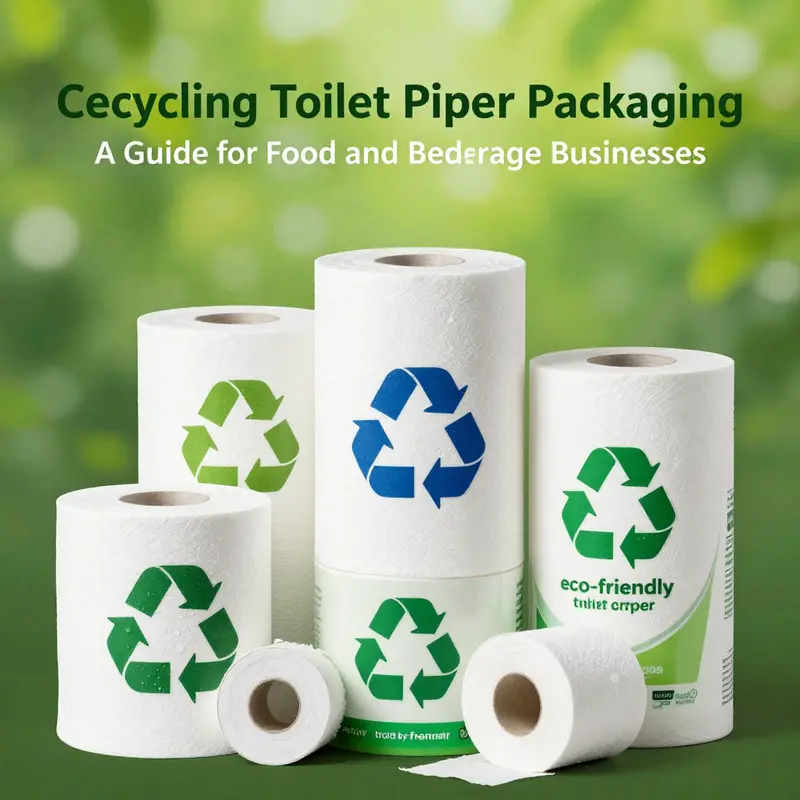
Everyday packaging around the bathroom supply aisle invites a simple question: can this be recycled? When it comes to toilet paper packaging, the answer is usually yes, but with important caveats. Most toilet paper arrives encased in cardboard or paper-based materials. The outer carton or wrap, the cardboard tube that holds the individual rolls, and any labels are often recyclable through standard programs. Yet the specifics depend on the packaging’s construction and your local rules. The goal is to separate the recyclable paper from any non-paper components before it ever leaves your home. In practice, this means paying close attention to the whole packaging ecosystem rather than assuming all paper is automatically accepted everywhere. The nuance matters, because even a small amount of plastic, foil, or adhesive can contaminate an entire batch of recyclables and derail a well-intentioned recycling effort.
A key distinction to make is material type. Cardboard tubes and the outer wrap around a toilet paper carton are typically made from the same fiber stream as cereal boxes or printer paper. They are designed to break down and be reprocessed into new paper products. Kraft paper, plain paper labels, and the paper wrap that protects the rolls all fall into the recyclable category in many communities. But there are exceptions. Some packaging uses plastic coatings, laminates, or mixed materials that are not accepted by certain curbside programs. Plastic windows, glossy overlays, or metalized elements can complicate the recycling process. If a wrap or label Includes non-paper components, you should remove those parts before recycling. This small step can prevent brand-new waste from slipping into the wrong stream and causing contamination.
Local guidelines are the next big factor. Recycling rules vary widely from town to town, city to city, and even neighborhood to neighborhood. One community might accept all paper packaging, while another might restrict certain coatings or require that packaging be clean and dry. The safest approach is to check your local waste management authority or municipal website. Tools such as Earth911’s Recycling Search can offer tailored guidance based on your location. When in doubt, a quick phone call or email to the program can clarify what is acceptable and how it should be prepared. The same principle applies to contamination. If a cardboard box is damp or has become soiled with moisture from spilled toilet paper or other bathroom use, it may no longer be suitable for recycling. Clean, dry packaging is ideal because moisture and residue can interfere with the fiber recovery process.
In recent years, several brands have embraced packaging design that aligns with recycling goals. Eco-conscious manufacturers are actively reducing plastic use, choosing recyclable materials, and highlighting their packaging choices in marketing materials. Two examples often cited in discussions about sustainable packaging are brands that prioritize 100% recyclable or compostable paper packaging and minimize plastic altogether. They aim not only to make packaging recyclable but to push the broader market toward greener options. The underlying message is clear: the packaging matters as much as the product, because the materials we choose to wrap and ship influence the fate of the waste stream downstream.
From a consumer perspective, engaging with these packaging choices goes beyond simply recycling. It means supporting brands that invest in recyclable, minimalistic, or compostable packaging designs. When shoppers favor products that come in clear, paper-based packaging, they drive demand for better materials and more responsible packaging practices. This in turn encourages manufacturers to explore fiber-based alternatives that are easier to recover through recycling. The ripple effect can help accelerate a larger industry shift toward circular design.
Best practices for recycling toilet paper packaging are straightforward when you approach them with intention. First, remove any non-recyclable components. For packaging that includes plastic inserts, plastic windows, or adhesive tapes, take a moment to detach these items. Those non-paper elements are not part of the fiber stream and can compromise the recyclability of the entire piece. Second, rinse if there is any residue. A light rinse or a quick wipe is usually sufficient to remove bits of moisture or debris that could contaminate the recycling stream. Third, dry the packaging thoroughly before placing it in the bin. Wet or damp cardboard can lose its rigidity and become less valuable in the recycling process. Fourth, flatten or compress to save space in your recycling container. Flattened materials fit more efficiently into collection streams and help reduce the volume of waste you generate.
What about the materials themselves? Cardboard tubes and the outer sleeves are commonly recycled at many facilities, and the labels or branding printed on plain paper can often be recycled with the rest of the box or wrap. If the packaging uses kraft paper or plain paper labels, these are typically accepted by many programs. The key is to verify that there are no plastic coatings or laminates, and that the packaging remains clean and dry. When manufacturers choose to print on paper or use minimalistic packaging, they reinforce the message that recycling remains feasible even in ordinary household routines.
The brands that lead the conversation around eco-friendly packaging often point to a combination of recycled content and responsible sourcing. They can demonstrate commitment to the circular economy by using paper-based materials that are widely recyclable and by eliminating or reducing plastic components. This approach not only makes recycling easier but also reduces the overall environmental footprint of packaging production. By promoting recyclable paper packaging, these brands encourage shoppers to participate in responsible consumption and help retain valuable materials in the fiber loop longer.
To illustrate how these principles translate into everyday shopping, consider the broader context of packaging design in the industry. Packaging that uses recycled content or FSC-certified fibers tends to be more compatible with recycling streams. The emphasis on minimalism and paper-based design creates a more straightforward end-of-life flow, where the majority of the packaging can re-enter the fiber cycle rather than ending up as residual waste. This alignment between packaging design and recycling infrastructure supports higher recovery rates and cleaner streams, which in turn improves the efficiency and effectiveness of recycling programs. It is a practical example of how consumer choices intersect with industrial processes to create a more sustainable system.
Another dimension worth noting is the way some brands actively redesign packaging to be easier to recycle or compost. Even though the core product remains toilet tissue, the packaging can reflect a broader commitment to waste reduction. For shoppers who want to participate in this movement, the steps are familiar but powerful: choose products that use recyclable paper packaging, remove non-paper parts, rinse if needed, and recycle through the standard channels. Supporting brands that pursue minimal, recyclable, or compostable packaging sends a signal to the market that green design matters and that circularity is a viable paradigm for consumer goods.
Within this landscape, a practical observation emerges: the packaging you remove from the bathroom shelf can either advance a circular system or contribute to a stubborn waste problem. The difference often comes down to attention to detail and a willingness to read the packaging’s clues. If a box or wrapper carries a clear message about recyclable fibers, while avoiding plastic windows or metal accents, it is a strong indicator that proper end-of-life processing is feasible. In such cases, the path from curbside recycling to recycled paper products becomes simpler and more reliable.
Incorporating a tangible link to packaging options helps illustrate how these ideas play out in real life. For instance, many takeout and packaging solutions used in casual dining and home deliveries rely on kraft-based paper boxes and wraps. These materials are designed to be recyclable and, in some cases, compostable when the coating and inks meet sustainability standards. The world of packaging is not monolithic; it is a spectrum of materials, coatings, and design choices that collectively determine recyclability. When you encounter a product that emphasizes recyclable paper packaging, you are witnessing a deliberate design choice aimed at preserving materials rather than discarding them. An example of this approach is the kraft paper french fry box used in various takeout contexts, which demonstrates how a simple packaging form can align with recycling objectives. See this reference for a concrete illustration: kraft paper french fry box.
Finally, the wider ecosystem of guidance and information remains essential. For those seeking authoritative, wide-ranging directions on recycling basics, the U.S. Environmental Protection Agency provides foundational resources that help people understand what materials are recyclable and how to prepare them for collection. The EPA’s Recycling Basics overview covers fibers, metals, plastics, and organics, offering clear steps to minimize contamination and maximize recovery values. This kind of guidance complements the practical tips discussed above and reinforces the importance of local rules, proper sorting, and responsible consumer behavior.
In sum, recycling toilet paper packaging is generally feasible when you stay within paper-based materials and keep non-paper components, moisture, and contaminants at bay. By choosing brands that prioritize recyclable packaging, removing non-paper elements, and following local guidelines, you join a practical practice with meaningful environmental payoff. Your everyday choices—what you buy, how you open it, and how you dispose of it—collectively influence packaging innovation and the health of the recycling system. The path from bathroom shelf to recycled fiber is not mysterious; it is a set of simple steps grounded in material science, municipal rules, and a still-growing culture of conscious consumption.
External resource: https://www.epa.gov/recycle/recycling-basics
Final thoughts
Understanding how to recycle toilet paper packaging not only supports your business in aligning with sustainability goals but also enhances your overall environmental responsibility. By recognizing materials, following local guidelines, removing non-paper elements, and avoiding contamination, your establishment can contribute to a cleaner planet. Embracing eco-friendly practices, coupled with the commitment of sustainable brands, ensures that you are part of a larger movement towards reducing waste. It’s more than just recycling; it’s about fostering a culture of sustainability across the food and beverage industry.