
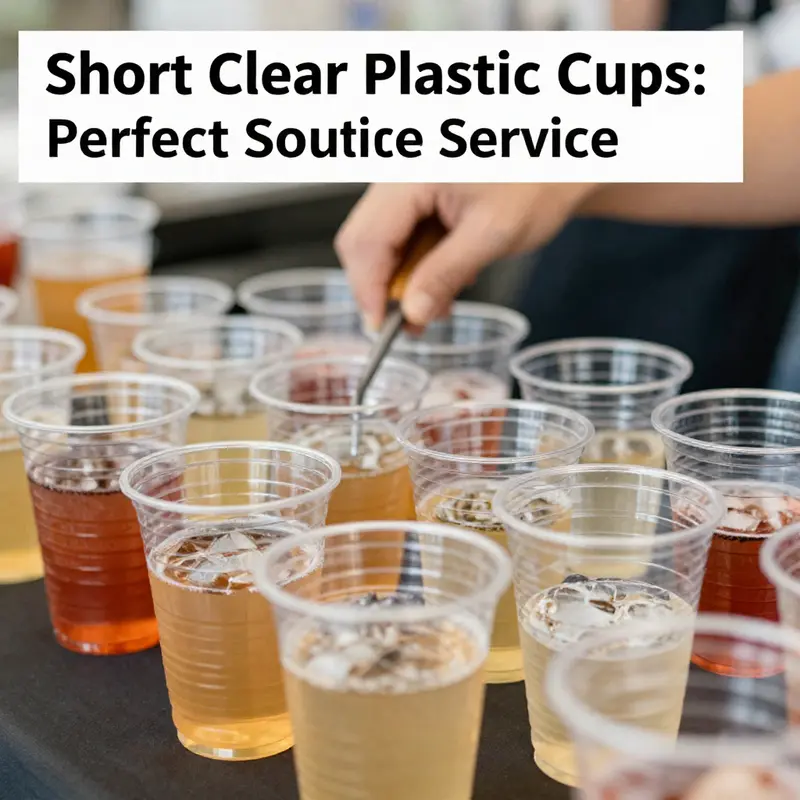
Short clear plastic cups have emerged as a staple across various sectors including bubble tea shops, restaurants, food trucks, and catering services. Their lightweight, transparent design offers an ideal blend of convenience and visual appeal, making them a preferred choice for serving cold beverages. As we delve deeper, we will explore the key features and uses of these cups, the materials that compose them, the environmental impact they carry, and the current market trends influencing their popularity. Understanding these aspects can guide businesses in choosing the right product for their service needs while balancing functionality with sustainability.
Seeing Through Convenience: The Quiet Craft of Short Clear Plastic Cups in Modern Beverage Service
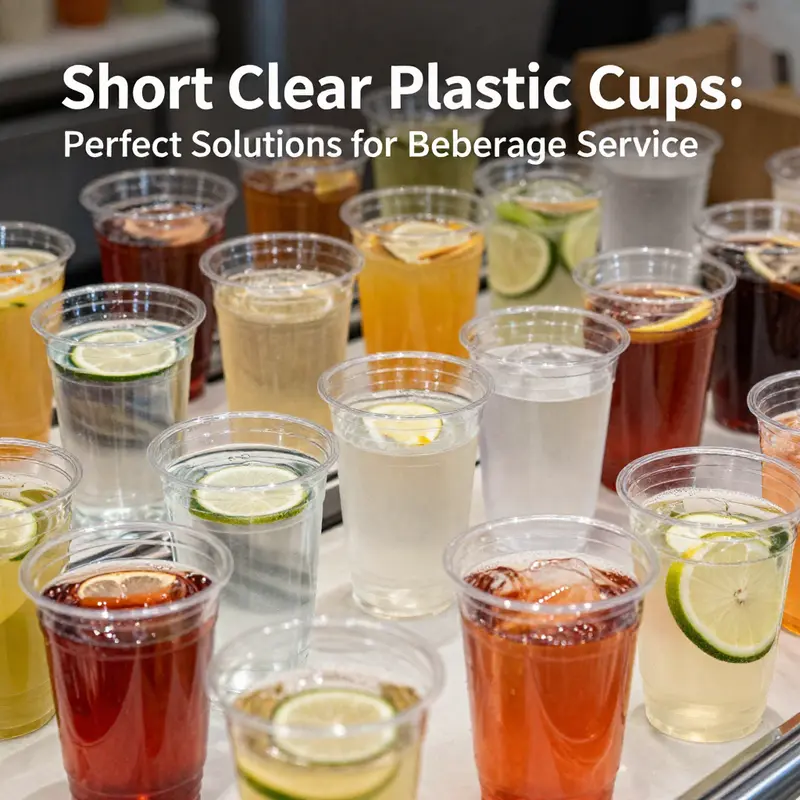
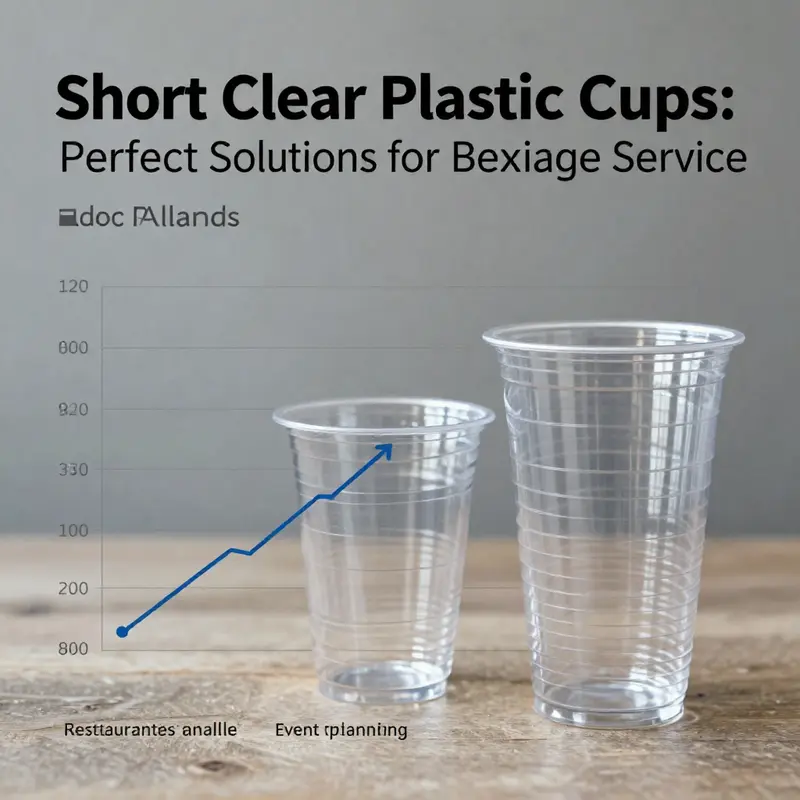
Transparency is more than a visual feature; it is an intentionally designed experience. Short clear plastic cups let liquids reveal color, bubbles, and texture at a glance, turning a simple pour into a moment of visual clarity. In busy service environments a tray of these cups can appear almost invisible while still guiding guests toward the beverage they want. The clarity of the container invites the drink itself to be the focal point rather than the vessel; color, effervescence, and sheen register immediately, while the cup remains a quiet, unobtrusive frame. This transparency reduces cognitive load for both guests and staff: a quick glance tells whether a pour is complete, whether a refilling is needed, or whether a dispensing hiccup occurred. In outdoor events the lightweight, stackable form travels easily, supports rapid turnover, and aligns with hygienic disposable workflows. The versatility of the material often chosen for these cups—PP, PS, or PET—offers a balance of rigidity, clarity, and cost that suits large-scale operations without sacrificing usability. However, disposability also raises questions about environmental impact. While many venues choose recyclable or reusable alternatives, the effective management of waste depends on local programs and guest behavior. The design trade-off is thus not simply convenience versus aesthetics, but convenience balanced with mindful disposal and smarter material choices. The short height and modest capacities—commonly 8 to 12 ounces (roughly 240 to 355 milliliters)—support quick tasting flights, water service at conferences, and casual reception pours alike. For tastings, smaller units enable guests to sample a range of beverages without filling up, while the larger end of the spectrum accommodates everyday beverages without demanding glassware. The ergonomic form—gentle rims, a comfortable grip, and stacking efficiency—further enhances guest experience by reducing spills and fatigue during service. In practice, organizers weigh the timing needs of events, the expected guest count, and the anticipated refill rate to determine quantity and sizing. The result is a reliable, predictable platform for beverage presentation that stays out of the way while helping drinks shine. Clarity also makes branding and color coordination more straightforward, allowing seasonal hues or company palettes to come through clearly. The choice to use short clear cups is thus a decision about efficiency, accessibility, and consistent service rhythm. The conversation around sustainability is ongoing: suppliers offer recyclable and biodegradable options, and venues often pair cups with recycling programs or reusable components to minimize waste. When disposal is necessary, proper separation at the point of use improves recovery rates, while education around correct streams can reduce contamination. Ultimately the cups are a practical instrument within a broader service strategy—an unobtrusive vessel that supports speed, cleanliness, and guest comfort without drawing attention to itself. In planning for outdoor gatherings or mass-service scenarios, the goal is to preserve clarity, minimize handling, and maintain a smooth flow from service to sip. This is the essence of their enduring appeal: a simple, reliable tool that respects the guest experience while delivering efficiency and predictable presentation.
See-Through Foundations: Material Identity and the Making of Short Clear Plastic Cups
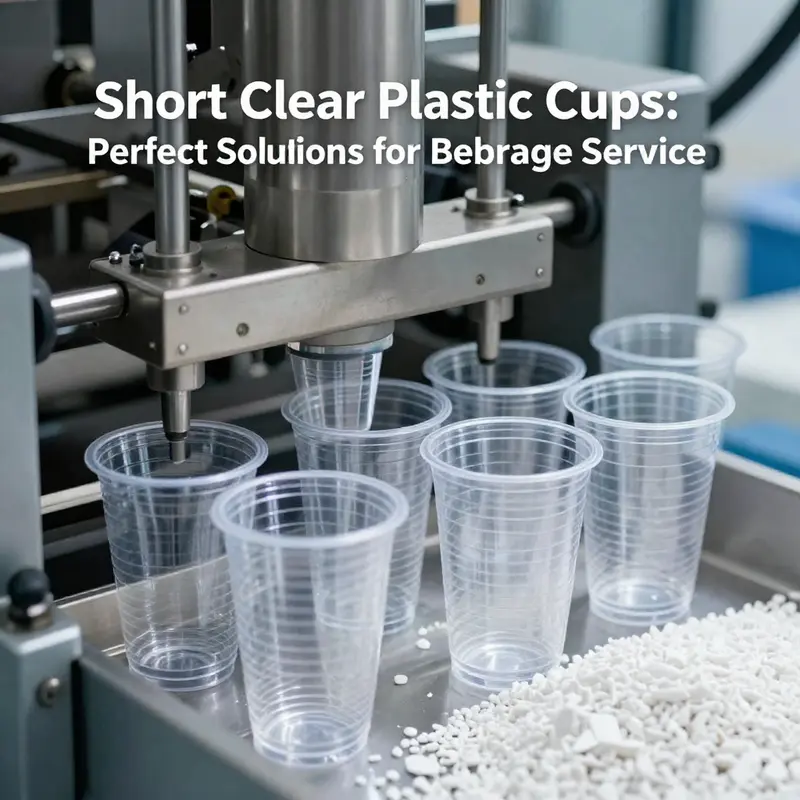
Clear, lightweight, and seemingly simple, short clear plastic cups are more than vessels; they embody a practical approach to modern food service. Their transparency invites inspection of contents and helps with portion awareness, while disposability supports fast turnover and straightforward sanitation. Yet beneath the surface utility lies a careful balance of chemistry and engineering that shapes how these cups perform in real world use.
At the heart of many such cups is polypropylene, a polymer chosen for a blend of properties that matter in everyday service. Polypropylene, often categorized as a Type 5 plastic, offers high clarity and a light, rigid form that remains visually appealing when molded into thin-walled cups designed to showcase beverages without distorting color or presentation. The material’s low density also contributes to easy handling and transport when hundreds or thousands of cups move through venues and food operations.
Polypropylene also brings notable thermal resilience. It tolerates temperatures up to roughly 120 C (248 F), enabling compatibility with room temperature drinks and mild warm beverages, while guarding against rapid deformation in typical serving scenarios. This broad tolerance supports a wide beverage range but is not a substitute for dedicated hot drinkware when long term heat retention or insulation is required. High heat or highly oily or acidic liquids can still affect performance and surface characteristics over time.
From a safety perspective, polypropylene is recognized as safe for food contact by major safety authorities and is considered relatively inert in normal use, minimizing migration of additives into beverages when used as intended. This regulatory footing gives operators confidence in performance, but the regulatory landscape extends beyond the material to include disposal, labeling, and waste-stream considerations that affect overall service design.
Two primary manufacturing paths drive the production of short clear cups: thermoforming and injection molding. Thermoforming uses heated polypropylene sheets that are softened and formed over or into molds to create the cup geometry. It is efficient for a broad range of sizes and allows flexibility in wall shapes, rims, and stacking features, especially in mid to low production volumes or when quick changeovers are needed for different cup sizes.
Injection molding starts from melted polypropylene pellets injected into precision molds. This method yields highly consistent walls, rims, and surface finishes with rapid throughput, making it advantageous for very high-volume production where dimensional fidelity matters for lid compatibility, stacking strength, and downstream assembly.
The material characteristics that matter most include the optical clarity of the walls, the stiffness to resist flexing, and the surface finish that prevents snagging and preserves cleanliness. The crystallinity, orientation during processing, and wall thickness all influence how light travels through the cup and how it feels to the touch, impacting consumer perception of quality as much as actual function.
Stackability and refillability are also design considerations. Wall thickness, rim radii, and taper toward the base are tuned to enable reliable stacking for storage and service, while ensuring the cup remains sturdy enough during handling en route to the customer. These design choices also feed into end of life considerations, as the same features affect disposal and recyclability decisions.
A broad size spectrum supports diverse service needs, from tiny tasting cups to standard beverage sizes such as 9-ounce and 240 ml options used across cafes, concessions, and event settings. The variety enables operators to balance portion control, dispensation efficiency, and compatibility with lids and sleeves that accompany each cup style.
Sustainability remains a practical concern. Disposable cups are not biodegradable, and their single-use nature raises questions about waste and environmental impact. Manufacturers increasingly offer recyclable options and aim for clearer recycling streams, especially when paired with compatible lids and sleeves. Effective waste-separation practices and consumer education help improve recycling rates and reduce landfill burden.
Regulatory considerations frame the use of polypropylene in cups intended for beverages. The FDA and other safety authorities provide guidance on food contact substances to help ensure materials stay within safe use conditions. Operators can rely on this backdrop for procurement and training, while recognizing that end-of-life management also falls under policy and local waste programs. For readers seeking more context, see FDA guidance on food contact substances.
In practical terms, the material composition and manufacturing approach translate into tangible differences in performance during service. Clarity must endure through cold drinks, mild warm beverages, and exposure to sugars and lipids, while the cups should maintain a clean appearance and comfortable rim edge for quick service. The goal is a reliable, predictable product that supports efficient beverage workflows in a range of venues.
Ultimately, the short clear cup sits at the intersection of chemistry, engineering, and logistics. Its everyday utility depends on material choices, processing controls, and regulatory alignment that together enable safe, convenient beverages served at scale.
A Clear but Costly Footprint: The Environmental Toll of Short Clear Plastic Cups
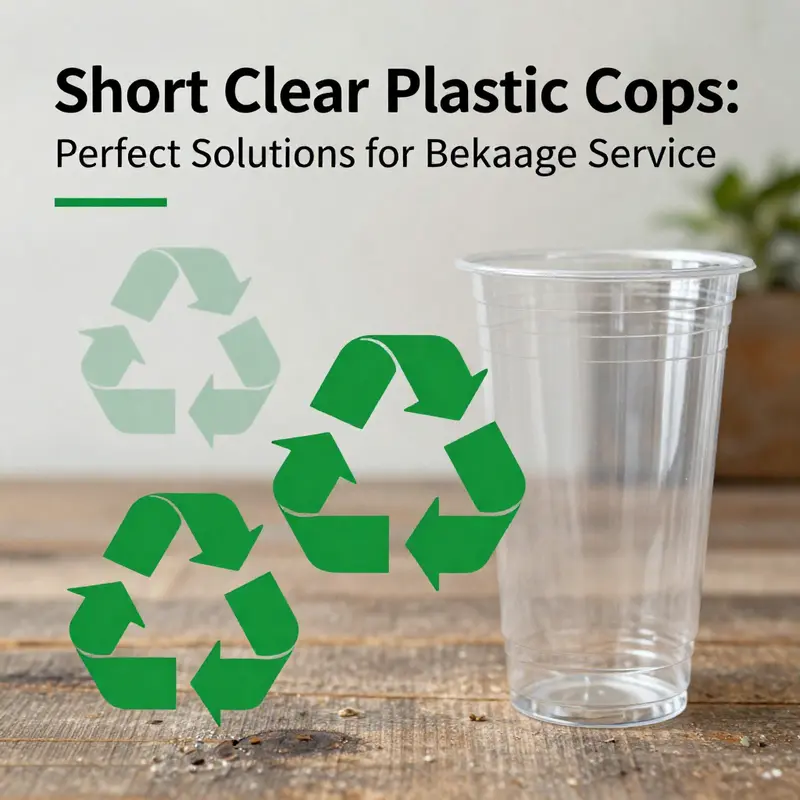
When a party ends and the tableware is cleared, the bright clarity of short, clear plastic cups lingers in the minds of hosts and guests. Their transparency, lightness, and convenience make them an easy choice for serving cold beverages at gatherings of every scale. Yet behind that gleam lies a complex web of environmental costs that extends far beyond the moment a drink is poured. These cups, often made from polymers derived from fossil fuels, are not just disposable vessels; they are nodes in a global system whose energy demands, design limitations, and end-of-life challenges ripple through ecosystems, economies, and communities.
The environmental story begins in the factory, where the base materials for most short clear cups are sourced from non-renewable feedstocks like oil and natural gas. The primary plastics used are polymers such as polyethylene terephthalate (PET) and polystyrene (PS). Each of these materials requires energy-intensive processes to refine, polymerize, and convert into products that are both durable enough to handle cold drinks and fragile enough to shatter when dropped. The energy intensities are not trivial; they translate into greenhouse gas emissions that contribute to climate change, particularly when production occurs in regions with high energy from fossil fuels. In a modern economy that prizes speed and affordability, these emissions accumulate across millions of cups manufactured each year, forming a sizable portion of the lifecycle footprint tied to single-use beverageware.
The visible efficiency of short cups in service hides a more stubborn reality: they are not designed for long-term use. They are sold and disposed with little regard for the fact that most are not biodegradable. Once discarded, many cups persist in the environment for hundreds to thousands of years, slowly fragmenting into microplastics and nanoplastics. These tiny particles travel through waterways, soil, and even air, infiltrating food chains and posing risks to wildlife and potentially human health. In the oceans, rivers, and wetlands, microplastics accumulate in sediment, concentrate in stomach contents of marine animals, and enter the tissues of species from plankton to seabirds. The term “white pollution” captures a stark image of landscapes damaged not by natural refuse but by non-degradable plastic litter that resists breakdown under natural conditions.
The ecological dangers extend beyond ingestion. Microplastics can act as carriers for harmful chemicals, which may desorb into organisms’ tissues after uptake. Some of these chemicals act as endocrine disruptors or toxicants, altering growth, reproduction, or metabolism in wildlife. The footprint is not limited to the sea. Terrestrial habitats, soils, and freshwater systems all bear traces of discarded cups and fragments that mix with organic debris, soil, and stormwater. In agricultural settings, microplastic contamination can affect soil structure, water infiltration, and plant health, with cumulative effects that are difficult to quantify but increasingly evident in environmental monitoring.
Recycling and waste management offer partial relief but rarely provide a complete solution at scale. Recycling rates for plastics in a consumer economy remain uneven, hindered by contamination, mixed-material streams, and the need for specialized sorting. Short clear cups, depending on the exact polymer and local recycling capabilities, may be technically recyclable in some areas. In practice, however, a large share ends up in landfills or informal disposal streams, where they take up space and may leach additives or absorbed pollutants into soil and groundwater over time. The consequence is a persistent pressure on municipal waste systems, particularly in densely populated regions or during peak event seasons when consumption spikes.
Policy responses have aimed to reduce reliance on disposable plastics and to shift toward safer or more sustainable alternatives. The European Union’s Single-Use Plastics Directive, for example, represented a bold attempt to curtail the most wasteful practices and to harmonize standards across member states. National policies in various countries have also moved toward curbing single-use plastics, demanding better design, reuse, and end-of-life stewardship. Yet policy alone cannot erase entrenched consumer habits and the convenience-driven culture that underpins single-use consumption. People reach for a cup because it is quick, affordable, and familiar, while the infrastructure for widespread reuse—dishwashing capacity, return systems, and reliable sanitation—requires investment, coordination, and behavioral change.
In that landscape, a practical question emerges for event planners, foodservice operators, and everyday consumers: how much of the problem is driven by the cup itself, and how much by the system that surrounds it? One answer lies in the recognition that materials matter, but so do usage patterns and disposal practices. The material choice—PET versus PS, a crystal-clear option versus a slightly opaque one—can influence both the manufacturing footprint and the potential for recycling. PET, although widely recycled in many regions, still depends on effective sorting and collection systems to recover its value. PS, on the other hand, offers strength and clarity but can present greater challenges for recycling because of its sheer volume and the prevalence of contamination in mixed streams. In either case, the end-of-life reality is shaped by how households, businesses, and municipalities handle recovery, reuse, and disposal.
Another layer to consider is the potential for design improvements that improve end-of-life outcomes without sacrificing the consumer experience. Some manufacturers have explored monomaterial constructions that simplify recycling or enable more efficient energy recovery. Others have promoted recyclability within local systems, or encouraged take-back programs and community reuse initiatives. Even small design choices—such as avoiding coatings or additives that complicate recycling, or selecting resin grades tailored to curb leaching risks—can incrementally reduce the environmental burden. Yet such improvements cannot replace the broader shift toward reuse and responsible disposal; they must be integrated with strong consumer education and robust waste-management infrastructure.
The tension between convenience and sustainability is not simply a technical problem. It reflects a broader societal dynamic: the ease of acquiring a disposable cup, the speed of service at an event, and the emotional satisfaction of a flawless presentation. These factors shape behavior in ways that are not easily altered by information alone. Addressing the environmental toll requires a combination of policy signals, industry reform, and cultural change that makes sustainable choices easier and more appealing in practice. For example, choosing reusable cups for events, investing in on-site dishwashing capabilities, and encouraging guests to return cups for washing and reuse can dramatically reduce waste. Where disposables are unavoidable, selecting higher-quality, more easily recyclable options and ensuring proper source separation can improve recovery rates and minimize leakage into the environment. The path forward is not about vilifying a simple cup but about aligning its use with a system that values life-cycle responsibility as much as immediate convenience.
To illustrate a practical path, consider the option of combining the reliability of clear, disposable cups with reuse-friendly workflows. A venue can provide clearly marked stations for rinsing and stacking cups, along with labeled bins that segregate recyclables from general waste. This approach preserves the positive attributes of visibility and ease of service while embedding a reuse and recycling mindset into the event’s operations. It is also worth acknowledging the potential of supplier partnerships that prioritize packaging with low environmental footprints, including recyclable or reusable alternatives that maintain the user-friendly aspects guests expect. Such collaborations can reduce waste and support a circular economy ethos without demanding a radical overhaul of standard service practices.
For readers seeking a concrete example of how the market currently positions disposable cups within a larger product ecosystem, one can explore the range of disposable clear-cup options designed for everyday use and special occasions. In contexts where disposable cups remain the practical choice, these items are often showcased as part of broader packaging and catering solutions. If you are curious about the specific form and function of clear cups in real-world settings, you can explore related product offerings that emphasize disposability with an eye toward ease of cleaning, stacking, and disposal. These examples highlight how the industry balances the need for clarity, durability, and cost with emerging concerns about environmental impact. In particular, a widely used outdoor and party-friendly option demonstrates how a seemingly simple cup can be part of a broader system that includes cups, lids, and related serving ware designed for quick turnover and minimal mess. For those exploring this path, a representative example exists here, which also helps readers visualize how such products fit into a broader catering workflow: Disposable Clear Plastic Cup for Outdoor Use.
The environmental calculus becomes even more nuanced when considering regional waste-management realities. In some places, robust collection and processing infrastructures enable higher recycling rates for certain plastics, while in others, contamination and fragmentation of streams frustrate recovery efforts. Public awareness and local policies can sway consumer behavior, but without reliable collection networks and high-quality processing facilities, the environmental advantages of recycling are undermined. Even when recycling occurs, the energy saved and emissions averted depend on the efficiency of the recycling process itself and the quality of the recycled material. In many cases, the end-of-life step remains a bottleneck, a reminder that the journey from cradle to grave for disposable drinkware is rarely straightforward.
The broader conversation about plastic waste has also brought attention to alternatives and mindset shifts. A growing body of environmental reporting highlights reusable options—stainless steel, glass, ceramic, or other durable materials—as superior from a life-cycle perspective when they are properly reused many times. The challenge lies in creating systems that enable safe, reliable cleaning, storage, and return of used items. In mobile or high-turnover contexts such as events and food-service operations, this means investing in logistics that prevent breakage, ensure sanitation, and maintain cost-effectiveness. It also means embracing consumer education that emphasizes the value of reuse and waste reduction. When people understand that a single-use cup is a symptom of a larger system, they are more likely to participate in solutions that reduce overall environmental impact.
Ultimately, the environmental toll of short clear plastic cups is not a single data point but a mosaic of production choices, usage patterns, waste-management realities, and cultural norms. It calls for a balanced approach that respects practicality while elevating stewardship. If the goal is to minimize harm without sacrificing the social and practical benefits that these cups provide, then a combination of smarter material choices, stronger end-of-life systems, and an embrace of reusable options becomes essential. This path is not about perfection but about progress—gradual, measurable, and integrated into everyday practices. The more the public and policymakers recognize that small decisions add up, the greater the potential to shift toward a system where convenience and environmental responsibility coexist rather than clash.
For readers who want to explore how one segment of the supply chain translates into everyday choices, consider the broader packaging ecosystem and the role of disposables within it. The conversation extends beyond the cup itself to the broader category of food-contact packaging, the logistics of event service, and the lifecycle implications of consumer habits. While there is no one-size-fits-all answer, the guiding principle remains: align the design, usage, and disposal of beverageware with a clear commitment to reducing waste, lowering energy intensity, and protecting ecosystems. By doing so, the transparent appeal of short clear plastic cups can be matched with a transparent commitment to environmental responsibility.
In sum, the environmental footprint of these cups emerges from their material composition, use patterns, and end-of-life handling. They exemplify a larger challenge: how to maintain convenience and affordability while preserving the health of our air, water, and wildlife. The path forward invites collaboration among manufacturers, retailers, policymakers, and consumers to foster systems that reward reuse, improve recycling, and limit the downstream consequences of disposable products. The choices we make about cups today shape the health of ecosystems tomorrow, and that awareness can empower smarter decisions at every step—from production floors to picnic tables.
External resource for further reading: Greenpeace provides a lifecycle analysis comparing disposable and reusable cups, highlighting the hidden costs of disposable options and offering a framework for evaluating alternatives. https://www.greenpeace.org/international/publication/47629/milk-tea-one-cup-at-a-time-the-hidden-cost-of-disposable-plastic-cups/
null
null
Final thoughts
In summary, short clear plastic cups offer practical solutions for businesses in the beverage industry, balancing aesthetics and functionality for various events and services. Their lightweight nature, cost-effectiveness, and wide range of uses make them an indispensable item in any catering or beverage setting. However, it is crucial to mindful about the environmental implications tied to their use and to explore recycling options where possible. By staying informed on market trends and sustainable practices, businesses can make informed decisions that serve their needs while promoting a greener future.