
As food service businesses grow and evolve, the importance of effective takeout food containers cannot be overstated. Catering to a varied clientele—from bubble tea shops and beverage chains to food trucks and event planners—requires not just high quality, but also an understanding of the myriad materials, sourcing strategies, and compliance regulations governing packaging. This guide will walk you through critical aspects of takeout food containers in wholesale, helping you make informed decisions that enhance your operational efficiency and environmental footprint while resonating with your brand identity.
Material Currents in Wholesale Takeout Containers: A Practical Guide to Choice, Cost, and Sustainability
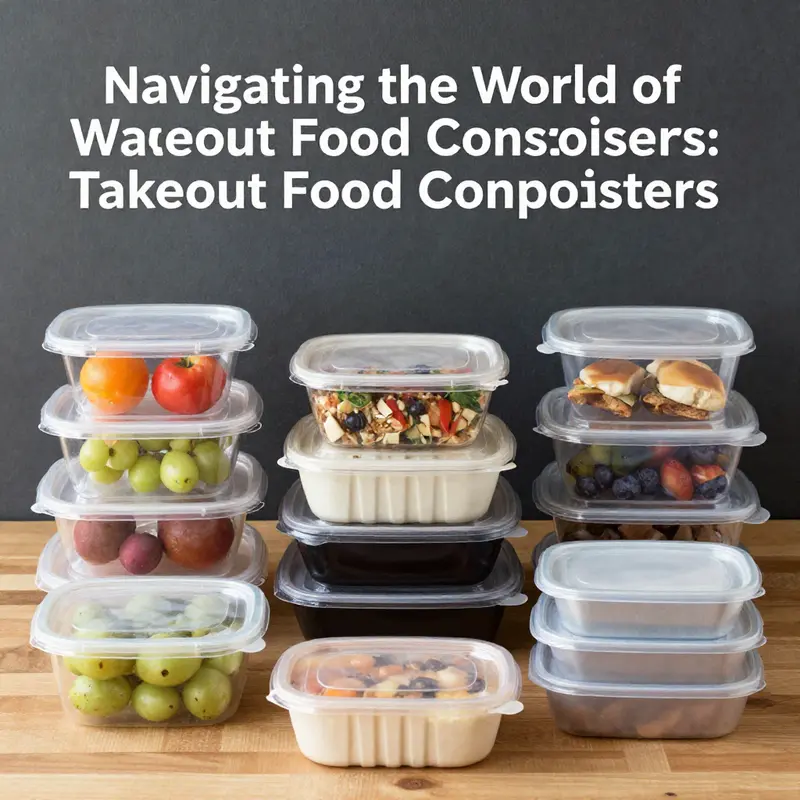
The wholesale market for takeout containers rests on a delicate balance between cost, performance, and responsibility. Decision makers in kitchens, distributors, and service networks must read the material landscape not as a set of isolated options but as a living system where each choice nudges both operations and brand perception. In this chapter, we move beyond surface-level comparisons and trace how the major material families—plastics, paperboard, aluminum, and biodegradable options—shape every phase of a takeout program. The aim is to illuminate how a single container can ripple through procurement, logistics, food quality, and even consumer expectations, while staying tethered to practical realities such as scale, certification, and supply chain resilience. Although the horizon is global, the most impactful decisions often come down to local conditions: the kinds of foods you serve, how you ship and store, and what narratives your packaging tells your customers about sustainability and care.
Plastic, especially polypropylene, dominates wholesale shelves for good reason. It offers light weight, robust durability, and exceptional leak resistance, which translates directly into lower spoilage, fewer returns, and smoother delivery cycles. In mass distribution, the stackability of PP containers and their compatibility with various lid designs reduce handling time and storage footprint. For many operators, PP is the backbone of speed: single- or multi-compartment configurations can simplify assembly lines, cut down labor costs, and free up warehouse space for more SKUs. Yet this convenience comes with clear caveats. High-heat oven use is not universally supported across PP lines, and the material can absorb odors and flavors after repeated use. Regulatory scrutiny and evolving waste-management standards add further complexity, since plastics remain among the most challenging materials for recycling and end-of-life disposal. Wholesale buyers must weigh short-term gains in cost-per-unit and performance against longer-term considerations around environmental impact and regulatory risk. The best path often involves pairing PP with thoughtful design—lids that minimize odor transfer, compartments that reduce cross-contamination, and compatibility with microwave reheating when customers expect quick, convenient warming at home or in the office. In this context, the wholesale market’s flexibility is a clear advantage: manufacturers can tune thickness, bar-code integration, and printing options to support branded logistics while maintaining predictable unit economics.
Paperboard solutions, including kraft and coated variants, provide a contrasting set of strengths. These containers carry a strong environmental signal, which resonates with consumers increasingly concerned about waste. When grease and moisture demand tough performance, heavy-duty coated paperboard can seal out leaks and preserve heat, while still offering straightforward disposal in many municipal programs. A fold-flat design or nestable form factor further improves storage efficiency for wholesalers who deal with seasonal surges or variable demand. The flip side is that paperboard is more sensitive to contamination from sauces or oils, and its durability under pressure can lag behind plastic in some use cases. Nevertheless, for many brands the paperboard story aligns with broader ESG commitments and consumer expectations, especially in markets where compostable or recyclable labeling adds credibility to a sustainability strategy. The key for buyers is to assess not just the material but the coatings, linings, and oils-resistance that influence performance for a given menu. When a box is intended for greasy or wet foods, a proven coating system and clear labeling about end-of-life options become essential for maintaining brand integrity and consumer trust. In wholesale procurement, paperboard often shines in long-term partnerships that emphasize circularity, storage efficiency, and predictable price bands, especially when combined with reliable supplier networks that can scale without sacrificing quality.
Aluminum presents a different architectural logic altogether. Its thermal conductivity and barrier properties make it particularly well-suited for temperature retention, odor control, and a premium presentation. Aluminum containers can be both disposable and reusable, supporting portion control and organized service in higher-volume environments. Their nestable and stackable profiles reduce storage space, and they stand up well to freezing and, in many cases, microwave usage. The seemingly higher upfront cost is often offset by longer service life when aluminum is reused or repurposed in a catering or event setting. The tradeoffs center on weight, handling, and the realities of metal compatibility with some cooking methods and microwaves—though the wholesale literature now emphasizes aluminum’s role in premium delivery and catering chains where brand differentiation and temperature integrity matter deeply. For buyers, the aluminum option encapsulates a broader philosophy: invest in a material that elevates the customer experience through perceived value and reliability, while maintaining an eye on end-of-life recycling pathways and the logistics of returns or recycling streams that support a circular economy.
Biodegradable and compostable materials—bagasse, kraft paper, and cornstarch-based options—are increasingly visible in wholesale catalogs as brands commit to reducing plastic footprints. These materials draw strength from renewable content and the promise of compostability under industrial conditions. They often perform well with hot, oily, or wet foods and can be microwave-safe, offering a practical alternative for operators seeking to align packaging with sustainability certifications or ESG reporting. However, the higher unit costs, potential variability in grease resistance, and the realities of limited composting infrastructure can temper enthusiasm. For many businesses, the strategic use of biodegradable options involves a hybrid approach: core daily operations rely on durable PP or aluminum where performance and cost are critical, while seasonal menus, eco-certified products, or flagship promotions leverage bagasse or PLA-based boxes to signal a stronger environmental commitment. In wholesale environments, the challenge is to balance material purity with supply reliability, ensuring that compostable streams actually reach appropriate processing facilities and that product quality remains consistent even as the material mix shifts with demand.
A broader view reveals how the material mix interacts with sourcing and manufacturing realities. China remains a central hub for wholesale takeout containers, especially in provinces where manufacturing ecosystems are densely clustered. Vertically integrated suppliers can manage end-to-end processes—from mold design through injection molding to final packaging and export logistics. Proximity to major ports translates into shorter lead times, a critical advantage for seasonal spikes and inventory cycles. The capacity to offer customization—printing, logo placement, and bespoke sizes—helps brands build distinctive packaging experiences without sacrificing efficiency. Yet this concentration also introduces risk: currency shifts, policy changes, and regional disruptions can ripple through the supply chain. Buyers who thrive in this environment cultivate relationships with suppliers that demonstrate stability, transparent pricing, and robust quality assurances, including certifications and traceability that support regulatory compliance across markets. The synthesis of scale, flexibility, and reliability is the core value proposition of wholesale procurement in these manufacturing clusters, where a single supplier can often deliver both standard options and branded, sustainable solutions at a consistent price trajectory.
From the perspective of an operator planning a takeout program, the material decision cannot be divorced from practical workflows. Food type is a primary driver: greasy burritos, saucy curries, and delicate desserts demand different grease resistance, moisture barriers, and lid designs. Transportation mode matters, too. Boxes intended for bike couriers or car deliveries benefit from lighter materials and precise locking lids to prevent leaks during movement. For dine-in takeout or catering events, the choice might tilt toward aluminum or premium paperboard, where the perceived value and performance must align with a higher service tier. Shelf life and heat retention profiles influence both the material and the container geometry; two identical-looking boxes can behave very differently when the content is hot versus cold, or when the product sits in transit for extended periods. The geographic footprint of the business also matters. In regions with robust curbside recycling programs, paperboard or certain plastics with clear end-of-life instructions may be ideal. In markets prioritizing industrial composting, bagasse or PLA-based containers could be compelling, provided that supply chains maintain the compostability claim and that customers understand proper disposal practices.
This is where the strategic dimension of procurement reveals itself. Beyond unit cost, buyers must navigate certification and safety standards that provide crucial assurances. FDA and LFGB certifications, among others, guide the acceptability of materials for contact with food and regional regulatory landscapes. Minimum order quantities shape planning horizons and cash flow. Customization options—logos, sizes, and configurations—are not mere branding games; they translate into packaging that fits exact menu formats, reduces waste in order assemblies, and supports a smoother distribution workflow. For sustainability-minded businesses, aligning material choices with ESG goals means more than selecting a compostable option; it requires a clear plan for end-of-life management, including whether customers have access to industrial composting or dedicated recycling streams. The interplay of sustainability claims, material performance, and practical logistics is what separates successful wholesale programs from those that struggle to scale or maintain brand integrity.
In the span of a single procurement decision, material choice can influence food quality, customer perception, and operational efficiency. That is why many wholesale teams adopt a blended strategy. They allocate the most demanding thermal or barrier needs to aluminum or specialized PP, reserve grease-resistant paperboard for certain menu items, and reserve compostable or biodegradable options for promotional periods or flagship concepts. They partner with suppliers who offer not only reliable stock but also design and labeling support, ensuring that packaging communicates value even before the first bite. The symbolic power of packaging should not be underestimated: when a consumer sees a container that signals sustainability, durability, and thoughtful design, that message travels with the meal and reinforces brand fidelity long after the container has been recycled or composted. For readers who are considering their next purchasing cycle, a practical takeaway is to map the entire lifecycle of the packaging: sourcing, manufacturing, transport, use, disposal, and potential recycling or composting scenarios. That map helps identify where the most significant tradeoffs occur and where a supplier partnership can mitigate risk while enhancing the brand narrative.
In the end, material selection in wholesale takeout containers is less about finding one perfect option and more about orchestrating a portfolio that aligns with food type, delivery method, sustainability objectives, and supplier capabilities. The most effective programs treat container choice as an integral element of operational strategy, not as a standalone purchase. By understanding the comparative strengths and limitations of plastic, paperboard, aluminum, and biodegradable materials, buyers can design a packaging ecosystem that delivers cost efficiency, preserves food quality, and communicates the values that today’s consumers expect from responsible brands. As the market continues to evolve, the blend of scale, customization, and eco-consciousness will shape not only how containers perform in transit but how they contribute to a broader, more resilient food-service ecology. For teams seeking practical pathways, the conversation begins with a clear assessment of food compatibility, a deliberate mix of materials to meet demand, and a long-term sourcing plan that prioritizes reliable partners who can grow with seasonal needs and evolving sustainability standards. See how targeted packaging options can support your brand’s story and operational goals through the following example: eco-friendly takeout boxes for food packaging. eco-friendly takeout boxes for food packaging. External depth on compostable and biodegradable packaging standards can be found here: https://www.biodegradablepackaging.org/biodegradable-guide
Navigating China’s Packaging Frontiers: Strategic Sourcing for Wholesale Takeout Containers
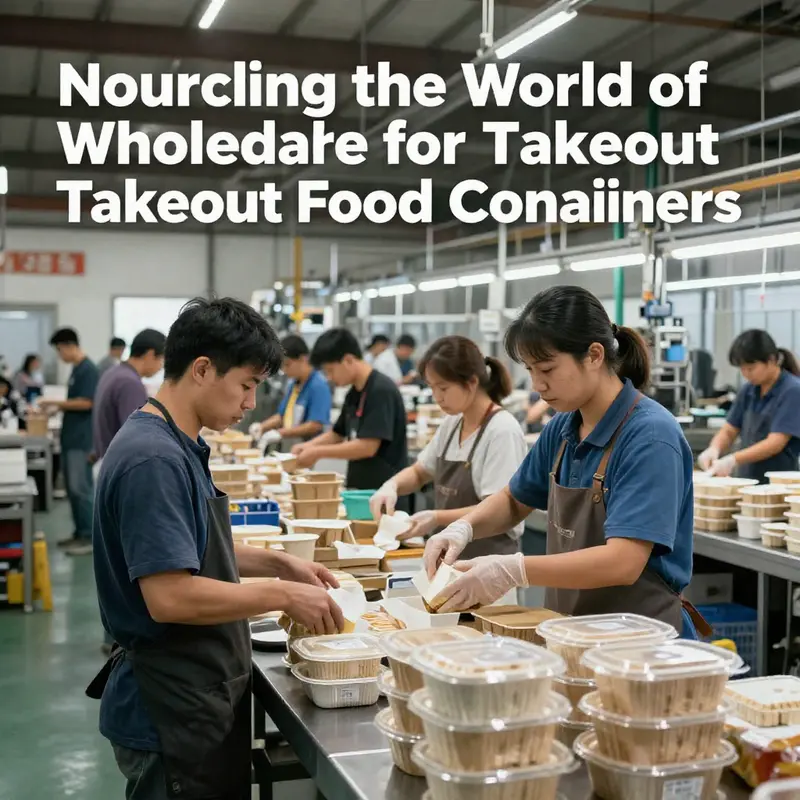
Sourcing takeout food containers wholesale from China remains a strategic move for global restaurant brands, cloud kitchens, and meal-delivery concepts that must balance cost, quality, and speed without compromising the customer experience. The decision to source at scale from a country with an entrenched manufacturing ecosystem is not only about unit prices; it is about the architecture of a supply chain that can absorb demand swings, accommodate evolving packaging formats, and uphold safety and sustainability standards across markets. In this context, the sourcing strategy becomes a living, adaptive discipline. It starts with recognizing how China’s packaging landscape is organized by regional strengths and then translates that intelligence into a practical, risk-aware procurement approach that aligns with brand promises and ESG commitments. The result is not a single best supplier but a network of capable partners that can deliver on multiple fronts—design, compliance, throughput, and after-sales support—as a coherent system rather than a collection of isolated transactions.
A first layer of insight comes from regional specialization. Guangdong Province, especially the Pearl River Delta, functions as the epicenter for high-mix, customizable packaging. Here, the ecosystem brings together mold makers, injection molders, and printing studios in close proximity, enabling rapid prototyping and fast iteration for limited-edition or branded containers. For brands testing seasonal menus or co-branding campaigns, this translation from concept to physical packaging happens with remarkable velocity. The ability to co-create with nearby capabilities means tighter design-to-shelf timelines, reduced rework, and better alignment between graphics, branding, and the functional aspects of the container, such as leak resistance or heat retention. In parallel, Shandong Province stands out for its leadership in kraft paper and pulp-based packaging. Its direct access to paper mills creates a favorable cost structure for compostable boxes, grease-resistant trays, and other eco-friendly stock items. For operators aiming to strengthen sustainability credentials, this region offers a practical path to scale renewable-content solutions while maintaining grease resistance and mechanical performance. Finally, Fujian and Quanzhou have emerged as innovation hubs for functional, ready-to-use formats. Their strengths in multi-material lamination, leakproof designs, and microwavable options address the demands of modern fast-casual concepts that must deliver meals in reliable packaging that can survive the rigors of delivery and servingware reuse programs. The overlapping capabilities across these regions create a dynamic sourcing map: choose Guangdong for customization and speed, Shandong for sustainable stock options, and Fujian for performance-driven, ready-to-use formats. The challenge for procurement teams is not to chase a single capability but to curate a balanced portfolio that covers branding, sustainability, and performance across product categories.
Beyond choosing the right regional hub, the evaluation of suppliers must move past price and minimum order quantities. A robust framework rests on four pillars that together mitigate risk and build long-term partnership potential. The first pillar is material safety and regulatory compliance. Every food-contact packaging item must meet regional and international safety standards, and buyers should demand third-party test reports verifying BPA-free composition, microwave safety (where applicable), and the absence of harmful heavy metals or contaminants. The second pillar centers on technical capability and customization agility. The ability to handle precision injection molding, extrusion, lamination, and surface coatings is crucial. Suppliers with a track record of quick design changes, accurate tolerances, and consistent finish quality can dramatically shorten development cycles and reduce the costs associated with redesigns. The third pillar focuses on operational reliability and on-time delivery. Evaluating historical lead times, port access, and willingness to provide visibility into manufacturing schedules helps teams anticipate delays and adjust forecasts. Proximity to major ports such as Shenzhen or Xiamen translates into shorter transit times and lower risk of stockouts during peak seasons. The fourth pillar is transactional trust and long-term partnership potential. A supplier that communicates openly, resolves issues proactively, and supports scalable production as demand grows is more valuable than a lower price on a single order. Together, these pillars form a holistic view of supplier readiness, enabling procurement teams to build a network of partners rather than a single supplier chasing the lowest quote.
The sustainability and market-trend dimension is no mere afterthought. Consumer expectations have shifted toward eco-friendly packaging that still performs in real-world conditions. The sourcing strategy now includes a clear preference for certified biodegradable materials like bagasse or PLA-based options, with a bias toward suppliers using FSC-certified paper and water-based inks. For brands seeking the strongest environmental story, incorporating reusable containers—such as borosilicate glass or stainless-steel options—into the portfolio with proven thermal and leak-proof performance can pay dividends in brand equity and customer loyalty. Yet the balance remains practical: sustainable options often carry higher unit costs and, in some cases, lower grease resistance or shorter shelf life in hot conditions. Forward-looking buyers therefore segment SKUs by sustainability goals and the expected lifecycle of each packaging solution, ensuring the total cost of ownership supports both environmental aims and business economics over time.
Digital platforms play a growing role in comparing suppliers across material types, MOQs, and compliance documents. Data-driven procurement enables teams to quantify not just price but reliability, material performance, and response times. Platforms listing verified supplier profiles and performance data can help buyers perform side-by-side comparisons and identify potential partners who can scale with growth. While traditional marketplaces remain useful, manufacturers in China increasingly offer direct-to-business channels that emphasize transparency, customization options, and post-sale service. The procurement workflow benefits from requesting test samples, conducting small pilot runs, and validating packaging performance in real delivery conditions. A careful approach to sampling helps prevent costly missteps once large orders are committed.
With these regional, technical, and digital vantage points in hand, a disciplined sourcing process unfolds. It begins with mapping product requirements to regional strengths and then validating supplier readiness through a staged plan. The initial stage emphasizes design intent and material selection. Brands decide where to prioritize customization, branding fidelity, and the degree of protection required for specific foods. For instance, a premium meal kit line may demand fully branded, high-clarity plastic or glass containers that project a luxury image, while a mass-market grab-and-go concept may lean toward robust, economical PP containers with multi-compartment designs for efficient meal assembly. In parallel, sustainability criteria guide material choices, with compostable options favored in markets with robust industrial composting infrastructure and clear consumer labeling to prevent contamination in recycling streams.
As the design parameters firm up, the supplier validation phase follows. Buyers request technical capabilities, production capacity, and a clear roadmap for scale. They seek test reports demonstrating compliance with FDA or LFGB standards, depending on the target market, and third-party certifications that confirm material safety and compostability claims where relevant. The evaluation should also include a practical assessment of lead times, packaging tolerances, and the supplier’s ability to adapt to seasonal demand. Port proximity becomes less a theoretical advantage and more a tangible determinant of performance, with shorter lead times reducing the risk of stockouts during promotions or price-competitive windows. The procurement team then advances to a pilot production run, often beginning with a small lot that mirrors real-world packaging scenarios. This stage provides real data on leak resistance, heat retention, microwave compatibility, and stacking efficiency during storage and transit.
A note about customization and branding: the Guangdong cluster excels at rapid prototyping and branding integration, making it the preferred region for launches that rely on strong on-pack visuals and tactile cues. A practical approach is to finalize panel artwork and internal features before committing to a large mold or die, ensuring that the final product matches the brand’s design language and performance expectations. When a designer considers a broader branding strategy, the choice of packaging becomes inseparable from the consumer experience, and the container’s shape, lid mechanism, and color palette all contribute to perceived value and repeat purchase behavior. To explore customization options through a practical lens, one can reference examples of how suppliers support themed packaging and event-driven campaigns with adaptable mold tooling and short-cycle production. For readers seeking concrete examples, a live showcase of design-enabled packaging options can be explored through a relevant vendor resource: custom-takeaway-packaging-supplies-disposable-tableware-for-theme-party.
As the process matures, the supply chain architecture must also be prepared for ongoing risk management. Political, economic, or logistical disruptions can affect even the most resilient programs. A diversified supplier base, regional redundancy, and clear communication pathways are essential. Buyers should maintain a balance between regional specialists and a smaller set of global-capable partners who can step in when demand spikes or when a particular material category experiences a shortage. Transparent contracts that specify quality metrics, acceptance criteria, and remedies for non-conformances create a stable foundation for long-term collaboration. An effective procurement policy also includes periodic performance reviews, updating risk assessments, and revisiting sustainability commitments to reflect evolving standards and consumer preferences. In this sense, the act of sourcing wholesale containers becomes a strategic, ongoing dialogue rather than a one-off procurement exercise.
The practical implications for execution are straightforward but demanding. Start by aligning product requirements to the regional strengths described above, then engage with suppliers who demonstrate clear compliance credentials and a track record of reliable delivery. Request samples, validate performance through in-use testing, and confirm that the packaging solutions can scale to meet seasonal peaks without eroding margins. Use data to compare MOQs, unit costs, and total cost of ownership, recognizing that lower upfront prices may mask higher long-run costs if quality, durability, or post-delivery service falter. Maintain a forward-looking posture by prioritizing materials that support your ESG goals while staying mindful of the cost-to-performance balance. The result is a sourcing program that not only delivers compatible, safe, and appealing containers but also reinforces the brand’s commitment to responsible packaging choices.
In framing a coherent sourcing strategy, the broader context matters as well. The global market for takeout packaging continues to evolve with emerging materials, regulatory shifts, and consumer expectations. A disciplined approach that leverages regional strengths, rigorous supplier evaluation, and sustainable choices will yield a more resilient, scalable, and brand-aligned supply chain. For readers who want to explore the strategic sourcing landscape beyond the immediate, an external perspective offers useful context and benchmarks. External resource: https://www.sourcingmag.com/strategic-sourcing-chinese-takeaway-food-containers-supplier-guide-pricing/ This linked reference provides deeper insights into regional strengths, compliance standards, and supplier evaluation frameworks that can inform a mature, long-term sourcing program.
From Kitchens to Venues: The Wide-Ranging Applications of Wholesale Takeout Containers Across Industries
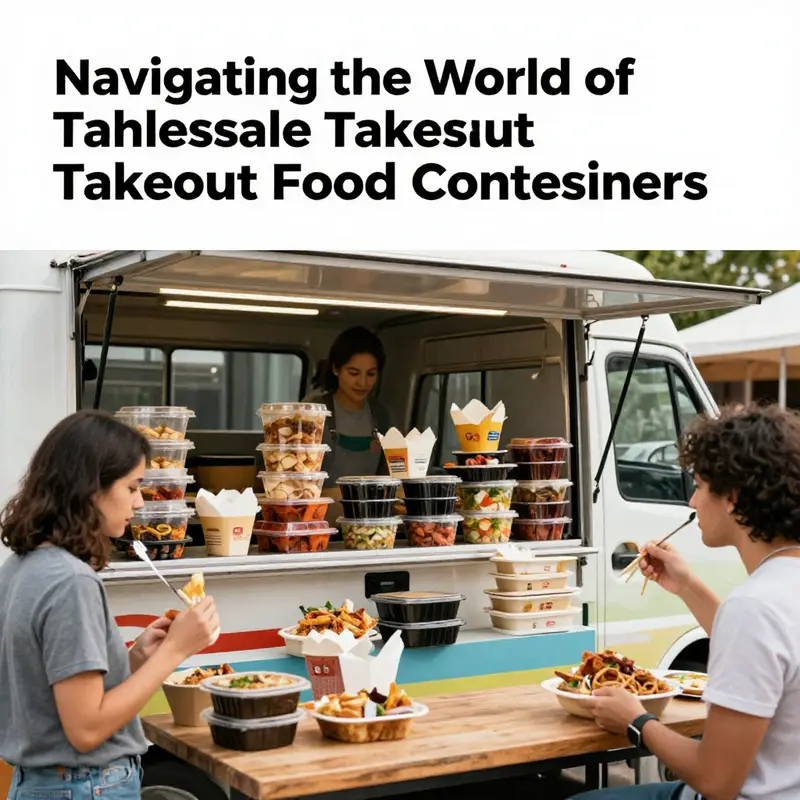
Wholesale takeout containers are more than disposable vessels; they are portable systems that move food safely from kitchen to consumer and shape how businesses think about efficiency, brand storytelling, and sustainability. When viewed across industries, the container becomes a silent partner in service design, guiding how a dish travels, how teams scale during peak periods, and how a brand communicates its values at the moment of purchase. The practical choices—material, weight, temperature tolerance, seal reliability, and potential for customization—determine not only the quality of the food experience but also the rhythm of daily operations in restaurants, meal-prep services, grocers, caterers, and event planners. The wholesale market has evolved from cheap, single-use reliance to a nuanced tool for operational excellence and responsible branding.
In restaurants and quick-service venues, the demand for reliable, cost-effective packaging is relentless. Containers must withstand busy service, repeated handling, and reheating by customers without compromising safety or flavor. Polypropylene (PP) remains a staple for its lightness, durability, and cost efficiency. Design priorities include leak resistance, multi-compartment layouts for balanced meals, and lids that seal tightly yet peel away with ease for delivery or pickup. Within this material family, options range from single- or few-compartment boxes to microwave-safe formats that enable rapid reheating and reduce waste. For brands seeking differentiation, compostable options like bagasse or certain bioplastics offer sustainability without sacrificing convenience, while still prioritizing performance.
As the industry broadens to health- and wellness-focused offerings, meal-prep services and catering operations rely on containers that support portion control and freshness. Multi-compartment designs help keep proteins, grains, vegetables, and sauces separate, preserving texture and taste during transport. Airtight seals contribute to freshness over longer windows, reducing spoilage and returns. The material mix often shifts toward products that minimize odor transfer and that perform in refrigeration and freezing, with a growing emphasis on recyclability or compostability to meet ESG goals.
Retailers and grocers also rely on wholesale containers to package ready-to-eat items for in-store pickup or meal kits. Visibility and branding become important: clear or translucent options let customers inspect salads or deli items, while sturdy, grease-resistant designs withstand handling and stacking in stocking environments. A mix of clear recyclables for everyday lines and recycled-content or kraft-paper options for premium segments allows retailers to balance cost, sustainability, and aesthetics. Print-ready surfaces enable store branding and promotions at the point of sale.
Delivery and e-commerce have intensified the need for durable, temperature-stable containers that endure longer travel and variable handling. The ability to maintain hot or cold internal environments becomes a key differentiator, with some brands offering insulation and leak-proof designs to preserve organoleptic quality. End-of-life considerations drive interest in recyclable, reusable, or compostable options, expanding the choice set from high-performance plastics to plant-based composites that align with ESG targets while meeting practical demands.
Event catering and hospitality scenarios emphasize scalability and transport integrity. Containers must support thousands of meals moving through venues, with designs that resist stacking damage and protect heat. Aluminum, heavier-duty paper, and reinforced plastics often perform well here, while sustainability conversations push toward waste-minimizing options and cohesive branding that elevates the guest experience. The result is a packaging strategy that aligns food quality with brand narrative, logistics reliability with vendor credibility, and guest satisfaction with corporate responsibility.
Sourcing and manufacturing ecosystems knit these applications together. China remains a dominant hub for wholesale takeout containers, with proximity to tooling, molding, and extrusion networks expediting supply and enabling flexible responses to seasonality. Suppliers offer not only commodity packaging but also design and branding services, turning a simple container into a strategic touchpoint that reinforces a restaurant’s identity across orders. The ability to customize—through prints, logos, and sizes—helps create a consistent brand experience from kitchen to counter to doorstep.
Sustainability figures prominently across all applications. The market increasingly recognizes that material choices carry reputation and regulatory implications. PFAS-free formulations, microwave-safe options, and compostability in appropriate facilities are signals to consumers that a brand is serious about its environmental footprint. The challenge is balancing cost differentials, grease resistance, and performance under heat. The evolving mix of materials—PP for affordability, aluminum for durability and thermal performance, glass for premium experiences, and biodegradable options for sustainability narratives—offers a broad palette for program design that aligns with operations and ESG goals.
From a purchasing perspective, successful wholesale programs hinge on certifications and reliability. FDA and LFGB compliance remain central for safety and market access, while minimum order quantities, customization capabilities, and supply chain transparency shape procurement risk. The smartest buyers seek partners who deliver consistent quality at scale and can adapt packaging to seasonal campaigns or evolving product lines, while advancing sustainability through renewables, recyclables, or compostable configurations.
For readers seeking tangible guidance, look for eco-conscious collections that emphasize design flexibility, safety, and environmental stewardship. The right partnerships translate core packaging functions into formats that suit multiple industries—from quick-service restaurants to premium catering—while embedding branding opportunities and sustainability credentials into every box. The overarching takeaway is clear: when wholesale packaging is designed with versatility and responsibility in mind, it amplifies value at every stage of the food journey, from kitchen prep to consumer satisfaction.
Sustainability in Wholesale Takeout Containers: Balancing Performance, Planet, and Profit
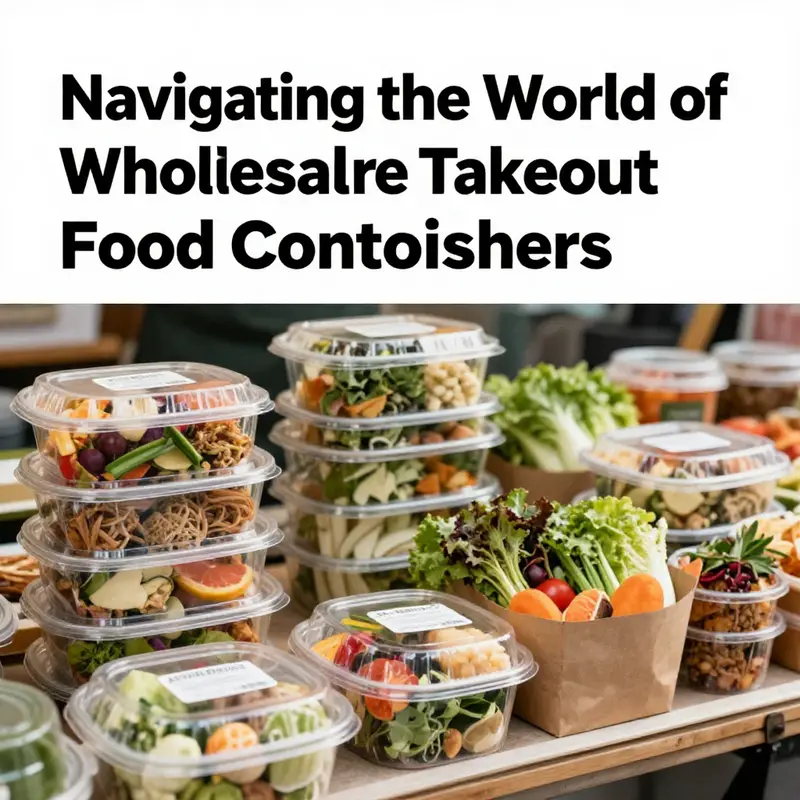
Sustainability in wholesale takeout containers has shifted from a specialized concern to a strategic imperative. Procurement teams are tasked with balancing performance requirements—heat tolerance, grease resistance, leak protection, and stackability—against environmental impact and end‑of‑life outcomes. In a market where volume-driven economics collide with rising consumer scrutiny, the packaging choice becomes a differentiator that can influence brand perception, operational efficiency, and long‑term cost of ownership. This convergence of needs is shaping a procurement landscape in which materials are not judged solely by their price or performance in transit, but also by their ability to close the loop at scale. Brands and distributors now ask not only what a container does for a meal today but how its material trajectory—from cradle to grave or cradle to cradle—aligns with a credible environmental narrative that supports sustainability goals, supplier reliability, and regulatory compliance across multiple regions. The chapter that follows unpacks the major sustainability vectors shaping wholesale takeout packaging, tracing how innovations in materials, certification, and production practices cohere with practical realities of mass distribution and global sourcing. It is a narrative about choices that enable a business to deliver meals with confidence while advancing broader environmental commitments.
Biodegradable and compostable materials have moved from a niche corner of the market to a mainstream option in wholesale lines. Plant‑based plastics derived from cornstarch or sugarcane bagasse promise lower carbon footprints than conventional plastics and align with industrial composting infrastructure that supports controlled breakdown. For brands pursuing compostability claims, third‑party certifications and clear end‑of‑life guidance are essential. Yet the transition is not without tensions. The same properties that enable a lower lifetime impact can compromise heat tolerance, grease resistance, and the safety assurances consumers expect. Microwave reheating and hot soup delivery, for instance, may strain biodegradables before they break down in the trash. Manufacturers and buyers must negotiate these performance trade‑offs through careful design, testing, and sometimes hybrid solutions that combine compostable liners with recyclable outer shells. The aim is to offer a credible alternative to petroleum‑based plastics that still protects food, preserves brand equity, and respects disposal realities in different regions.
In practice, the choice often hinges on regional waste management capabilities and the consumer’s disposal habits. Industrial composting facilities, while increasingly available in urban centers, are not universal. This reality drives a pragmatic approach: pairing compostable options where industrial composting exists with recyclable or reusable systems elsewhere. The result is a portfolio that demonstrates commitment without compromising reliability. To reinforce legitimacy, many suppliers now publish clearly defined end‑of‑life pathways, including guidance on whether a container should be sent to composting streams, recycled through curbside programs, or returned through a take‑back scheme for cleaning and reuse. Such transparency reduces guesswork for buyers and helps prevent misinformed disposal that could undermine environmental claims. For brands seeking to diversify their packaging mix, a blended strategy often emerges: a core of proven, recyclable or reusable options for everyday use, complemented by compostable materials tailored to specific product lines or markets. This balanced approach preserves operational reliability while expanding options for sustainability leadership.
Recyclable and reusable systems represent a complementary path that many brands pursue to extend the value of their packaging. Conventional PP and PE containers offer durability and cost advantages for mass distribution, but they trap the waste problem in a linear model unless captured by efficient recycling streams. Some programs experiment with closed‑loop models where customers return containers for cleaning and refill, enabling a repeatable lifecycle. But this approach demands logistics, cleaning infrastructure, and consumer participation that vary by market. In practice, success hinges on a packaging design that minimizes multi‑material complexity, incorporates clear recycling codes, and communicates reuse expectations to customers at every touchpoint. When done well, these strategies can reduce per‑unit environmental impact, build brand loyalty through responsible behavior, and reduce long‑term litter concerns, even as initial costs may be higher than single‑use plastics.
The push toward closed‑loop and high‑recyclability designs is driven by both policy signals and ongoing corporate ESG commitments. Industry bodies increasingly require rigorous data about material composition, recyclability rates, and energy use in production. Public stakeholders want verifiable information about how packaging materials perform in real-world end‑of‑life scenarios, not just in controlled lab tests. This has prompted greater investment in material science to develop barrier coatings and monomaterial solutions that simplify sorting and processing in municipal streams. Yet it also raises questions about performance parity. A container that breaks down too quickly in heat or fails to prevent greases from seeping through can undermine user experience and food safety—outcomes that would tarnish a brand’s reputation more than a higher price tag. The objective, therefore, is to design containers that maintain their integrity through typical transit and storage while offering a credible path to reuse or recycling after use.
Quality standards and certifications have grown from a footnote to a core requirement in wholesale procurement. Buyers look for containers that meet recognized environmental standards and safety benchmarks. Certifications such as compostability claims under ASTM D6400 or equivalent regional standards help buyers verify sustainability statements and avoid greenwashing. Transparent labeling, material sourcing disclosures, and third‑party audits contribute to a credible narrative with ESG teams and investors. Suppliers who provide traceability for raw materials, verified end‑of‑life outcomes, and documented lifecycle analyses offer a distinct advantage in competitive bids. For brands that operate across borders, harmonizing standards with local regulatory frameworks—FDA for the United States, LFGB in parts of Europe, or other regional safety codes—ensures compliance while maintaining performance expectations. The result is a procurement landscape where environmental commitments are accessible, verifiable, and integrated into the overall cost structure rather than hidden behind marketing claims. In this climate, the credibility of a supplier’s environmental program becomes almost as important as the quality of the container itself.
Production practices in China, historically defined by scale and speed, have begun to incorporate more explicit sustainability pathways. Guangdong’s industrial clusters, with their dense supplier networks, illustrate how a production ecosystem can pursue efficiency while adopting eco‑friendly processes. Companies increasingly map material specifications, energy use, waste streams, and end‑of‑life outcomes to inform procurement decisions. The proximity to ports such as Shenzhen creates a logistical advantage that makes it feasible to pilot new, greener formulations and transition customers through phased rollouts. Vertical integration in these zones—where mold making, injection molding, printing, and packaging converge—reduces lead times and enables closer oversight of environmental claims. It also fosters collaboration with customers on design for recyclability and for industrial composting acceptance. The combined effect is a more transparent supply chain that balances cost, performance, and environmental responsibility, which is essential for brands seeking to align wholesale packaging with broader ESG targets.
For buyers eyeing long‑term resilience, supplier partnerships are increasingly evaluated on environmental performance data as much as on price, capacity, and delivery reliability. This shift has encouraged suppliers to publish energy use intensity, waste diversion rates, water stewardship metrics, and evidence of PFAS‑free adhesive systems. It has also spurred demand for design facilities that can prototype materials with tailored barrier properties not only to protect food but also to minimize waste through longer shelf life and reduced spoilage. The environmental conversation now threads through every stage of product development, from resin selection and inks to printing methods and lid closures. The design process itself is becoming more collaborative; it invites feedback from brands about consumer disposal behavior, regional composting capabilities, and the economic trade‑offs of different end‑of‑life options. The result is a more agile marketplace where sustainable choices can be validated with real‑world data and adjusted as waste management ecosystems evolve.
As consumer tolerance for waste grows, brands increasingly demand packaging that is not only compliant but also visually consistent with their sustainability messaging. Custom branding remains a powerful lever in wholesale packaging, yet it must be paired with choices that reinforce the story of responsible consumption. The availability of strike‑ready, customizable, yet recyclable options allows retailers to differentiate on aesthetics while preserving end‑of‑life compatibility. For operators managing seasonal spikes in demand, the ability to source standardized items that can be easily sorted and recycled reduces the risk of shortages and disposal bottlenecks. In practice, this means working with suppliers who offer clear environmental data, robust testing, and flexible MOQs that do not lock a buyer into a rigid, unsustainable path. In a market where environmental credentials increasingly influence supplier selection, a well‑constructed packaging program becomes a strategic asset rather than a compliance checkbox. A subtle but powerful trend is the demand for easy‑to‑read recycling symbols and disposal instructions printed directly on containers, so end users grasp the intended fate of the packaging without needing to search for guidance.
To navigate this evolving landscape, procurement teams are moving from price‑centric selection toward lifecycle thinking. They assess cradle‑to‑grave implications, weigh end‑of‑life scenarios across regions with different waste management infrastructures, and prefer partners who publish explicit sustainability roadmaps. This shift also requires clear communication with internal stakeholders—from product development to marketing—so that the packaging choices reinforce the brand’s environmental commitments consistently across channels. The conversation extends beyond compliance into value creation: improved shelf appeal, reduced waste, lower returns due to leaks or container failure, and a cleaner supply chain with fewer recalls triggered by packaging defects. The net effect is a wholesale market that rewards thoughtful material choice and rigorous supplier engagement, even when initial costs rise. In an industry where packaging can influence purchase decisions, sustainable containers become strategic assets rather than incidental accessories.
Finally, a note on the practicalities of translating these trends into real procurement outcomes. The decision matrix increasingly includes certifications, end‑of‑life infrastructure in target markets, and the availability of recycled content or post‑consumer resin. It also weighs the durability of multi‑compartment designs, the seal integrity of grease barriers, and compatibility with standard microwaves, ovens, or freezers. While plant‑based plastics offer a compelling narrative, their acceptance requires alignment across supply chain partners, municipal composting facilities, and customer education about disposal. The best path forward looks like a blended strategy: maintain a core of proven, recyclable PP or PE options for everyday use, while offering a premium line built from compostable or recycled‑content materials for sustainability‑focused customers. This approach preserves operational reliability while expanding the options available to brands seeking to demonstrate tangible environmental leadership. For teams ready to explore, a starting point can be to review a supplier’s environmental documentation, certifications, and end‑of‑life guidance to ensure they meet the organization’s standards and promises to customers.
From the perspective of a buyer in wholesale, the aim is to create a packaging program that performs under pressure—temperature, stacking, and transit—yet can be responsibly disposed of or returned for reuse. The choices made today shape energy use, waste streams, and the long arc of a brand’s environmental reputation. As markets continue to evolve, the integration of sustainability into wholesale takeout containers will hinge on transparency, scalable production practices, and a willingness to invest in research, testing, and collaboration. In this sense, the packaging decisions are not merely about waterproof lids or grease resistance; they are about how a business narrates its relationship with customers and the planet. The chapter closes with a reminder that sustainable packaging is a moving target, requiring ongoing dialogue among manufacturers, distributors, and end users if the wholesale takeout ecosystem is to remain competitive and responsible.
For further context on the broader shift toward compostable and reusable packaging, readers may consult external research that surveys industry trends and standards: https://www.sustainablebrands.com/newsandviews/sustainability-trends-food-packaging-compostable-reusable.
Internal resource for sourcing ideas and design considerations can be found here:
Quality Guardrails: Navigating Compliance and Certification in Wholesale Takeout Containers
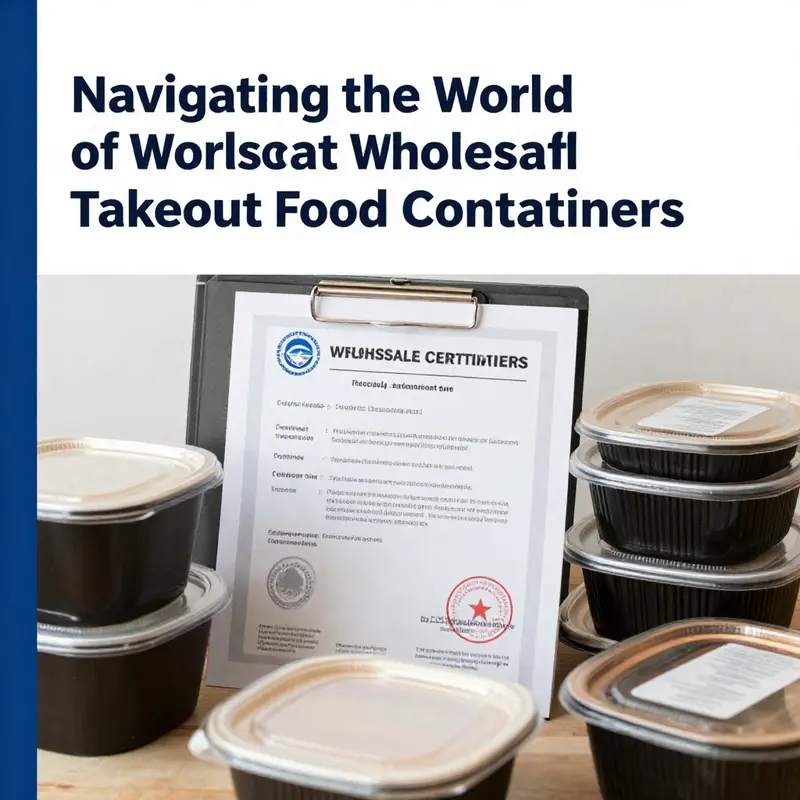
Compliance and certification are not mere formalities; they are the quiet guardrails that keep a wholesale takeout program resilient across markets. In takeout packaging, safety means more than preserving heat or keeping grease from soaking through. It means ensuring that every material—from resin to lid—is appropriate for contact with food and remains stable under the conditions it will face in transit and storage. Certification signals to buyers, regulators, and retailers that a supplier has built a defensible system for preventing contamination, mislabeling, and unsafe migration of chemicals.
Industry standards do not simply certify a single batch; they codify a management approach. HACCP anchors food safety by identifying hazards and defining critical control points in production. ISO 22000 elevates this into a global food safety management system that integrates with other management practices—human resources, equipment maintenance, supplier controls, and traceability. BRCGS translates these expectations into a packaged standard with auditable criteria, focusing on product safety, quality, and operational controls. Kosher and Halal certifications address dietary laws, broadening access to markets where such compliance is essential.
Regulatory compliance in the United States centers on food contact materials. The FDA requires that FCMs be safe for their intended use, with migration limits and material safety demonstrated through documentation and testing. This is not a hypothetical standard; it governs plastics, papers, and coatings used to hold, transport, and serve food. For example, a standard 16-ounce paper bowl must resist moisture and grease without leaching substances, and its coatings should be compatible with the intended use. In practice, this means manufacturers often provide test reports, batch certifications, and declarations of conformity that can be reviewed by customers and auditors.
Third-party testing and certification are not optional extras in today’s market. Firms such as UL Solutions offer comprehensive food contact testing and compliance services, helping manufacturers verify migration, composition, and safety across regions. The core services include chemical migration testing, which checks how substances move from packaging into food; material composition analysis, which confirms resin blends and additives; and documentation support that simplifies supplier qualification for retailers and brand owners. When a supplier can present credible third-party results, it reduces the risk of recalls, regulatory penalties, and reputational harm.
Due diligence remains the buyer’s responsibility, even when vendors advertise compliance. Buyers should verify certificates, confirm that tests were performed under recognized standards, and ensure that storage, handling, and labeling practices remain consistent across batches. Regular supplier audits and a strong material-traceability system provide the backbone for ongoing compliance. Traceability means being able to trace a finished container from raw resin to finished product, week to week, lot to lot, which helps isolate any problem and speeds up corrective actions if needed. In practice, this diligence protects brands from recalls and aligns with sustainability ambitions by avoiding counterfeit or mislabeled goods.
For many buyers, the supply chain realities drive a larger conversation about compliance. In major manufacturing zones, facilities operate with high degrees of vertical integration, designed to reduce lead times while maintaining stringent quality checks. This is especially important for takeout packaging that must perform reliably in high-volume contexts, where even small deviations in migration or coating integrity can translate into big operational risks. Suppliers in these regions typically offer end-to-end services—from mold design and extrusion or injection processes to final packaging and export documentation. They also often accommodate branding and design customization, provided the materials and processes meet safety and regulatory expectations.
From a practical standpoint, buyers should frame their requests in a way that aligns with both safety and performance goals. Start by requesting current certificates of conformity or compliance, detailed test reports, and any regional approvals relevant to target markets. Ask for batch-level documentation to support traceability, and request a clear statement of the intended use for each material and coating. If a supplier offers customization, consider whether branding can be integrated without compromising regulatory compliance; for example, you can work with suppliers who provide packaging options that can be printed while remaining fully compliant. Some suppliers also offer branding and packaging customization through dedicated lines, such as custom-takeaway-packaging-supplies-disposable-tableware-for-theme-party.
Finally, for those selling into the United States or other regulated markets, build a checklist that includes FDA compliance for FCMs, migration testing, and supplier declarations. Maintain a file with updated certificates and ensure that suppliers notify you of any changes in formulation or source materials. Even if a supplier claims compliance, you should confirm that the certificates cover the exact product line and every batch. Taking a proactive stance on documentation, audits, and traceability reduces risk and supports scalable growth in a competitive landscape where safety, trust, and brand integrity are as valuable as price and convenience.
Taking a long view, robust compliance is not a barrier; it is a competitive differentiator. Packaging that demonstrates safety and quality, backed by recognized standards, can accelerate retail partnerships, enable private labeling, and reassure customers who value sustainability and responsible sourcing. External resources such as UL Solutions offer structured guidance and testing programs to help navigate global requirements, making it easier to manage a diverse supplier base and expand into new markets. For more guidance on testing and compliance, visit https://www.ulsolutions.com/services/food-contact-materials-compliance
Final thoughts
In summation, navigating the wholesale takeout food container landscape involves understanding the diverse materials available, the strategic sourcing avenues particularly from China, and the varied applications across industries. Importantly, as sustainability becomes a key focus for consumers, integrating eco-friendly practices and ensuring compliance with necessary certifications can significantly bolster your brand’s reputation and operational success. Making informed decisions will not only streamline your operations but also resonate positively with your clients, solidifying your market position.