
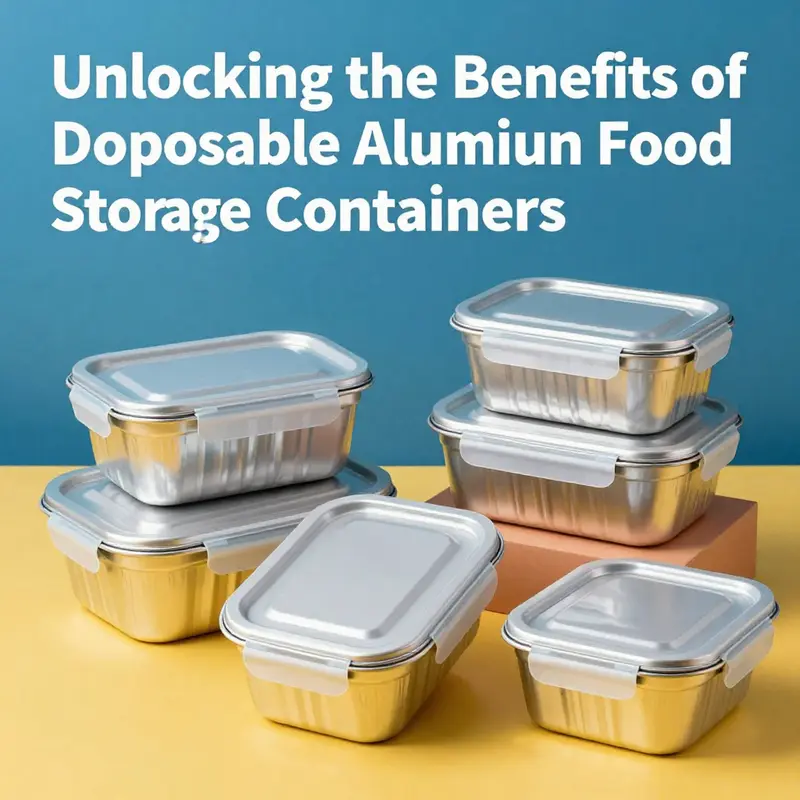
Disposable aluminum food storage containers have become essential tools for food service businesses, including bubble tea shops, restaurants, food trucks, catering services, event planners, and corporate procurement teams. Their unique combination of lightweight durability, heat resistance, and eco-friendliness makes them an ideal choice for businesses that value quality and functionality. In the subsequent chapters, we will delve into the design and functionality of these containers, assessing their role in food preparation and service. We’ll also examine their sustainability and environmental impact, addressing the growing concern over single-use plastics. Finally, we will navigate market trends and economic aspects that highlight their importance in a competitive culinary landscape.
Shape, Seal, and Speed: The Design Logic Behind Disposable Aluminum Food Storage Containers
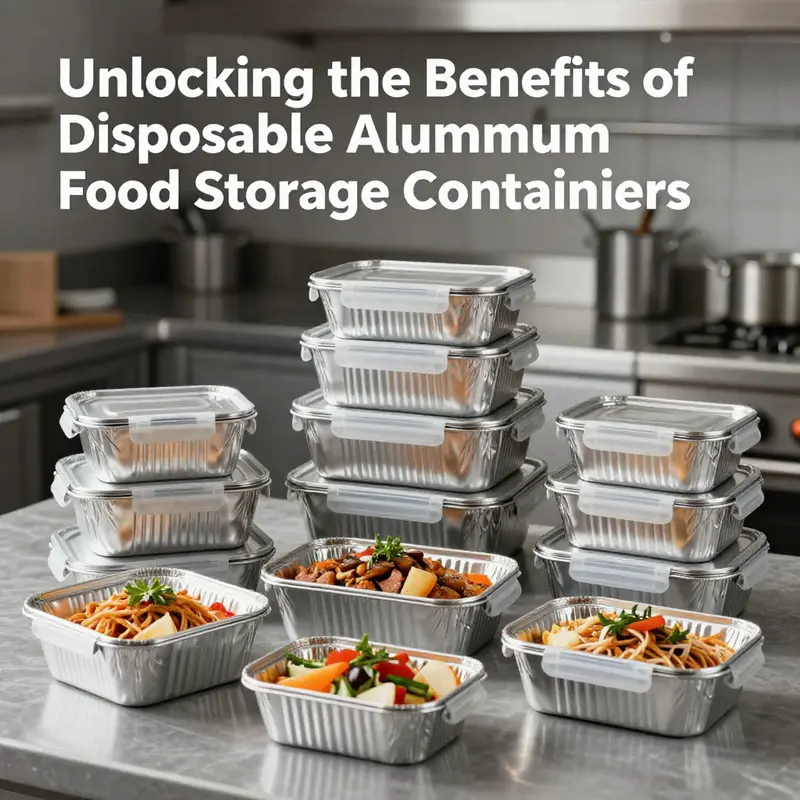
The design of disposable aluminum food storage containers embodies a deliberate fusion of material science, practical ergonomics, and a growing commitment to sustainability. These containers are not merely wrappers for food; they are multi-functional devices that enable safe storage, reliable transport, and convenient reheating while preserving aroma, texture, and freshness. When we consider their role across food service, catering, and home meal prep, the logic of their design becomes clear. Each feature is selected to support a chain of operations that begins with portioning and ends with serving, sometimes after a single journey from kitchen to consumer. The result is a family of products capable of performing across hot and cold applications, with an emphasis on resilience, hygiene, and efficiency. Their value lies not only in how they perform in isolation, but in how they integrate into workflows that demand speed, predictability, and scalability, often under the pressures of high-volume use, tight timelines, and a spectrum of storage environments.
Against this backdrop, the core design philosophy centers on material properties that are inherently aligned with food safety and logistics. Aluminum is prized for its high thermal conductivity, which ensures even heat distribution during reheating and a degree of uniformity that reduces the risk of hot spots. This is particularly advantageous for oven-based reheating or direct grilling and can translate to meaningful time savings in kitchens and catering operations. The metal’s lightness translates into lower handling costs and easier transport, an important consideration for delivery services and event catering where portability matters as much as peripheral handling. Importantly, aluminum’s resistance to corrosion, grease, and moisture contributes to hygiene and shelf stability. When these containers are paired with compatible lids, the seal forms a barrier against oxidation and moisture loss, key factors that influence flavor retention and microbial safety during storage and transit. In many designs, the sealing mechanism is integral, not an afterthought; a heat-pressed or crimped lid, an adhesive-free seal, or a snap-on cover all align with the goal of maintaining the integrity of the food without complicating disposal or recycling.
The design suite for disposable aluminum containers reveals a spectrum of form factors, each tailored to a specific set of tasks while keeping the overarching goals in view. The single-container format offers compactness and ease of use for portion-controlled servings of soups, stews, or ready meals. Its stackable geometry is a practical solution for warehouses and takeout operations where space is at a premium. The tight, secure lid variants protect contents from leaks and spills, enabling confident transport in crowded conditions and reducing the need for secondary packaging. This simplicity of form also supports branding opportunities—lids can bear logos or color-coded cues that help restaurants and retailers manage throughput and enhance consumer recognition, all while maintaining a lean packaging profile.
Beyond the solitary portion, there are double or partitioned designs that integrate separate compartments within a single container. These are especially valuable for multi-component meals where sauces, sides, or different flavors must remain distinct until serving. The partitioned approach minimizes the need for multiple packaging units, which, in turn, reduces waste and streamlines inventory management. In an environment where presentation matters, keeping components visually separated helps maintain the intended dining experience, whether for a catering spread, a vending solution, or a multi-item takeout box. The capacity and geometry of these containers make them adaptable for a spectrum of cuisines, from brothy dishes to rice-based entrees that benefit from clear segmentation.
Deep containers address a different challenge: holding larger volumes of liquids and dense mixtures. The additional depth supports soups, casseroles, and gravies, enabling cooks to prepare deeper portions without sacrificing stability during transport. The deeper profile also lends itself to oven performance, as heat is distributed through a more substantial volume. These models are often designed to withstand higher temperatures and longer reheating cycles, extending their utility from hot-service stints to home freezing and storage. When filled and sealed correctly, deep containers exhibit leak resistance that protects both the food and the user, a critical consideration for logistics partners and event planners who must navigate a variety of handling conditions.
Cover-sealed containers bring an airtight dimension to the equation. The integrated aluminum foil lid, heat-sealed to the container, is a robust solution for preserving freshness, inhibiting oxidation and moisture loss, and extending shelf life. This design is particularly suited for retail-ready packaging and ready-to-eat meals that require a stable cold chain until the moment of use. The airtight seal also minimizes flavor diffusion between components, a factor that matters for meals with delicate aromatics or contrasting textures. The trade-off, if any, is that such lids may require a controlled disposal or recycling workflow to maximize environmental benefits, a consideration increasingly factored into procurement decisions in sustainability-conscious operations.
Hybrid designs—those that combine a lightweight aluminum body with a durable plastic lid—illustrate the trade-offs that often accompany optimized functionality. The plastic lid can improve spill resistance and create a tight seal that handles high-velocity transport. It can also offer a convenient visual cue for food protection, as well as a degree of tolerance for stacking, condensation, and condensation-related issues. However, the use of plastic components typically limits oven use and introduces considerations about condensation inside the container during reheating. The decision to employ hybrids is rarely about one feature alone; it reflects a broader balancing act between heat tolerance, sealing performance, consumer convenience, and overall packaging costs. In practice, operators weigh the benefits of enhanced durability and spill containment against potential constraints on thermal processing and recycling pipelines.
The functional performance of aluminum containers stems from the properties of the material and the precision of the forming and assembly processes. Aluminum’s high thermal conductivity supports even heating and cooling, a feature that not only protects food quality but also reduces the risk of scorching or uneven reheating. This makes these containers suitable for direct oven reheating and, when the lid and shelf life align, even for grill-ready applications. The material’s softness relative to steel is offset by reinforced folded edges, ribbed textures, and careful edge design that improve grip, stacking stability, and user safety. Such design details matter in busy environments where handling fatigue and accidental spills can undermine service quality. The containers are typically produced from food-grade aluminum foil, a specification that ensures safe contact with food items and resistance to grease and moisture. The combination of form and function creates a reliable platform for a wide range of dishes, from delicate sauces to hearty stews, without forcing a change in equipment or workflow.
From the manufacturing perspective, the production of these containers relies on high-speed press-forming and multi-stage stamping systems. These processes ensure consistent dimensions, uniform wall thickness, and strong structural integrity across large production runs. The result is a reliable supply that can scale with demand, whether a city-wide catering event or a nationwide retail rollout. The structural choices—such as reinforced folded edges or ribbed textures—are not decorative; they translate into tangible benefits like improved grip for workers and better resistance to denting or deformation during stacking and transport. The materials used are chosen for safety and resilience, with corrosion resistance and moisture barriers that keep contents stable across the journey from kitchen to consumer. The end product is a container that can withstand routine handling, occasional drops, and the rigors of rapid temperature changes, all while remaining compatible with the standard practices of food preparation, storage, and service.
Sustainability and safety considerations anchor the practical use of these containers in a broader environmental and public-health context. The ability to fully recycle aluminum packaging is a major driver of its appeal in a world increasingly focused on waste reduction and circular economy principles. Collectors and processors often value the high recyclability of aluminum because it closes the loop with relatively low energy costs for remanufacture compared with many other materials. For end users, the recycling potential translates into a clear environmental advantage when selecting disposable packaging, especially for high-volume operations where waste streams can be sizable. Regulatory standards, such as designated food-contact safety certifications, underpin confidence in the safety of contact with a wide range of foods, including acidic sauces, fatty products, and other moisture-rich items. These standards help ensure that contact with the packaging does not introduce contaminants or adverse flavors into meals, which is a crucial consideration for brands that promise quality and consistency.
The capacity to brand and customize lids adds another layer of strategic value for businesses. Branding on lids and the ability to choose from a variety of lid designs and seal mechanisms support marketing and product differentiation without resorting to heavier or more complex packaging. The ability to present a uniform brand image while keeping the packaging lightweight and recyclable is a compelling combination, especially in sectors like catering and retail takeout where speed and recognition matter. This design flexibility supports a range of service models—from simple daily takeout to premium meal kits that require distinct presentation cues while maintaining practical performance in transit and storage.
Market realities also shape design choices in meaningful ways. The need for reliable leakage resistance, consistent fill heights, and predictable performance during mass production demands tight tolerances and robust quality control. Containers must hold up across a spectrum of foods—watery broths, oil-rich sauces, grains, and mixed dishes—each with its own hygienic and sensory demands. The interplay between lid integrity, seal strength, and heat tolerance is central to delivering a consistent user experience. For operators, the ability to predict performance reduces waste, shortens learning curves for staff, and improves overall workflow efficiency. In a world of dynamic demand, containers that can be produced at scale, with dependable quality, and with straightforward recycling options, become more than packaging; they become enablers of service models that rely on speed, reliability, and a strong sustainability narrative.
To illustrate how these designs connect with real-world usage, consider the practical implications of the most common configurations. A single-container model provides portion control and straightforward handling for everyday meals and office takeouts. Its stackable form minimizes warehouse footprint and transport volume, while a secure lid protects contents during a fast-moving delivery cycle. For multi-component meals, double or partitioned designs keep sauces separate from sides or ensure that components arrive intact, preserving both flavor and presentation. Deep containers are ideal when the menu calls for liquids or densely packed dishes, delivering both capacity and the ability to reheat without transferring contents to another vessel. Cover-sealed variants extend shelf life, supporting retail or meal-prep operations that require a stable cold chain. Hybrid designs can be a practical compromise when a business prioritizes spill resistance and fast service, especially in hot-service contexts; they offer the benefits of secure sealing while maintaining a reasonable degree of flexibility in reheating, though the oven-use may be limited for the plastic component.
The internal logic of these designs also aligns with broader supply-chain realities. In today’s global markets, containers are produced at scale, with capacities that span a range—from hundreds of milliliters to one liter and beyond. This scalability is essential for catering, mass feeding, and retail packaging where a uniform packaging system simplifies inventory, training, and compliance. The simplicity of disposal, the clarity of labeling, and the ease of recycling all factor into a compelling sustainability profile that complements the functional strengths of aluminum as a material. The alignment between material science, consumer expectations, and logistics efficiency creates a packaging ecosystem that can adapt to shifting demands—from rapid takeout growth to the expanding emphasis on environmentally responsible packaging solutions.
As designers and operators continuously refine these products, the emphasis remains on maintaining a seamless balance among heat tolerance, leak resistance, weight, stackability, and recyclability. Each design choice—whether it is the depth of the container, the configuration of compartments, or the method of lid attachment—contributes to a predictable, dependable user experience. The result is a family of containers that can support diverse culinary styles and service models without demanding specialized equipment or complex handling procedures. This holistic approach—combining material properties, manufacturing precision, sealing effectiveness, and end-of-life considerations—underpins the practicality and appeal of disposable aluminum food storage containers in the modern food ecosystem.
For readers seeking a concrete example of how these principles translate into a tangible product line, consider the broad category of aluminum foil-based containers used for packaging and takeout. These designs illustrate how a single material and a few key design motifs can support a wide range of uses—from simple lunch boxes to more complex ready-to-heat meals—without sacrificing performance or safety. The adaptability of the design language—whether in a straightforward single-serve, a multi-compartment layout, or a deep-liquid-friendly form—reflects a mature approach to packaging that prioritizes efficiency, reliability, and sustainability. When evaluating options for a food program, stakeholders can look for indicators of thoughtful design such as robust edge reinforcement, clear sealing mechanisms, compatible lid systems, and a recycling-friendly lifecycle. These indicators help ensure that the packaging performs when it matters most: during storage, during transit, and at the moment of reheating or serving.
Internal link for practical reference: Disposable aluminum foil tin tray for packaging and roasting.
External resource: https://www.alibaba.com/product-detail/PUSHUN-PSC161C-Disposable-Aluminum-Foil_1600573948672.html
Turning Waste into Value: The Sustainability Footprint of Disposable Aluminum Food Storage Containers
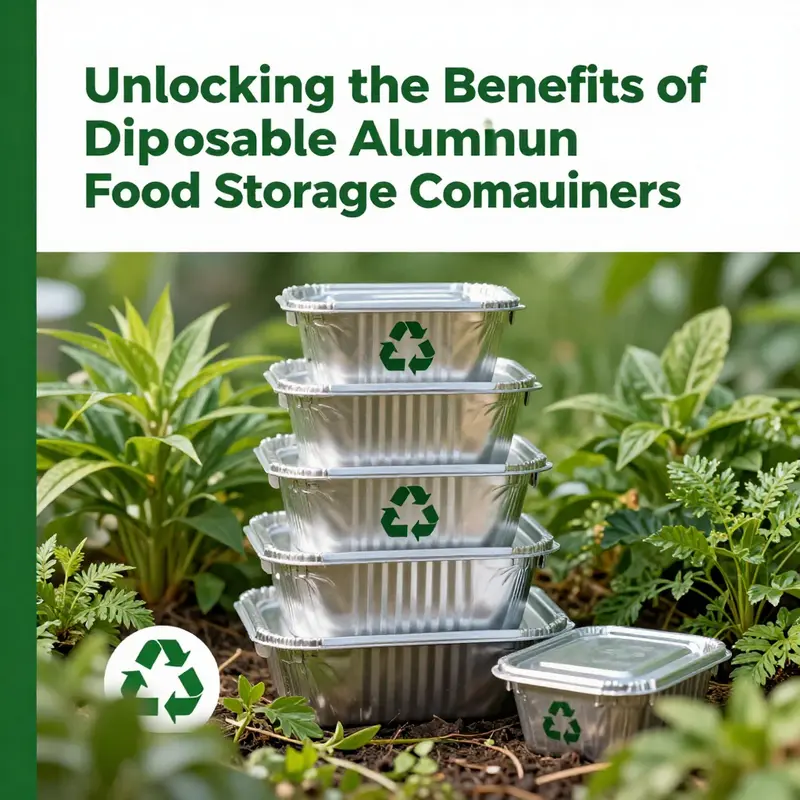
Aluminum has earned a steady seat in the conversation about sustainable packaging not because it is a perfect solution, but because its lifecycle offers a compelling, practical path toward reducing waste and energy use when managed correctly. Disposable aluminum food storage containers are often treated as a convenience, yet their environmental story is rooted in design for recyclability and in the physics of material recovery. They are lightweight enough to trim transport emissions, sturdy enough to protect food across a range of temperatures, and, most critically, capable of becoming new products again and again without a loss of quality. In that sense, aluminum can be a cornerstone of a circular economy—provided that users participate in the system that closes the loop. This requires not just better packaging choices, but better habits, better infrastructure, and a clearer understanding of what it means to recycle responsibly.
At the heart of aluminum’s sustainability claim is its 100% recyclability. Unlike many materials that degrade with each reuse, aluminum can be recycled repeatedly without ever diminishing its fundamental properties. The energy story is especially striking: recycling aluminum saves up to 95% of the energy required to produce new aluminum from ore. That dramatic reduction translates into lower greenhouse gas emissions and less resource depletion across the material’s lifecycle. When a consumer places a used container into the appropriate recycling stream, it enters a mature, efficient process that can turn post-consumer aluminum into new containers, car parts, or countless other products with minimal loss of performance. This is not merely a theoretical advantage; it is a practical, repeatable pathway to lower environmental impact at scale.
The practical implications of this recycling logic extend beyond the metal itself. Disposable aluminum containers are designed to endure the heat of ovens, the chill of freezers, and the rigors of transport, making them versatile for hot entrees, cold desserts, and long storage. This durability reduces the likelihood of food waste due to leakage, spoilage, or damage—an indirect but meaningful form of environmental benefit. When food stays fresher longer, less energy is wasted in refrigeration, and less food ends up in landfills. In the broad sweep of sustainability metrics, such reductions in waste and spoilage can be as consequential as the material’s direct energy savings in recycling.
Nevertheless, the story does not end with material recyclability. The real-world environmental performance of disposable aluminum containers depends on how they are produced and how they are recovered. The production phase, often concentrated in large-scale manufacturing hubs, can be energy-intensive, but this energy intensity is offset to a meaningful degree when the material is recycled. The aluminum industry has invested in processes that increase the efficiency of smelting and refining, and advances in alloy design and manufacturing reduce waste at the source. When products are designed with recyclability in mind, features such as fully separable lids, leak-resistant seals, and nesting capabilities can support higher recovery rates and cleaner separation in recycling facilities. In other words, thoughtful design and responsible end-of-life management work together to maximize the environmental benefits of these containers.
The transportation footprint is another aspect of sustainability that is sometimes overlooked. Aluminum’s light weight compared with alternatives like glass or ceramic translates into lower fuel consumption during distribution. In a supply chain that spans continents—from producers to wholesalers to foodservice operators and retailers—the cumulative effect of lighter packaging can contribute to meaningful reductions in transportation emissions. While every route is different, the general principle holds: lighter packaging tends to travel further with less energy, widening the window for sustainability gains beyond the kitchen into logistics and warehousing. This is particularly relevant for takeout and meal-prep operations, where large volumes move quickly and efficiently through distribution networks.
A growing strand of innovation in the category also speaks to sustainability beyond the metal itself. Some disposable aluminum containers now incorporate eco-conscious materials in composite designs, blending corrosion-resistant aluminum with pulp-based or other fiber components. These hybrids can maintain the structural integrity needed for food safety, while expanding the potential for recycling streams to accept more mixed-material constructions. The guiding aim is clear: maintain food safety and functional performance while reducing the risk of contamination that can undermine recycling efficiency. In practice, this means containers that can withstand oven and freezer cycles, resist leaks, and still be accepted by municipal or dedicated aluminum recycling programs after use. The progress here is not about a single material choice; it is about a broader design philosophy that embraces end-of-life practicality as an integral part of the product’s value proposition.
An essential dimension of this narrative is the role of consumer and business behavior in closing the loop. Recycling aluminum is highly effective when it is straightforward for consumers to identify and separate the container from ordinary waste. It is equally important that local recycling streams are equipped to handle aluminum at scale, with clear guidance on preparation, cleaning, and separation. In many cities, dedicated aluminum recycling streams are expanding, while in others, aluminum is mixed with other packaging streams, sometimes complicating recovery and lowering overall efficiency. The upside is that, when systems are well designed and public participation is strong, the environmental gains multiply. This is not merely about choosing aluminum over plastic; it is about aligning packaging choices with the infrastructure that can reclaim and repurpose the material again and again.
From a lifecycle perspective, the broader context also includes how these containers influence food safety and waste prevention. The ability to oven-heat foods in the same container, for example, reduces the need for additional cookware or dishware and can help families store, reheat, and transport meals with fewer transfers and less cleanup. In commercial settings, such as catering and meal-prep services, durable aluminum containers support batch preparation and short-term storage with fewer spoilage incidents, which translates into less food waste and lower energy use across kitchens and warehouses. When such efficiency is coupled with reliable recyclability, the environmental case becomes more coherent and compelling. Yet the simplicity of this message does not obscure a vital caveat: sustainable outcomes require an active, ongoing commitment to recycling, appropriate disposal, and continuous improvement in product design and end-use practices.
The contrast with single-use plastics is instructive. Plastics can offer certain functional benefits, but their end-of-life fate is often riskier for ecosystems when mismanaged. Aluminum, by contrast, presents a disciplined path that hinges on effective recovery. The environmental advantages accrue not only to the material in itself but also to the social systems that support recycling, education, and waste management. As consumer demand for greener packaging solutions grows, disposable aluminum containers are increasingly viewed as a forward-looking option that aligns with broader goals of reducing plastic pollution and promoting resource conservation. This alignment is particularly meaningful in fast-paced sectors like takeout and catering, where the balance between convenience, safety, and environmental responsibility is most acutely tested in real-world operations.
In contemplating the sustainability narrative of disposable aluminum containers, it is helpful to recognize that the journey is continuous. The materials science is advancing toward greater recyclability, better integration with circular economy networks, and improved compatibility with post-consumer waste streams. The supply chain is adapting to demand for higher recycled-content inputs, and manufacturers are exploring quality controls that maintain metal integrity across multiple recycling cycles. Consumers, too, are increasingly mindful of where packaging ends up and how to participate in recycling programs without sacrificing the convenience they expect. These converging trends create a dynamic ecosystem in which disposal becomes not an endpoint but a transition toward renewed value. In a practical sense, that means selecting containers that clearly signal recyclability, supporting recycling-friendly designs such as resealable, leak-proof lids, and committing to cleaning containers before recycling to minimize contamination. It also means staying informed about local programs and participating actively in curbside or drop-off schemes.
The bottom line is that the environmental footprint of disposable aluminum food storage containers is not a fixed static number. It is a dynamic outcome contingent on production choices, product design, user behavior, and the strength of recycling infrastructure. When these elements converge in a supportive framework—strong recycling streams, clear consumer guidance, and ongoing innovation in material science—the sustainability advantages of aluminum can be realized at scale. The result is a packaging option that does not merely shuttle food from kitchen to table; it can also contribute to a more circular, resource-conscious economy. This is the kind of packaging that invites a shared responsibility: designers and manufacturers craft products for recovery, foodservice operators and households use them responsibly, and communities provide the channels that return the material back into the loop. In that shared responsibility lies the practical pathway to turning waste into value, one container at a time.
For readers seeking a concise entry point into the environmental benefits of aluminum use and recycling processes, the Aluminum Association provides a detailed overview of why aluminum is a uniquely recyclable material and how recycling transforms end-of-life aluminum into new products. This external resource offers context for policymakers, educators, and industry stakeholders who are shaping the future of sustainable packaging. https://www.aluminum.org/
At the same time, practical demonstrations of responsible recycling can be found in the real world where packaging systems are designed to be more intuitive and accessible. One evolving example is how some eco-conscious packaging platforms integrate dedicated takeout boxes with simplified lid designs and clear, consumer-friendly disposal guidance. Such nuances matter because even small improvements in labeling, lid separation, and packaging artwork can increase recycling rates and reduce contamination. To illustrate how a targeted packaging solution can be both functional and recyclable, imagine a line of takeout and meal-prep containers that combine corrosion-resistant aluminum with a simple, attachable lid structure and a clearly indicated recycling pathway. In environments that handle large volumes of food distribution, such thoughtful integration can accelerate recovery rates and support a more efficient, cleaner recycling stream. And because these containers resist leakage and damage during transport, they help preserve food quality and reduce spoilage, which, in turn, minimizes waste upstream in the supply chain. All these benefits hinge on a system-wide commitment to recycling and on consumers who understand the value of returning material to the circular loop.
For readers exploring deeper connections between packaging choices and sustainability outcomes, one practical step is to consult internal sources that discuss eco-friendly packaging options in similar contexts. For example, a contemporary reference on eco-friendly disposable packaging highlights takeout solutions that emphasize sustainability credentials and consumer accessibility. This internal resource can offer ideas on how to present recycling guidance within product packaging and how to design lids and seals that are easy to separate at end of life. If you want to explore a related set of ideas on takeout packaging that stresses eco-conscious design, you can explore the linked resource eco-friendly-disposable-3-compartment-food-grade-packaging-box-for-fast-food-high-quality-takeout-boxes-for-fried-chicken-french-fries-packaging.
In sum, the sustainability of disposable aluminum containers is best understood as a spectrum rather than a single metric. It encompasses energy use in production, energy savings in recycling, the role of design in enabling recovery, and the everyday choices of consumers and businesses. When these elements align, aluminum packaging can offer a clear, practical path to reducing environmental impact while preserving the practical benefits that make such containers a staple in foodservice and home cooking. The conversation is ongoing, and every choice—whether a better recycling habit, a design tweak to improve separability, or a shift toward higher recycled-content inputs—moves the needle toward a more sustainable packaging ecosystem. The chapter that follows will continue to explore how these challenges and opportunities shape the future of disposable packaging in a world increasingly aware of the need to balance convenience, safety, and stewardship of resources.
From Function to Footprint: Navigating Market Currents in Disposable Aluminum Food Storage Containers
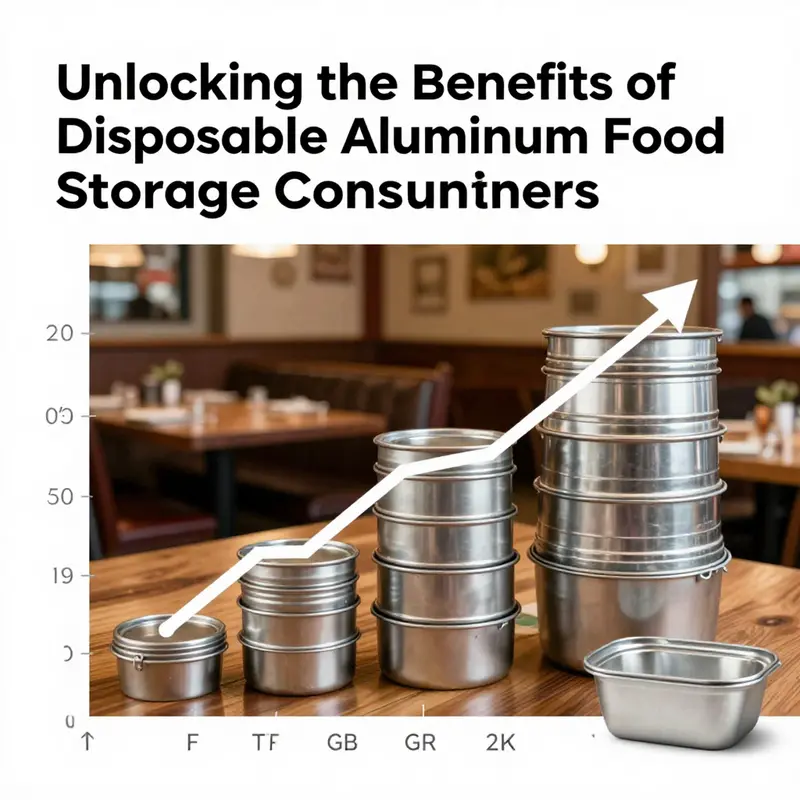
The market for disposable aluminum food storage containers sits at an intersection of convenience, performance, and a shifting sustainability narrative. In professional kitchens, catering operations, and retail packaging alike, these containers have become a staple because they deliver strength, heat resistance, and recyclability in a single, lightweight package. They are designed for single-use or limited reuse, providing a reliable means to store, transport, and serve a broad spectrum of foods. The very attributes that make them practical—oven safety, often microwave compatibility with properly matched lids, and resilience under hot or cold applications—help explain their steady uptake across meal prep, takeout services, event catering, and even consumer-packaged goods. The market’s momentum is not merely a reflection of convenience; it is also a response to logistical needs. When a kitchen must shift from batch cooking to on-demand service, or when an event shifts from onsite service to offsite delivery, the ability to scale quickly without sacrificing food quality becomes a decisive advantage. In this regard, the aluminum foil container is more than a disposable tray; it is a modular component of modern food service that aligns operational efficiency with evolving consumer expectations.
The financial backdrop to these shifts is significant. The global market for disposable aluminum foil containers was valued at USD 14.7 billion in 2025 and is projected to grow at a compound annual growth rate (CAGR) of 7.91% from 2026 to 2033, reaching an estimated market size of USD 4.2 billion by 2033. These figures, while presenting a coherent growth trajectory, also invite scrutiny of what the numbers imply for supply chains, pricing, and product differentiation within a crowded field. Growth is not a straight line, and the trajectory reflected in these projections signals a marketplace that remains hungry for improvements in durability, sealing reliability, and sustainability advantages that resonate with both businesses and consumers.
Sustainability has emerged as a central axis around which many purchasing decisions rotate. Aluminum foil containers are highly recyclable and are increasingly favored over non-recyclable plastics for their ability to re-enter the circular economy. The recycling loop is not a mere afterthought; it is a selling point that aligns with corporate social responsibility goals and consumer awareness about waste, litter, and long-term environmental impact. In practice, this push toward recyclability translates into a broader ecosystem of takeout and retail packaging that emphasizes material clarity, end-of-life solutions, and the potential for closed-loop reuse. For customers who balance cost, performance, and environmental considerations, the recyclable nature of aluminum offers a compelling combination: robust performance during use and a cleaner end-of-life profile relative to many plastic alternatives. The market dynamic thus blends functional engineering with a growing preference for sustainability, a blend that has motivated a wave of design and process innovations across manufacturing and product development.
In product design, the evolution is evident in features that address both food quality and operational efficiency. Partitioned 1000ml containers with internal dividers, for example, are gaining traction because they prevent cross-contamination of flavors and textures—think rice and curry, or a delicate dessert and its sauce—without the need for multiple containers. Such designs streamline portion control in commercial kitchens and reduce the overall packaging footprint, an important consideration for distributors and retailers who aim to minimize waste and optimize logistics. The trend toward smarter, purpose-built containers is driven not only by consumer expectations but also by the demands of food-service operators who must manage varied menus and time-sensitive service windows. In practice, this means that innovations in internal dividers, heat-sealing techniques, and even the choice of lids contribute to safer, more efficient workflows and improved shelf life.
The capacity spectrum—from 100 ml to 1000 ml—mirrors the varied needs across food categories, from single-serve desserts to family-sized portions. Custom branding on lids, including foil-pressed or cardboard-lid integrations, offers a route for brands to project identity without adding significant processing steps. The ability to customize packaging, while maintaining the single-use or limited-reuse premise, reflects a broader packaging strategy that seeks to fuse brand recognition with practical functionality. For sourcing and scalability, the supply chain demonstrates robust capability. Large-scale manufacturers operate with high-speed press-forming machines and multi-stage forming processes to deliver durable products that can stand up to baking, roasting, and hot transit. Even as these methods promise reliability, they require robust sealing mechanisms to guarantee leak resistance and maintain thermal retention. Production speeds can slow down due to the complexity of forming shallow or medium-depth containers, but process optimization, improved automation, and better material handling are driving yield improvements and cost efficiencies that ripple through price points and availability.
Regional demand patterns reveal a market that remains heavily weighted toward domestic consumption, with significant but smaller shares in North America and Eastern Asia. The domestic market accounts for roughly half of the demand, underscoring that these containers are deeply embedded in mature, well-developed food-service ecosystems. North America and Eastern Asia together account for a meaningful slice of the remaining demand, highlighting the importance of regional packaging standards, regulatory environments, and consumer preferences that influence product forms and certifications. The implication for manufacturers is clear: a diversified portfolio that can scale across multiple geographies, while maintaining compliance with food-grade standards and safety certifications, is essential to capturing and sustaining growth.
From a sourcing perspective, platforms that connect buyers with suppliers emphasize the industrial scalability of these products. Bulk orders, large capacities, and the ability to tailor container designs to specific needs—such as branding applications on lids or specialized inner dividers—are common. The capability to produce and ship at scale reinforces the sense that disposable aluminum containers are not a marginal option but a central element in modern packaging infrastructure. This scalability does not come without considerations, though. The aluminum supply chain is subject to global price fluctuations, energy costs for production and recycling, and regulatory environments that shape acceptable alloy formulations, coatings, and food-contact safety standards. In this context, the market’s growth is as much about the optimization of manufacturing and logistics as it is about consumer demand.
The consumer and business-to-business narratives intersect in a way that makes these containers particularly attractive for meal-prep services and takeaway operations. They enable quick reformatting of menus, rapid turnover for events, and straightforward cold-chain management. They also support a tiered pricing model in which premium features—such as improved seal integrity, advanced dividers, and aesthetically refined lids—can command higher price points while preserving the fundamental affordability that sustains high-volume use. The economics of these containers is a balancing act: manufacturers must manage material costs, labor, equipment depreciation, and energy usage in a way that preserves margins as demand broadens. In turn, buyers look for consistency, predictable lead times, and assurances of safety and compliance with food-grade standards, such as FDA guidelines governing contact with food. This interplay between supply-side capabilities and demand-side expectations is what sustains the market’s dynamic, even as it faces potential volatility from macroeconomic shifts or evolving regulatory regimes.
The broader narrative about these containers is not simply about one-off purchases or a single industry. It is about how disposable packaging can align with a more sustainable and efficient food system while still meeting the operational demands of the service economy. The design emphasis on leak resistance, thermal retention, and compatibility with various lids makes the containers adaptable to different service models, from high-volume takeout to specialized catering. They are designed to withstand the rigors of transport, stacking, and storage—an essential feature when handling large volumes at peak service times. Yet the emphasis on recyclability and end-of-life considerations underscores a recognition that performance cannot come at the expense of responsibility. In short, the market is maneuvering toward a packaging paradigm that privileges durability and convenience without forfeiting the environmental considerations that are increasingly central to both corporate procurement and consumer choice.
To illustrate the practical realities of this market, it is useful to reflect on the convergence of design, manufacturing, and consumer behavior. A typical shallow or medium-depth container is the product of a high-speed, multi-stage forming process that yields a structure capable of withstanding baking and roasting tasks while maintaining tight seals for leak resistance. Packaging engineers prioritize sealing mechanisms that preserve moisture and prevent seepage into outer packaging during transit. When extended freshness is required, heat-pressed foil lids or foil-lid systems are common solutions that support longer shelf life and preserve flavors. The advent of partitioned designs with internal dividers represents a practical response to the desire for versatile packaging in one unit. Operators can portion different foods—rice, vegetables, sauces—in a single container, reducing the need for additional containers and, consequently, packaging waste.
The sustainability narrative is complemented by an ongoing conversation about recycling infrastructure and consumer participation in recycling programs. In many markets, the aluminum material itself is highly recyclable, and recycling aluminum saves a significant amount of energy compared with producing primary aluminum. This efficiency translates into lower life-cycle energy consumption and contributes to a reduced environmental footprint, even when the product is used only once. Yet recycling success depends on proper disposal and convenient recycling channels, which means that brands and retailers have a role in educating consumers and participating in take-back or recycling initiatives. The market, therefore, benefits from partnerships across the value chain—manufacturers, distributors, waste management providers, and policy makers—to promote true circularity and minimize waste. In this context, the containers become more than disposable items; they are components of a system that seeks to combine convenience with accountability.
From a policy and standards perspective, the conversation about food-contact safety remains pivotal. The containers are frequently certified as food-grade, meeting stringent safety standards that help reassure operators and consumers about the safety and suitability of packaging for direct contact with hot and cold foods. These certifications often align with regulatory frameworks that govern materials, coatings, and permissible alloys, ensuring that the packaging can perform its role without compromising food quality. The certification aspect is not mere bureaucracy; it provides a foundation for trust that can translate into broader adoption across markets, particularly where clients require formal evidence of compliance in their own supplier risk assessments. In a market landscape characterized by growing demand for ready-to-eat meals and quick-service packaging, these safety assurances are fundamental to sustaining growth and enabling long-term planning for food-service operators and retailers alike.
The strategic implications for industry players are clear. Companies seeking competitive advantage should emphasize the combination of strength, heat resilience, and recyclability, while also investing in design features that reduce waste and improve operational efficiency. Innovations in internal dividers, seals, and lids, as well as branding options on lids, can differentiate products in a crowded field. At the same time, firms should acknowledge the geopolitical and economic dimensions of supply chains, including sourcing of raw materials, energy costs, and regulatory compliance, which can influence price stability and lead times. The market’s trajectory suggests sustained demand, but success will hinge on the ability to optimize manufacturing processes, align with sustainability goals, and deliver consistent performance across a broad range of applications. In this sense, disposable aluminum containers are not just a packaging solution; they are a practical, scalable element of a modern, resilient food ecosystem that values speed, reliability, and responsible packaging.
For readers seeking a deeper dive into the market dynamics, material standards, and applications, refer to the external market outlook. As a practical example of how these containers surface in business-to-business supply chains, one can explore the broader ecosystem of wholesale and online sourcing, where bulk orders and capacity proofs are commonly demonstrated by suppliers who can match production with demand. A representative example in this space is a supplier listing that details stock-ready aluminum containers designed for a range of packaging needs. The listing highlights ballast numbers for capacity, flexibility in container shapes, and the ability to scale orders to meet event-driven surges in takeout demand. This kind of sourcing information can help procurement teams model scenarios for peak seasons and events, ensuring that packaging supply aligns with menu offerings and service levels. It also underscores the importance of supplier partnerships that can deliver both standard products and customized solutions in a timely, cost-efficient manner. In an industry where a single packaging decision can influence a restaurant’s throughput or a caterer’s on-site logistics, such supplier dynamics are critical.
In closing, the landscape for disposable aluminum food storage containers is defined by a blend of measurable growth, material advantages, and thoughtful design that reduces waste while preserving food integrity. The numbers—USD 14.7 billion in 2025 and a 7.91% CAGR through 2033, with a projected size of USD 4.2 billion by 2033—signal a market that remains vibrant, even as the exact numerical path might require careful interpretation across different reports. The strongest currents, however, run through sustainability and efficiency: recyclable aluminum, smarter interior configurations, robust sealing, and branding that does not compromise functionality. This convergence of performance and responsibility is reshaping decisions across kitchens, catering companies, and retailers, and it will continue to steer the direction of product development, manufacturing investment, and policy alignment in the years ahead.
For readers who want a broader, data-backed view of the market, the official market outlook provides a comprehensive framework for understanding forecasts, regulatory influences, and regional dynamics that shape how these containers are adopted and adapted across industries. https://www.marketsandmarkets.com/Market-Reports/disposable-aluminum-foil-container-market-182956568.html
Final thoughts
As food service professionals navigate a dynamic market, the choice of packaging can significantly influence success. Disposable aluminum food storage containers encapsulate a perfect blend of design, functionality, and sustainability. By understanding their benefits and market trends, businesses can make informed decisions that align with both operational efficiency and environmental responsibility. Embracing these containers not only caters to customer needs but also positions businesses as leaders in sustainable practices within the industry.