
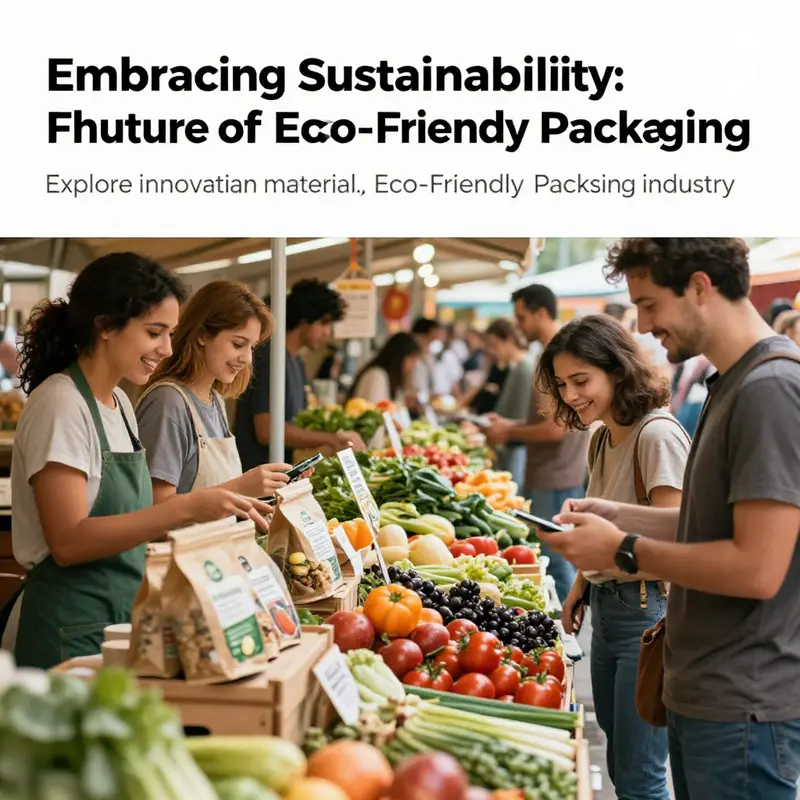
As heightened awareness of environmental issues shapes consumer preferences, food service industries including bubble tea shops, restaurants, and catering services are shifting towards eco-friendly food packaging. This change is not merely an option but a necessity, driven by both regulatory demands and a strong consumer preference for sustainability. In the chapters that follow, we will delve into innovative materials that are revolutionizing packaging, explore the mechanisms of recycling and reprocessing, assess the economic implications of adopting these practices, and highlight current trends in consumer behavior regarding eco-friendly packaging.
Greener by Design: Innovative Materials in Eco-Friendly Food Packaging
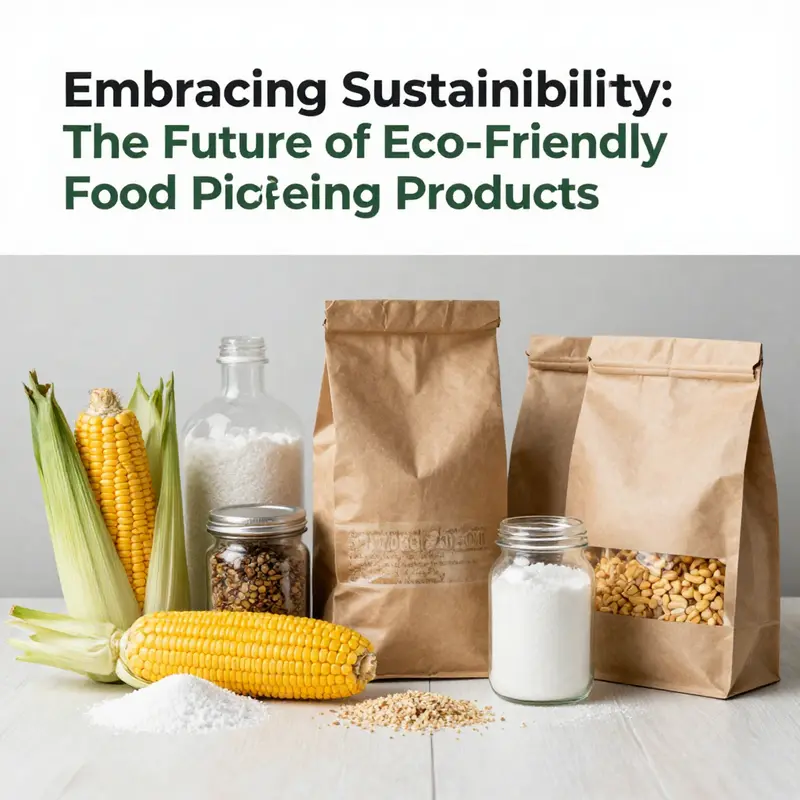
A shift is underway in how the food industry treats packaging, driven by environmental concerns, regulatory pressures, and consumer expectations. The aim is to deliver packaging that protects food and preserves quality while leaving a gentler footprint on the planet. The path to that goal requires reimagining materials from the ground up. Cornstarch-based bioplastics, recycled paper and cardboard with plant-based coatings, and bio-resins and adhesives are core options that can meet modern food service needs. End-of-life outcomes, whether composting, recycling, or reprocessing, are central to design. Material choices influence flavor, texture, shelf life, and the customer experience, all while reducing environmental harm over the packaging life cycle. This is the essence of innovative materials in eco-friendly food packaging.
Closing the Loop: How Recycling and Reprocessing Recast Eco‑Friendly Food Packaging as a Circular Resource
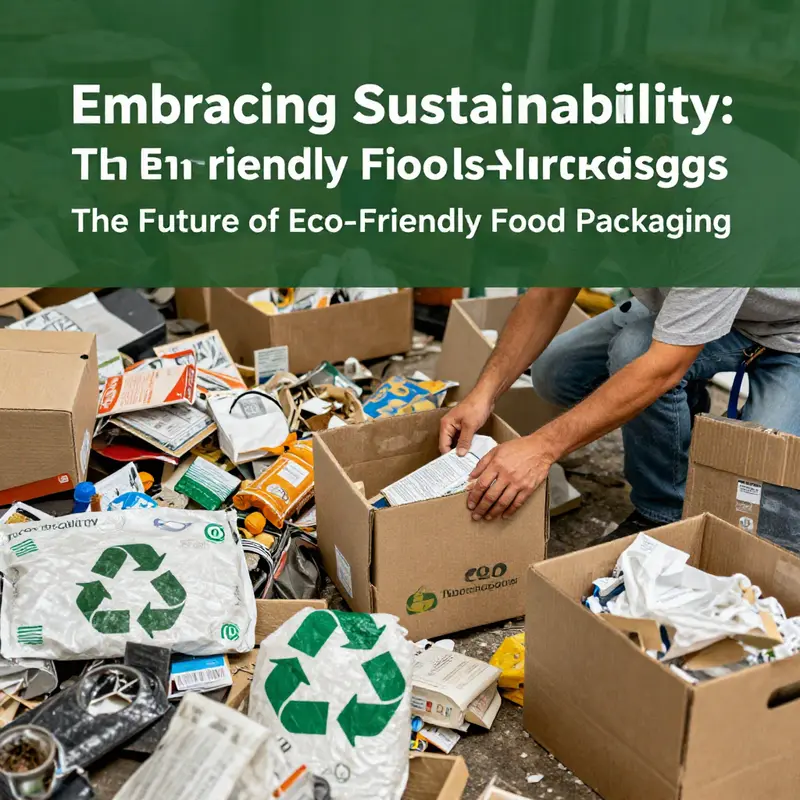
Recycling and reprocessing are not mere afterthoughts in the story of eco-friendly food packaging. They are the mechanics by which waste becomes feedstock and demand becomes a driver of better materials. The pursuit of sustainability in this field depends on a delicate balance: packaging must protect the product and extend shelf life, yet at the end of its life the same package should be recoverable with minimal energy, minimal contaminants, and maximal value. Four stages govern this balance: collection, separation, reprocessing, and the marketing of recovered materials. Each stage is a hinge on which the circular economy turns. Collection gathers used packaging from homes, offices, and commercial kitchens, where streams often blend plastic, paper, and bio-based materials. The robustness of the system lies in the ease with which these streams can be diverted from residual waste and directed toward reclamation. Separation follows, demanding accurate sorting to preserve the purity of streams. This step becomes more complex when composite or layered materials blur the lines between recyclables and nonrecyclables. Reprocessing then transforms the cleaned materials back into feedstock—sometimes into the same material class, other times into a different, but still useful, product. Finally, marketers and manufacturers must be ready to absorb these recycled inputs, turning communal waste into a steady raw material supply. In practice, the strength of an ecosystem rests on how well these four stages connect across facilities, markets, and communities.
Effective recycling hinges on accurate sorting and thorough cleaning. Contaminants—food residues, oils, or multi-material laminates—degrade the quality of recycled input and raise processing costs. When streams are contaminated, the energy demand for cleaning increases, and the value of the recycled material can plummet. Materials vary in their recyclability; some bio-based options excel in composting but struggle in traditional recycling streams, while others are designed for mechanical recycling but may be unsuitable if the facility lacks compatible processes. The design choices a packager makes early in product development ripple through the entire end-of-life chain. A package that combines barrier performance with easy disassembly and minimal adhesive complexity will fare better under recycling streams than one that seals layers with hard-to-separate interfaces. The goal is to steer products toward systems where their chemistry and physics match the capabilities of local infrastructure, not just the ideals of global policy. This alignment requires transparent labeling and consistent terminology so that both collectors and households can act decisively.
The economics of recycling act as a pressure valve for its environmental merits. Collection, sorting, and logistics consume capital, while the recovered materials must fetch a price that justifies the investment. When markets are volatile or when contamination is high, recycling can become economically fragile. Yet the economics are not solely about technical feasibility; policy incentives, extended producer responsibility schemes, and demand for reclaimed inputs can shift the balance. In some contexts, energy recovery may offer a lower environmental cost than recycling when infrastructure is inefficient or when materials are highly contaminated. The choice between recycling and recovery is not absolute; it depends on a life cycle perspective and on the availability of clean, scalable recycling streams. In practice, the strongest systems blend multiple pathways: reuse frameworks for durable items, reliable recycling for single-use streams, and, where appropriate, energy recovery for residual waste. The financial logic improves when there is interoperability between waste management providers and manufacturers, enabling predictable streams of quality material that can be reintroduced into production lines with minimal processing.
To truly advance sustainability, a holistic approach is required. Recycling cannot be pursued in isolation from design, material innovation, and consumer behavior. Reusable packaging systems can reduce the total throughput of waste, but they demand robust logistics and high return rates. Material scientists push toward polymers that retain performance while being easier to separate or compost; meanwhile, packaging designers rethink how to minimize multi-layer composites in favor of recyclable or biodegradable alternatives. Even as compostable materials offer a clear end-of-life option in industrial facilities, they should be integrated with clear labeling and consumer guidance to avoid contamination of recycling streams. In practice, a balance emerges: a portfolio of solutions that includes recyclability-first designs for certain products, compostability where appropriate, and reuse for high-velocity, service-oriented packaging. For products that require humidity resistance or grease containment, the design challenge becomes greater, but not insurmountable, when partnerships between material science and waste management institutions are strong. The broader literature shows that regional context matters; some regions benefit more from enhanced sorting and cleaner streams, while others gain most from stronger composting capacity. The implication is not to surrender to a one-size-fits-all approach but to tailor end-of-life strategies to local conditions while maintaining a shared goal: to minimize environmental impact and conserve resources. Innovations in packaging materials and in advanced recycling technologies keep expanding the set of viable pathways, including options that were not practical a decade ago.
This is where the practical, real-world design choices of packaging intersect with the policy and culture of waste management. It is possible to support circular outcomes by selecting formats and materials that fit existing waste streams and by encouraging producers to participate in reclaim programs. For instance, choosing packaging formats that are easy to collect, sort, and process can boost recycling rates even when facilities operate at modest scales. For readers curious about how a packaging concept translates into end-of-life performance, consider the example of eco-friendly takeout boxes for food packaging, which illustrate how design, material choice, and supply-chain coordination can align with end-of-life goals. See eco-friendly takeout boxes for food packaging. This kind of link invites readers to explore how a single packaging concept can embed recyclability into everyday use.
Ultimately, true sustainability in food packaging rests on systemic changes across supply chains, consumer behavior, and policy support. It requires ongoing collaboration among designers, manufacturers, waste managers, and regulators to keep end-of-life options in sight as material innovations advance. The field benefits from ongoing transparency about what works where, and why. For a deeper dive into life cycle assessments and the challenges of sustainable packaging, see MDPI Perspectives on Eco-Friendly Food Packaging: Challenges and Opportunities. This external resource helps ground the conversation in a broader, evidence-based framework and underscores the regional nuance that shapes practical decisions in the circular economy.
The Fiscal Frontier of Green Packaging: Navigating Markets, Investments, and Circularity in Eco-Friendly Food Packaging
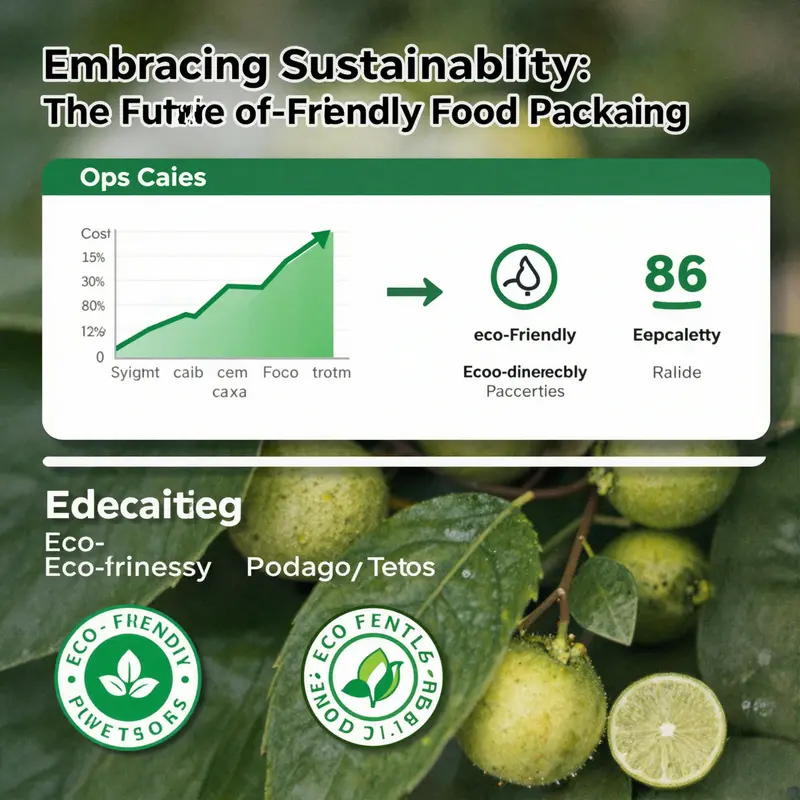
The market dynamics surrounding eco-friendly food packaging are not merely about replacing one material with another. They are about reweaving the entire material system through which food travels from producer to consumer. The expansion of the sector is driven by several interlocking forces. First, consumer demand for sustainable products translates into willingness to pay for packaging that is proven to minimize environmental impact. Second, regulatory landscapes around single use plastics and waste disposal create a pipeline of compliance costs that many firms prefer to externalize by adopting greener options. Third, corporate sustainability commitments increasingly embed packaging choices into annual reporting, procurement decisions, and supplier audits. Together, these factors create a strong baseline for continued market growth, even as the sector contends with real economic frictions that complicate near-term rollouts. The projected ascent from 191.54 billion to 351.70 billion dollars by 2034 is not a forecast of effortless adoption; it is a sign that the economics of scale, risk management, and circularity are reaching a critical mass. At the heart of this momentum lies an innovative family of materials and systems that can bend the cost curve over time. Cornstarch-based packaging, for instance, offers a compelling blend of renewability and compostability. Derived from renewable corn resources, it is positioned as a viable substitute for polystyrene in rigid containers and takeout trays. When designed for end-of-life composting, such bioplastics can dramatically reduce landfill volume and the environmental footprint of single-use tableware. The practical implication for business models is that compostable packaging opens new avenues for waste streams, collection services, and municipal partnerships that monetize the value of organic waste rather than simply discarding it. It is a shift from waste management as a cost center to waste management as a potential revenue or savings stream. The life cycle of these materials matters as well. If the agricultural byproducts used to produce cornstarch-based packaging are sourced responsibly, the overall footprint can be reduced relative to fossil-based plastics. This link between agricultural sustainability and packaging performance creates additional value by aligning with broader climate goals and rural development strategies. The same logic extends to recyclable and reprocessable plastics that enable closed-loop cycles for items such as biscuits and snacks. After use, these packages can be collected, cleaned, and reprocessed into new packaging or other plastic goods. The systematic reuse of materials reduces raw material consumption and waste, supporting a circular economy where value is retained rather than dissipated. In this way, the economic logic embraces waste as a resource, and the social value derives from job creation, local processing infrastructure, and the resilience that comes from diversified supply chains. The globalization of demand for sustainable packaging also interacts with scale economies. As more firms adopt standardized, recyclable or compostable packaging, the cost per unit declines through larger production runs, more efficient machinery, and pooling of collection and recycling services. Yet, these gains can be offset by the need for specialized composting infrastructure and the higher baseline costs of alternative materials. The economics of eco-friendly packaging therefore hinge on a delicate balance between upfront capital expenditure, ongoing production costs, and the regulatory or logistical ecosystems that enable end-of-life processing. Consider the case where a kraft lunch box set costs roughly US$0.045 to US$0.055 per piece with a minimum order quantity of 50,000 pieces, packed in cartons of 600. This example illustrates how mass production and supplier arrangements can drive unit costs down, enabling scalable adoption in commercial kitchens and catering operations. However, it also highlights a critical choke point: the availability of compatible end-of-life pathways at scale. Without robust composting or recycling streams, even low per-unit costs may not realize their full environmental or economic benefits. In practice, firms increasingly pursue a hybrid strategy that leverages multiple materials and end-of-life options. A company might use cornstarch-based trays for certain product lines while maintaining recyclable plastic packaging for others, depending on shelf life, heat exposure, grease resistance, and consumer expectations. This diversification can distribute risk and optimize total cost of ownership across products, channels, and geographies. The supply chain is another arena where economics play out in nuanced ways. The transition to eco-friendly materials often requires new processing capabilities, equipment upgrades, and changes in formulation to meet performance standards like grease resistance, heat tolerance, and mechanical strength. These technical requirements may elevate production costs in the short term but can yield long-run savings as materials become more familiar, suppliers scale up, and process efficiencies emerge. The literature on these transitions flags a central tension: greener materials can be more expensive to produce today, but their long-term benefits—reduced remediation costs, enhanced brand reputation, and alignment with policy incentives—create a compelling value proposition for forward-looking firms. The dynamic is further complicated by the closed-loop opportunities that accompany recyclable and reprocessable packaging. When a manufacturer participates in a system that collects and reprocesses used packaging into new goods, the business enters a cycle where waste becomes feedstock and the need for virgin materials diminishes. This paradigm supports the circular economy and can lead to more predictable raw material costs, improved supplier collaboration, and extended product lifecycles. The economic implications of such a system are multifaceted. On one hand, the upfront capital requirements for sorting, cleaning, and reprocessing facilities can be substantial. On the other hand, the ongoing demand for recyclable feedstock can stabilize revenue streams and create new service lines for packaging manufacturers and waste management partners. Policymakers are increasingly attentive to these dynamics, often providing incentives or mandates that accelerate the integration of circular systems. For producers, the decision to advance a particular eco-friendly packaging solution is not merely about short-term costs but about the durability of competitive advantage over the product life cycle. A credible sustainability narrative backed by verifiable performance can deepen customer trust, attract responsible investors, and unlock partnering opportunities with retailers that are committed to reducing plastic waste in their supply chains. In parallel, the procurement function evolves. Buyers look beyond unit price to include total cost of ownership, end-of-life handling, and supplier reliability. They assess the risk of disruptions in composting infrastructure, the stability of feedstock markets for biobased materials, and the resilience of logistics networks that support takeout and meal delivery ecosystems. The MDPI Perspectives on Eco-Friendly Food Packaging: Challenges and Opportunities provides a rigorous lens on these themes, emphasizing how regulatory regimes, market expectations, and technology maturation intersect. The economic picture is not merely about pricing differentials; it is about shaping a portfolio of packaging options that aligns with strategic goals such as waste reduction, carbon intensity targets, and customer-centric value creation. As this chapter unfolds, it becomes clear that the economics of eco-friendly packaging require a long view and a willingness to experiment with business models that capture value from waste streams, material recycling, and consumer engagement. The opportunity is to build scalable, adaptable systems that can bend cost curves downward as technology and infrastructure mature, while yielding tangible environmental benefits that resonate with customers, regulators, and investors alike. For readers seeking a deeper dive into the technical and economic nuances, the MDPI analysis offers a structured exploration of the challenges and opportunities that lie ahead. In practice, the path to value is iterative: pilot programs with select product lines, investment in selected end-of-life infrastructure, and gradual expansion as material science, processing capabilities, and consumer acceptance align. The payoff is a more resilient supply chain, a clearer value proposition for sustainability-minded consumers, and a marketplace where eco-friendly packaging evolves from a compliance requirement into a strategic differentiator. To illustrate how these ideas translate into real-world decision making, consider the linked product page that highlights practical, scalable options for eco-conscious businesses. eco-friendly takeout boxes for food packaging. This page exemplifies how companies can source materials that balance performance with environmental considerations, enabling kitchens to deliver reliable service while pursuing sustainability goals. While every organization will chart its own course, the overarching message is consistent: the economics of eco-friendly food packaging are evolving toward greater integration with waste valorization, circular supply chains, and measurable environmental outcomes. The opportunity set is broad, the risks manageable with thoughtful design and partnerships, and the potential rewards meaningful for both bottom lines and planetary health. For readers who want a more formal treatment of the economic landscape, the external resource provides a rigorous foundation for understanding the challenges and opportunities that shape this dynamic market.
Shaped by Values: How Consumers Accelerate the Adoption of Eco-Friendly Food Packaging
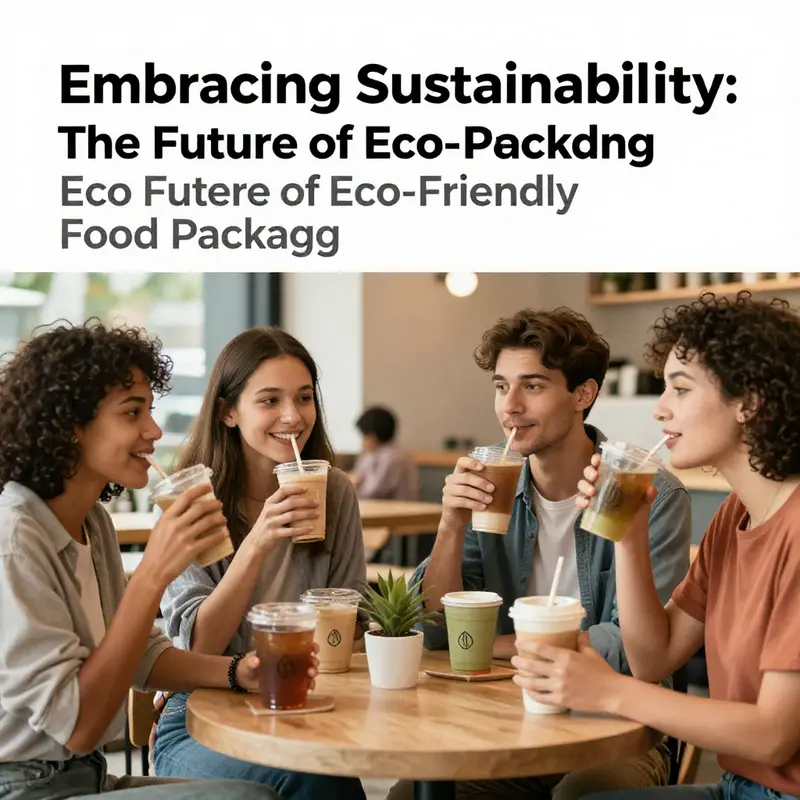
Consumer behavior is increasingly a lens on our shared future. It reveals not only what people buy but why they buy it, revealing a shift from mere preference to principled action. In the realm of food packaging, this means that choices about materials—biobased, recyclable, and compostable—are now signals of personal and communal values. The momentum behind eco-friendly packaging is anchored in a growing public awareness of environmental costs and a belief that everyday decisions can collectively steer industry practices. When a shopper selects a package built from renewable resources or designed to re-enter circulation after use, they participate in a broader system that aims to minimize waste, conserve resources, and reduce pollution. This is not a fleeting trend but a redefinition of how value is created in the packaging ecosystem. As attitudes shift, the market responds with products and processes that align with these evolving expectations. The result is a dynamic exchange: consumer demand shapes corporate strategy, while transparent, credible disclosures about sustainability performance deepen trust and loyalty.
A core driver of this transformation is the rising salience of sustainability in everyday life. Consumers increasingly equate packaging with responsibility, insisting that products not only perform well but also respect planetary boundaries. Across regions, surveys and market analyses indicate a clear preference for materials that are biodegradable, compostable, or highly recyclable. The logic is practical as well as ethical: if a package can return to the biological or circular economy with minimal environmental impact, it reduces the burden on landfills and lowers the lifecycle footprint of the food it protects. In practice, this translates into a willingness to accept small compromises on convenience or price when the trade-off is meaningful environmental stewardship. For many, the best packaging is one that disappears harmlessly or can be reintegrated into new products without losing value.
The economic logic complements the ethical argument. A surging market for eco-friendly packaging reflects the reality that sustainability and competitiveness are no longer opposing forces. The latest market forecasts project a rapid expansion of the eco-friendly food packaging sector, with value expected to climb toward a multi-trillion-dollar scale by the early 2030s. The growth reflects not only consumer demand at the store shelf but also a broader adoption by food service and manufacturing networks. As the market expands, the cost structures associated with renewable and recycled materials continue to improve, narrowing the price gap with traditional options. This convergence matters greatly to price-sensitive consumers and to small- and medium-sized enterprises that risk being priced out of innovation if costs remain prohibitive. When sustainability becomes economically viable, it ceases to be a trade-off and starts to become the default expectation for new products and services.
The social dimensions of adoption operate in two intertwined channels: visibility on social media and the credibility of corporate disclosure. In the age of social media accountability, brands can no longer rely on half-measures or vague commitments. Public scrutiny intensifies when a company’s claims about environmental performance lack substantiation or are uneven across product lines. Conversely, brands that demonstrate clear progress—backed by verifiable data, third-party certifications, and transparent reporting—tend to earn stronger trust, repeat purchases, and advocacy from loyal customers. This social media dynamic compresses timelines for green transformation. Consumers demand faster action, and they reward transparency. In many cases, the reputational premium associated with credible sustainability efforts translates into measurable business advantages, from higher engagement to increased share of wallet in competitive categories. The net effect is a self-reinforcing loop: as brands invest in credible eco-initiatives, their perceived authenticity grows, attracting a wider audience and creating more room for investment.
Yet consumer adoption is not merely a function of ethics and optics. The supply chain context matters deeply. The global nature of food packaging networks exposes opening vulnerabilities that consumers increasingly want addressed through resilient, local, and regenerative solutions. When suppliers prioritize locally sourced, renewable, and easily recyclable materials, the risk profile of the entire system improves. In periods of disruption—whether due to raw material price swings, logistical bottlenecks, or regulatory shifts—such packaging options offer a degree of steadiness that resonates with consumers who value reliability as a form of responsibility. This sense of resilience aligns with a broader climate- and governance-aware mindset: sustainable packaging is not only about reducing harm but also about strengthening the institutions that deliver safe, affordable food. The consumer voice thus intersects with risk management, pushing companies to design packaging systems that are less brittle and more adaptable to changing conditions.
The narrative around adoption is also shaped by practical considerations on the shelf and in daily life. Consumers weigh factors such as performance, convenience, and waste handling. A notable trend is the preference for packaging that can be disposed of responsibly—whether through composting, home recycling, or industrial recycling streams—without compromising food safety or usability. This preference shapes how products are designed and marketed. For instance, packages that can withstand the rigors of transit and storage while remaining compatible with composting streams become particularly attractive in markets with robust diversion infrastructure. When institutions and municipalities invest in waste management solutions and education, consumer confidence grows in the entire lifecycle of a packaging system. Clear labeling about end-of-life options reduces confusion and increases participation in recycling or composting programs, reinforcing the idea that individual choices are most powerful when they can be executed with clarity and ease.
The consumer journey also intersects with the rising prominence of the circular economy in packaging design. The concept—keeping materials in productive use for as long as possible—appears in everyday decisions, from selecting recyclable or reusable containers to preferring packages made from renewable feedstocks. The business implications are substantial. Brands that position themselves within closed-loop or take-back models can create more predictable demand for reprocessing and facilitate material loops that minimize waste. This is not a niche opportunity but a mainstream pathway to value creation, as closed-loop systems reduce raw material extraction and energy use while building enduring relationships with customers who value stewardship. When consumers see proofs of circularity—whether through return incentives, reliable recycling instructions, or transparent material disclosures—it strengthens confidence in the brand and reinforces their own identity as responsible shoppers.
From a strategic perspective, the convergence of consumer expectations, social accountability, and supply chain resilience signals a clear imperative for the industry. Businesses are increasingly aligning research and development with customer insight, regulatory anticipation, and the economics of sustainable materials. This alignment accelerates experimentation with biobased polymers, enhanced recyclability, and the optimization of compostable formats for diverse food categories. It also drives investment in process innovations that reduce water and energy use, improve yield, and enable scalable waste diversion at a cost that competitors can match or beat. The outcome is a market that not only supplies safer and more sustainable packaging but also demonstrates a credible commitment to long-lasting improvements in environmental performance.
For readers seeking a broader view of the market dynamics underpinning these shifts, recent analyses highlight a robust forecast trajectory. The global eco-friendly food packaging market is anticipated to reach substantial value by 2032, reflecting fast growth and strong alignment between consumer demand and industry transformation. This trajectory underscores that sustainability is no longer an add-on; it is a core driver of product strategy and consumer engagement. In practice, this means retailers, caterers, and food producers must integrate sustainable packaging into core business decisions, balancing cost, performance, end-of-life options, and consumer education. The pulse of adoption will continue to beat strongest where transparency, reliability, and convenience intersect with genuine environmental benefits. The chapter ahead will continue to explore how these forces shape policy, design practice, and consumer expectations as the ecosystem evolves around eco-friendly packaging.
To delve deeper into market forecasts and trends shaping this transformation, see the external resource linked here: MarketsandMarkets provides a comprehensive market forecast for the eco-friendly food packaging market.
Within this narrative, one practical pathway for brands to connect with consumers is to emphasize accessibility and simplicity in end-of-life options. Providing clear, easy-to-understand disposal instructions and offering convenient waste solutions signals respect for consumer time and intelligence. It also reduces the cognitive load involved in choosing sustainable options, which in turn can increase adoption rates across a broader demographic. The interplay between clarity, credibility, and convenience often determines whether a consumer will embrace a new packaging format or revert to familiar, less sustainable choices during times of stress or budget pressure. In other words, sustainable packaging succeeds best when it is intuitive as well as responsible.
As adoption continues to accelerate, the industry can expect further refinements in materials science and logistics. The environmental advantages of renewable and recycled feedstocks will be reinforced by innovations that improve barrier properties, extend shelf life, and enable recycling streams to handle more diverse products. This progression will likely be accompanied by renewed emphasis on local sourcing, regional waste infrastructure, and consumer education campaigns that translate technical advances into practical everyday benefits. When these elements align, eco-friendly packaging becomes not only a preferred option but a trusted standard that supports healthier ecosystems, resilient economies, and a more mindful relationship between people and the packaging that protects their food. The chapter concludes with a recognition that consumer trends are the heartbeat of this change—driving adoption, guiding policy, and anchoring the future of sustainable food packaging in everyday life.
Internal link for further reading: eco-friendly takeout boxes for food packaging
External reference for market context: For a comprehensive market forecast and analysis, see MarketsandMarkets’ report on the eco-friendly food packaging market at https://www.marketsandmarkets.com/Market-Reports/eco-friendly-food-packaging-market-1794.html.
Final thoughts
The transition to eco-friendly food packaging products is not merely a trend but a vital step for businesses committed to sustainability. As consumers increasingly demand environmental responsibility, the choices made today can provide a competitive edge while contributing to global sustainability efforts. Whether through innovative materials, recycling initiatives, or understanding economic impacts, your business can make a significant difference. Embracing these changes not only aligns with consumer expectations but also sets a standard for ethical business practices.