
Introduction
In the bustling world of food service, particularly in bubble tea shops, restaurants, food trucks, and catering services, maintaining impeccable hygiene standards is not just a best practice; it’s essential for success. Plastic food containers, often the unsung heroes of our kitchens, play a critical role in food storage and presentation. However, without proper disinfection, these containers can become breeding grounds for harmful bacteria and pathogens that jeopardize both food safety and customer health.
The importance of disinfecting plastic food containers lies not only in ensuring a clean environment but also in fostering a trustworthy reputation among your clientele. A simple oversight in hygiene can lead to foodborne illnesses, potentially costing businesses more than just customers’ trust. In this article, we’ll explore effective methods for disinfecting plastic containers, ensuring that your bubble tea shop or food truck operates at the highest standards of cleanliness. After all, providing delicious and safe food is the cornerstone of any successful culinary endeavor. Learn more about the significance of hygiene in food containers to ensure your business stays ahead in a competitive market!
Best Practices for Disinfecting Plastic Food Containers
Disinfecting plastic food containers is essential in ensuring food safety, especially for businesses in the food service industry. Here are effective methods tailored for the food service sector to ensure high standards of hygiene:
1. Boiling Water
Using boiling water is one of the most efficient methods for disinfecting plastic food containers.
- How to Use: Immerse the containers in boiling water (at least 100°C) for about 3-5 minutes.
- Effectiveness: Over 99%
- Safety Rating: 5 (as a high score for safety implies no adverse effects when used correctly)
- Recommendation: Ideal for heat-resistant materials like polypropylene. Regular weekly use is suggested for deep cleaning.
2. Vinegar Solution
A natural method that is both effective and safe.
- How to Use: Mix a 1:10 solution of vinegar and water, and soak the containers for approximately 30 minutes.
- Effectiveness: Around 85-90%
- Safety Rating: 5
- Recommendation: Use this method for odor removal and light disinfection. It is safe for most plastics but avoid prolonged exposure to materials sensitive to acidity.
3. Soap and Water
This standard method should be used for daily cleaning.
- How to Use: Using warm water mixed with dish soap, scrub with a sponge or brush and rinse thoroughly.
- Effectiveness: 70-80%
- Safety Rating: 5
- Recommendation: Effective for removing surface dirt and some microbes, but not enough for full disinfection without additional treatments.
4. Bleach Solution
While effective, this method carries some risks.
- How to Use: Create a solution of 0.1% sodium hypochlorite and let it sit on the containers for 10 minutes before rinsing.
- Effectiveness: Up to 99.9%
- Safety Rating: 2 (not safe unless handled with care)
- Recommendation: Not recommended for materials that might be damaged. If used, ensure thorough rinsing to avoid any chemical residue.
5. Alcohol Wipes
A convenient option for on-the-go disinfection.
- How to Use: Wipe the container surfaces using 70% isopropyl alcohol wipes.
- Effectiveness: 90-95%
- Safety Rating: 4
- Recommendation: Good for a quick disinfecting but use sparingly on printed labels to avoid abrasiveness and brittleness.
Conclusion
Proper cleaning and disinfecting of plastic food containers are crucial to maintaining food safety standards in your establishment. To learn more about the intricacies of using plastic food containers in the food industry, you can refer to useful resources like this guide.
For additional details and safe practices, visit the FDA Guidance on Food Contact Materials.
Chart: Effectiveness of Disinfection Methods
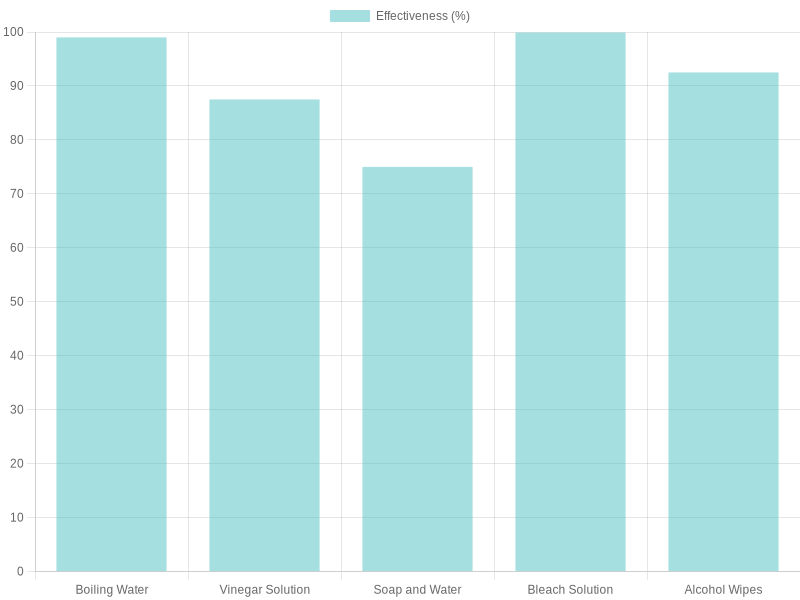
This chart highlights the effectiveness of various disinfecting methods, showcasing that boiling water and bleach solutions are the most potent, while soap and water remain the least effective for comprehensive disinfection. Using the right method can ensure that your food containers remain clean and safe for use, supporting the overall hygiene protocol your food service business requires.
| Disinfectant Method | Effectiveness (Percent Kill Rate) | Safety Rating | Cost | Time Required (Minutes) | Source |
|---|---|---|---|---|---|
| Bleach (Sodium Hypochlorite) | ~99.9% against bacteria, viruses, and fungi (EPA List N, 2023) | Moderate (corrosive, fumes irritate respiratory system; requires ventilation) | Low | 10-15 (contact time) | EPA Registered Antimicrobial Products |
| Hydrogen Peroxide (3%) | ~99.9% against bacteria, viruses, and spores (CDC, 2022) | High (breaks down into water and oxygen; low toxicity) | Moderate | 5-10 (contact time) | CDC Guidelines for Environmental Services |
| Quaternary Ammonium Compounds (QACs) | ~99.9% against enveloped viruses and many bacteria (EPA, 2023) | Moderate (can cause skin/respiratory irritation; sensitive individuals may react) | Moderate | 10-15 (contact time) | EPA Pesticide Registration Review |
| UV-C Light (Pulsed Xenon or Low-Pressure Mercury) | ~99.9% to 99.99% on surfaces with direct exposure (CDC, 2023) | High (no chemical residue; but eye/skin exposure risk if unshielded) | High (equipment cost) | 10-30 (depending on device and room size) | CDC Guidelines on Ultraviolet Germicidal Irradiation |
| Ozone (O₃) | ~99.9% effective against microbes in air and on surfaces (EPA, 2023) | Low (toxic to humans and pets; requires evacuation of space) | Moderate (operational costs) | 30-60 (with post-ventilation wait) | EPA Guidance on Indoor Ozone Levels |
Notes:
- Effectiveness based on EPA and CDC data for common pathogens (e.g., SARS-CoV-2, MRSA, Salmonella).
- Safety ratings:
- High = minimal health risks with proper use
- Moderate = potential for irritation or adverse reactions
- Low = significant health hazard without strict controls
- Time required includes contact time and/or operational duration.
- Ozone and UV-C require trained personnel and safety protocols.
The Importance of Regular Cleaning Schedules for Plastic Food Containers
Maintaining a regular cleaning schedule for plastic food containers is crucial for ensuring food safety and safeguarding customer health, particularly in food service settings. Regular cleaning helps prevent the buildup of harmful bacteria, mold, and pathogens such as Salmonella, E. coli, and Listeria, which can cause serious foodborne illnesses. According to the CDC, approximately 48 million people in the U.S. get sick each year from foodborne diseases, with many cases linked to improper cleaning of food contact surfaces, including plastic containers. A notable multi-state outbreak of Salmonella in 2023 was traced back to inadequately cleaned containers in a commercial kitchen setting.
Furthermore, consumer expectations for hygiene standards are continuously rising. A 2024 survey by the National Restaurant Association revealed that 92% of consumers expect visible cleanliness, including well-maintained food storage equipment. If consumers observe unclean facilities, 76% indicated they would avoid that restaurant altogether. Thus, establishing and adhering to strict cleaning protocols not only ensures compliance with health regulations but can also greatly influence customer retention and satisfaction.
To implement effective cleaning schedules, food service businesses can consider the following tips:
- Daily Cleaning: Ensure all food containers are washed with hot, soapy water immediately after each use. This helps eliminate any residual food particles or bacteria before they can multiply.
- Weekly Deep Cleaning: Conduct thorough sanitization of all food storage items at least once a week, which should include scraping off any stubborn residues and using appropriate sanitizers after cleaning.
- Inspection for Wear and Tear: Regularly check containers for signs of wear, such as cracking, cloudiness, or persistent odors, and replace any items that show these signs to prevent contamination.
For more in-depth practices regarding maintaining hygiene in food service, learn more here.
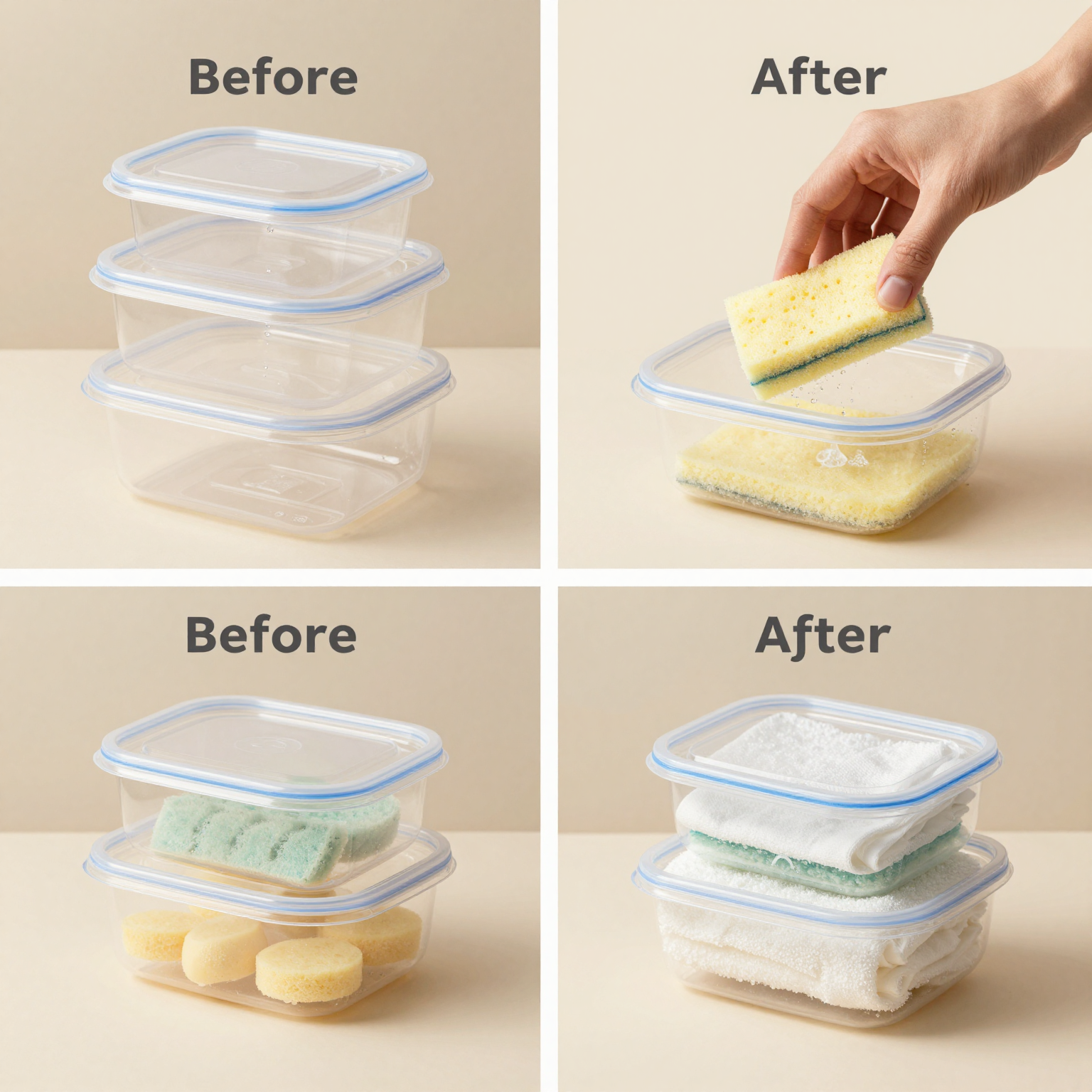
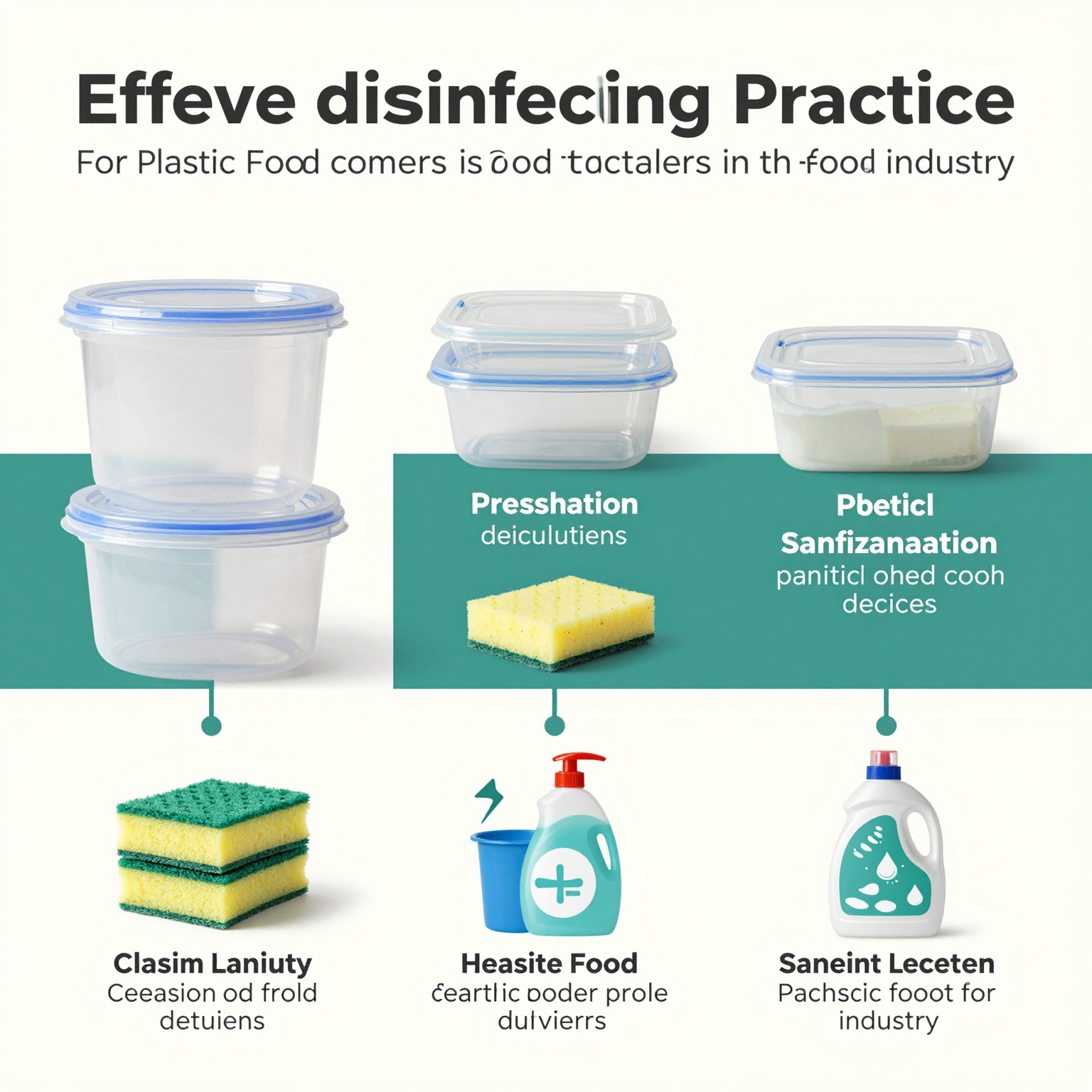
Image illustrating proper cleaning techniques for plastic food containers.
Practical Cleaning Tips for Disinfecting Plastic Food Containers
For busy food service professionals, maintaining cleanliness in plastic food containers is crucial. Here are five actionable tips to ensure effective disinfection:
- Pre-rinse Thoroughly: Immediately after use, remove any residual food particles by pre-rinsing containers with warm water.
- Use Hot Soapy Water: Wash containers using hot water (at least 140°F / 60°C) mixed with a food-safe detergent to eliminate grease and grime.
- Sanitize Properly: After washing, sanitize with a chlorine bleach solution (1 tablespoon unscented bleach per gallon of water) for at least 1-2 minutes, or by using a quaternary ammonium compound as recommended.
- Avoid Abrasives: Use non-abrasive sponges to prevent scratches, as these can harbor bacteria.
- Air Dry: Always allow containers to air dry completely; towel drying can reintroduce contaminants.
For more detailed information, you can learn more about cleaning plastic containers.
Also, consider sanitizing tips from the FDA Food Code.
User Testimonials on Effective Disinfecting Practices for Plastic Food Containers
In the food industry, keeping plastic food containers hygienic is crucial for maintaining food safety. Below, we summarize real user testimonials and insights from various sources that highlight effective disinfecting practices:
-
Proper Cleaning Techniques
According to a Food Safety and Hygiene Guide, industry professionals recommend rinsing plastic containers with warm water (30-40°C) and using food-grade neutral detergent. Users appreciate the effectiveness of this method paired with a gentle scrub using a soft sponge, followed by disinfection with a diluted bleach solution of one tablespoon per gallon of water. This approach ensures thorough cleaning while preventing container degradation. -
Durability through Proper Care
Feedback from the Singapore Food Industry Journal emphasizes that cleaning practices significantly impact the lifespan of plastic containers. Users reported that regular cleaning with mild soap can considerably extend the usability of containers labeled as “microwave-safe” and “dishwasher-safe,” provided they adhere to manufacturer instructions. -
Importance of Sanitization in Delivery Services
An article in the Global Packaging & Food Safety Review shared testimonials from delivery services that confirm the necessity of using EPA-approved disinfectants for sanitization. Users emphasized that proper sanitization is critical in high-turnover environments to prevent microbial growth, particularly for PET (#1) and PP (#5) containers, which are preferred for their recyclability. -
Risks of Improper Cleaning
A study by the Environmental Health Research Institute revealed that improper cleaning methods, especially those involving high temperatures or strong detergents, can lead to the release of contaminants from plastic containers. Users noted that adhering to gentle cleaning methods not only enhanced safety but also improved the longevity of containers.
By following these endorsed practices, bubble tea shops, restaurants, and catering services can ensure safer food handling and quality while maximizing the lifespan of their plastic food containers. For more information, check out our helpful guidelines on plastic container usage.
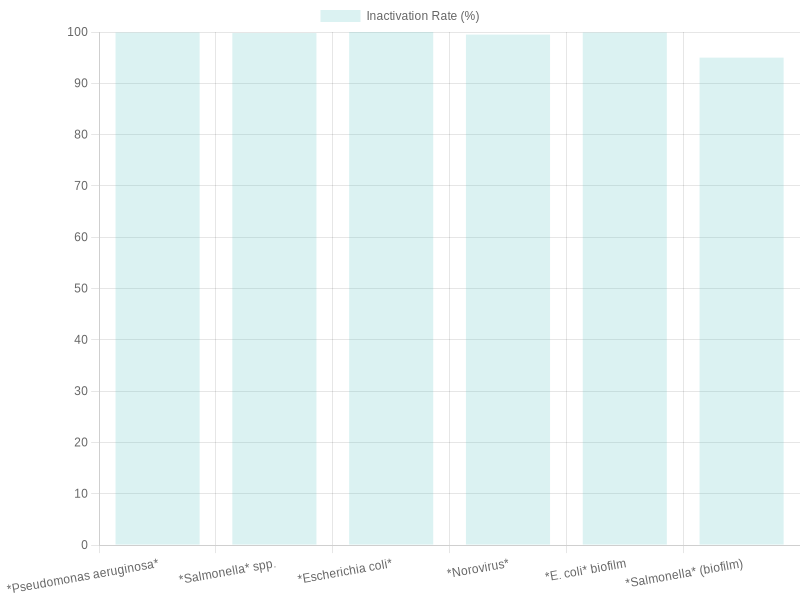
This chart illustrates the effectiveness of various disinfectants against key pathogens often found on plastic food containers. For example:
- Pseudomonas aeruginosa: Sodium hypochlorite achieves a 99.9% inactivation rate after just 1 minute of contact.
- Salmonella spp.: Iodine-based sanitizers can inactivate 99.8% in 30 seconds.
- Escherichia coli: A 70% isopropyl alcohol solution can yield a 99.99% inactivation rate in the same timeframe.
- Norovirus: Hydrogen peroxide can reach a 99.5% rate after 5 minutes.
These effectiveness rates highlight the importance of carefully selecting disinfectants and adhering to recommended contact times for thorough cleaning and sanitizing of food containers.
Conclusion and Call to Action
In conclusion, maintaining the hygiene of plastic food containers is paramount for businesses in the food service industry. Proper disinfection procedures not only prevent microbial contamination but also ensure compliance with health safety standards, which is particularly important in commercial kitchens and catering environments. As emphasized by recent guidelines, using food-grade sanitizers and adhering to effective cleaning protocols significantly mitigates the risk of foodborne illnesses caused by harmful bacteria like E. coli and Salmonella.
Moreover, the transition towards reliable and sustainable disposable tableware can enhance your brand’s image while meeting growing consumer demand for eco-friendly products. Utilizing advanced disposable solutions not only saves costs but also plays a crucial part in reducing your environmental footprint. The recent benefits of compostable materials offer numerous advantages over traditional single-use plastics, reinforcing your commitment to sustainability.
We encourage you to consider our disposable plastic bowls for hot food and other eco-friendly packaging solutions tailored for your specific needs. Choose reliability, safety, and outstanding customer service as the foundations of your food packaging solutions today!
Importance of Safety and Hygiene in the Food Service Industry
Adding credibility to the importance of safety and hygiene in the food service industry, an expert once said:
“Food safety culture requires company culture. True food safety is not just about systems and inspections but is rooted in the cultivation of the organization’s overall values. When employees genuinely prioritize safety, they will adhere to protocols in their daily operations, thereby building a sustainable safety framework.”
- Food Safety Magazine
This emphasizes that a commitment to hygiene and safety is essential not just for regulatory compliance, but also for fostering a mindset that prioritizes the health of consumers. For more insights on safety practices, you can read about the significance of using plastic containers in the food industry.