
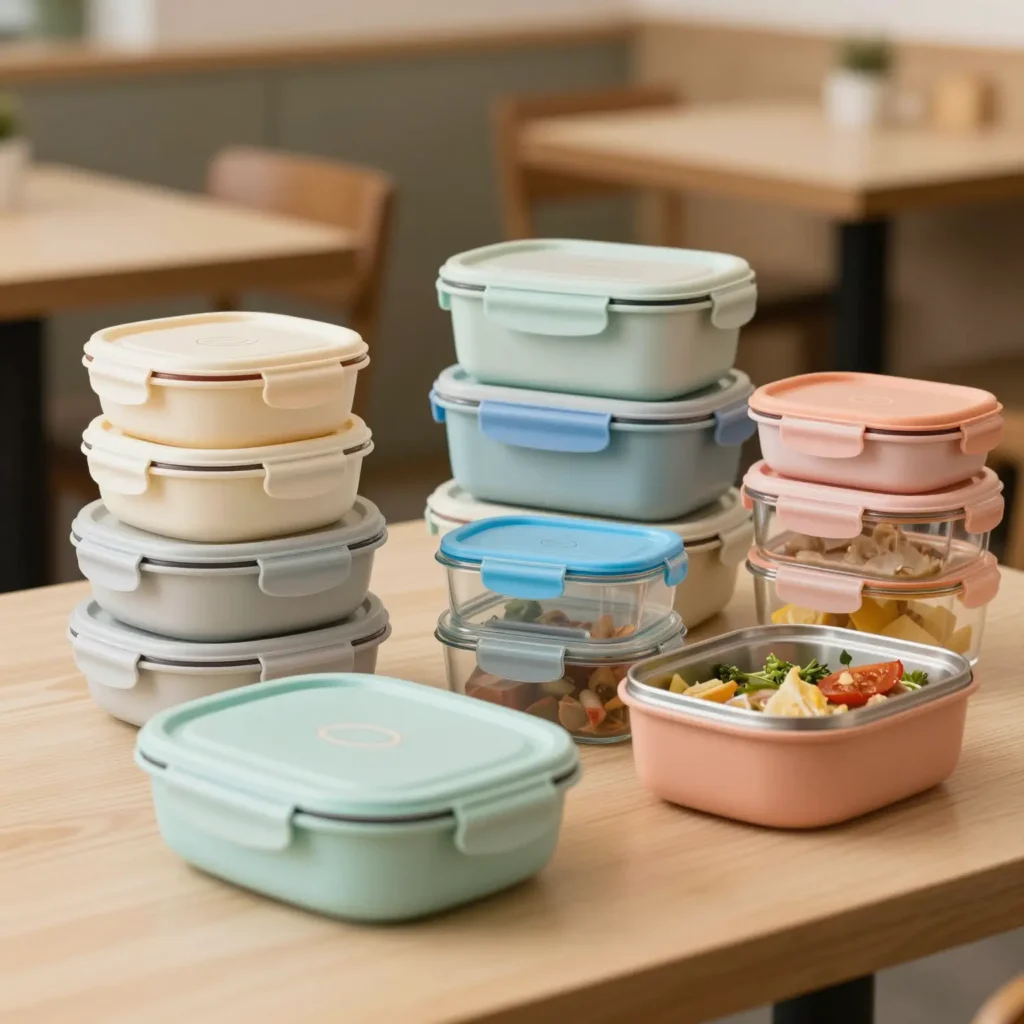
Importance of Childproofing in Food Service Settings
In the bustling world of food service-from trendy bubble tea shops to busy food trucks-ensuring the safety of both customers and staff is paramount. One often overlooked aspect of this safety is childproofing, particularly when it comes to food storage solutions. Locking plastic food containers play a pivotal role in this process, acting as a crucial barrier that not only preserves the freshness of your offerings but also safeguards against accidental exposure or tampering by young and curious hands. By implementing childproof containers, restaurants and caterers can establish a more secure environment while maintaining the integrity of their products. Not only does this heighten safety standards, but it also provides peace of mind for event planners and corporate procurement teams who prioritize both quality and security. With a variety of options available-such as those found in our food storage boxes collection-the transition to enhanced safety is as seamless as it is necessary. Embracing these solutions not only reinforces your commitment to safety but also elevates your brand’s reputation in an increasingly safety-conscious marketplace.
Childproofing your food service practice with locking containers is not merely a suggestion, but a proactive step towards ensuring a safe dining experience for everyone, especially those little food enthusiasts!
Benefits of Locking Plastic Food Containers for Child Safety
When it comes to ensuring child safety in food service environments, locking plastic food containers offer numerous advantages. Here are five key benefits:
-
Accidental Opening Prevention: Locking mechanisms on these containers make it difficult for young children to open them unsupervised. This minimizes the risk of children accessing food that may be harmful or inappropriate for them.
-
Reduction in Food Tampering and Spillage: Facilities utilizing locking containers have reported a significant decrease in incidents related to food tampering and spillage. This not only protects children from physical hazards but also helps maintain a clean and orderly environment.
-
Food Allergen Control: The secure seals of locking containers help contain allergens, which is crucial for preventing cross-contact in settings where children may have specific food allergies. This feature significantly enhances safety and compliance with food safety standards.
-
Hygienic Storage: Locking containers help protect food against pests and dust, creating a more hygienic storage solution. This is especially important in daycare centers and schools, where children’s immune systems are still developing.
-
Durable and Safe Materials: Most locking containers are made from BPA-free, FDA-compliant materials, ensuring that no harmful chemicals leach into food, particularly when stored hot or oily items. They are also typically microwave and dishwasher safe, facilitating easy reheating and cleaning.
By investing in high-quality locking plastic food containers, food service establishments can significantly improve child safety while ensuring food integrity and hygiene. For more options, consider browsing our collection of secure food containers.
Common Safety Challenges in Food Services
In the food service industry, especially in environments catering to children, safety is paramount. Businesses often face several challenges when it comes to ensuring child safety, particularly regarding foodborne illnesses and choking hazards. According to a World Health Organization report, children under five years old are particularly vulnerable, experiencing numerous illnesses linked to unsafe food practices. Common safety challenges in food services that cater to children include:
- Foodborne Illness: Poor handling and storage can lead to contamination, which can result in severe reactions in children with developing immune systems. The risk factors include improper food handling, cross-contamination, and failure to maintain temperature controls, especially in high-volume meal settings.
- Choking Hazards: Foods such as nuts, grapes, and hard candies are often unsafe for young children. In addition to these common choking risks, allergic reactions to foods like peanuts, milk, and eggs can also pose serious threats.
To tackle these issues, locking plastic food containers provide an effective solution. Here are several ways they contribute to child safety in food service processes:
- Preventing Contamination: Locking mechanisms create a secure seal that minimizes the risk of spills and cross-contamination. By keeping a tight lid on food items, these containers ensure that harmful pathogens are less likely to invade ready-to-eat meals, thus safeguarding children’s health.
- Safe Storage of Allergens: Using separate locking containers for allergenic foods can help prevent allergic reactions. This system of organization aids food service personnel in managing high-risk items safely and efficiently.
- Minimized Choking Risks: With proper labeling and secure latching, staff can quickly identify and segregate potentially hazardous foods, lowering the risk of choking incidents in serving scenarios.
Furthermore, locking plastic food containers not only enhance safety but also promote operational efficiency. The durability and stackability of these containers make them ideal for high-demand settings. With built-in labels and portion markers, they help streamline inventory management and reduce food waste.
In conclusion, implementing locking plastic food containers can significantly address common child safety challenges in food services. By prioritizing safety through innovative storage solutions, food service businesses can foster a safer environment for their young patrons and ensure compliance with health regulations.
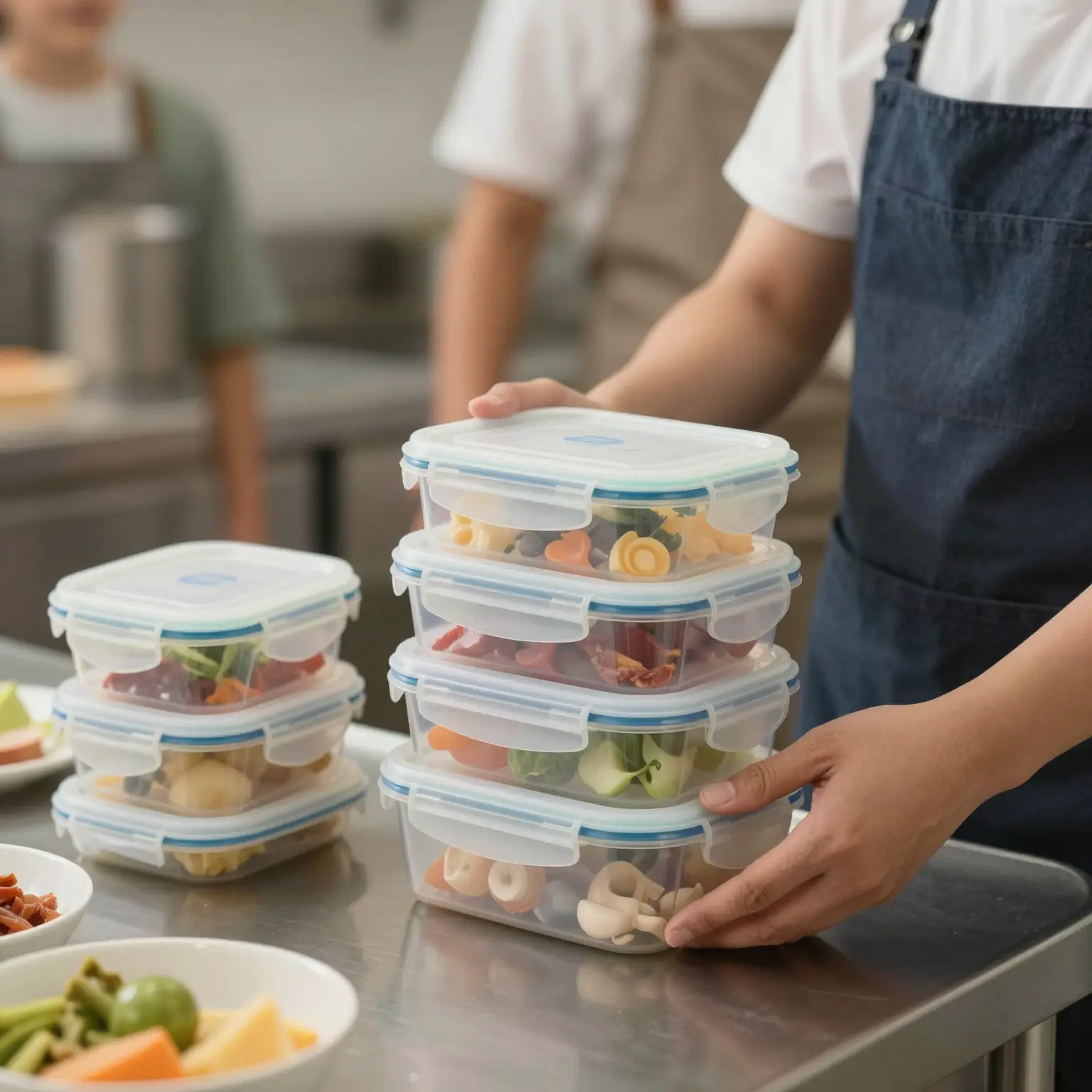
An illustration showing food service professionals utilizing locking plastic food containers to enhance child safety.
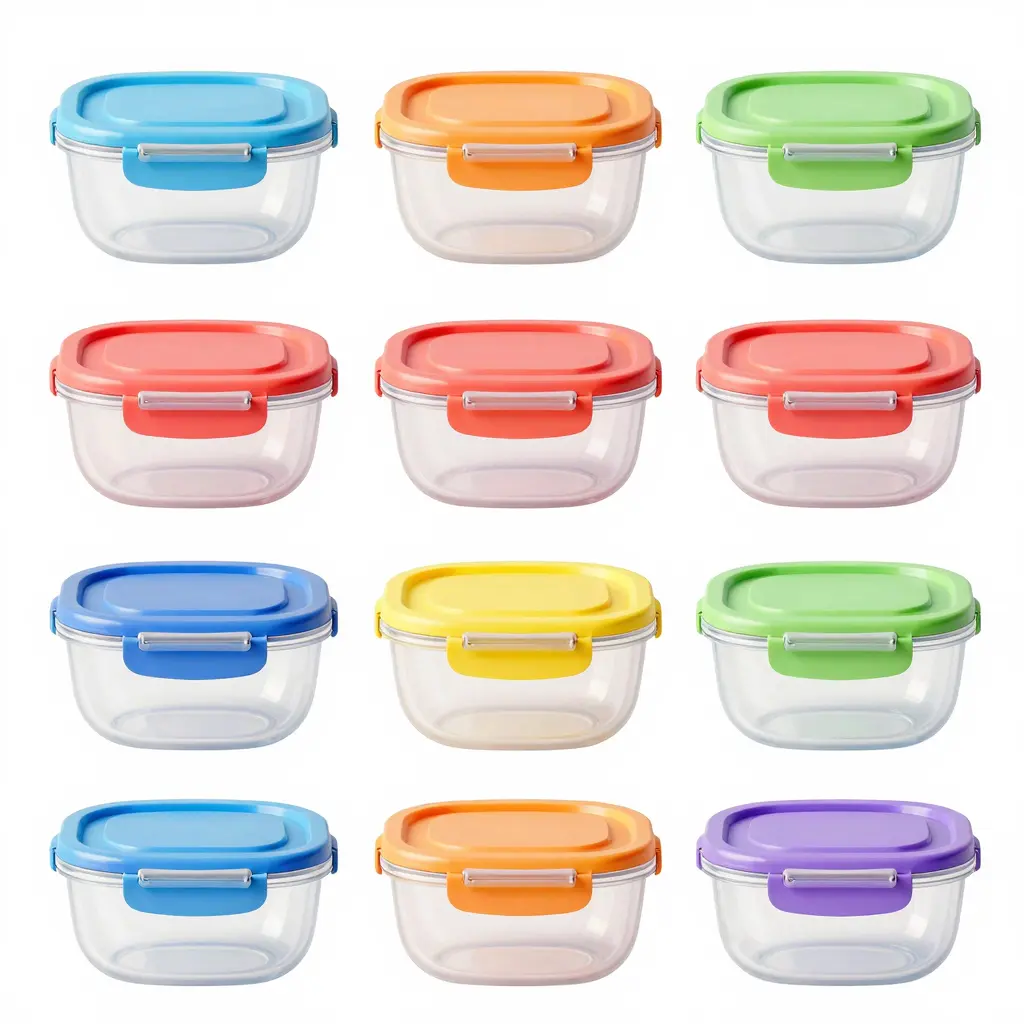
This image showcases various childproof locking mechanisms used in plastic food containers, featuring designs that enhance safety and prevent children from accidentally opening them. These mechanisms are essential for ensuring food safety, especially in environments such as bubble tea shops, restaurants, and catering services that prioritize the well-being of their young customers.
Child Safety in Food Environments: A Growing Concern
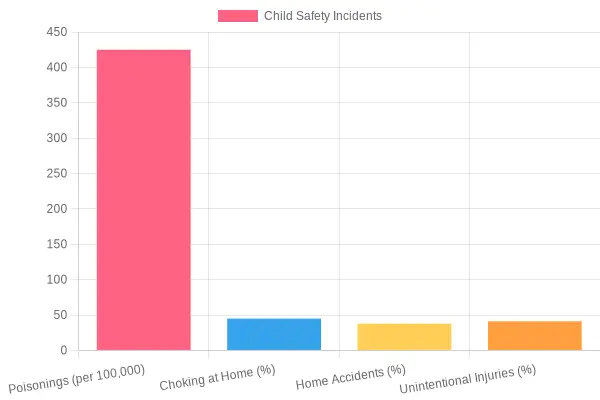
Ensuring child safety in food environments, particularly in homes and businesses like restaurants and food trucks, is critical. The statistics reveal a concerning trend regarding child accidents related to food handling and storage:
-
Poisonings: In the United States, over 1.25 million poisoning exposures were reported among children under six years old. This translates to about 425 cases per 100,000 children. Many of these incidents involve hazardous substances mistaken for food or drink.
-
Choking Incidents: A San Diego County study found that 45% of choking episodes occurred at home. The majority of these choking cases are associated with the consumption of meat products, highlighting the need for careful food preparation and supervision during meals.
-
Home Accidents: Research suggests that approximately 37.9% of children aged 0-6 experience home accidents, with falls being the most common cause, accounting for 75.4% of all incidents. These accidents can often occur during mealtime or food storage activities.
-
Unintentional Injuries: A report indicated that 41.21% of children experienced unintentional injuries in home environments. Of these, many injuries were linked to unsafe food handling practices and inadequate supervision.
Given these alarming statistics, it’s crucial for operators in the food industry, like bubble tea shops and catering services, to implement childproof designs in food storage areas. Locking plastic food containers can be an effective measure to mitigate these risks, ensuring that children are safe from accessing foods and substances that may cause harm. For more about practical food storage solutions, check out our food storage options.
- Highlighting the importance of food safety, the World Health Organization emphasizes that children under five account for 29% of the global health burden from unsafe food, resulting in significant morbidity and mortality. These trends illustrate the importance of proper food handling and storage practices to ensure the safety of young children in food environments.
How to Choose the Right Locking Plastic Food Containers
When selecting locking plastic food containers for your business, it’s important to consider several key factors to ensure they meet your needs effectively. Here’s a guide to help you make the right choices:
1. Safety Standards
Safety is paramount when it comes to food storage. Ensure that the containers comply with national safety standards. For instance, in China, new standards for food container safety were implemented in 2022 to regulate food contact materials (source: Xinhua News Agency). Look for containers that are BPA-free and carry certifications indicating compliance with food safety regulations. Checking for labeling such as “food contact use” is essential to avoid health risks.
2. Durability
The material used in food containers can greatly affect their lifespan and durability. Containers made from high-quality plastic, like polypropylene (PP), can withstand high temperatures and are resistant to wear and tear. A study showed that certain modified PP/PE composite containers can have a lifecycle exceeding 5000 uses, making them an excellent choice for commercial purposes (source: 观研天下). Always consider the intended use-be it storage, transport, or service-and select containers designed for those particular conditions to avoid breakage or leakage.
3. Eco-friendliness
With the increasing focus on sustainability, opting for eco-friendly containers is beneficial for your business image and environmental impact. Look for containers made from recyclable materials or those that meet the eco-certification standards such as ISO 14021. Many businesses now offer biodegradable options, although proper disposal methods must still be observed to ensure they fulfill their sustainable promise. For instance, glass and stainless steel containers are considered sustainable due to their durability and recyclability (source: European Sustainable Packaging Association). Plus, they often provide superior heat resistance and sealing capabilities.
4. Functionality and Design
Choose containers that are not only safe and durable but also user-friendly. Features such as leak-proof seals, easy stacking, and transparent materials for quick visibility of contents can enhance functionality. Additionally, ensure that the containers can efficiently fit into your storage spaces, which is especially crucial for food trucks or catering (to maximize storage efficiency).
5. Cost-Effectiveness
Finally, consider the cost versus the benefits of each option. While higher upfront costs for durable and eco-friendly containers may seem daunting, they often prove more cost-effective in the long run due to their longer lifespan, less frequent replacement needs, and the positive impact on your brand image as a green business.
By prioritizing safety standards, durability, eco-friendliness, functionality, and cost-effectiveness, you can choose the right locking plastic food containers that cater perfectly to your business needs. For various options, consider exploring our range of instock boxes suitable for food storage and transport.
Comparison Table of Popular Locking Plastic Food Container Brands
| Brand | Key Features | Price (per unit) | Safety Standards |
|---|---|---|---|
| Brand A | BPA-free, microwave safe, leak-proof | $0.12 | FDA, EU |
| Brand B | Airtight seal, dishwasher safe, suitable for hot foods | $0.10 | FDA, CE/EU |
| Brand C | Stackable design, freezer safe, custom sizes available | $0.08 | FDA, ISO |
| Brand D | Durable polypropylene, dishwasher safe, color-coded lids | $0.15 | FDA, CIQ |
| Brand E | Flexible design, suitable for liquids, reusable | $0.20 | FDA, LFGB |
Insights on Locking Plastic Food Containers
Locking plastic food containers are essential for food service businesses, ensuring food remains fresh and secure. Most containers are made from materials such as polypropylene (PP) and polyethylene terephthalate (PET), which are favored for their safety and durability. These containers typically comply with strict food safety standards, including FDA and EU regulations, to guarantee that no harmful chemicals leach into food.
For businesses looking to purchase these containers, consider options available at Eco Cup Bowl for a variety of selection suited to your specific needs.
Conclusion
Choosing the right locking plastic food container can significantly impact food storage and customer satisfaction. With numerous options available, understanding the key features, pricing, and safety standards will help in making informed decisions suitable for your food service requirements.
“As a catering service that always aims for the best, we turned to EcoCup Bowl’s locking plastic food containers, and we couldn’t be happier! The childproof design ensures our events run smoothly, keeping our food safe and secure. Not only are they durable, but they also add a professional touch to our presentations. Highly recommend to anyone in the food industry!”
- Sarah T., Event Planner
Explore our range of food containers here to find the perfect solution for your business!
Conclusion
In conclusion, locking plastic food containers provide an invaluable solution for child safety in various environments such as homes, restaurants, and food service establishments. By utilizing food-grade materials, these containers ensure that harmful substances are not leached into meals, keeping children’s health a top priority. Their airtight sealing design not only prevents contamination but also helps retain the nutritional value of the food. These practical containers are easy to store and organize, making them ideal for parents and caregivers who are constantly on the move. The use of reliable disposable tableware also extends the same child safety benefits; materials like sugarcane bagasse and bamboo fiber are non-toxic and designed with child-friendly features.
For your next event, choose our reliable disposable tableware and packaging solutions that are safe for children while also being environmentally conscious. Together, let’s create a safer dining experience for the little ones!
In recent years, the food service industry has increasingly turned to eco-friendly packaging solutions, especially as consumer demand for sustainable options continues to rise. This shift is particularly visible in the use of biodegradable materials, minimalistic designs, and innovations that prioritize both environmental sustainability and child safety.
Key Trends in Eco-Friendly Packaging
- Biodegradable and Compostable Materials:
- There has been a growing shift towards biodegradable and compostable packaging options, such as bagasse (sugarcane fiber) and cornstarch-based films. These materials significantly reduce plastic waste and offer a green alternative for foodservice providers.
- For example, the integration of nanocomposites-materials infused with nanoparticles-enhances the physical properties of biopolymers, extending shelf life and maintaining food safety without compromising on environmental integrity.
- Child-Safe Packaging Features:
- The intersect of eco-friendly packaging and child safety has also gained importance, especially with the introduction of child-resistant lids made from plant-based plastics. This ensures that containers are not only sustainable but also help prevent accidental openings by children.
- Clear labeling practices for allergens and ingredients have become standard, enabling brands to better inform consumers while ensuring safety for families.
- Tamper-Resistant and Non-Toxic Designs:
- Recent trends show a preference for tamper-evident seals and non-toxic inks in sustainable packaging designs. Regulations advocating for child safety, including stricter standards for food packaging, have prompted brands to focus on these elements.
- Consumer Awareness and Demand:
- A notable trend observes that about 85% of consumers would prefer products with sustainable packaging solutions. As sustainability becomes synonymous with safety, brands are responding to increasing regulatory pressures by adopting designs that reflect these values.
Conclusion
The synergy between eco-friendly packaging and child safety not only meets consumer expectations but also addresses broader environmental concerns. For beverage chains, restaurants, and food trucks, choosing eco-friendly packaging that prioritizes safety will not only enhance brand reputation but also place these businesses in a favorable light among environmentally-conscious consumers. By embracing these trends, operators can evolve their products to reflect current market demands while ensuring safety for children.
For more about sustainable options, check out our range of eco-friendly takeaway solutions at EcoCupBowl, providing practical choices aligned with these important trends.