
The Importance of Plastic Containers in Food Service
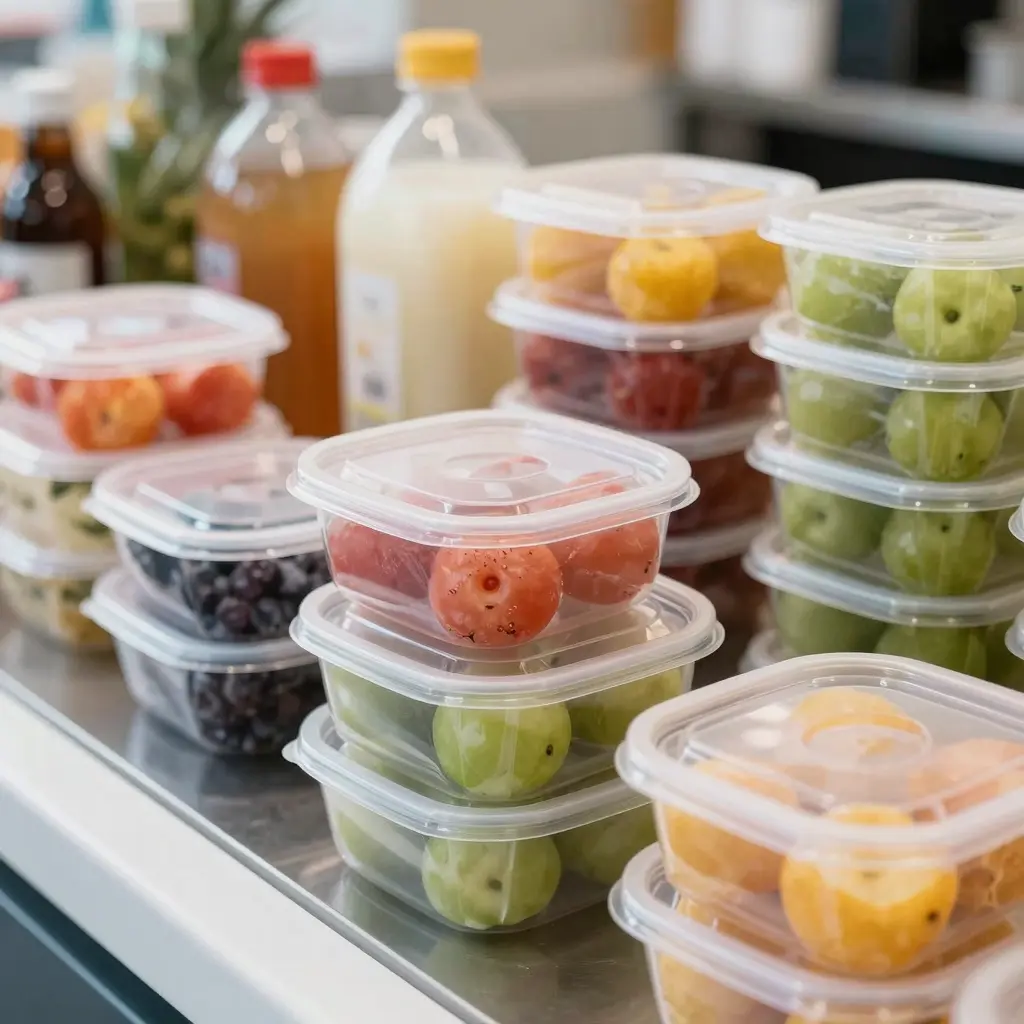
In the vibrant world of food service businesses, from trendy bubble tea shops to bustling catering services, the choice of packaging can significantly impact both customer satisfaction and operational efficiency. Plastic containers have become a cornerstone of food presentation and preservation, offering undeniable advantages in reliability and safety. These containers not only ensure that beverages and meals remain fresh and secure during transport, but they also provide a hygienic option for serving food, crucial in maintaining health standards. Additionally, their durability means that they can handle the vigorous demands of a busy establishment, reducing concerns regarding leaks or breakage. As food service providers continuously strive to enhance the quality and safety of their offerings, utilizing dependable plastic packaging is a straightforward yet effective strategy. For a comprehensive selection of food packaging solutions that cater specifically to your business needs, check out our range of boxes and takeaway options.
Comparison of Different Types of Plastic Containers for Food Storage
When selecting plastic containers for your bubble tea shop or restaurant, it’s essential to understand the differences among various types. Below is a comparative table highlighting the features, sizes, materials, and best use cases for each type of container, especially tailored to the needs of food service industry professionals.
| Container Type | Size Range | Material Type | Best Use Cases |
|---|---|---|---|
| PET (Polyethylene Terephthalate) | 250 ml to 2000 ml | Food-grade PET | Ideal for single-use beverage cups, fantastic for cold drinks like iced teas and bubble teas. |
| HDPE (High-Density Polyethylene) | 500 ml to 3000 ml | Food-grade HDPE | Great for milk jugs and bulk liquids; very durable for transport and storage. Ideal for sauces or dressings. |
| PP (Polypropylene) | 250 ml to 3000 ml | Food-grade PP | Suitable for hot soups and take-out meals. Also microwave safe, making it a versatile choice. |
| Tritan | 350 ml to 5000 ml | BPA-free Tritan | Excellent for both hot and cold beverages; good for repeated use and resistant to staining. Great for bubble tea. |
| LDPE (Low-Density Polyethylene) | 500 ml to 1500 ml | Food-grade LDPE | Good for flexible bags, perfect for snacks; not recommended for hot foods. |
| PS (Polystyrene) | 200 ml to 1000 ml | Food-grade PS | Commonly used for disposable cups but avoid for hot liquids due to risk of leaching. |
Key Considerations:
- Safety Standards: Ensure containers are labeled ‘food-grade’ and comply with FDA standards for food contact materials. This guarantees they are safe for storing or serving food items.
- Performance Under Temperature: Use materials such as Tritan or PP for hot beverages, as they can withstand higher temperatures without degrading.
- Sustainability: Consider reusability and recyclability for environmentally conscious operations. Tritan containers are especially favored for sustainable practices in the beverage industry.
For verified options and more details, check out our food storage containers suitable for your needs!
Safety Standards for Food Packaging
In the food service industry, safety standards for plastic containers are paramount to ensure consumer health and comply with regulations. These standards are designed to prevent harmful substances from migrating into food and to ensure that the materials used are safe for their intended purpose.
Key Regulations and Certifications
Several important regulations govern food packaging safety, especially for plastic containers:
-
FDA Regulations (USA): In the United States, the Food and Drug Administration (FDA) sets comprehensive guidelines for food contact materials. Containers made from materials like polypropylene (PP) and polyethylene (PE) must meet specific safety requirements, including migration testing for harmful substances. For instance, materials must demonstrate stability at high temperatures without releasing toxic substances. Products must clearly indicate that they are intended for food contact and specify temperature limits for use. Learn more about food packaging products here.
-
EU Regulations: In the European Union, food packaging must adhere to Regulation (EC) No 1935/2004, ensuring that materials do not transfer compounds to food in quantities that could be hazardous. Manufacturers must conduct several tests, including total migration tests, to verify compliance. The CE marking indicates that products meet these legal requirements, though it’s essential to note that no official ‘CE certificate’ is issued. You can find an overview of compliant products here.
-
Chinese Standards: In China, the GB 4806.7-2016 standard regulates the safety of food contact plastics. This includes requirements for heavy metal limits and restrictions on harmful additives. Manufacturers must only use virgin, food-grade materials to ensure safety.
Additional Certification Considerations
Businesses selecting packaging for their food operations should also look for certifications like:
- ISO 22000: This standard focuses on food safety management systems and is relevant for manufacturers seeking to ensure quality across their production processes.
- EAC Certification: Required for entry into the Eurasian Economic Union, this certification ensures compliance with packaging safety protocols concerning hygiene and chemical migration.
Adhering to these safety standards and certifications not only protects consumer health but also enhances the credibility of food service providers in the eyes of customers. By choosing properly certified packaging, businesses can ensure compliance and trust in their food offerings.
Eco-Friendly Practices in Plastic Manufacturing for Food Containers
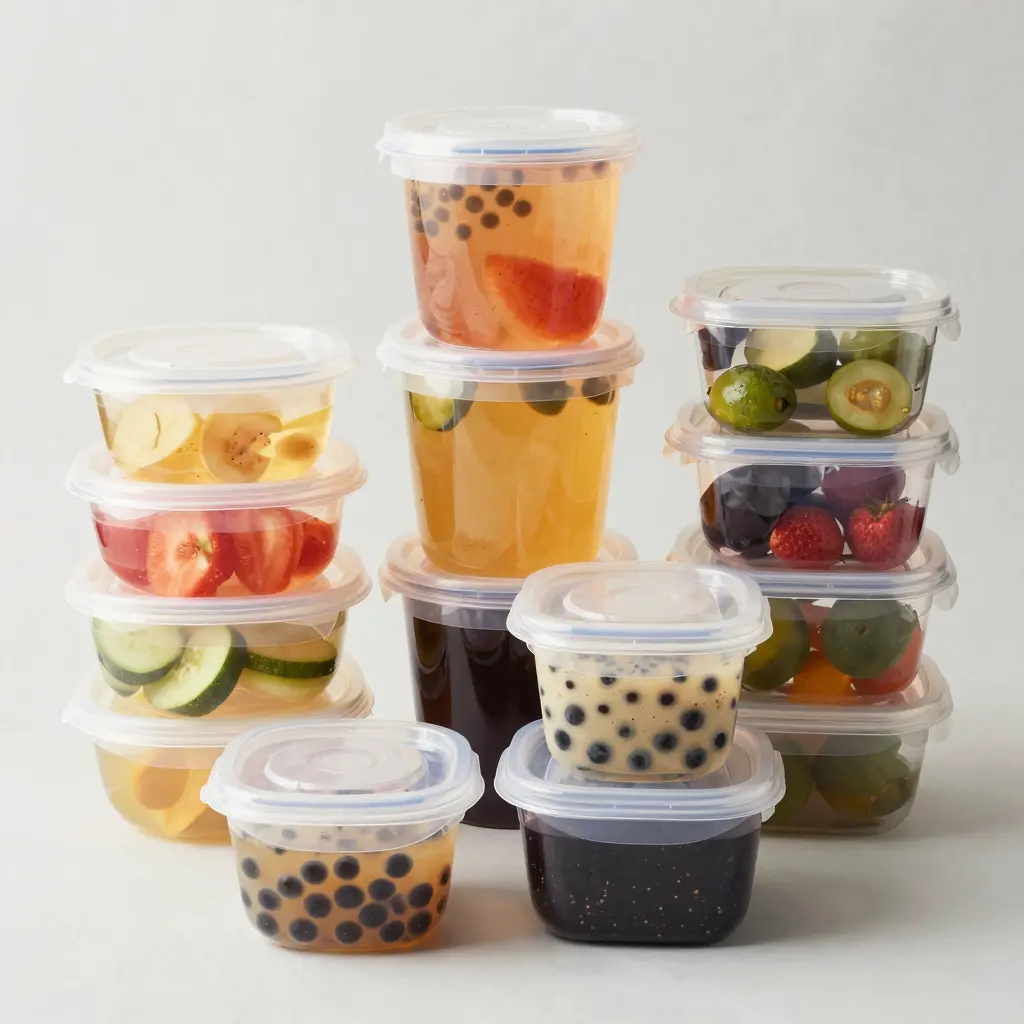
Creating more sustainable practices in the manufacturing of plastic food containers is crucial for restaurants and food businesses looking to minimize their environmental impact. Here are some eco-friendly practices that you should consider:
-
Use Biodegradable Materials: Choosing plastics that are made from renewable resources, such as PLA (polylactic acid), can significantly reduce the environmental footprint.
-
Recycled Content: Implementing recycled materials in your containers helps reduce reliance on virgin plastic and encourages recycling in the community.
-
Energy-Efficient Manufacturing: Opt for manufacturing processes that utilize less energy, which can be achieved through modern machinery and technology. This not only helps the environment but can also reduce costs.
-
Minimalistic Design: Designing containers that require less material without compromising function helps reduce waste. This also ensures that more products can fit in transportation, further reducing emissions.
-
Innovative Recycling Solutions: Partner with companies that promote closed-loop recycling systems, where the containers are collected, recycled, and used to create new products.
-
Compostable Liners: If using containers with lining, choose compostable options. This ensures that any food waste can go directly into composting systems, reducing landfill contributions.
-
Educate Customers: Provide information on how to properly dispose of or recycle containers. Consider labeling with clear instructions to encourage responsible disposal.
By employing these practices, businesses can play a pivotal role in reducing plastic waste. For example, you can check out sustainable options available from Eco Cup Bowl’s products. Through conscious efforts, you can lead the charge towards a more sustainable future in the food service industry!
- Lifecycle Assessment: Regularly assess the environmental impact of your packaging throughout its lifecycle, from production to disposal.
Incorporating these eco-friendly practices will not only help create a healthier planet but also appeal to an increasingly environmentally-conscious consumer base.
“Safe packaging is essential to prevent contamination and ensure the integrity of food products from farm to fork. Any failure in packaging safety can compromise public health.”
- U.S. Food and Drug Administration (FDA)
This quote from the FDA emphasizes the critical importance of safe food packaging, which is especially relevant for businesses in the food industry, such as bubble tea shops, restaurants, and catering services. Ensuring that packaging meets safety standards not only protects consumers but also maintains the integrity of the food being served. For businesses, investing in reliable packaging solutions is crucial to safeguarding public health and maintaining customer trust.
If you’re looking for safe and reliable options for food packaging, you can check out our selection of takeaway boxes or explore various food trays available that prioritize safety and quality.
The Cost-Effectiveness of Plastic Containers
When considering the options available for food service businesses, plastic containers emerge as a remarkably cost-effective choice. While initial costs might be lower for paper or even some glass containers, the long-term savings associated with high-quality plastic containers can be significant. Here’s how plastic containers can help businesses save money over time:
1. Durability and Longevity
Plastic containers, especially those made from high-quality food-grade materials (like polypropylene, labeled as recycling code #5), can last several years when maintained properly. Unlike paper containers that are prone to moisture and can become unusable after a single use, plastic containers can withstand various conditions, allowing for multiple uses which translate to reduced costs for replacement.
2. Reduced Operational Costs
According to research, businesses that use plastic containers can reduce their total food service costs significantly. For instance, studies have shown that using plastic instead of paper can save businesses about 23% in waste management and packaging procurement costs due to lower disposable container usage. Businesses can also minimize food waste by utilizing reusable containers for leftovers and takeaway orders, thereby cutting down on the necessity to constantly restock disposable options.
3. Handling and Versatility
Plastic containers are generally lighter and less fragile than glass, which reduces shipping and handling costs. This versatility extends to their usability for various food types, whether hot or cold, making them ideal for diverse food service needs from restaurants to food trucks. With the ability to serve a wide range of food, businesses can lower the number of container types they need to purchase.
4. Financial Health Benefits
By investing in high-quality plastic containers, businesses can experience substantial savings over time. Reports indicate that families using plastic containers can save an average of $120 over five years compared to those relying on glass or metal. This is mirrored in the food service industry, where the avoidance of frequent replacements reduces overall expenditures.
For more options that maximize cost-effectiveness and efficiency, check out our selection of takeaway boxes to suit your food service needs.
Overall, the right choice of plastic containers can lead to significant financial benefits while still offering reliability and convenience for various food service applications. Whether you’re running a bustling restaurant, a catering service, or a food truck, integrating durable plastic containers into your operations not only ensures quality in service but also protects your bottom line.
Projected Market Growth for Disposable Plastic Containers
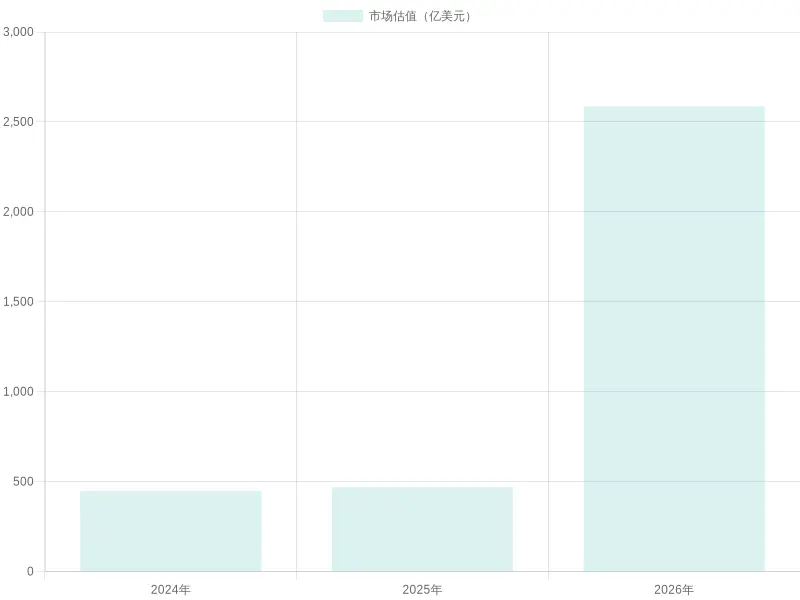
The disposable plastic container market is experiencing significant growth, particularly in food service applications like bubble tea shops and catering services. Here’s a look at the projected market values:
Market Valuation Comparison
| Year | Market Valuation (in Billion USD) |
|---|---|
| 2024 | $450 |
| 2025 | $470 |
| 2026 | $2587 |
📈 The bubble tea and catering industries are expected to boost the demand for disposable containers due to convenience, cost-effectiveness, and the growing trend of food delivery and takeaway services.
Global Plastic Food Container Market Growth
In addition, let’s take a look at the global plastic food container market, which is forecasted to grow steadily in the coming years:
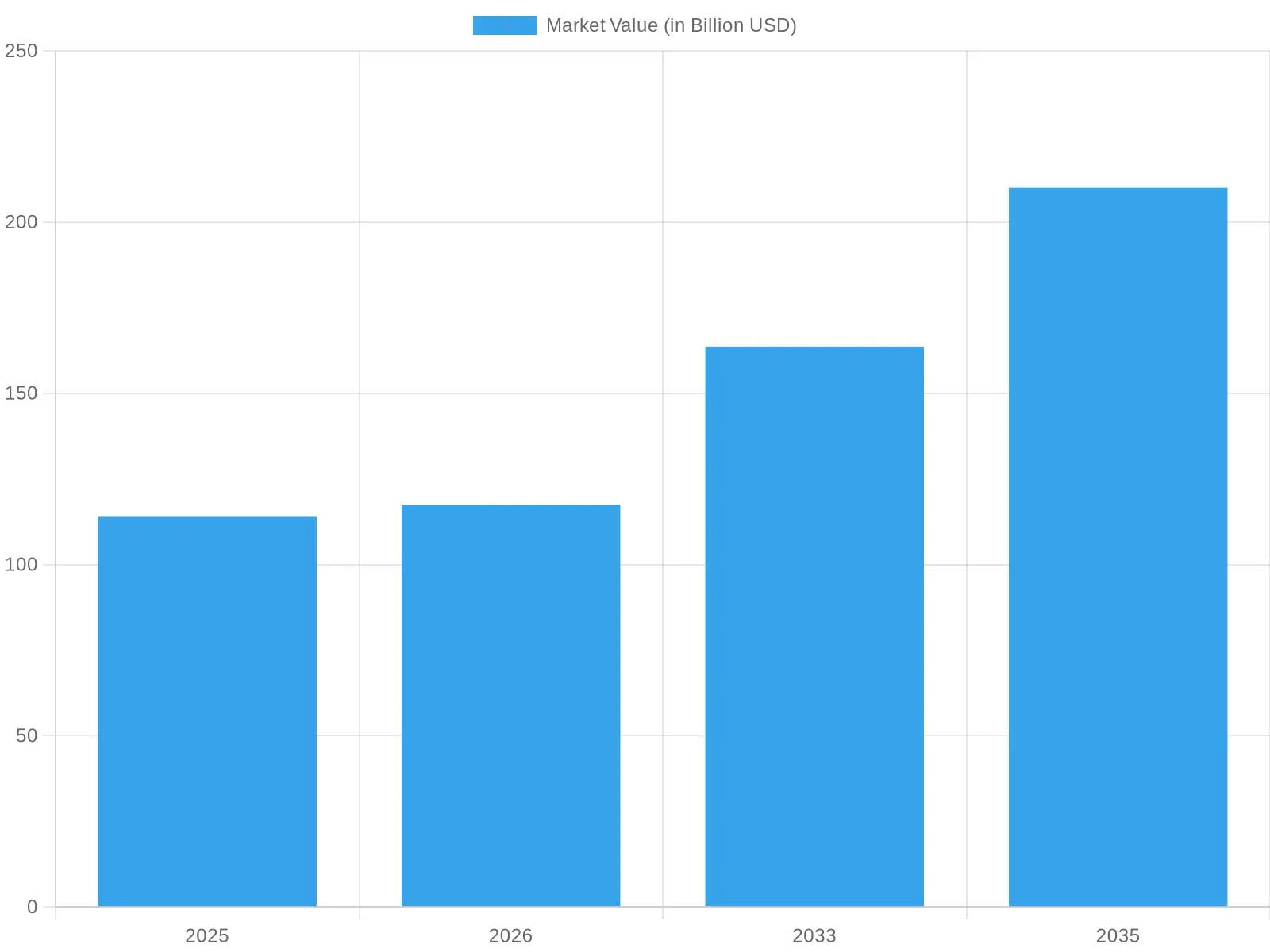
| Year | Market Value (in Billion USD) |
|---|---|
| 2025 | $113.92 |
| 2026 | $117.5 |
| 2033 | $163.62 |
| 2035 | ~$210 |
This chart reflects a consistent growth trend, which correlates directly with the needs of bubble tea shops and catering services for durable and cost-effective packaging solutions.
For more information on our products, check out our in-stock paper cups and sleeves.
Conclusion
In summary, choosing reliable disposable tableware and packaging solutions is essential for enhancing operational efficiency and customer satisfaction across the food service industry. Whether you are involved in bubble tea, catering, or running a food truck, the right packaging not only ensures food safety and quality but also aligns with growing consumer preferences for biodegradable and eco-friendly options.
By investing in high-quality disposable solutions, you can reduce costs, streamline serving processes, and positively impact your brand image. As we highlighted earlier, adopting these solutions can lead to lower waste, better compliance with environmental regulations, and increased customer loyalty.
We encourage you to explore our range of packaging solutions tailored to fit your needs. For a personalized quote that meets your specific requirements, don’t hesitate to contact us today. Together, let’s move towards a more sustainable and efficient food service solution!
Debunking Common Misconceptions About Plastic Food Containers
As plastic containers are widely used in food industry, some common misconceptions persist regarding their safety, recyclability, and overall quality. Let’s take a closer look at these myths to better understand the facts.
Misconception 1: All Plastic Containers Are Safe
One of the biggest myths is that all plastic containers are safe for food storage. Many consumers believe that if a container is labeled ‘BPA-free’, it means it is completely safe. However, a 2026 report showed that many BPA-free plastics still release estrogenic chemicals like BPS and BPF under certain conditions, raising concerns about their safety for food storage. Therefore, it is crucial to verify the plastic type and consider materials like glass or stainless steel, which are generally safer for long-term food storage.
Misconception 2: Plastics Are Easily Recyclable
Another prevalent misconception is that all plastics can easily be recycled if they have a recycling symbol. In reality, the average global recycling rate hovers around 30%, with contamination being a major factor. A study reported that food residue or oil can cause up to 25% of plastic containers to be sent to landfills, as even one dirty item in a recycling batch can taint the entire load. Therefore, for effective recycling, it’s essential to clean and dry containers properly before disposing of them.
Misconception 3: Plastic Containers are Durable and Long-lasting
Many believe that plastic containers are more durable than their glass counterparts. However, repeated use can lead to wear and tear, including scratches that can harbor bacteria. Moreover, plastic containers may leach microplastics into foods when subjected to heat. Conversely, while glass is more fragile, it is chemically inert and does not impart flavors or leach harmful chemicals, making it a reliable alternative for food storage.
Final Thoughts
Understanding the truth behind these misconceptions can help food service providers make better choices regarding food storage solutions. Whether you’re offering takeaway boxes or catering to corporate events, remember to choose safe, recyclable, and durable options that prioritize consumer health. For a variety of reliable containers, check out our range of boxes or explore takeaway solutions.