
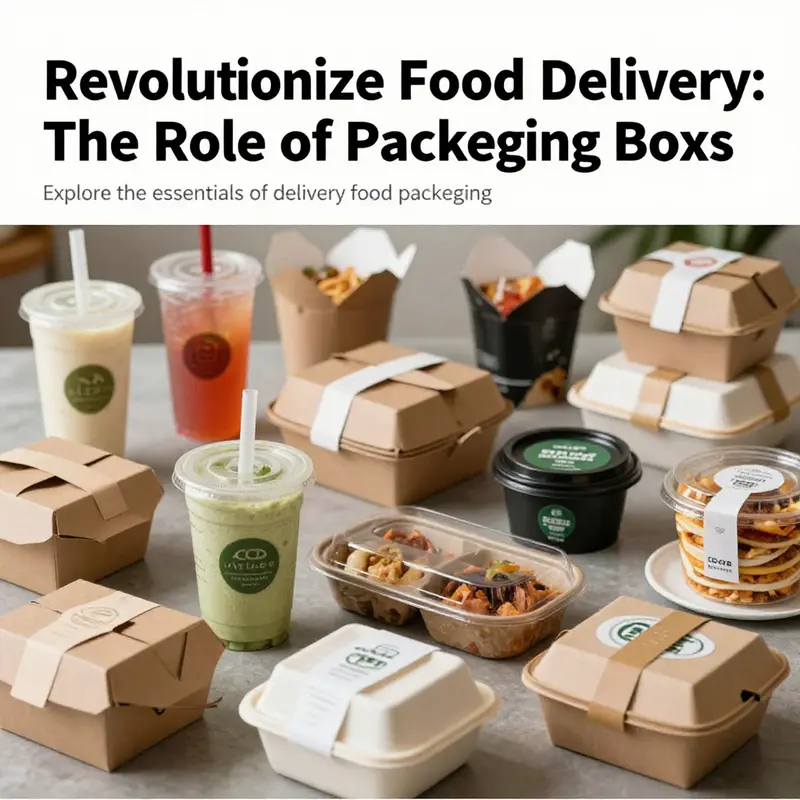
The rise of food delivery services has transformed how we enjoy meals, emphasizing convenience, quality, and safety. Delivery food packaging boxes have become vital to this evolution, ensuring that beverages and dishes arrive fresh and intact at their destination. For businesses like bubble tea shops, restaurants, food trucks, and catering services, understanding the significance of packaging choices can elevate the overall dining experience. This article delves into the materials used in delivery food packaging boxes, innovative design trends, sustainability efforts, and performance standards—all essential elements for ensuring satisfaction in a competitive market.
Layered Shields: Materials Shaping Safety, Sustainability, and Experience in Delivery Food Packaging Boxes
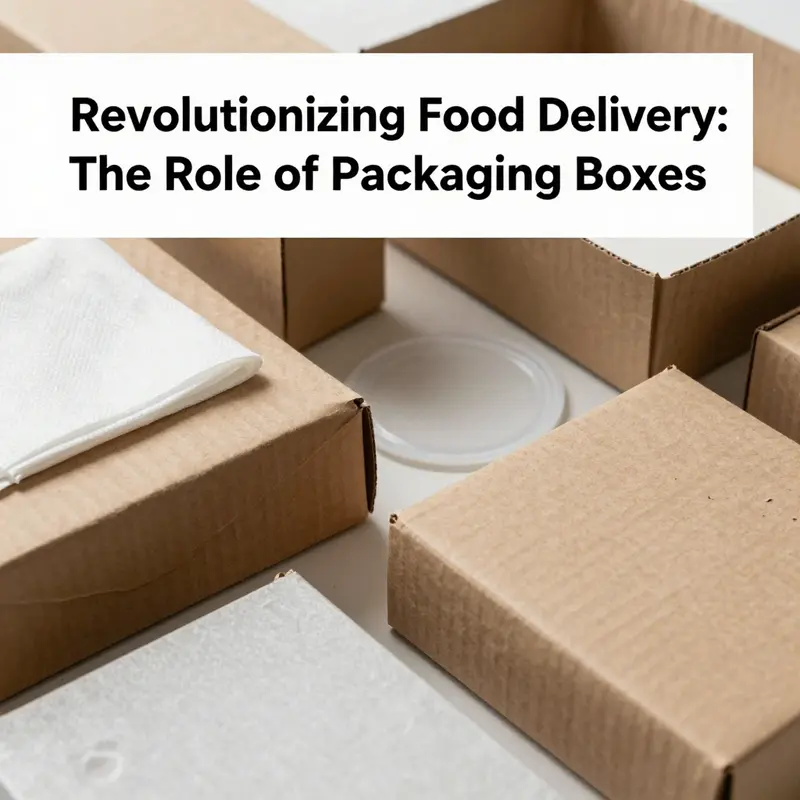
The delivery food packaging box is more than a simple vessel for a meal; it is a layered system that negotiates temperature, moisture, grease, shock, and perception from the moment the order is placed to the moment the lid is opened. Behind the everyday practicality lies a nuanced dance of materials, each chosen for a specific role in preserving quality while supporting speed, cost efficiency, and environmental responsibility. When a brand folds such boxes into its operations, it is not just selecting a container but composing a performance envelope that protects taste, protects safety, and communicates a story about care for the consumer and the planet. In this space, the most common performers are paper based materials such as white cardstock, kraft paper, and corrugated cardboard. These fabrics of the packaging world are prized for their light weight, printability, and recyclability. Corrugated cardboard, in particular, has earned a reputation for cushioning. Its fluted middle layer provides channels of shock absorption that help keep a fragile soup from arriving as a spill and keep a hot dish from jolting into an unhappy temperature after a bumpy ride. A thin layer of food grade wax is often applied to these corrugated surfaces to improve resistance to grease and moisture, enabling high moisture foods like soups, sauces, and fried items to move through urban delivery networks without compromising the box integrity. The waxed and wax like coatings, while not always visible, fundamentally alter the interaction between the box and the contents, reducing the likelihood of seepage and enabling a cleaner, more professional presentation. The result is a packaging solution that is both economical and protective, a balance that aligns with the practical needs of restaurants, ghost kitchens, and meal kit providers alike. These paper based choices are also favorable from a sustainability perspective. Paper can be sourced from renewable forests and, with proper recycling processes, the box can rejoin the circular economy after its life as a delivery vessel. The durability that makes paper boxes attractive is not merely a function of the paper grade but also of the structural design. Kraft paper offers a natural, earthy appearance that resonates with eco conscious consumers, while white cardstock excels in clarity for printed branding and messaging. The capacity to hold up under the weight and moisture of a meal demonstrates that even a seemingly simple object carries a surprising amount of engineering. While paper based materials set the stage, plastics dominate when a delivery requires moisture resistance or an unobstructed view of the contents. PET, PP, and PE are staples in the plastic family because of their resilience, barrier properties, and moldable versatility. Plastics lend themselves to clear windows that invite customers to glimpse a thoughtfully arranged stack of items or a glossy glaze on a pastry. They also provide a robust shield against humidity and airborne contaminants, ensuring that freshness travels with the dish from kitchen to doorstep. Yet plastic brings a broader environmental conversation into focus. The durability that makes plastic appealing in transit also means it presents a challenge at end of life if not properly managed. Recyclability and compostability hinge on the material’s chemistry, the local waste stream, and consumer behavior. The packaging industry therefore faces a dual imperative: keep the performance advantages of plastic while improving end of life outcomes through better materials and better systems for collection and processing. For specialized applications where temperature control is paramount, aluminum foil lined boxes have emerged as a practical solution. The foil layer acts as a formidable barrier to moisture and air, while still allowing the box to be made of familiar substrates such as cardboard or paperboard. This combination supports cold chain logistics by reducing thermal leakage and slowing the rate at which a dish loses its intended temperature. The benefits are clear for meals that require precise timing to deliver a satisfyingly cold or hot experience, such as ready to eat meals that need to arrive chilled or items that are best enjoyed within a window of time after opening. Alongside these layered materials, composite structures commonly blend the strengths of multiple materials. Paper boxes laminated with thin films of plastic or coated with moisture resistant layers bring the best of both worlds: the rigidity and printability of paper with the grease and moisture resistance of polymers. The outcome can be a sturdy, grease resistant container that still allows for brand enhancement through high fidelity printing. The tradeoffs are equally real. Laminates may complicate recycling because disassembly is nontrivial, and certain films break down only under industrial conditions rather than home composting. This tension between performance and recyclability is at the heart of ongoing material science exploration. Innovations are increasingly directed at identifying formulations that preserve barrier properties while enabling more straightforward end of life processing. A rising thread in the conversation is the shift toward plant based or more sustainable polymers that can degrade without leaving a heavy environmental footprint. The industry is learning to balance the desire for strong grease resistance and moisture control with the goal of cleaner, more efficient recovery streams. The result is a set of options that can be tailored to specific food categories while still aligning with consumer expectations for sustainability. The material palette therefore becomes a toolkit rather than a single solution. A bakery that prioritizes presentation might lean on white cardboard with a window to reveal the pastry through a transparent pane. The aesthetic is not merely decorative; it communicates freshness and care, inviting the consumer to trust what they will find inside. This is where an internal link to a tangible example becomes relevant. For bakers and pastry makers who want to combine style with practicality, there are packaging options designed to balance visibility with protection. Consider a foldable cake box with a window that frames a cake or a box of chocolates in a way that heightens the sense of occasion. The box can be made from white cardboard for clean printing, or from kraft paper for a more rustic look, depending on the brand story. A box such as this often relies on a paper based structure for the shell and a clear plastic window or a transparent sleeve to provide the invite. The result is a product that is not only protective but also promotional, a first act in the consumer experience that unfolds before the first bite is taken. This intersection of form and function is where materials reveal their deeper role in the delivery packaging ecosystem. The food service operator must consider how the chosen materials interact with the packaging system as a whole. A box is not just a container; it is a node in a larger flow that includes the kitchen, the courier, the transport environment, and the digital footprint of the brand. When a customer opens the lid, the first sensory cues are often visual and tactile. The color and texture of the paper, the crispness of the print, and the feel of a seal or closure all contribute to a perception of quality. Packaging designers therefore emphasize not only performance but also the customer journey. They consider how weight, stiffness, and surface finish convey reliability and care. In the context of sustainability, there is growing emphasis on end of life. Recyclability remains a central criterion for many operators, followed closely by compostability or the use of materials designed for biodegradation. The choice of materials often reflects a broader corporate narrative about environmental responsibility. Consumers increasingly expect brands to disclose the life cycle of their packaging, and many are willing to adjust their purchasing decisions accordingly. In practice, this has led to innovations in material science. Plant based plastics, for instance, offer alternative pathways to reduce reliance on fossil fuels while maintaining usability during transit. Lightweighting remains a staple of progress, enabling more efficient transport and lower emissions without sacrificing protective ability. In some markets, the transparency of packaging becomes a feature that consumers value. Windows into the box not only display the product but also demonstrate the integrity of the contents. Where the box is clear, it is often important to ensure that the materials around the product do not warp or discolor in transit. At the same time, designers sometimes opt for minimalistic packaging that reduces waste and communicates a modern, conscious brand ethos. Such choices often harmonize with the branding workflow, where the packaging itself becomes a channel for storytelling and market differentiation. The packaging system also intersects with procurement and supply chains. Global sourcing platforms and suppliers of folding cartons, rigid boxes, and corrugated containers provide diverse options for tailoring the right material mix to each food category and delivery logistics. The ability to customize materials and coatings means operators can optimize for grease resistance, moisture control, insulation, and appearance. Yet the procurement decision is not purely technical. It reflects a brand’s positioning and a restaurant’s relationship with its customers. A bakery that emphasizes artisanal craft may opt for a paper box with a window that evokes hand crafted elegance, while a fast casual concept may favor a compact, grease resistant solution that minimizes waste and enhances operational speed. A practical illustration of this is a cake box designed to carry a slice and a pastry, which uses a white or kraft exterior for print clarity and a clear window to showcase the product. The inner surface can be coated to resist oil spills and prevent the cardboard from absorbing moisture, ensuring the box maintains shape even when days are hot and deliveries long. In some cases, the packaging is designed to be reused or repurposed by customers, further extending its life cycle and diminishing waste. The movement toward sustainable materials does not imply sacrificing performance. Instead, it invites more intelligent engineering of composites and laminates, where the right combination of substrates yields a delivery solution that checks multiple boxes at once: responsible sourcing, protective performance, consumer appeal, and end of life compatibility. As the industry continues to evolve, ongoing research in material science, coating technology, and print capabilities will guide the next generation of delivery food packaging boxes. The goal is clear and ambitious: preserve the quality and safety of meals while creating packaging that is easier to recycle, easier to recycle into the next generation of packaging, and more aligned with the values of a diverse, environmentally aware customer base. In the end, the box becomes less of a catchall and more of a carefully engineered partner in the food service journey. It carries not only food but also trust, brand identity, and a commitment to responsible consumption. For readers seeking concrete examples of how these materials come together in practice, the packaging world offers a spectrum of ready to deploy solutions that balance the aesthetic, the practical, and the sustainable. A piece of cake may then travel in a box that respects its delicacy while delivering a message of care and competence. For those who wish to explore a concrete manifestation of the bakery oriented approach described here, consider the Pure Color Foldable Cake Boxes with Window as a functional reference point. See more at this product page. Pure Color Foldable Cake Boxes with Window. This example demonstrates how a simple design can carry complex performance requirements while also enabling brand driven visuals that reinforce consumer trust. In sum, the choice of materials for delivery food packaging boxes is a decisive element in a chain of value. It shapes how well food travels, how confidently customers perceive the brand, and how sustainability ambitions translate into everyday practice. The materials are not merely passive components, but active participants in the delivery experience, working in concert to deliver safe, appetizing meals while telling a story of responsibility and care that begins long before the first bite and continues long after the last crumb has been tasted. External reference for further reading on packaging and safety guidelines can be found here: https://www.fda.gov/food/packaging-labeling
Turning Transit into Trust: Design Innovations in Delivery Food Packaging Boxes
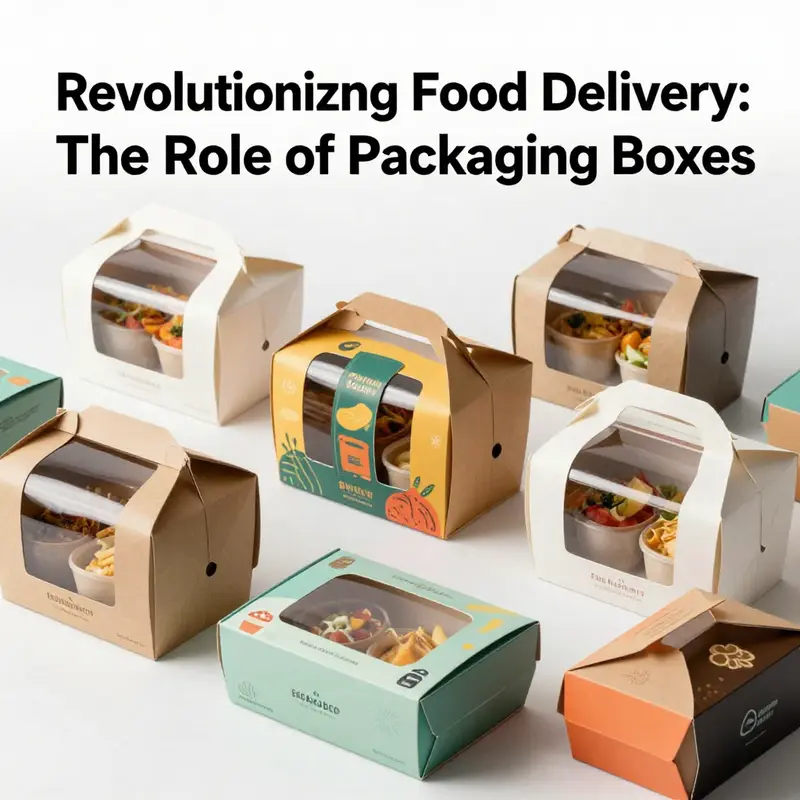
The journey from kitchen to doorstep is now a carefully engineered experience where packaging helps preserve quality, convey brand stories, and guide perception long before the first bite. As delivery ecosystems expand, the delivery box has evolved from a simple container into a strategic tool. The evolution rests on three intertwined pillars: performance, material responsibility, and user experience, each amplifying the others in a cycle of continuous improvement.
On performance, multilayer constructions combine heat management, moisture control, and structural rigidity. A stack that might include a moisture-repellent surface, an insulating core, and a grease-resistant outer shell keeps food closer to its ideal condition for longer, enabling reliable delivery windows and reducing quality variance.
Smart features such as heat indicators and low-cost sensors add transparency. Color-changing marks or embedded sensors can signal temperature breaches or ambient conditions, helping couriers, operators, and customers verify that the meal traveled under safe conditions. This traceability supports risk management and blurs the line between packaging and assurance.
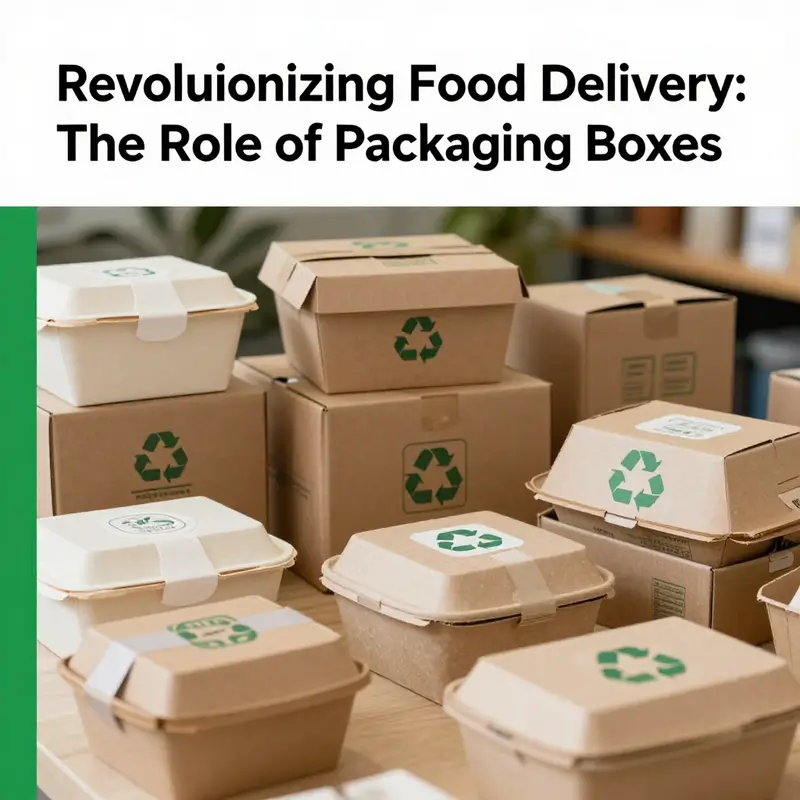
Sustainability remains central. Brands increasingly turn to bio-based and compostable materials like bagasse, bamboo fiber, or molded pulp, chosen for moisture resistance and weight efficiency. End-of-life considerations are embedded in the design, with recyclability or compostability integrated into coatings, inks, and adhesives, along with lightweight architectures that reduce waste.
A modular interior design further protects delicate dishes and minimizes cross-contamination. Internal dividers and sealable compartments can adapt to multi-item orders, reducing reliance on multiple containers while preserving hygiene, flavor, and presentation.
Branding and consumer engagement are no longer afterthoughts. Packaging serves as a portable brand touchpoint, with practical features such as windows for visual appeal, QR codes for menus or feedback, and even AR experiences that deepen storytelling. The result is not just a container but a trusted, memorable part of the dining experience.
As the industry tests new materials, coatings, and assembly methods, designers balance cost, scale, and resilience. The goal is to deliver boxes that perform under pressure, stay true to brand promise, and respect the environment, creating a future where packaging is a differentiator, not a burden.
null
null
Keeping It Fresh: The Performance Standards That Make Delivery Food Packaging Boxes Safe, Secure, and Sustainable
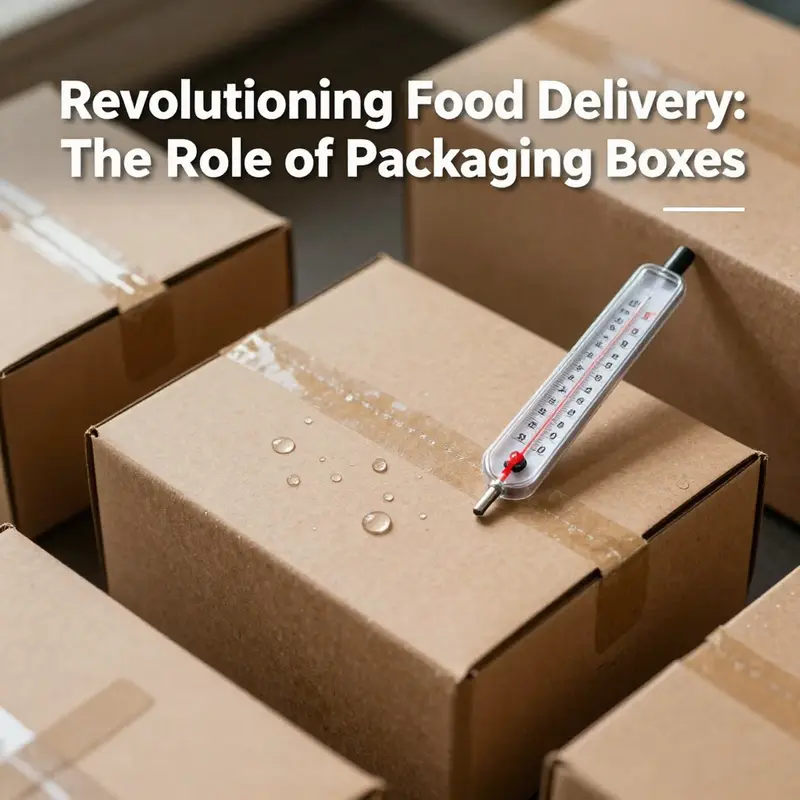
Every box that leaves a kitchen bound for a door or a desk carries more than just a meal. It carries expectations—temperature, texture, scent, appearance, and most of all, trust. The performance standards that govern delivery food packaging boxes are a tapestry woven from safety requirements, engineering constraints, and evolving sustainability goals. They are the invisible criteria that translate a simple container into a reliable conduit for nourishment and brand promise. In a marketplace where convenience is the currency, a box must do more than hold food; it must preserve integrity from the moment the lid is closed to the instant the customer opens it. The interplay of material science, packaging design, and regulatory oversight creates a practical framework in which every component—lid, lining, insulation, and adhesive—has a defined role. This framework is not merely about compliance; it is about a purposeful discipline that can elevate the customer experience while supporting a responsible supply chain. As platforms and kitchens scale up their operations, these standards become the measurement system by which performance is judged, refined, and translated into consistent outcomes across different cuisines, weather conditions, and delivery routes.
Temperature integrity sits at the heart of safe, satisfying takeout. The challenge is not simply to keep heat in or cold in, but to do so across a broad range of foods and transit times. Hot soups, stews, and curries demand sustained heat without sweating through the container walls, while delicate items like salads or pastries require cold-chain discipline to preserve texture and freshness. Paperboard boxes, with their natural limitations, often rely on thermal linings or thin, food-safe insulators to reduce heat transfer. In contrast, materials such as expanded polystyrene (EPS) foam and specialized plastics offer superior insulation but introduce trade-offs in weight, cost, and recyclability. The design question becomes how to balance these factors so that insulation is sufficient for typical delivery windows without creating excessive bulk or a problematic disposal profile. The result is a suite of performance targets that quantify temperature retention over time, ensuring that a hot meal remains hot after a city block or a longer ride, and that a cold beverage or dessert maintains its chill until the last mile.
Moisture and leak resistance are equally critical. In practice, the most common hazard in transit is not the heat itself but the risk of liquid migration and grease migration that can compromise both food safety and consumer cleanliness. Packaging must stop leaks and prevent grease from seeping through to exterior surfaces or neighboring items. The choice of materials—plastic liners, waxed coatings, or barrier-treated paperboard—directly affects this capability. Plastic and EPS-based solutions are inherently waterproof and provide robust moisture barriers, but they come with considerations about recyclability and environmental footprint. Paperboard boxes, while inherently breathable, often require an additional barrier layer to meet moisture resistance demands, especially for soups, gravies, or sauces. The engineering answer lies in a coordinated system: a moisture barrier integrated with lid design that minimizes seam exposure, plus an interior arrangement that keeps sauces contained even during shaking or minor jostling. In practice, this means a practical, tested leakage rate and a robust seal that protects the contents during the most chaotic deliveries, from busy rush hours to multi-stop routes.
Structural integrity and durability complete the triad of core performance criteria. A box must resist crushing, rubbing, tearing, and distortion as it moves through a courier network, stacks atop other packages, or is shuffled by hand from kitchen to curb. The strength of the carton, the stiffness of the walls, and the fit of lids all contribute to this resilience. Durable materials, often plastic polymers or EPS foam, endow the container with rigidity and impact resistance. But durability is not solely a function of material choice; it is also a matter of engineering the geometry of the box. Proper score lines, interlocking flaps, and secure lid mechanisms can prevent accidental opening without sacrificing ease of access for the customer. A well-designed box preserves food integrity against abrupt stops, vibrations, and incidental exposure to rain or humidity. It also protects against cross-contamination by keeping contents self-contained and by providing space for internal compartments or dividers when needed. In sum, durability is the visible face of a deeper technical discipline: the translation of lab-tested strength into real-world reliability across a global, multi-modal delivery network.
Food safety and material compliance anchor the entire enterprise in health and trust. All packaging materials intended for direct contact with food must meet food-grade standards and comply with relevant health regulations. In the United States, this entails alignment with the governing agency’s rules and, where applicable, third-party verification schemes that certify materials as safe for contact with food. The implications extend beyond mere legality: they shape consumer confidence, enable cross-border distribution, and influence the lifecycle of the packaging itself. For any brand seeking broad adoption, this means conducting due diligence on material composition, migration limits, and compatibility with reheating or microwaving instructions. It also means sourcing recycled or responsibly produced substrates that still meet stringent safety benchmarks. Brands are increasingly encouraged to demonstrate a credible traceability story—from raw materials to finished package—and to show that recycled content does not compromise safety or performance. This emphasis on material compliance is a guardrail that helps ensure that innovation in design and sustainability does not outpace the foundational requirement of keeping food safe to eat and safe to handle over the course of delivery.
Sustainability and environmental impact now ride alongside safety as a driving force in packaging standards. The shift toward recyclable, compostable, or biodegradable materials has moved from a niche consideration to a strategic priority. Packaging must not only protect food but also align with evolving waste management systems and consumer expectations. Plant-based materials, minimized coatings, and thin but effective barrier layers demonstrate how sustainability can co-exist with performance. Design strategies that reduce overall material use without compromising strength, insulation, or barrier properties are increasingly rewarded in procurement decisions and customer reviews. The lifecycle perspective matters, too: producers are asked to consider end-of-life options, from curbside recycling compatibility to compostability in industrial facilities. In practice, this translates into choosing substrates that can be recycled through established municipal streams, enabling the circular economy to function with the same reliability customers expect from the packaging during use. The sustainability narrative is more than a post-purchase ideal; it is an operational discipline embedded in supplier selection, material testing, and design optimization that guards against waste while preserving the brand promise for freshness and quality.
Functionality and user experience complete the picture by addressing how real customers interact with packaging beyond mere containment. The box must open intuitively, present the food neatly, and support convenient handling in a delivery context. Features such as secure lids, internal compartments for sauces or sides, and easy-peel foils or membranes contribute to preserving texture, preventing cross-contamination, and simplifying consumer use. The presence of design elements like windowed panels can offer visual appeal and product transparency without compromising insulation or moisture barriers if engineered correctly. Windows, in particular, present a nuanced challenge: they must balance visibility with the necessary containment and heat retention, and they should be integrated in a way that does not introduce weak points. For many operators, effective packaging design harmonizes brand identity with practical ergonomics, enabling a seamless customer journey from the moment the box arrives at the door to the moment the meal is enjoyed. This holistic approach to functionality respects the eater as a partner in the food experience, acknowledging that the packaging is part of the meal’s overall story—from first glance to last bite.
Practical standards emerge when theory meets practice. The standards described here are not abstract checklists but actionable criteria that guide supplier selection, material testing, and the day-to-day choices made by kitchens and delivery fleets. They shape what is feasible in a high-volume environment and help reconcile competing demands: heat retention versus weight, barrier performance versus recyclability, consumer convenience versus shelf life, and cost containment versus brand differentiation. In a fast-moving sector, consistency is as vital as innovation. A packaging system that reliably meets temperature, moisture, and structural benchmarks, while advancing sustainability and user experience, underpins repeat purchases and long-term loyalty. The governance of these standards hinges on standardized test methods, clear performance targets, and transparent communication among suppliers, manufacturers, and brands. It also requires ongoing collaboration with regulatory bodies to stay aligned with evolving safety directives and with waste management networks to ensure that end-of-life outcomes match the packaging’s intended environmental footprint. In this sense, performance standards are less about restrictive rules and more about enabling scalable, responsible excellence across a diverse ecosystem of kitchens, couriers, and customers.
The design implications of these standards extend into the realm of supplier engagement and product development. As the industry explores new materials and processing technologies, the temptation to chase the newest barrier film or the lightest possible carton must be tempered by the discipline of performance testing. A thoughtful approach evaluates trade-offs early: how a lighter container might compromise insulation; how a thicker barrier may improve moisture resistance but create recycling challenges; how a windowed design could be leveraged for branding yet require more precise sealing tactics. The aim is to integrate the standards into the product development cycle so that performance is baked in from concept to mass production. Designers and engineers collaborate with procurement to select substrates that meet safety requirements, environmental targets, and cost constraints, while brand teams align packaging aesthetics with the communication of quality and care. The result is a packaging system that is not merely fit for purpose but optimized for the realities of last-mile delivery—where every mile adds a layer of stress on the box and every customer interaction is a chance to reaffirm trust.
Within this integrated framework, the practical path forward is clear: embrace materials and designs that deliver predictable, testable performance while expanding opportunities for sustainability and brand differentiation. A few concrete principles guide this path. First, specify temperature and moisture targets aligned with typical delivery times and cuisines, then select barrier strategies that meet those targets with the smallest possible environmental footprint. Second, design for durability with a focus on seams, closures, and load-bearing zones, ensuring performance under realistic handling conditions. Third, embed food-safety assurances into supplier selection, conduct independent testing, and maintain clear documentation that can withstand regulatory scrutiny. Fourth, pursue sustainable options that fit within existing waste streams, prioritizing recyclability and compostability where feasible, while minimizing material use without sacrificing function. Fifth, maximize user experience through thoughtful features that support ease of use, cleanliness, and brand storytelling, including controlled transparency that respects both appetite and appetite for responsible packaging.
To connect these principles with tangible product options, consider how a box with a clear window can be designed to showcase the meal while preserving heat and moisture barriers. This approach aligns with the broader shift toward packaging that communicates quality at a glance without compromising performance. For readers who want a concrete reference to an example of windowed packaging designs in the market, explore a selection of options such as clear-windows dessert packaging boxes. clear-windows dessert packaging boxes. This example illustrates how a packaging solution can balance visibility with functionality, an approach that resonates with both consumer expectations and operational realities. It also highlights how branding can be integrated thoughtfully into the structure of the box, rather than appended as an afterthought.
For readers seeking a broader, external perspective on how major global brands translate these performance standards into everyday practice, a consolidated resource on sustainability and packaging standards offers useful context. External resource: https://www.mcdonalds.com/us/en-us/our-story/sustainability.html. This resource provides a glimpse into how large-scale operators articulate priorities around recycled content, waste reduction, and packaging safety, helping to illuminate the standards that smaller players and new entrants can emulate without compromising on safety or performance.
In sum, the performance standards for delivery food packaging boxes are not extraneous rules but essential enablers of safe, satisfying, and sustainable food delivery. They require an integrated mindset that values temperature control, moisture barriers, structural integrity, safety compliance, environmental responsibility, and user-centric design. When these elements align, the packaging becomes more than a container; it becomes a reliable partner in the food service ecosystem, supporting brand integrity, customer trust, and a more thoughtful approach to waste. The future lies in packaging that continues to advance on all fronts—delivering not only meals but confidence in every bite, with a footprint that matches the growing expectations of a more responsible and connected world.
Final thoughts
Effective delivery food packaging is crucial for businesses looking to optimize customer experiences in the food service industry. Through understanding the various materials, embracing innovative designs, prioritizing sustainability, and adhering to performance standards, food establishments can enhance their brand reputation and meet consumer expectations. By investing in the right packaging solutions, businesses not only preserve food integrity but also gain a competitive edge in a bustling market. The continuous evolution in packaging technology and design reflects a commitment to quality, safety, and customer satisfaction, paving the way for the future of food delivery.