
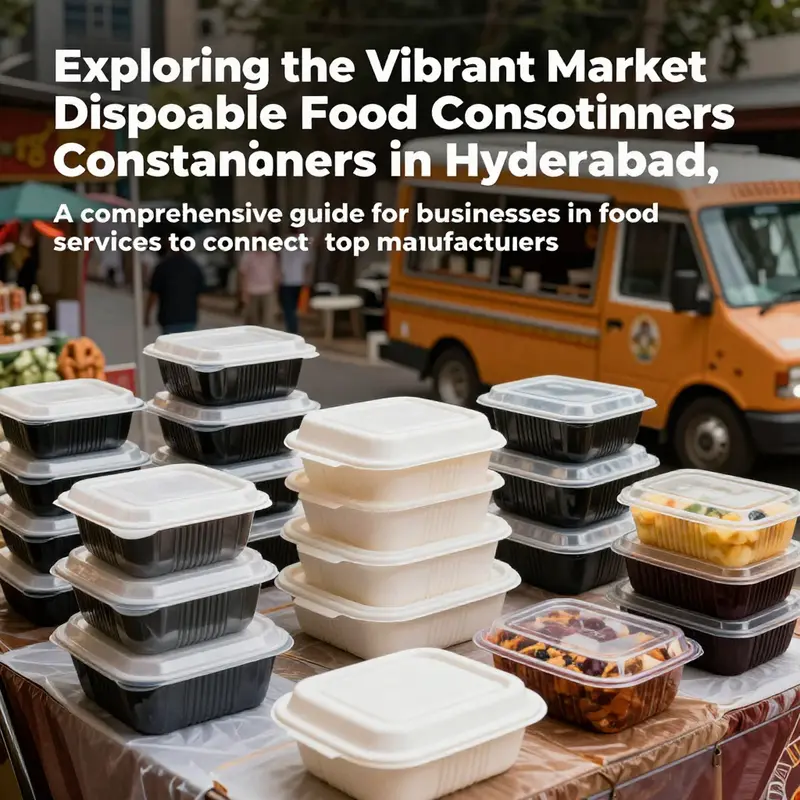
Hyderabad, India, stands out as a thriving hub for disposable food container manufacturing, essential for various businesses from bubble tea shops to catering services. With its strategic infrastructure and proximity to raw material suppliers, this city offers a wealth of opportunities for B2B buyers seeking reliable, quality products. This article delves into the key players in Hyderabad’s disposable food container scene, exploring the various types of products available, customization options, and eco-friendly alternatives, as well as the city’s significant role in the global supply chain. Each chapter aims to equip you with the knowledge needed to make informed sourcing decisions tailored to your business needs.
From Local Foundries to Global Supply Chains: Hyderabad’s Disposable Food Container Makers
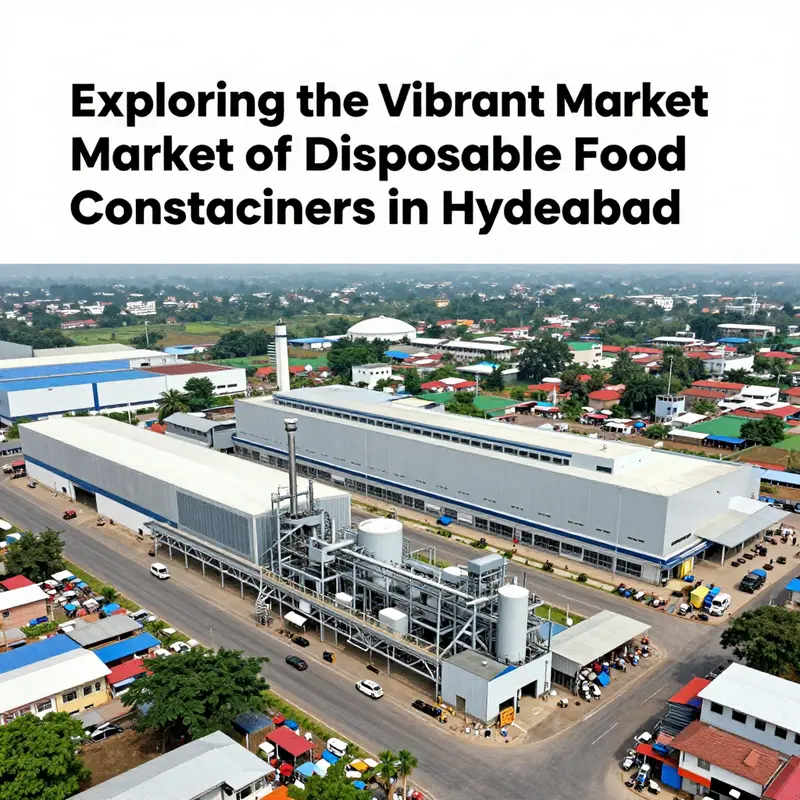
Hyderabad stands today as more than a node in a regional manufacturing map. It is a dynamic ecosystem where small and mid size facilities have grown into a robust network that quietly underpins the daily turnover of millions of meals around the world. The city has evolved from a regional workshop niche into a credible hub for disposable food containers crafted from plastic and a spectrum of lightweight materials. That evolution is not accidental. It is grounded in a mix of strategic location, access to a wide range of inputs, and an industrial culture that values efficiency, scale, and steady quality. The outcome is a supply stream that can meet local demands from bustling food service districts while also feeding the needs of international brands looking for cost effective, scalable packaging solutions. The story is not simply about what is produced in Hyderabad, but how the city integrates production with transport, finance, and regulation to sustain an increasingly globalized packaging market.\n\nThe core product mix from the city has always included plastic trays, bowls, cups, and lids, but modern manufacturers have broadened that portfolio. In addition to conventional plastic cans and disposable tableware, several players offer paper based containers, biodegradables, and compostable options that appeal to buyers pursuing reduced environmental footprints. The range is not only about form; it is also about function. Containers are engineered to be grease resistant, microwave safe, and structurally resilient during transport, with careful attention paid to stackability, insulation, and ease of branding. For fast food chains, caterers, and the growing cadre of e commerce food delivery services, the ability to customize is a key differentiator. Local producers with in house printing capabilities, material suppliers, and short run tooling can deliver branding and packaging solutions that align with a buyers corporate identity without forcing a long lead time. As a result, Hyderabad suppliers are not just makers of generic containers; they are co creators in a brand experience, shaping the moment when a meal travels from kitchen to consumer’s hands.\n\nA cornerstone of the Hyderabad packaging story is the breadth of materials that can be produced and the speed with which orders can be executed. The city sits within easy reach of raw materials such as polypropylene and various forms of polyethylene terephthalate, enabling plastic containers that combine light weight with sufficient stiffness for practical handling. The geographic advantage — proximity to suppliers, distributors, and processing facilities — reduces logistics costs and shortens supply cycles. This is critical in a market where food safety, freshness, and on time delivery are non negotiable. The result is a pricing dynamic that tends to favor customers who value reliability and speed as much as price per unit. Government and industry clusters around Hyderabad actively promote sustainable practices, encouraging investments in equipment that reduces waste and energy use while enabling new materials that are recyclable or compostable. Such incentives are not mere rhetoric; they translate into tangible improvements in process efficiency, waste management, and overall lifecycle costs for containers that cross borders.\n\nThe landscape of manufacturers in the city is diverse. Some operate at a scale that accommodates bulk export orders, complete with quality control laboratories, standardized process documentation, and export readiness. Others are mid sized plants with a strong local footprint that excel in flexible small batch runs for theme parties or regional catering firms. The common thread across these operations is a disciplined approach to quality and a willingness to adapt packaging to evolving market requirements. In practice, this means streamlining supply chains so that customers can place large orders for festive periods or seasonal promotions without sacrificing delivery timelines. It also means providing assurances around material safety and regulatory compliance, a factor that has grown in importance as buyers expand into new geographies with stricter packaging standards.\n\nA notable feature of Hyderabad based manufacturers is the emphasis on sustainability alongside conventional packaging options. The global shift toward environmentally responsible packaging has prompted many local players to invest in recyclable plastics, papers, and bio based materials. While plastic remains dominant due to its light weight and durability, eco friendly alternatives are increasingly common. This trend is often paired with innovations in design that minimize material use, improve end of life outcomes, and still deliver the performance buyers expect. The pursuit of sustainability in Hyderabad is not a tactic to capture one market segment; it is a strategic orientation designed to address the broader shift in global consumer preference and regulatory expectations. In practice, this means a packaging portfolio that can appeal to fast casual customers as well as premium consumers who demand credibility on sustainability claims. The effect on the ground is a richer, more diverse set of choices for buyers who want to align packaging with brand values and supply chain ethics without incurring prohibitive costs.\n\nFrom a certification and standards perspective, Hyderabad manufacturers are increasingly aligning with international quality benchmarks. Modern facilities frequently feature automated lines, inline inspection systems, and traceability protocols that give buyers confidence in repeatable performance. When orders scale up, these features translate into predictable tolerances for dimensions, weights, and seal integrity. The ability to meet export requirements goes hand in hand with this quality discipline. Buyers seeking to reduce risk can count on Hyderabad suppliers to provide documentation, batch tracing, and quality records that satisfy auditors across different regulatory regimes. This reliability is a practical advantage in B2B purchasing, where a single shipment delay can impact an entire supply chain. In addition to technical capability, there is a keen emphasis on customer service. Many producers offer branding options, printing on containers, and specialized packaging solutions that reflect customer identity while maintaining compatibility with fast moving production calendars. The mix of customization and robust quality control underpins trust between Hyderabad manufacturers and the diverse network of retailers, distributors, and logistics partners that rely on them.\n\nThe buyer landscape for disposable packaging in Hyderabad is as varied as the product mix. Local food service operators, caterers, and cloud kitchen platforms benefit from the citys proximity to suppliers and a pipeline of manufacturers that can scale from a few thousand units to several million units per month. The regional emphasis on hospitality and dining culture supports steady demand for single use packaging, while the export oriented segment seeks value through standardization and bulk production capabilities. For global brands you will often find Hyderabad based suppliers positioned as reliable off shore partners offering competitive unit costs, flexible lead times, and a track record of compliance with international packaging norms. The growth in e commerce and last mile delivery has further intensified the demand for packaging solutions that balance durability with cost efficiency and ease of disposal. The Hyderabad ecosystem, with its mix of large scale exporters and nimble mid sized producers, is well suited to meet this dual requirement.\n\nIndustrial zones and government initiatives have also facilitated the expansion of the packaging ecosystem in and around the city. Dedicated industrial precincts host a dense cluster of plastic molding, sheet extrusion, and assembly operations that support end to end packaging manufacturing. Supportive policy environments encourage sustainable investments, energy efficiency upgrades, and the adoption of safer materials that comply with environmental and consumer safety standards. This policy climate helps producers reduce risk while expanding their export capabilities. For buyers, the consequence is a more predictable supply chain characterized by shorter lead times, clearer product specifications, and the ability to pilot custom packaging concepts within a relatively short time frame. The synergy between policy, infrastructure, and private investment has strengthened Hyderabads reputation as a practical and scalable source for disposable food containers.\n\nFor B2B buyers seeking to source disposable food containers from Hyderabad, the breadth of the supplier base translates into choices that range from cost effective standard items to highly customized packaging systems. Some buyers need rapid response times for seasonal campaigns or promotions, while others require exactly defined product dimensions, sealed integrity, and branding that preserves shelf appeal. The Hyderabad market is adept at switching between these two modes, balancing price discipline with design flexibility. That balance is especially important as buyers increasingly demand packaging that performs across the entire lifecycle of a product — from storage and transport to display and disposal. The educational dimension of sourcing in this environment is also noteworthy. Buyers can connect with manufacturers that provide clear material specifications, testing data, and small batch options to trial new designs before committing to larger runs. This reduces risk and accelerates time to market for new packaging concepts while preserving the benefits of scale for successful designs.\n\nWithin this broader frame, it is useful to anchor the Hyderabad story in the way sourcing platforms help buyers identify and evaluate suppliers. Reputable platforms that curate supplier profiles, certifications, and customer feedback play a critical role in reducing information asymmetry for B2B buyers. They help translate the local manufacturing strengths into credible, verifiable supply options for global buyers. In this sense, the citys packaging sector benefits not only from the physical infrastructure and the labor force but also from a mature digital sourcing layer that connects producers with buyers across continents. The net effect is a market that can offer scale, reliability, and sustainability at a price line that remains competitive in a crowded global environment.\n\nFrom a practical standpoint, buyers should consider the entire lifecycle cost when engaging with Hyderabad manufacturers. Upfront unit price matters, but total cost of ownership includes lead times, reliability of supply, the availability of substitutes or customization, and post sale support such as branding and packaging design assistance. The ability of a supplier to adapt to evolving product formats or regulatory changes — such as stricter packaging waste controls or shifting standards for recyclability — is often the difference maker when planning long term procurement strategies. Hyderabads manufacturing community has shown a commendable capacity to learn and adapt, expanding from a basic supply chain into a more sophisticated ecosystem that includes product development, testing, certification, and aftersales support. This evolution matters because it expands the range of options available to buyers who want to optimize performance while keeping costs under control.\n\nFor readers seeking a quick pathway to specific supplier capabilities, one practical glimpse is offered by internal sourcing content that highlights flexible packaging choices. For buyers exploring flexible packaging options, Custom Takeaway Packaging Supplies serves as a useful reference point. The linked resource demonstrates how a modern packaging supplier can integrate takeout friendly design with branding and sustainability considerations, showing how a Hyderabad based manufacturer or partner might approach such projects in practice: Custom Takeaway Packaging Supplies. This kind of example underscores how local manufacturing prowess can translate into ready to market packaging solutions that perform across meals consumed in transit or delivered digitally. It also illustrates how the combination of design, material science, and production scheduling matters in delivering on complex client briefs without compromising on cost efficiency.\n\nLooking outward, the Hyderabad packaging scene is not isolated from global currents. The broader market context demonstrates that a well organized supplier base in South India contributes to a networked supply chain that spans Southeast Asia, the Middle East, and parts of Europe. The export footprint is supported by robust logistics, compliant manufacturing practices, and the ability to respond to large scale allocations while maintaining consistent quality. For buyers who want to cross reference the global supply landscape, external context can be gained from industry analyses that map top global suppliers of plastic cans and related packaging products. These analyses provide a macro view of the sourcing environment, including how Hyderabad based practices fit within global standards and buyer expectations. See for example the external resource that aggregates supplier profiles and market signals to help international buyers gauge howHyderabad based producers compare against global peers. External context on global supplier networks.
Sustainable Shapes: Hyderabad’s Disposable Food Containers
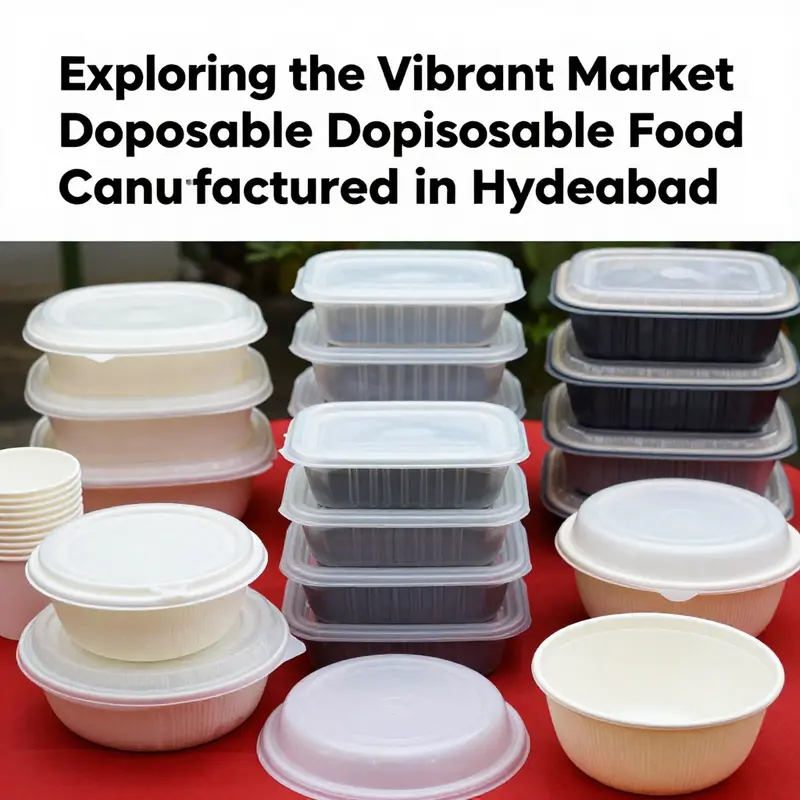
Hyderabad sits at a dynamic intersection of tradition and industry, where markets buzz with history and factories hum with scale. The city has emerged as a pivotal hub for disposable food containers, driven by accessible logistics, proximate raw materials, and a growing cadre of engineers. This ecosystem enables a wide palette of materials and customization from paper-based boxes that carry hot meals to compostable bioplastics that align with circular economy goals. The result is a packaging landscape that supports fast service while attempting to reduce waste and environmental impact.
A core trend is the shift from single material rigidity toward multi material solutions that balance performance with sustainability. Paper-based options remain popular for affordability and printability, often featuring wax or water resistant coatings to handle moisture and heat. These containers can be designed for industrial composting streams under proper facilities, contributing to a broader circularity framework.
PLA bioplastics represent a premium segment, offering clarity and a refined finish while enabling industrial composting. In Hyderabad, startups and established manufacturers alike mix PLA into portfolios to meet brand storytelling needs as well as consumer expectations for greener choices. Yet real benefits hinge on reliable end-of-life infrastructure and consumer participation.
Molded pulp, produced from recycled paper or agricultural byproducts, provides a sturdy, microwave-safe alternative with natural appeal. It fits well with menus that emphasize sustainability and can leverage local agricultural residues to close loops in supply chains.
PP remains a practical staple for budget-conscious channels, delivering lightweight, grease-resistant performance suitable for beverages and short-delivery items. It is often used in hybrids, pairing with other materials to tune insulation and cost.
Hyderabad’s packaging scene is further reshaping with foam-free innovations that substitute plant fibers for polystyrene, maintaining insulation and strength while offering improved end-of-life narratives. For buyers, the appeal is clear a regional hub that can deliver scale, customization, and sustenance of brand identity across dine-in, takeout, and delivery.
In practice, a buyer can source a cohesive mix: paper boxes for hot meals with grease barriers, molded pulp for microwavable options, and a light recyclable PP stream for drinks and snacks. Custom printing, color-coded branding, and sustainable messaging can be integrated within a single vendor network to simplify procurement and quality control.
Ultimately, Hyderabad exemplifies a broader trend toward lean, adaptable packaging ecosystems that align material science with consumer expectations and regulatory realities. The city demonstrates how diverse materials can coexist to serve different menus, service models, and waste-management realities, while keeping a watchful eye on costs, performance, and environmental stewardship.
From Customization to Sustainability: Hyderabad’s Emerging Backbone for Disposable Food Containers
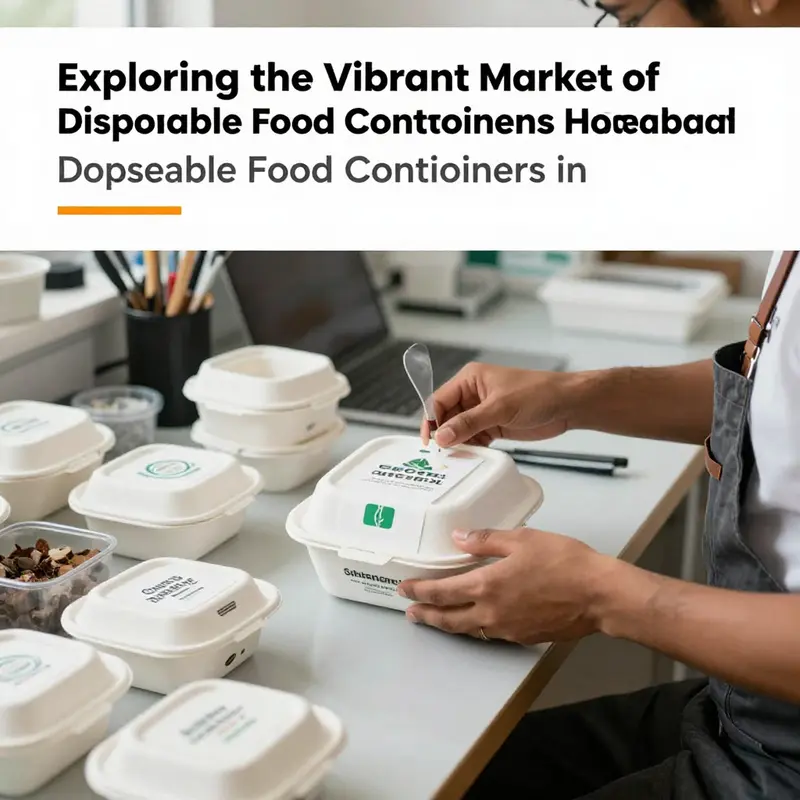
Hyderabad has quietly evolved into a pivotal node in the global supply chain for disposable food containers, a transformation fueled by a combination of strategic location, industrial sophistication, and an ever-pressing demand from a city that eats out and orders in with remarkable velocity. The landscape is not just about mass production of plastic trays, cups, and lids; it is a nuanced ecosystem where material science, design thinking, and regulatory awareness converge to produce packaging that speaks to brands, kitchens, and diners alike. In this environment, manufacturers have learned to blend high-volume efficiency with the flexibility to customize—branding, printing, and even material choices—so that a takeout box can carry as much brand value as it does grease resistance. The result is a market that responds to the needs of fast-service restaurants, caterers, and the burgeoning e-commerce food-delivery segment, all while navigating the evolving expectations of sustainability and compliance.
The demand side in Hyderabad’s disposable-ware market is driven by a cocktail of business models. Chain restaurants and cloud kitchens require reliable, scalable supply that can keep pace with fluctuating order volumes and seasonal spikes. Local caterers and event organizers seek packaging that reinforces their own image, whether through bold branding or a refined, minimalist look. And the rapid growth of online food platforms means the same container must perform well under variable handling, temperature, and transport conditions. Against this backdrop, manufacturers in the city have built capabilities that extend beyond simply punching out trays and cups. They offer a spectrum of options designed to address both functional performance and the aspirational aspects of brand storytelling that accompany modern food presentation.
A central theme in Hyderabad’s packaging narrative is the shift toward materials that balance practicality with environmental responsibility. Historically, many disposables relied on conventional plastics. Today, a growing cohort of suppliers emphasizes renewable or compostable alternatives that can meet international quality benchmarks while aligning with Indian regulations on plastic waste reduction. The materials commonly highlighted in this transition include bamboo fiber, sugarcane bagasse, and molded pulp—each chosen for its particular strengths, from stiffness and heat tolerance to compostability and a lower environmental footprint. Bamboo fiber, for instance, brings a natural aesthetic and a credible performance profile for products like hot-beverage cups or multi-use takeaway bowls. Sugarcane bagasse, derived from the fibrous residue of sugar production, provides a sturdy alternative with good grease resistance, making it suitable for soups, stews, and fried foods. Molded pulp, sourced from recycled paper, offers a cost-effective path for mass distribution while remaining compatible with composting streams where industrial facilities exist. In the Hyderabad context, these materials also align with a broader regional push to shorten supply chains by sourcing locally where possible, thus trimming energy use and emissions associated with long-distance transport.
This attention to materials is complemented by a robust emphasis on customization. For many food-service brands, the packaging is part of the brand experience itself. In practice, customization ranges from practical adaptations—such as size, form factor, and lid type—to more design-forward features like branding on the exterior, color customization, and even high-quality printing on container surfaces. The ability to imprint logos, brand colors, and distinctive graphics helps establish brand recognition in crowded retail and street-food environments, while also signaling a commitment to sustainability when paired with eco-friendly materials. The customization process in Hyderabad often involves close collaboration between manufacturers and buyers: conversations about grease resistance, seal integrity, heat tolerance, and print durability feed into decisions about material selection and finishing techniques. In a market where margin pressure is meaningful, balancing cost with perceived value becomes a central strategic exercise, and Hyderabad’s producers have become notably adept at executing this balance at scale.
One of the notable shifts in this space is the growing appetite for end-of-life options that respect environmental priorities without sacrificing performance. The move toward compostable and biodegradable formulations is not merely a marketing claim; it is increasingly supported by testing against grease, heat, and moisture barriers, as well as by alignment with end-of-life infrastructure that can actually process these materials. Manufacturers report growing interest in products made from bamboo fiber, bagasse, and molded pulp, not only for their compostability credentials but also for their favorable consumer reception. Local availability of raw materials and the ability to process them within regional supply chains enhances the overall sustainability profile. In practical terms, this translates into containers that can hold hot meals for longer periods without compromising integrity, or lids that remain secure through a bumpy ride on a delivery scooter, while still being recognized in waste streams as biodegradable or compostable where appropriate. The environmental story, then, is not just about what happens in a consumer’s kitchen but about how the packaging integrates with the broader system of waste collection, sorting, and processing—an area where Indian regulations and municipal programs are continually evolving.
From a regulatory standpoint, Hyderabad’s packaging manufacturers operate within a dynamic framework that emphasizes quality assurance, safety, and environmental responsibility. International standards often guide what buyers expect in terms of material performance, traceability, and documentation, while Indian guidelines focus attention on plastic waste reduction, recycling targets, and product labeling. This dual demand shapes how producers design products, source materials, and manage production lines. The result is a pipeline that can accommodate bulk orders for large quick-service customers while still delivering the customization options that help a local brand distinguish itself. The practical upshot is a supply ecosystem that can respond to both domestic and global buyers, offering not only containers but also the confidence that those containers will perform under real-world conditions and align with the sustainability narratives brands want to advance.
Another layer of value in Hyderabad’s packaging ecosystem is the integration of supplier networks with digital sourcing platforms and industry groups that monitor certifications, material characteristics, and performance metrics. In today’s B2B environment, buyers increasingly rely on verified supplier profiles, real-time data, and transparent reviews to reduce risk when committing to long-term supply arrangements. This transparency is especially critical for eco-friendly materials, where the precise composition, compostability standards, and compatibility with existing waste streams can vary. While global sourcing channels provide a broader view of available options, local manufacturers in Hyderabad often offer the advantage of shorter lead times, easier logistics coordination, and a more responsive feedback loop when a buyer needs to adjust specifications mid-project. The combination of local production capability and access to international-quality benchmarks makes Hyderabad a compelling node for buyers seeking both customization and sustainability at scale.
For readers seeking concrete examples of how customization and eco-friendliness can merge in practice, consider this exemplar of an option that blends practical design with responsible materials: eco-friendly disposable 3-compartment packaging box for fast food. This kind of solution illustrates how a single packaging component can be tailored to accommodate diverse menu formats—partitioned compartments for sides, sauces, or dips—while using materials that reduce environmental impact. The example underscores a broader pattern in Hyderabad: there is a willingness to invest in packaging that elevates brand presentation without compromising performance or sustainability attributes. It is this blend of design, material science, and logistical agility that differentiates the city’s disposable container manufacturing landscape from more conventional markets.
As the chapter opens to what’s next, it is clear that Hyderabad’s role extends beyond mere production. It is becoming a hub where material choices, design intentions, and supply-chain practicality coalesce to deliver packaging that supports a more efficient, more responsible food economy. The city’s manufacturers are not merely responding to a trend; they are shaping a pathway for how disposable packaging can be both branded and environmentally coherent. The potential for further innovation resides in the continuing exploration of locally sourced feedstocks, improved processing technologies for biodegradable materials, and an increasingly sophisticated understanding of end-of-life scenarios. In a market that prizes speed and reliability, Hyderabad has begun to demonstrate that sustainability and customization need not be mutually exclusive but can be mutually reinforcing pillars of growth. The industry’s trajectory suggests that as more buyers demand packaging that tells a story—one of brand identity coupled with responsible stewardship—Hyderabad’s manufacturers will expand their capabilities, invest in new materials, and refine processes to meet those expectations with even greater precision.
External resource and broader context can provide additional perspectives on how these developments align with global sustainability standards and industry benchmarks. For readers who want to explore standards, certifications, and best practices that influence these decisions, the following resource offers a complementary lens on sustainability and material performance in packaging: https://www.greenpackindia.com/
Hyderabad’s Quiet Engine: How the City’s Disposable Food Container Makers Redefine the Global Packaging Landscape
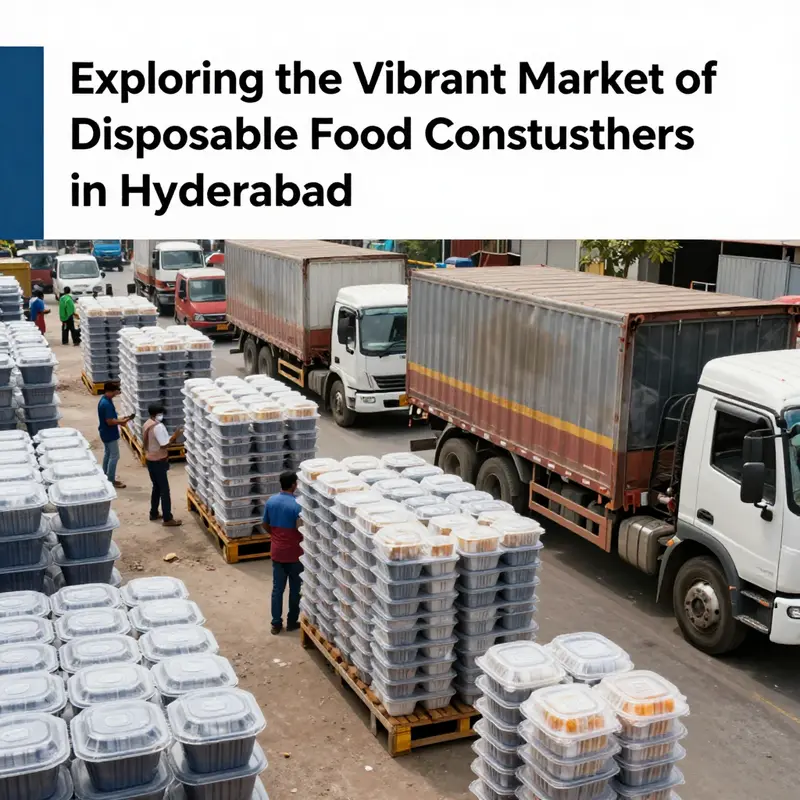
Hyderabad sits at a crossroads of commerce and manufacturing, where a dense web of workshops, factories, and logistics hubs forms a robust ecosystem for disposable food containers. The city’s appeal isn’t merely historical or aesthetic; it is the practical outcome of a location that blends access to raw materials, skilled labor, and a transportation network that can move volumes with reliability. In recent years, Hyderabad has emerged as a compelling alternative in the global supply chain for lightweight, food-grade packaging. This evolution is not about replacing well-established centers in other parts of Asia, but about augmenting them with a regional option that shortens lead times, reduces inventory risk, and aligns more closely with local regulatory frameworks. For buyers in restaurants, catering services, and the fast-growing takeout and delivery segment, the Hyderabad supply base offers a blend of scale, customization potential, and regulatory compliance that is increasingly attractive in a world where resilience is as important as price per unit.
At the core of this appeal is an ecosystem attuned to the circular needs of modern food service. Hyderabad’s manufacturers commonly focus on items such as plastic trays, cups, bowls, and lids crafted from lightweight polymers that meet stringent food-safety criteria. These are materials that perform reliably in hot- and cold-hold scenarios, withstand grease and moisture during service, and arrive at kitchens in formats ready for quick assembly into kitchen workflows. The emphasis on food-grade quality, hygienic processing, and consistent supply aligns with what international buyers expect from a trusted supplier: repeatability, traceability, and the ability to scale. In practice, this means facilities that implement cleanroom-like practices, use certified polymers, and document batch-level quality checks so that restaurants and caterers can trace every container back to its source with confidence.
The Hyderabad manufacturing cluster thrives on a combination of factors that collectively enhance value for B2B buyers. Proximity to material suppliers translates into shorter procurement cycles and reduced freight costs for resins and auxiliaries. A well-developed industrial base supports mid- to large-volume orders, with facilities designed to handle bulk production while maintaining tight tolerances on dimensions and performance. A strategic logistics network—comprising road, rail, air, and port access—enables rapid replenishment to regional hubs as well as to export destinations across the Middle East, Africa, Europe, and beyond. Equally important is a culture of compliance. Indian manufacturers you encounter in Hyderabad tend to pursue certifications and adhere to standards that reassure buyers about safety, labeling, and environmental responsibility. This is particularly relevant as importers in mature markets seek to minimize risk in the wake of pandemic-driven disruption and growing demands for sustainable packaging.
A practical takeaway for buyers is that Hyderabad’s packaging producers are not solely focused on a single material or form. While plastic remains a dominant medium because of its light weight, economy, and versatility, the ecosystem accommodates a spectrum of options that can be tuned to sustainability goals. Polystyrene and polypropylene variants remain common due to their hygienic properties and ease of processing. Yet many manufacturers are increasingly exploring alternatives that support recycling streams or compostable pathways, aiming to meet evolving regulatory expectations and corporate sustainability commitments. That shift mirrors the broader industry trend toward circular packaging, where end-of-life considerations matter as much as initial price and performance. In this way, Hyderabad-based suppliers position themselves as partners in a longer-term packaging strategy rather than as one-off producers of disposable goods.
The regulatory environment plays a critical role in shaping this trajectory. Local standards established by national authorities set the baseline for food contact safety, labeling, and handling practices. In India, the Food Safety and Standards Authority (FSSAI) provides the framework that governs how packaging products intended for food contact are manufactured, tested, and documented. Hyderabad manufacturers who align with FSSAI guidelines demonstrate a disciplined approach to quality assurance, which translates into more predictable outcomes for international buyers who must satisfy their own compliance obligations. The parallel to global regulatory thinking—whether in North America, Europe, or parts of Asia—is clear: compliance reduces risk and enables smoother, faster market entry. When a supplier can articulate their adherence to these standards and provide verifiable documentation, buyers gain a crucial edge in negotiation, forecast accuracy, and long-term planning.
Despite the formidable presence of China in the global packaging supply chain, Hyderabad offers several practical advantages that can complement, and in some cases reduce, exposure to distant manufacturing hubs. Lead times for regional deliveries are typically shorter, particularly for orders intended to support nearby markets in South Asia and the Middle East. This can translate into leaner inventory, lower working capital, and more agile response to seasonal demand spikes or promotional campaigns in hospitality and food-service channels. For multinational buyers who are aiming to diversify their supplier base to mitigate risk, Hyderabad presents a compelling option that dovetails with their broader sourcing strategies. It provides an opportunity to balance price competitiveness with supply resilience and regulatory clarity, a combination increasingly valued as supply chains become more complex and expectations for sustainability rise.
One of the most transformative shifts in this space is the growing emphasis on customization. Hyderabad’s manufacturers recognize that food-service operators want packaging that carries brand identity, communicates quality, and integrates smoothly with kitchen operations. This means options for branding and printing that extend from simple logos to more elaborate graphic treatments, enabling consistent consumer-facing experiences from takeout boxes to dine-in packaging. It also means bespoke design work that considers the entire lifecycle of a package—from how it stacks in storage, to its performance during transport, to its end-of-life disposal. Customization is not merely aesthetic; it is a pathway to operational efficiency and waste reduction. Thoughtful design can minimize material use without compromising integrity, a balance that is essential as operators seek to lower costs and shrink their environmental footprints.
In this regard, the Hyderabad ecosystem often leverages plastic and paper-based formats that align with quick-service and casual-dining workflows. The emphasis is on reliable sealing, grease resistance, and heat tolerance, paired with options for leak-proof lids and user-friendly dispensing. Providers may also deliver multi-compartment configurations that support bundled meals, a feature that resonates with increasingly popular takeaway formats and meal kits. An example of the broader ecosystem’s depth is the availability of eco-friendly, compartmentalized packaging solutions that combine practicality with sustainability. For readers who want to explore these options further, one such solution is described in a product listing that highlights an eco-friendly, three-compartment takeaway packaging box designed for fast-food contexts. This example, while representative of the family of options available in the city, signals the way Hyderabad’s manufacturing base blends performance with environmental considerations and design flexibility. eco-friendly-disposable-3-compartment-packaging-box-for-fast-food-high-quality-takeout-boxes-for-fried-chicken-french-fries-packaging
Beyond product engineering, Hyderabad’s success as a sourcing hub rests on the ability to verify supplier reliability and to navigate the procurement journey with confidence. Global platforms that connect buyers with verified suppliers play an important role in this landscape. A reputable source emphasizes that Hyderabad-based manufacturers appear on curated lists of global suppliers, with profiles detailing product ranges, certifications, and customer reviews. For international buyers seeking transparent, data-driven supplier evaluations, such platforms offer a starting point for due diligence, supplier audits, and risk assessments. In practice, buyers will evaluate not only technical capabilities and capacity but also the supplier’s approach to quality management, traceability, and after-sales support. This combination of factors helps ensure that the chosen partner can sustain large, ongoing orders while meeting evolving requirements for safety and sustainability.
The broader market context also suggests that Hyderabad’s manufacturers are well positioned to serve diverse customer segments. Restaurants, cafeterias, hotels, catering enterprises, and fast-food chains require packaging that can perform consistently under a range of conditions—hot, cold, wet, greasy, and sometimes long-duration transport. The ability to adapt packaging solutions to these conditions, while maintaining cost discipline, differentiates reliable manufacturers from pass-through suppliers. For buyers, the payoff is measurable in reduced product returns, fewer service disruptions, and a more predictable supply schedule. In turn, this reliability contributes to stronger vendor-customer relationships, enabling longer-term collaborations that justify the strategic cost of nearshoring or regional diversification.
Another dimension of Hyderabad’s value proposition is the city’s logistical and IT infrastructure, which underpins the efficiency of B2B sourcing in an era of real-time data and demand intelligence. The converging strengths of logistics networks, regional distribution centers, and digital platforms mean that procurement teams can monitor production calendars, track shipments, and forecast needs with greater accuracy. The result is tighter coordination between manufacturers and buyers, with fewer bottlenecks during peak seasons and promotional windows. For buyers aiming to optimize supply chain risk, Hyderabad’s ecosystem offers an alternative pathway to balance global sourcing with local, responsive manufacturing capabilities. In this sense, the city is not just a production site but a component of a resilient, interconnected global system.
From a strategic perspective, the emergence of Hyderabad as a credible supplier hub reflects broader shifts in international trade and regional specialization. As global supply chains become more nuanced, buyers are increasingly comfortable diversifying sourcing geographies to spread risk and to exploit local advantages—such as regulatory alignment, shorter lead times for regional markets, and the potential for closer collaboration on sustainability initiatives. Indian exporters, including those in Hyderabad, are expanding their export infrastructure and engaging with trade networks that facilitate cross-border transactions, quality assurance, and compliance verification. These developments are feeding into a broader narrative about how global packaging supply chains will evolve: not necessarily through a single dominant node, but through an ecosystem that uses multiple regional strengths to deliver consistent, high-quality products to a wide range of markets.
For international buyers, the decision to engage with Hyderabad-based manufacturers is often anchored in a practical calculus. They weigh factors such as price competitiveness, the reliability of supply, the ease of obtaining necessary certifications, and the flexibility to customize packaging without incurring prohibitive delay. They also consider how well the vendor’s capabilities align with their sustainability goals, including the ability to source recyclable materials, reduce material usage through smarter design, and support end-of-life programs. In this context, Hyderabad offers a credible combination of affordability, quality, and adaptability that complements established centers and resonates with the growing demand for diversified, resilient packaging supply chains.
As the global market continues to evolve, Hyderabad’s role is likely to expand further. Buyers will increasingly seek partners who can deliver not just a product, but a packaged solution: packaging that is hygienic, compliant, and tailored to fit a brand narrative; packaging that integrates with logistical workflows; and packaging that can be produced at scale without compromising performance or sustainability. In pursuing this path, Hyderabad manufacturers are likely to invest in process improvements, certification programs, and collaborative product development that align more closely with the needs of international buyers. This kind of ongoing investment is essential if the city is to maintain its trajectory as a credible, value-adding node in the global supply chain for disposable food containers.
For readers seeking a sense of where this all leads, consider the regulatory and standards landscape that governs packaging for food contact. While the specifics can vary by jurisdiction, the core expectation remains consistent: packaging must be safe, traceable, and clearly labeled. This standardization does not erase regional differences; it rather creates a common baseline that enables easier cross-border trade when coupled with robust supplier verification. An external reference point for these standards is the official website of the national food safety authority, which provides authoritative guidance on the requirements that manufacturers must meet to ensure product safety and regulatory compliance. https://www.fssai.gov.in
In sum, Hyderabad’s disposable food container manufacturers are quietly reshaping the global packaging landscape by offering a compelling blend of scalability, customization, and regulatory alignment. The city’s strategic location, trained workforce, and growing emphasis on sustainable, compliant packaging create a conducive environment for long-term collaborations with international buyers. While no single region owns the future of packaging, Hyderabad’s evolving ecosystem represents a meaningful and practical option for those seeking to diversify sourcing, reduce risk, and partner with manufacturers that understand the complexities of modern food service. As global demand for safe, efficient, and eco-conscious packaging continues to rise, the Hyderabad story offers a nuanced, regionally rooted pathway to meet that demand without sacrificing performance or value. The growth of this sector will, in no small part, depend on continued investment in certification, process control, and collaborative innovation that keeps pace with the changing expectations of food-service brands across continents.
External resource for further context on regulatory standards and safety expectations can be found at the official health and safety authority referenced above. Buyers and suppliers alike benefit from engaging with such guidance as they navigate the complexities of international trade and ensure that packaging solutions meet the highest possible standards while supporting sustainable, scalable growth across markets.
Final thoughts
Hyderabad positions itself as a critical player in the global market for disposable food containers, catering to various business demands with a focus on quality and innovation. Its manufacturers, adept in customization and sustainability, meet the growing needs of food chains and catering services. By leveraging the strengths of Hyderabad’s manufacturing sector, businesses can enhance their service offerings while also addressing environmental concerns. Partnering with the right suppliers here could be the key to elevating your business in the competitive food service industry.