
In a shocking revelation, studies have uncovered that some fast food items contain plastic particles, raising serious concerns about our food safety and health. According to recent investigations, nearly 3% of the weight of some popular fast foods comprises microplastics, a startling statistic that has sparked outrage among consumers and transparency advocates alike. This issue is not just a passing concern; it draws essential attention to beverage chains, especially bubble tea shops, which rely on plastic for their straws, cups, and packaging. With the growing demand for health-conscious and environmentally friendly products, it’s crucial for bubble tea shops and other beverage providers to be aware of how their choices can impact customer perception and brand loyalty. By opting for safer, eco-friendly packaging solutions, like those offered at EcoCupBowl, they can not only protect their customers but also elevate their brand image in a market increasingly focused on wellness and sustainability. Making informed choices will resonate with patrons, paving the way for healthier engagement and contributing positively to the community and environment. Let’s dive deeper into the world of food safety and explore how beverage chains can make the right choices!
Plastic Contamination in Fast Food: A Growing Concern
Plastic contamination in fast food is an alarming issue that impacts both safety and quality. Despite the convenience and taste factor that fast-food items offer, many consumers are increasingly concerned about what they are eating-especially when they learn about the potential for plastic to sneak into their meals.
How Plastic Gets into Your Food
Plastic can find its way into fast food through various avenues, and understanding these pathways is essential for both businesses and consumers alike:
- Packaging and Containers: Fast food is often packaged in plastic materials, which can leach chemicals into the food. When food is exposed to heat-such as when it is served hot-this risk increases significantly. For example, items like burgers wrapped in plastic wrappers may have small particles of plastic migrate into the food itself.
- Food Processing Equipment: During preparation, plastic fragments can break off from machinery and utensils. Fragments of plastic may mix with food due to wear and tear on tools used in the production line. This not only affects fast food but can occur in any food processing setting.
- Transportation: Food items are frequently transported in plastic containers, and that shipping process can sometimes lead to contamination, especially if food items are not stored properly.
Health Risks and Implications
The inclusion of plastic in food is not just a concern for quality but also poses health risks. Studies have shown that certain plastic contaminants, such as phthalates, can lead to potential hormone disruption and other health issues. Regulatory bodies are under increasing pressure to evaluate the safety of these materials, as highlighted in various consumer reports here and here.
Moving Towards Safer Practices
As event planners, food truck operators, and catering services, being cognizant of these issues can help you improve safety standards and quality control in your offerings. Utilizing safer, eco-friendly packaging solutions-as offered in our takeaway boxes-can reduce the risk of plastic contamination and reassure your customers of the safety and integrity of their meals.
In conclusion, staying informed about plastic contamination in fast food is crucial for ensuring both the safety of your customers and the quality of your products. Let’s work together towards a future where food and packaging standards prioritize health and sustainability!
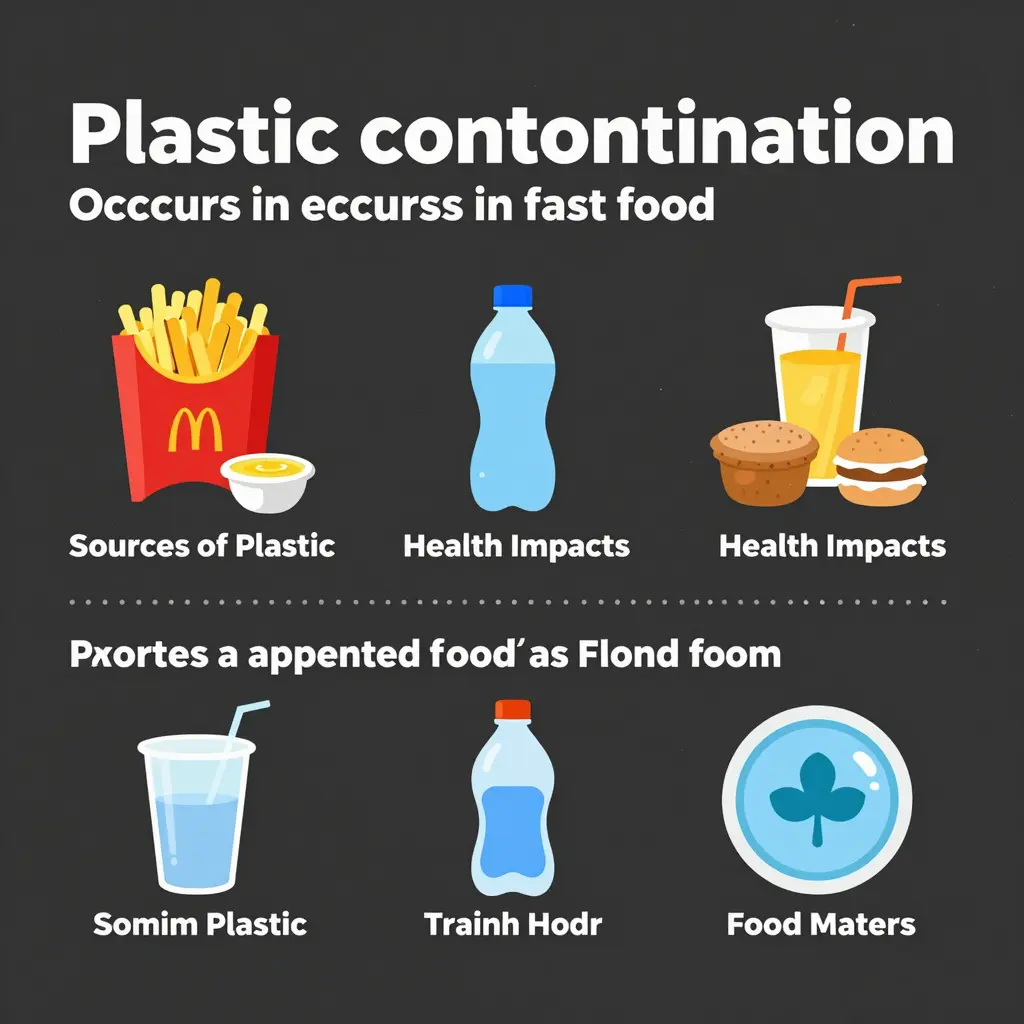
Plastic Contamination in Fast Food: Recent Findings
Recent studies have raised red flags regarding plastic contamination in fast food, with implications for public health and industry practices. Here are the key findings from recent research:
Key Findings on Plastic Contamination
-
Alarming Levels of Contamination: A recent study published by Newsweek highlighted substantial plastic contamination in fast foods, indicating a pervasive issue that affects many staple foods. The study outlines potential health risks, including hormone disruptions associated with consuming food contaminated with microplastics. This underscores the importance of addressing plastic use in food preparation and packaging, especially for businesses looking to maintain quality and safety standards in the food service industry. Read more here.
-
Microplastics from Various Sources: According to BBC Future, microplastics have been found in many foods, including fast food. Rinsing food items does not fully eliminate microplastics, as they can be introduced during processing. This is particularly relevant for food service providers looking to minimize plastic exposure in their offerings. Learn more about reducing plastic ingestion.
-
Mental Health Correlations: A study reported by the New York Post explored the correlation between microplastics in junk food and potential mental health issues, suggesting that consumption of contaminated food might lead to depression and other mental health challenges. This finding highlights the need for greater awareness among food providers, as consumer health is directly linked to food safety.
-
Quantity of Microplastics in Fast Food: Research indicated that fast food items can contain between 74 and 1,155 microplastic particles per kilogram. This data is critical for restaurants and food providers who aim to provide healthier options by reducing plastic intake through more careful sourcing and packaging practices.
Implications for the Food Industry
The growing concern surrounding plastic contamination necessitates a response from food service providers, including:
- Sourcing Alternatives: Exploring options for sustainable packaging and utensils can significantly reduce plastic exposure.
- Education and Awareness: Informing consumers about the presence of microplastics in fast food can empower them to make better choices.
- Monitoring Practices: Implementing monitoring systems for food contamination can help manage and minimize risks associated with plastic exposure.
These findings should guide bubble tea shops, restaurants, food trucks, and catering services in refining their practices to ensure safety and consumer trust.
To explore eco-friendly packaging options for your business, check out our range of biodegradable takeaway boxes and ensure a healthier future for your customers.
Implications for Businesses
Plastic contamination poses significant challenges for businesses in the food service sector, including restaurants, food trucks, and catering services. The presence of plastic in food can lead to serious concerns regarding food safety and customer trust, two pillars essential for any food-related business.
Impact on Food Safety
Firstly, plastic contamination raises crucial food safety issues. Reports indicate that plastic particles can harbor harmful chemicals, leading to health risks for consumers. For instance, the chemicals associated with microplastics may potentially leach into food items, posing dangers that are still being researched. This concern over food safety can lead to increased scrutiny from health regulators, potentially resulting in closures, recalls, and legal actions if customers are adversely affected.
Decline in Customer Trust
Furthermore, the presence of plastic in food diminishes consumer trust. If customers perceive that a restaurant or food service is negligent in ensuring food safety, they are likely to seek alternative dining options. A survey indicated that over 70% of customers consider food safety a critical factor when deciding where to eat. Thus, a single incident of plastic contamination can hurt a business’s reputation, leading to a decline in patronage that might take years to recover from.
Operational and Financial Consequences
From an operational perspective, businesses must ensure thorough food safety practices and staff training to minimize the risk of contamination. This increased diligence requires resources and can lead to added operational costs. For many smaller operations, such as food trucks or catering services, these financial burdens can be particularly challenging to manage. Additionally, investing in quality packaging solutions may help mitigate these risks, as recommended practices in industry standards emphasize using certified safe materials that reduce contamination probability. For a variety of effective takeaway solutions, you can browse our collection of food containers that prioritize food safety.
Conclusion
In summary, plastic contamination not only poses risks to food safety but can severely impact customer trust and loyalty. As such, restaurants, food trucks, and catering services must prioritize measures to ensure the integrity of their offerings while communicating transparency to their customers. This will not only shield them from health risks but also fortify their brand reputation in an increasingly competitive market.
| Organization | Standard Name | Description |
|---|---|---|
| FDA | Food Ingredients & Packaging | Regulates safety of food contact substances and packaging materials to prevent health hazards. |
| USDA | Agriculture Standards | Oversees food safety, including packaging compliance, for local and exported food products. |
| FSSAI | Food Safety and Standards Regulations | Outlines packaging and labeling regulations to ensure consumer safety in India. |
| EU | Food Packaging Regulations | Sets standards for material suitability and safety in the European Union. |
| WHO | Food Safety Standards | Provides guidelines for safe packaging practices across member countries to protect consumer health. |
Make the Smart Choice for Your Business
In today’s fast-paced food industry, the importance of using reliable disposable tableware cannot be overstated. When you choose our products, you are not just making a purchase; you’re committing to safety, sustainability, and service excellence. Our disposable tableware meets stringent safety standards, ensuring that every item you serve is not only functional but also safe for your customers. This is particularly crucial for food businesses that prioritize health and safety regulations while still wanting to provide aesthetically pleasing and convenient options.
Here at EcoCup Bowl, we understand the demands placed on bubble tea shops, restaurants, food trucks, and event planners. That’s why we offer an array of takeaway packaging options that cater specifically to your needs. Our products are designed to enhance the presentation of your gourmet offerings while maintaining the integrity and temperature of the food.
In addition to our quality assurance, we pride ourselves on providing fast delivery services. We know that time is of the essence when it comes to running your business. Our streamlined logistics ensure that your orders are processed swiftly, allowing you to focus on what truly matters-satisfying your customers and growing your business. Whether you need disposable trays for an event or eco-friendly bowls for your food truck, our prompt shipping will keep you stocked at all times.
Make the smart choice today and choose EcoCup Bowl for your disposable tableware and packaging solutions. With our commitment to quality, compliance with safety standards, and speedy delivery, you’re not just buying products; you’re investing in your brand’s reputation. Stay prepared, stay professional, and let us help you serve your delicious offerings seamlessly!
The Importance of Avoiding Plastic in Food Service
In order to maintain food safety and protect consumers from harmful chemicals, experts emphasize the necessity of minimizing plastic use in food service. A relevant quote by food safety advocate states:
“Minimizing plastic reaching the consumer is the way to go. Reducing plastic disposal can cut down landfill waste and potential health risks associated with plastic leachates.”
By prioritizing alternatives to plastic, food service providers can enhance both safety and sustainability. Options such as glass or stainless steel containers for storage and serving are highly recommended, as they do not leach harmful chemicals into food. Learn more about sustainable serving options.
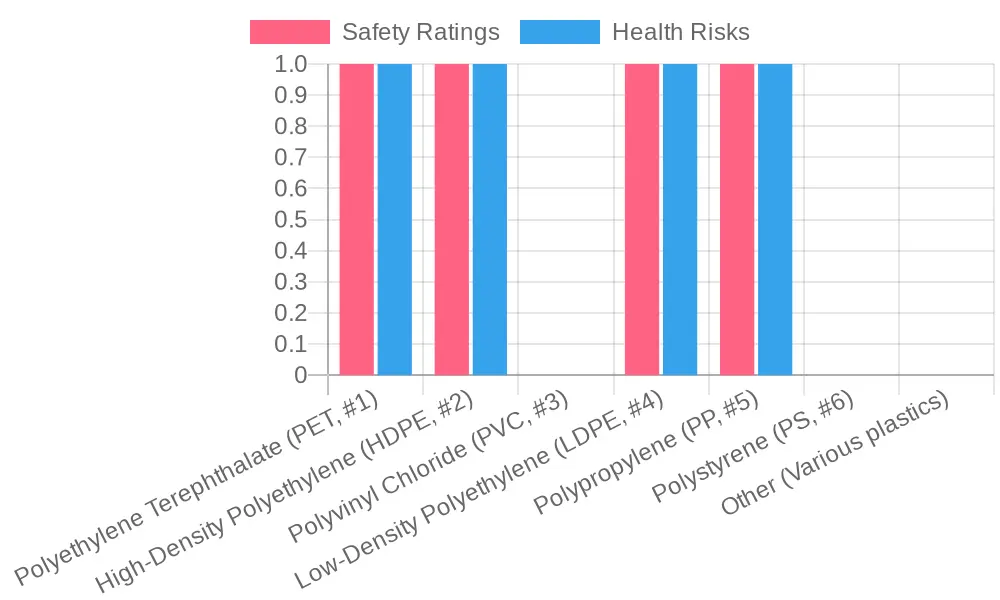
Safety Ratings and Health Risks of Plastic Types in Food Packaging
In the food industry, understanding the types of plastics used in packaging is crucial for ensuring consumer safety. Here’s a visual representation of the various plastics commonly found in food packaging, along with their safety ratings and potential health risks.
| Plastic Type | Safety Rating | Health Risks |
|---|---|---|
| Polyethylene Terephthalate (PET, #1) | Safe, low risk | Generally recognized as safe, low leaching |
| High-Density Polyethylene (HDPE, #2) | Safe, low risk | Generally recognized as safe, low leaching |
| Polyvinyl Chloride (PVC, #3) | Potential risks due to leaching | Can release harmful chemicals |
| Low-Density Polyethylene (LDPE, #4) | Generally safe, low risk | Generally recognized as safe |
| Polypropylene (PP, #5) | Considered safe, low risk | Low leaching, commonly used for food |
| Polystyrene (PS, #6) | Risk of leaching, discouraged | Improper usage can lead to chemical leaching |
| Other (Various plastics) | Usually not recommended | Health risks, varies by type |
For more information on sustainable packaging options, you can check out our collection of takeaway boxes and food containers.
In conclusion, the issue of plastic contamination in food is increasingly pressing and cannot be ignored by those in the food service industry, including bubble tea shops, restaurants, and catering services. With disturbing statistics revealing thousands of pieces of microplastics found in food streams, it’s clear that the safety and quality of our offerings are at risk. As responsible providers, we must prioritize the implementation of stringent measures to mitigate this hazard. This involves scrutiny in sourcing materials, such as using reliable packaging options like eco-friendly takeaway boxes and other packaging solutions that are designed to minimize plastics in our food chain. By taking proactive steps today, we can ensure a healthier environment for our patrons and protect their well-being. Now is the time to prioritize safety and quality in our service, and together, we can make a difference in creating a plastic-free food future.