
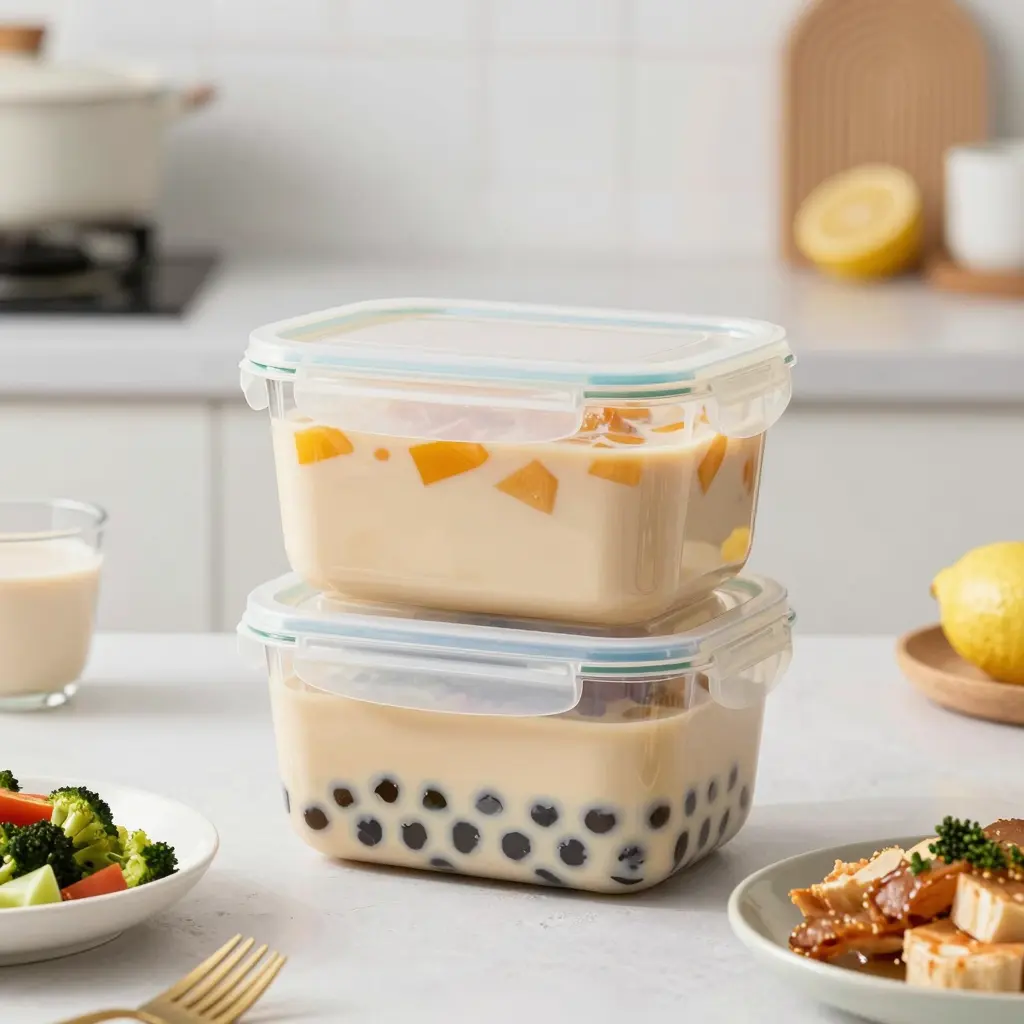
In today’s world, where health and environmental consciousness are at the forefront of consumer choices, using food-grade BPA-free plastic containers has emerged as a vital consideration for the food industry. These innovative containers not only ensure food safety by eliminating harmful chemicals, but they also offer a practical and durable packaging solution that caters to the high demands of bubble tea shops, restaurants, and food trucks. As businesses increasingly prioritize eco-friendly practices, switching to BPA-free options is not just a trend but a crucial step toward fostering a healthier planet. Investing in high-quality containers not only elevates your brand’s reputation but also reassures customers that their health is your top priority. Explore our range of durable containers designed specifically for the modern food service demands, making safety and sustainability effortlessly attainable for your business.
The Benefits of Using BPA-Free Plastic Containers
As a bubble tea shop, restaurant, food truck, or catering service, choosing the right food storage solution is crucial. BPA-free plastic containers offer several benefits that not only enhance safety but also improve overall durability and environmental impact. Here’s a closer look at these advantages:
Safety First
- No BPA Exposure: BPA (Bisphenol A) is a chemical often found in standard plastics that can leach into food and beverages, posing various health risks. By using BPA-free containers, you eliminate this risk and ensure a safer product for your customers. Learn more about our BPA-free options here.
- Food-Grade Material: BPA-free plastics are made from materials deemed safe for food contact by regulatory bodies, reducing the potential for chemical reactions that could compromise food integrity.
Durability and Usability
- Impact Resistance: BPA-free plastic containers are designed to be sturdy and impact-resistant, making them ideal for busy environments like kitchens and food trucks where spills and drops can occur.
- Extensive Temperature Range: Many BPA-free options can withstand extreme temperatures, both hot and cold, allowing for versatile storage of various food items. This means you can confidently store hot soups or icy beverages using the same container.
Environmental Impact
- Recyclability: While not all plastics are recyclable, many BPA-free containers are made from recyclable materials, contributing to reduced landfill waste. Always check local guidelines to ensure proper disposal.
- Reduced Chemical Leaching: By opting for BPA-free containers, you’re potentially decreasing the amount of harmful chemicals that can leach into the environment during disposal, making a positive impact on ecological health. Explore our range of eco-friendly products here.
Choosing BPA-free plastic containers not only safeguards your customers but also bolsters your brand’s reputation as a conscientious business. By leveraging these benefits, your establishment can thrive while prioritizing health and the environment.
BPA (Bisphenol A) plastics have been a topic of significant environmental concern over the years. Traditionally used in a variety of consumer goods, including food-grade containers, BPA is a chemical component known for its resilience but also for its detrimental effects on both health and the environment.
Environmental Concerns
The production and disposal of BPA plastics contribute to various ecological issues:
-
Contamination of Water Sources: BPA has been known to leach into waterways, leading to significant contamination. This poses risks not just to aquatic life but also to human health upon consumption of contaminated water or seafood. Studies have indicated that even low levels of BPA exposure can disrupt endocrine systems, impacting reproductive and developmental health in wildlife.
-
Microplastics: BPA plastics contribute to the larger problem of plastic pollution. When these plastics break down, they form microplastics that can persist in the environment for hundreds of years. These microplastics can be ingested by marine life, potentially entering the human food chain.
According to a report from the National Institutes of Health, BPA’s endocrine-disrupting properties have raised alarm bells about its impacts, linking exposure to health conditions like obesity and cardiovascular diseases.
Advantages of BPA-Free Alternatives
In response to these environmental and health concerns, there has been a pronounced shift towards BPA-free packaging solutions. These alternatives come with numerous benefits:
-
Reduced Health Risks: BPA-free containers mitigate the risk of chemical leaching into food and beverages. Consumers are increasingly aware of the health implications tied to BPA, leading to a growing preference for eco-friendly packaging. Statistically, many surveys suggest that consumers are willing to pay more for BPA-free products, reflecting a trend towards sustainable practices.
-
Supporting Sustainable Practices: Not only do BPA-free products aim to reduce health risks, but they also contribute to a more sustainable ecosystem. Materials used in BPA-free packaging often favor renewable resources, meaning less reliance on fossil fuels and a smaller environmental footprint.
-
Innovative Packaging Solutions: Many companies are now developing packaging from bio-based materials, which are both eco-friendly and durable. For example, compostable food containers and recyclable products have surged in popularity, showing that both consumers and manufacturers are moving towards greener options.
In conclusion, transitioning to BPA-free alternatives is not only a wise choice for health-conscious consumers but also a necessary step towards fostering a more sustainable environment. For businesses like bubble tea shops, beverage chains, and food service establishments, considering biodegradable packaging options can significantly enhance their eco-friendly credentials while appealing to a more environmentally aware customer base.
To explore various eco-friendly packaging options, check out our selection of Bamboo Pulp Products and Takeaway Boxes designed to meet sustainable standards.
If you’re looking to make a positive impact in your food service business, opting for BPA-free packaging is an essential step in promoting sustainable practices that benefit our planet.
When it comes to food service, restaurants, food trucks, and catering services, utilizing food grade BPA free plastic containers is essential for ensuring food safety and quality. Here are some best practices for storage, transportation, and presentation:
Storage Guidelines
-
Temperature Control: Store BPA free plastic containers in environments that do not exceed the temperature specifications indicated by the manufacturer. While many are designed for both refrigeration and microwave use, extreme temperatures can compromise the integrity of the plastic.
-
Airtight Storage: Utilize containers with airtight seals to maintain food freshness and prevent contamination. Proper sealing can enhance the shelf life of food items.
-
Labeling: Always label containers with contents and expiration dates. This helps in managing inventory and ensuring that all stored food items are safe for consumption.
-
Regular Inspection: Regularly inspect containers for any signs of scratches, discoloration, or wear. Damaged containers should be replaced as they may leach chemicals into food.
Transportation Tips
-
Secure Containers: When transporting food, ensure that containers are securely fastened to avoid spills during transit. The use of insulated bags is advisable for items that require temperature control.
-
Appropriate Materials: Choose BPA free containers that are suitable for various transportation scenarios, including hot and cold meals. Some containers come with insulation features that can help maintain temperature.
Presentation Best Practices
-
Visual Appeal: Use BPA free plastic containers that not only meet safety standards but also enhance the visual appeal of the food. Clear containers can effectively showcase the food quality, which is important for marketing in restaurants and food trucks.
-
Portion Control: BPA free containers can be used for portion control, especially in catering services. This ensures consistent servings, allowing for better customer satisfaction.
Environmental Considerations
Using food grade BPA free plastic containers not only contributes to food safety but also addresses growing consumer concerns about health risks associated with traditional plastics. According to the Mayo Clinic, opting for BPA-free options can minimize potential health risks linked to chemical leaching.
Conclusion
By implementing these best practices for storage, transportation, and presentation, restaurants, food trucks, and catering services can effectively utilize food grade BPA free plastic containers. This not only ensures food safety but also enhances the overall dining experience. For more options, check out the ECO-Cup product offerings that cater to various food service needs.
By adopting these strategies, businesses can provide safe and appealing food options, thereby increasing customer satisfaction and promoting healthier eating habits.
| Attribute | BPA Containers | BPA-free Containers |
|---|---|---|
| Safety | May leach harmful substances, linked to health issues | Generally considered safer, but not risk-free; some alternatives may still contain harmful chemicals |
| Durability | Often stronger and more heat resistant | Generally durable, but some may be less heat resistant than BPA plastics |
| Cost | Typically cheaper | Often more expensive due to alternative materials |
| Environmental Impact | Not recyclable, contributes to plastic pollution | Varies; some BPA-free alternatives are recyclable, but often made from other plastics which also pose environmental concerns |
This table provides a comparison of BPA vs. BPA-free plastic containers regarding safety, durability, cost, and environmental impact.
For businesses focusing on food-grade plastic solutions, understanding these differences is crucial. You can explore a variety of takeaway boxes that suit different needs and preferences.
Customer Testimonials
“After switching to the food grade BPA free plastic containers from EcoCupBowl, our catering service has seen a significant improvement in customer satisfaction. The quality is unmatched, and we love knowing that we’re using safe materials for our clients. Highly recommend these containers for anyone in the food industry!”
- Sarah, Event Planner
Versatility of BPA-Free Containers in Food Businesses
BPA-free plastic containers are taking the food industry by storm, offering versatile solutions for a variety of needs. Particularly for bubble tea shops, beverage chains, restaurants, food trucks, and catering services, these containers are not only a safe choice for food storage but also an ideal option for food preparation and service.
Food Preparation
In busy kitchens, BPA-free containers can serve as essential tools for food prep. From neatly storing prepped ingredients to organizing sauces and spices, their adaptability ensures maximum efficiency. For example, containers can be labeled and stacked, greatly optimizing space and making it easier to maintain organization in a fast-paced environment.
Food Storage
Preserving food quality is crucial for any food business. BPA-free containers offer excellent durability and come in various shapes and sizes to accommodate everything from grains and vegetables to leftovers. Unlike traditional options that may leach chemicals, these containers are a safer choice for storing food, ensuring that flavors remain intact and food safety is prioritized. Additionally, they are often designed to be airtight, which helps in maintaining freshness over longer periods. If you want to explore some great options, check out our range of takeaway boxes that are perfect for storage and service alike.
Service Solutions
At the point of service, BPA-free containers are incredibly versatile. They can be used for serving dishes, takeaway meals, or even catering events. Their aesthetic appeal, combined with functionality, makes these containers suitable for showcasing gourmet items while keeping them safe for customers. Particularly in the case of bubble tea, your customers will appreciate the appealing presentation of their drinks, served in stylish BPA-free cups that also ensure their health and safety.
Creative Uses in Various Businesses
- Bubble Tea Shops: Use colorful BPA-free cups to highlight creativity in drink presentations, perhaps featuring layer designs for a visually striking effect.
- Catering Services: Opt for themed containers to complement event aesthetics while providing a premium experience.
- Food Trucks: Lightweight and portable options make for hassle-free service on the go, making it easy to adapt to changing demands.
BPA-free containers legitimately bridge the gap between convenience, safety, and functionality. With these containers, food businesses can enhance their operational efficiency while ensuring high safety standards for their customers. Explore our collection of food-grade containers for more options to elevate your business today!
Growing Market Trends for BPA-Free Products
The market for BPA-free products within the food and beverage industry is witnessing substantial growth due to increasing consumer awareness regarding health risks associated with BPA (Bisphenol A). This growth is essential for businesses catering to health-conscious consumers.
Market Growth Data
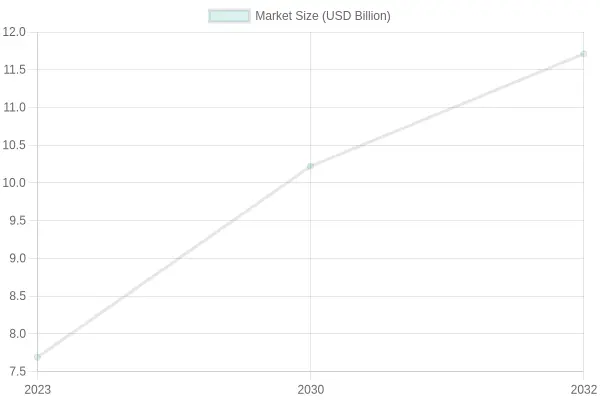
- 2023: The market size was approximately USD 7.69 Billion.
- 2030: Expected to grow to USD 10.22 Billion.
- 2032: Further projected to reach USD 11.71 Billion.
As highlighted, the market is expected to grow at a compound annual growth rate (CAGR) of around 4.5% from 2023 to 2032, reflecting the preference for BPA-free containers among consumers. This trend emphasizes the importance of offering BPA-free options in your product range to meet market demand.
Chart Visualizing Market Trends
Conclusion
The growing trend for BPA-free products in the food and beverage sector is not just a trend; it’s a shift toward healthier options. Businesses in the industry, such as ECO Cup Bowl, must adapt to these changes in consumer preferences to thrive in an evolving marketplace.
In conclusion, food-grade BPA-free plastic containers are not only safe for consumption but also offer flexibility and durability, making them ideal for a variety of foodservice applications. They are designed to provide peace of mind, ensuring that your customers receive their meals in environmentally-friendly and reliable packaging. As the food and beverage industry continues to evolve, the demand for such packaging solutions has only increased.
Partnering with a trusted supplier like EcoCupBowl guarantees that you are investing in quality food-grade packaging that aligns with health regulations and consumer preferences. We invite beverage chains, food trucks, restaurants, event planners, and procurement teams to explore our wide selection of packaging solutions tailored to meet your specific needs.
Don’t compromise on quality-reach out today to learn more about how our BPA-free containers can enhance your business’s offerings. Let us help you provide a safe and satisfying experience for your customers!