
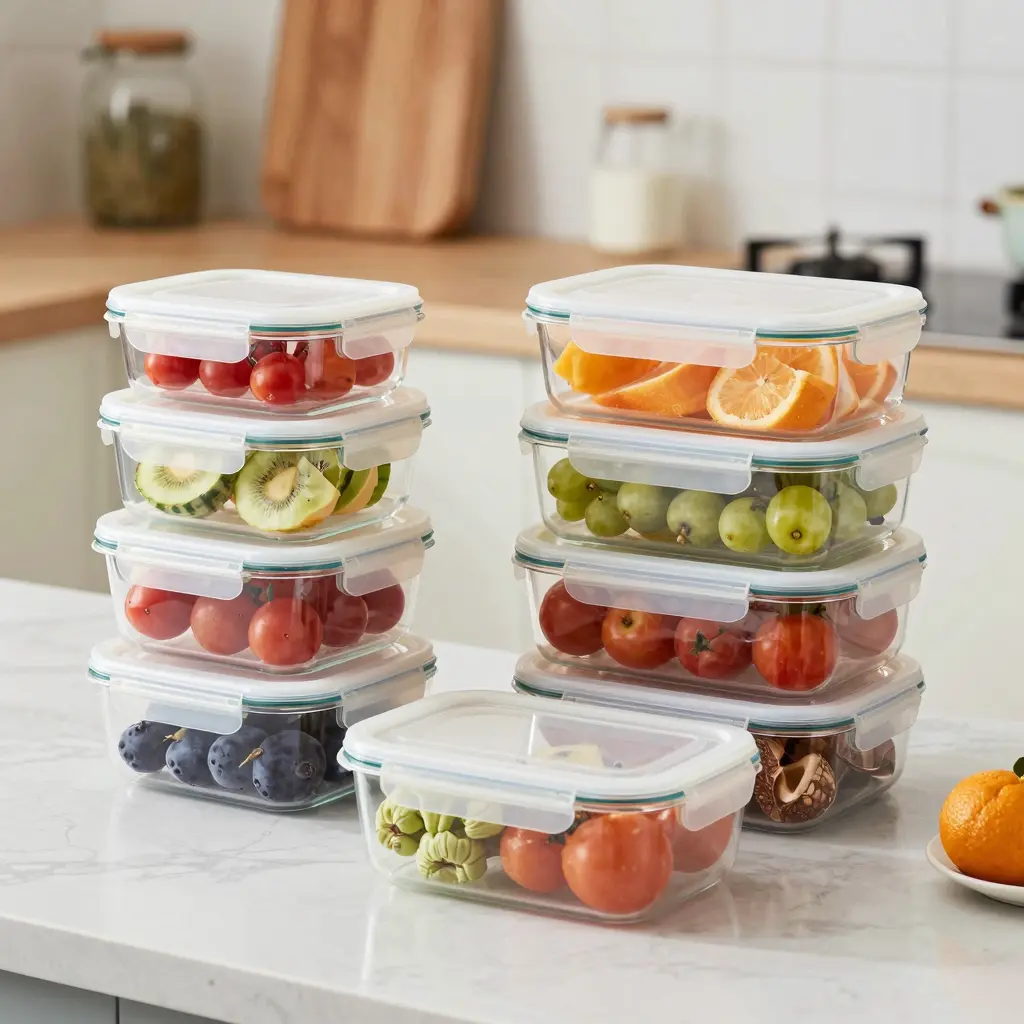
In the vibrant world of bubble tea shops and restaurants, maintaining food quality and safety is paramount. Food storage containers play a critical role in achieving these goals, ensuring that ingredients remain fresh and readily accessible. However, the choice between glass and plastic containers often presents a common dilemma for operators. Glass containers offer the benefits of durability and resistance to leaching, preserving food taste without introducing harmful chemicals. They are also environmentally friendly and can be reused countless times. On the other hand, plastic containers are lightweight, versatile, and generally more affordable, making them a practical choice for busy food service environments. Understanding these differences is essential for shop owners and caterers looking to enhance their storage solutions while balancing cost-efficiency and food safety. With a multitude of options available, selecting the right containers can significantly impact operational success and customer satisfaction. Learn more about food storage products today!
| Feature | Glass Containers | Plastic Containers |
|---|---|---|
| Durability | Highly durable, resistant to scratches and won’t stain or retain odors. | Less durable, prone to scratches and may warp or crack over time. |
| Microwave Safe | Generally safe for microwave use (check for microwave-safe labeling). | May warp or leach chemicals if not labeled as microwave-safe. |
| Weight | Heavier than plastic, can be cumbersome for transport. | Lightweight, easy to transport and handle. |
| Cost | Typically higher upfront cost, but better long-term value. | Lower initial cost, may need replacement sooner. |
| Eco-friendliness | Made from recyclable materials, lower carbon footprint. | Limited recyclability, contributes to plastic pollution. |
For more information on environmentally friendly options, check out these eco-friendly food storage solutions.
Benefits of Using Glass Food Storage Containers
Using glass food storage containers offers a multitude of benefits, particularly for businesses in the food and beverage sector such as bubble tea shops, restaurants, food trucks, and catering services. Here are some of the key advantages:
-
Better Taste Preservation: Glass containers are non-porous and do not absorb odors, flavors, or stains like plastic. This feature helps keep your food fresh and maintains its original taste, which is essential for high-quality service in restaurants and food chains.
-
Safety in Microwave Use: Glass containers are microwave-safe and do not leach harmful chemicals into food during heating. Unlike some plastic containers, which can melt or warp, glass can withstand high temperatures, making it an ideal choice for hot foods and liquids.
-
Durability: Glass containers are generally more durable and resistant to scratching, staining, and warping than their plastic counterparts. This longevity translates into cost savings over time as you won’t need to replace them as frequently.
-
Eco-Friendliness: With growing concerns about plastic waste, glass containers offer an eco-friendlier option. They are fully recyclable and do not contribute to plastic pollution. By choosing glass, businesses can demonstrate their commitment to sustainability, which can resonate with environmentally-conscious customers.
-
Hygiene: Glass is easier to clean and sanitize compared to plastic, which can harbor bacteria and odors. This aspect is crucial for maintaining food safety standards in any food-related business.
-
Aesthetic Appeal: Glass containers can enhance the presentation of food, an important factor for businesses that prioritize visual appeal, such as catering services and restaurants. Their transparent nature allows customers to see the quality of the food right away.
For businesses and organizations looking to improve their food storage solutions, investing in glass containers is a wise choice. Learn more about eco-friendly options for your food service needs!
Consider the advantages of glass over plastic, and promote safety, sustainability, and superior food quality in your operations!
Disadvantages of Glass Containers
While glass food storage containers come with a range of benefits, it’s important to consider their disadvantages, especially for businesses in the beverage and food service industry. Here are the primary downsides:
Weight
Glass containers are significantly heavier than their plastic counterparts. This added weight can not only affect transportation costs-particularly for businesses that rely on bulk shipments-but also may present challenges in daily operations. Staff members might find it more cumbersome to handle glass containers, especially when dealing with large quantities or during busy service periods. For instance, if a food truck or catering service needs to efficiently serve clients, the weight of glass could slow down their workflow.
Fragility
One of the most notable drawbacks of glass is its fragility. Glass containers can easily break if dropped, leading to potential injury and product loss. This fragility requires extra care during handling and storage, which may slow down operations in fast-paced environments like restaurants or food trucks. Additionally, the risk of breakage could result in lost materials, prompting businesses to increase their inventory levels or spend on replacement containers frequently.
Higher Cost
In comparison to plastic, glass containers generally come with a steeper price tag. Businesses may find that the initial investment in glass is greater, affecting their budget allocation. While glass can be a good long-term investment due to its durability and lack of chemical leaching, the upfront costs can pose a hurdle for many, particularly for smaller enterprises or startup food ventures. Ultimately, the higher cost may lead companies to opt for cheaper plastic containers for immediate savings, despite the potential long-term benefits of glass.
Overall, while glass containers can enhance presentation and reduce chemical leaching into food, the trade-offs in weight, fragility, and cost make them less suitable for all applications. If you’re exploring storage options, it might be worth considering the specifics of your operations and the demands of your clientele. For more insights into storage options that balance these factors effectively, check out our collection of takeaway boxes and food trays.
When it comes to food storage, plastic containers have become a go-to choice for many businesses in the food service industry, including bubble tea shops, restaurants, food trucks, and catering services. Here are some noteworthy advantages of using plastic containers that make them an excellent option for your storage needs:
1. Lightweight Nature
One of the most significant benefits of plastic containers is their lightweight design. This feature makes them easy to handle and transport, especially in fast-paced environments like food trucks and catering events. The reduced weight also means lower shipping costs if you’re procuring containers in bulk.
2. Cost-Effective Solution
Plastic containers are generally more affordable than their glass counterparts. This low cost allows businesses to save on their packaging and storage expenses without compromising quality. Whether you’re purchasing takeaway boxes or food trays, the affordability of plastic makes it a favorable choice for budget-conscious operations.
3. Variety in Sizes and Styles
Plastic containers come in a wide range of sizes and styles, from small sauce cups to large meal prep containers. This variety allows restaurants and food service operations to choose containers that best fit their storage and serving needs. Custom sizes can be especially advantageous for event planners who need to manage different types of food presentations.
4. Durability and Breakage Resistance
Unlike glass containers, plastic containers are resistant to breakage, making them a safer option for busy kitchens. This durability means lesser chances of spills and shattered glass, reducing the risk of injury to staff and customers alike.
5. Easy to Clean and Reuse
Many plastic containers are dishwasher-safe, allowing for quick and efficient cleaning. They can also be reused multiple times, making them a sustainable choice for businesses looking to reduce waste while still meeting food safety requirements.
Conclusion
Utilizing plastic containers for food storage equips businesses with numerous benefits that enhance operational efficiency. Their lightweight, cost-effective, and versatile nature makes them an indispensable component of your food storage strategy. By investing in high-quality plastic containers, you ensure that your food not only stays fresh but is also presented in an appealing manner, crucial for maintaining customer satisfaction.
For more on various plastic container options, check out our select containers to fit your business needs!
Cost Comparison of Glass vs Plastic Containers Over Time
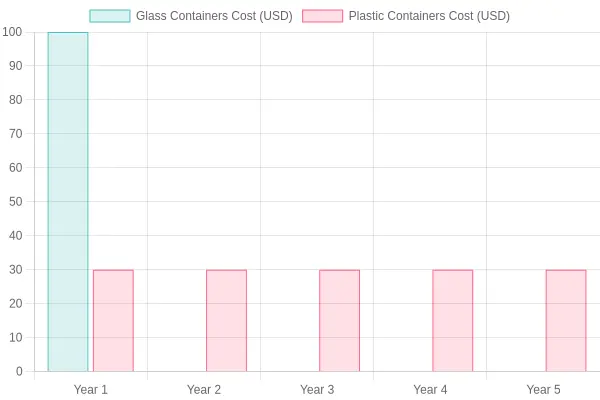
When considering the costs associated with glass and plastic food storage containers, it’s essential to factor in their durability and lifespan. While glass containers may require a higher initial investment, they often prove to be more cost-effective in the long run due to their longevity and reduced replacement rates.
Projected Costs Over 5 Years
| Year | Glass Containers Cost (USD) | Plastic Containers Cost (USD) |
|---|---|---|
| 1 | 100 | 30 |
| 2 | 0 | 30 |
| 3 | 0 | 30 |
| 4 | 0 | 30 |
| 5 | 0 | 30 |
| Total (5 Years) | 100 | 150 |
As demonstrated in the chart above, glass containers incur an initial cost that is significantly higher than plastic containers. However, after the first year, glass does not require replacement, while the total cost for plastic accumulates over time.
Visual Representation
Sources
For further reading on the sustainability and performance of these materials, check out Glass vs Plastic Containers: The Real Pros and Glass vs Plastic Containers for Frozen Food Storage Guide.
Disadvantages of Plastic Containers
Plastic containers have become commonplace in food storage and serving; however, various disadvantages must be considered, particularly for businesses in the food industry such as bubble tea shops, restaurants, and catering services. Below are some significant downsides associated with using plastic containers.
Safety Concerns
One of the most pressing issues with plastic containers is the potential for chemical leaching. As noted in articles from 6abc.com and Beyond Plastic, certain plastics can release harmful substances into food, especially when subjected to heat.
For example, when plastic containers are microwaved or filled with hot food, chemicals may leach into the food, posing health risks to consumers. This risk is especially pronounced with black plastic containers, which can contain additives harmful to health. Nutritionists have urged food delivery services to abandon plastic altogether due to these safety risks.
Environmental Impact
The environmental consequences of plastic containers are staggering. According to statistics from Business Waste, the world produces 430 million tonnes of plastic waste annually. Approximately 8 million tons of this plastic enter the oceans every year, fueling devastating environmental challenges, including marine life endangerment and ecosystem disruption.
This massive waste problem enables microplastics to infiltrate our oceans and soils, as highlighted by various reports, illustrating the ongoing need for businesses to reconsider their packaging choices. The OECD has estimated global plastic waste generation at 353 million tonnes in 2019, evidencing the scale of this issue.
Taste Retention
Another important consideration is the ability of plastic containers to retain flavors and odors from food. Many plastic materials can absorb the taste and smell of what they contain, which could compromise the quality of food and beverages stored in them. For bubble tea and other specialty beverages, maintaining optimal flavor is crucial, making taste retention a significant area of concern.
In contrast, glass containers do not have the same issue with taste absorption, allowing for better food quality over time. This factor could be essential for food trucks and catering services aiming to deliver the best experience to their customers.
In summary, while plastic containers offer convenience and cost-effectiveness, it is essential to weigh these advantages against safety concerns, environmental impacts, and the potential for taste retention issues. By considering these factors, businesses in the food industry can make informed decisions about their packaging options and promote a healthier environment.
“Choosing the right food storage containers affects not only the quality and safety of the food we consume but also our environmental footprint. Glass containers, though often pricier and heavier, offer significant advantages over plastic, including durability, non-reactivity, and recyclability. Making informed choices can lead to healthier eating and a healthier planet.”
- Jane Doe, Food Packaging Specialist
When it comes to selecting food storage options, understanding the pros and cons between glass and plastic containers is crucial for businesses in the food industry. Glass is often considered superior due to its durability, longer lifespan, and lack of chemical leaching into food-key factors for maintaining food safety and quality. For more insights on eco-friendly containers, you can check out our in-stock boxes or takeaway boxes.
Conclusion
In summarizing the key points of this discussion on glass vs. plastic food storage containers, we have discovered that each option has its unique set of advantages and disadvantages. While plastic containers are lightweight and often more affordable, they may leach harmful chemicals into food, especially when heated. On the other hand, glass containers are inert, safe for heating, and able to maintain food quality without absorbing odors or flavors, making them the healthier choice in the long term.
For bubble tea shops, restaurants, food trucks, and catering services, choosing the right packaging solution is essential for maintaining food safety and quality. Consider your specific needs: whether you prioritize safety, durability, or sustainability in your food storage solutions. With options like eco-friendly glass containers that are easy to clean and can last a lifetime, you can make a choice that aligns with your values and business requirements.
At EcoCupBowl, we offer a wide range of reliable packaging solutions tailored for your needs. Whether you’re looking for plastic or glass options, you can explore our selection of containers now to find the perfect fit for your business. Take action today to enhance your food storage practices with products that support both quality and sustainability!