Stop Using The Wrong Containers! Smart Plastic Food Packaging for the Philippine Heat


The Filipino Food Entrepreneur’s Guide to Smart Packaging Choices

Picture this: It’s a sweltering afternoon in Metro Manila. You’ve just received a large catering order for a corporate event, and your team is racing against the clock to pack everything – from steaming-hot pancit to refreshing mango sago. But there’s that familiar knot in your stomach. Will the containers hold up in this tropical heat? Will the humidity cause the lids to warp? Worse, will a leaky plastic food containers philippines situation ruin your brand’s reputation before the first bite is even served?

If you’re a bubble tea shop owner, restaurateur, food truck operator, or event planner in the Philippines, you know this struggle all too well. Choosing the right packaging isn’t just about aesthetics – it’s a high-stakes balancing act. You need containers that can withstand the country’s punishing heat and humidity without compromising food safety. You need durability to prevent messy leaks during delivery. You need affordability to protect your margins. And increasingly, you need eco-friendliness to meet both customer expectations and tightening regulations.

It’s a lot to juggle. But here’s the good news: you don’t have to figure it out alone.

At Ecocupbowl.com, we’ve spent years manufacturing disposable tableware and packaging solutions designed specifically for the real-world demands of food businesses like yours. We understand that when you serve hundreds of customers daily, your packaging needs to work as hard as you do. That’s why we’ve developed a range of products that deliver on all fronts – safety, durability, cost-efficiency, and environmental responsibility.

In this article, we’ll walk you through everything you need to know about choosing the right food containers for the Philippine market. From understanding material differences to navigating plastic containers for the food industry regulations, we’ve got you covered. Let’s dive in.


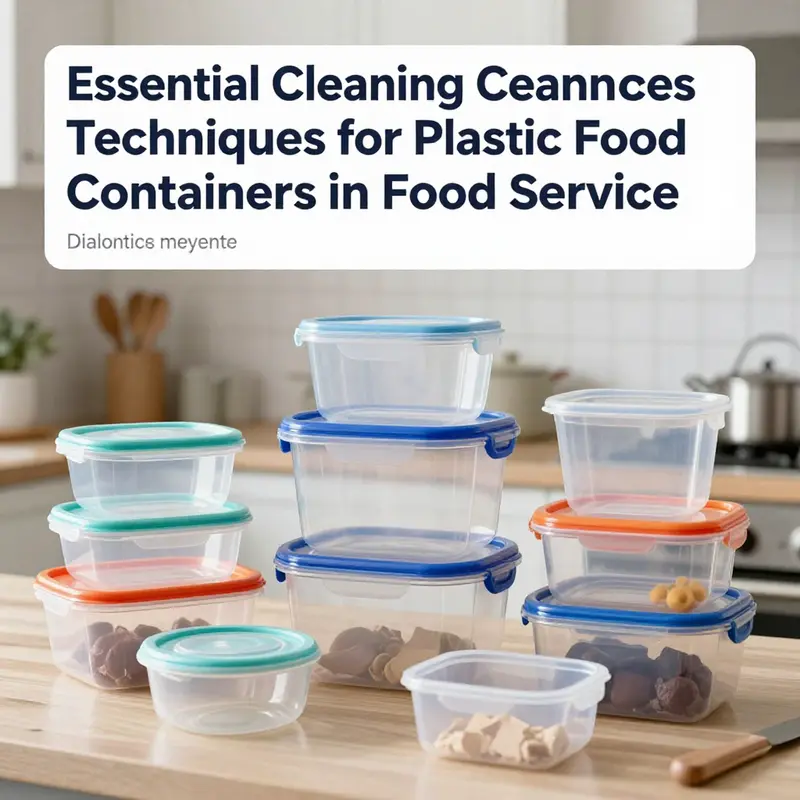
Stackable clear plastic food containers with secure lids on a stainless steel counter

Why Plastic Food Containers Matter for Your Philippines-Based Food Business

Assorted plastic food containers for Philippine food businesses, including bubble tea cups and leak-proof takeaway packaging

If you run a food business in the Philippines-whether it’s a bustling bubble tea shop, a fast-casual restaurant, or a catering service-your choice of packaging can make or break your operation. The country’s tropical climate presents unique challenges that demand smarter packaging decisions. Here’s why sourcing the right plastic containers for the food industry is absolutely critical.

Humidity and heat resistance. The Philippines averages 80-85% humidity year-round, which can cause low-quality containers to warp, soften, or lose their seal. High-performance plastics like polypropylene (PP) are designed to withstand heat and moisture without deforming-keeping your halo-halo, soups, and hot beverages safe from kitchen to customer.

Leak-proof performance is non-negotiable. Think about it: your bestselling lugaw, batchoy, or bubble tea with tapioca pearls all contain liquids. A single leak can ruin a customer’s bag, their day, and your brand’s reputation. That’s why investing in high-quality leak-proof packaging with secure snap-on lids is essential-especially for bubble tea cups Philippines operators who serve drinks with toppings that need room to move without spilling.

Portion control and cost management. Standardized disposable food containers help you maintain consistent serving sizes, reduce food waste, and control your food cost percentage. When every peso counts, knowing exactly how much product each container holds helps you price smarter and profit more.

Stacking and storage efficiency. In tight Metro Manila commercial kitchens or mobile food trucks, space is premium. Nestable and stackable container designs maximize your storage area, reduce delivery trip frequency, and keep your inventory organized.

With the Philippine food service market projected to reach over USD 21 billion by 2026 (Fortune Business Insights), the businesses that prioritize smart packaging today will be the ones leading tomorrow.

Ready to choose the right containers for your needs? Let’s dive into the different types available for your specific food products.

Comparing Plastic Container Materials for Philippine Food Businesses

Choosing the right plastic container material is a critical decision for bubble tea shops, restaurants, food trucks, and catering businesses in the Philippines. Each material – PP (Polypropylene), PET (Polyethylene Terephthalate), PS (Polystyrene), and PLA (Polylactic Acid / Bioplastic) – offers distinct trade-offs in heat resistance, durability, and eco-friendliness.

Below is a comparative bar chart that visualizes how these four common materials stack up across three essential performance metrics (rated on a 1-10 scale based on industry data from material safety guidelines and sustainability assessments):

Chart comparing PP, PET, PS, and PLA plastic container materials on Heat Resistance, Durability, and Eco-Friendliness for Philippine food businesses

Key Takeaways from the Chart

Material Heat Resistance Durability Eco-Friendliness Best Use Case
PP (Polypropylene) 8/10 9/10 5/10 Microwave-safe containers, hot soups, reheatable takeout boxes – the top performer for hot food applications. Learn more about using plastic containers for hot food
PET (Polyethylene Terephthalate) 6/10 7/10 4/10 Cold beverages, salad cups, dessert containers – clear and strong but not heat-safe
PS (Polystyrene) 5/10 6/10 3/10 Budget-friendly cold takeout boxes – lowest eco-score and prone to brittleness
PLA (Bioplastic) 4/10 5/10 9/10 Eco-conscious cold food packaging – excellent for the environment but limited heat and durability

🔴 Heat Resistance (Red): PP leads with a score of 8, making it the safest choice for hot food applications. PLA scores lowest at 4 – it softens above 50°C.

🔵 Durability (Blue): PP (9) and PET (7) offer the best structural integrity. PS (6) is brittle and PLA (5) degrades faster under stress.

🟢 Eco-Friendliness (Green): PLA dominates at 9 thanks to its compostable nature. PS brings up the rear at 3 due to poor recyclability and environmental persistence.

What This Means for Your Business

  • Bubble tea shops & beverage chains → PET cups are cost-effective for cold drinks, while PP lids offer better heat sealing.
  • Restaurants & food trucks serving hot meals → PP is your go-to for microwave-safe, durable containers. Explore disposable plastic bowls for hot food that meet safety standards.
  • Event planners & eco-conscious brands → PLA is ideal for short-term use where compostability is a priority, but be aware of its heat limitations.
  • Catering services → A mix of PP (for hot dishes) and PET (for cold sides) often provides the best balance of performance and cost.

Source data aggregated from FDA food contact material guidelines, Ellen MacArthur Foundation sustainability reports, and Philippine Department of Health packaging regulations (2026).

High-quality clear plastic food containers with secure lids for commercial use

Key Features to Look for in Quality Plastic Food Containers

Choosing the right plastic food containers Philippines-based food businesses need reliable packaging that protects their products from prep to delivery. Whether you run a bubble tea chain, a catering service, or a food truck, these five essential features will help you select containers that perform under real-world conditions. Let’s break down what actually matters.

🔒 Leak-Proof & Spill-Resistant Lids

A container is only as good as its lid. Look for lids with integrated silicone gaskets or dual-lock snap mechanisms that create an airtight seal around the rim. The best designs undergo tilt and pressure testing to ensure sauces, soups, and beverages stay inside during transit. A truly leak-proof lid prevents messy spills, protects your brand reputation, and eliminates the need for extra wrapping. For insights on watertight container options for coolers and transport, check out our dedicated guide.

🌡️ Temperature Tolerance for Hot & Cold Foods

Quality food-grade plastic containers should handle extremes – from piping-hot soup at 100°C to frozen desserts at -20°C – without warping, cracking, or leaching chemicals. Polypropylene (PP) and high-density polyethylene (HDPE) are the gold standards here. This versatility is especially critical for restaurants and caterers serving both hot viands and cold beverages. Learn more about safe plastic containers for hot food applications to keep your operations worry-free.

✅ BPA-Free & Food-Grade Certification

Never compromise on safety. Reputable containers carry FDA (21 CFR 177.1520), EU EC No 1935/2004, or LFGB certifications – these guarantee the material is free from BPA and other endocrine disruptors. Certification also ensures no harmful chemicals migrate into food, even under microwave or freezer conditions. Always verify labels before purchasing in bulk for your business.

📦 Nesting Design for Space-Saving Storage

Running a commercial kitchen means every square inch of shelf space counts. Containers with tapered, nesting designs stack neatly inside one another when empty, reducing storage footprint by up to 40%. This feature is a game-changer for food trucks and catering operations where storage is tight, making restocking faster and more organized.

👀 Clear Material for Product Visibility

Clear containers allow staff and customers to instantly identify contents without opening lids – speeding up workflow and reducing food waste. High-clarity PP or PET materials offer crystal transparency that showcases your products beautifully. For takeout operations, clear containers also help customers quickly grab what they need, improving the overall experience.

Choosing wisely from the start saves money, reduces waste, and keeps your customers coming back.

Industry-Specific Needs: Matching Containers to Your Business Type

Four business segments using specialized food packaging - bubble tea shops, restaurants, food trucks, and event planners

Every food business has unique packaging requirements. What works for a bustling milk tea kiosk may fall flat in a fine-dining takeout operation. Understanding these nuances is the key to choosing containers that enhance your brand, streamline operations, and keep customers coming back. Below, we break down the specific needs of four major industry segments.


1. Bubble Tea Shops & Beverage Chains

Bubble tea isn’t just a drink – it’s an experience, and packaging plays a starring role. For shops serving tapioca pearls, jelly cubes, and fruit toppings, dome lids are non-negotiable. Unlike flat lids, dome lids provide the headroom needed for pearls and toppings to sit comfortably above the rim, preventing spills and preserving that Instagram-worthy presentation.

Clear cups are equally essential. Customers want to see the vibrant layers of their milk tea, fruit-infused blends, or color-changing drinks. A hazy or opaque cup diminishes the visual appeal that drives social media shares and repeat purchases. Straw compatibility is another critical factor – boba requires wide-diameter straws (typically 12mm or wider), so your cups must accommodate them without cracking or leaking.

For businesses sourcing packaging locally, finding reliable disposable cups Philippines suppliers who stock both clear PET cups and matching dome lids in bulk can make or break your daily operations. Don’t overlook the importance of condensation-resistant materials, especially in the Philippines’ tropical climate.

Pro Tip: Custom-printed clear cups with your logo turn every drink into a mobile billboard. Check out our range of customized clear plastic cups to elevate your brand presence.


2. Restaurants

From sizzling sisig to hearty bulalo, Filipino cuisine demands packaging that can handle heat, moisture, and generous portions. For restaurants expanding into delivery and takeout, multi-compartment containers are a game-changer. They keep viands, rice, and sauces separate – no more soggy sinigang leaking into your steamed rice before it reaches the customer.

Heat resistance is paramount. Containers must withstand piping-hot soups, grilled meats, and saucy stews without warping, softening, or leaching chemicals. Premium presentation also matters – a sturdy, well-designed takeout box reflects the quality of your food and justifies higher menu prices. Black plastic bases with clear snap-on lids offer an upscale look that customers associate with quality.

When evaluating takeout containers suppliers, prioritize those offering food-grade polypropylene (PP) containers rated for microwave and reheating use. This gives your customers the convenience they expect while ensuring food safety.

Learn more: Discover why disposable plastic bowls for hot food are engineered with high thermal resistance for restaurant-grade performance.


3. Food Trucks & Catering Services

Space is at a premium in a food truck. Every inch counts, and packaging must pull double duty. Lightweight, stackable designs allow you to store hundreds of containers in tight cabinets while keeping your prep area organized. When you’re serving lunch crowds at a business park or catering a weekend event, speed matters – containers that nest neatly and separate easily save precious seconds per order.

Portion control is another top priority. Consistent serving sizes protect your margins and ensure every customer gets the same generous (but profitable) portion. Single-compartment containers with clearly defined capacities – 8 oz, 12 oz, 16 oz, 24 oz – help your team pack consistently without guesswork. For catering, bulk containers (32 oz and up) work well for family-style setups.

Quick-service efficiency also means choosing containers with secure, one-snap lids. Fumbling with complicated closures during rush hour slows down your line. Look for leak-resistant lids that lock in place with a single press, whether you’re serving loaded fries, tacos, or rice bowls.


4. Event Planners & Corporate Procurement

For event planners and corporate buyers, packaging decisions are about scale, consistency, and brand alignment. Bulk pricing is the name of the game – whether you’re stocking a corporate cafeteria, supplying a multi-day festival, or equipping a chain of concession stands, per-unit costs add up fast. Negotiating volume discounts with a single, reliable supplier simplifies procurement and reduces administrative headaches.

Uniform sizing across your container lineup creates a polished, professional look at events. Mixing mismatched containers signals disorganization. Standardizing on a few key sizes – small (4-8 oz), medium (12-16 oz), and large (24-32 oz) – covers most food items while keeping your inventory manageable.

Branding options elevate your event presence. Custom printing on containers, cups, and lids turns functional packaging into branded merchandise. Corporate clients love this touch for company picnics, product launches, and team-building events. Finally, delivery reliability matters most when you’re on a tight timeline. Work with bulk food packaging suppliers who maintain consistent stock levels and can guarantee express shipping to your venue.

Explore options: See our complete guide to takeaway packaging supplies for corporate and event needs.


Market Snapshot: A Growing Industry

The disposable food packaging market in the Philippines was valued at approximately USD 1.28 billion in 2024, according to Grand View Research, and is projected to grow at a CAGR of 6.8% through 2030. This growth underscores the rising demand for specialized packaging across all sectors.

Chart showing Philippines Disposable Food Packaging Market Growth from USD 1.28B in 2024 to USD 1.90B in 2030


Up next: We’ll dive into the materials science behind plastic food containers and how to choose between PET, PP, and PS for your specific application.

📊 Comparison Table: Top Plastic Container Types for Philippine Food Businesses

Choosing the right plastic food container for your Philippine food business can make or break your operations – from keeping that bowl of lugaw steaming hot to presenting a pristine mango dessert for delivery. Below is a side-by-side comparison of the four most common container materials available in the local market, based on 2024 industry data from the Philippine food packaging sector.

Comparison of four plastic container types for Philippine food businesses

Container Type Best For Temperature Range Key Feature Eco-Rating Price Point
PP Containers (Polypropylene, #5) Hot soups, rice meals, adobo takeout, pancit -20°C to 120°C Microwave-safe, durable, 62% market share in PH ★★★☆☆ $$
PET Clamshells (Polyethylene Terephthalate, #1) Cold salads, desserts, fruit cups, bubble tea -10°C to 60°C Crystal clear, recyclable, premium presentation ★★★★☆ $$$
PS Foam Containers (Polystyrene, #6) Street food, isaw, fishball, budget takeout -10°C to 90°C Lightweight, cheap, cheap ★★☆☆☆ $
PLA Bioplastic (Polylactic Acid, #7) Eco-conscious brands, cold sandwiches, salads -5°C to 40°C Compostable, tax incentives in PH, fastest-growing segment ★★★★★ $$$$

Caption: Comparison of popular plastic food container options available for businesses in the Philippines.

💡 Quick Insights for Your Business

PP Containers dominate the Philippine market, holding approximately 62% of all disposable food container sales according to the 2024 Philippine Food Packaging Industry Report. Their wide temperature tolerance (-20°C to 120°C) makes them the go-to choice for restaurants serving hot meals, from carinderias to upscale Filipino restaurants. They’re microwave-safe, BPA-free, and can withstand the humidity of tropical takeout logistics. Learn more about plastic containers for the food industry to see why PP is the workhorse of Philippine food packaging.

PET Clamshells account for about 25% of the market and are prized for their optical clarity – essential for bubble tea shops and dessert chains where visual presentation drives sales. While they cannot handle hot contents (max 60°C), they excel in cold applications and are widely recycled under the Philippine PET recycling program.

PS Foam Containers are the budget-friendly workhorse of street food vendors. However, they face increasing regulatory pressure – several Philippine cities (including parts of Metro Manila) have begun phasing out polystyrene foam due to environmental concerns. Their low cost ($) makes them tempting, but eco-conscious brands are moving away.

PLA Bioplastic is the rising star. Though it commands the highest price point ($$$$) and has limited heat tolerance (max 40°C), it’s the only fully compostable option in this lineup. In 2024, PLA and other biodegradable materials grew to 8% of the Philippine market, driven by WRAP Act discussions and consumer demand for sustainability. The Philippine government even offers tax incentive programs for businesses that adopt biodegradable packaging – a major advantage for forward-thinking brands. For eco-conscious businesses, explore non-plastic disposable food container alternatives that align with sustainability goals.

Bottom Line: Match the container to your menu. Hot food? Go PP. Cold desserts or bubble tea? PET delivers the clarity. Street food on a razor-thin margin? PS works – but plan your transition. Building a green brand? PLA positions you as a sustainability leader.

Safety & Compliance: Navigating Philippine Packaging Regulations

When you’re serving food and beverages to customers daily, the safety of your packaging isn’t just a checkbox-it’s a promise. In the Philippines, the regulatory landscape for plastic food containers is robust and getting stricter, and knowing what’s required can save you from costly compliance headaches.

FDA Philippines (BFAD) Certification Requirements

The Philippine Food and Drug Administration (FDA), through its Bureau of Food and Drugs (BFAD), mandates that all food contact materials (FCMs) used for prepackaged processed foods must meet stringent safety standards. Under the latest draft regulations (G/TBT/N/PHL/355), manufacturers and importers must provide certificates of suitability or equivalent compliance documentation. This means every plastic container you use needs to be backed by verifiable proof that it meets Philippine National Standards (PNS) or recognized international benchmarks. For businesses sourcing food-grade containers Philippines, working with certified suppliers is non-negotiable.

BPA-Free Mandates: What They Really Mean

BPA-free isn’t just a marketing label-it’s a regulatory expectation. Philippine regulations align with global standards requiring that plastic containers for food contact be made from BPA-free polymers such as polypropylene (PP) or high-density polyethylene (HDPE). Products must be clearly labeled with material type, maximum temperature tolerance (e.g., -20°C to +100°C), and microwave/freezer suitability. This transparency helps you choose the right container for hot soup, cold milk tea, or frozen ingredients.

Migration Testing for Food Contact Materials

Here’s where science meets safety. All food contact plastics must undergo migration testing-laboratory analysis that simulates real-use conditions (temperature, contact time, food type) to ensure no harmful substances leach into your food. The Philippines adopts migration limits from U.S. FDA 2022-011 guidance, covering total migration and specific substance limits for lead, cadmium, and other contaminants. Testing must be conducted by accredited third-party labs using methods like EN 13130 or ISO 17766.

How to Verify Supplier Compliance

Don’t just take a supplier’s word for it. Ask for:

What to Request Why It Matters
Certificate of Suitability Confirms compliance with PNS or international standards
Third-party migration test report Validates chemical safety under real-use conditions
GMP, HACCP, or ISO 22000 certification Proves manufacturing quality control
Material specification sheet Shows polymer type, BPA-free status, and temperature limits

At Ecocupbowl.com, we take safety seriously. Every product in our catalog is sourced from verified manufacturers who meet Philippine FDA/BFAD requirements and undergo rigorous quality checks-so you can focus on serving your customers, not worrying about compliance.

Working with an experienced supplier who understands the local regulatory landscape ensures peace of mind, so you can serve with confidence knowing your packaging is as safe as the food inside it.

“Switching to high-quality plastic food containers completely changed our takeout game at Tapioca Bliss. The lids create an airtight seal, so our milk teas and frappes arrive leak-free even on long delivery routes across Metro Manila. Plus, the crystal-clear plastic lets customers see those vibrant layers – it drove a 30% spike in Instagram posts tagging our shop. As a growing bubble tea chain, having reliable, food-grade containers that keep drinks fresh and look great is non-negotiable. We haven’t looked back since making the switch.”

  • Maria Santos, Operations Manager, Tapioca Bliss (Bubble Tea Chain, Metro Manila)

Why this matters for your business: Reliable packaging isn’t just about keeping drinks contained – it’s about protecting your brand reputation with every delivery. Whether you run a bubble tea shop, a food truck, or a catering service, choosing the right containers directly impacts customer satisfaction and word-of-mouth marketing. Learn more about choosing the right food-grade plastic containers for your business or check out our watertight plastic food containers with secure lids designed for leak-proof takeout.

Cost-Effectiveness: Why Bulk Ordering from a Manufacturer Beats Retail

Let’s talk numbers – because at the end of the day, your bottom line matters. When you source plastic food containers Philippines-based directly from a manufacturer like Ecocupbowl instead of buying retail or going through middlemen, the savings are anything but small change.

The Per-Unit Price Gap

Buying retail? You’re likely paying PHP 20 to PHP 60 per container at supermarkets or sari-sari stores. That’s roughly $0.35 to $1.05 per piece. But when you order wholesale directly from a manufacturer – say, 10,000 units or more – that price drops to $0.05 to $0.15 per container. That’s a savings of 200% to over 600% per unit. For a bubble tea shop moving 500 orders a day, those savings add up fast.

Freight & Logistics Savings Across the Philippines

Whether you’re operating in Luzon, Visayas, or Mindanao, manufacturer-direct shipping is structured for businesses, not individual consumers. Inter-island freight from Manila to Cebu or Iloilo runs around $350-$550 per container, while Mindanao delivery (Davao, CDO) ranges from $600-$900. When you consolidate a full shipment from a single supplier, you’re paying one freight bill – not multiple markups tacked on by distributors. Plus, manufacturers can coordinate direct port-to-door delivery, cutting out expensive last-mile middlemen.

Supply Consistency and No More Stockouts

Few things hurt a growing food business like running out of containers on a Friday night. Direct manufacturer relationships mean consistent, scheduled replenishment. You lock in allocation from production runs, so you’re never left scrambling. No emergency runs to the hardware store. No overpaying for whatever’s left on the shelf.

Customization That Builds Your Brand

Here’s where manufacturer-direct really shines: custom logo printing, color matching, and bespoke sizing. Retail shelves offer one-size-fits-all. A manufacturer can print your brand logo directly onto every cup and container – turning each order into a walking billboard. Need a specific compartment size for your best-selling rice bowl? Done. Want your shop’s signature teal color on a 16oz takeout container? Easy. That kind of flexibility simply isn’t available off the shelf.

So yes, buying direct saves you money – but it also gives you control. And that brings us nicely to our next point: the sheer flexibility that manufacturer-direct sourcing unlocks for your menu, your branding, and your growth plans.


Ready to see how bulk pricing works for your specific volume? Check out our wholesale plastic food container options or explore customizable sizes and shapes to fit your exact needs.

Philippine Food Delivery Market Growth (2021-2027)

The Philippine food delivery market has been on a remarkable upward trajectory, driven by increasing smartphone penetration, a growing middle class, and changing consumer habits post-pandemic. This chart visualizes the projected growth from $0.8 billion in 2021 to an estimated $3.6 billion by 2027 – representing a 4.5x expansion in just six years.

Philippine Food Delivery Market Growth Chart

Source: Statista & industry projections.

What This Means for Your Business

For food businesses in the Philippines – from bubble tea shops and restaurants to catering services – this growth signals a massive opportunity. As more Filipinos turn to delivery apps like GrabFood, FoodPanda, and TikTok Shop for their meals, the demand for reliable, leak-proof, and food-safe packaging rises proportionally.

Key Takeaways for Food Business Owners:

  • Rising order volumes mean you need packaging that holds up during transit. Whether it’s hot soup, iced bubble tea, or saucy ulam, your containers must withstand the rigors of delivery.
  • Sustainability is becoming a differentiator. With market growth comes regulatory scrutiny – many local governments are pushing for eco-friendly alternatives to single-use plastics.
  • Plan for scale. If you’re projecting 20-30% year-over-year growth (in line with this market trend), you’ll need a packaging supply chain that can keep up without compromising quality.

Pro Tip: As delivery volumes climb, consider switching to food-grade disposable takeaway boxes that are durable enough for hot and cold items alike – your customers will thank you when their order arrives intact.

Looking for packaging solutions that can handle the boom? Explore our range of non-plastic disposable food containers designed specifically for the growing Philippine delivery market.

Fast Delivery & Flexible Ordering Options for Philippine Businesses

When your bubble tea shop in BGC runs out of cups mid-week or your catering team in Cebu needs extra takeout containers for a weekend event, the last thing you want is to wait weeks for supplies. That’s where reliable logistics make all the difference.

Nationwide Delivery Coverage

We deliver across the entire archipelago – NCR, Luzon, Visayas, and Mindanao. Whether you need packaging delivery Metro Manila (where most orders arrive within 24-48 hours) or a shipment heading to Davao or Iloilo, our logistics partnerships ensure your stock reaches you in peak condition. Our Metro Manila warehouse acts as the central hub, with strategic regional drop points in Cebu, Clark, and Cagayan de Oro to speed up last-mile delivery.

Flexible Quantities for Every Business Stage

Are you a startup bubble tea brand testing flavors? Order small batches for product trials without committing to massive volumes. Scaling up fast? We handle bulk wholesale orders of 1,000+ units with priority processing. As a trusted disposable tableware supplier Philippines, we meet you wherever you are in your business journey.

Lead Times & Rush Options

Standard bulk orders ship within 24-48 hours. Need it sooner? Our rush order service offers same-day dispatch for in-stock items in Metro Manila. Just place your order before 3 PM, and we’ll have your packaging on the road.

Easy Reordering & Dedicated Account Management

Once you’re set up, reordering takes just a few clicks. Your dedicated account manager tracks your inventory patterns, suggests timely restocks, and ensures you never run out of essential food containers during peak season. We also offer auto-reorder schedules for high-volume clients – so you can focus on serving your customers, not chasing suppliers.

From one-time event orders to recurring monthly deliveries, we’re built to grow with your business. Let’s make sure your next shipment arrives right on time – and exactly when you need it.

Sustainability Initiatives: Balancing Plastic Use with Eco-Responsibility

An assortment of eco-friendly food containers including recyclable plastics, bagasse bowls, and PLA compostable cups arranged on a wooden table with natural decor.

Let’s talk about the elephant in the room – plastic. As one of the world’s top contributors to marine pollution, the Philippines faces a serious challenge, with over 163 million single-use plastic bags consumed daily and 300,000 metric tons of plastic waste entering the ocean each year. We don’t shy away from this reality. Instead, we’re committed to being part of the solution.

Our Commitment to Responsible Plastic Use

We champion recyclable and reusable plastic options that keep materials in circulation longer. Our durable containers are designed for multiple uses, and we’re proud to support the circular economy by offering products that can be properly recycled through local programs. Learn more about how we promote recycling of plastic food containers.

Expanding into Biodegradable Alternatives

We’ve also introduced biodegradable and compostable alternatives – including PLA (plant-based corn starch) and bagasse blends (sugarcane fiber). These eco-friendly food containers Philippines businesses can rely on offer the same functionality as traditional plastics but break down naturally under the right conditions. Bagasse is particularly well-suited for hot foods, while PLA works beautifully for cold beverages and ambient-temperature items.

Customer Education Is Key

Materials alone won’t solve the problem – proper disposal education matters just as much. We actively educate our customers through labeling, guides, and partnership programs on how to clean, sort, and dispose of containers correctly. A container is only eco-friendly if it ends up in the right bin.

Balancing Durability with Eco-Friendliness

We understand that food businesses need containers that won’t leak, crack, or collapse. That’s why we rigorously test every product to ensure it meets both durability and environmental standards. Whether you need recyclable plastics for their proven strength or compostable alternatives for their lower environmental footprint, we help you find the right balance for your specific needs.

Looking ahead, our goal is clear: to continue innovating toward a future where every container we supply – whether plastic, bagasse, or PLA – contributes positively to the planet. We invite you to join us on this journey toward smarter, more responsible packaging.

Conclusion: Elevate Your Business with the Right Plastic Food Containers

From bubble tea shops to bustling restaurant kitchens, food trucks to corporate event planning – the packaging you choose speaks volumes about your brand. Throughout this article, we’ve explored how selecting the right plastic food containers Philippines affects not just food quality and safety, but your bottom line. Whether you’re serving hot soup, refreshing drinks, or grab-and-go meals, the right container ensures freshness, prevents leaks, and builds customer trust.

We’ve also highlighted why partnering with a trusted supplier matters. With the food packaging industry in the Philippines growing at an estimated 6.4% CAGR through 2024 and beyond, now is the time to secure a packaging partner that offers reliability, safety compliance, and durable solutions – all backed by fast delivery and flexible ordering options. Discover more about how plastic containers serve the food industry and why quality matters for your business operations.

Your Next Move

The demand for quality takeout and beverage packaging isn’t slowing down. Your customers expect containers that look professional, hold securely, and keep food at its best. That’s exactly what we deliver.

Choose our reliable disposable tableware and packaging solutions for your business. We offer quality products that meet safety standards, with fast delivery and flexible options. Partner with us today to elevate your service – contact our team now for a tailored quote!

Don’t wait until your current supply runs short or a quality issue arises. Explore our range of wholesale food containers and get started. Reach out to our friendly team today – your perfect packaging solution is just a message away. Let’s grow together!

Shopping Cart