In the fast-paced world of food service, the choices made around storage and packaging can have far-reaching consequences, not just for your bottom line but also for the planet. As consumers become more environmentally conscious, the debate between stainless food containers and plastic food containers is more relevant than ever. Stainless containers might have a higher upfront cost, but they offer durability, reusability, and safety from harmful chemicals, making them an eco-friendly packaging solution that resonates with health-conscious consumers. Alternatively, while plastic containers are often more affordable and lightweight, they tend to contribute significantly to environmental waste due to their single-use nature and limited recyclability. The implications of these choices extend beyond mere convenience; they affect your brand’s image and commitment to sustainability. By choosing the right materials, food providers-including bubble tea shops, catering services, and restaurants-can enhance their operations and align with the growing demand for greener solutions. This article dives into the costs and environmental impacts associated with each option, guiding you to make a more informed decision for your business. Learn more about eco-friendly packaging options here and see how embracing sustainability can work for you.
Stainless vs Plastic Food Containers Comparison
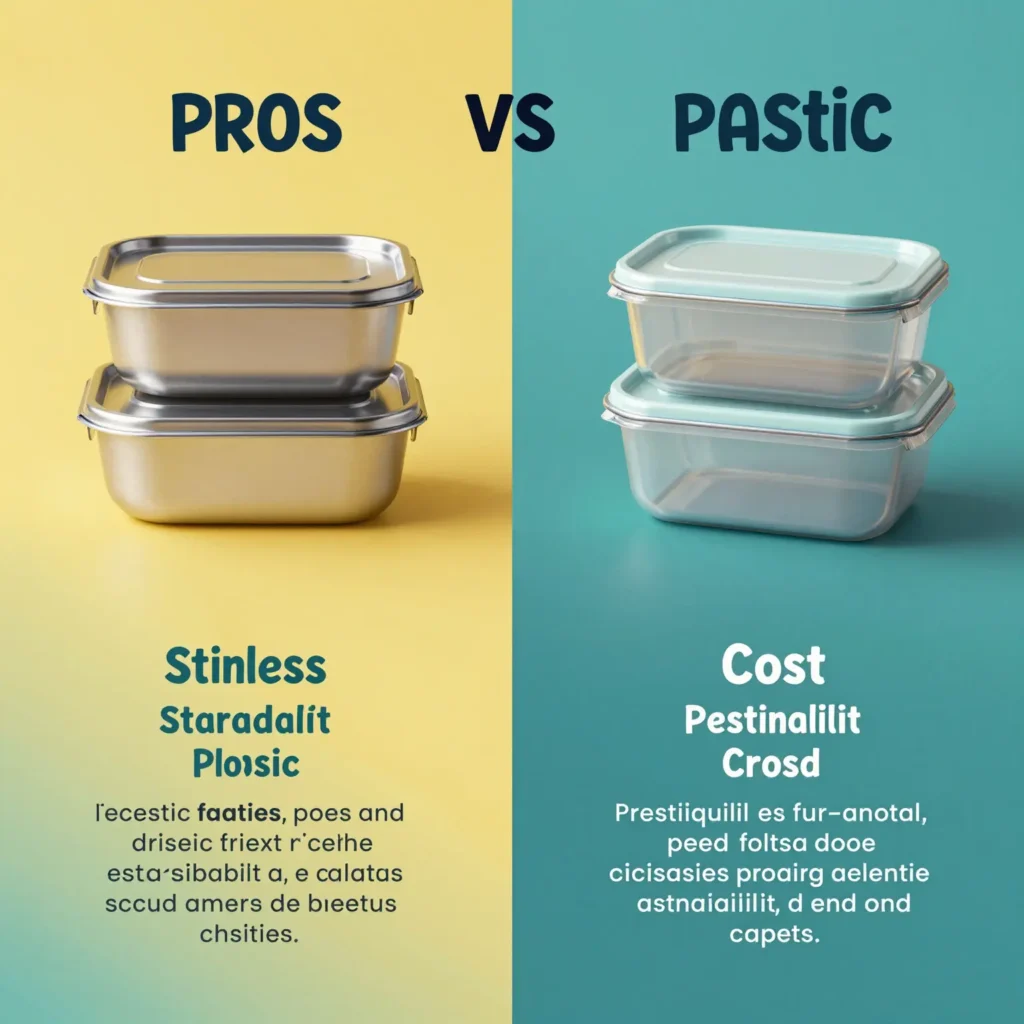
In choosing the right food containers for your business, understanding the differences between stainless steel and plastic is essential. Below is a comparison table highlighting their key features, such as durability, cost, weight, environmental impact, and safety standards.
| Feature | Stainless Steel Containers | Plastic Containers |
|---|---|---|
| Durability | Highly durable; resistant to impacts and rust | Less durable; can crack or warp easily |
| Cost | Generally more expensive upfront | Usually less expensive |
| Weight | Heavier, which may affect shipping | Lightweight, easy to transport |
| Environmental Impact | Recyclable; more sustainable overall | Often non-recyclable; contributes to waste |
| Safety Standards | Non-toxic; doesn’t leach chemicals | Can leach chemicals, particularly under heat |
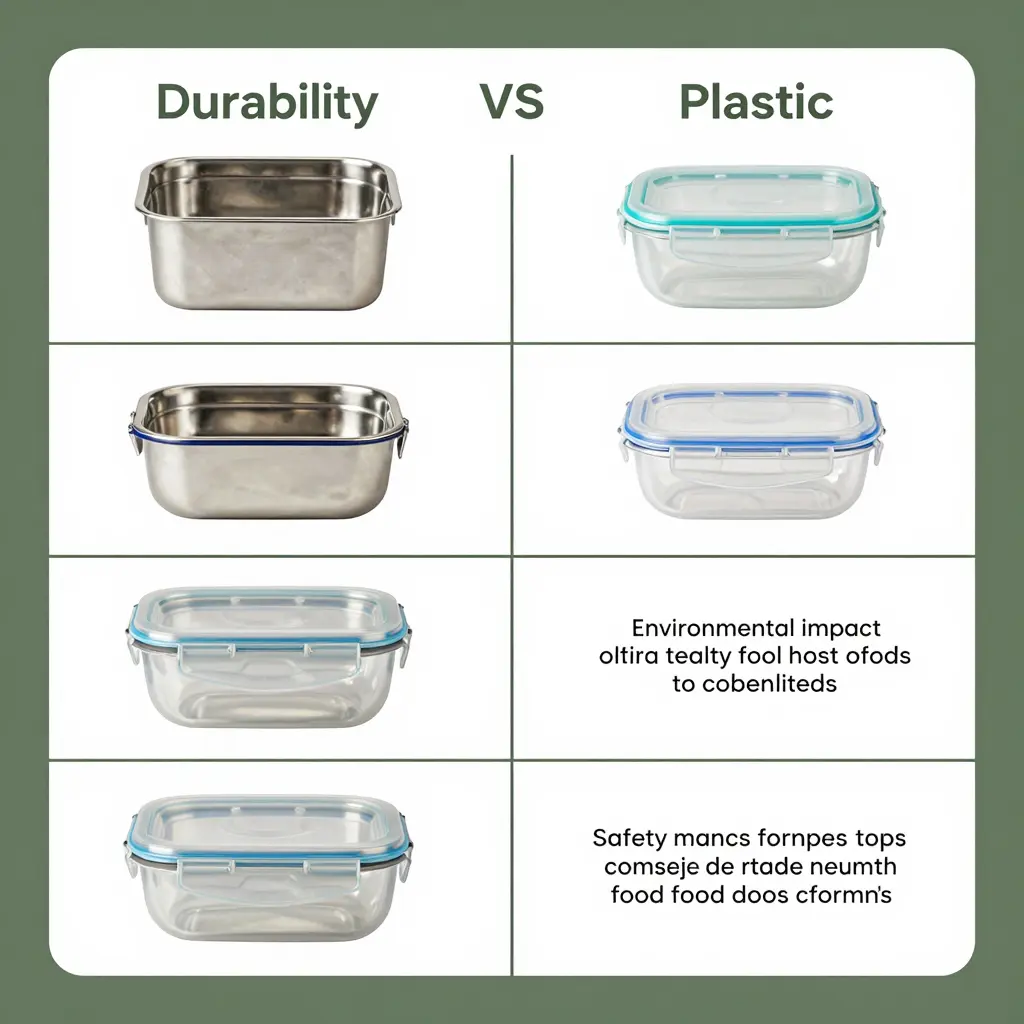
Stainless steel containers are often regarded as a safer option, as they do not leach harmful chemicals into food, making them ideal for food safety and long-term storage. For businesses like bubble tea shops, restaurants, and food trucks looking for sustainable and durable solutions, stainless options offer distinct advantages.
If you’re interested in further expanding your product lineup, check out our takeaway boxes or stainless steel food containers for high-quality storage solutions.
By investing in the right type of food containers, you ensure not only the safety and satisfaction of your customers but also contribute positively to the environment.
Benefits of Stainless Food Containers in the Food Service Industry
In the fast-paced food service industry, the choice between stainless food containers and plastic alternatives can significantly impact operations. Here are some compelling benefits of opting for stainless food containers:
1. Durability
Stainless steel is exceptionally durable compared to plastic. Unlike plastic containers, which can warp, crack, or stain over time, stainless food containers remain intact, supporting demanding restaurant environments. They are resistant to corrosion, rust, and staining, ensuring longevity even when subject to rigorous cleaning practices. According to Moonmoon, stainless containers do not compromise their integrity, which makes them a superior choice for long-term investments in food storage.
2. Safety and Hygiene
One of the significant advantages of stainless steel food containers is their non-reactive nature. Unlike plastic containers that can leach harmful chemicals into food, stainless steel is safe for food storage even for acidic items. This aspect is vital for maintaining food quality and safety. The hygienic properties of stainless steel also eliminate places for bacteria to thrive, providing a safer environment for food preparation and storage. Food-grade stainless steel is recognized for its safety, making it a preferred choice for establishments like hospitals and restaurants, as emphasized by JYTSTEEL.
3. Eco-Friendliness
Stainless food containers offer eco-friendly benefits that are increasingly attractive to restaurant owners and event planners. They are 100% recyclable at the end of their life cycle, contributing to sustainability goals. In a world increasingly conscious of environmental impact, using stainless containers aligns with green initiatives, and avoids the substantial waste generated by single-use plastics. As highlighted by Chemseal Inc., the sustainability of stainless steel supports initiatives like Plastic-Free July, making it suitable for food service businesses looking to lower their carbon footprint.
Practical Insights for Bubble Tea Shops and Restaurants
For bubble tea shops and restaurants, the move towards stainless over plastic is not just beneficial in terms of product quality, but also in brand reputation. Customers increasingly prefer businesses that demonstrate sustainable practices. Investing in stainless food containers can serve as a marketing point, enhancing customer loyalty and satisfaction. Additionally, over the long run, the initial higher cost of stainless containers can save costs due to their durability-reducing the need for frequent replacements.
To learn more about quality containers for your business, consider exploring EcoCupBowl’s offerings.
In conclusion, stainless food containers provide a trifecta of durability, safety, and sustainability, making them the ideal choice for the food service industry, especially for bubble tea shops and restaurants aiming to uphold high standards in food quality and environmental consciousness.
Drawbacks of Plastic Food Containers
While plastic food containers are widely used for their convenience and versatility, several drawbacks raise concerns, particularly among event planners and corporate procurement teams.
Environmental Issues
One of the most prominent drawbacks of plastic food containers is their environmental impact. Plastic waste represents a significant global crisis. According to recent studies, approximately 300 million tons of plastic are produced each year, with a substantial portion ending up in oceans and landfills. This not only pollutes the environment but also endangers wildlife, as animals can ingest or become entangled in plastic debris.
Additionally, plastic waste does not decompose like organic materials; instead, it breaks down into microplastics, which can contaminate soil and waterways, impacting food safety and ecosystem health. For companies focused on sustainability, this environmental footprint can negatively affect their brand image. Learn more about sustainable alternatives to align with eco-friendly practices.
Health Concerns
Health risks associated with plastic food containers are also a significant concern. Research indicates that many plastic containers can leach harmful chemicals into food, particularly when exposed to heat. Substances like bisphenol A (BPA) and phthalates are common culprits, with studies highlighting their potential to disrupt hormonal functions and lead to health issues such as obesity, reproductive problems, and even certain cancers. The rise of public awareness regarding these chemicals has caused many consumers to worry about the safety of food stored in plastic. For example, aging or scratched containers can increase the rate of chemical leaching, posing further risks for salad dressings or heated meals. Explore safer storage options that mitigate these concerns.
Negative Customer Perception
As awareness of these issues grows, many consumers are developing negative perceptions of plastic products. Event planners and corporate procurement teams are often tasked with sourcing materials that not only perform well but also resonate positively with their audience. The backlash against plastic has led to increased demand for sustainable alternatives, such as biodegradable containers or reusable stainless steel options, which can enhance a company’s reputation for social responsibility.
In conclusion, while plastic food containers offer practicality, their environmental ramifications, potential health risks, and changing consumer attitudes highlight the pressing need for businesses to consider more sustainable, health-conscious alternatives. By making informed choices, companies can not only improve their operational impact but also align with customer values in today’s eco-conscious market.
When considering the safety of food containers, the material used is critical. According to the FDA, materials must meet strict safety standards to prevent harmful substances from transferring to food. As noted by the expert sources:
“Regulatory agencies like the FDA establish strict standards to prevent harmful substance transfer from packaging to food.”
This emphasizes the importance of choosing containers wisely, especially for food establishments like bubble tea shops and restaurants, where food safety is paramount.
Stainless steel containers provide numerous benefits over traditional plastic options, not only in terms of safety but also sustainability.
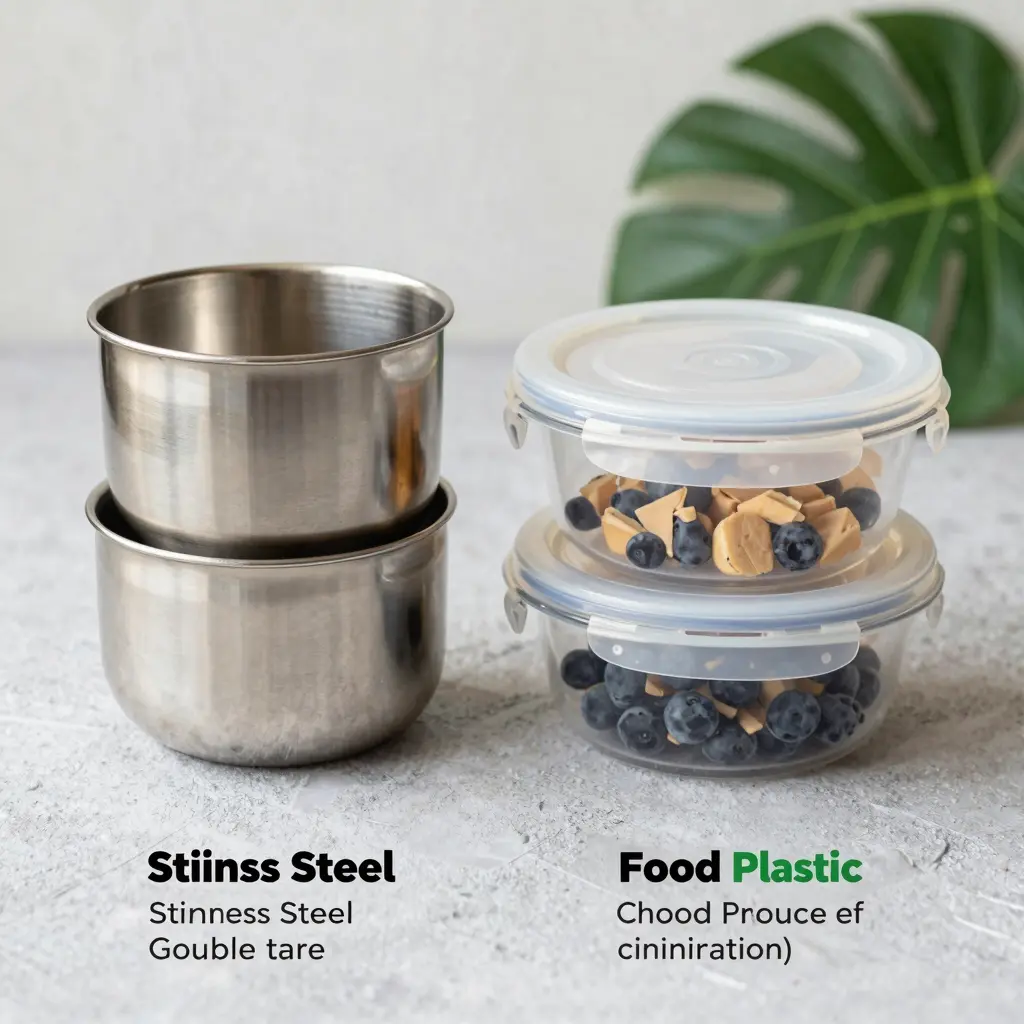
Image illustrating the differences between stainless steel and plastic food containers, highlighting their safety features and environmental impacts.
For those looking to enhance their food service operations, examining options like eco-friendly containers could be beneficial. Here at EcoCupBowl, we focus on providing the best materials for food safety and environmental sustainability.
In our quest for proper food handling materials, it’s clear that selecting the right containers plays a vital role in the safety and quality of the food served.
Cost Analysis of Stainless Steel vs Plastic Containers
When choosing between stainless steel and plastic containers for food storage, understanding the long-term cost implications can greatly influence your decision. Below we analyze initial purchase costs, maintenance expenses, and disposal costs over a five-year period.
Initial Purchase Costs
- Stainless Steel Containers: Typically range from $100 to $200 for quality storage options.
- Plastic Containers: Generally more affordable, ranging from $50 to $100.
Maintenance Costs
- Stainless Steel: Minimal maintenance costs averaging around $10 to $20 over five years. Durable and resistant to wear, they require less frequent replacements.
- Plastic: Lower maintenance costs, about $0 to $5, but plastic often requires lid replacements and can degrade over time.
Disposal Costs
- Stainless Steel: Generally, no disposal costs since they last for many years and can be recycled easily. Estimated costs may be $0 to $10 if disposal is ever needed.
- Plastic: Higher disposal costs, typically from $10 to $20, particularly because of the environmental impact and waste associated with single-use plastics.
Total Cost Over 5 Years
Here’s a breakdown of the costs to expect for each container type over five years:
| Container Type | Initial Purchase Cost (5 Year) | Maintenance Costs (5 Year) | Disposal Costs (5 Year) | Total Cost (5 Year) |
|---|---|---|---|---|
| Stainless Steel | $100 – $200 | $10 – $20 | $0 – $10 | $110 – $230 |
| Plastic | $50 – $100 | $0 – $5 | $10 – $20 | $60 – $125 |
Conclusion
In summary, while stainless steel containers may have a higher initial cost, they often prove to be more economically advantageous in the long run due to lower maintenance and disposal costs. This is especially relevant for businesses aiming for sustainability while minimizing ongoing expenses. For more details about sustainable container options, check out our product offerings and explore our solution for takeaway options.
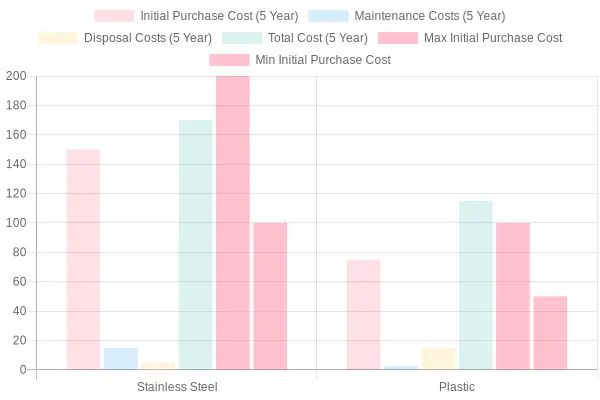
Choosing wisely today can lead to significant savings tomorrow!
User Adoption Rates of Stainless Steel vs Plastic Food Containers
In the highly competitive food service industry, choosing the right types of containers plays a crucial role in operational efficiency and sustainability. This article presents a comparison of user adoption rates of stainless steel food containers versus plastic food containers from 2023 to 2033.
Market Insights
- Stainless Steel Containers: Expected to grow from USD 4.12 billion in 2024 to USD 7.23 billion by 2033, with a compound annual growth rate (CAGR) of 7.2%. This marks an increasing consumer preference for durable and reusable storage solutions in response to sustainability trends.
- Plastic Containers: The U.S. market was valued at USD 35 billion in 2023, reflecting their current dominance. However, the trend indicates a gradual shift towards more eco-friendly options as consumers become more environmentally conscious.
Market Comparison Chart
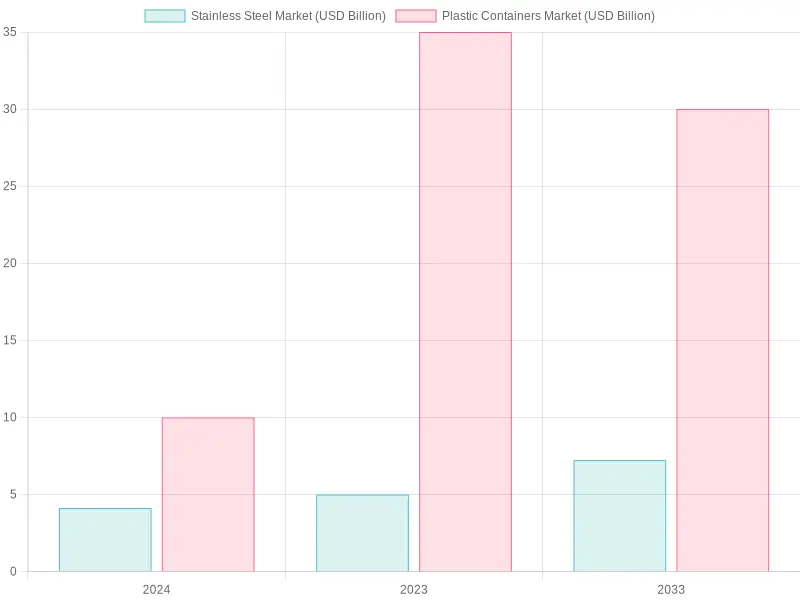
The chart above illustrates the growth trajectory and adoption rates of both stainless steel and plastic food containers. While plastic containers maintain high demand and widespread use, the increasing adoption of stainless steel indicates a significant shift towards sustainability in the food service industry. This trend is essential for businesses looking to enhance their environmental footprint while meeting consumer expectations for quality and sustainability.
For more information on specific products, check out our range of boxes and takeaway boxes.
Conclusion
In concluding our exploration of stainless versus plastic food containers, it’s clear that the choice profoundly impacts sustainability, safety, and efficiency in food service. Stainless steel containers not only offer enhanced durability but are also resistant to leaching harmful chemicals, making them a safer choice for food storage. Moreover, with a lifespan of 5-10 years, this eco-friendly option reduces the need for frequent replacements, positioning your brand as environmentally conscious-a highly valued trait among today’s consumers.
On the other hand, while plastic containers may seem convenient and cost-effective initially, they raise concerns regarding health risks and environmental impact due to their limited recyclability. As highlighted in recent trends, the food packaging industry is shifting towards more sustainable options, making stainless steel food containers not just a preferred choice but a future-forward strategy for businesses.
Choosing stainless food containers aligns with growing consumer demands for safety and sustainability, ensuring your operations can adapt to market needs. For businesses like bubble tea shops, restaurants, and food trucks, partnering with us can streamline your transition to safer, sustainable packaging solutions. Discover our range of stainless food containers and elevate your brand’s commitment to quality and the environment today!
Tips for Selecting Food Containers for Restaurants and Food Service Businesses
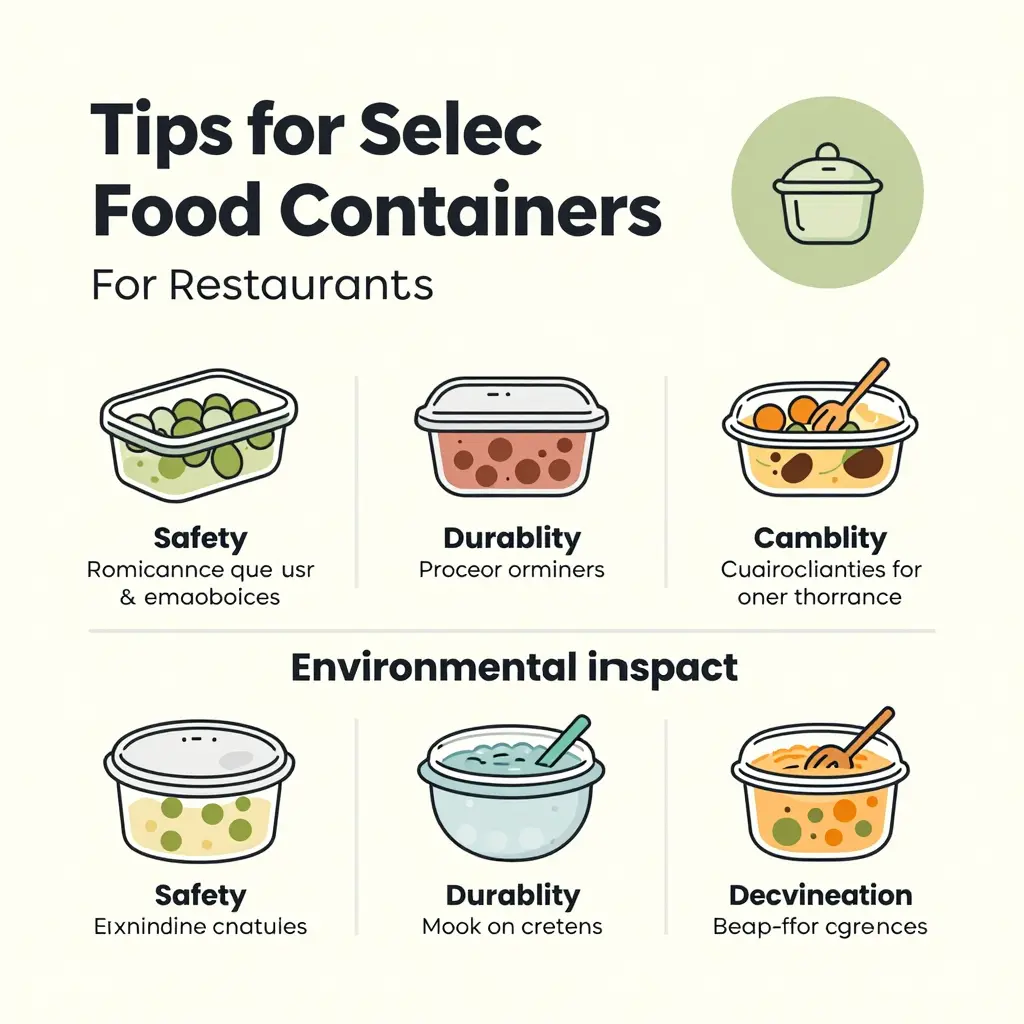
Choosing the right food containers is crucial for maintaining food safety, ensuring durability, and minimizing environmental impact. Here are some essential tips to guide your selection process:
-
Prioritize Safety: Choose food containers that are made from food-grade materials like BPA-free plastic or stainless steel. This ensures that no harmful chemicals leach into the food, thus maintaining safety for your customers. Refer to this guide on food container safety for more insights.
-
Assess Durability: Look for containers that can withstand daily use and potential temperature changes. High-quality containers will resist cracking, warping, or breaking. For example, containers with reinforced edges or double-walled designs are ideal for transporting and storing hot items without compromising integrity.
-
Consider Environmental Impact: Opt for eco-friendly containers whenever possible. Compostable or recyclable options can reduce your restaurant’s carbon footprint. Explore sustainable packaging options to find environmentally responsible products that meet your business needs.
-
Evaluate Size and Shape: Consider the type of food you serve and choose containers that will keep food fresh longer. Different shapes can enhance presentation and make serving easier. For instance, rectangular containers may be better for stacking, while round containers might be more suitable for salads or soups.
-
Check for Seal: Good closure systems can prevent spills and keep food fresh longer. Look for containers with tight-fitting lids or seals that are leak-proof, which is essential for takeout and delivery services.
-
Look for Versatility: Selecting containers that can be used in different settings (microwave, freezer, dishwasher) adds convenience and efficiency to your operations. Containers that serve multiple purposes can save costs in the long run.
-
Plan for Aesthetic Appeal: Especially for takeout containers, choose designs that reflect your brand. Attractive packaging enhances customer experience and can boost sales. Aim for presentation-friendly options that appeal to your target market.
By following these tips, your restaurant or food service business can select food containers that not only meet safety and durability standards but also align with environmental sustainability goals. Upgrade your food service with effective containers that deliver quality and appeal!