
Introduction
When it comes to storing food, especially in bustling environments like restaurants and bubble tea shops, the safety of plastic containers often comes into question. Are these seemingly convenient vessels truly safe for our culinary creations, or do they pose health risks? In a world where food safety regulations are paramount, understanding the materials we use for food storage is crucial. As culinary professionals, event planners, and catering experts, discerning whether plastic containers are suitable for your needs can impact not just customer satisfaction but also health standards within your establishment. Join us as we navigate the intricacies of plastic food storage and explore options available from eco-friendly suppliers like EcoCupBowl that align quality with safety.
By the end of this discussion, you’ll be equipped with the information needed to make informed choices, ensuring that your food storage solutions are both safe and effective. Let’s dive in!
Understanding Safety Standards for Plastic Food Containers
As food industry professionals, it’s essential to be aware of the safety standards governing plastic food containers. Regulatory bodies like the U.S. Food and Drug Administration (FDA) play a critical role in ensuring the safety of materials used in food storage and packaging.
Key Regulations by the FDA
The FDA oversees the safety of food contact substances, including plastics used in food containers. Here are some prominent points related to these regulations:
- Food Contact Substance Notification (FCN): Before a plastic or any food contact material can be marketed, it must undergo a rigorous review and approval process.
- Migration Studies: The FDA mandates studies to ensure that substances do not migrate into food at harmful levels. This helps prevent toxic compounds from leaching into consumables.
- BPA Regulations: With growing concerns over Bisphenol A (BPA), a chemical linked to various health risks, the FDA has ceased approving BPA in certain food containers like baby bottles. Instead, BPA-free alternatives have been adopted widely.
For more detailed information on these regulations, you might find it helpful to explore the FDA’s capabilities regarding food safety.
BPA-Free and Health Safety Considerations
Given concerns surrounding BPA, many businesses are now opting for BPA-free plastic food containers. Here are some health and safety aspects to note:
- Chemical Safety: According to resources such as the Mayo Clinic, BPA is a chemical used in making plastics but has been found to pose risks when it comes into contact with food or beverages.
- Alternative Materials: There are numerous BPA-free products on the market today. These alternatives are produced using safer materials that comply with FDA standards, mitigating the risk associated with harmful chemicals.
Conclusion
Reassuringly, the FDA’s stringent regulations and the widespread move towards BPA-free options demonstrate the commitment to safety in food storage solutions. For food industry professionals, choosing containers that comply with these regulations not only meets health expectations but also enhances consumer trust in your brand. Take confidence in selecting quality food containers that align with safety standards and contribute positively to food preservation without compromising public health.
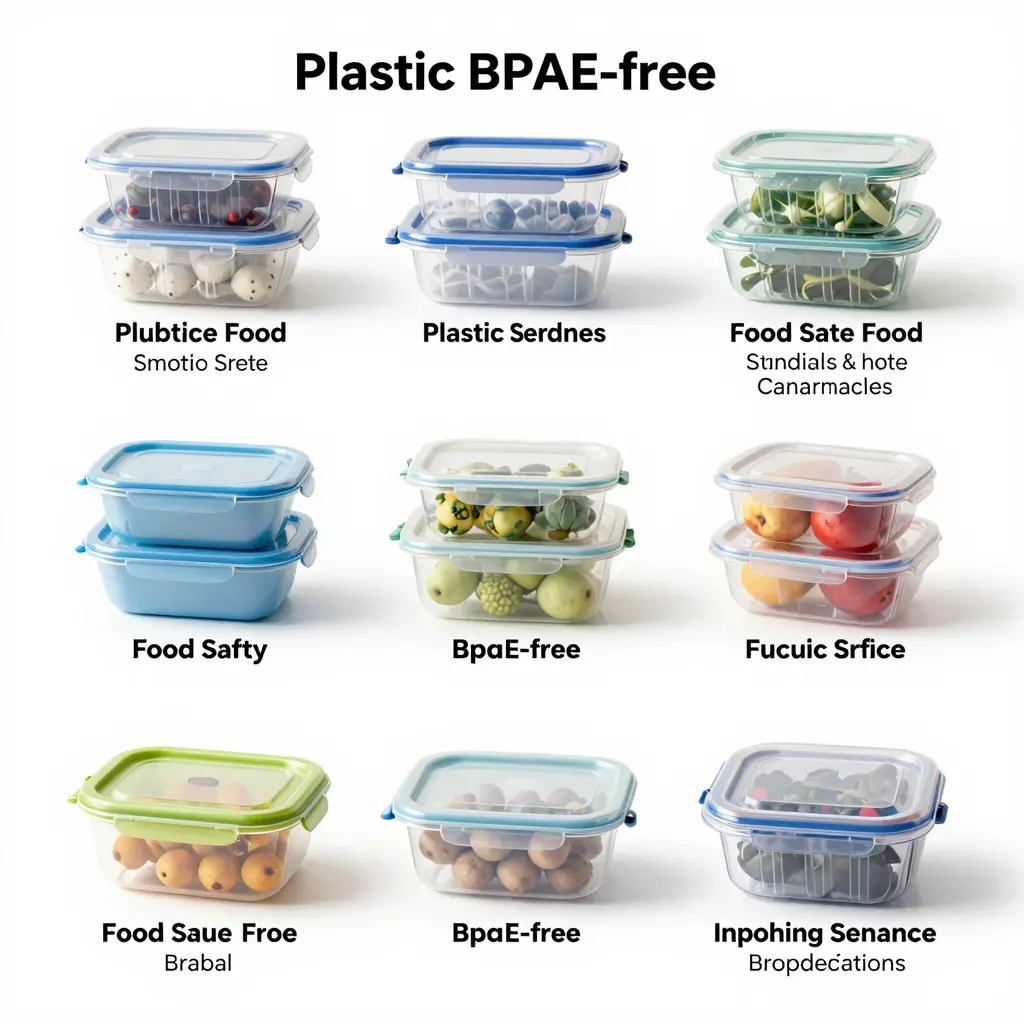
Discover more about our range of BPA-free containers and ensure that what you serve is both delicious and safe!
Comparing Types of Plastic Containers
It’s essential to choose the right plastic container for your food storage needs. Below is a table comparing various types of plastic containers, their uses, safety ratings, and whether they are BPA-free:
| Type | Uses | Safety Rating | BPA-Free |
|---|---|---|---|
| Polyethylene Terephthalate (PET) | Beverage bottles, food containers | Safe for food contact | Yes |
| High-Density Polyethylene (HDPE) | Milk jugs, detergent bottles | Safe for food contact | Yes |
| Polyvinyl Chloride (PVC) | Pipes, shower curtains | Not recommended for food | No |
| Low-Density Polyethylene (LDPE) | Shopping bags, food wraps | Generally considered safe | Yes |
| Polypropylene (PP) | Yogurt containers, straws | Safe for food contact | Yes |
| Polystyrene (PS) | Disposable cutlery, insulation | Not recommended for food | No |
Safety Ratings Overview
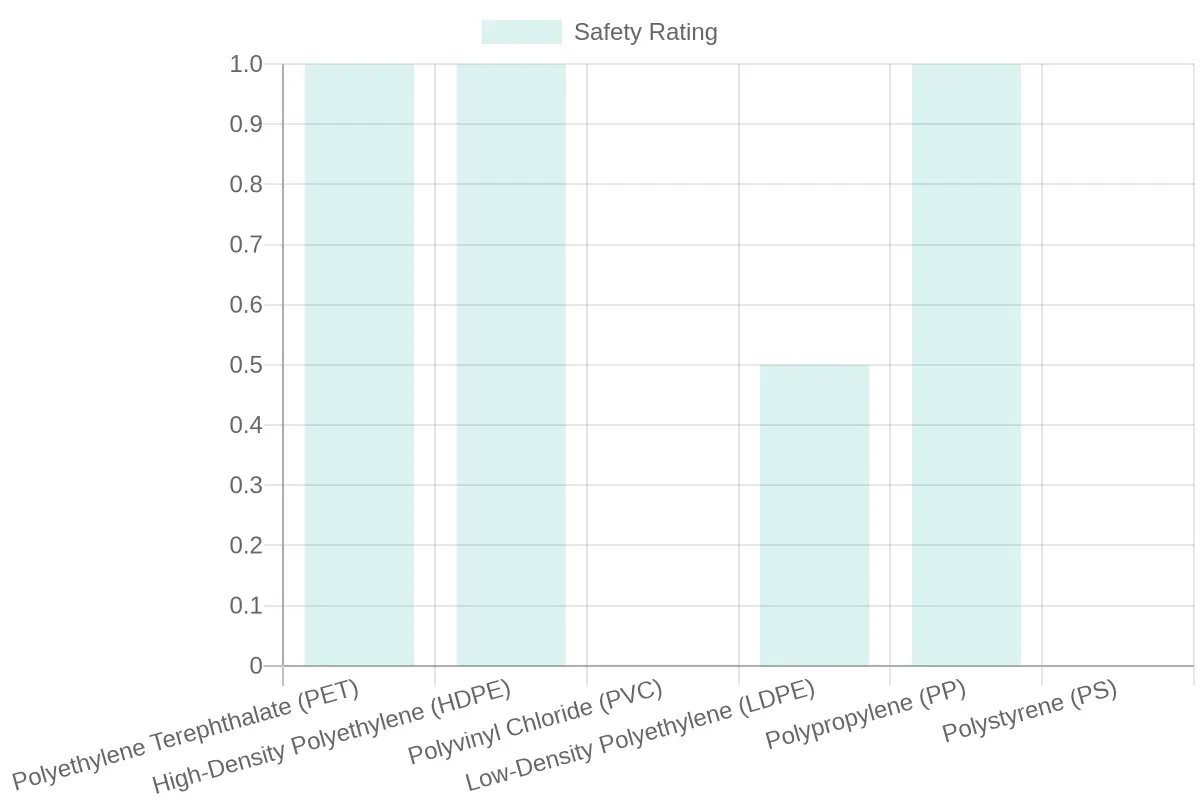
To help illustrate the safety ratings of these plastics, here’s a graph highlighting which types are considered safer for food storage:
Conclusion
Choosing the right plastic for food storage can make a significant difference in safety and health. For further information on safe food storage options, check out our selection of boxes and takeaway boxes.
Potential Health Risks of Plastic Containers
When it comes to food storage, understanding the safety of plastic containers is critical for businesses in the food service industry, especially for bubble tea shops, restaurants, and catering services. While convenient, plastic containers may pose certain health risks due to the chemicals they can leach into food and beverages.
Chemicals of Concern
Many plastic containers are manufactured using chemicals like bisphenol A (BPA) and phthalates. These substances are integral in making plastics flexible and durable but pose potential health hazards. When exposed to heat or prolonged storage, these chemicals can migrate into the food they contain.
Health Risks Associated with Chemical Leaching
Exposure to chemicals from plastic containers is associated with several health concerns, including:
- Endocrine Disruption: BPA and phthalates are known endocrine disruptors, potentially interfering with hormonal function, which can lead to reproductive problems.
- Developmental Issues: Pregnant women and developing children are particularly vulnerable. Studies have linked exposure to these chemicals to issues such as developmental delays in children.
- Increased Cancer Risk: Some evidence suggests a connection between prolonged exposure to certain plastic chemicals and an increased risk of cancers, although more research is needed in this area.
Safety Recommendations
To minimize health risks, experts recommend:
- Avoiding Heat: Do not microwave items in plastic containers, as heat can accelerate chemical leaching. Instead, transfer food to glass or stainless steel containers before heating.
- Choosing Safer Products: Look for BPA-free or phthalate-free labeled containers to help reduce exposure. Many manufacturers now offer alternatives that are safer for food storage.
Regulatory Considerations
Organizations such as the FDA monitor and regulate the safety of plastics in food contact applications, but the conversation around the long-term health effects continues. Engaging with safe practices and staying informed can help businesses maintain food safety standards while protecting the health of their customers.
For those concerned about these risks, exploring alternatives to plastic, such as glass or stainless steel containers, is advisable. Learn more about safe food storage options. By making informed choices, food service establishments can ensure the safety and well-being of their customers.
Best Practices for Using Plastic Food Containers
When it comes to ensuring food safety and maintaining the quality of stored items, following best practices for plastic food containers is essential. Here’s a helpful list tailored for operators in the food industry like bubble tea shops, restaurants, food trucks, and catering services:
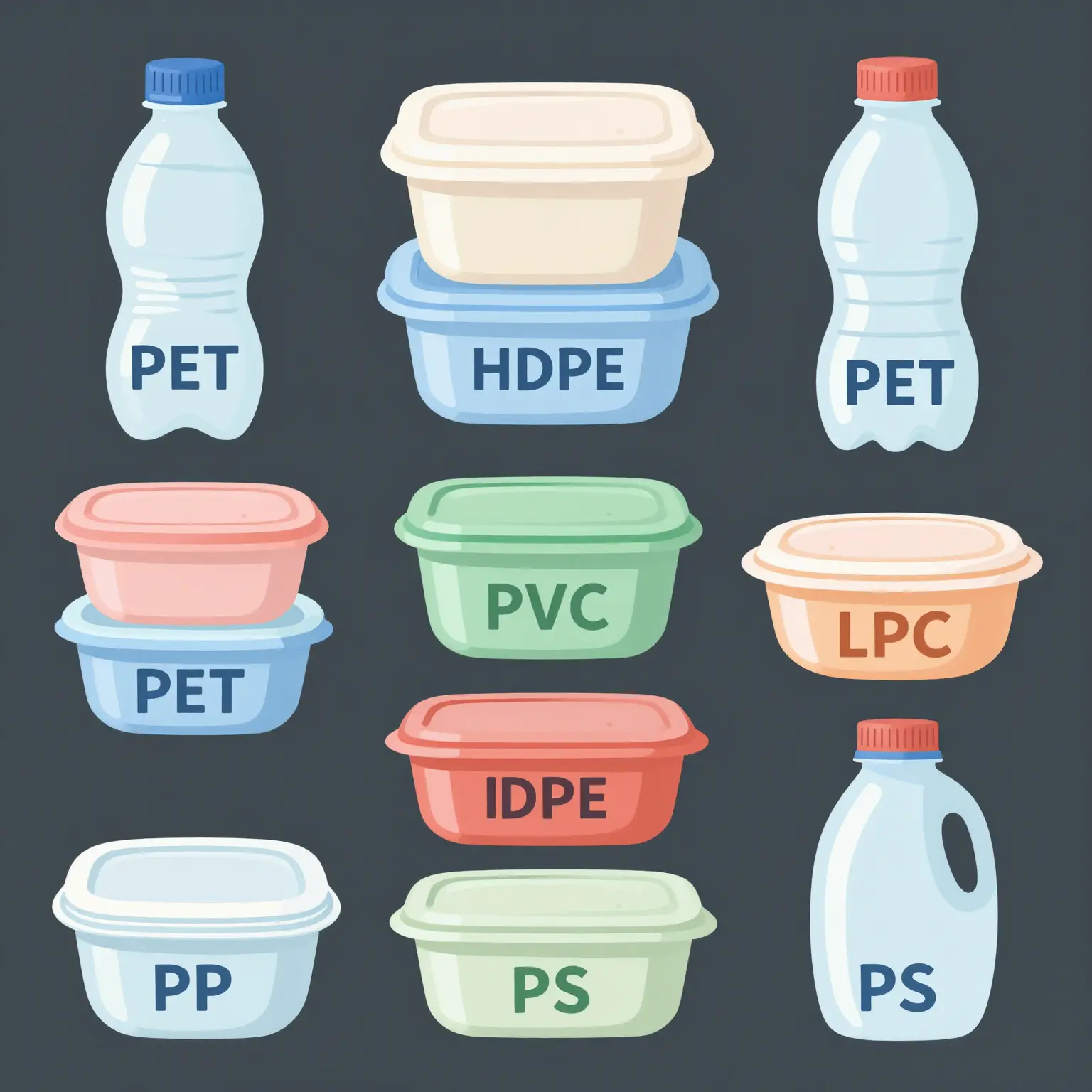
- Use Food-Safe Containers: Always choose containers marked as food-safe. Look for recycling symbols #1, #2, #4, or #5. Avoid those made from polyvinyl chloride (#3) and polystyrene (#6), as they may leach chemicals harmful to health.
- Check Microwave Safety: Not all containers are microwave safe. Ensure the container is labeled microwave-safe to avoid melting or chemical leaching.
- Store at Correct Temperatures: Perishable foods should be refrigerated within two hours of preparation. Your refrigerator should be set to 40°F (4°C) or lower, and the freezer at 0°F (-18°C) to hinder bacterial growth.
- Avoid Hot Foods: Let hot foods cool down before placing them into plastic containers. This prevents damage to the container and reduces the risk of bacterial contamination.
- Thorough Cleaning: Wash containers with hot, soapy water before and after use. Ensure they are completely dry before storing food to prevent moisture buildup and mold growth.
- Lifespan Recommendations: Keep an eye on the wear and tear of your plastic containers. Depending on usage, replace them annually or sooner if they show signs of damage, such as cracks or discoloration.
Implementing these practices helps safeguard food quality and safety, ultimately enhancing your business’s reputation. For a wide range of food containers, visit our collection of takeaway boxes and food trays that align with these guidelines!
Eco-Friendly Alternatives to Plastic Containers
As the food industry increasingly shifts toward sustainability, bubble tea shops, restaurants, food trucks, and catering services are exploring eco-friendly alternatives to traditional plastic containers. These alternatives not only contribute to environmental protection but also meet the growing consumer demand for sustainable practices.
Types of Eco-Friendly Containers
- Biodegradable Containers: Made from materials such as corn starch or sugarcane, biodegradable options break down naturally over time, reducing landfill waste. They are ideal for hot and cold foods alike.
- Benefits: Compostable and can enrich soils, reducing waste disposal costs in the long term.
- Suitability: Great for businesses looking to align with eco-conscious branding while offering practical solutions.
- Bamboo Containers: Derived from fast-growing bamboo, these containers are durable and compostable. Their natural aesthetic appeals to customers looking for a rustic touch in food presentation.
- Benefits: Lightweight, strong, and provides a unique presentation angle.
- Suitability: Perfect for event planners and caterers who want to impress clients with environmentally stylish choices.
- Paper Containers: Made from recycled material, paper containers come in various forms such as cups, trays, and boxes. They are often lined with a biodegradable film for moisture protection.
- Benefits: Recyclable and often made from renewable resources.
- Suitability: Ideal for takeaway services or fast food establishments looking to minimize their plastic footprint without sacrificing functionality.
Benefits of Eco-Friendly Containers
-
Environmental Impact: Biodegradable containers and other alternatives contribute to a significant reduction in plastic pollution. Switching to greener options can enhance your brand’s image as a sustainable choice.
-
Consumer Preference: A growing number of consumers prefer businesses with environmentally friendly practices. Offering eco-friendly containers can attract and retain customers who prioritize sustainability.
-
Cost Efficiency: While the upfront cost may be slightly higher for these alternatives, the reduction in disposal costs and the potential for increased sales from eco-conscious customers can lead to long-term savings.
Comparative Summary Table
Here’s a quick comparison of biodegradable food containers versus traditional plastic containers:
| Category | Biodegradable Food Containers | Plastic Containers |
|---|---|---|
| Environmental Impact | Reduced carbon footprint, compostable | Contributes to pollution and waste |
| Cost-Effectiveness | Higher initial cost but savings in waste disposal | Lower initial cost, higher long-term disposal costs |
| Usability | Suitable for hot and cold foods | Highly durable and versatile |
| Consumer Preference | Increasing popularity among eco-conscious consumers | Traditional choice, often viewed as less sustainable |
For businesses interested in sustainable solutions, consider exploring our range of eco-friendly boxes and biodegradable cups.
Adopting eco-friendly alternatives not only helps the planet but can also enhance your brand’s appeal, making you a preferred choice among environmentally mindful customers.
User Testimonials on the Safety of Plastic Food Containers
“As a catering service, we’ve always prioritized food safety, and using the right storage containers is crucial. Our reliable plastic food containers from EcoCupBowls have kept our ingredients fresh and organized. The ease of labeling and the durability of these containers makes kitchen operations smoother. Our clients have commented on how much they appreciate seeing their food stored safely!”
- Jamie T., Catering Manager
“Running a bubble tea shop means we handle a lot of ingredients daily. Switching to safe plastic containers from EcoCupBowls has been a game-changer. They are stackable, easy to clean, and most importantly, safe for food storage. I can’t imagine going back to old containers!”
- Alice H., Owner of BubbleTea Bliss
In a professional kitchen, maintaining a clean and organized workspace is essential. Not only do safe plastic containers contribute to food safety standards, but they also enhance efficiency. Given the testimonials above, it’s clear that these containers earn the trust of businesses prioritizing customer satisfaction and safety.
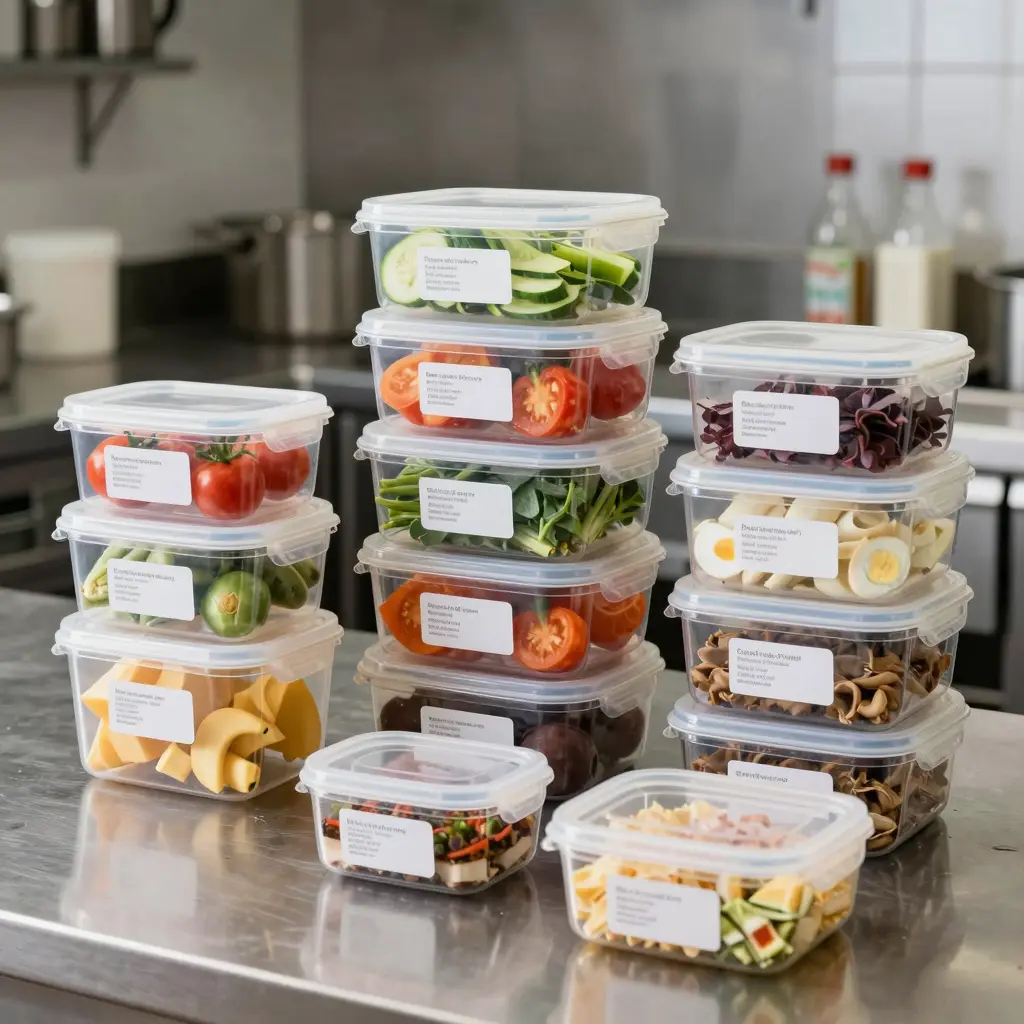
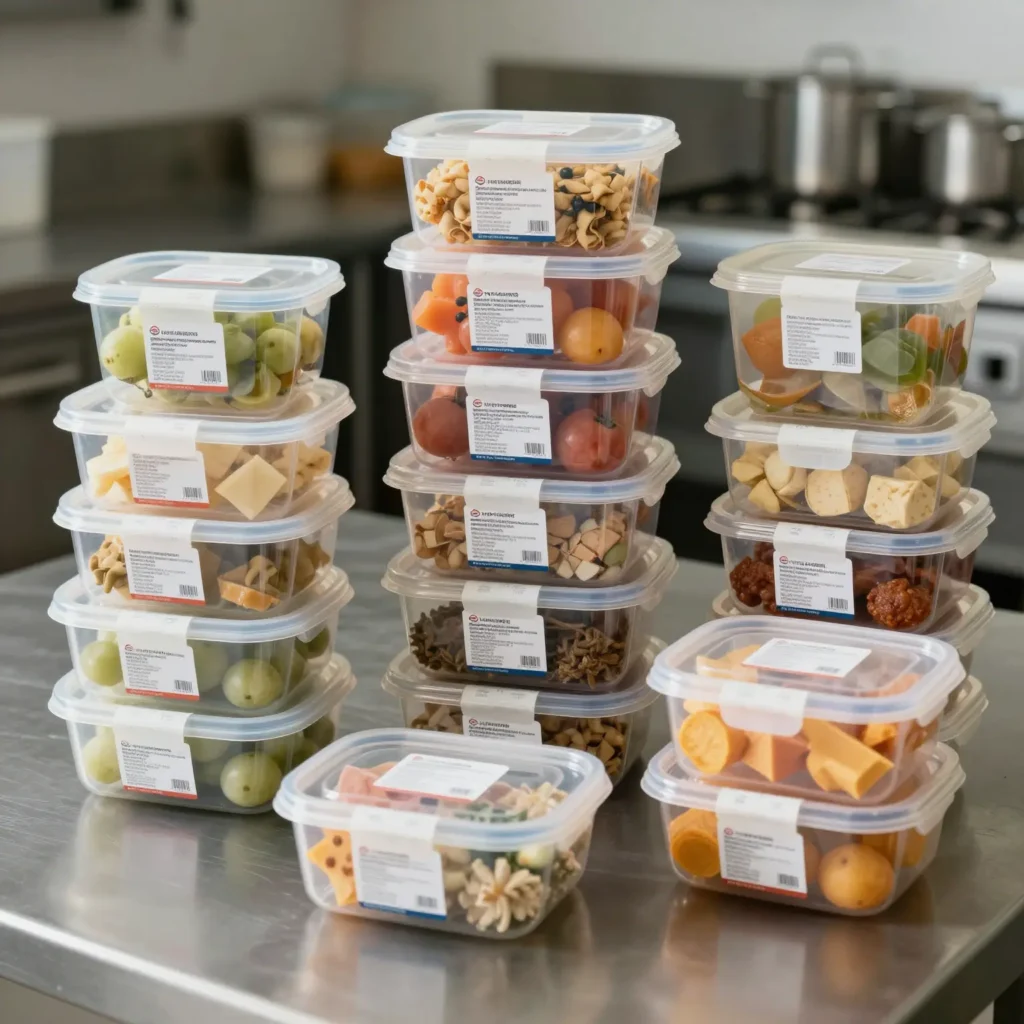
Safe plastic containers for food storage in a professional kitchen setting.
For more information on our plastic containers, check out our in-stock options, and explore further solutions for your food storage needs!
Growth of Eco-Friendly Packaging in the Food Industry
The trend towards eco-friendly packaging has gained significant momentum in recent years, particularly within the food industry. This shift is driven by increasing consumer awareness about sustainability and environmental impact. Below are two charts that illustrate this growth:
Market Size Growth Over Time

This line chart showcases the projected growth in market size for eco-friendly packaging solutions from 2022 to 2030.
| Year | Market Size (USD Billion) | Growth Rate (%) | Notes |
|---|---|---|---|
| 2022 | 250 | 10 | Recent trends indicate growth in adoption. |
| 2023 | 275 | 10 | Expected continued growth due to rising demand. |
| 2024 | 300 | 9 | Anticipated stabilization in growth rate. |
| 2025 | 330 | 10 | Ongoing trends support market expansion. |
| 2026 | 360 | 9 | Adoption is mainstreaming. |
| 2027 | 400 | 11 | Increased consumer awareness drives growth. |
| 2028 | 440 | 10 | Market boosting due to regulation compliance. |
| 2029 | 480 | 9 | Ongoing innovations foster market interest. |
| 2030 | 525 | 10 | Continued emphasis on sustainability enhances market. |
Projected Growth Rates to 2035
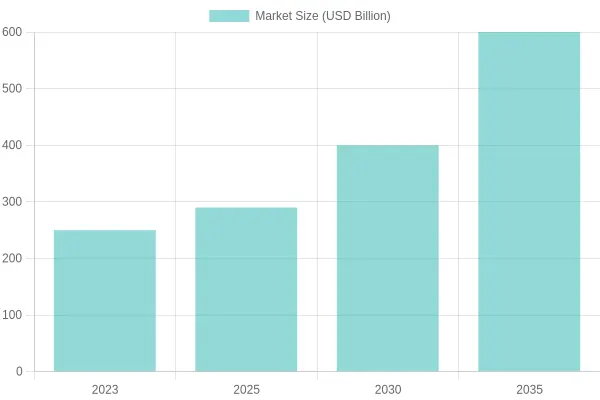
This bar chart illustrates the projected market size in USD billion for eco-friendly packaging from 2023 to 2035, highlighting growth driven by various factors.
| Year | Market Size (USD Billion) | Growth Rate (%) | Key Drivers | Source |
|---|---|---|---|---|
| 2023 | 250 | – | Rising environmental concerns | EcoSys |
| 2025 | 290 | 16% | Increased demand for sustainable packaging | EcoSys |
| 2030 | 400 | 20% | Government regulations and consumer preferences | EcoSys |
| 2035 | 600 | 25% | Innovation in biodegradable materials | EcoSys |
As demonstrated, the market for eco-friendly packaging in the food industry is set to grow significantly, driven by consumer demand and regulatory changes. The insights derived from these trends can guide food service providers like food trucks and restaurants in making strategic choices regarding packaging solutions.
This data underscores the importance of adopting sustainable practices within the industry, which not only benefit the environment but also cater to the evolving preferences of consumers.
Conclusion
In conclusion, the significance of safety in food storage cannot be overstated, especially for businesses in the food industry such as bubble tea shops, restaurants, food trucks, and catering services. By prioritizing safe food storage solutions, these businesses can effectively prevent foodborne illnesses, which can have a devastating impact not only on public health but also on their reputation and sales.
Key Takeaways:
- Prevention of Foodborne Illness: Implementing proper food storage practices is vital for mitigating the risks associated with bacteria like Salmonella and E. coli, ensuring the safety of your customers.
- Extended Shelf Life: Utilizing the right storage methods can significantly prolong the shelf life of food, which ultimately leads to reduced waste and cost savings. By investing in high-quality packaging solutions, businesses can improve their sustainability efforts.
- Nutritional Value Preservation: Safe storage methods help maintain the nutritional integrity of food products, allowing your customers to make healthier choices.
- Regulatory Compliance: Many food safety regulations mandate the practice of safe food storage practices, making it essential for operational compliance and public safety.
When it comes to selecting packaging options for your food products, it is essential to choose reliable and safe materials. Explore options like sustainable takeaway boxes, or high-quality containers that ensure food remains intact and safe while appealing to your clientele. By making informed choices about food storage, you not only safeguard public health but also enhance your business’s reputation and success in the competitive food industry.