
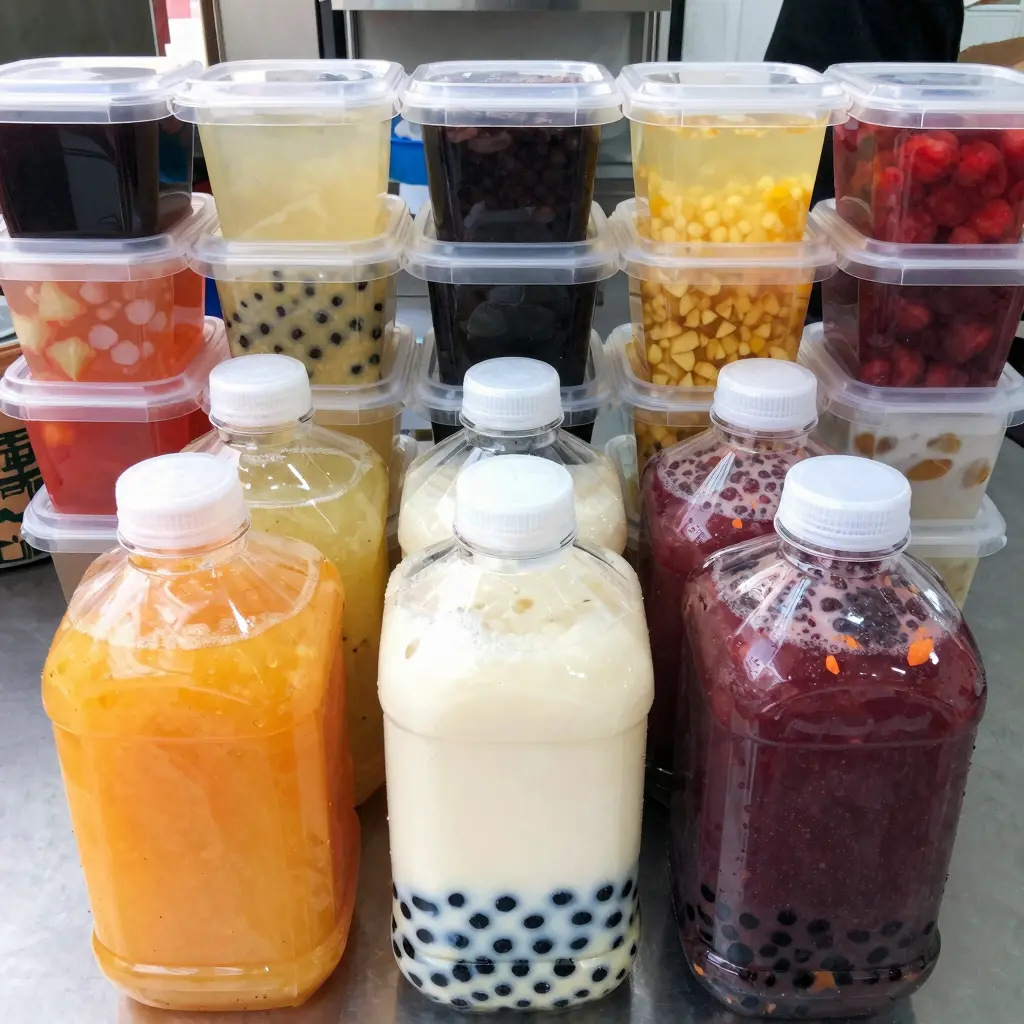
In the fast-paced world of food service, including bubble tea shops, catering companies, and restaurants, efficiency and convenience are paramount. One solution that stands out in this regard is the use of 1-liter plastic food containers. These versatile containers are not only lightweight and durable but also designed to offer easy storage and transportation for a variety of foods and beverages. For bubble tea shops, they are ideal for holding ingredients like tapioca pearls or blended beverages, allowing for quick service and minimal waste. Catering services benefit from these containers as they enable organized meal prep and serve with ease during events. Furthermore, their stackable design saves space in kitchens and during transport, proving essential for food trucks and busy caterers. By utilizing 1-liter plastic containers, food businesses can streamline their operations significantly, enhance safety, and ensure a high-quality presentation of their offerings. For more options in food storage solutions, check out our in-stock boxes or takeaway boxes that can fit various business needs.
Material and Safety Standards for 1-Liter Plastic Food Containers
When choosing 1-liter plastic containers for food and beverages, understanding the types of plastics used and their compliance with safety and food regulations is critical for any business in the food service industry. This ensures not only product integrity but also consumer safety and regulatory compliance.
Common Types of Plastics Used
-
Polyethylene Terephthalate (PET or PETE): Widely used in beverage bottles and food containers due to its strength, thermo-stability, and excellent moisture barrier properties. PET is lightweight and highly recyclable. It is safe for single use and commonly approved by food safety authorities worldwide.
-
High-Density Polyethylene (HDPE): Known for its robustness and chemical resistance, HDPE is another popular plastic used for food containers. It handles hot filling well and is odor and taste resistant.
-
Polypropylene (PP): Offers high heat resistance, making it suitable for containers used in microwaving or hot filling. PP containers also maintain integrity without leaching chemicals when in contact with food.
-
Low-Density Polyethylene (LDPE): Often used for flexible lids and softer container parts, LDPE is safe for food contact but less commonly used for rigid 1-liter containers.
Safety and Food Regulations
Businesses in food service must adhere to strict guidelines to ensure containers do not compromise food safety:
-
FDA Compliance (U.S.): The U.S. Food and Drug Administration regulates food contact materials via its Food Contact Substance Notification program. Containers must be manufactured from materials that do not transfer harmful substances into food. Most plastic resins like PET, HDPE, and PP are FDA-approved for food use.
-
European Food Safety Authority (EFSA): Similar to the FDA, EFSA provides regulations for plastics in contact with food within the EU, enforcing limits on substances allowed in packaging materials to ensure they are safe.
-
Migration Limits: Regulations enforce specific limits on the migration (transfer) of chemicals from plastics to food to prevent contamination. Containers are tested for compliance with these migration standards.
-
Recyclability and Sustainability: Beyond direct safety, businesses are now encouraged to choose plastics that are recyclable and meet environmental standards, reducing ecological impact, which aligns with many consumer preferences today.
Selecting containers that comply with these regulations not only protects your customers but also your brand reputation and legal standing.
For a wide selection of safe, compliant plastic food containers, you can explore ecocupbowl’s range of in-stock cups and sleeves, or check options for versatile and sturdy takeaway boxes perfect for food service.
Benefits of Using Plastic Food Containers in Restaurants and Food Trucks
Plastic food containers have become a staple for restaurants, food trucks, and catering services. Here are five key benefits that highlight their importance in the food service industry:
-
Durability
Plastic containers are resistant to breakage, which ensures that they can withstand the rigors of daily use in fast-paced environments like restaurants and food trucks. Their durability offers peace of mind, knowing that they can handle any movement during transport without cracking or breaking. -
Lightweight Design
One of the standout features of plastic food containers is their lightweight nature. This reduces shipping costs and makes handling easier for staff. For food delivery services, this translates to lower overall delivery costs and improved efficiency in operations. -
Cost-Effectiveness
Compared to glass or other materials, plastic containers are generally more affordable. This cost-effectiveness allows restaurants to save on overhead costs, enabling them to focus their budget on quality ingredients and service improvements. Learn more about cost-saving solutions here. -
Versatility
These containers come in various sizes, including popular 1-liter options, making them ideal for storing different food items, from sauces to salads. Their versatility helps restaurants manage inventory effectively while ensuring food quality. -
Safety and Compliance
Plastic food containers are designed to meet food safety regulations, ensuring that they do not leach harmful chemicals into the food. This compliance is crucial for maintaining health standards in any food service establishment. By using approved materials, businesses can assure customers of their commitment to food safety. Explore safe food packaging options.
Incorporating plastic food containers into your operations can lead to improved efficiency, reduced costs, and enhanced customer satisfaction.
Suggested Suppliers and Key Comparison Criteria
While specific data for disposable 1-liter plastic containers couldn’t be retrieved, here are some common suppliers to consider and the criteria to evaluate them:
Supplier Options
- Uline: A notable supplier with an extensive range of packaging solutions, including disposable containers. Known for fast shipping and bulk pricing.
- Alibaba: A marketplace connecting you with a variety of manufacturers and suppliers where you can compare prices and quality.
- Global Industrial: Offers a range of industrial products, including food containers, with various shipping options available.
Key Comparison Criteria
When comparing suppliers, evaluate the following:
- Price: Look for cost per unit, especially when ordering in bulk.
- Quality: Research customer reviews and material specifications to ensure compliance with food safety standards.
- Delivery Options: Understand shipping costs, speed, and available local pickup options.
Example Comparison Table Structure
Below is a suggested format to visualize how you could compare suppliers:
| Supplier | Price (per unit) | Quality Rating | Delivery Options |
|---|---|---|---|
| Uline | $XX.XX | High | Next-day delivery |
| Alibaba | $XX.XX – varies | Medium to High | Depending on supplier |
| Global Industrial | $XX.XX | High | Standard & expedited options |
For detailed product offerings, visit Uline, Alibaba, and Global Industrial.
If you have further questions or need additional insights, feel free to reach out!
Eco-Friendly Practices for 1-Liter Plastic Containers
As sustainability continues to gain traction across various industries, the food service sector is actively seeking innovative ways to minimize its environmental impact. One key area of focus is the use of 1-liter plastic containers, which are prevalent in food and beverage service, particularly in bubble tea shops, restaurants, and catering services. Adopting eco-friendly practices in this regard not only aids in reducing waste but also aligns with evolving consumer preferences for sustainable options.
Reusable Designs
One significant eco-friendly approach is the promotion of reusable 1-liter plastic containers. Instead of offering single-use containers, many establishments are opting for designs that can be cleaned and reused. This reduces the volume of plastic waste generated and minimizes the need for new materials. Furthermore, offering incentives, such as discounts for customers who bring their own containers, encourages a culture of sustainability. For instance, retailers can guide consumers towards reusable solutions that are durable and lightweight. This aligns with trends emphasizing reduction in single-use plastics (learn more about eco-friendly takeaway options).
Biodegradable or Compostable Options
Another promising avenue is the development of biodegradable or compostable plastic containers. These containers are designed to break down more quickly in the environment than traditional plastics, thus mitigating their long-term impact. Products made from plant-based materials, like PLA (polylactic acid), are increasingly available and can meet the stringent requirements of the food service industry, ensuring food safety without compromising on eco-friendliness.
Enhanced Recycling Programs
In line with current sustainability trends, businesses are focusing on enhancing their recycling programs. By educating customers about how to recycle or dispose of 1-liter plastic containers responsibly, brands can foster a more sustainable consumer base. Some establishments are even initiating take-back programs where customers can return used containers for recycling. This not only promotes a closed-loop system but also aids in reducing overall plastic consumption.
Aligned with Market Trends
A clear shift is observed in market preferences towards eco-friendly food packaging. Consumers are increasingly demanding transparency regarding the sustainability of food packaging, which influences their buying decisions. As such, restaurants and food service providers are responding by adopting eco-friendly practices, including the use of sustainable materials for their 1-liter containers. Engaging in these practices not only helps the environment but also enhances brand loyalty among eco-conscious consumers.
In summary, the transition to eco-friendly practices surrounding 1-liter plastic containers is essential for food service providers aiming to stay relevant in today’s sustainability-focused market. By embracing reusable designs, biodegradable materials, enhanced recycling initiatives, and responding to consumer demand, businesses can play a critical role in reducing plastic waste and promoting a healthier environment.
For further exploration of eco-friendly food packaging options, visit our instock food container collection.
Customer Testimonials
“We’ve been using the 1-liter containers from EcoCup for our smoothie bar and couldn’t be happier! The quality is fantastic, and they hold up great even for our frozen drinks. Plus, the service we received was top-notch; they guided us in choosing the right options for our business!”
- Anna L., Smoothie Bar Owner
“As an event planner, I need reliable products, and these 1-liter food containers never disappoint. They are durable, easy to stack, and my clients love the sleek design. The team at EcoCup is wonderful-always responsive and committed to ensuring we have what we need. Highly recommend!”
- Mark D., Event Planner
For more products, check out our takeaway boxes and disposable cutlery.
Sales Trends for Disposable Containers
Over the last five years, the market for disposable food containers has shown a robust growth trend, primarily driven by the surge in food delivery services and a consumer preference for convenient packaging options. Here’s a line chart illustrating the estimated market value of disposable food containers from 2019 to 2023:

| Year | Estimated Market Value (in billions) |
|---|---|
| 2019 | $38 |
| 2020 | $40 |
| 2021 | $43 |
| 2022 | $46 |
| 2023 | $50 |
This increasing trend reflects not only the growing demand in the food service industry but also the shift towards more eco-conscious materials in disposable products. If you are interested in exploring more about sustainable options, check out our eco-friendly takeaway boxes.
Additionally, for a vast selection of in-stock containers, please visit our in-stock boxes section.
Conclusion and Call to Action
As we’ve explored throughout this article, the significance of choosing the right food containers cannot be overstated for businesses in the food service industry, including bubble tea shops, restaurants, food trucks, catering services, and event planners. 1-liter plastic food containers emerge as a perfect solution for these businesses due to their versatility, durability, and cost-effectiveness. They safeguard food quality, extend shelf life, and contribute positively to both organization and operational efficiency.
Notably, plastic containers are becoming increasingly sustainable, aligning with the rising consumer demand for environmentally friendly practices in the food service sector. They are lightweight, leading to lower shipping costs, and can accommodate a wide variety of food items, making them an exceptional choice for any food-related establishment.
In light of these benefits, we encourage you to consider our diverse range of food containers at EcoCupBowl. Our products are designed with the needs of food service businesses in mind, offering exceptional quality and value. Don’t wait to elevate your food service presentation and efficiency-choose EcoCupBowl for all your food service needs today!
FAQ about 1-Liter Plastic Food Containers
What are 1-liter plastic food containers made from?
1-liter plastic food containers are commonly made from food-grade plastics like polypropylene (PP) and polyethylene terephthalate (PET). These materials ensure that the containers are safe for food contact and help maintain the freshness of the contents.
Are these containers microwave and freezer safe?
Yes, many 1-liter plastic food containers are designed to be microwave-safe and freezer-safe. However, it is essential to check the manufacturer’s specifications for temperature limits to avoid any issues, such as warping or cracking. Containers marked as such can be a great option for storing leftovers or transporting meal-prepped items.
How should I store food in 1-liter plastic containers?
When using these containers for storage, be sure to seal them properly to prevent air exposure, which can lead to spoilage. It’s generally recommended to consume refrigerated foods stored in these containers within 3-4 days. For longer storage, ensure that the containers are freezer-safe before placing them in the freezer.
Can I use them for both hot and cold foods?
Yes, 1-liter plastic food containers are compatible with both hot and cold foods, making them perfect for a range of culinary applications. However, make sure to consult the melting point and usage instructions provided by the manufacturer.
Are they recyclable?
Most 1-liter plastic food containers marked with recycling codes #1 (PET) and #5 (PP) can be recycled. Check local regulations for specific recycling guidelines and always clean the containers before recycling.
Where can I find 1-liter plastic containers for my business?
You can explore a variety of options for 1-liter plastic food containers here to find the right products suited for your needs in the food service industry.