
Introduction to Food Storage Solutions
In the fast-paced world of food service, the debate between storing food in glass containers versus plastic has become increasingly relevant, particularly for businesses like bubble tea shops, restaurants, and catering services. Many of these establishments are recognizing the importance of not just what they serve, but how they store their ingredients and products. Glass containers, known for their durability and chemical-free properties, offer a sustainable alternative to plastic food storage solutions that can leach harmful substances into foods. Additionally, glass provides an elegant presentation that can enhance the appeal of the delicacies served, which is vital for attracting customers in the competitive food industry.
As we navigate through the pros and cons of these two storage options, we will explore the implications for food safety, taste preservation, and environmental responsibility. Understanding the right practices for storing food in glass containers against traditional plastic methods can significantly impact your business’s operational efficiency and overall brand image. Join us as we delve into the benefits and considerations that will help you make informed choices for your culinary offerings.
Whether you’re an event planner sourcing supplies or a restaurateur aiming to elevate your food presentation, this discussion will equip you with valuable insights for optimizing your food storage strategy.
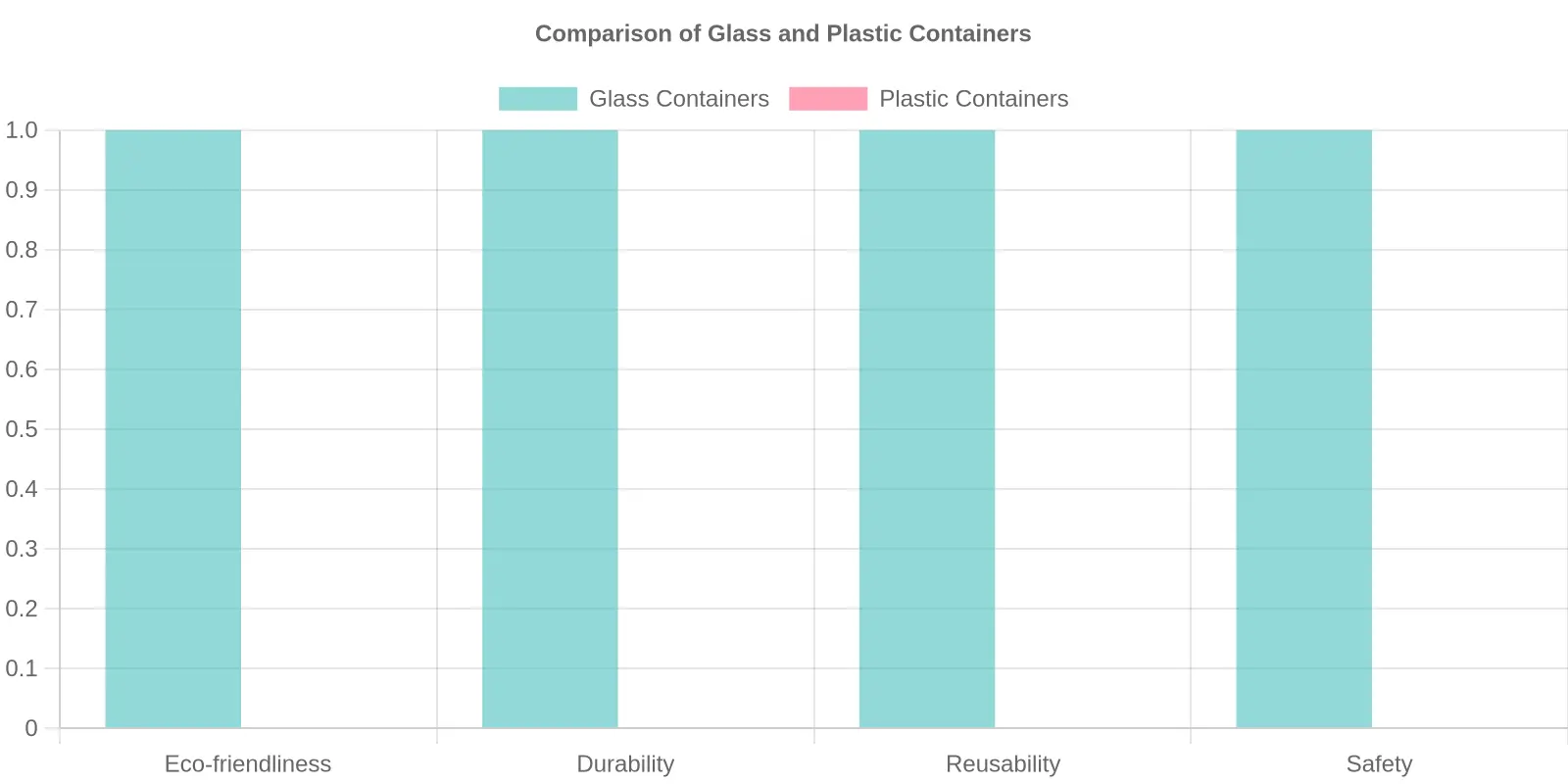
| Aspect | Glass Containers | Plastic Containers |
|---|---|---|
| Safety | Non-reactive, does not leach chemicals | Can leach harmful chemicals when heated |
| Durability | Breakable, heavier but more stable for long-term use | Lightweight, unbreakable but can warp under heat |
| Eco-friendliness | Recyclable, eco-friendly, less landfill waste | Non-biodegradable, takes centuries to decompose |
| Cost | Generally more expensive than plastic | More affordable, widely available |
Conclusion
While both glass and plastic containers have their pros and cons, for food safety and eco-friendliness, glass often comes out on top. In contrast, if you are looking for lightweight and budget-friendly options, plastic containers may be more appealing. For a deeper dive into eco-friendly food storage options, learn more about our food storage solutions.
Benefits of Glass Containers for Food Storage
When it comes to food storage in the food service industry, glass containers are becoming increasingly popular compared to their plastic counterparts. Here are several compelling benefits that make glass a superior choice:
1. Safety and Health
Glass is a non-toxic material that does not leach chemicals into food, making it a safer option for food storage. Unlike some plastics that contain harmful chemicals like BPA, glass ensures food retains its quality without the risk of contamination. This is especially vital for businesses that prioritize food safety, ensuring that their customers enjoy the healthiest options possible.
2. Taste Preservation
One of the remarkable benefits of glass containers is their ability to preserve the taste and aroma of food. Glass is non-porous; thus, it doesn’t absorb flavors or odors from previous contents. This quality is essential for establishments such as Bubble Tea Shops & Beverage Chains, where maintaining the authentic taste of drinks is paramount.
3. Eco-friendly Storage
Switching to glass containers supports eco-friendly storage practices. Glass is recyclable, reusable, and reduces reliance on single-use plastics, which is crucial in combating the plastic pollution crisis. With an increasing consumer preference for sustainable options, businesses that adopt glass can enhance their brand image as eco-conscious, appealing to environmentally aware clientele. The trend toward eco-friendly storage options is on the rise, with reports indicating significant shifts towards sustainable packaging solutions.
4. Durability
While glass containers may seem fragile, they are quite resilient when treated correctly. They are resistant to scratching, can endure high temperatures, and are often designed to withstand daily usage in busy environments. This durability not only extends the lifespan of storage solutions but also makes them more cost-effective in the long run.
5. Aesthetic Appeal
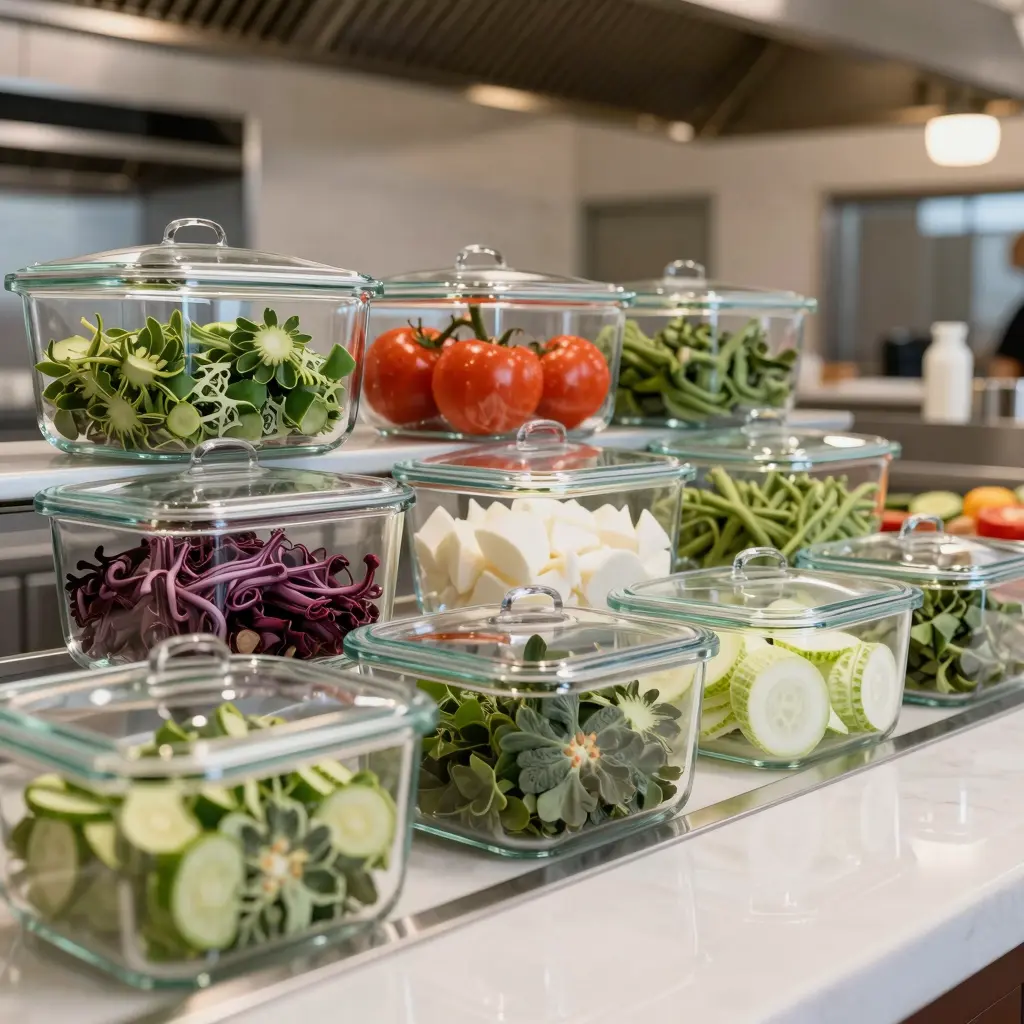
Glass containers are visually appealing and can enhance the overall presentation of the food being served. This attribute can be particularly advantageous for restaurants and cafes looking to create an inviting atmosphere. Clear glass allows customers to see the freshness of the food, making it an appealing choice for any food service establishment.
In conclusion, using glass containers for food storage provides significant benefits in terms of safety, taste preservation, eco-friendliness, durability, and visual appeal. Given the direction the food service industry is heading, those businesses adopting glass storage solutions may find themselves leading the way in sustainability and food quality.
Disadvantages of Plastic Containers for Food Storage
Using plastic containers for food storage presents several risks that can significantly impact both human health and the environment. First and foremost, one of the primary plastic food storage risks involves the leaching of harmful chemicals into the food. Plastics contain various additives like Bisphenol A (BPA) and phthalates, which can migrate into food, especially when heated. These chemicals are known endocrine disruptors, potentially leading to serious health concerns such as reproductive issues and developmental problems in children. According to a report by the Environmental Working Group, the long-term exposure to these chemicals poses a considerable health risk, making plastic containers a less desirable option for food storage.
Additionally, the environmental concerns surrounding plastic containers cannot be overlooked. Plastics contribute significantly to global pollution; they take centuries to decompose, leading to substantial landfill waste and ocean pollution. The National Geographic articulates how plastic waste can harm marine life and disrupt ecosystems. As the food industry moves towards sustainability, it’s crucial for businesses-especially within the food sector, like bubble tea shops or catering services-to consider alternatives that are not only safer for consumers but also friendlier to the planet. Given these numerous disadvantages, the transition from plastic to more sustainable options, such as glass or biodegradable materials, could greatly benefit both health and the environment.
Expert Perspective on Glass vs Plastic Food Storage
When it comes to food storage, experts often advocate for the use of glass containers over plastic due to various safety and health concerns. As noted by the Healthy Home Economist, “Glass containers are durable, non-toxic, and can be reused endlessly without degrading. Experts recommend using glass as it does not leach harmful chemicals into food and is often microwave and dishwasher safe.” This highlights the primary benefit of glass: its ability to store food without the risk of chemical leaching, unlike some plastic varieties that may contain BPA and other harmful compounds.
Furthermore, as discussed in Food52, while plastic containers may be convenient for short-term use, they can scratch easily, providing an environment for bacteria to thrive. On the other hand, glass containers are appreciated for their eco-friendliness and safety in reheating and baking, establishing a clear preference for certain food storage applications.
With these insights, food service businesses like bubble tea shops, restaurants, and catering services can make informed choices about their food storage options by considering the durability and safety of glass containers. For those interested in sustainable practices, using glass is not just a health decision but also an environmentally sound choice.
For further exploration of materials for food storage and takeaway options, consider reviewing our selection of takeaway boxes for various food types.
-
Assess Your Current Inventory
Evaluate your current plastic container usage and identify which containers are most frequently used. Decide which glass alternatives would suit these needs best. -
Start with Smaller Containers
Begin the transition with smaller, non-breakable glass containers. This will help employees adjust to using glass while minimizing the risk of breakage in the initial phase. -
Educate Your Staff
Conduct training sessions on the benefits of glass storage, including safety, health, and environmental advantages. Awareness can help staff appreciate the transition to glass containers. -
Incorporate Sustainable Practices
Highlight the eco-friendly benefits of glass over plastic. Promote the message of sustainability to your customers, which can help enhance brand loyalty and customer satisfaction. -
Choose Quality Suppliers
Ensure you’re sourcing high-quality glass containers that meet your specific needs. Consider suppliers who provide sustainable packaging solutions, such as those found in EcoCup Bowl’s product range. -
Offer Discounts for Returnable Glass Containers
Motivate customers to return their glass containers for a discount on future purchases. This not only promotes sustainability but also encourages customers to become active participants in the transition. -
Implement a Gradual Phasing-Out Plan
Avoid a sudden shift; instead, phase out plastic options gradually to give your business and customers time to adapt. This gradual approach can reduce operational disruptions. -
Understand Local Recycling Options
Familiarize yourself with local recycling policies for glass containers. Providing this information to customers can enhance their willingness to choose glass storage solutions. -
Promote Food Safety
Use the transition to educate customers about food safety. Highlight the fact that glass containers do not leach harmful chemicals into food, unlike some plastic alternatives. -
Solicit Feedback
Once you’ve implemented glass containers, seek feedback from both staff and customers to understand their experiences. Use this to make further improvements in your products and services.
By following these tips, businesses can effectively make the transition to glass storage and provide a healthier, more sustainable option for food storage. For more insights, check out our collection of takeaway boxes that can assist in your transition strategy.
With these practical steps, your business is well on its way to embracing a sustainable future!
Conclusion
In conclusion, the decision to store food in glass containers versus plastic is a vital one for both health and environmental considerations. Glass containers are renowned for their ability to keep food fresh without leaching harmful chemicals into the contents, which is a significant advantage in today’s health-conscious society. They are also environmentally friendly, as they can be recycled infinitely without loss of quality, advocating for a more sustainable approach to food storage.
On the other hand, although plastic containers may be more convenient due to their lightweight and break-resistant nature, many are not suitable for which they are used, often contributing to harmful waste in our environment. Thus, it is essential for businesses like bubble tea shops, restaurants, and catering services to make informed choices about the containers they use. This choice not only affects the quality of the food served but also demonstrates a commitment to sustainability and food safety.
To make the best choices for your business, consider exploring our wide range of quality glass storage solutions. We at EcoCup Bowl offer products specifically designed for your needs, ensuring you can store food safely while minimizing your environmental impact. Browse our food storage solutions today, and join us in making a difference!
Preference for Glass vs Plastic Food Storage Containers
The food storage container market is witnessing a significant shift in consumer preference, particularly in the food service industry. A growing number of businesses are opting for glass food containers over plastic due to several key advantages:
Key Advantages of Glass Containers
- Safety: Glass is non-reactive, meaning it does not leach chemicals into food, making it a safer option.
- Sustainability: Glass is recyclable, reducing environmental impact compared to single-use plastic.
- Durability: Glass containers are often more durable and can withstand temperature changes better than plastic.
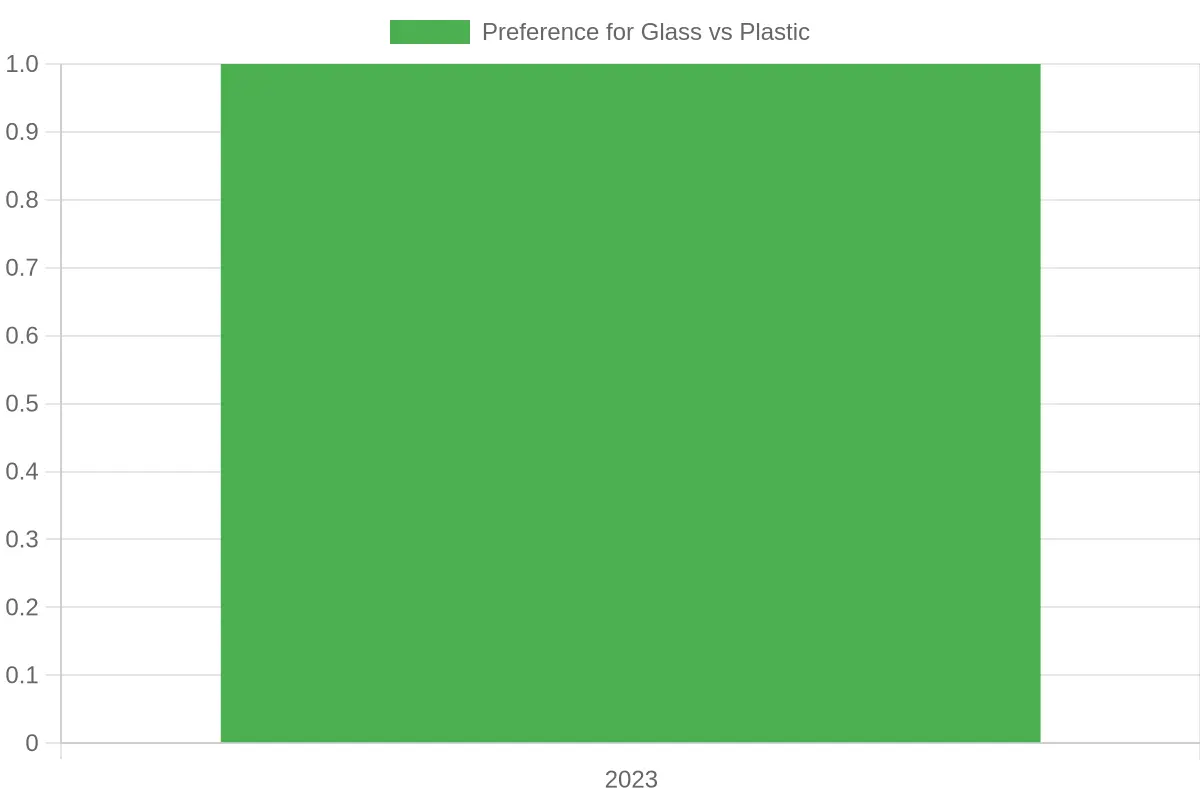
As illustrated in the chart below, there is a marked increase in the preference for glass food storage containers among consumers and businesses alike, driven by increasing health consciousness and environmental awareness.
Sources
- Globe News Wire – Global Household Food Storage Containers Market Analysis Report 2023
- Global Market Insights
- Towards Packaging
- Fact MR – Household Food Storage Container Market
This trend is poised to continue as more food service businesses and consumers recognize the benefits of choosing glass over plastic storage solutions.