
In today’s rapidly evolving beverage industry, the importance of sustainable practices cannot be overstated. For bubble tea shops and restaurants, the shift towards using paper compostable cups is not just an environmental obligation but also an opportunity to meet growing consumer demand for eco-friendly products. Compostable cups, crafted from renewable materials, help reduce the reliance on single-use plastics and contribute to minimizing landfill waste. They offer a practical solution to the pressing issue of plastic pollution, aligning with the values of environmentally-conscious consumers.
As more patrons actively seek businesses that prioritize sustainability, adopting compostable options enhances brand image and can lead to increased customer loyalty. Reports indicate that over half of consumers are now considering sustainability as a crucial factor when purchasing food and beverages, signifying a clear demand for environmentally responsible practices within the industry. By choosing non-plastic disposable food containers, bubble tea shops and other beverage outlets can not only comply with regulations but also stand out in a competitive market, fostering a greener future for all.
Ultimately, embracing these sustainable solutions reflects a commitment to the planet while catering to the evolving preferences of a conscientious customer base.
Benefits of Using Paper Compostable Cups
Using paper compostable cups offers several key benefits for bubble tea shops, food trucks, and catering services. Here’s a breakdown of the advantages:
- Eco-Friendliness:
- Paper compostable cups are made from renewable resources like cornstarch and bamboo. They break down within 90 to 180 days in industrial compost facilities, significantly reducing landfill waste compared to traditional plastic cups. This contributes to less plastic pollution in our environment.
- Compliance with Regulations:
- Many municipalities are implementing stricter regulations against single-use plastics. Using compostable cups can help businesses comply with these regulations, avoiding potential fines and promoting a more sustainable operation. This proactive approach can enhance your brand’s reputation as an environmentally-conscious business.
- Customer Satisfaction:
- Consumers are increasingly aware of environmental issues and prefer businesses that use eco-friendly products. Offering paper compostable cups shows customers that you care about the planet, leading to higher customer satisfaction and loyalty.
- Reduced Carbon Footprint:
- A life cycle assessment has shown that compostable cups produce up to 50% fewer greenhouse gas emissions than conventional plastic-lined cups. This advantageous comparison boosts your establishment’s sustainability profile and reflects positively in the eyes of eco-conscious customers.
- Supports a Circular Economy:
- By using compostable cups, businesses contribute to a circular economy. These cups can be composted, enriching the soil and contributing to the growth of new plants, which helps create a cycle of sustainability in food production.
To learn more about sustainable product options, check out our article on non-plastic disposable food containers.
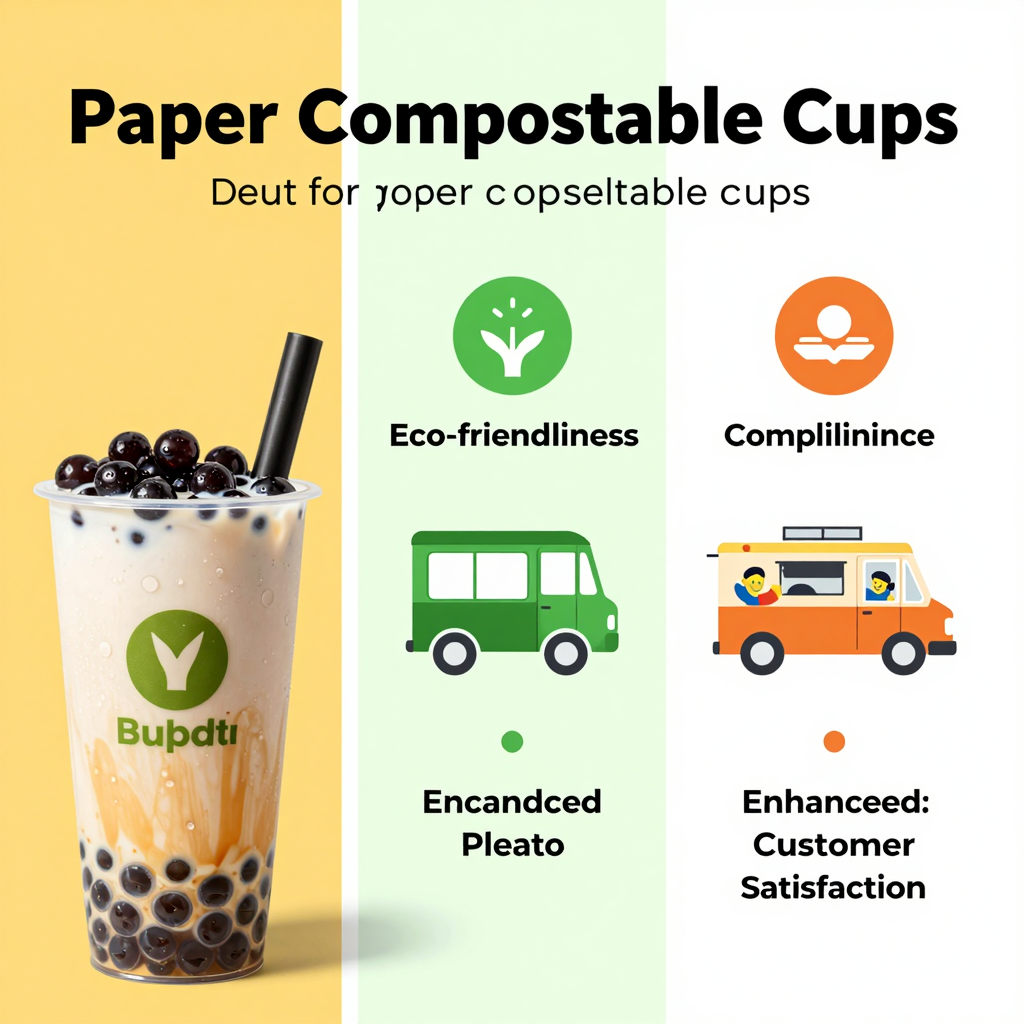
This infographic visually summarizes the benefits of transitioning to paper compostable cups, making it easier for consumers and businesses to understand their positive impact on the environment and customer experience.
The Impact of Eco-Friendly Practices in Food Service: Compostable Cups Making a Difference
As consumers become more environmentally aware, the food service industry is increasingly embracing eco-friendly practices to cater to this shift in demand. One significant way in which businesses can contribute to sustainability is by utilizing compostable cups. These cups, made primarily from renewable resources like polylactic acid (PLA), not only help reduce plastic waste but also enhance a brand’s reputation among eco-conscious customers.
Benefits of Compostable Cups
The use of compostable cups in food service has multiple advantages:
- Reduction of Landfill Waste: Traditional plastic cups can take hundreds of years to decompose in landfills, contributing to environmental pollution. In contrast, compostable cups are designed to break down within 90 to 180 days in industrial composting facilities, ultimately returning to the earth as nutrient-rich compost without leaving toxic residues.
- Meeting Consumer Demand: The global compostable cup market was valued at approximately $919.4 million in 2021 and is projected to reach $1.521 billion by 2025, highlighting the growing demand for sustainable packaging solutions. This reflects a Compound Annual Growth Rate (CAGR) of over 10%, driven by increasing environmental regulations and consumer preferences for eco-friendly products. The rising preference is particularly strong among younger consumers, with studies showing that 68% of Gen Z consumers are more likely to choose brands that adopt sustainable practices.
- Compliance with Health Standards: Certified compostable cups must pass rigorous standards set by authorities such as the U.S. Food and Drug Administration (FDA) to ensure they are safe for food contact and meet chemical migration limits. This assurance can enhance a business’s credibility in the eyes of health-conscious consumers.
Real-World Applications
Food service businesses from bubble tea shops to catering services are reaping the benefits of using compostable cups. For instance, event planners who adopt these sustainable options can promote their events as eco-friendly, attracting environmentally conscious attendees. Restaurants employing compostable cups not only reduce their carbon footprint but also resonate with customers looking to support businesses that align with their values.
By integrating compostable cups and other eco-friendly practices, food service providers can significantly contribute to sustainability efforts while boosting their brand image. To learn more about how to make the transition and the benefits of eco-friendly materials, check out this article on plastic-free disposable coffee cups. For insights on non-plastic disposable food containers, visit this link.
In conclusion, employing compostable cups is not just a trend but a necessary shift towards sustainable food service that benefits both the environment and the business itself.
Features of Our Paper Compostable Cups
Our paper compostable cups stand out in the market due to several innovative features that cater to sustainability and quality, making them perfect for beverage businesses. Here are some notable attributes:
- Durability: Designed to be sturdy and leak-proof, our cups can effectively hold both hot and cold beverages without compromising quality.
- Safe Materials: Made from renewable resources like sustainably sourced wood pulp and lined with polylactic acid (PLA), our cups ensure safety for food contact and are free from harmful synthetic materials.
- Customizability: We offer opportunities for branding and personalized designs, allowing businesses to have cups that reflect their identity and values.
- Compostable: Our cups are certified compostable under standards such as ASTM D6400, meaning they decompose in commercial composting facilities, reducing landfill waste and supporting eco-friendliness.
- Moisture Resistance: These cups maintain their structural integrity despite holding hot liquids (up to 180°F), which is essential for beverages like coffee and tea.
These features not only contribute to a better planet but also align with the growing preferences of consumers for sustainable products. Learn more about our products.
“We switched to compostable cups for our events and we couldn’t be happier. These cups are sturdy, leak-proof, and maintain their integrity even with cold beverages. Knowing that they’re made from eco-friendly PLA material gives us peace of mind because they will break down in a composting facility. Our guests love the professional look, and we appreciate not having to compromise on sustainability!”
Current Market Trends in Compostable Materials for the Food and Beverage Industry
As the global population continues to evolve, so do the preferences and demands of consumers. The food and beverage industry is experiencing a significant shift toward sustainability, with compostable materials leading the charge. Recent statistics reveal a robust growth trajectory for compostable packaging, driven by increased consumer awareness and stricter environmental regulations.
Growing Demand and Market Size
-
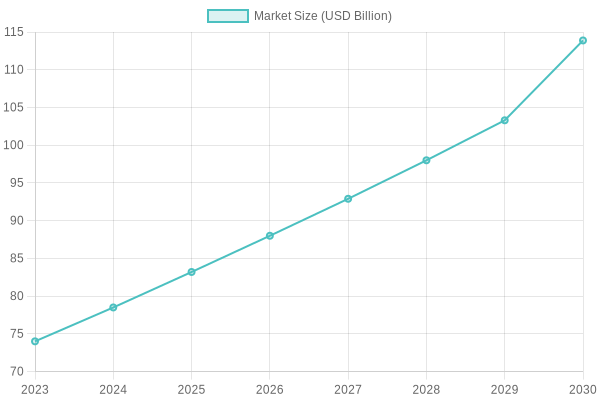
Market Growth: According to Grand View Research, the global market for compostable packaging was valued at approximately $74.01 billion in 2023, with projections indicating a compound annual growth rate (CAGR) of 6.5% from 2024 to 2030. By 2030, the market size is expected to reach $113.88 billion.
Below is a detailed chart illustrating the projected growth:
-
Consumer Preferences: A report from FDL indicates that 2023 has seen a rise in consumer demand for healthier and more sustainable food options. This trend has significantly impacted the packaging sector, prompting companies to adopt biodegradable and environmentally friendly packaging solutions.
-
Demand Growth: A recent analysis indicated that the demand for compostable food packaging has surged to approximately 55 million tons by 2023, marking a stark increase from 36 million tons in 2018. This trend is expected to continue, with projections suggesting an increase of around 8.5% annually for the next few years.
The chart below showcases the historical and projected demand growth:
Influencing Factors
- Environmental Awareness: Increasing awareness about climate change and plastic waste is influencing consumers and businesses alike to pursue compostable options.
- Regulatory Support: Many governments worldwide are enforcing strict regulations against single-use plastics, thereby creating a favorable environment for the adoption of compostable materials.
In conclusion, the shift toward compostable materials in the food and beverage industry is no longer a trend-it is a necessity. Businesses, including bubble tea shops, restaurants, and catering services, must adapt to this growing demand to meet consumer expectations and comply with regulations. For more insights into sustainable options, read more about eco-friendly disposable materials.
Comparison of Cup Types: Compostable vs. Traditional Plastic and Paper
When it comes to serving beverages, the type of cup you choose can make a significant difference in environmental impact, cost, and consumer preference. Below is a comparison of compostable cups, traditional plastic cups, and paper cups:
| Cup Type | Environmental Impact | Cost | Consumer Preference |
|---|---|---|---|
| Compostable Cups | – Biodegradable and compostable, reduces landfill waste |
- Lower overall carbon footprint compared to plastic
- Can take 90-180 days to decompose in the right conditions | Can be 20-50% more expensive than plastic or paper cups | 68% prefer eco-friendly options
- Seen as better for the environment |
| Plastic Cups | – Made from non-biodegradable materials, contribute to plastic pollution - Can take hundreds of years to break down
- However, often recyclable if clean and properly sorted | Generally cheaper: around $0.05 to $0.20 per cup | 37% of consumers use these due to low cost
- Familiar and convenient |
| Paper Cups | – Biodegradable but often coated with plastic, complicating recycling - Generally less harmful than plastic but still environmental concerns | About $0.50 per cup for kraft paper models, bulk prices vary | Used frequently; 71% are aware of environmental preferences |
For further information on sustainable packaging, you can learn more about eco-friendly choices and understand the benefits of biodegradable options.
In conclusion, choosing compostable paper cups for your business not only contributes to a cleaner environment but also enhances your brand’s image in today’s eco-conscious market. As a supplier of top-quality wholesale compostable cups, we understand the unique needs of bubble tea shops, beverage chains, restaurants, food trucks, and event planners. By partnering with us, you can access tailored solutions that meet your specific requirements while promoting sustainability. The shift towards eco-friendly alternatives is more than just a trend; it’s a necessity for responsible businesses seeking to reduce their carbon footprint and appeal to environmentally-minded customers. Together, we can make a significant impact and facilitate a more sustainable future. Therefore, we invite you to explore our offerings and contact us today for personalized solutions that fit your business needs. Let’s work together to create a better planet, one cup at a time!
Sales Growth of Compostable Products in the Food Industry
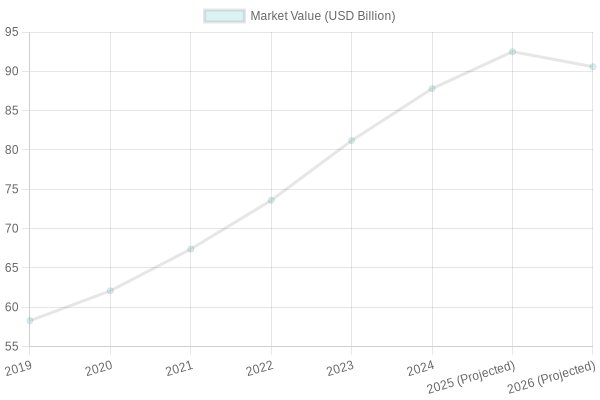
As the demand for sustainable products continues to rise, the market for compostable items, particularly in the food industry, has seen remarkable growth over the last five years. This trend is driven by increasing consumer awareness about environmental issues and regulatory pressures on single-use plastics.
Visual Representation of Sales Growth
Below is a bar chart that illustrates the sales growth of compostable products from 2019 to projected figures for 2026:
| Year | Market Value (USD Billion) | Growth Rate (%) | Key Drivers |
|---|---|---|---|
| 2019 | 58.3 | – | Early adoption of bioplastics, rising environmental awareness |
| 2020 | 62.1 | 6.5 | Pandemic-driven shift to single-use packaging, regulatory pressure |
| 2021 | 67.4 | 8.5 | Expansion of compostable packaging in retail and food service |
| 2022 | 73.6 | 9.2 | E-commerce growth, stricter plastic bans in EU and North America |
| 2023 | 81.2 | 10.3 | Increased corporate sustainability commitments, innovation in materials |
| 2024 | 87.8 | 8.1 | Scaling of industrial composting infrastructure, consumer preference for eco-friendly options |
| 2025 (Projected) | 92.5 | 5.4 | Continued policy support, market consolidation |
| 2026 (Projected) | 90.58 | – | Stable growth; CAGR of 6.77% projected through 2034 |
This data underlines the growing acceptance of compostable products in various sectors, highlighting the importance of sustainable options for Bubble Tea Shops, Beverage Chains, Food Trucks, and Event Planners looking to align their offerings with eco-friendly practices. If you’re interested in expanding your offerings to include non-plastic disposable food containers, now is a great time to explore the options available to you!