
Introduction
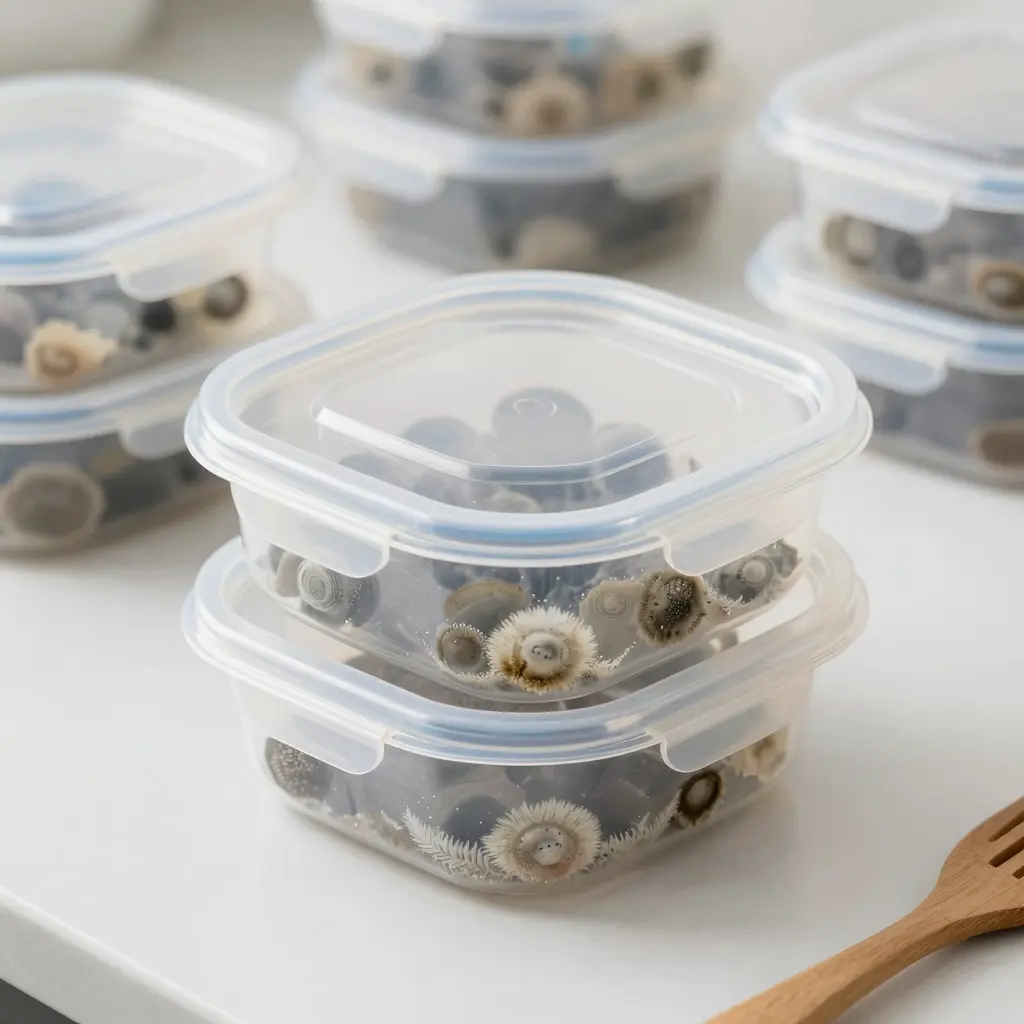
In the dynamic world of food service, especially for bubble tea shops, restaurants, food trucks, and event planners, maintaining the highest hygiene standards is paramount. One often-overlooked area is the cleanliness of plastic food containers, which can harbor mold if not properly maintained. Mold can pose significant health risks, especially for businesses that prioritize food safety and quality. This article will guide you through effective strategies to remove mold from plastic food containers, ensuring that your food presentation remains as appealing as the flavors you serve. Understanding how to properly care for your containers can help you avoid unsightly and potentially harmful mold growth, ultimately elevating your business’s reputation while protecting your customers’ health. Let’s explore the importance of clean containers and the simple steps you can take to keep mold at bay while you focus on delivering exceptional experiences to your clients.
Explore our range of food storage solutions to keep your food safe and fresh!
Scenarios Where Mold May Form in Plastic Food Containers
Mold growth in plastic food containers can occur for various reasons across different food service environments. Here are some specific situations in bubble tea shops, restaurants, food trucks, and catering services:
-
Improperly Cleaned Containers: If containers are not thoroughly washed before reuse, residues from previous foods can create an environment for mold growth.
-
Moisture Build-Up: In bubble tea shops, condensation might occur due to the cold drinks, especially if containers are sealed tightly. This moisture creates a breeding ground for mold.
-
Leftover Food: In restaurants, if food is kept in plastic containers without being consumed for too long, it can spoil and develop mold.
-
Temperature Fluctuations: Food trucks often have inconsistent temperatures, especially during hot weather. This can lead to rapid spoilage and mold growth on stored foods.
-
Storage in Damp Conditions: Catering services may store plastic containers used for buffets in humid environments, promoting mold growth.
-
Use of Non-Airtight Containers: If the lids are not sealed correctly on any food service items, moisture can enter and contribute to mold development.
-
Long Storage Times: Keeping food in containers for extended periods, especially those not designed for long-term storage, can lead to spoilage and mold.
By understanding these scenarios, food service businesses can take proactive measures to prevent mold and maintain food safety.
Understanding Mold: What is it and Why Does it Form?
Mold is a type of fungus that thrives in indoor and outdoor environments, known for its rapid growth under the right conditions. It can appear in various colors, often characterized by fuzzy or powdery textures. Mold reproduces through tiny spores that can be carried by air, making it easy to be transported into food containers.
How Mold Thrives
Mold is particularly insidious in food containers, where certain factors can create the perfect breeding ground:
-
Moisture: Mold needs water to grow, and food containers that retain moisture can quickly invite mold spores to settle in.
-
Temperature: Warm temperatures provide an ideal environment for mold growth. Most molds thrive at room temperature, making kitchens, fridges, and storage areas vulnerable spots.
-
Oxygen: Mold requires oxygen to grow, which is commonly available in most food storage settings.
Factors Contributing to Mold Growth
In food businesses like bubble tea shops, restaurants, and catering services, several key factors can contribute to mold growth:
- Unwashed Produce: Fruits and vegetables that are not properly washed can carry mold spores. Learn more about preventing moldy food.
- Improper Storage: Using non-airtight containers or failing to clean containers regularly can result in mold growth. It’s crucial to utilize quality storage options such as takeaway boxes that minimize exposure to air and moisture.
- Humidity Levels: High humidity in food storage areas can encourage mold. Maintaining appropriate humidity levels is essential for preventing growth.
Visual Representation of Mold Formation
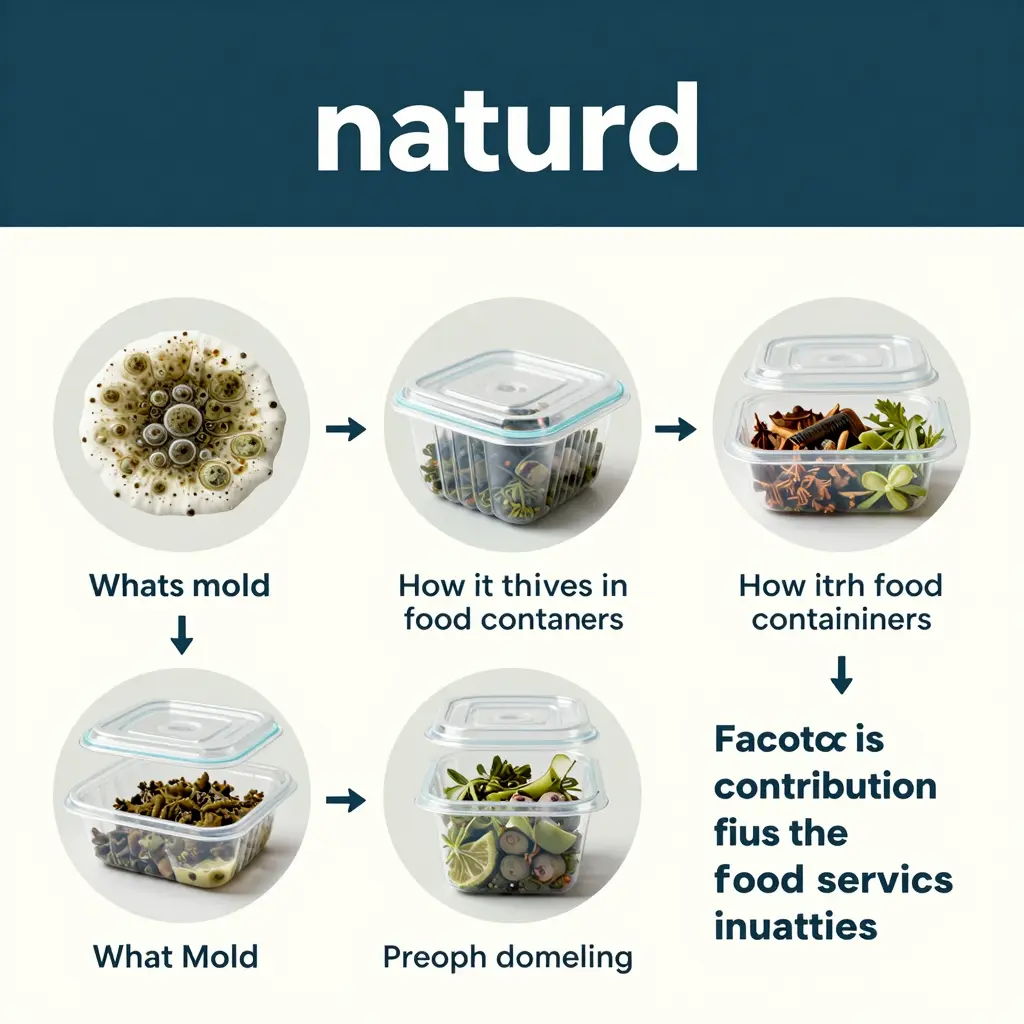
By understanding mold and how to combat its growth, food businesses can protect their products and ensure a safer eating experience for their customers.
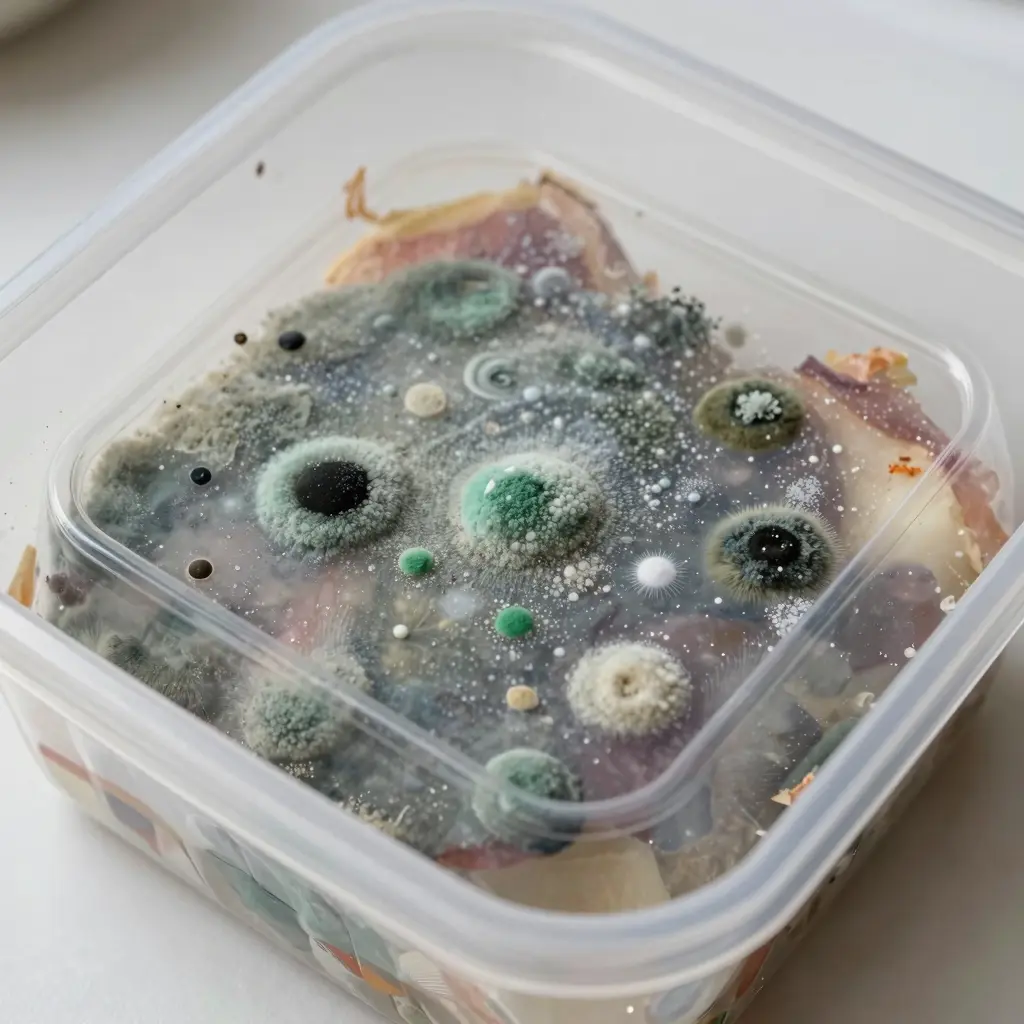
Safe and Effective Methods to Remove Mold from Plastic Food Containers
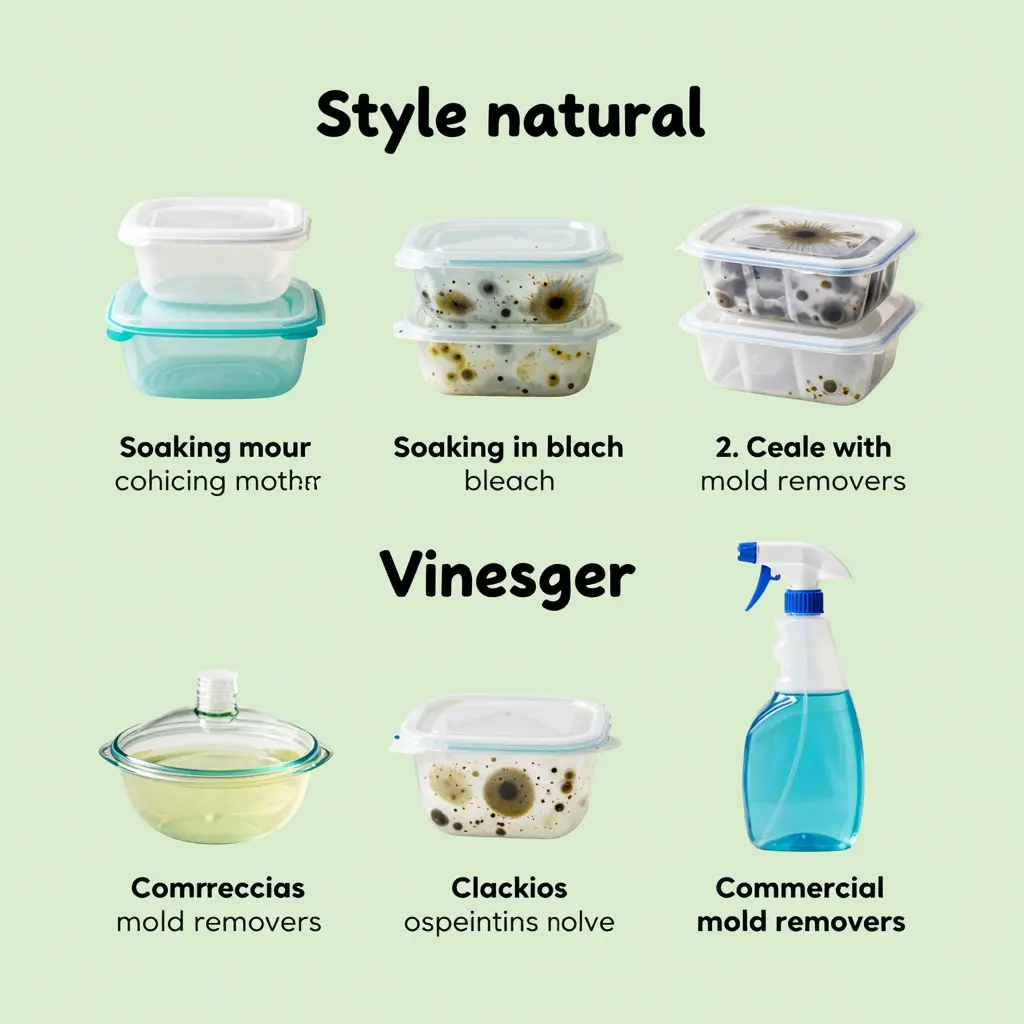
When running a bubble tea shop or food service business, maintaining cleanliness is crucial, especially when it comes to food storage. Mold can develop on plastic food containers if they are not cleaned properly. Here are three safe and effective methods to remove mold from plastic food containers:
1. Soak in a Bleach Solution
Bleach is a strong disinfectant that can effectively eradicate mold. To use this method:
- Mix 1 part bleach with 10 parts warm water in a container.
- Submerge the moldy plastic food containers or their lids in the solution for about 10 minutes.
- Rinse thoroughly and wash with dishwasher detergent to remove any bleach residue.
For more detailed instructions, visit AllRecipes.
2. Clean with a Vinegar Solution
Vinegar is a natural, safe alternative for cleaning mold. It not only eliminates mold but also disinfects:
- Fill a spray bottle with white vinegar and spray directly on the moldy areas of the container.
- Let it sit for an hour to penetrate and kill the mold spores.
- Clean with a sponge and hot water, then dry thoroughly.
Learn more about this method at KitchenBun.
3. Use Commercial Mold Removers
If you prefer a ready-made solution, commercial mold removers like Lysol or Mold Armor can be effective:
- Follow the manufacturer’s instructions for use.
- Generally, you’ll spray the product on the affected areas and allow it to sit for a designated time before rinsing.
For brand recommendations, check out MeatChefTools.
By following these methods, you can ensure your plastic food containers remain clean and safe for future use.
Comparing Mold Removal Methods for Plastic Food Containers
When it comes to removing mold from plastic food containers, various methods can be applied. Here’s a structured comparison that highlights their effectiveness, ease of use, and safety:
| Method | Effectiveness | Ease of Use | Safety for Food Containers |
|---|---|---|---|
| Vinegar | Effective against most molds | Easy to use; simply spray and wipe | Safe; non-toxic and natural |
| Bleach | Very effective but may not penetrate porous surfaces | Requires dilution; use with caution | Not safe for food contact |
| Hydrogen Peroxide | Effective against mold and mildew | Easy to apply; needs wiping | Safe; usually considered food-safe |
| Commercial Products | Highly effective and convenient | Typically simple application instructions | Depends on product; check labels |
| Baking Soda | Good for prevention and light mold | Mix with water for scrubbing | Safe; non-toxic |
This table provides a clear view of the options available for mold removal from food containers. It’s important to choose a method that explicitly states food safety if you intend to reuse the containers for food storage. For more information on eco-friendly options, check out our selection of takeaway containers.
For more best practices on food safety, learn more about our environmentally friendly packaging solutions.
Preventing mold growth in plastic food containers is crucial for food businesses to maintain hygiene, ensure food safety, and prolong the life of their products. Here are some effective tips and preventive measures:
-
Regular Cleaning: Set a routine to thoroughly clean all food storage containers, especially after they have been emptied. Use hot, soapy water, and sanitize with a solution of 10 parts warm water to 1 part bleach to eliminate any lingering mold spores.
-
Moisture Control: Mold thrives in moist environments. To help prevent mold, ensure containers are completely dry before storing food. Consider using moisture-absorbing products like desiccant packets or silica gel inside containers to maintain a dry atmosphere.
-
Use Vinegar Solutions: Spray the inside of clean plastic containers with white vinegar and allow it to sit for five minutes before wiping clean. This natural method can help inhibit mold growth and is safe for food-related items.
-
Seal Properly: Make sure plastic containers are sealed tightly. Leaks can cause moisture buildup and promote mold growth. Regularly check seals and lids for any wear and replace them as needed.
-
Environment Awareness: Store containers in a cool, dry place away from direct sunlight. High humidity areas like kitchens can encourage mold. Use an air conditioner or dehumidifier to control moisture levels in food storage areas.
-
Inspection and Rotation: Regularly inspect food items before placing them in containers. Implement a ‘first in, first out’ (FIFO) system to ensure older items are used first, reducing the chances of mold developing in long-stored food.
-
Educate Your Team: Train staff on the importance of mold prevention. Ensure they understand proper sanitation practices and the need for vigilance in inspecting food and containers regularly.
-
Use Quality Materials: Invest in high-quality food containers that are less prone to retaining moisture and are designed to inhibit mold growth. Consider materials that are easy to clean and resistant to staining.
By implementing these practices, food businesses can significantly reduce the risk of mold growth in their plastic food containers, keeping their products safe and appealing for customers. For more resources on food-safe containers, check out our range of takeaway boxes and disposable cutlery.
With a combination of routine maintenance and effective storage techniques, you can create a healthier environment for your food operations.
When dealing with mold in food containers, the importance of proper prevention techniques cannot be overstated. As a food safety expert wisely noted, “Proper washing of food containers and understanding moisture control are essential in preventing mold growth, crucial for food safety and health.” This highlights the need for all food establishments-be it bubble tea shops, restaurants, or food trucks-to implement effective hygiene practices to ensure safe food storage and preparation.
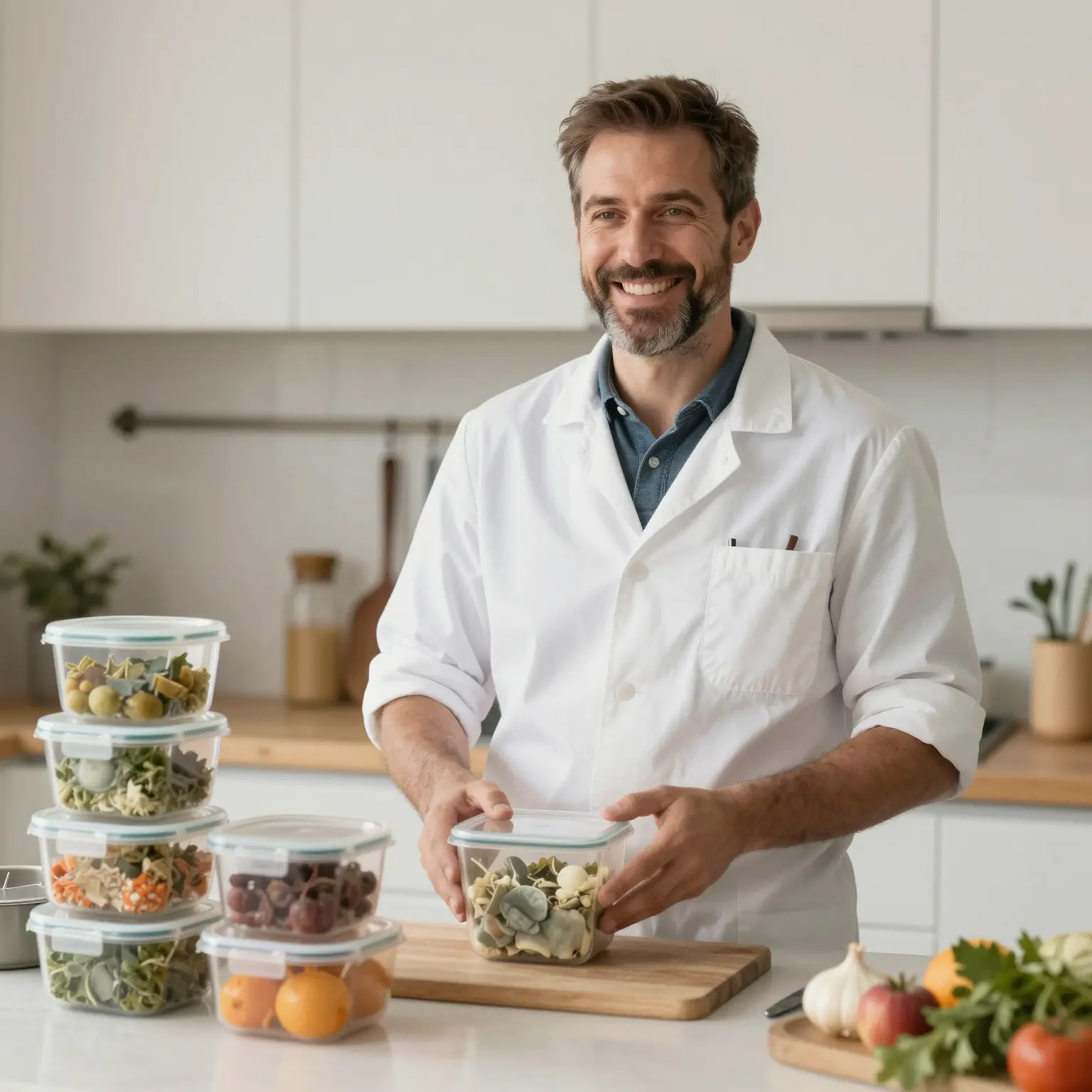
Taking proactive measures not only safeguards food quality but also protects the health of your customers. To learn more about effective storage solutions, check out our selection of bakery and sushi boxes that help keep your food safe and mold-free.
Conclusion
In conclusion, maintaining clean food containers is not only essential for food safety but also crucial for preventing mold growth that can endanger public health. By utilizing proper cleaning methods and regularly inspecting your food storage solutions, you can ensure that your establishment remains free from harmful contaminants. Mold can thrive in damp and improperly stored environments, and research shows that it can spread quickly, affecting both food quality and safety (Mold – Wikipedia).
For those involved in the food industry, such as bubble tea shops, restaurants, and catering services, it is vital to prioritize hygiene practices. Regular cleaning and utilizing airtight containers can make a significant difference in maintaining fresh ingredients and preventing mold-related issues (How to Prevent Mold in Your Walk-In Cooler).
At EcoCup Bowl, we offer a variety of quality packaging solutions designed to support your commitment to cleanliness and food safety. By choosing our packaging options, you can reinforce your brand’s dedication to quality and customer satisfaction. Explore our products today and ensure that you are providing the best for your customers!
Your Go-To Partner for Disposable Tableware
When it comes to operating a successful food business, ensuring safety and quality is paramount, especially when handling food packaging. At EcoCup Bowl, we specialize in offering reliable disposable tableware and packaging solutions that meet your operational needs. Our products are designed to withstand a variety of conditions, ensuring that your food stays safe and fresh for your customers.
Safety and Quality You Can Trust
Our range of products includes everything from biodegradable cups to sturdy takeaway boxes, all crafted with considerate attention to safety standards. We understand that when serving food, the integrity of your containers is crucial. That’s why we ensure that all our materials are food-safe, sustainable, and responsibly sourced. You can confidently focus on your culinary creations, knowing your food presentation is in good hands.
Responsive Support Tailored to Your Needs
Having a reliable supplier means you can reduce stress and maximize efficiency during busy service hours. Our dedicated customer support team is just a call away, ready to assist you with product inquiries or to help you select the best solutions for your business needs. Plus, our seamless online ordering system allows you to restock your essentials quickly and efficiently.
We invite you to explore our wide selection of disposable cutlery or check out our impressive range of takeaway boxes to find the perfect products for your business! Partner with EcoCup Bowl today – because your food deserves the best!