
Introduction
In the fast-paced world of the food service industry, white plastic food containers have emerged as essential tools for businesses looking to enhance efficiency and presentation. Their versatility makes them a favorite among bubble tea shops, restaurants, food trucks, and event planners alike. These containers not only offer a practical solution for takeaway and meal prep but also provide a blank canvas for branding, allowing businesses to personalize their packaging with labels and designs. From hot meals to intricate desserts, white plastic containers cater to a wide range of culinary creations, ensuring that food stays fresh and appealing during transportation. Furthermore, their lightweight nature and stackable design help optimize storage and reduce waste, making them an environmentally conscious choice for food service professionals. Explore our offerings of takeaway boxes and discover how these functional containers can elevate your service and help you stand out in the competitive food market.
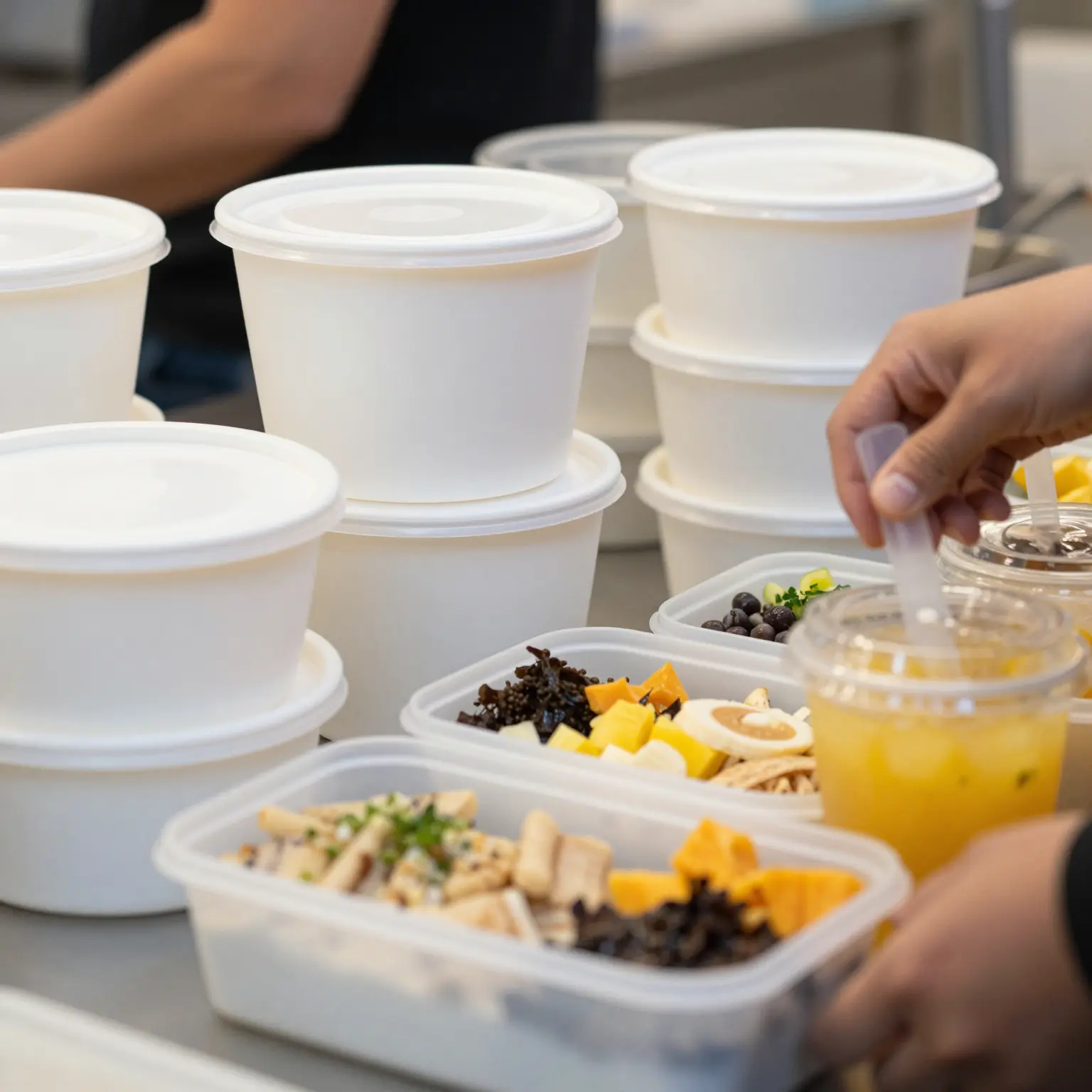
This image presents an appealing visual of various white plastic food containers actively in use, ideal for catering events or bubble tea shops. It captures the essence of modern food service, making it relevant for your audience.
Benefits of White Plastic Food Containers
White plastic food containers offer several advantages that make them an ideal choice for food service businesses such as bubble tea shops, restaurants, food trucks, and catering services. Below are some key benefits:
Cost-Effectiveness
- Affordable Pricing: White plastic food containers are generally less expensive than glass or metal alternatives.
- Bulk Purchasing Options: Many suppliers offer discounts on bulk orders, further reducing costs for businesses that need large quantities regularly.
Safety
- Food Safety Compliance: These containers are often made from materials that comply with food safety standards, ensuring that the food remains safe for consumption.
- Non-Toxic Materials: Most white plastic containers are BPA-free and made from FDA-approved materials, reducing health risks associated with chemical leaching.
Durability
- Impact Resistance: Plastic containers are designed to withstand impacts and resist breakage, making them ideal for busy kitchen environments.
- Leak-Proof Designs: Many white plastic food containers have airtight seals which prevent leaks and spills during transport, crucial for maintaining food integrity.
Eco-Friendliness
- Recyclability: Many white plastic food containers are recyclable, helping to reduce waste. Utilizing recyclable materials can align a business with eco-friendly practices, attracting environmentally-conscious customers. Learn more about sustainable practices here.
- Lightweight Nature: Their lightweight design contributes to lower transportation costs and reduced carbon footprints, a plus for businesses looking to decrease their environmental impact.
- Reduced Material Waste: Compared to glass and metal containers, plastic options generally result in less resource consumption during manufacturing.
Versatility
- Variety of Sizes: White plastic food containers come in a range of sizes and shapes, suitable for storing everything from salads to soups, enhancing menu versatility.
- Customizable: Businesses have the option to customize containers with logos or labeling, promoting brand identity while serving practical purposes.
In summary, the benefits of using white plastic food containers extend beyond mere functionality. Their affordability, safety features, durability, and eco-friendliness make them a smart choice for food service businesses aiming for efficiency and sustainability. Consider integrating these containers into your service strategy to optimize operations. For more options and products, check out our takeaway boxes and containers.
Comparison of Different Types of White Plastic Food Containers
When it comes to selecting the right white plastic food containers for your business-whether you run a bubble tea shop, food truck, restaurant, or catering service-there’s a variety of options available. Each type of container has its own unique features, dimensions, and pricing. Below is a comprehensive comparison table of several popular types:
| Container Type | Dimensions (mm) | Uses | Price Range (USD) |
|---|---|---|---|
| Round Plastic Food Container | 147 x 137 x 79 | Storing leftovers, meal preps | $0.50 – $1.00 |
| 12 oz White Plastic Food Container | Standard Size | Storing takeout, leftovers, or salads | $0.30 – $0.70 |
| 16 oz White Plastic To-Go Containers | Standard Size | Takeout food services, ice cream | $0.40 – $0.80 |
| 200 ML Plastic Food Container | 118 x 118 x 83 | Various food storage applications | $0.20 – $0.50 |
| 32 Mega Pack of Plastic Food Containers | Various Sizes | General food storage, meal prepping | $15 – $25 for pack |
Key Features:
- Durability: Most containers are made from BPA-free materials, ensuring safe food storage without harmful chemicals.
- Leak-Proof Designs: Snap-on lids and airtight seals help in keeping your food fresh and preventing leaks.
- Versatility: Can be used for takeout, meal prepping, or storing food items in restaurants and catering environments.
For more options, check out our takeaway boxes or food containers for various sizes and designs!
Case Study: Transforming a Bubble Tea Shop with White Plastic Food Containers
The vibrant world of bubble tea is not just about flavors; it encompasses the entire customer experience, from the moment they walk into the shop to the way their beverages are packaged. A popular bubble tea shop, “Sweet Sips,” recently faced challenges that many small businesses encounter-ensuring product quality while maintaining a sustainable and appealing presentation. However, with the implementation of white plastic food containers, they discovered a solution that not only tackled their issues but also elevated their service.
Challenges Faced
Sweet Sips struggled with their previous packaging options, primarily made from biodegradable materials that, surprisingly, didn’t hold up well under variable temperatures. They faced:
- Leakage Issues: The containers often failed to keep drinks secure during transport, leading to messy spills and dissatisfied customers.
- Aesthetics: The dull packaging did not align with the shop’s vibrant branding and deterred potential customers.
- Hygiene Concerns: The porous nature of previous materials led to concerns about cleanliness and food contamination, diminishing customer confidence.
Solutions Offered by White Plastic Food Containers
After considering various alternatives, Sweet Sips decided to adopt white plastic food containers that came with numerous benefits:
- Durability: These containers are made of high-quality, food-safe plastic that withstands temperature changes, ensuring that drinks stay fresh and secure.
- Aesthetic Appeal: The sleek, white design enhances the visual appeal of any drink or dessert, complementing the shop’s colorful branding effectively. This was particularly important for social media marketing, as customers love sharing Instagram-worthy photos of their treats.
- Hygiene Ratings: The non-porous surface of white plastic provides a state-of-the-art barrier against contaminants, reassuring customers about the safety of their food.
Results Achieved
The response to the new packaging was overwhelmingly positive. Within a month of implementing white plastic food containers, Sweet Sips reported:
- 30% Increase in Sales: As customers began to share pictures of their beautifully presented drinks, word of mouth spread quickly. This led to an influx of new customers visiting the shop.
- Improved Customer Feedback: Social media reviews highlighted the quality and presentation of the drinks, boosting the shop’s online reputation.
- Enhanced Efficiency: Staff reported a decrease in packaging errors and an increase in overall workflow efficiency. The containers were not only easy to handle but also stackable, allowing for better organization in the storage area.
Conclusion
Sweet Sips successfully transformed one of their most significant challenges into an opportunity for growth by adopting white plastic food containers. They discovered that the right packaging could enhance customer satisfaction and positively impact their bottom line. As the bubble tea trend continues to thrive, Sweet Sips is now better equipped to serve its customers, setting a higher standard for beverage presentation in the industry.
For more options on packaging solutions, check out EcoCupBowl’s selection of boxes and takeaway box options to find the perfect fit for your business!
Understanding Food Container Safety Standards
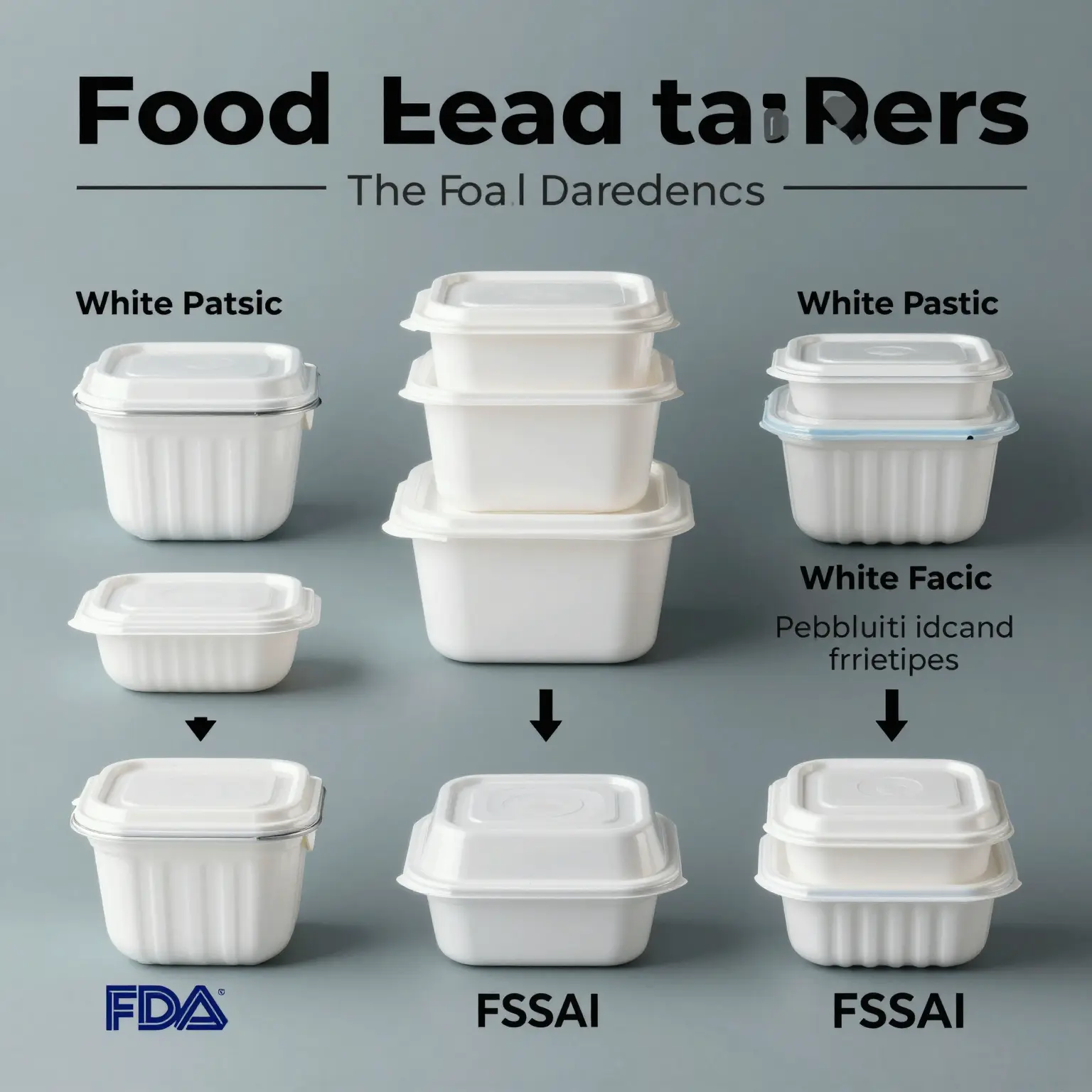
Food safety is paramount in the food service industry, especially for establishments such as bubble tea shops, restaurants, food trucks, and catering services. White plastic food containers must comply with several safety standards to ensure they are safe for food storage and service. Here, we summarize the key safety standards established by notable organizations, focusing on regulations in the U.S. and India.
Key Organizations & Regulations
1. U.S. Food and Drug Administration (FDA)
- Regulation: Code of Federal Regulations (CFR) Title 21
- Description: This regulation governs materials that come into contact with food in the United States. The FDA ensures that these materials are safe and do not transfer harmful substances into food. The key aspect of FDA compliance is that any food-contact material must meet safety criteria, particularly regarding its chemical composition.
2. Food Safety and Standards Authority of India (FSSAI)
-
Regulation: Food Safety and Standards (Packaging and Labelling) Regulations, 2011
-
Description: FSSAI requires that packaging materials, including plastics, do not leach harmful chemicals into the food. This regulation emphasizes the importance of proper labeling and information about the products used.
-
Additional Regulations:
-
Food Recall Procedure Regulations, 2017: Covers procedures for recalling food that poses health risks, including packaged food in plastic containers.
-
Packaging Amendment Regulations, 2026: Introduces updates to enhance safety through sustainable packaging practices, aiming to reduce the usage of plastic.
3. European Food Safety Authority (EFSA) (for international comparison)
- Regulation: Various guidelines under EFSA dictate the safety of materials used in food contact applications within EU territories. They regulate similar categories as the FDA and FSSAI but focus on broader implications including environmental impacts.
Compliance Practices
Food businesses must ensure compliance through:
- Testing of materials to guarantee leach-free status during food storage or heating.
- Regular audits to ensure adherence to the latest standards.
- Proper labeling as mandated by regulations in respective countries, which helps in tracing back potential food safety risks.
Conclusion
For food service providers, adherence to food container safety standards is not only a legal obligation but also a fundamental aspect of consumer protection. By choosing compliant materials like white plastic food containers that meet these regulations, businesses can guarantee the safety and integrity of their food offerings. To explore various options for compliant food containers, visit our product categories.
Market Trends in Plastic Food Containers
The market for plastic food containers in the food service industry has seen significant growth from 2020 to 2023. Factors such as urbanization, consumer demand for convenience, and the rise of delivery services have driven this expansion. Below is a chart illustrating the growth in market value over this period:

Market Growth Data
| Year | Market Value (USD Billion) | CAGR (%) | Key Factors |
|---|---|---|---|
| 2020 | 109.6 | 4.17 | Rise in urbanization, demand for convenience in food packaging, increase in takeaway services. |
| 2021 | 112.0 | 4.17 | Increased online ordering, shifting consumer preferences towards disposable options. |
| 2022 | 115.8 | 4.17 | Growing importance of sustainability, innovations in packaging solutions. |
| 2023 | 120.0 | 4.17 | Continued growth due to convenience, on-the-go consumption, and regulatory changes. |
The growth trajectory indicates a burgeoning market, which is particularly relevant for businesses like bubble tea shops and catering services considering the ongoing shift towards disposable packaging solutions.
To explore more about food containers, check out our wide range of takeaway boxes and disposable cutlery options available.
Conclusion
Choosing quality packaging solutions is not just a matter of aesthetics; it’s a pivotal aspect of running a successful food service business. From maintaining food safety to enhancing the customer experience, quality packaging plays a crucial role in how your products are perceived and enjoyed. Whether you own a bubble tea shop, a bustling restaurant, or a vibrant food truck, investing in durable and visually appealing packaging can help distinguish your brand in a competitive market. Consider the advantages discussed throughout this article, such as improved presentation, increased customer satisfaction, and the environment-friendly options that can resonate with today’s conscious consumers.
At ECO Cup Bowl, we understand that tailored packaging needs vary across different businesses. Our wide range of takeaway boxes ensures you can find the perfect fit for your products. Now is the time to elevate your brand with packaging that reflects its quality and care. Partner with us today for personalized quotes and find out how we can help you achieve your packaging goals!
“Good food deserves good packaging. Our takeaway containers lock in flavor.”
- Plastilon, via Facebook, September 24, 2025
This quote highlights the crucial role that quality packaging plays in maintaining the integrity and flavor of food during transport and service. For businesses in the food service industry, including bubble tea shops and catering services, investing in effective disposable packaging like food containers is essential for customer satisfaction and operational efficiency.
By choosing the right disposable options, you not only ensure fresh and flavorful offerings but also enhance the overall dining experience for your clients.
For businesses looking to expand their takeaway options, check out our range of disposable packaging solutions tailored for all your needs.
FAQ Section: White Plastic Food Containers
1. Are white plastic food containers sustainable?
- Recyclability: Many white plastic food containers are made from recyclable materials, helping reduce overall waste. Check local recycling guidelines for specifics.
- Reusable Options: Consider reusing containers to minimize single-use plastic waste. This practice aligns with the principles of sustainability we promote in our products, such as eco-friendly food containers.
- Environmental Impact: Using white plastic can lead to less waste accumulation compared to alternatives, but it’s essential to choose brands that prioritize sustainability in their production.
2. What are the common use cases for white plastic food containers?
- Takeaway and Delivery: Ideal for restaurants and food trucks, they keep food warm and fresh for customers.
- Catering Services: Great for event planners to organize meals efficiently and ensure portion control.
- Beverage Chains: Perfect for storing drinks or snacks, maintaining freshness while providing a clean presentation.
3. How do I properly maintain white plastic food containers?
- Cleaning: Handwashing is recommended for longevity, as dishwashers can degrade the material over time.
- Storage: Stack containers without nesting lids to prevent warping. Store them in a cool, dry place to avoid deformation.
- Avoid Heat: Do not microwave containers unless specified as microwave-safe, as this can lead to chemical leaching. It’s wise to take precautions noted in safety guidelines by sources like the National Institutes of Health.
4. What are the advantages of using white plastic food containers?
- Lightweight & Durable: Easy to transport, these containers are designed to withstand impacts while remaining lightweight.
- Cost-Effective: Generally lower in cost compared to glass alternatives, making them budget-friendly for businesses.
- Versatile Design: Available in various sizes and shapes suitable for different food items.
5. Are there any disadvantages I should be concerned about?
- Chemical Leaching: Some plastics may leach chemicals when exposed to high temperatures. Always opt for BPA-free options when possible.
- Environmental Concerns: Plastic waste remains a significant issue; therefore, understanding disposal and recycling options is crucial. Explore more about these concerns and meticulous handling of plastic at Poma.
Conclusion
Understanding the benefits and considerations surrounding white plastic food containers is key for businesses aiming at efficiency, sustainability, and safety. By choosing the right products and following best practices, you can ensure a positive impact on both your operations and the environment.